10 Best Hobbies for People Working Two Jobs to Reduce Stress and Maximize Limited Free Time
Working two jobs leaves little time for yourself. Between shifts, commutes, and basic daily tasks, finding even a few minutes to relax can feel impossible.
Many people in this situation believe hobbies are a luxury they simply can’t afford.

The right hobbies can actually help you manage stress, improve your health, and boost your productivity without requiring large blocks of time or expensive equipment. You don’t need hours of free time or a big budget to enjoy activities that make a real difference in your life.
Some hobbies take just 10 to 15 minutes and can fit into small breaks between your work schedules.
This guide covers practical hobby options that work for busy schedules. You’ll learn about activities you can do at home, outdoors, or during short breaks.
10) Yoga and stretching exercises

Yoga and stretching exercises work well when you have two jobs because you can practice them almost anywhere. You don’t need expensive equipment or a gym membership.
A small space at home or even your office break room is enough to get started. These activities help reduce the physical stress that comes from working long hours.
Your muscles stay loose and flexible, which means less pain and stiffness. Even just 10 to 15 minutes of stretching can make a difference in how your body feels.
You can practice yoga early in the morning before your first job or during breaks between shifts. Simple breathing exercises and basic poses take very little time but provide real benefits.
Stretching exercises are easy to learn through free online videos or basic guides. You don’t need to master complicated poses to see results.
Basic movements that target your neck, shoulders, back, and legs work well for most people. The best part is that yoga and stretching don’t drain your energy like intense workouts do.
They actually help you recover from physical and mental fatigue. You can adjust the difficulty based on how tired you feel.
This hobby fits naturally into a busy schedule with two jobs. You control when and how long you practice.
There’s no pressure to attend classes or meet specific goals, making it a flexible option for your lifestyle.
9) Photography with a smartphone

You don’t need expensive camera equipment to start photography as a hobby. Your smartphone already has everything you need to capture quality images during your limited free time.
Smartphone photography fits perfectly into a busy schedule with two jobs. You can practice during lunch breaks, on commutes, or during the few minutes between shifts.
The camera is always with you, so you never miss an opportunity to improve your skills. Modern smartphones take impressive photos that many people are willing to pay for.
Stock photography websites accept smartphone images if they meet quality standards. You can also offer your services for small business social media content or local event coverage.
This hobby requires almost no financial investment to start. You already own the main tool.
Free editing apps let you enhance your photos without buying software. Online tutorials teach you composition, lighting, and technique at no cost.
The flexible nature of smartphone photography makes it manageable even with a packed schedule. You control when and where you shoot.
There’s no pressure to accept clients or meet deadlines unless you choose to turn it into a side income. You can start simple by photographing everyday objects and scenes.
As your skills grow, you might explore specific subjects like food, nature, or street photography. The hobby grows with you at whatever pace works for your life.
8) Podcast listening and reviewing

Podcast listening fits perfectly into a busy schedule when you work two jobs. You can listen during your commute, while doing chores, or during breaks between shifts.
This hobby requires no special equipment beyond a phone or computer with internet access. Podcasts cover nearly every topic you can imagine.
You might enjoy true crime, comedy, business advice, or hobby-specific shows about photography or sports cards. The variety means you can always find something that matches your interests and mood.
Taking the next step to review podcasts adds another layer to this hobby. You can write short reviews on podcast apps or share your thoughts on social media.
The time commitment stays completely flexible. Most podcast episodes run between 20 and 60 minutes, but you control the playback speed and can pause whenever needed.
You decide how much time you want to invest in listening and reviewing. This hobby costs nothing if you stick to free podcast platforms.
You also don’t need to set aside dedicated time blocks since you can multitask. Listening while you work on other tasks makes efficient use of your limited free time.
Starting is simple. Download a podcast app, search for topics that interest you, and press play.
After listening to a few episodes, you can begin sharing quick reviews based on your experience.
7) DIY crafts and home projects

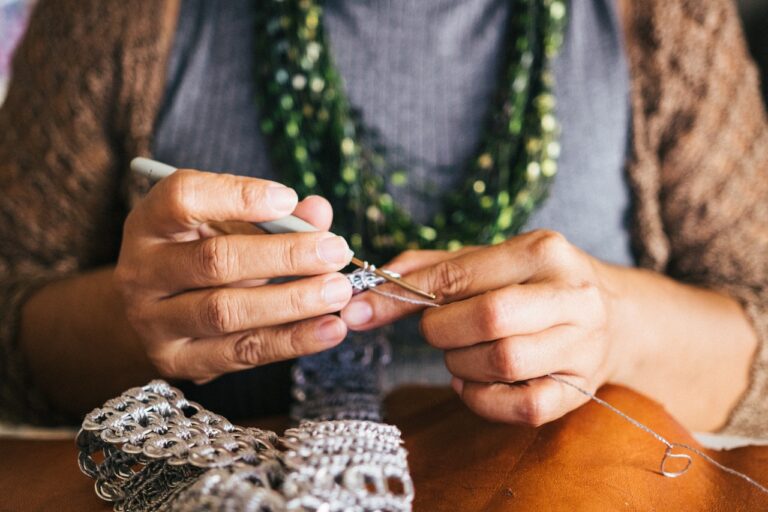
DIY crafts and home projects work well when you have limited free time between two jobs. You can pick up and put down these projects whenever your schedule allows.
This flexibility makes them perfect for people with unpredictable work hours. You can start with simple projects that take 30 minutes or less.
Small crafts like making greeting cards, painting small items, or organizing supplies fit into short breaks. These quick wins help you relax without requiring large time commitments.
Home improvement projects let you work at your own pace. You can paint one room over several weeks or fix small things around your house when you have energy.
Each completed task gives you a sense of accomplishment and improves your living space. Many DIY hobbies use materials you already have at home.
This keeps costs low, which matters when managing finances with two jobs. You can also turn your crafts into extra income by selling them at local events or to friends and family.
The hands-on nature of DIY work provides a mental break from your regular jobs. Working with your hands engages different parts of your brain than typical work tasks.
You control every aspect of DIY projects, from choosing what to make to deciding when to work on them. This freedom feels refreshing when your work schedules dictate most of your day.
6) Gardening in small spaces

Gardening works well when you have two jobs because it fits into short time blocks. You can tend to plants for just 10 to 15 minutes before or after work.
Small space gardening requires even less time since you have fewer plants to maintain. You don’t need a yard to start gardening.
A balcony, windowsill, or small patio provides enough room for container plants. Vertical gardening lets you grow plants upward using wall planters or hanging pots.
This approach saves floor space while giving you more growing area. Container gardening gives you full control over your setup.
You can grow herbs, vegetables, or flowers in pots of different sizes. Moving containers around helps you adjust sunlight exposure without replanting.
The supplies you need are basic and affordable. Pots, soil, seeds, and basic tools cost less than many other hobbies.
You can start with a few containers and add more as your schedule allows. Plants grow on their own schedule, not yours.
You water them, provide light, and they do the rest of the work. This makes gardening perfect for busy schedules since plants don’t require constant attention.
Growing your own herbs or vegetables can reduce grocery costs over time. Fresh herbs from your windowsill cost nothing after the initial setup.
Even a few tomato plants can produce enough fruit to make the effort worthwhile.
5) Cooking new recipes

Cooking new recipes fits perfectly into a busy schedule when you’re working two jobs. You can start small with simple dishes that take 30 minutes or less.
This hobby doesn’t require you to set aside large blocks of time. You already need to eat, so cooking transforms a daily task into something creative.
Instead of ordering takeout between shifts, you can try a new recipe and develop a useful skill. This saves money while giving you a break from work stress.
The flexibility of cooking makes it ideal for your situation. You can prep ingredients on one day and cook on another.
You can also choose recipes based on how much time and energy you have available. Learning new recipes helps you discover different cuisines and techniques.
You might explore Italian pasta dishes one week and try Asian stir-fries the next. Each recipe teaches you something new about ingredients and cooking methods.
You’ll eat healthier meals and spend less on food. The skills you build in the kitchen stay with you for life.
You don’t need expensive equipment to get started. Basic pots, pans, and utensils work fine for most recipes.
You can gradually add tools as you develop your interests. Cooking new recipes gives you a creative outlet that fits into your daily routine.
It’s productive, practical, and adaptable to whatever time you have available between your jobs.
4) Online language learning

Learning a new language fits well into a busy schedule when you have two jobs. You can study during breaks, commute time, or those few minutes between shifts.
Online language apps and websites let you practice whenever you have a spare moment. Language learning doesn’t require large blocks of time.
Five to ten minutes of daily practice adds up over weeks and months. You can listen to podcasts during your commute or review flashcards while waiting for your next shift to start.
The cognitive benefits make this hobby worthwhile beyond just learning words. Studies show that working with multiple languages improves memory and problem-solving skills.
You can connect language learning with things you already enjoy. If you like cooking, follow recipes in your target language.
If you watch videos online, switch to content in the language you’re studying. This approach makes learning feel less like extra work.
Online language learning also costs less than many other hobbies. Many apps offer free versions with basic features.
You don’t need special equipment or a dedicated space. The flexibility is the biggest advantage for people with two jobs.
You control when and where you study. You can pause your lessons when work gets busy and pick up again when you have more time.
There’s no pressure to attend scheduled classes or meet fixed deadlines.
3) Creative writing or journaling

Writing is a perfect hobby for people working two jobs because you can do it anywhere with minimal time. You can write during lunch breaks, on public transit, or before bed.
Even 10-15 minutes of daily writing provides mental benefits. Journaling helps you process the stress that comes with managing two jobs.
You can write about your daily experiences, track your goals, or simply get thoughts out of your head and onto paper. This practice improves focus and helps you prioritize what matters most in your busy schedule.
Creative writing gives you an outlet for imagination when your work days feel repetitive. You can try short stories, poetry, or character sketches.
These forms of writing don’t require long time commitments or expensive materials. Writing strengthens your communication skills, which can help you in both of your jobs.
The more you write, the better you become at expressing ideas clearly. This skill transfers to emails, reports, and conversations with coworkers.
You only need a notebook and pen to start, though you can also use your phone or computer. There’s no pressure to share your writing with anyone unless you want to.
The flexibility makes writing ideal when your schedule changes week to week.
2) Morning jogging or walking routine

Starting your day with a jog or walk gives you a predictable way to stay active when you work two jobs. You can complete this workout before your first shift begins, which means it won’t compete with your other work commitments.
A morning walking or jogging routine takes 20 to 30 minutes. This fits well into tight schedules because you don’t need to travel to a gym or wait for equipment.
You simply step outside your door and start moving. This hobby works because it requires minimal planning.
You need a pair of running shoes and weather-appropriate clothing. There’s no membership fee or special training required to get started.
Walking or jogging in the morning helps you build consistent exercise habits. When you do it first thing, you won’t skip it due to exhaustion from your work shifts.
The routine becomes automatic over time. You can adjust the intensity based on your energy levels each day.
On tired mornings, you can walk at a comfortable pace. When you feel energized, you can jog or add short bursts of faster movement.
Many people find that morning cardio improves their focus and energy throughout the day. This benefit matters when you need to stay alert during long work hours across two different jobs.
You can also use this time to plan your day or simply enjoy some quiet moments before your busy schedule begins. The mental break provides value beyond the physical exercise.
1) Meditation and mindfulness practices

When you’re working two jobs, finding time to calm your mind might seem impossible. Mindfulness practices fit perfectly into your busy schedule because you can do them almost anywhere in just a few minutes.
You don’t need special equipment or a quiet room to start. Simple breathing exercises work during your break at either job.
You can focus on taking slow, deep breaths for two to three minutes between shifts. Meditation helps reduce stress and anxiety that comes from managing multiple work schedules.
Studies show people who practice mindfulness regularly feel happier and more focused. You’ll notice better concentration at both jobs when you give your brain these short mental breaks.
Body scan meditation works well if you have five to ten minutes. You simply pay attention to different parts of your body, noticing any tension.
This helps you relax without needing to leave your workspace. Mindful walking is another option for people with packed schedules.
When you walk between jobs or during lunch breaks, focus on each step and your breathing. This turns necessary movement into a meditation practice.
Start with short sessions that match your schedule. You can gradually increase the time as the practice becomes a natural part of your routine.
How Hobbies Benefit People Working Two Jobs

When you work two jobs, hobbies might seem like a luxury you can’t afford. But spending even small amounts of time on activities you enjoy can reduce stress, help you manage your schedule better, and create clear boundaries between work and personal time.
Managing Stress and Burnout
Working two jobs puts constant pressure on your mind and body. Hobbies give you a mental break from work-related tasks and help lower your stress levels.
Research shows that doing a creative activity for just 45 minutes can boost your confidence and improve your mood. When you focus on something you enjoy, your brain stops thinking about work deadlines and problems.
Physical hobbies like walking or yoga help release tension in your body. Creative hobbies like drawing or playing music engage different parts of your brain than your jobs do.
You don’t need hours of free time to benefit from hobbies. Even 15 to 30 minutes of an activity you enjoy can help you feel more refreshed.
Boosting Time Management Skills
Hobbies force you to make better decisions about how you use your time. When you commit to a hobby, you learn to schedule activities more carefully and avoid wasting time on things that don’t matter.
Many hobbies teach skills that carry over to your work life. Building something requires planning and following steps in order.
Team sports teach coordination and communication. Even simple hobbies like reading help you focus better.
You become more aware of how you spend each hour of your day. This awareness helps you find small pockets of time you didn’t realize you had.
You might discover you can practice a hobby during lunch breaks or while commuting. The discipline of making time for a hobby also helps you set better boundaries at both jobs.
Enhancing Work-Life Balance
Your identity shouldn’t be tied only to your jobs. Hobbies give you something that belongs to you alone, separate from your work responsibilities.
When you have interests outside of work, you give yourself permission to stop thinking about job tasks. This mental separation is critical when you spend most of your waking hours working.
Your hobby time becomes a clear signal that work is over for now. Social hobbies connect you with people who know you for reasons other than your job.
These relationships remind you that you’re more than just an employee. They also provide emotional support that can help you handle the demands of working two jobs.
Hobbies also help you maintain better physical and mental health. When you take care of yourself through enjoyable activities, you have more energy for your work commitments.
Tips for Successfully Incorporating Hobbies Into a Busy Schedule

Finding time for hobbies when working two jobs requires strategy and commitment. You need to set achievable targets, use small pockets of free time, and build habits that stick.
Setting Realistic Goals
Start by choosing hobbies that match your actual schedule. If you only have 15 minutes before your second shift, don’t pick activities that need hours of setup time.
Pick one or two hobbies instead of trying to do everything at once. Break your hobby time into small chunks.
You might sketch for 10 minutes during lunch or listen to a language learning app during your commute. These short sessions add up over weeks and months.
Set specific targets that you can measure. Instead of “get better at guitar,” aim for “learn one new chord each week.”
This keeps you motivated because you can see real progress.
Start with these time commitments:
- 10-15 minutes daily for quick hobbies
- 30 minutes twice a week for moderate activities
- 1-2 hours on weekends for longer projects
Track what you accomplish each week. Write it down in a notebook or phone app so you can see how much you’re actually doing.
Leveraging Short Breaks
Your day has more free time than you think. The 10 minutes between jobs, your lunch break, or time waiting for appointments can all become hobby time.
Keep hobby supplies ready to use. Store a book in your car, download podcasts to your phone, or keep a small sketchbook in your bag.
When you have supplies on hand, you won’t waste time gathering materials. Use your commute if you’re not driving.
You can read, do digital drawing on a tablet, or work on writing projects on your phone. Public transit time becomes productive hobby time instead of dead time.
Quick hobbies for short breaks:
- Reading (5-10 pages)
- Mobile photography
- Journaling or writing
- Stretching or yoga poses
- Language learning apps
- Listening to educational podcasts
Even five minutes counts. Those small moments build skills and give your mind a break from work stress.
Creating a Consistent Routine
Pick the same time each day or week for your hobby. Your brain adapts to patterns, making it easier to stick with activities when they happen at regular times.
Treat hobby time like a work shift you can’t skip. Put it on your calendar and protect that time from other commitments.
If you schedule it, you’re more likely to do it. Link hobbies to existing habits.
Practice your hobby right after dinner, before bed, or first thing when you wake up. This connection makes the new habit stronger because it piggybacks on something you already do automatically.
Start small with just two or three scheduled hobby sessions per week. Once this becomes normal, you can add more time.
Building slowly prevents burnout and helps the routine stick long-term.
Frequently Asked Questions

When you’re balancing two jobs, finding time and energy for personal interests requires smart planning and realistic expectations. The right hobbies can fit into tight schedules while helping you recharge and build useful skills.
How can I find time for hobbies while working two jobs?
Start by looking at gaps between your work shifts, even if they’re only 15 to 30 minutes. These small windows work well for activities like listening to podcasts or doing quick stretching exercises.
Use your commute time if you take public transportation. You can review podcasts, plan DIY projects, or look through photography inspiration on your phone.
Block out specific time slots for hobbies on your calendar, just like you would for work meetings. Even scheduling one or two hours per week gives you something to look forward to.
Choose hobbies that don’t require setup time or leaving your home. Smartphone photography, yoga, and small-space gardening let you start immediately without complicated preparation.
What are some relaxing hobbies suitable for someone juggling multiple job commitments?
Yoga and stretching exercises help release physical tension from long work hours. You can do these activities in your living room for just 10 to 20 minutes at a time.
Listening to podcasts requires no physical effort and works during breaks, meals, or before bed. You can pause and resume episodes whenever your schedule allows.
Gardening in small spaces like windowsills or balconies provides a calming activity that doesn’t demand constant attention. Plants grow on their own schedule while you’re at work.
Simple DIY crafts let you work with your hands at your own pace. You can pick up a project for a few minutes and put it down without pressure to finish quickly.
What hobbies can enhance my skills for managing two jobs effectively?
Podcast listening exposes you to new ideas about time management, productivity, and work-life balance. Many shows feature strategies from people who successfully handle multiple commitments.
Photography sharpens your attention to detail and observation skills. These abilities transfer to catching important details at work and staying more focused.
DIY projects build problem-solving abilities as you figure out how to complete tasks with limited resources. This skill helps when you need to be creative with your time and energy.
Yoga improves your concentration and stress management. Better focus means you complete tasks faster and make fewer mistakes across both jobs.
Gardening teaches patience and planning since you must think ahead about plant care. These skills apply to juggling competing deadlines and responsibilities.
How can I integrate hobbies into my busy routine without affecting my job performance?
Set boundaries for your hobby time so it doesn’t cut into sleep or work preparation. Thirty minutes of an activity is better than sacrificing rest you need to perform well at work.
Pick hobbies that boost your energy rather than drain it. Stretching exercises and light gardening can refresh you between shifts instead of adding fatigue.
Use hobbies as transition activities between jobs. Taking photos during your walk from one workplace to another helps reset your mind for the next shift.
Avoid hobbies with rigid schedules or commitments to other people. Crafts, photography, and solo yoga let you participate whenever you have free time without letting anyone down.
Which hobbies are suitable for professionals with irregular or night-shift schedules?
Indoor activities work best since they don’t depend on daylight or business hours. Yoga, crafts, and indoor gardening fit any time of day or night.
Smartphone photography gives you flexibility to capture images during unusual hours. Night photography or early morning shots can become your specialty.
Podcasts adapt to any schedule because you control when you listen. You can enjoy episodes during night shifts, afternoon breaks, or weekend mornings.
Small-space gardening with grow lights lets you tend plants regardless of your work schedule. The lights provide what plants need even if you’re asleep during normal daylight hours.
DIY projects that you can do quietly at home work well for night-shift workers. You won’t disturb neighbors or need to wait for stores to open.
Are there low-cost hobbies that I can pursue alongside working two jobs?
Smartphone photography costs nothing if you already own a phone. You don’t need expensive cameras or equipment to take interesting photos.
Yoga and stretching require only comfortable clothes and a small floor space. Free videos and apps provide guidance without gym memberships or class fees.
Podcast listening is free through most apps. You can access thousands of shows without paying subscription fees.
Gardening in small spaces starts with inexpensive seeds or plant cuttings. You can use recycled containers instead of buying fancy pots.
DIY crafts often use materials you already have at home. Scrap paper, old jars, fabric scraps, and household items become project supplies.