How to Choose the Right Hobby for Your Personality and Lifestyle: A Practical Guide to Finding Your Perfect Pastime
Finding the right hobby shouldn’t feel like another task on your to-do list. Many people struggle to find activities they actually enjoy because they choose hobbies based on trends or what others recommend rather than what fits their unique traits and daily routine. The key to choosing the right hobby is matching activities to both your personality type and the realistic time and energy you have available in your life.

When choosing the perfect hobby that fits your lifestyle, you need to consider several factors working together. Your natural preferences, energy levels, budget, and schedule all play a role in whether you’ll stick with an activity long-term. A hobby that works for someone else might leave you feeling frustrated or bored.
This guide walks you through understanding what makes you tick and how to find activities that bring genuine enjoyment to your free time. You’ll learn how to assess your personality traits, evaluate your schedule honestly, and explore different hobby options that align with who you are. By the end, you’ll have a clear process for finding a hobby that truly fits your personality and works with your real life.
Understanding Your Personality Type

Your personality shapes what activities feel natural and enjoyable to you. The traits you possess directly affect which hobbies will keep you engaged long-term and which ones might feel like a chore.
Identifying Your Personality Traits
You can start by examining five broad personality categories that help explain your behavior patterns. These include openness to experience, conscientiousness, extroversion, agreeableness, and neuroticism.
Understanding the five broad personality types gives you a framework for recognizing your strengths and weaknesses. If you score high in openness, you likely enjoy creative activities and trying new things. Conscientious people tend to prefer structured hobbies with clear goals and rules.
You can take formal assessments to learn more about yourself. The Myers-Briggs Type Indicator (MBTI) breaks personalities into 16 types based on how you process information and make decisions. The Big Five personality test measures where you fall on each of the five trait scales.
Pay attention to what energizes you versus what drains you. Notice whether you prefer working alone or with others. Track which activities make time fly by and which ones feel tedious.
How Personality Influences Hobby Selection
Your personality traits directly determine how you engage with hobbies. Research shows that personality type affects whether you try many hobbies casually or dive deep into a few.
People with high conscientiousness often gravitate toward hobbies with clear structure. They enjoy meeting deadlines, following rules, and working under pressure. Activities like competitive sports, instrument practice, or building projects appeal to this trait.
If you score high in openness, you probably want variety and creative expression. You might enjoy painting, writing, photography, or learning new languages. These hobbies let you explore different ideas and push boundaries.
Agreeable personalities often choose social hobbies that involve helping others or building community. Volunteering, team sports, or group classes fit this preference. Hobby-personality alignment directly improves adherence, enjoyment, and long-term engagement.
Introversion vs. Extroversion in Hobby Choices
Your energy source plays a major role in which hobbies suit you best. Extroverts gain energy from social interaction and external stimulation. They thrive in group settings and often prefer hobbies that involve other people.
Extroverted hobbies include:
- Team sports like basketball or soccer
- Group fitness classes
- Book clubs or discussion groups
- Community theater
- Networking events
Introverts recharge through alone time and internal reflection. You need activities that offer quiet focus rather than constant social engagement. This doesn’t mean you dislike people, but you prefer smaller groups or solo pursuits.
Introverted hobbies include:
- Reading or writing
- Solo hiking or running
- Gardening
- Painting or drawing
- Programming or coding
Some hobbies work for both personality types depending on how you approach them. Photography can be a solitary art form or involve group workshops. Gaming offers both solo campaigns and multiplayer options.
Assessing Your Lifestyle and Time Commitment
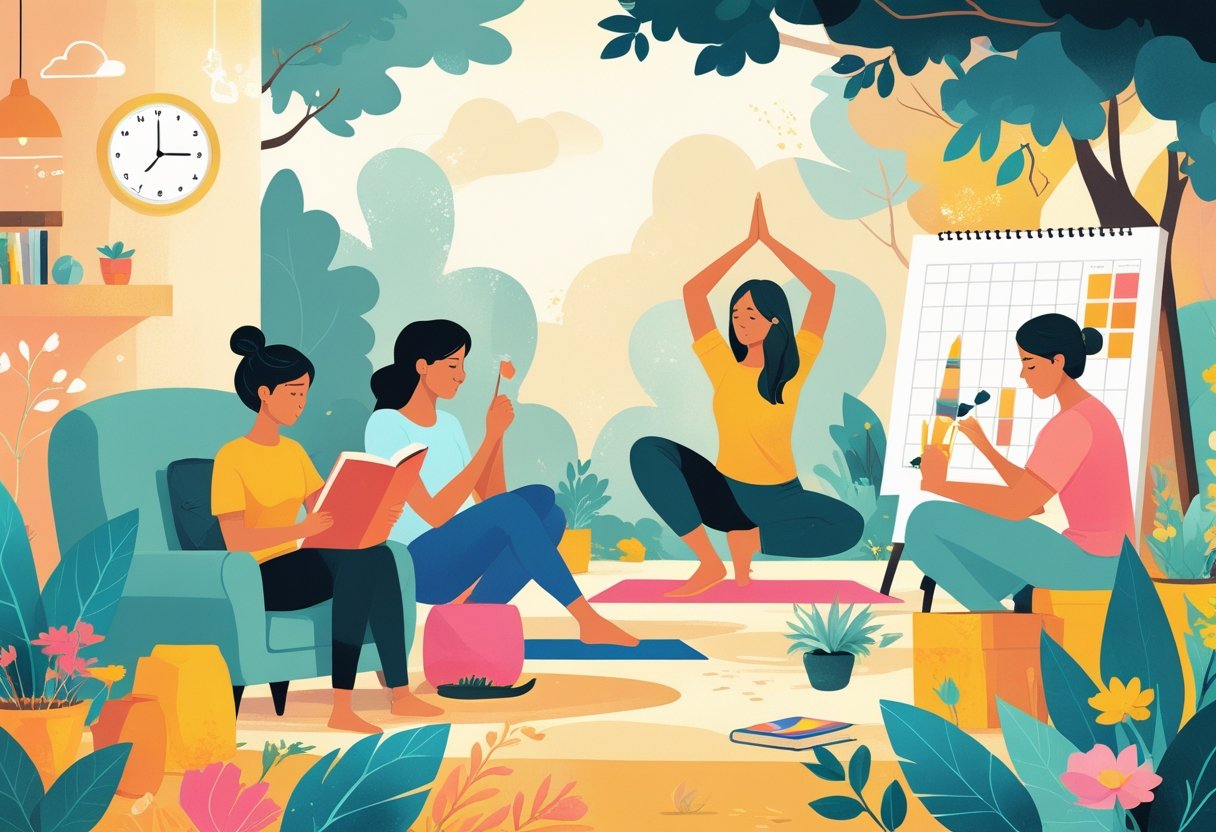
Your current schedule and daily responsibilities directly affect which hobbies will work for you. Understanding how much time you can realistically dedicate helps you pick activities that add enjoyment instead of stress.
Evaluating Daily Routines and Time Availability
Start by tracking how you spend your time for one week. Write down when you wake up, work hours, meal times, family obligations, and when you go to bed. This shows you where gaps exist in your schedule.
Look for pockets of free time that happen regularly. You might have 30 minutes before work, an hour during lunch, or two hours on weekend mornings. These consistent windows are better for hobbies than random free time that changes week to week.
Be honest about your energy levels at different times. If you’re exhausted after work, a hobby requiring high focus might not fit that slot. Morning people should consider activities that match their peak energy hours.
Planning a hobby that fits your busy lifestyle requires realistic scheduling. Some hobbies need just 15 minutes daily, like journaling or stretching. Others demand longer blocks, like painting or team sports.
Balancing Work, Family, and Personal Interests
Your hobby should support your other responsibilities, not compete with them. Consider choosing activities your family can join or enjoy watching. This lets you spend time together while pursuing personal interests.
Think about your work schedule’s predictability. Jobs with changing shifts or frequent travel need flexible hobbies you can do anywhere. A stable 9-to-5 schedule allows for classes or group activities with set meeting times.
Set boundaries around your hobby time. Tell family members when you need uninterrupted time for your activity. Most people respect scheduled hobby time when you communicate clearly about it.
Key factors to balance:
- Number of work hours per week
- Childcare or eldercare duties
- Partner’s schedule and needs
- Household maintenance time
- Sleep requirements
Choosing Between Solo and Group Activities
Solo hobbies give you complete control over timing and pace. You can practice whenever you have free time without coordinating with others. Reading, drawing, gardening, and running work well for unpredictable schedules.
Group activities provide social connection and accountability. You’re more likely to stick with a hobby when others expect you to show up. Team sports, book clubs, and group classes create built-in motivation.
Your personality matters here too. Introverts often prefer solo activities that let them recharge alone. Extroverts gain energy from group hobbies with social interaction.
Consider mixing both types. You might enjoy solo painting during the week and a weekend art class for feedback and community. This combination gives you flexibility plus social benefits.
Setting Goals for Your Hobby Journey
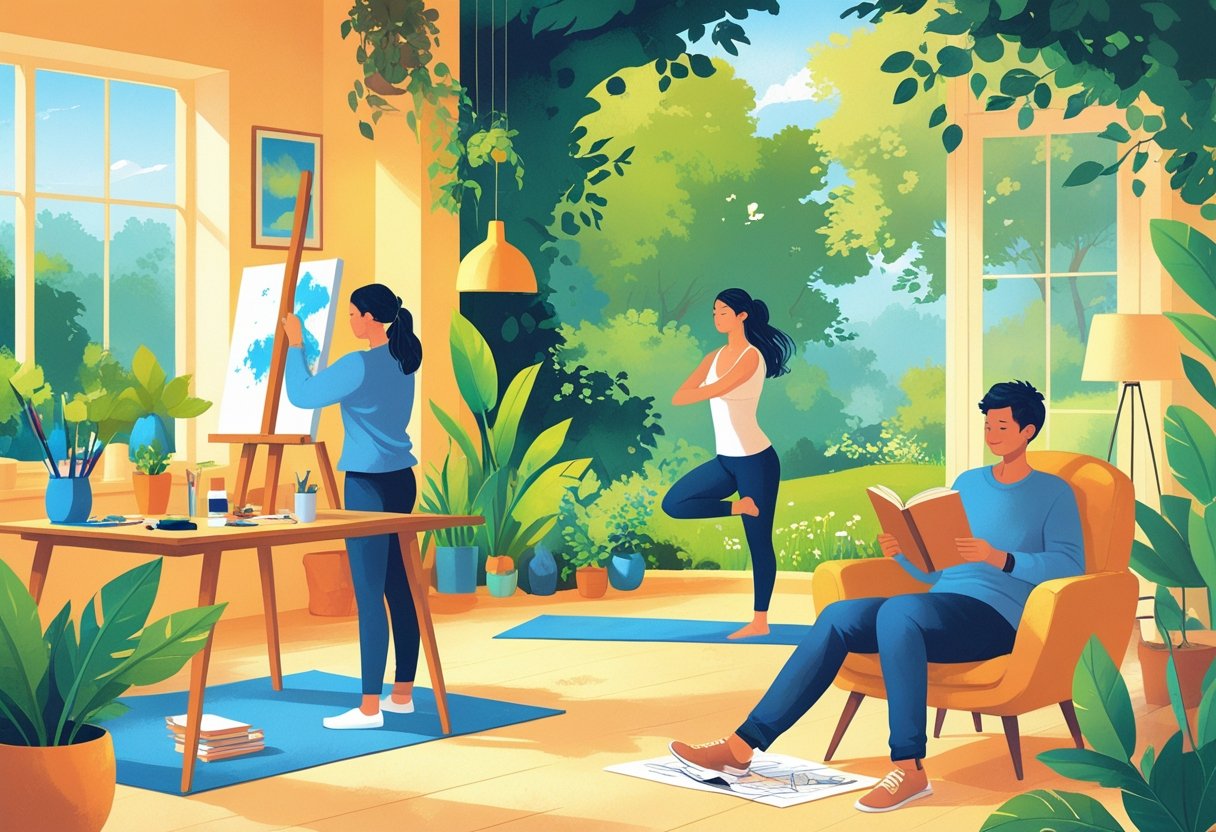
Clear goals help you stay motivated and measure your progress as you develop a new hobby. Your personal reasons for starting a hobby will shape what success looks like for you.
Defining Personal Motivations
You need to understand why you want to pursue a hobby before you set any goals. Your motivation might be to reduce stress after work, meet new people, or learn a practical skill. Some people want hobbies that challenge their minds, while others seek physical activities that keep them active.
Write down your top three reasons for wanting this hobby. Be specific about what you hope to gain. If you want to start painting because you need a creative outlet, your goals will look different than someone who paints to decorate their home.
Your motivations also determine how much time and money you’ll invest. A hobby for relaxation doesn’t need the same commitment as one you hope to turn into a side business. Think about whether you want immediate results or if you’re comfortable with slow progress over months or years.
Establishing Achievable Objectives
Start with small, specific goals you can reach within a few weeks. Instead of “get good at guitar,” try “learn three basic chords” or “practice for 15 minutes daily for two weeks.” These smaller targets keep you from feeling overwhelmed when you’re just starting out.
Break larger goals into steps you can track. If you want to run a 5K, your first goal might be to jog for 10 minutes without stopping. Once you reach that, you can add distance or time.
Set both skill-based and consistency goals. Skill goals focus on what you’ll learn, like completing a beginner knitting pattern. Consistency goals track your habits, such as attending a weekly art class or spending 30 minutes on your hobby three times per week. You need both types to build a lasting hobby practice.
Exploring Different Types of Hobbies

Hobbies fall into distinct categories that match different parts of your personality and how you like to spend your time. Understanding these categories helps you find activities that fit your natural interests and energy levels.
Creative and Artistic Pursuits
Creative hobbies let you express yourself and make something new with your hands or imagination. These activities include painting, drawing, writing, photography, pottery, knitting, woodworking, and music.
You don’t need natural talent to start a creative hobby. Most artistic skills develop through practice and patience. Many people find these hobbies relaxing because they focus your mind on one task and block out daily stress.
Creative pursuits work well if you enjoy seeing results from your efforts. You can display finished paintings, wear clothes you’ve sewn, or share stories you’ve written. These hobbies often need minimal space and equipment to start.
Common creative hobbies include:
- Drawing and sketching
- Playing musical instruments
- Scrapbooking and journaling
- Digital design and video editing
- Crafting and DIY projects
Some creative hobbies cost very little to begin, while others require more investment in supplies or tools.
Physical and Outdoor Activities
Physical hobbies keep your body moving and often take place outside. These include hiking, cycling, swimming, gardening, rock climbing, running, team sports, and camping.
Active hobbies improve your physical health while giving you mental breaks from screen time and indoor spaces. You burn calories, build strength, and often get fresh air at the same time. Many people sleep better when they add physical hobbies to their routine.
These activities work best if you have energy to spare and enjoy movement. Some physical hobbies like walking or gardening are low-impact and gentle. Others like martial arts or competitive sports demand more intensity and commitment.
Popular physical hobbies:
- Yoga and stretching
- Bird watching
- Kayaking or canoeing
- Trail running
- Strength training
Your schedule and location affect which physical hobbies you can do regularly. Urban areas offer gyms and sports leagues, while rural locations provide trails and open spaces.
Intellectual and Educational Hobbies
Mental hobbies challenge your brain and help you learn new information or skills. These activities include reading, learning languages, puzzles, chess, coding, researching topics, and taking online courses.
Intellectual hobbies keep your mind sharp as you age. They build knowledge in areas that interest you without the pressure of grades or tests. You can pursue 150+ hobby ideas broken down by interest at your own pace.
These hobbies suit you if you enjoy thinking deeply about subjects or solving problems. Many intellectual activities cost little or nothing to start. Libraries offer free books, and many educational resources exist online at no charge.
You can do most mental hobbies alone or with groups. Book clubs, debate teams, and study groups add social elements to learning activities.
Social and Community-Based Interests
Social hobbies connect you with other people who share your interests. These include volunteering, joining clubs, attending meetups, participating in community theater, playing board games, and group fitness classes.
These activities fight loneliness and help you build friendships outside work or school. You learn from others and share experiences together. Social hobbies often give you a sense of purpose, especially when you volunteer or help your community.
Group activities work well if you gain energy from being around others. They require coordination with other people’s schedules, which means less flexibility than solo hobbies. But the relationships you build often become as valuable as the activity itself.
Examples of social hobbies:
- Book clubs
- Community service projects
- Dance classes
- Amateur sports leagues
- Gaming groups
Many social hobbies combine other categories. A community garden is both physical and social. A writers’ group blends creative and social elements.
Matching Hobbies to Your Personality and Lifestyle

Your personality traits and daily routine determine which hobbies will bring you the most satisfaction and which ones you’ll actually stick with long-term. The right match between your natural tendencies and your available time makes all the difference.
Aligning Hobbies with Personality Strengths
Your core personality traits point you toward specific types of activities. If you’re outgoing and energized by social interaction, group hobbies like team sports, book clubs, or community theater give you the connection you need. Introverts often thrive with solo pursuits like reading, gardening, or painting.
People who score high in openness to experience typically enjoy creative hobbies such as writing, photography, or learning new languages. Those who are more detail-oriented and conscientious might find satisfaction in model building, woodworking, or coding projects that require precision and planning.
Personality-based hobby selection works because different personality types have different natural interests. You can take a hobby finder quiz to discover activities you’re naturally wired to enjoy. When your hobby matches your strengths, you’ll spend less time forcing yourself to participate and more time genuinely enjoying the activity.
Considering Lifestyle Constraints
Your available time shapes what hobbies are realistic for you. A demanding job or family responsibilities might leave you with only 30 minutes a few times per week. Short-burst hobbies like sketching, meditation, or learning through apps fit these limits better than activities requiring multi-hour blocks.
Budget matters too. Some hobbies need minimal investment—running requires just shoes, while journaling needs a notebook and pen. Others like photography, golf, or restoring vintage cars demand significant upfront costs and ongoing expenses.
Your physical space also determines what’s possible. Apartment dwellers might struggle with woodworking but can easily pick up knitting or digital art. Access to specific locations affects options too—you need nearby trails for hiking or a pool for swimming.
Energy levels throughout the day play a role. If you’re exhausted after work, a relaxing hobby like reading suits you better than high-intensity activities. Save those for weekends when you have more stamina.
Narrowing Down Suitable Options
Start by listing three personality traits that define you and three lifestyle factors that limit or enable your free time. Match each trait to hobby categories that align with those characteristics.
Create a simple comparison:
- High energy + limited time = Running, HIIT workouts, quick art projects
- Social + weekends free = Recreational sports leagues, group hiking, cooking classes
- Creative + home-based = Writing, crafting, digital design
- Analytical + flexible schedule = Chess, programming, puzzle solving
Test potential hobbies before committing fully. Borrow equipment, attend free trial classes, or start with minimal investment options. You’ll know within a few sessions if the activity feels natural or forced.
Hobby-personality alignment directly improves adherence and long-term engagement. Eliminate options that conflict with your schedule or require resources you don’t have. Keep the two or three that excite you most and fit your real-world constraints.
Trying Out and Evaluating New Hobbies

Testing different activities helps you discover what truly fits your personality and lifestyle. The key is to give each hobby a fair trial while staying honest about whether it brings you genuine satisfaction.
Sampling Activities Before Committing
Start with low-cost or free ways to try a hobby before investing significant money or time. Many communities offer trial classes, open houses, or one-time workshops where you can experience an activity firsthand. Libraries often provide free access to equipment, books, and resources for various hobbies.
Borrow or rent equipment instead of buying it right away. If you want to try photography, use your smartphone camera first. For painting, buy a small starter set rather than professional supplies.
Give yourself at least three to five sessions before making a judgment. The first attempt at any new activity feels awkward and uncomfortable. Your second or third try reveals more about whether you actually enjoy the hobby or just the idea of it.
Look for beginner-friendly communities or groups where you can explore your interests and connect with like-minded people. These groups provide support and guidance as you learn. They also help you understand what the hobby looks like beyond the initial trial period.
Reflecting on Experiences and Enjoyment
Pay attention to your emotions during and after each session. Do you feel energized or drained? Do you look forward to the next time or find excuses to skip it?
Notice whether time passes quickly or slowly when you’re engaged in the activity. When you genuinely enjoy something, hours can feel like minutes. If you’re constantly checking the clock, the hobby might not suit you.
Ask yourself these specific questions:
- Did I feel relaxed or stressed during the activity?
- Am I thinking about this hobby when I’m not doing it?
- Does this fit naturally into my current schedule?
- Am I learning and improving, or feeling frustrated?
- Would I do this even if no one knew about it?
Track your experiences in a simple notebook or phone app. Write down what you liked, what challenged you, and how you felt. This creates a clear record that helps you make informed decisions about which hobbies to continue.
Recognizing When to Move On
Not every hobby will work out, and that’s completely normal. You don’t need to force yourself to continue something just because you started it or spent money on it.
Signs a hobby isn’t right for you include feeling obligated rather than excited, making no progress despite effort, or the hobby causing more stress than relief. If the activity conflicts with your values, budget, or important relationships, it’s okay to stop.
Set a reasonable trial period of one to three months depending on the hobby’s complexity. Some hobbies naturally require more time to understand whether they’re a good fit. Learning an instrument needs more patience than trying out journaling.
Give yourself permission to quit without guilt. Every hobby you try teaches you something about your preferences and personality. The experience isn’t wasted even if you don’t continue the activity long-term.
Sustaining Engagement and Overcoming Challenges

Sticking with a hobby requires building regular habits and knowing how to push through difficult periods when progress slows or obstacles appear.
Building Consistent Hobby Habits
Start small with your new hobby instead of trying to do too much at once. Set aside 15 to 30 minutes a few times per week rather than planning long sessions you might skip.
Pick specific days and times for your hobby. Treating it like an appointment makes you more likely to follow through. Morning sessions work well if you have energy then, while evening hobby time can help you unwind.
Setting clear goals helps you stay engaged with your chosen activity over time. Write down what you want to achieve in the next month or three months. Keep these goals realistic and measurable.
Track your practice using a calendar or app. Seeing your streak of consistent days motivates you to continue. Join online groups or local clubs related to your hobby for accountability and social connection.
Dealing with Obstacles and Plateaus
Every hobby comes with periods where you stop improving or face challenges. This is normal and happens to everyone.
When you hit a plateau, try changing your approach. Learn a new technique, take a class, or work on a different aspect of your hobby. Fresh perspectives often restart your progress.
Time and money constraints are common obstacles. Look for free resources like library books, YouTube tutorials, or community groups. Break expensive hobbies into smaller purchases spread over months.
Staying motivated through social connections helps you push through tough spots. Share your work with others who understand the challenges. Their feedback and encouragement keep you going when you feel stuck.
Take breaks when needed without quitting completely. A week or two away can restore your interest and energy.