Beginner Hobbies That Can Turn Into Lifelong Skills: A Practical Guide to Starting Your Journey
You don’t need years of experience or natural talent to start a hobby that changes your life. Many beginner-friendly hobbies can develop into valuable lifelong skills that improve your personal and professional life, often requiring zero prior experience to begin. The key is choosing activities that match your interests and committing to regular practice over time.
The best starter hobbies offer immediate enjoyment while building skills you’ll use for decades. Whether you want to express yourself creatively, stay physically active, or learn practical abilities, certain hobbies naturally grow with you as you progress. Productive hobbies boost mental wellness and improve your memory and creativity while giving you something meaningful to work toward.
This guide covers beginner hobbies across different categories that can transform into lasting skills. You’ll learn which activities offer the most long-term value, how to get started with minimal investment, and ways to keep your hobbies engaging as you improve. Many fulfilling hobbies exist that you can start immediately without any prior experience, special skills, or significant investment.
Understanding the Benefits of Beginner Hobbies
Starting a new hobby offers clear advantages that extend beyond simple entertainment. You gain practical abilities, improve your overall wellness, and develop new ways of thinking through regular practice.
Building Foundational Skills
When you start a beginner hobby, you develop skills that transfer to other areas of your life. Hobbies teach real-world skills like problem-solving, time management, and patience through hands-on practice.
You build confidence as you progress from complete beginner to competent practitioner. Each small achievement reinforces your ability to learn new things. This confidence then carries over into your work, relationships, and personal goals.
Key transferable skills include:
- Focus and concentration
- Hand-eye coordination
- Critical thinking
- Communication abilities
- Technical knowledge
Learning a new language, for instance, enhances your memory and opens career opportunities. Woodworking teaches precision and planning. Cooking develops chemistry knowledge and following instructions. These aren’t just fun activities—they’re practical skill-building exercises.
Boosting Mental and Physical Health
Research involving more than 93,000 people across 16 countries found that having a hobby is tied to happiness and well-being. Your mental health improves when you engage in activities you enjoy outside of work obligations.
Skilled hobbies boost mental wellness while improving your memory and cognitive function. You give your brain new challenges that keep it active and engaged. The repetitive nature of many hobbies also provides stress relief and helps you unwind.
Physical hobbies like hiking, dancing, or gardening improve your fitness levels naturally. You move your body without feeling like you’re exercising. Mental hobbies like puzzles or chess keep your mind sharp as you age.
Your mood improves because hobbies give you something to look forward to each week. They create structure in your free time and provide a sense of accomplishment.
Fostering Creativity and Innovation
Hobbies push you to think differently and approach problems from new angles. You learn to experiment, make mistakes, and find unique solutions. This creative thinking doesn’t stay limited to your hobby—it influences how you handle challenges everywhere.
When you practice photography, you train your eye to see compositions and lighting. Painting teaches color theory and visual balance. Writing develops your ability to organize thoughts and express ideas clearly.
You discover connections between different concepts as you learn. A musician might apply rhythm concepts to their workout routine. A gardener might use planning skills from their hobby at work. Your brain builds new neural pathways that enhance overall cognitive flexibility.
Creative benefits include:
- Enhanced problem-solving abilities
- Improved adaptability
- Better attention to detail
- Increased innovation in daily tasks
The experimentation required in hobbies teaches you that failure is part of learning. You become more willing to try new approaches without fear of making mistakes.
Creative Pursuits That Grow Over Time
Creative activities build skills gradually through regular practice. Creative hobbies stimulate your mind and give you freedom to express yourself while developing abilities that strengthen over years.
Drawing and Painting
You can start drawing with just a pencil and paper. Basic skills include learning shapes, shading, and perspective. These fundamentals apply whether you work with graphite, charcoal, watercolors, or acrylics.
Practice improves your observation skills and hand-eye coordination. You learn to see proportions, light, and shadow differently than before. Many beginners start with simple objects like fruit or household items before moving to landscapes or portraits.
Essential supplies for beginners:
- Pencils (HB, 2B, 4B)
- Sketch pad or drawing paper
- Eraser and sharpener
- Watercolor or acrylic paint set
- Brushes in various sizes
The skills you develop transfer across different mediums. Understanding color theory helps with both painting and digital art. Your ability to capture details improves with each session.
Photography Basics
Photography starts with understanding your camera settings. You need to learn three main elements: aperture, shutter speed, and ISO. These control how much light enters your camera and how your final image looks.
Composition skills develop through practice. The rule of thirds helps you place subjects in pleasing positions. Leading lines draw the viewer’s eye through your photos. Natural lighting changes throughout the day, teaching you when to shoot for different effects.
You can begin with a smartphone camera before investing in equipment. Focus on framing, lighting, and timing. As you progress, you might explore portrait photography, landscapes, or macro shots of small objects.
Crafting and DIY Projects
Crafting hobbies let you create useful items while learning new techniques. Knitting, woodworking, jewelry making, and sewing each teach different skills. You start with basic projects and advance to complex designs.
Knitting teaches pattern reading and increases hand dexterity. A simple scarf project introduces basic stitches. Later you can make sweaters, blankets, or intricate lace patterns.
Woodworking develops spatial reasoning and precision. You learn to measure accurately, use tools safely, and join pieces together. Start with small projects like cutting boards or picture frames.
Each craft has its own learning curve. You gain problem-solving abilities as you fix mistakes and adapt patterns. Your finished projects serve as visible progress markers showing how far your skills have grown.
Music as a Lifelong Skill
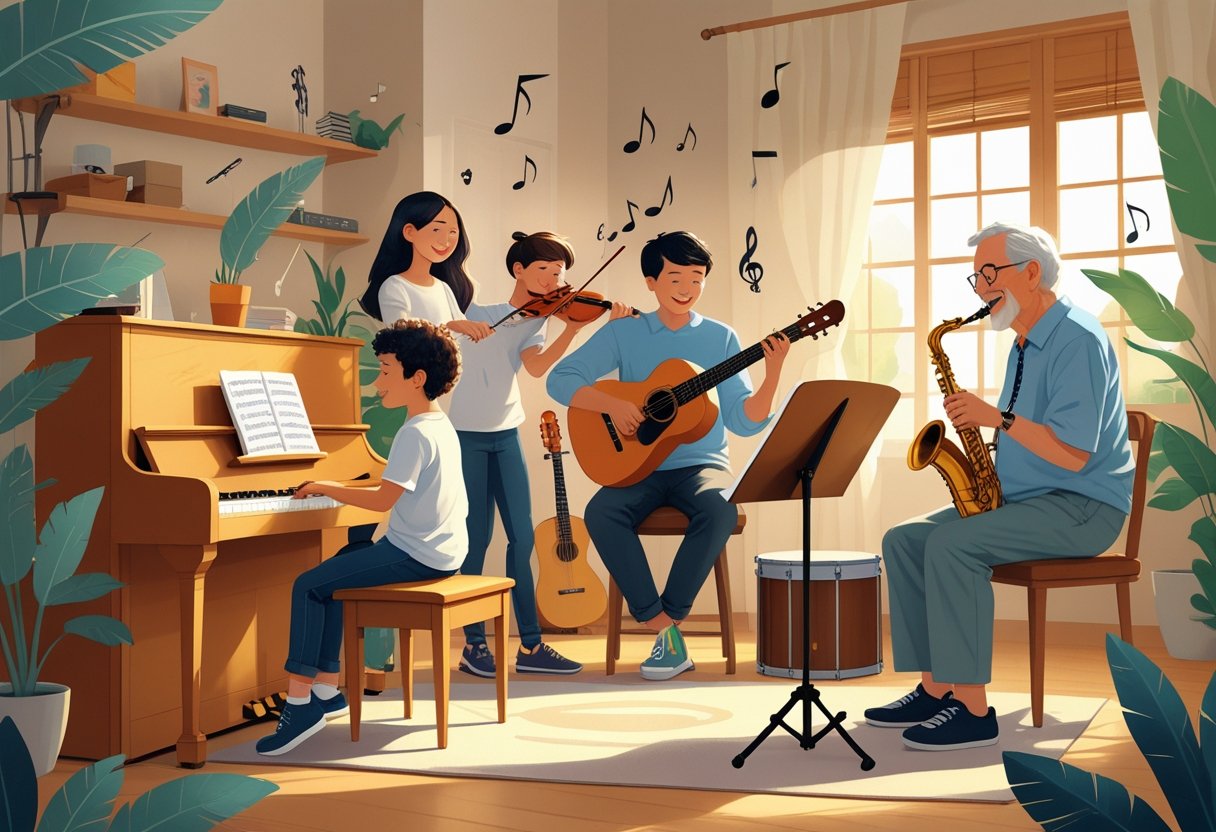
Musical abilities grow with you over time, whether you start with basic chords on a guitar or simple vocal exercises. These skills build on each other and can provide personal enjoyment, stress relief, and even income opportunities throughout your life.
Learning an Instrument
Starting with an instrument requires choosing one that matches your interests and lifestyle. Guitar, piano, and ukulele are popular choices for beginners because they’re versatile and have plenty of learning resources available online and in-person.
You’ll need to practice regularly, even if it’s just 15-20 minutes per day. Short, consistent practice sessions work better than long, irregular ones. Your muscle memory develops through repetition, and your brain creates new pathways as you learn.
Playing an instrument can reduce stress and improve mental health while giving you a sense of accomplishment. The physical act of creating music serves as a form of meditation that helps you focus on the present moment.
You can find teachers locally or use online platforms for lessons. Many communities also have music groups where beginners can practice together, which helps you stay motivated and learn from others.
Vocal Training
Your voice is an instrument you already own, making singing one of the most accessible musical hobbies. Musical hobbies for adults can start at any age, and vocal training is no exception.
Proper breathing techniques form the foundation of good singing. You’ll learn to breathe from your diaphragm rather than your chest, which gives you better control and power. Posture matters too—standing or sitting up straight allows your lungs to expand fully.
Vocal exercises help you develop range, tone, and control. Simple scales and humming exercises warm up your voice and prevent strain. You should always start gently and gradually increase difficulty to avoid damaging your vocal cords.
Recording yourself helps you hear areas that need improvement. You might notice pitch issues or breathing problems that you can’t catch while you’re singing.
Music Theory for Beginners
Music theory explains how music works, including notes, scales, chords, and rhythm patterns. Understanding these basics helps you learn songs faster and create your own music.
You’ll start by learning to read basic notation or tablature, depending on your instrument. Notes on a staff correspond to specific pitches, while rhythm symbols tell you how long to hold each note. This knowledge lets you play written music without hearing it first.
Key concepts for beginners:
- Scales: Patterns of notes that form the basis of melodies
- Chords: Multiple notes played together to create harmony
- Time signatures: Numbers that tell you how many beats are in each measure
- Key signatures: Which sharps or flats are used in a piece
Learning music theory requires patience and problem-solving, skills that transfer to other parts of your life. You don’t need to master all theory concepts at once. Focus on what applies to the music you want to play, and add more knowledge as you progress.
Culinary Hobbies for Everyday Life
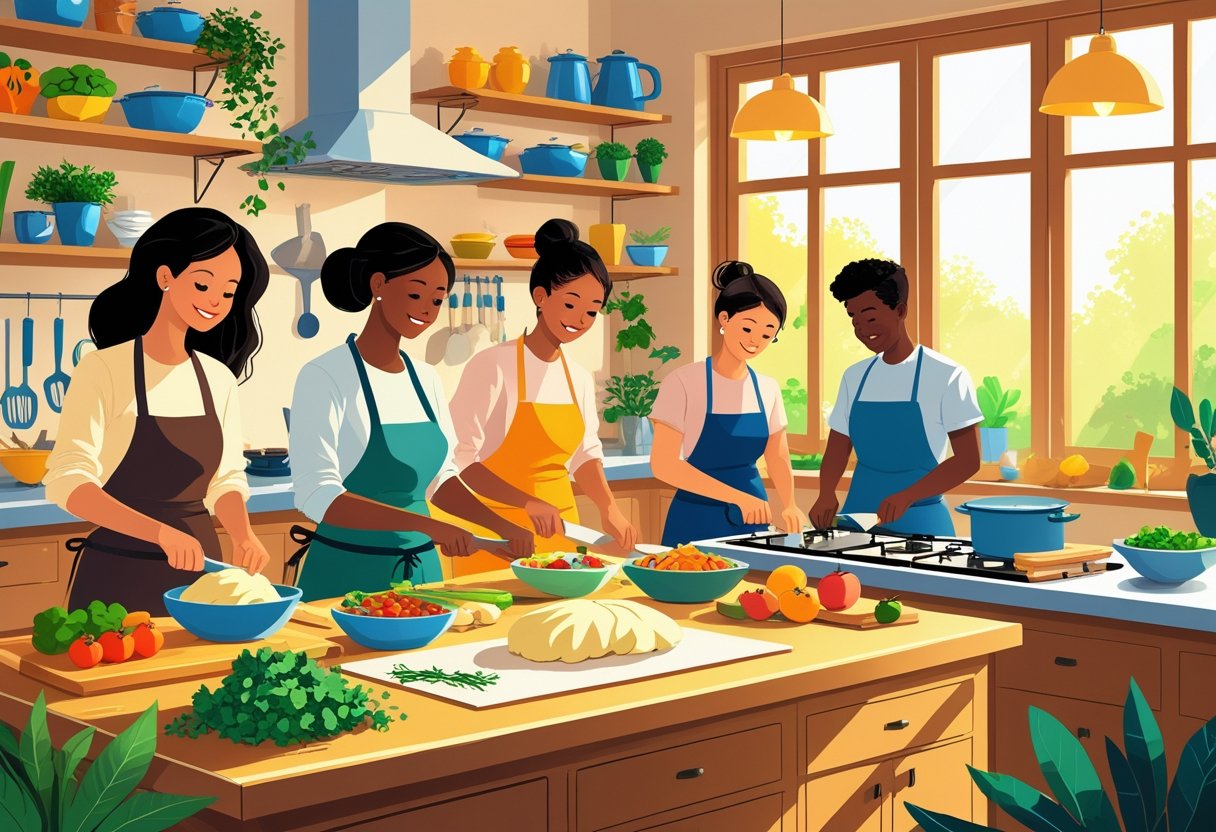
Learning to cook gives you practical skills you’ll use daily while opening doors to creative expression and cultural exploration. These kitchen-based hobbies help you save money, eat healthier, and gain confidence in preparing meals from scratch.
Cooking Fundamentals
Starting with basic cooking skills builds a foundation you’ll rely on for years. You need to learn how to properly use a knife, which means understanding how to hold it safely and cut vegetables into uniform pieces. This makes your food cook evenly and saves prep time.
Heat control is another key skill. You should know the difference between sautéing, simmering, and boiling. Cooking as a hobby lets you experiment with these techniques at your own pace.
Essential skills to practice:
- Chopping onions, garlic, and herbs
- Pan-frying proteins like chicken or fish
- Making simple sauces and dressings
- Seasoning food with salt, pepper, and spices
You can start by following recipes exactly as written. Once you master the basics, you’ll understand why certain steps matter and when you can make changes.
Baking Techniques
Baking requires more precision than cooking because measurements and temperatures directly affect your results. You need to understand how ingredients like flour, sugar, eggs, and butter work together. Too much flour makes baked goods dry, while too little makes them fall apart.
Start with simple recipes like cookies or muffins before moving to bread or pastry. These teach you how to measure ingredients correctly and recognize when dough or batter has the right consistency.
Basic baking skills include:
- Measuring dry and wet ingredients accurately
- Mixing techniques (folding, creaming, kneading)
- Understanding oven temperatures
- Testing for doneness
Developing your culinary skills through baking gives you treats to share and builds your confidence with more complex recipes.
Exploring World Cuisines
Trying dishes from different cultures expands your cooking knowledge and introduces new flavors. Each cuisine teaches different techniques and uses unique ingredients. Mexican cooking might introduce you to toasting spices, while Asian cuisines teach you about stir-frying and balancing sweet, sour, and savory flavors.
You don’t need special equipment to get started. Pick a country that interests you and try one or two signature dishes. Italian pasta dishes teach you about timing and sauce consistency. Indian curries show you how to layer spices for complex flavors.
Start with accessible cuisines that use ingredients from regular grocery stores. As you gain experience, you can seek out specialty markets for authentic ingredients. This hobby naturally grows as you discover new favorites and cooking methods from around the world.
Physical Activities That Develop Skills
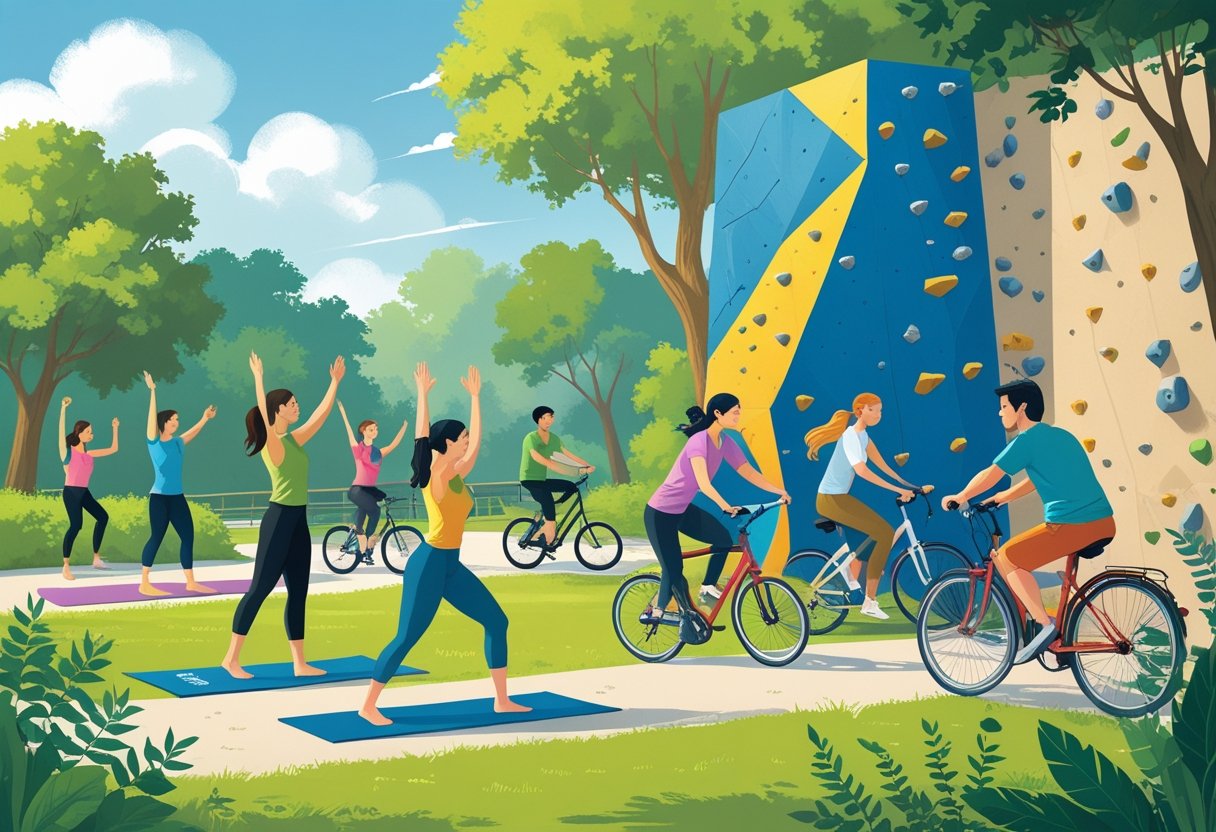
Moving your body builds strength, balance, and coordination while teaching you focus and discipline. These physical activities start simple and grow with you over time.
Yoga and Mindful Movement
Yoga teaches you body awareness and breathing control through poses and stretches. You can start with basic positions like downward dog, child’s pose, and mountain pose. These movements improve your flexibility and balance within a few weeks of regular practice.
The breathing techniques you learn help manage stress in daily life. You focus on inhaling and exhaling in rhythm with your movements. This coordination between breath and body calms your mind and increases your concentration.
Key skills you develop:
- Body control and posture
- Breathing regulation
- Mental focus
- Flexibility and strength
- Stress management
You only need a mat and comfortable clothes to begin. Free videos online guide you through beginner sequences. As you advance, you can explore different styles like vinyasa, hatha, or yin yoga.
Dancing for Beginners
Dancing combines physical fitness with creativity and social connection. You learn rhythm, timing, and body coordination through repeated practice. Styles like salsa, hip-hop, or ballroom each teach different movement patterns.
Starting with basic steps helps you build muscle memory. Your brain forms new pathways as you memorize sequences and respond to music. This improves your overall coordination and spatial awareness.
Group classes let you meet people while learning. You practice leading or following a partner in social dances. Solo styles like contemporary or jazz give you freedom to express yourself through movement.
Introductory Sports
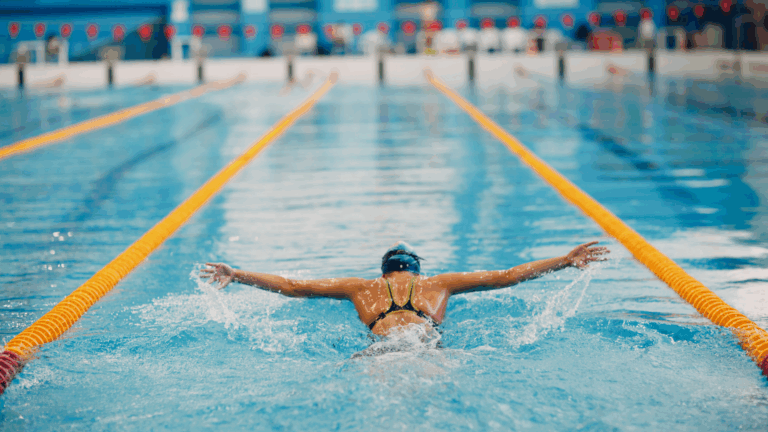
Recreational sports teach teamwork and strategic thinking alongside physical skills. Swimming builds full-body strength and cardiovascular health. Tennis develops hand-eye coordination and quick reflexes. Basketball teaches spatial awareness and decision-making under pressure.
Individual sports let you progress at your own pace. You set personal goals and track improvements in speed, distance, or technique. Team sports require communication and cooperation with others.
Most community centers offer beginner-friendly programs with basic equipment included. You learn fundamental rules and techniques from coaches or experienced players. The hobbies that get your body moving provide structure to your exercise routine while keeping it enjoyable.
Practical Skills for Personal Development
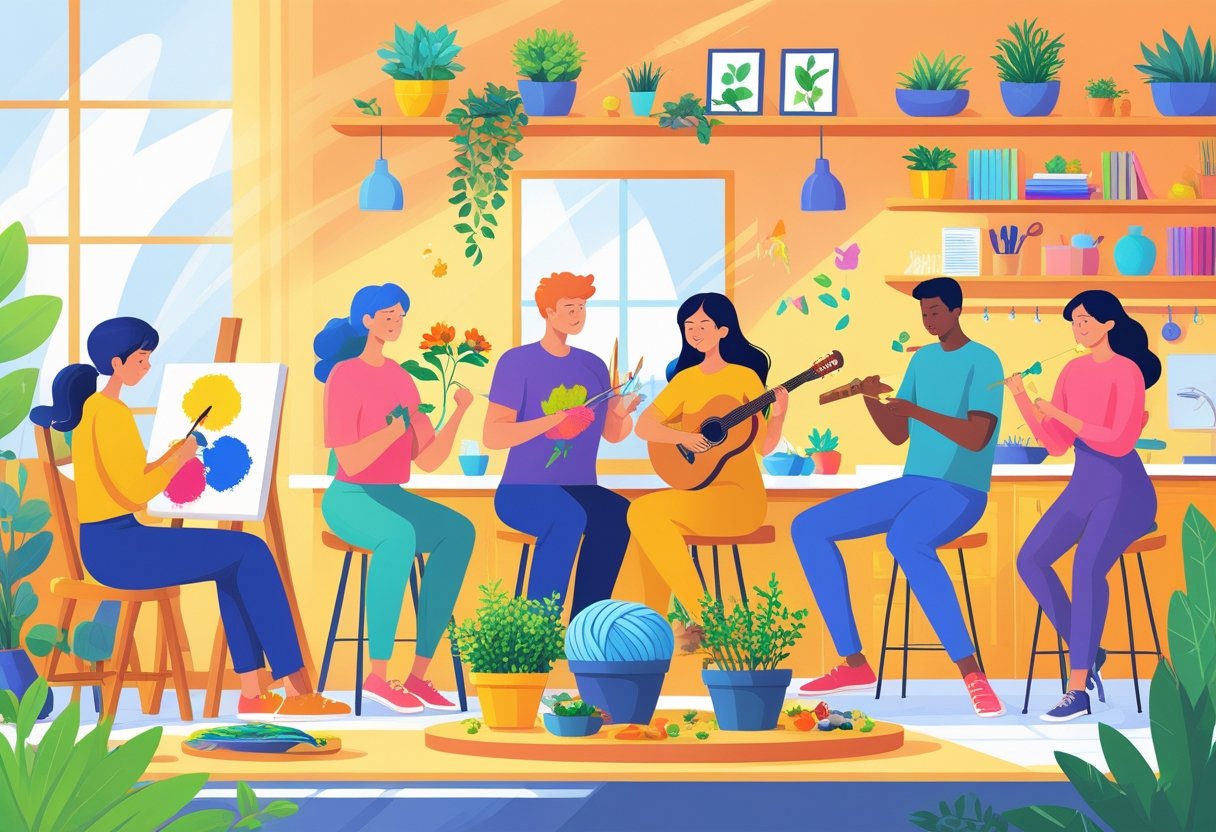
Learning hands-on activities builds abilities you’ll use throughout your life, from growing your own food to creating digital solutions and expressing your thoughts clearly on paper.
Gardening at Home
Gardening teaches you patience, planning, and observation skills that apply far beyond your backyard. You learn to read weather patterns, understand soil composition, and recognize when plants need attention. These are all forms of problem-solving that strengthen your decision-making abilities.
Starting small with herbs or tomatoes gives you quick wins while you develop your green thumb. You’ll need to track watering schedules, monitor for pests, and adjust your approach based on what works. This process builds confidence as you see direct results from your efforts.
The physical work involved improves your fitness and reduces stress. You also gain practical knowledge about nutrition and food sources. Many gardeners find they save money on groceries while eating fresher produce than what’s available at stores.
Basic Programming
Programming develops logical thinking and helps you break complex problems into smaller steps. You learn to spot patterns, test solutions, and fix errors through a structured process. These skills transfer directly to many career fields and everyday challenges.
You can start with free resources that teach languages like Python or JavaScript. The key is writing actual code rather than just watching tutorials. Each small project you complete teaches you new concepts and reinforces what you’ve already learned.
Programming also opens doors to hobbies that can boost your career skills in technology, data analysis, and automation. You might build tools to organize your files, track your budget, or automate repetitive tasks. The ability to create digital solutions gives you more control over your daily life.
Writing and Journaling
Writing regularly sharpens your communication skills and helps you organize your thoughts more clearly. You learn to express complex ideas in simple terms and develop your own voice. This skill proves valuable in emails, reports, and any situation where you need to convey information.
Journaling specifically helps you process experiences and track your personal growth over time. You can reflect on what you’ve learned, set goals, and identify patterns in your behavior. Many people find that writing about challenges helps them find solutions they hadn’t considered before.
You don’t need special equipment or talent to start. A notebook and pen work just as well as any app or software. The important part is making it a regular practice, even if you only write for ten minutes each day.
Tips for Sustaining and Evolving Your Hobbies
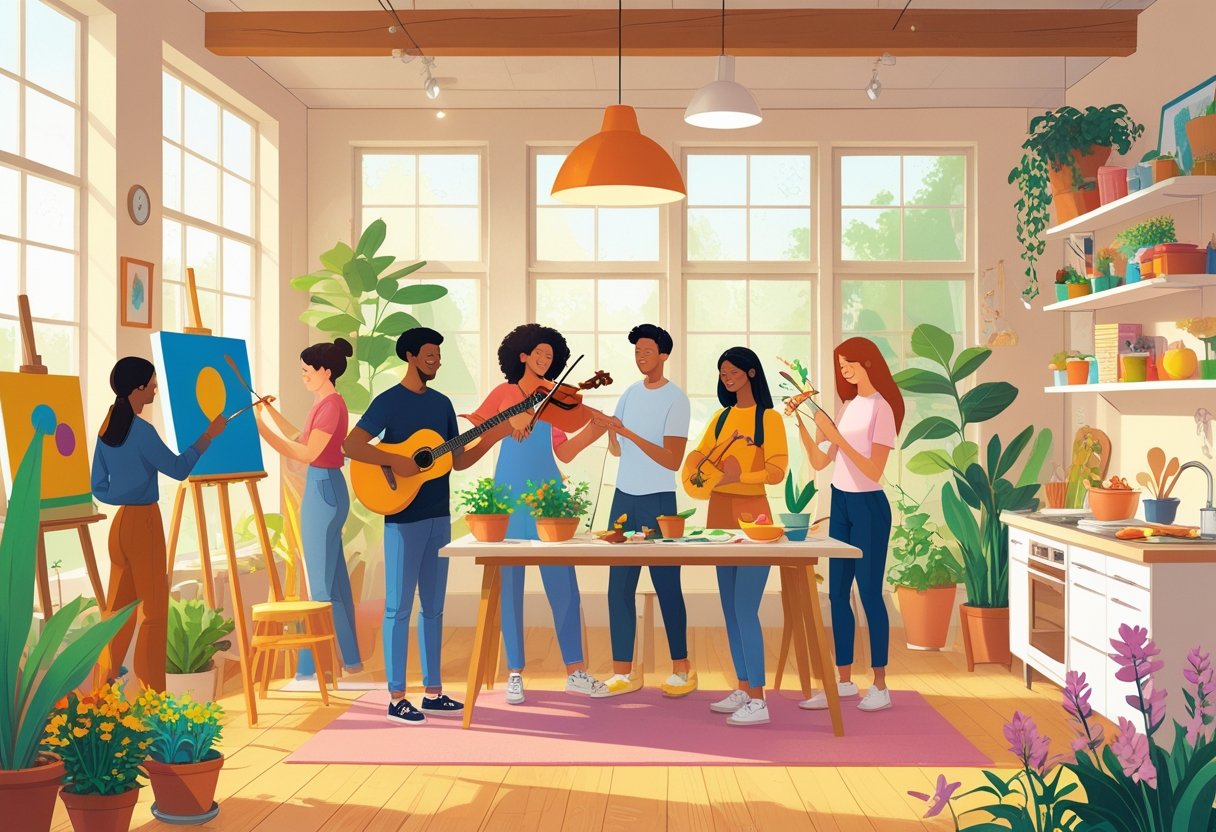
Sticking with a hobby requires clear goals, support from others who share your interests, and a way to see how far you’ve come over time.
Setting Achievable Goals
Breaking down your goals into smaller steps helps you stay motivated and prevents burnout. Start by deciding what you want to accomplish in the next month rather than focusing on big, distant dreams.
Write down specific targets that you can measure. For example, if you’re learning guitar, aim to master three chords this week instead of saying “get better at guitar.” If you enjoy painting, set a goal to complete one small piece every two weeks.
Adjust your timeline based on your schedule. Life gets busy, and that’s normal. When you set realistic time frames, you’re more likely to keep going even when things get hard.
Track your mini-goals in a notebook or phone app. Check off each small win to build confidence. These quick victories keep you engaged and remind you why you started in the first place.
Connecting with Like-Minded Communities
Finding people who share your hobby makes the experience more enjoyable and helps you stick with it. Join local clubs, online forums, or social media groups focused on your interest.
Other hobbyists can offer advice, share resources, and celebrate your progress. They understand the challenges you face because they’ve been there too. You can learn new techniques faster when someone shows you directly or points you to helpful materials.
Look for beginner-friendly groups where you won’t feel intimidated. Many communities host regular meetups, workshops, or virtual hangouts. Attend these events even if you feel nervous at first.
Share your own experiences once you gain some knowledge. Teaching others reinforces what you’ve learned and builds your confidence. The connections you make can turn a solitary activity into a social one that feels less like work.
Tracking Long-Term Progress
Keeping a record of your journey shows you how much you’ve improved over time. Take photos, save your early work, or write journal entries about what you learned each session.
Compare your current skills to where you started six months ago. This comparison motivates you during frustrating moments when progress feels slow. You’ll notice improvements you might have missed in your day-to-day practice.
Create a simple tracking system:
- Date each practice session
- Note what you worked on
- Rate your confidence level (1-10)
- Write down one thing you did well
Review your records monthly to spot patterns. You might discover which practice methods work best or identify areas that need more attention. This information helps you adjust your approach and keep moving forward with purpose.