20 Relaxing Hobbies to Calm Your Mind: Stress-Relief Activities for Inner Peace
Stress and worry show up in everyone’s life. When your mind feels busy or overwhelmed, the right hobby can help you slow down and find calm. Relaxing hobbies give your brain a break from daily stress while helping you feel more peaceful and focused.
The best relaxing hobbies for stress relief work because they shift your attention away from what worries you. Some people find peace through creative work like drawing or writing. Others prefer hands-on activities or spending time in nature.
This guide shares 20 different hobbies that can help quiet your thoughts. You’ll discover creative options, physical activities, mindful practices, and craft projects. Whether you want something active or prefer to sit still, you’ll find ideas that fit your style and schedule.
Understanding the Power of Relaxing Hobbies
Relaxing hobbies provide real benefits for your brain and body by lowering stress hormones and helping you focus on the present moment. These activities give your mind a break from worry while building skills that improve your overall well-being.
Mental Health Benefits
Engaging in relaxing hobbies supports your mental and physical health by giving your brain positive tasks to focus on. When you spend time on activities you enjoy, your brain releases chemicals that improve your mood and energy levels.
Regular hobby practice helps you build confidence as you develop new skills. You create something meaningful or accomplish goals that boost your self-worth.
Hobbies also give you a sense of control in your daily life. When other areas feel overwhelming, having an activity you can manage helps balance your emotions. Your brain needs these mental breaks to process information and recover from daily demands.
Key mental health improvements include:
- Better mood regulation
- Increased self-esteem
- Improved focus and concentration
- Greater sense of purpose
Reducing Stress and Anxiety
Changing your perspective through relaxing hobbies takes your mind off problems that cause stress. Your body responds to these activities by lowering cortisol, the main stress hormone in your system.
When you focus on a hobby, you interrupt the cycle of anxious thoughts. This break prevents stress from building up into bigger problems. Your nervous system calms down as you concentrate on simple, enjoyable tasks.
Physical activities like gardening or crafting keep your hands busy, which signals to your brain that you’re safe. This reduces the fight-or-flight response that creates anxiety symptoms. Even 15 to 20 minutes of hobby time can lower your heart rate and ease muscle tension.
The routine of regular hobby practice creates stability in your schedule. This predictability helps reduce uncertainty, which is a major source of anxiety for many people.
Cultivating Mindfulness
Mindfulness means paying attention to what’s happening right now without judgment. Activities like knitting, journaling, and cooking become meditative practices when you focus fully on each step.
Hobbies naturally encourage mindfulness because they require your attention. When you paint, knit, or work on puzzles, you notice colors, textures, and patterns. This awareness keeps you grounded in the present moment instead of worrying about the past or future.
Creative hobbies that keep your hands busy help calm racing thoughts. The repetitive motions in activities like knitting or drawing create a meditative rhythm. Your breathing slows down and your mind settles into a peaceful state.
You don’t need special training to be mindful during hobbies. Simply notice what you’re doing, how materials feel, and what you’re creating. This practice strengthens your ability to stay calm in other areas of life.
Creative Pursuits to Soothe Your Mind
Creative hobbies reduce stress by giving you a sense of mastery and pleasure while quieting mental chatter. These activities let you focus on the present moment while expressing yourself through art, words, or images.
Drawing and Painting
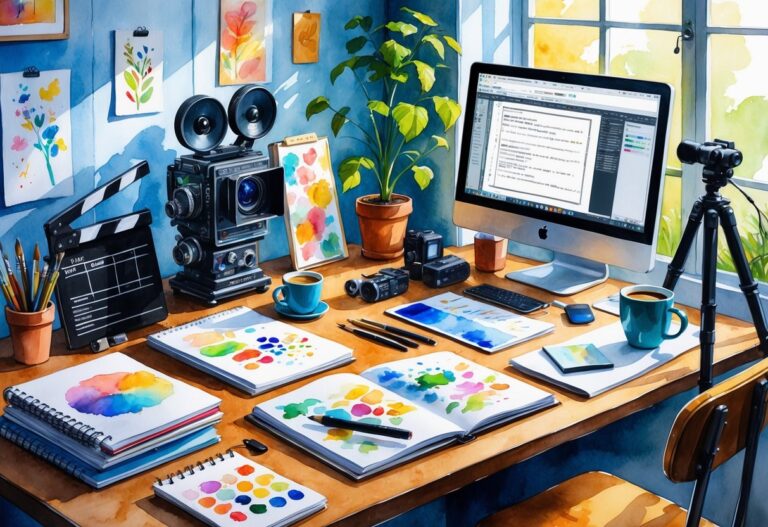
You don’t need artistic talent to enjoy drawing or painting. These activities help you focus on colors, shapes, and movements instead of your worries.
Start with simple supplies like colored pencils, watercolors, or acrylic paints. You can follow online tutorials or just experiment with different techniques. Many people find that abstract art works well because there’s no pressure to make it look realistic.
The repetitive motions of brush strokes or pencil marks create a calming rhythm. Your mind settles as you mix colors and watch them blend on paper or canvas.
Try setting aside 20-30 minutes a few times per week. You can draw in a sketchbook, paint on canvas, or use adult coloring books. The goal is to enjoy the process, not to create a masterpiece.
Creative Writing
Writing lets you process your thoughts and feelings while creating something new. You can write stories, poems, journal entries, or even simple observations about your day.
Set a timer for 10-15 minutes and write without stopping or editing. This practice, called free writing, helps clear your mind of cluttered thoughts. You might write about real experiences or make up fictional characters and worlds.
Popular writing formats include:
- Personal journals or diaries
- Short stories or flash fiction
- Poetry in any style
- Morning pages (three pages of stream-of-consciousness writing)
You can keep your writing private or share it with others. Either way, putting words on paper helps you understand yourself better and release mental tension.
Photography
Photography encourages you to notice small details in your surroundings. You start seeing light, shadows, and patterns you normally miss during busy days.
You can use your smartphone or invest in a camera. Walk around your neighborhood looking for interesting subjects like flowers, architecture, or people. Nature photography works especially well for relaxation because it combines outdoor time with creative focus.
Try different styles like portraits, landscapes, or macro shots of tiny objects. You’ll naturally slow down as you frame each shot and adjust the lighting.
Taking photos gives your mind a specific task to focus on. This breaks the cycle of repetitive worrying and brings your attention to the present moment.
Physical Activities for Relaxation
Moving your body through gentle physical activities helps release tension while quieting racing thoughts. These practices combine movement with mindfulness to create a sense of calm that lasts beyond the activity itself.
Yoga
Yoga reduces stress by combining controlled breathing with physical poses that stretch and strengthen your body. The practice activates your body’s relaxation response, which lowers your heart rate and blood pressure while decreasing stress hormones like cortisol.
You don’t need to be flexible or athletic to start yoga. Beginner classes focus on basic poses that you can modify to match your fitness level. Even 10-15 minutes of simple stretches can make a difference in how you feel.
Different styles of yoga offer different benefits. Hatha yoga moves at a slower pace and works well for beginners. Restorative yoga uses props like blankets and bolsters to support your body in gentle poses you hold for several minutes.
The breathing techniques you learn in yoga help calm your nervous system. Deep belly breathing sends signals to your brain that it’s safe to relax. You can use these breathing methods throughout your day whenever you feel stressed.
Walking in Nature
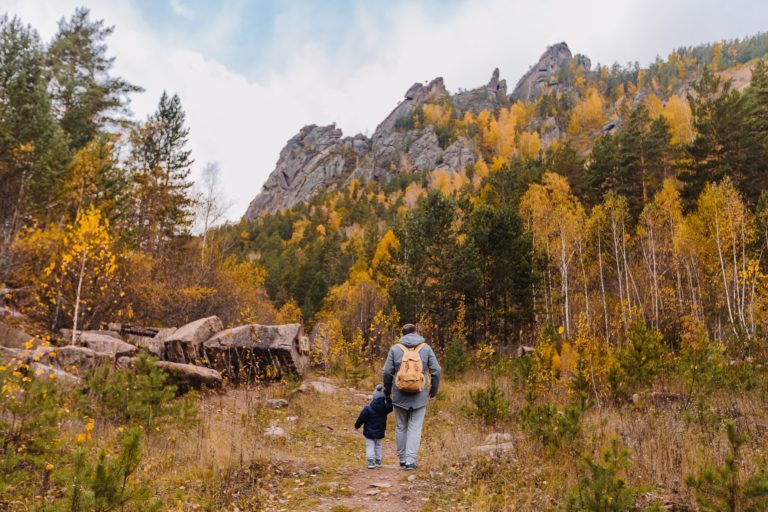
Spending time walking outdoors in natural settings calms your mind more effectively than walking in urban areas. Trees, plants, and natural landscapes lower stress levels and improve your mood.
A 20-30 minute walk gives you enough time to experience the mental health benefits. You don’t need to hike steep trails or cover long distances. A simple stroll through a park or quiet neighborhood street with trees provides relaxation benefits.
Leave your phone in your pocket or at home when possible. Notice the sounds of birds, the feel of the breeze, and the colors around you. This mindful attention to your surroundings pulls your thoughts away from worries and into the present moment.
Walking outdoors also gives you natural sunlight, which helps regulate your sleep cycle and boosts vitamin D levels. Both of these factors contribute to better mood and reduced anxiety.
Gardening
Gardening activities combine gentle physical movement with the satisfaction of nurturing living plants. Working with soil has been shown to reduce stress hormones and improve your sense of wellbeing.
You can garden in small spaces like apartment balconies or windowsills. Container gardens, herb boxes, and houseplants all provide the calming benefits of caring for plants. Start with easy-to-grow options like herbs, succulents, or spider plants.
The repetitive motions of gardening tasks like weeding, watering, and pruning create a meditative state. Your hands stay busy while your mind gets a break from stressful thoughts. Watching plants grow over time gives you a sense of accomplishment and purpose.
Gardening puts you in contact with nature even if you live in a city. The simple act of touching soil and tending to green growing things connects you to natural cycles and rhythms that promote relaxation.
Mindful Hobbies for Inner Calm
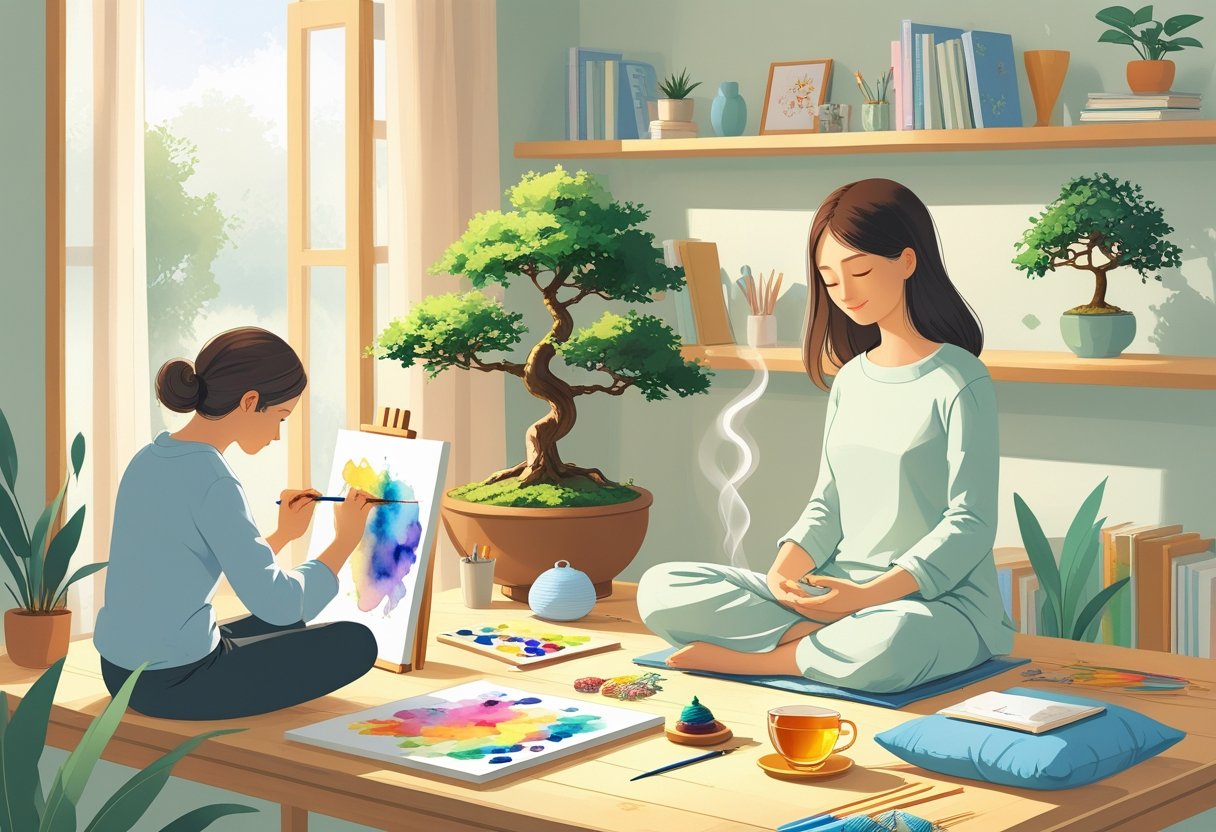
Certain activities help you focus on the present moment and quiet racing thoughts. These practices create space between you and your worries while building awareness of your thoughts and feelings.
Meditation
Meditation trains your mind to focus and redirect your thoughts. You sit quietly and pay attention to your breathing, a word, or a phrase. When your mind wanders, you gently bring it back without judging yourself.
You can start with just five minutes a day. Find a quiet spot where you won’t be interrupted. Sit in a comfortable position with your back straight.
Common meditation types include:
- Breath awareness – focusing only on your breathing
- Body scan – noticing sensations from head to toe
- Guided meditation – following along with a recording
- Loving-kindness – sending good wishes to yourself and others
Regular practice can lower your stress levels and improve your sleep. Many people notice they feel calmer and react less to difficult situations.
Journaling
Writing down your thoughts and feelings helps you process emotions and gain clarity. You don’t need perfect grammar or complete sentences. The act of putting pen to paper creates distance from overwhelming thoughts.
Journaling can become a meditative practice that promotes relaxation and mental clarity. You might write about what happened during your day, what you’re grateful for, or worries on your mind.
Try writing for 10-15 minutes each day. Pick a consistent time like early morning or before bed. Some people prefer blank notebooks while others like guided journals with prompts.
You can also try bullet journaling, which combines planning with reflection. This method uses symbols and short notes instead of long paragraphs.
Mindful Coloring
Adult coloring books feature detailed patterns that require focus and attention. You choose colors and fill in small spaces, which keeps your hands busy and your mind engaged in the present moment.
This creative hobby for mindfulness requires no artistic skill. The repetitive motion of coloring calms your nervous system. Your breathing naturally slows down as you concentrate on staying inside the lines.
You’ll find coloring books with mandalas, nature scenes, geometric patterns, and more. Colored pencils work best because you can layer colors and control shading.
Set aside 20-30 minutes in a comfortable spot with good lighting. Put away your phone and other distractions. Many people find coloring before bed helps them wind down and sleep better.
Relaxing Hobbies for the Senses
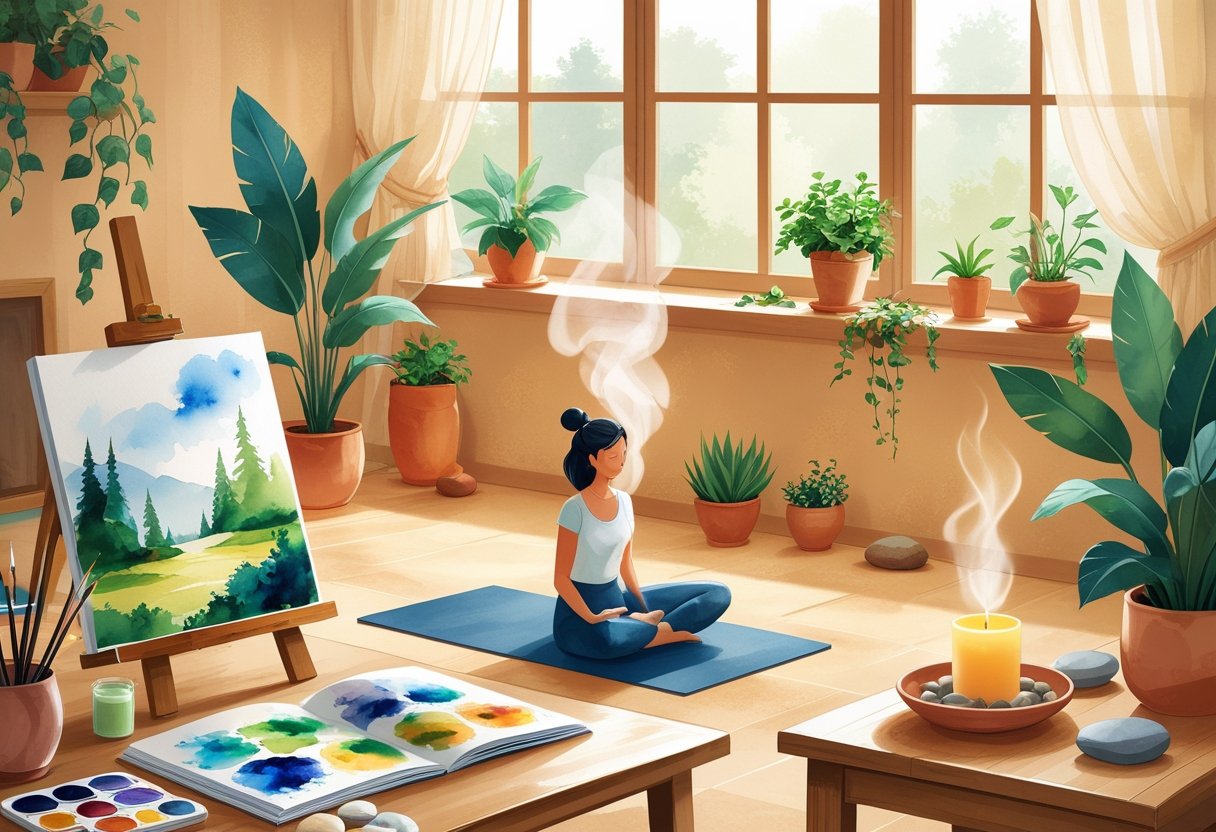
Engaging your senses through intentional activities can reduce stress and create moments of peace in your daily routine. These hobbies work by focusing your attention on specific sensory experiences like sound, smell, and sight.
Listening to Music
Music has a direct effect on your nervous system. When you listen to slow, calming music, your heart rate and blood pressure can decrease.
You can create playlists for different moods or times of day. Try classical music, nature sounds, or ambient tracks when you need to relax. Many people find that instrumental music works better for stress relief because lyrics can be distracting.
Active listening means you focus completely on the music instead of having it play in the background. Sit in a comfortable spot, close your eyes, and pay attention to different instruments or layers in the song. This turns listening into a mindful practice.
You might also explore different genres you haven’t tried before. Jazz, lo-fi beats, or traditional music from other cultures can offer new experiences for your ears.
Aromatherapy Blending
Aromatherapy uses essential oils to affect your mood and mental state. You can create custom blends that match your needs and preferences.
Popular calming scents include:
- Lavender for sleep and relaxation
- Chamomile for anxiety reduction
- Bergamot for stress relief
- Ylang-ylang for emotional balance
Start with a diffuser or roll-on bottles you can apply to your wrists. Mix 2-3 oils together to create unique combinations. A simple blend might be 4 drops lavender, 2 drops bergamot, and 1 drop chamomile in a carrier oil.
You don’t need expensive equipment to begin. A small collection of 3-5 essential oils gives you many blending options. Keep notes on which combinations work best for different situations.
Birdwatching
Birdwatching gets you outside and connects you with nature. The activity requires patience and attention, which naturally calms your mind.
You can start in your own backyard or a local park. All you need is a basic bird identification guide and a pair of binoculars. Many beginners use free apps that help identify birds by sight or sound.
The quiet observation involved in birdwatching acts as a form of meditation. You focus on spotting movement, listening for calls, and watching bird behavior. This keeps your mind occupied with something peaceful instead of worries or stress.
Early morning offers the best birdwatching opportunities when birds are most active. Even 15-20 minutes of watching birds before work can set a calm tone for your day.
Hands-On Crafts and Pastimes
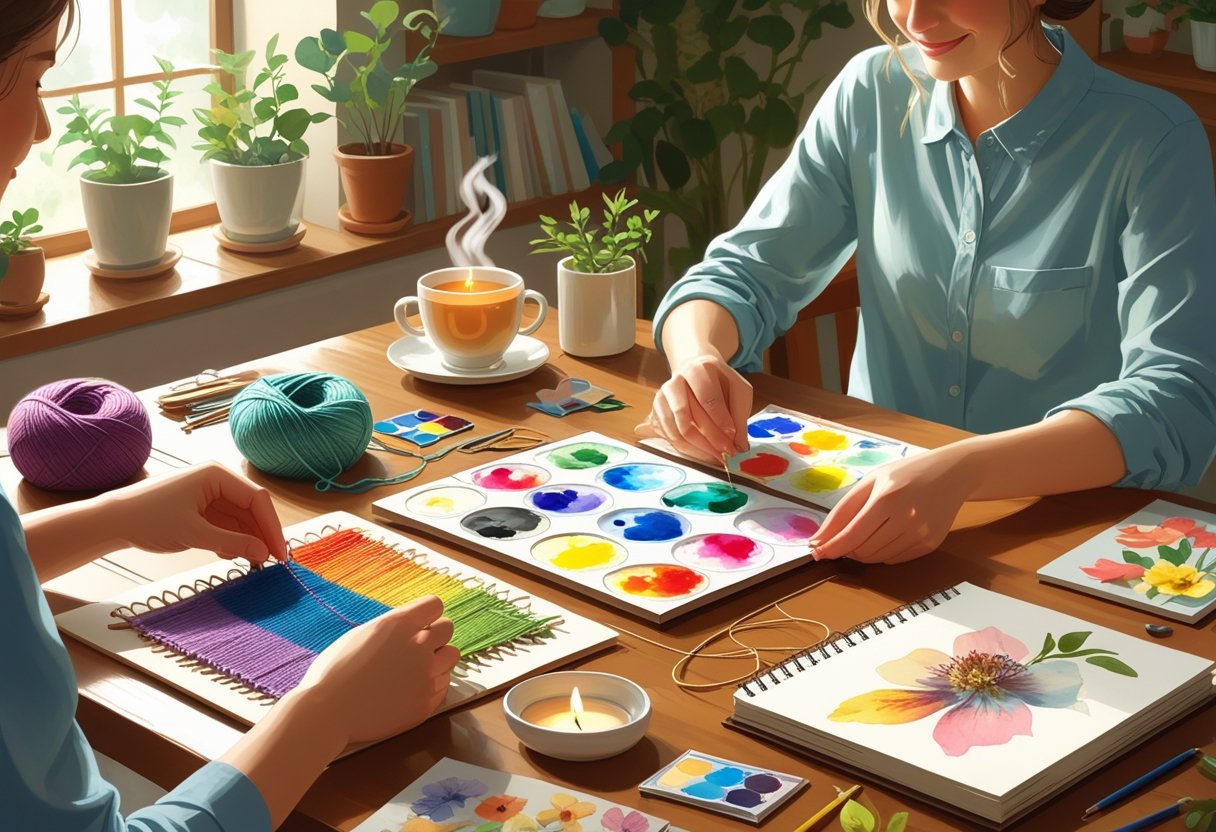
Working with your hands creates a natural focus that pulls your attention away from worries and daily stress. These activities give your brain something specific to concentrate on while your hands stay busy with repetitive, soothing movements.
Knitting and Crocheting
Knitting and crocheting use simple, repeated motions that help calm your mind. You follow a pattern and create stitches one at a time, which keeps your hands and brain focused on the present moment.
These crafts help reduce anxiety and improve mindfulness while you create something useful. You can make scarves, blankets, hats, or dishcloths at your own pace. The rhythmic movement of the needles or hook becomes almost automatic once you learn the basics.
You only need yarn and either knitting needles or a crochet hook to start. Beginners can learn basic stitches in an hour or two through free online videos. As you get better, you can try more complex patterns that challenge your skills without causing stress.
Puzzle Solving
Puzzles give your brain a clear problem to solve with a definite end point. Jigsaw puzzles work well because you sort pieces, match colors and patterns, and watch your progress grow piece by piece.
You can work on puzzles for ten minutes or several hours depending on your schedule. The activity keeps your mind engaged without requiring creative decisions or emotional energy. Each piece you place gives you a small sense of accomplishment.
Other puzzle options include crosswords, Sudoku, or 3D puzzles. Pick puzzles with difficulty levels that feel satisfying but not frustrating for the best relaxation benefits.
Pottery
Pottery lets you shape clay with your hands into bowls, cups, plates, or decorative pieces. The smooth, cool clay feels pleasant to touch and responds directly to pressure from your fingers.
Working with clay engages multiple senses at once. You feel the texture, see the shape forming, and focus completely on the object you’re creating. This full sensory experience creates a sense of calm and accomplishment.
You can take pottery classes at local studios or community centers where they provide clay, wheels, and kilns. Hand-building techniques like pinch pots or coil building don’t require a pottery wheel and work well for beginners.
Learning and Exploring for Mental Peace
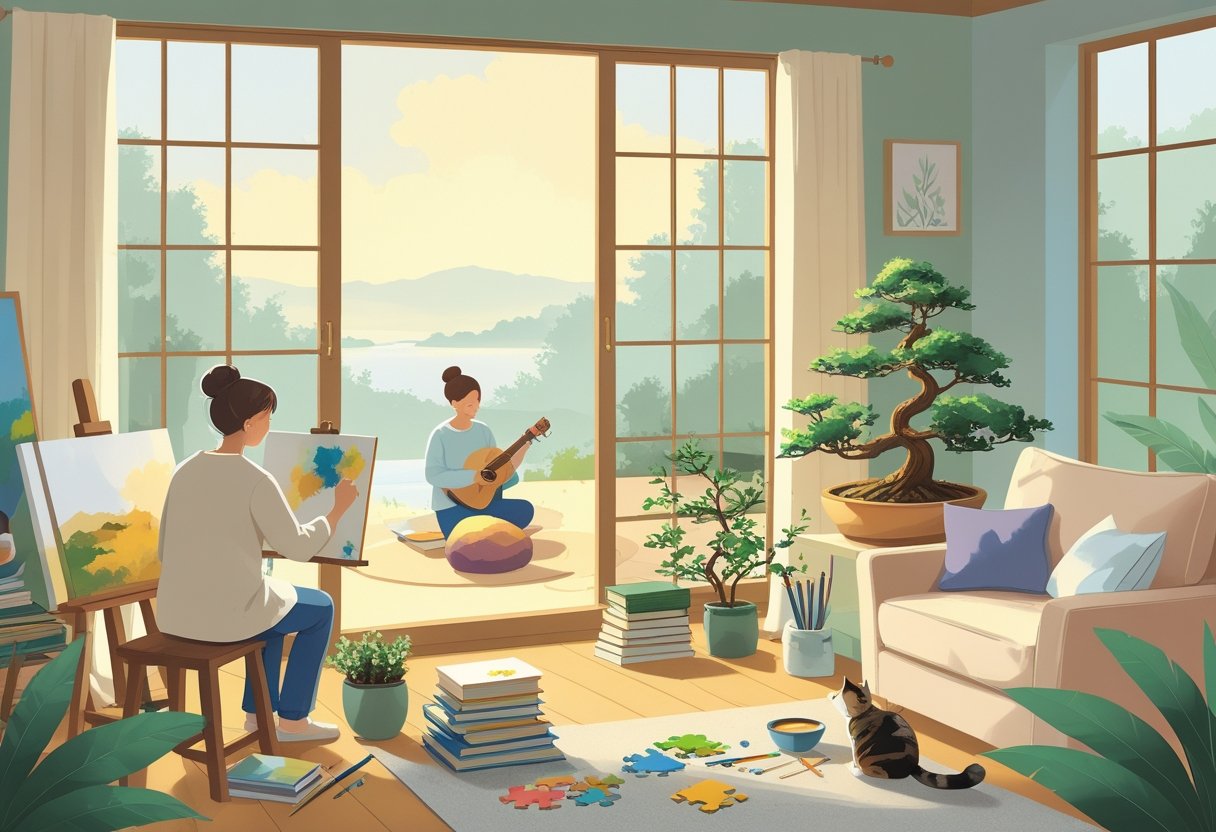
Engaging your mind in learning activities provides a productive escape from daily stress while building new skills. Both reading and studying a new language offer ways to focus your attention and create calm through mental engagement.
Reading
Reading gives your mind a break from everyday worries by transporting you into different worlds and perspectives. When you pick up a book, your brain shifts focus from your own concerns to the story or information on the page.
Fiction books work well for relaxation because they let you escape into another reality. You can follow characters through their adventures without thinking about your own problems. Mystery novels, romance stories, or fantasy books all provide this mental break.
Nonfiction reading can be just as calming when you choose topics that interest you. Books about nature, history, cooking, or travel engage your curiosity in a gentle way. The key is picking subjects you genuinely want to learn about rather than feeling like you have to read them.
Physical books often work better than screens for relaxation. The act of turning pages and the lack of notifications help you stay focused. Many people find that relaxing hobbies help reduce stress by providing creative outlets and chances to focus on the present moment.
Set aside just 15-20 minutes each day for reading. This small amount of time can make a real difference in your stress levels without feeling like another task on your to-do list.
Language Learning
Learning a new language keeps your brain active in a structured way that promotes focus and calm. The process requires concentration, which naturally pushes out anxious thoughts and mental clutter.
You can start with simple vocabulary and basic phrases using apps or online resources. Spending 10-15 minutes daily on language practice creates a routine that your mind can look forward to. This consistency helps build a sense of accomplishment over time.
Language learning works as a mindful hobby because it demands your full attention. You have to think about pronunciation, grammar rules, and word meanings all at once. This level of focus leaves little room for stress or worry.
Popular languages to try:
- Spanish (widely spoken and relatively easy for English speakers)
- French (melodic and useful for travel)
- Japanese (challenging but rewarding)
- Italian (fun to pronounce and learn)
The mental exercise of learning grammar patterns and memorizing vocabulary strengthens your brain while providing a sense of progress. Each new word or phrase you master gives you a small win that boosts your mood.
Tips for Getting Started With Relaxing Hobbies
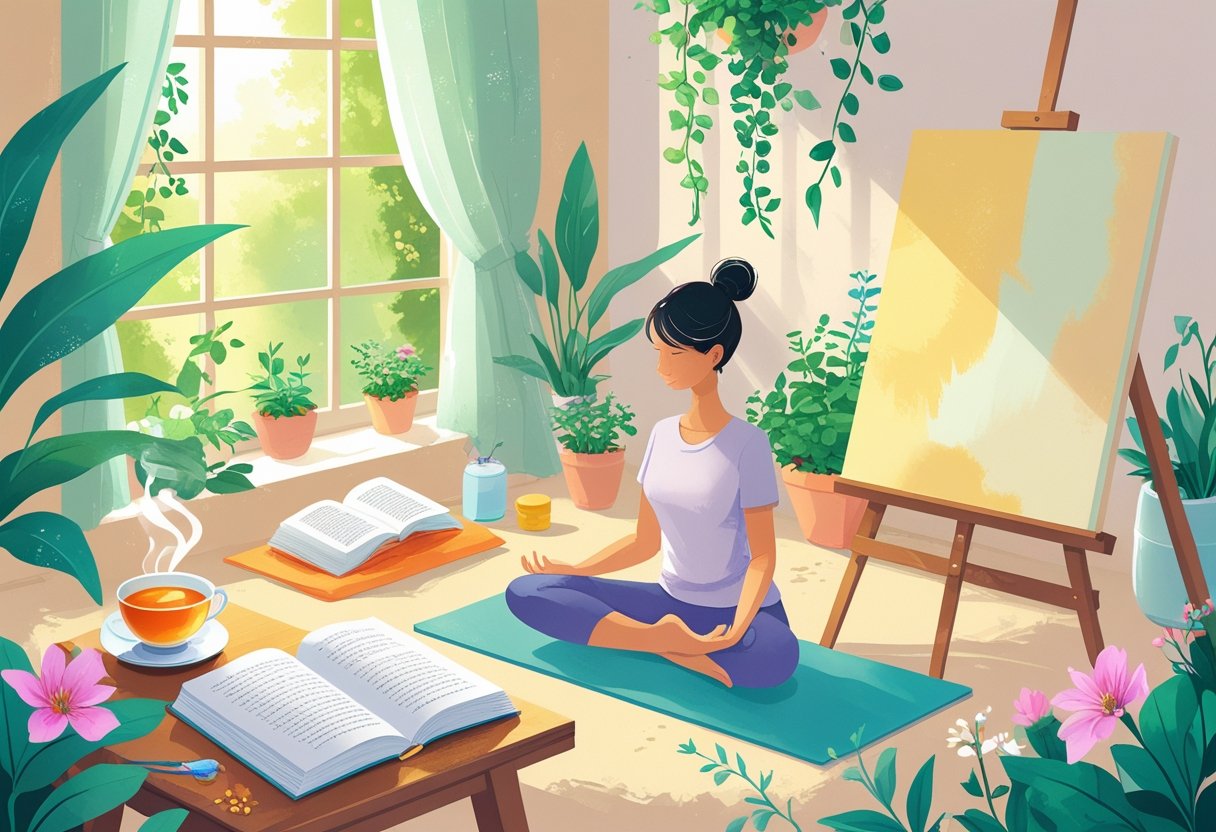
Starting a new hobby doesn’t have to feel overwhelming. You can begin with small steps that fit into your daily routine.
Pick something that sounds fun to you. Don’t choose a hobby just because someone else likes it. Think about what naturally draws your interest, whether that’s working with your hands, being outdoors, or creating art.
Set aside just 10-15 minutes a day when you’re first starting out. You don’t need hours of free time to enjoy relaxing hobbies that reduce stress. Short sessions work well for building a new habit.
Keep your expectations realistic. You won’t be perfect right away, and that’s completely fine. These hobbies don’t require perfection or pressure to be valuable.
Start with basic supplies or free options before investing in expensive equipment. Many hobbies need very little to get going. You can always upgrade later if you stay interested.
Here are some ways to make it easier:
- Schedule it like any other appointment
- Create a dedicated space for your hobby, even if it’s small
- Join a beginner class or online community for support
- Try multiple options before committing to just one
Remember that the goal is to change your perspective and take your mind off daily worries. Give yourself permission to experiment and find what works best for you.