The Most Therapeutic Hobbies You Can Try to Improve Your Mental Health and Well-Being
Life can feel overwhelming, and finding healthy ways to manage stress matters more than ever. Therapeutic hobbies offer a proven way to reduce anxiety, improve mood, and support your overall mental well-being through regular, enjoyable activities. These aren’t just simple pastimes. They’re tools that can help you process emotions, calm your mind, and build resilience.
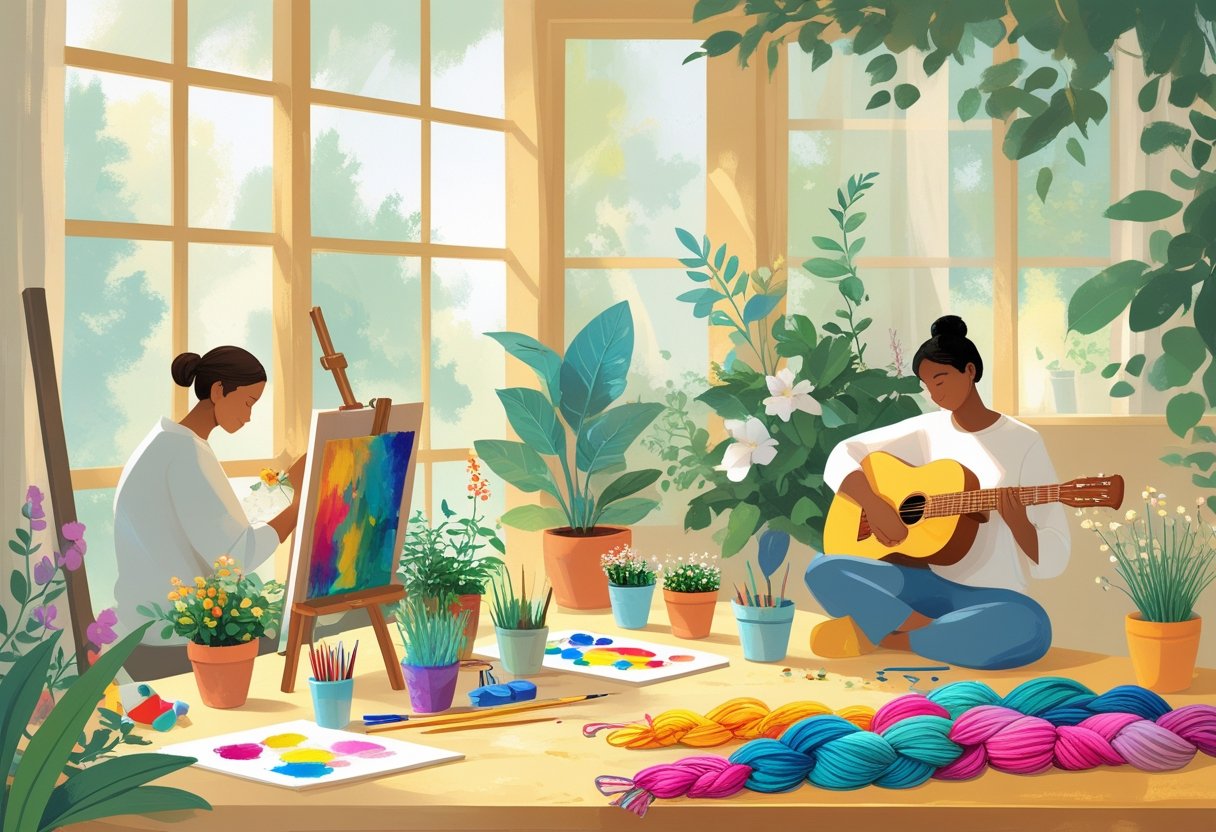
The right hobby can provide creative outlets like painting and music, physical activities such as yoga and running, and cognitive challenges that work together to lower stress levels. You don’t need special skills or expensive equipment to get started. What matters is finding activities that fit your interests and lifestyle.
This guide will walk you through different types of therapeutic hobbies and help you understand how they support your mental health. You’ll learn about creative activities that help with emotional healing, mindful practices that bring relaxation, physical hobbies that boost your mood, and ways to connect with others. By the end, you’ll have clear options for choosing the perfect hobby that works for you.
Understanding the Benefits of Therapeutic Hobbies
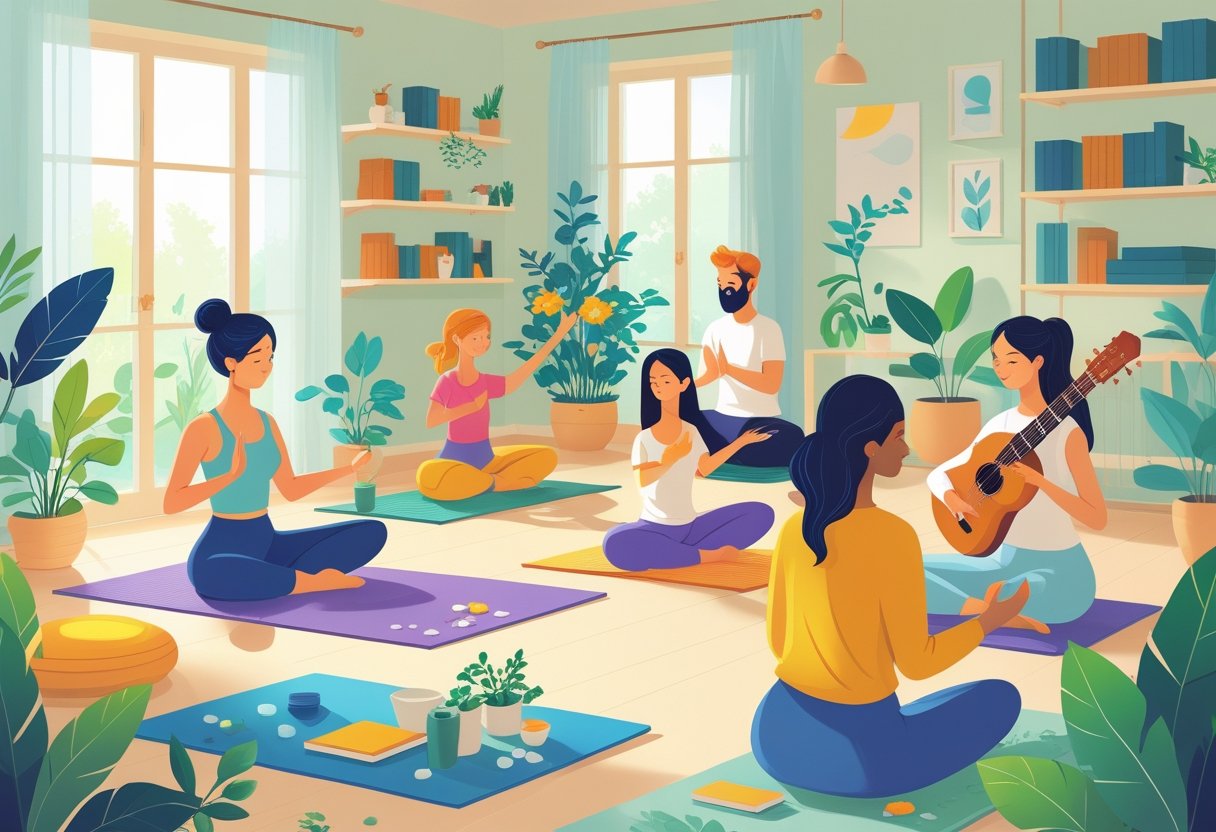
Hobbies provide measurable improvements to your mental state, physical body, and ability to manage daily stress. Research involving more than 93,000 people across 16 countries shows that having a hobby is linked to better health and mood.
Mental Health Advantages
Engaging in hobbies can reduce symptoms of anxiety and depression. When you focus on an activity you enjoy, your brain shifts away from worry and negative thought patterns.
Studies show that hobbies offer psychological benefits that boost happiness. These activities give your mind a break from daily pressures.
Many adults skip hobbies because of work stress or money concerns. However, making time for activities you care about can improve your mental state in ways that extend beyond the hobby itself.
Key mental health benefits include:
- Reduced anxiety symptoms
- Lower depression levels
- Improved focus and concentration
- Better mood regulation
- Increased sense of purpose
Physical Health Improvements
Your body responds positively when you engage in hobby activities. Physical hobbies like gardening, dancing, or sports provide obvious exercise benefits. But even seated activities like knitting or painting can improve your physical well-being.
Creative hobbies promote physical relaxation by reducing muscle tension. When you concentrate on a hands-on task, your body naturally releases tension you’ve been holding.
Activities that use your hands help lower your heart rate and blood pressure. The repetitive motions in crafts like pottery or woodworking create a calming effect on your nervous system.
Your sleep quality often improves when you maintain regular hobby time. Physical activity through hobbies helps tire your body in healthy ways, making it easier to fall asleep and stay asleep.
Enhanced Emotional Well-Being
Hobbies provide a constructive outlet for emotions you might otherwise keep bottled up. Engaging in hobby activities helps you unwind and recharge, creating inner peace in your daily life.
When you complete a project or reach a goal in your hobby, you gain a sense of accomplishment. This feeling builds your confidence and self-worth.
Social hobbies connect you with others who share your interests. These connections reduce loneliness and create support networks that strengthen your emotional health.
Creative activities give you ways to express feelings that are hard to put into words. Whether through art, music, or writing, you can process complex emotions in safe and productive ways.
Stress Reduction Mechanisms
Hobbies lower cortisol levels, which is the hormone your body releases during stress. This reduction happens because hobbies pull your attention away from stressors you cannot control.
Hands-on activities are particularly effective for stress relief. The texture and physical sensations of working with materials help ground you in the present moment.
Your hobby time acts as a mental break from responsibilities and worries. This separation allows your stress response system to reset and recover.
Stress reduction happens through:
- Focused attention on enjoyable tasks
- Regular breaks from daily pressures
- Physical movement that releases tension
- Creative expression that processes emotions
- Achievement of small, manageable goals
The predictability and control you have over hobby activities contrasts with the chaos of everyday stressors. This control gives you a space where you decide the outcomes.
Creative Hobbies for Emotional Healing
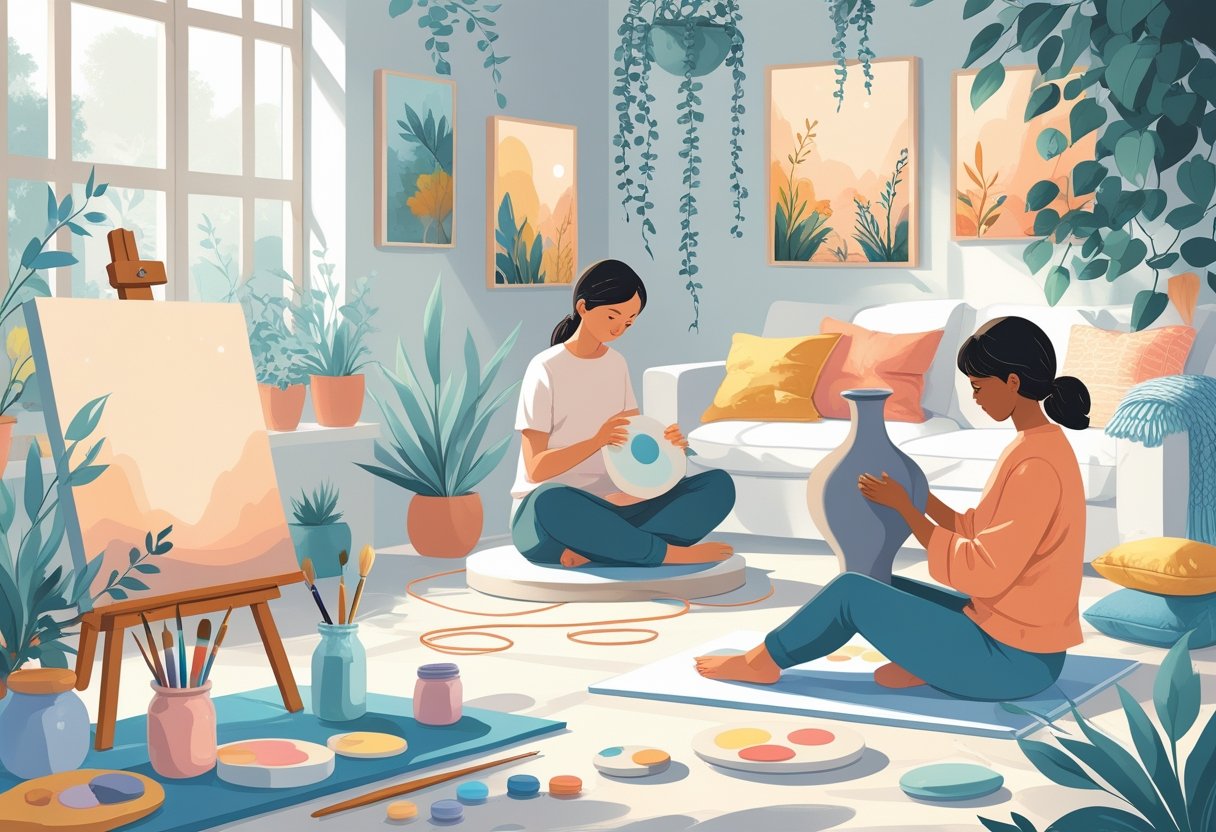
Creative activities give you a direct way to process difficult emotions and express feelings that are hard to put into words. These hobbies work by engaging different parts of your brain and helping you release stress in healthy ways.
Art Therapy Techniques
Drawing and painting offer you tools to express emotions without needing language. You don’t need artistic skill to benefit from these activities. Simply putting colors on paper or creating shapes can help reduce anxiety and calm your mind.
Scrapbooking combines creativity with memory work, letting you arrange photos and keepsakes into meaningful displays. The process of cutting, pasting, and decorating provides a soothing rhythm that helps you focus on the present moment.
Coloring books designed for adults have become popular because they require less creative decision-making while still engaging your mind. You can pick up supplies at any craft store and start within minutes. These activities lower stress hormones and give your hands something productive to do when you feel overwhelmed.
The Power of Music and Singing
Music engages multiple brain regions at once, which makes it effective for emotional regulation. Learning an instrument gives you a concrete goal to work toward while providing an outlet for self-expression.
Singing releases endorphins and requires deep breathing, which naturally calms your nervous system. You can sing alone in your home or join a choir for social connection. Even humming or listening to music activates the same stress-reducing pathways in your brain.
Playing music also improves your focus and gives you a break from repetitive negative thoughts. You can start with simple instruments like a keyboard or ukulele that don’t require years of practice to enjoy.
Writing and Journaling for Self-Reflection
Writing helps you organize thoughts and make sense of complex emotions. When you journal regularly, you create a record of your feelings that lets you spot patterns over time.
You can try different writing approaches based on what feels most helpful. Free writing means putting down whatever comes to mind without editing. Gratitude journals focus on positive experiences from your day. Prompt-based journaling gives you specific questions to answer.
Poetry and creative writing let you explore emotions through stories or metaphors. These forms give you distance from difficult experiences while still processing them. Writing by hand activates different neural pathways than typing and may feel more personal to you.
Mindfulness and Relaxation Through Crafts
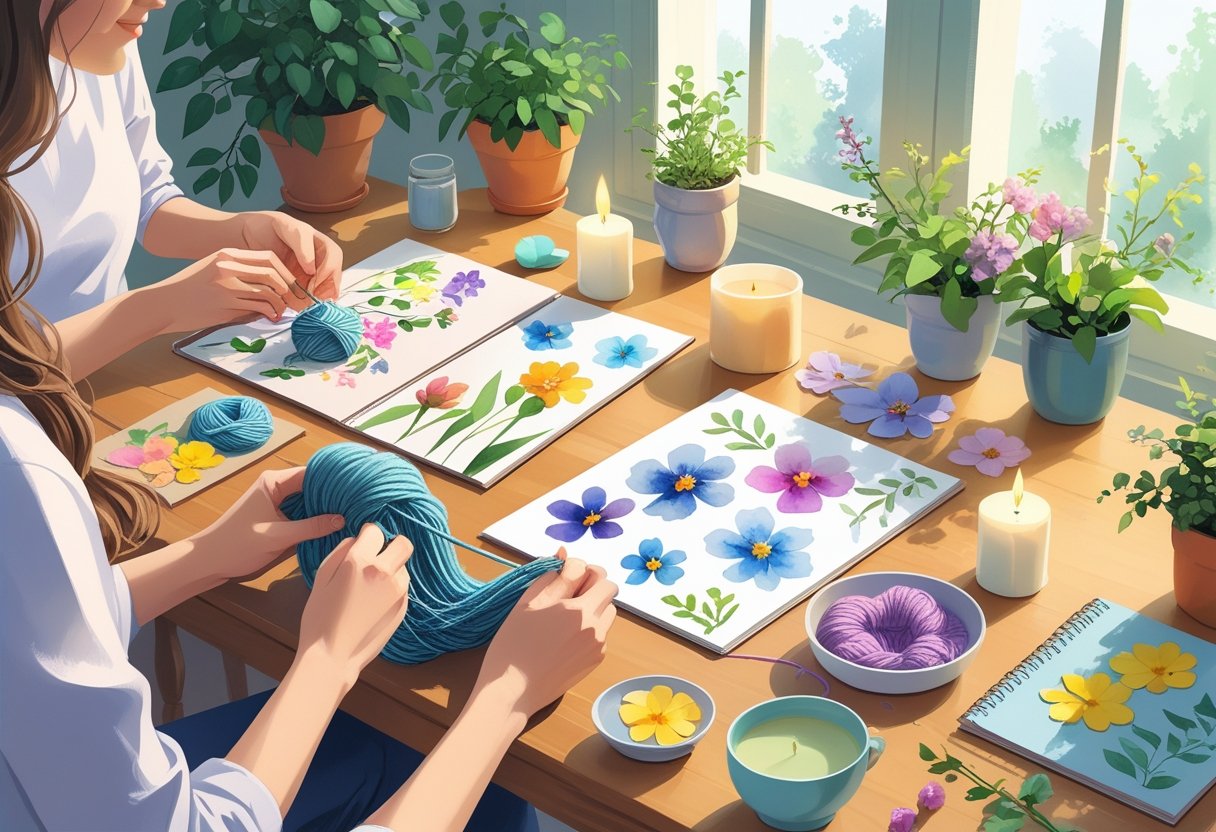
Crafting activities naturally slow down your racing thoughts and bring your attention to the present moment. Working with your hands triggers dopamine release while lowering stress hormones, making these activities powerful tools for mental wellness.
Knitting and Crocheting
Knitting and crocheting create a steady rhythm that quiets your mind. The repetitive motions of looping yarn require just enough focus to block out worries without overwhelming you.
These fiber arts work particularly well for anxiety relief because you can measure your progress with each completed row. You’ll see tangible results building up in your hands, which provides a sense of accomplishment that boosts your mood.
The soft texture of yarn adds a sensory element that enhances relaxation. Starting with simple patterns like scarves or dishcloths helps you build confidence before moving to more complex projects.
You can practice these crafts almost anywhere. Bring your project to waiting rooms, during commutes, or while watching television to turn idle time into calming moments.
Painting and Drawing
Painting and drawing offer outlets for self-expression that don’t require words. You focus entirely on colors, shapes, and brush strokes, which naturally pulls your attention away from daily stressors.
Watercolor painting works especially well for beginners because mistakes blend into interesting effects. Coloring books designed for adults provide structure if blank pages feel intimidating.
Sketching requires minimal supplies—just a pencil and paper. You can draw from observation or let your hand move freely across the page without planning.
The creative process matters more than the final product. Even 15 minutes of hands-on creative activities helps decrease stress and improve your sense of well-being throughout the day.
Pottery and Clay Sculpting
Working with clay connects you to a basic material that responds directly to your touch. The cool, smooth texture grounds you in physical sensations while kneading and shaping builds muscle awareness.
You don’t need a pottery wheel to start. Hand-building techniques like pinch pots or coil construction let you create functional pieces with minimal equipment.
Clay work demands your full attention because the material changes as you manipulate it. This intense focus naturally creates a meditative state where worries fade into the background.
The process includes multiple stages—forming, drying, and sometimes glazing—that extend your engagement with each project. This ongoing involvement gives you something positive to anticipate and nurtures patience.
Physical Activities for Therapeutic Benefits
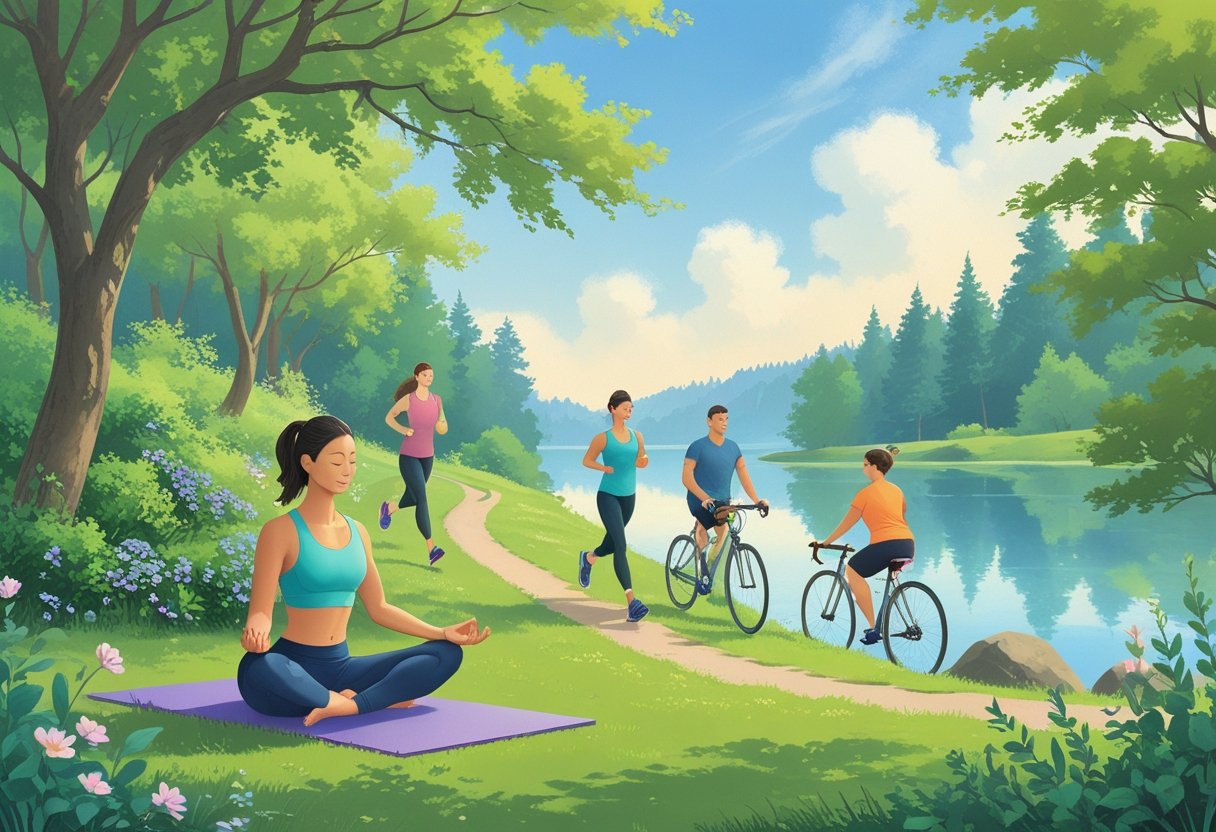
Moving your body through specific activities reduces stress hormones, increases endorphins, and creates mental clarity that traditional rest alone cannot provide.
Yoga and Meditation Practices
Yoga combines physical poses with controlled breathing to reduce tension in both your mind and body. Regular practice lowers cortisol levels and helps you manage anxiety and depression symptoms. You don’t need expensive equipment or prior experience to start.
Basic poses like child’s pose, downward dog, and cat-cow stretches release muscle tension while teaching you to focus on the present moment. The breathing techniques you learn during yoga activate your parasympathetic nervous system, which triggers your body’s natural relaxation response.
Meditation paired with yoga deepens these benefits. Even five minutes of quiet breathing exercises can lower your heart rate and blood pressure. Many people find that yoga and physical activities improve their sleep quality and help them handle daily stress better.
Dance and Movement
Dance gives you the cardiovascular benefits of exercise while allowing creative self-expression. You release pent-up emotions through movement without needing words to explain how you feel. Any style works, from ballet to hip-hop to free-form movement in your living room.
The rhythmic nature of dance activates multiple brain regions at once. This stimulation improves memory, coordination, and cognitive function. Group dance classes add social connection, which further supports your mental health.
Moving to music you enjoy triggers dopamine release in your brain. This natural chemical boost improves your mood and motivation. You can start with just 10-15 minutes of movement per day and gradually increase as you build stamina.
Gardening for Mind-Body Connection
Gardening combines gentle physical activity with mental calm as you dig, plant, and tend to living things. The repetitive motions of weeding, watering, and pruning create a meditative state similar to yoga. Working with soil also exposes you to beneficial bacteria that may improve mood regulation.
You gain a sense of accomplishment watching seeds grow into plants over weeks and months. This process teaches patience and provides tangible proof of your efforts. Spending time outdoors while gardening increases your vitamin D levels and connects you to natural seasonal cycles.
Physical tasks like lifting bags of soil, raking, and bending build muscle strength and flexibility. Garden work burns 200-400 calories per hour depending on the intensity. Even container gardening on a small balcony offers these therapeutic benefits.
Connecting with Nature and Outdoor Hobbies

Spending time outside helps reduce stress and improves your mood through direct contact with natural environments. Physical activities in outdoor settings combine exercise benefits with the calming effects of being surrounded by trees, water, and wildlife.
Hiking and Nature Walks
Walking through natural areas gives you immediate mental health benefits. Your stress levels drop within minutes of entering a green space. Even a short 20-minute walk in a park can lower your heart rate and reduce anxiety.
Hiking works for any fitness level. You can start with flat, paved trails and gradually move to more challenging terrain. The rhythmic motion of walking acts as a form of moving meditation that clears your mind.
Nature-based activities help you focus on the present moment instead of worrying about daily problems. You notice details like bird songs, leaf patterns, and changing light. This natural mindfulness happens without formal meditation training.
Regular walks in natural settings improve your sleep quality and boost your immune system. The combination of fresh air, natural light, and physical movement helps regulate your body’s internal clock. You’ll find it easier to fall asleep at night after spending time outdoors during the day.
Birdwatching and Wildlife Observation
Watching birds and other animals requires patience and quiet attention. This focused observation naturally calms your racing thoughts. You learn to sit still and wait, which trains your mind to slow down.
You don’t need expensive equipment to start. A basic pair of binoculars and a simple field guide are enough. Many parks have bird feeders or known wildlife viewing spots where animals appear regularly.
The hobby encourages you to visit the same places repeatedly across seasons. You notice subtle changes in animal behavior and habitat. This regular routine gives you something to look forward to each week.
Outdoor hobbies like birdwatching foster environmental awareness while providing mental health benefits. Recording what you see creates a personal nature journal that tracks your observations over time. Many people find satisfaction in contributing their sightings to citizen science projects that help researchers study wildlife populations.
Therapeutic Benefits of Social and Group Hobbies

Group activities create natural opportunities for human connection while reducing feelings of isolation. These hobbies combine the mental health benefits of engaging activities with the emotional support that comes from social interaction.
Volunteering and Community Service
Volunteering gives you a sense of purpose while connecting you with others who share similar values. When you help at food banks, animal shelters, or community centers, you build meaningful relationships with both volunteers and the people you serve.
Group or team hobbies provide important opportunities for social connection, friendship, and support. The act of giving back releases feel-good chemicals in your brain that improve your mood. You gain perspective on your own challenges while making a real difference in your community.
Regular volunteer work creates structure in your schedule and gives you something to look forward to. You develop new skills and confidence as you take on different tasks. The social bonds you form through service work often extend beyond the volunteer setting, creating a support network that benefits your mental health long-term.
Book Clubs and Discussion Groups
Book clubs combine the mental stimulation of reading with regular social interaction. You engage your mind through literature while building connections with people who enjoy similar interests. These groups typically meet monthly, giving you consistent social contact without overwhelming your schedule.
Discussion groups help you practice active listening and expressing your thoughts in a supportive environment. You gain new perspectives on stories and ideas through other members’ interpretations. The shared experience of reading the same book creates common ground for conversation and friendship.
Social interactions during positive group activities foster trust and reduce stress. Book clubs work well for people with social anxiety because the discussion topic is predetermined, making conversation easier to navigate.
Choosing the Right Therapeutic Hobby for You
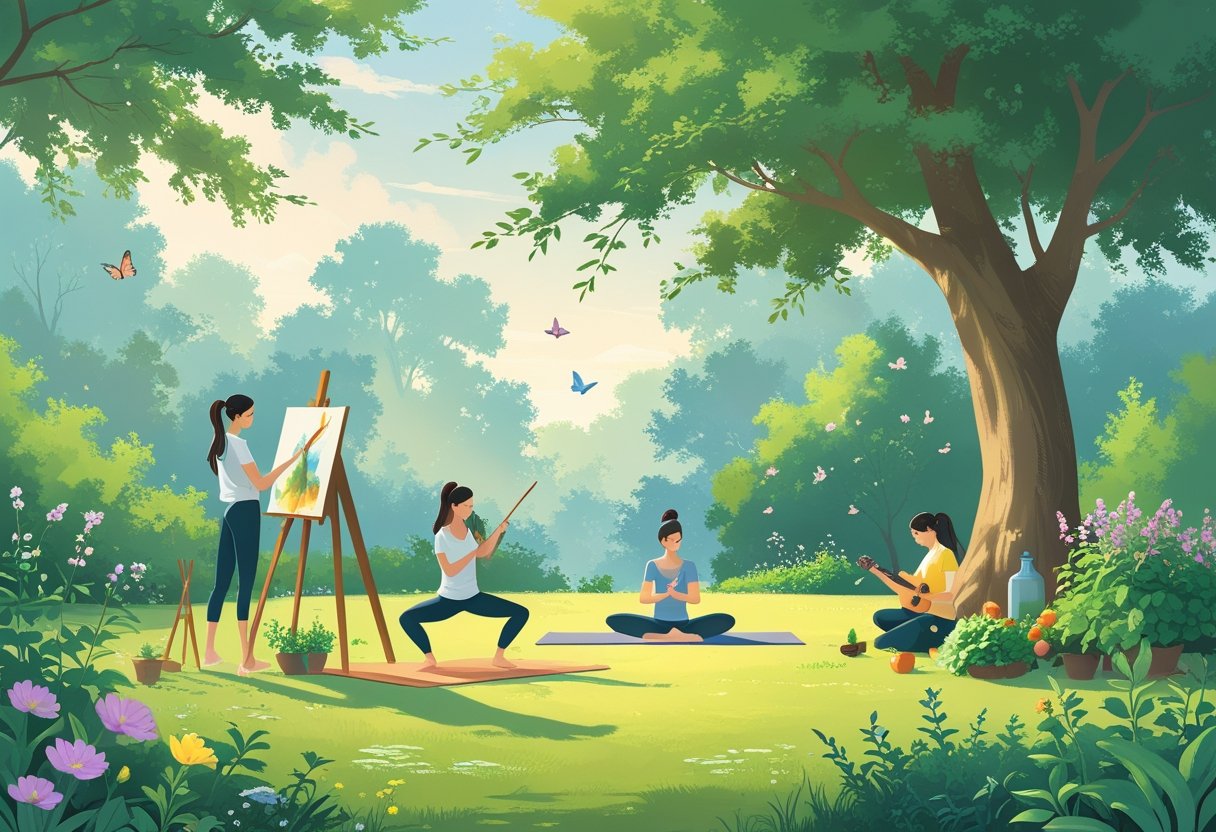
Finding a hobby that fits your lifestyle and mental health needs requires thinking about what you enjoy, what you can realistically commit to, and how to make it part of your daily life.
Assessing Your Interests
Start by thinking about activities that naturally draw your attention. Do you feel calm when working with your hands, or do you prefer moving your body? Some people find peace in creative expression while others need physical activity to clear their minds.
Consider what you enjoyed as a child or activities you’ve been curious about but never tried. Write down three to five activities that sound appealing without worrying about skill level.
Think about whether you prefer solo activities or social ones. Hobbies can provide stress relief and social connection, so match this to what you need most right now. If you feel isolated, group activities like team sports or art classes might help. If you need quiet time to process emotions, individual hobbies like painting or gardening work better.
Pay attention to your energy levels too. High-energy hobbies like running or dancing suit some people, while low-energy options like reading or knitting work better for others.
Setting Realistic Goals
Choose a hobby that matches your current time and budget. You don’t need expensive equipment or hours of free time to get mental health benefits from a hobby.
Start small with 10-15 minutes a few times per week rather than committing to daily hour-long sessions. This prevents burnout and makes it easier to stick with the activity. You can always increase time later once the habit forms.
Set specific but flexible goals. Instead of “get good at painting,” try “paint for 20 minutes twice a week.” This keeps expectations manageable and reduces pressure that could add stress instead of relieving it.
Remember that hobbies help manage anxiety when they feel enjoyable, not like another obligation. If a hobby starts feeling like work, adjust your approach or try something different.
Integrating Hobbies Into Your Routine
Schedule your hobby time like any other appointment. Put it on your calendar and treat it as important as work meetings or doctor visits.
Link your hobby to existing routines. Practice guitar right after dinner, do yoga before your morning shower, or journal before bed. This makes the habit easier to maintain.
Keep supplies visible and accessible. Store art materials on your desk, leave running shoes by the door, or keep your book on your nightstand. When therapeutic hobbies require less setup, you’re more likely to do them.
Tell friends or family about your new hobby so they can support your commitment. You might even find someone to join you, which adds accountability and makes the activity more enjoyable.