Hobbies That Help You Slow Down and Be Present: Mindful Activities for a Calmer Life
Life moves fast, and most days feel like a blur of tasks and screens. You might notice yourself constantly thinking about what’s next instead of enjoying what’s happening right now. This constant rush takes a toll on your mental health and overall well-being.
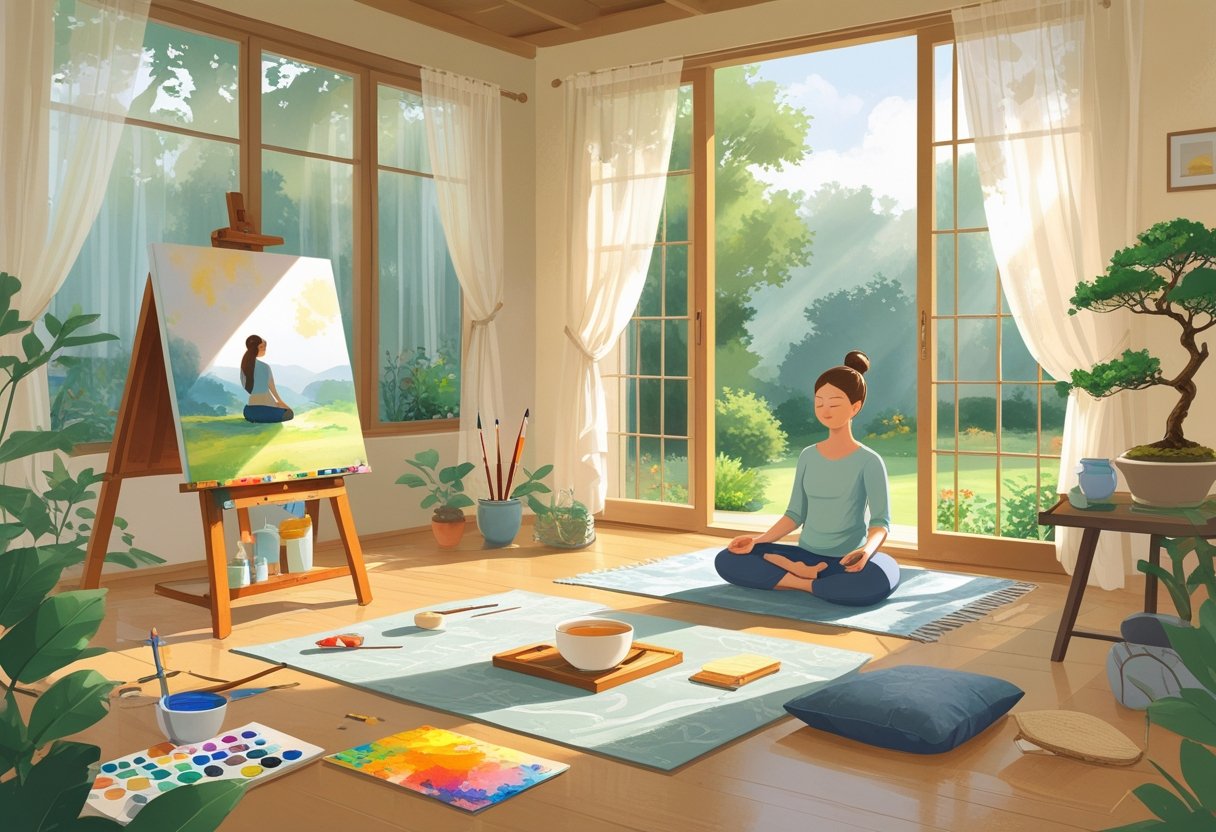
The right hobbies can help you slow down, reduce stress, and train your mind to stay in the present moment. These aren’t just ways to pass time. They’re activities that naturally pull your attention away from worries and distractions. When you engage in hobbies that aren’t secretly competitive or achievement-focused, you give your brain the break it needs.
You’ll discover activities that work with your hands, connect you with nature, and help you move with intention. Some hobbies fit into small moments throughout your day, while others work better when you have more time to yourself. The goal is finding what helps you breathe easier and feel more grounded in your everyday life.
Why Slowing Down Matters
Taking time to slow down affects your mind, body, and ability to stay in the moment. These changes can reduce stress and help you feel more balanced in daily life.
Benefits for Mental Health
Your brain needs breaks from constant activity. When you slow down, your stress levels drop and you give your mind space to process emotions and thoughts.
Slow hobbies work differently than fast-paced activities because they remove goals and timers. You stop judging your progress and just exist in the activity.
This shift helps reduce anxiety. Your brain stops racing ahead to the next task. Instead, you focus on what’s right in front of you.
People who practice slowing down report fewer racing thoughts at night. They feel less overwhelmed by their to-do lists. Their minds become calmer because they’ve created mental breathing room throughout the day.
Impact on Physical Wellbeing
Your body responds to constant rushing with physical symptoms. High stress raises your blood pressure and weakens your immune system.
Slow activities lower your heart rate and reduce muscle tension. Your breathing becomes deeper and more regular. These physical changes signal to your body that it’s safe to relax.
Better sleep often follows when you build slowness into your routine. Your nervous system learns it doesn’t need to stay on high alert all the time.
You might notice fewer headaches, less jaw clenching, and reduced stomach problems. Your body repairs itself better when you’re not always in fight-or-flight mode.
Connection to Mindfulness
Mindfulness means paying attention to the present moment without judgment. Hobbies that help you be present teach this skill naturally.
When you garden, you notice the soil texture and plant growth. When you knit, you focus on each stitch. These activities keep you anchored in now instead of worrying about tomorrow.
Regular practice makes mindfulness easier in other parts of your life. You start noticing small details you used to miss. You become more aware of your thoughts and feelings as they happen.
This awareness helps you respond to stress more calmly. You catch yourself before anxiety spirals. You recognize when you need to pause and breathe.
Choosing the Right Hobby for Mindfulness
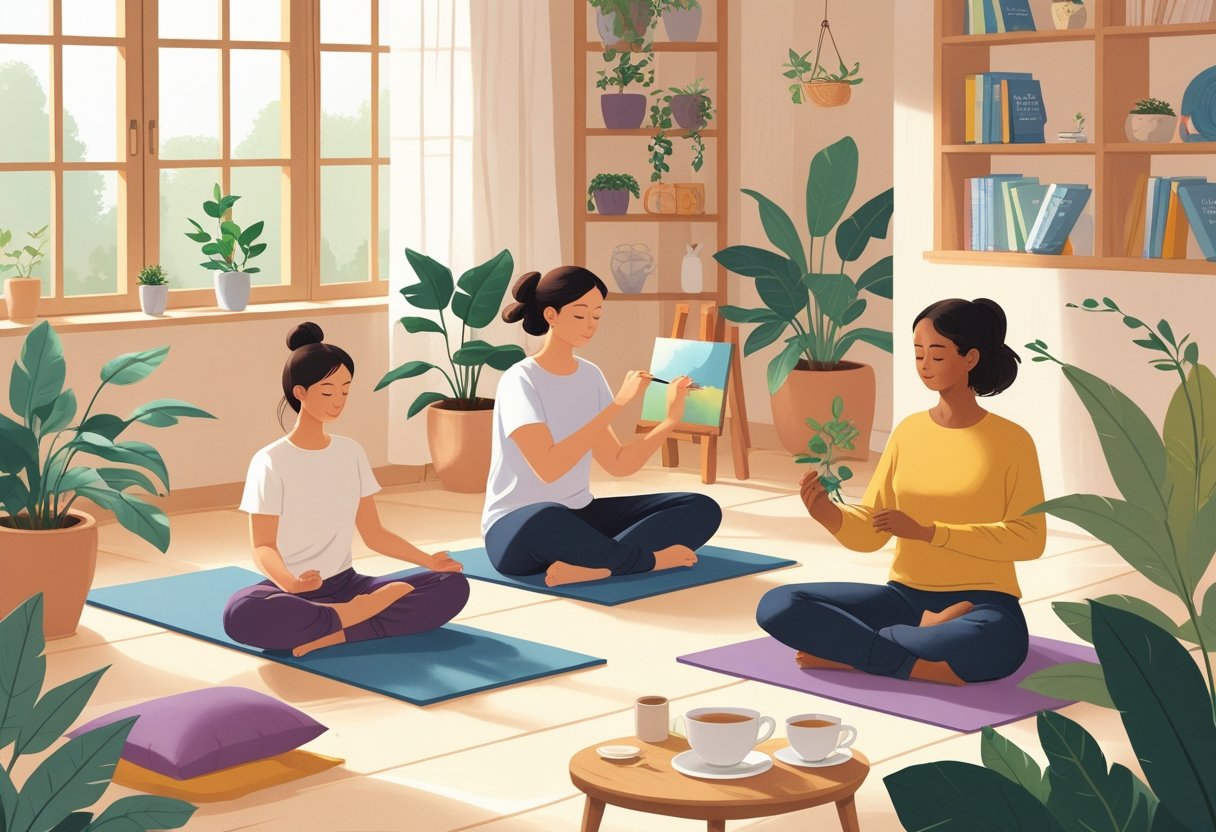
The best mindful hobby matches your natural interests and fits into your daily routine without adding stress. You need to think about what activities already draw your attention and how much time you can realistically spend on them each week.
Identifying Personal Interests
Start by looking at activities that already make you lose track of time. These are usually the best starting points for mindful hobbies. Pay attention to moments when you feel naturally calm and focused during your day.
Think about whether you prefer working with your hands, being outdoors, or staying inside. Some people find peace in repetitive motions like knitting or painting. Others feel more grounded when they work with plants or cook meals from scratch.
Consider what kind of engagement you want. Do you like activities that produce something physical, like woodworking or baking? Or do you prefer experiences that leave no product behind, like walking or meditation?
Write down three to five activities you’ve been curious about trying. Don’t worry about being good at them yet. Finding activities that help you feel more present and grounded is more important than skill level at this stage.
Matching Hobbies to Lifestyle
Look at your actual schedule, not the schedule you wish you had. A hobby that requires three-hour blocks won’t work if you only have 20-minute gaps in your day. Be honest about your energy levels too.
High-energy hobbies like gardening or hiking work well if you have physical stamina and outdoor access. Low-energy hobbies like reading, journaling, or listening to music fit better when you’re tired or have limited mobility.
Consider your living situation. Apartment dwellers might choose container gardening over a full vegetable plot. People without dedicated workspace might prefer hobbies that pack away easily.
Think about seasonal factors. Some hobbies work year-round while others depend on weather or daylight. Having options for different seasons helps you maintain consistency.
Setting Realistic Expectations
Start with equipment and supplies you already own or can borrow. You don’t need expensive materials to begin a mindful practice. A basic sketchbook and pencil work just as well as professional art supplies for starting a drawing habit.
Plan to spend 10-15 minutes on your new hobby for the first few weeks. Short sessions help you build the habit without feeling overwhelmed. You can always extend the time later.
Expect some initial awkwardness. Your first attempts at pottery or painting won’t look perfect, and that’s normal. The goal is being present during the activity, not creating masterpieces.
Give each hobby at least three weeks before deciding if it works for you. Some activities take time to feel natural. Others might not suit you at all, and that’s fine too.
Creative Hobbies for Presence
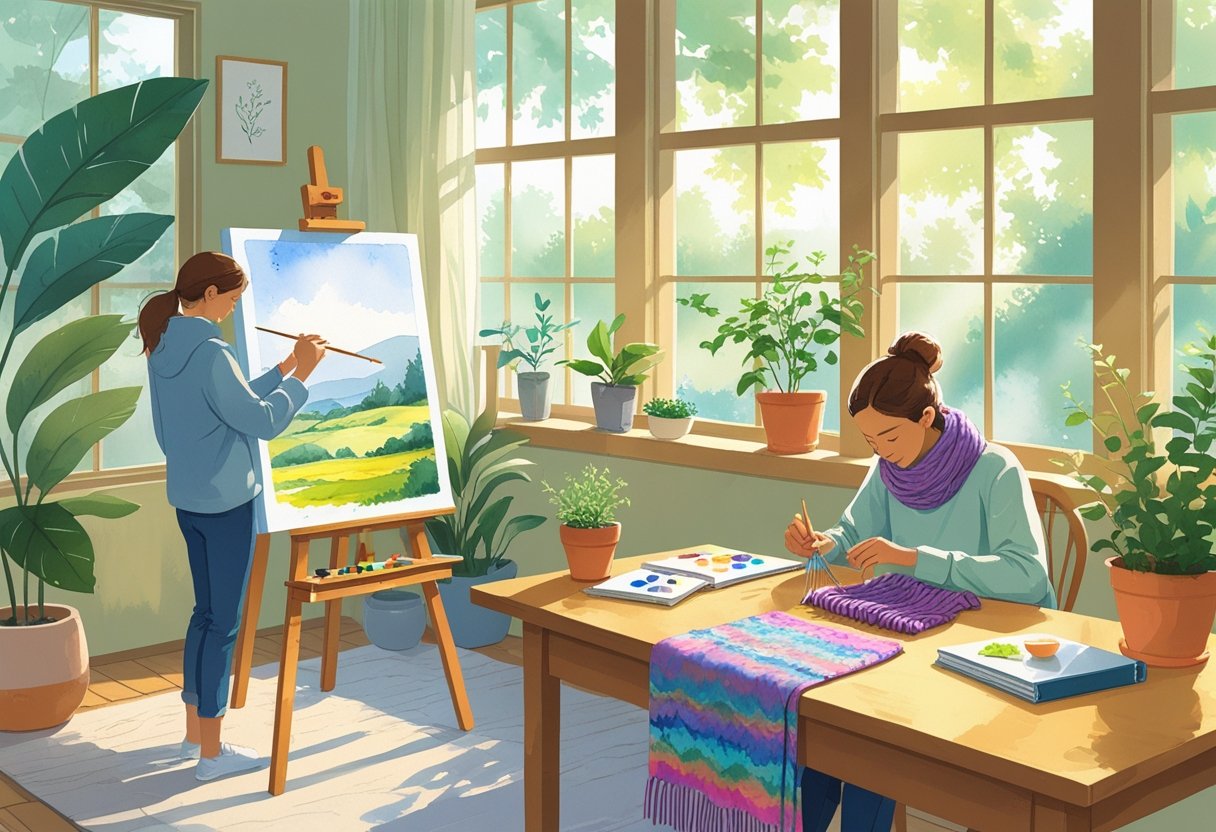
Creative activities give your hands something to do while your mind settles into the present moment. Working with paint, words, or a camera requires focused attention that naturally pulls you away from stress and worry.
Painting and Drawing
Painting and drawing require you to focus on colors, shapes, and brush strokes. This attention to detail keeps your mind anchored in what you’re doing right now.
You don’t need to be skilled to benefit from these activities. The repetition of moving a pencil across paper or mixing colors on a palette creates a calming rhythm. Your thoughts slow down as you concentrate on the lines you’re making or the shading you’re adding.
Simple ways to start:
- Use watercolors for loose, forgiving practice
- Try adult coloring books for structured creativity
- Sketch everyday objects around your home
- Experiment with different drawing tools like charcoal or pastels
The value of these creative hobbies lies in repetition and attention, not in making perfect art. Each session gives you time to disconnect from screens and reconnect with yourself.
Creative Writing Practices
Writing by hand slows your thoughts enough to examine them. Journaling, poetry, or short stories all give you space to process what’s happening in your life.
Morning pages work particularly well for presence. You write three pages of whatever comes to mind without stopping to edit or judge. This practice clears mental clutter and helps you notice patterns in your thinking.
Poetry asks you to choose each word carefully. You pay attention to rhythm, sound, and meaning in ways that demand full focus. Even five minutes of writing can shift your mental state from scattered to centered.
Photography as Mindful Exploration
Photography trains you to notice details you normally miss. When you look for interesting light, textures, or compositions, you become more aware of your surroundings.
Walking with a camera gives you a purpose beyond exercise. You move slowly, stopping to frame shots and adjust settings. This deliberate pace helps you absorb more of what’s around you.
You can practice mindful photography without expensive equipment. Your phone camera works fine when you focus on seeing rather than capturing perfect images. Try photographing the same subject at different times of day or from various angles to deepen your attention.
Nature-Based Activities
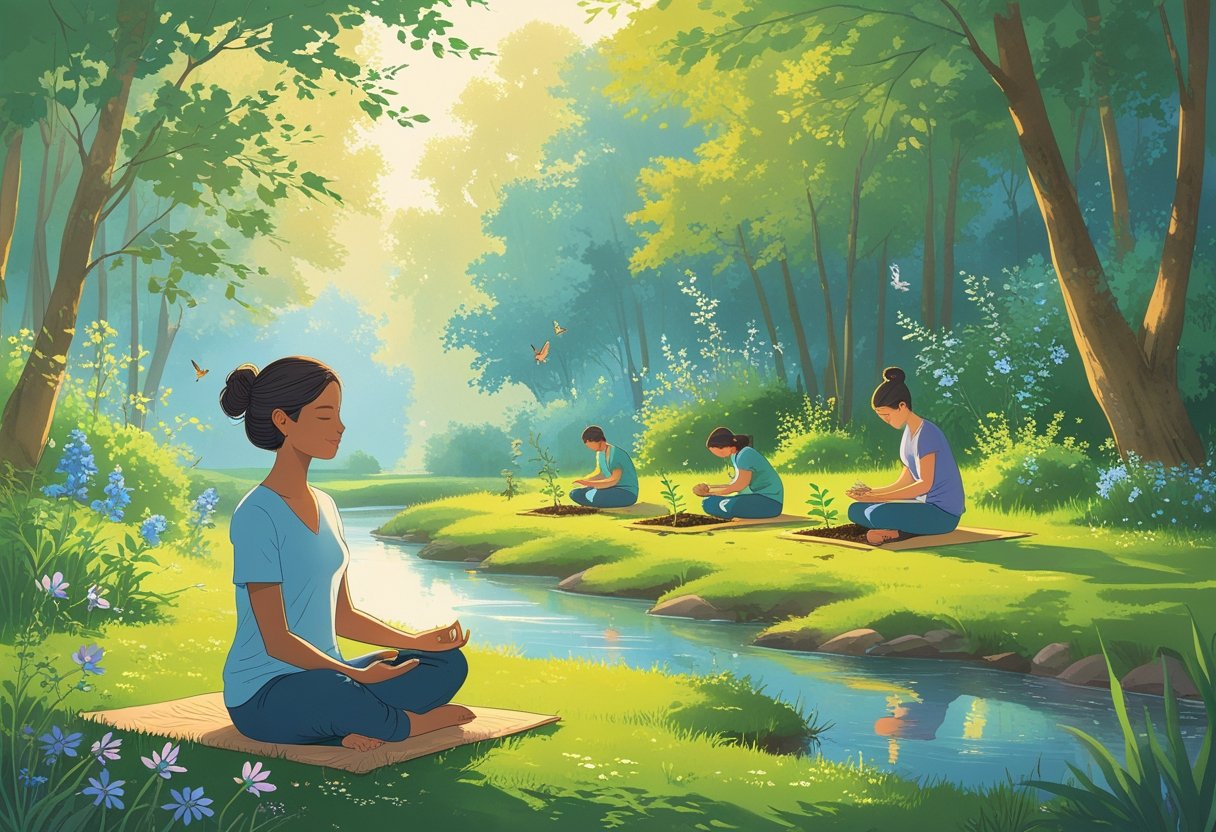
Spending time outdoors creates natural opportunities to slow your pace and focus on the present moment. Activities like gardening, watching birds, and walking in natural settings help reduce mental fatigue while connecting you to your surroundings.
Gardening for Grounding
Gardening puts you in direct contact with soil, plants, and the rhythms of growth. When you dig, plant, and tend to your garden, you engage multiple senses at once. The feel of dirt between your fingers and the smell of fresh earth naturally pull your attention to the current moment.
You don’t need a large yard to start gardening. A few containers on a balcony or windowsill work just as well for growing herbs, vegetables, or flowers. The repetitive motions of watering, weeding, and pruning create a meditative quality that helps quiet racing thoughts.
Key benefits of gardening include:
- Physical activity at your own pace
- Tangible results you can see and touch
- Regular outdoor time regardless of season
- Connection to natural growth cycles
The waiting required in gardening teaches patience. You can’t rush a seed to sprout or force a tomato to ripen faster.
Birdwatching and Observation
Birdwatching trains your attention on small details in your environment. You learn to notice subtle movements, distinct calls, and specific markings that distinguish one species from another. This focused observation naturally keeps you anchored in the present.
You can start with just your eyes and ears, though binoculars help you see birds more clearly. Find a comfortable spot in a park, your backyard, or near water. Stay still and quiet for at least 15 minutes. Birds reveal themselves when you stop moving and simply watch.
Nature-based hobbies like fishing and outdoor observation reduce mental fatigue. The practice builds patience as you wait for birds to appear and moves at their schedule, not yours.
Mindful Nature Walks
Walking in natural settings combines gentle movement with sensory awareness. You notice textures of tree bark, sounds of rustling leaves, and temperature changes as you move between sun and shade. Outdoor activities provide the perfect backdrop for being present in the moment.
Leave your phone in your pocket or at home. Pick a route without a specific distance or time goal. Stop when something catches your attention. Touch interesting plants, listen to water moving over rocks, or watch clouds shift overhead.
Your walks don’t need to happen in remote wilderness. City parks, neighborhood streets with trees, or paths along waterways all work. The goal is paying attention to what surrounds you rather than rushing to reach a destination.
Movement and Meditation Practices
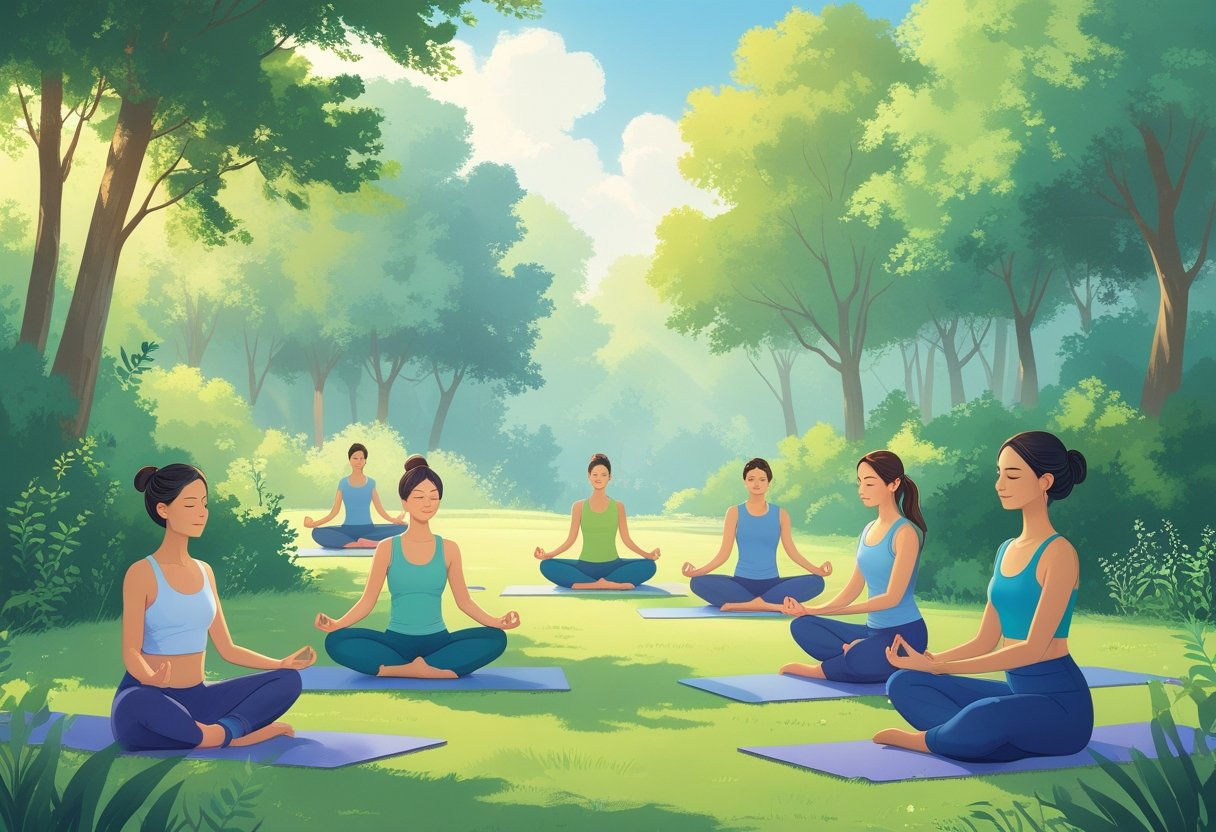
Gentle physical practices create space for your mind to settle while your body moves with intention. These activities combine breath control with deliberate motion to anchor you in the present moment.
Yoga for Mindful Movement
Yoga links breath with physical poses to help you focus on the here and now. Each pose requires attention to your body’s position, balance, and sensations.
You don’t need to be flexible or athletic to start. Basic poses like child’s pose, mountain pose, and cat-cow stretches work well for beginners. The goal isn’t to achieve perfect form but to notice how your body feels in each position.
Your breath serves as an anchor during practice. When your mind wanders to your to-do list or worries, returning focus to your inhales and exhales brings you back to the present. Many people find that yoga helps calm their mind through breathing exercises paired with movement.
Start with 10-15 minutes a few times per week. You can practice at home with online videos or apps.
Tai Chi and Qigong
Tai chi uses slow, flowing movements that shift your weight from one leg to another. Each movement follows a specific pattern that you repeat in sequence.
The practice originated as a martial art but now serves as a gentle activity that combines deliberate movements with deep breathing. Your attention stays on weight distribution, arm positions, and the tempo of each motion.
Qigong shares similarities with tai chi but includes more standing meditation and breathing exercises. Both practices help you tune into physical sensations and quiet racing thoughts.
These movement forms take time to learn properly. Consider joining a class or finding an instructor who can guide you through the basic forms. Once you learn the sequences, you can practice anywhere.
Walking Meditation
Walking meditation turns a simple activity into a mindful practice. You walk at a slower pace than usual and pay attention to each step.
Focus on how your foot lifts, moves through the air, and makes contact with the ground. Notice your weight shifting from heel to toe. Feel your arms swinging naturally at your sides.
You can practice indoors or outdoors. Choose a quiet path where you won’t be interrupted for 10-20 minutes. Some people walk in a straight line and turn around at each end, while others prefer a loop.
This practice works well if sitting meditation feels uncomfortable or boring. It gives your mind something concrete to focus on while building awareness of your body in motion.
Hands-On and Tactile Hobbies
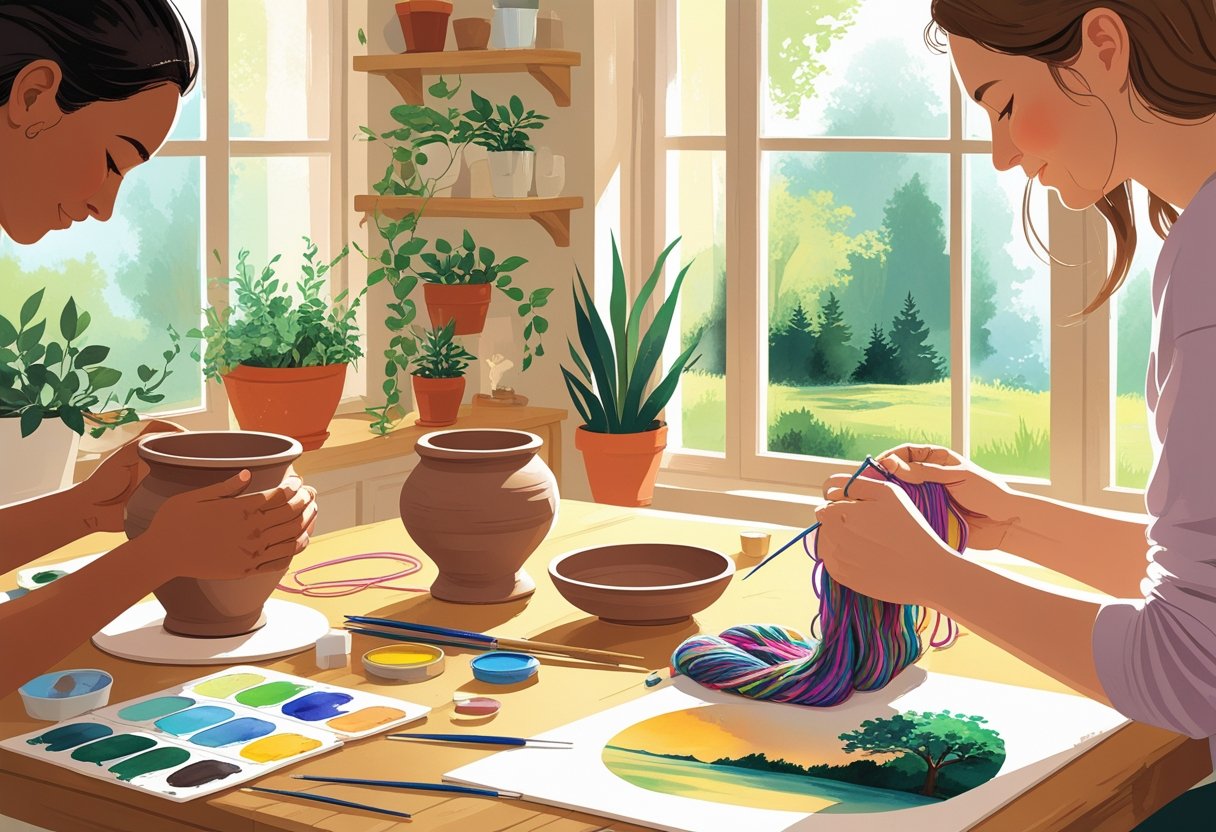
Working with your hands creates a direct connection between your mind and body that helps you focus on the present moment. These activities require attention to physical materials and repetitive motions that naturally calm racing thoughts.
Knitting and Crocheting
Knitting and crocheting involve repetitive hand movements that create a meditative rhythm. The simple pattern of looping yarn through needles or hooks keeps your hands busy while your mind settles into a calm state.
These tactile hobbies can significantly lower stress levels and improve your fine motor skills. You don’t need expensive supplies to start—basic yarn and needles cost less than $20 at most craft stores.
The best part is watching something tangible emerge from your work. Each row you complete gives you a small sense of accomplishment. You can make scarves, blankets, or even stuffed animals as you build your skills.
Many people find that these slower, tactile activities offer a calming antidote to constant digital stimulation. The counting and pattern-following required keeps your attention focused on what your hands are doing right now.
Pottery and Clay Work
Working with clay engages all your senses as you shape and mold raw material into functional or decorative pieces. The cool, wet texture of clay grounds you in physical sensation.
Pottery requires you to slow down and pay attention to pressure, moisture, and form. You can’t rush the process without risking cracks or collapsed walls in your piece.
The wheel demands full concentration as you center the clay and pull up the walls of a bowl or vase. Hand-building techniques like pinching and coiling give you more control if the wheel feels too challenging at first. Most community centers and art studios offer beginner classes where you can try pottery without buying a kiln or expensive equipment.
Integrating Mindful Hobbies Into Daily Life

Making mindful hobbies part of your everyday routine requires planning and realistic expectations. Setting up regular practice times, working through obstacles, and involving your family can help these activities stick.
Building Consistent Routines
Start by picking a specific time each day for your mindful hobby. Morning hours work well for activities like journaling or stretching before your day gets busy. Evening slots suit hobbies like knitting or reading after work winds down.
Begin with just 10 to 15 minutes daily rather than trying to dedicate an hour right away. This smaller commitment is easier to maintain and helps build the habit. You can add more time once the practice feels natural.
Link your new hobby to an existing habit you already do. Make tea and then journal. Finish dinner and then sketch. These connections help your brain remember to do the activity.
Simple scheduling approaches:
- Block the time in your calendar like any other appointment
- Set a daily phone reminder 5 minutes before you plan to start
- Keep your supplies in a visible spot where you’ll see them
- Track your practice days on a wall calendar with checkmarks
Overcoming Common Challenges
Lack of time is the most common excuse people give for skipping mindful hobbies. The truth is you likely spend more time scrolling on your phone than you would need for a brief practice. Replace one less valuable activity with your chosen hobby.
Some days you won’t feel motivated. Do the activity anyway for just 5 minutes. Most times you’ll continue past that initial resistance once you start.
Perfectionism stops many people from enjoying mindful activities and hobbies. Your watercolor painting doesn’t need to look professional. Your meditation practice doesn’t require perfect focus. The goal is presence, not performance.
When you miss a day or two, don’t quit entirely. Just resume your practice the next day without judgment. Consistency matters more than a perfect streak.
Encouraging Family Participation
Shared mindful hobbies strengthen family bonds while teaching valuable skills. Choose activities that match different age levels so everyone can join in their own way.
Family-friendly mindful hobbies:
- Gardening (kids can water plants or pick vegetables)
- Baking bread (measuring and kneading work for various ages)
- Nature walks (everyone can observe different things)
- Drawing or coloring (no skill level required)
Set up a family hobby time once or twice weekly where phones stay in another room. This dedicated space lets everyone focus on practicing mindfulness together.
Let family members try different roles in the same hobby. One person mixes ingredients while another shapes the dough. Someone sketches while another adds color. Rotating these roles keeps the activity interesting and builds different skills.
Avoid forcing participation if someone genuinely dislikes an activity. Offer alternatives and let people choose what resonates with them. The point is calm engagement, not obligation.