10 Best Hobbies for College Athletes in the Off-Season to Stay Active and Balanced
College athletes spend most of their season focused on training, competitions, and team commitments. When the off-season arrives, many find themselves with extra free time that can be used in meaningful ways.
This break from intense athletic schedules offers a chance to explore new interests, build skills, and recharge for the next season.

The right off-season hobby can help you stay active, earn extra money, develop new abilities, and maintain balance in your college life. Some hobbies focus on physical wellness and recovery.
Others let you explore creative outlets or learn practical skills like managing money. You can even find activities that combine your athletic background with earning opportunities.
The options range from outdoor activities to digital projects to community involvement. Each hobby offers different benefits based on your interests and goals.
10) Flipping thrift store items online

Flipping thrift store items can turn your free time into real income during the off-season. You search for undervalued items at thrift stores, garage sales, or online auctions and resell them for a profit on platforms like eBay, Poshmark, or Facebook Marketplace.
This hobby works well for college athletes because you control your own schedule. You can shop for items when it fits your calendar and list them online at your convenience.
The startup costs are low. You only need enough money to buy your first few items and a smartphone to take photos and manage listings.
Popular items to flip include books, vintage clothing, electronics, sports equipment, and collectibles. You learn to spot valuable brands and research prices quickly using your phone while shopping.
The physical activity of browsing stores and organizing inventory keeps you moving without the intensity of training. You also develop business skills like pricing, customer service, and online marketing.
Most flippers start part-time and earn anywhere from $50 to several hundred dollars per month. Your earnings grow as you learn which items sell best and how to spot good deals faster.
Cross-listing tools help you post items across multiple selling platforms at once. This increases your chances of making sales without extra work.
You can flip items alone or make it social by shopping with teammates. It gives you a productive focus outside of athletics while building skills for future business ventures.
9) Engaging in creative writing or journaling
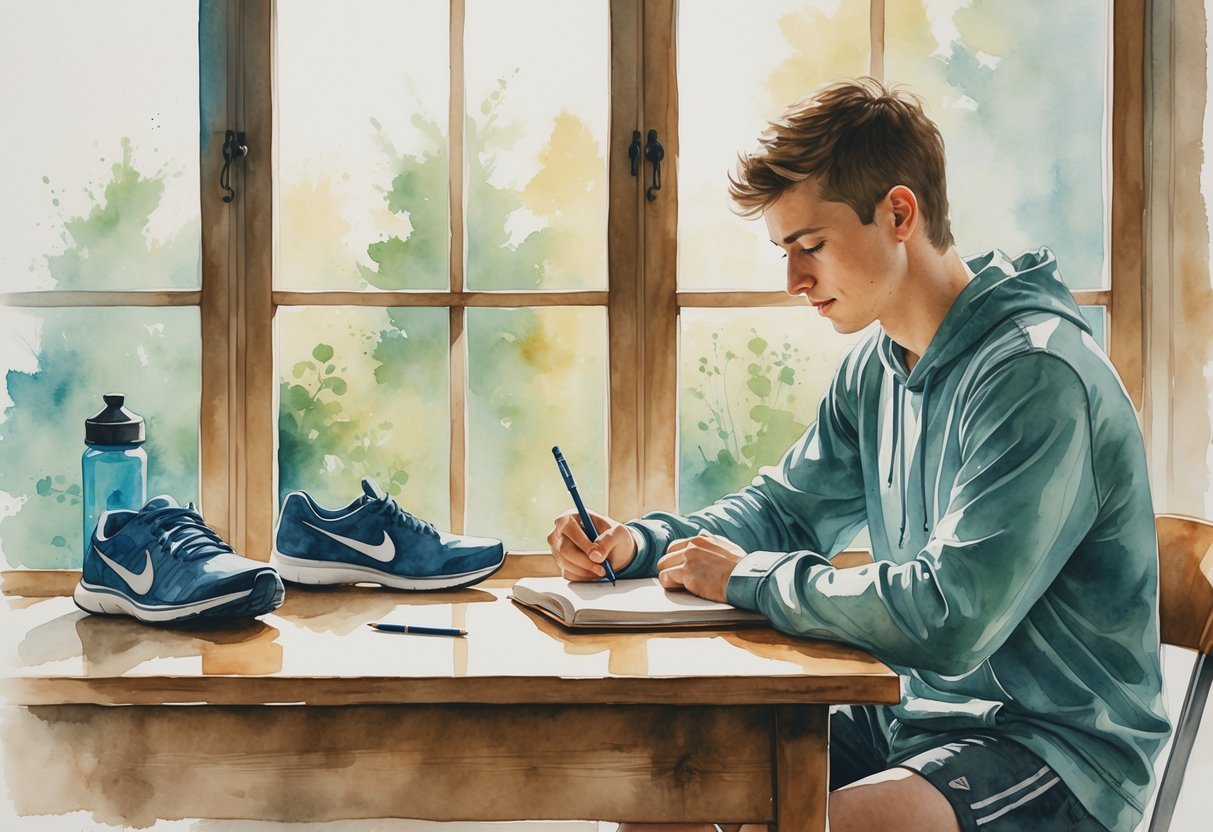
Creative writing and journaling give college athletes a powerful way to process their experiences during the off-season. You can use writing to reflect on your athletic performance, set goals, or simply explore your thoughts away from the field or court.
Journaling takes just a few minutes each day. You might write about your training progress, document challenges you’re working through, or capture ideas for improving your game.
Creative writing opens different doors. You can try poetry, short stories, or even start a blog about your athletic journey.
Both forms of writing strengthen your communication skills. These abilities matter for class assignments, future job applications, and everyday interactions.
Writing regularly also improves your focus and helps you think more clearly under pressure. You don’t need special equipment or training to start.
A simple notebook works fine, or you can type on your phone or computer. Set aside 10-15 minutes a few times per week to write whatever comes to mind.
The mental break from physical training can be refreshing. Writing engages a different part of your brain than athletics do.
8) Exploring hiking trails near campus

Hiking offers college athletes a perfect way to stay active during the off-season without the intensity of regular training. Most college campuses are located near parks or nature trails that you can access easily.
You don’t need special equipment or a car to get started. Walking through trails gives your body a different type of workout than your usual sport.
It builds endurance and strengthens different muscle groups while being gentle on your joints. The change of pace helps prevent burnout while keeping you physically fit.
Local trails provide a mental break from the pressures of academics and athletics. Fresh air and natural scenery help reduce stress and clear your mind.
You can hike alone when you need quiet time to think and reset. You can also invite teammates or friends to turn it into a social activity.
Hiking fits easily into busy schedules since most trails near campus only take an hour or two to complete. Start by checking with your school’s outdoor recreation program for trail recommendations.
They often know the best nearby locations and can provide information about difficulty levels. Many colleges also organize group hikes that make it easier to discover new spots.
Hiking keeps you connected to physical activity without the pressure of competition. It’s free, flexible, and helps maintain the fitness level you’ll need when your season starts again.
7) Volunteering for community sports events
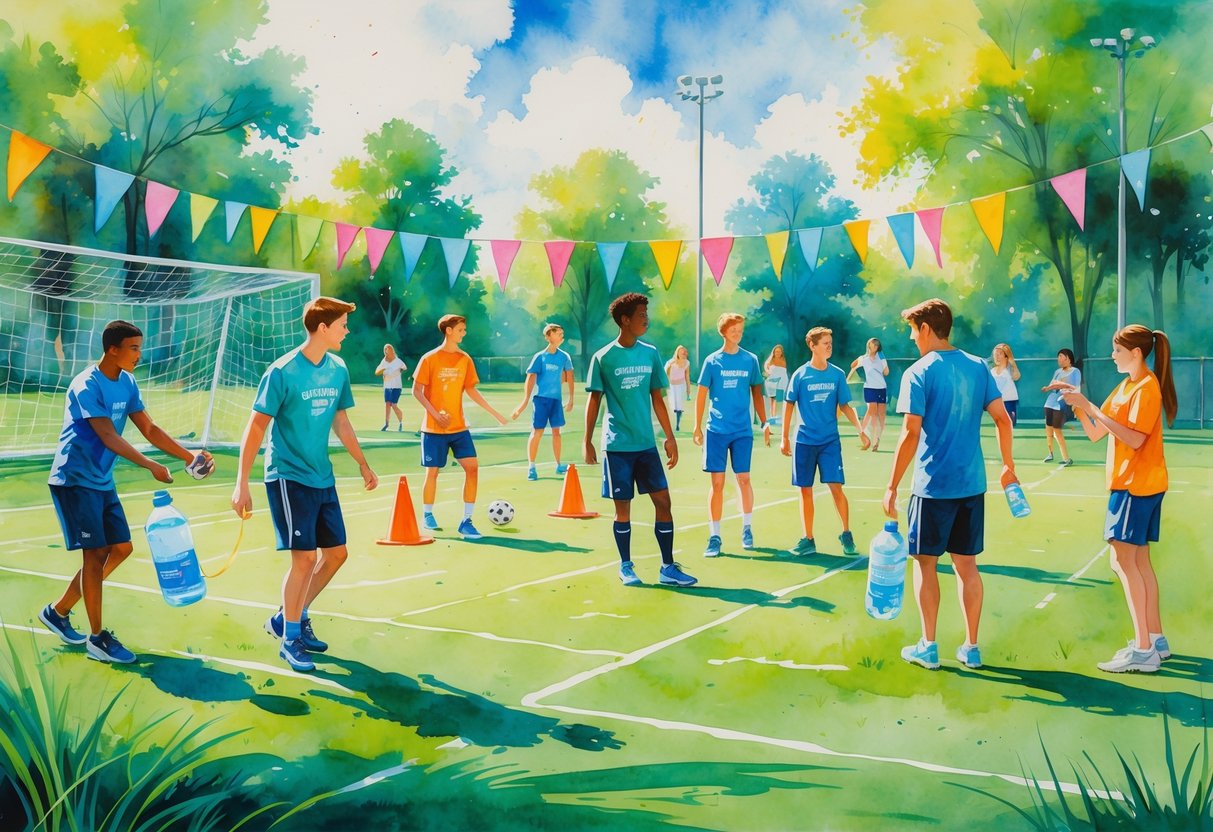
Community sports events need volunteers to run smoothly. As a college athlete, you already understand the game and what it takes to organize athletic activities.
This makes you a valuable resource for local programs. You can help coach youth sports teams in your community.
Kids look up to college athletes and benefit from your experience and skills. Teaching young players gives you a chance to develop leadership abilities while staying connected to your sport.
Local tournaments and competitions always need extra hands. You can work as a referee, scorekeeper, or event coordinator.
These roles let you stay involved in athletics without the pressure of competing. Many college athletes volunteer regularly during their off-season.
Studies show that most student-athletes serve their communities for at least a few hours each month. This work builds strong connections between you and the people who support your team.
Volunteering at sports events fits well into your schedule because you can choose when to help. You might spend a few hours on a weekend running a youth clinic or helping at a local race.
The time commitment is flexible and works around your training schedule. This hobby keeps you engaged with sports while giving back.
You maintain your connection to athletic competition and help grow sports programs in your area. The experience also looks good on your resume when you start your career.
6) Learning financial literacy and investment basics
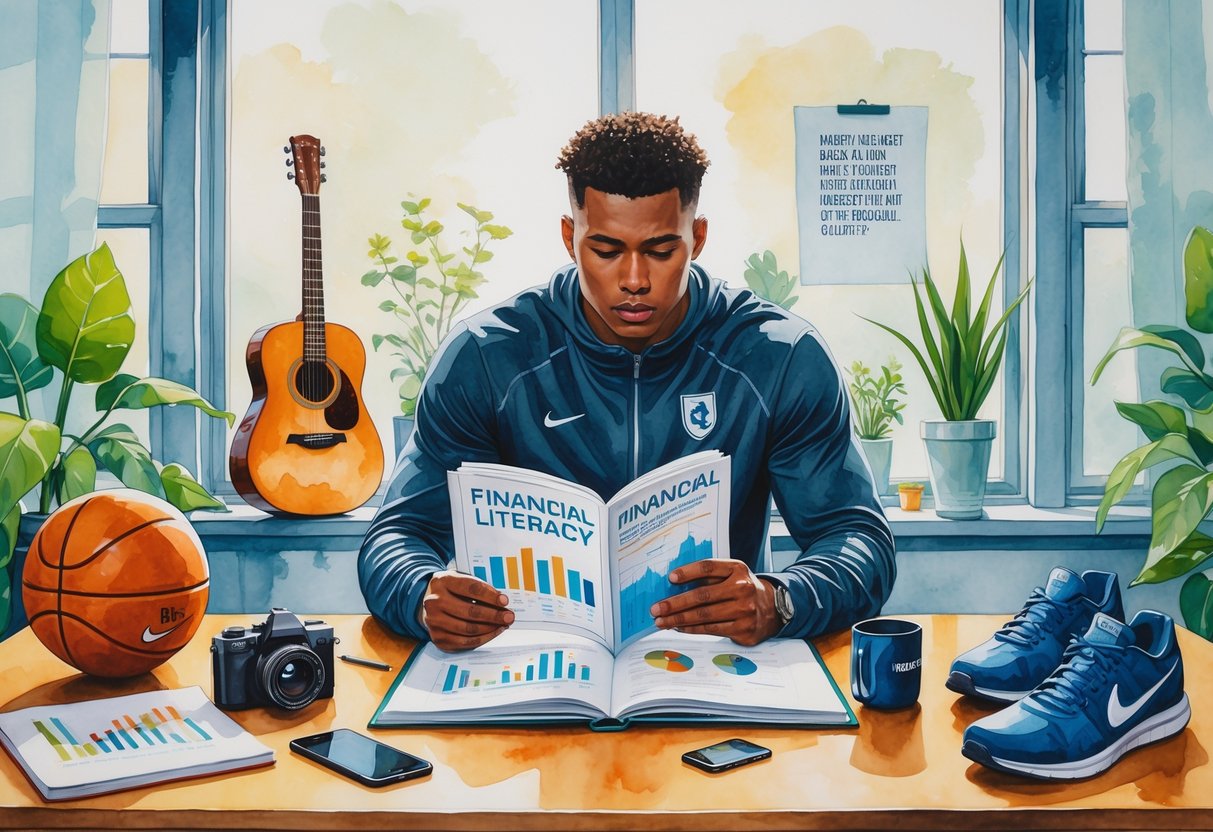
The off-season gives you time to build skills that matter beyond sports. Financial literacy is one of the most valuable things you can learn as a college athlete.
Many young athletes struggle with money management when they enter professional sports. You can avoid these problems by learning the basics now.
Start with simple concepts like budgeting and saving. Understanding how to create and stick to a budget helps you manage whatever money you have.
This skill becomes even more important if you sign professional contracts later. You need to know how much you earn, spend, and save.
Learning about investments gives you an advantage for your future. You don’t need to be an expert right away.
Basic knowledge about stocks, bonds, and retirement accounts sets you up for long-term success. Free resources make it easy to start learning.
Many websites and apps offer courses on personal finance basics. You can study at your own pace during breaks between training sessions.
Financial literacy reduces stress about money. When you understand how to handle your finances, you make better decisions.
This knowledge helps you whether you go pro or pursue a different career path. The time you spend learning about money now pays off for decades.
You can practice these skills with your current student budget. Building good financial habits early makes everything easier as your income grows.
5) Offering personal training or coaching sessions
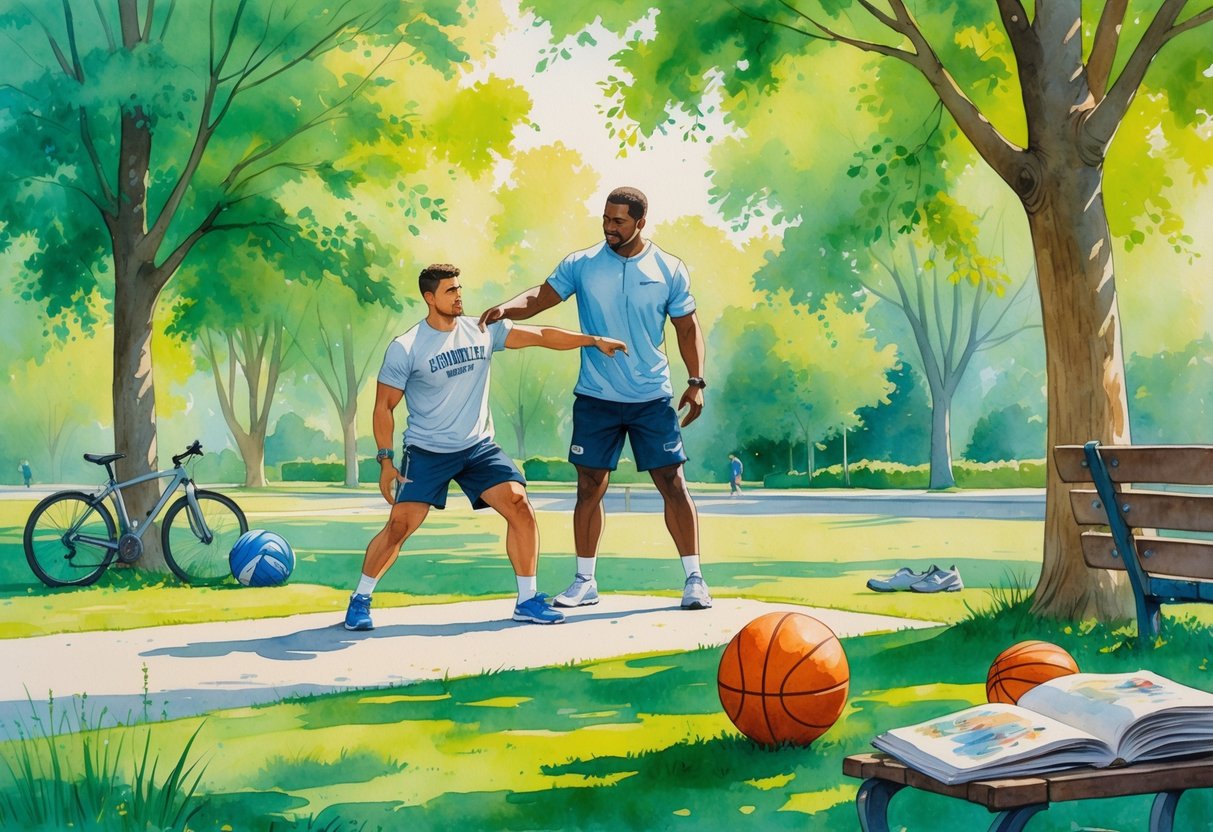
You already have the skills and knowledge that younger athletes want to learn. The off-season gives you time to share what you know while making extra money.
You can start by offering one-on-one training sessions in your sport. Pick a few clients at first and build from there.
Many high school athletes and beginners need help with technique, conditioning, or game strategy. Group training sessions are another option.
You can work with small teams or groups of athletes who want to improve specific skills. This approach lets you earn more per hour while helping multiple people at once.
Getting clients is easier than you might think. Tell friends and family you’re offering training sessions.
Post about your services on social media. You can also reach out to local youth sports programs to see if they need extra coaches.
Your schedule as a college athlete makes this hobby work well. You can train clients on weekends or during breaks between your own practice sessions.
The flexible hours let you control how much time you commit. This hobby keeps you active and connected to your sport during the off-season.
You stay in shape while helping others improve. The experience also builds coaching skills that could lead to future career opportunities in athletics.
4) Starting a podcast on college life and sports
Starting a podcast gives you a creative outlet during your off-season. You can talk about sports, share your experiences as a college athlete, and connect with listeners who care about the same topics.
Technology makes podcast production easy and affordable in 2025. You don’t need expensive equipment to get started.
A decent microphone and free editing software can help you create quality content. Many hosting platforms offer free plans for new podcasters.
Your unique perspective as a college athlete makes your content valuable. You can discuss training tips, share stories from your season, or interview teammates and coaches.
Topics about balancing sports with academics often interest other students. Podcasting builds useful skills beyond athletics.
You’ll learn communication, editing, and marketing. These abilities help with future careers.
The hobby also lets you build a personal brand while you’re still in school. You can work on episodes whenever your schedule allows.
Record during downtime between classes or on weekends. Start with one episode every week or two.
Keep it simple at first and improve as you go. The time commitment fits well with an athlete’s lifestyle.
Most podcasters spend a few hours per week on their shows. This includes planning, recording, and editing.
You control the pace and can adjust based on your training schedule.
3) Creating a fitness or wellness YouTube channel
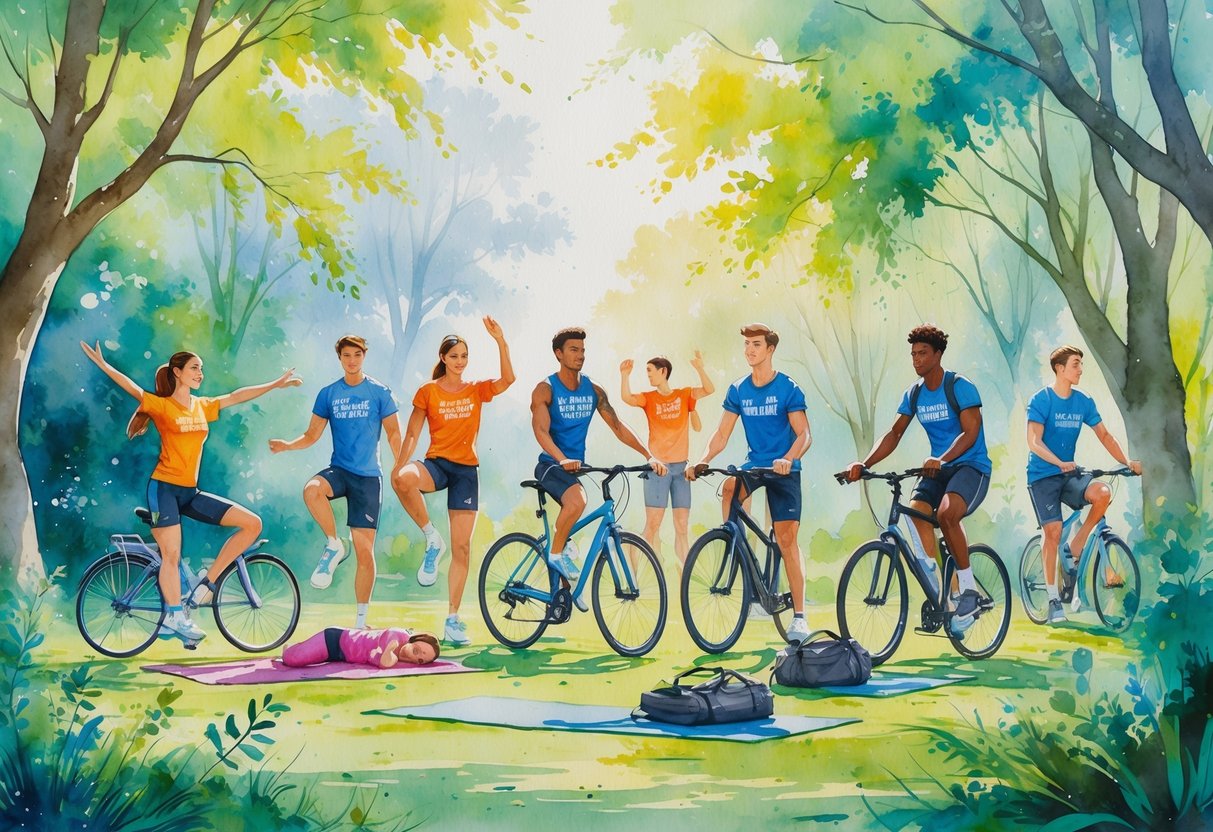
Starting a YouTube channel gives you a creative outlet during the off-season while sharing your athletic knowledge with others. You already have valuable experience with training, nutrition, and sports performance that people want to learn about.
Pick a specific fitness niche that matches your interests and expertise. This could be strength training, yoga, sports-specific workouts, or general wellness tips.
A focused topic helps you stand out and attract viewers who care about what you offer. You don’t need expensive equipment to start.
Most smartphones record quality video, and basic lighting from a window works fine when you’re beginning. You can upgrade your gear later as your channel grows.
Plan your content before filming. Create videos that solve problems or answer common questions about fitness and wellness.
Show proper exercise form, share healthy recipes, or talk about recovery techniques that help athletes perform better. Post videos regularly so your audience knows when to expect new content.
Engage with comments and build a community around your channel. This interaction helps you understand what your viewers want to see next.
A fitness YouTube channel can become more than just a hobby. Some creators turn their channels into income through ads, sponsorships, or by promoting their own training programs.
Even if you don’t monetize it right away, you’re building skills in video production, public speaking, and digital marketing that benefit your future career.
2) Part-time tour guide for local attractions
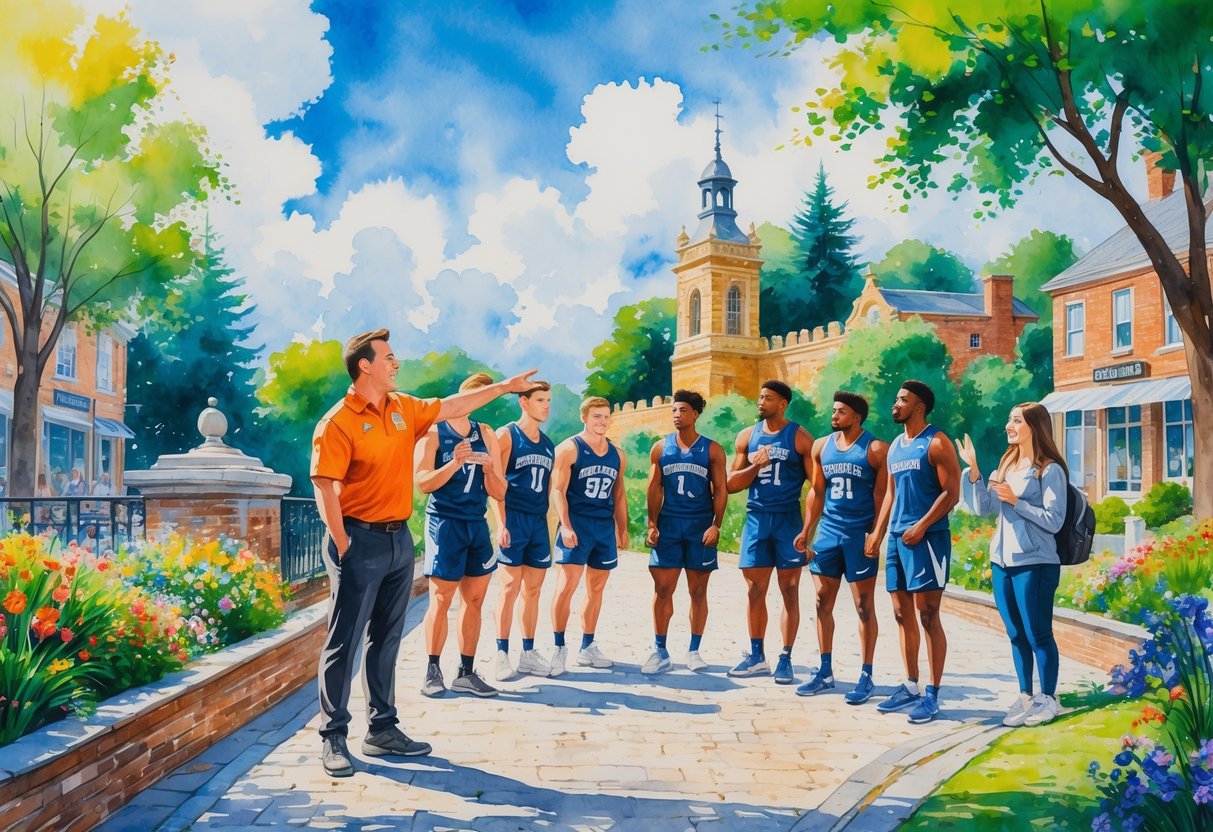
Working as a local tour guide gives you flexible hours that fit around your training schedule. You can choose when to work and how often, making it perfect for college athletes who need control over their time.
This job keeps you active without the intensity of athletic training. You’ll spend time walking and standing while showing visitors around your campus or city.
It’s a natural fit if you’re already familiar with the area. Tour guides don’t need special degrees or certifications to start.
Most positions only require a high school diploma and good knowledge of local attractions. Many companies provide training to teach you what visitors want to know.
You get to meet people from different places every day. This builds your communication skills and helps you practice talking to groups.
These are useful abilities for any career path after college. The pay can be decent, especially in cities with many tourists.
You’ll often earn money through hourly wages plus tips from satisfied guests. Some platforms like Tours by Locals let you set your own rates for personalized tours.
You can focus on topics that interest you. Maybe you know a lot about local history, or you could show people the best food spots around campus.
This variety keeps the work interesting during your off-season. The schedule works around evenings and weekends when tourists are most active.
This timing often matches when you have free time from classes and practice.
1) Yoga for flexibility and recovery
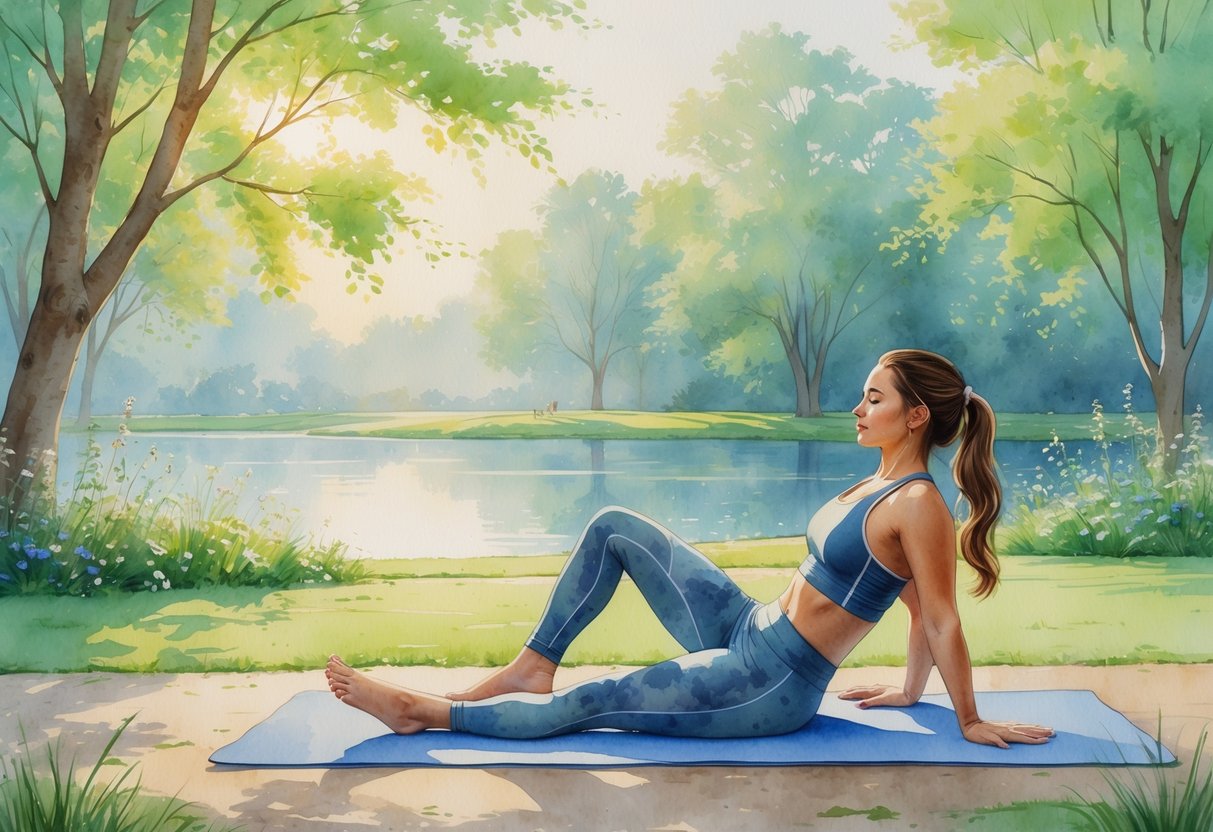
College athletes put their bodies through intense training during the season. When the off-season arrives, yoga offers an effective way to help your body recover while maintaining fitness.
Yoga improves your flexibility and range of motion. This matters because tight muscles can limit your performance and increase your risk of injury.
Regular practice helps ease muscle tightness that builds up from repetitive training movements in your sport. You don’t need previous experience to start.
Simple poses and stretches can make a real difference in how your body feels and moves. Many athletes notice improvements in their balance and body awareness after just a few weeks of practice.
Recovery is another key benefit. Yoga helps reduce muscle soreness and promotes faster healing between workouts.
The breathing techniques you learn can also lower stress levels and improve your focus. You can practice yoga at home or join a class.
Even 20 to 30 minutes a few times per week can help. Focus on poses that target areas your sport uses most.
Runners might work on hip flexibility, while swimmers could focus on shoulder mobility. The off-season gives you time to address muscle imbalances and weaknesses.
Yoga strengthens smaller stabilizing muscles that traditional training might miss. This creates a more balanced, resilient body ready for the next season.
Benefits of Off-Season Hobbies for College Athletes
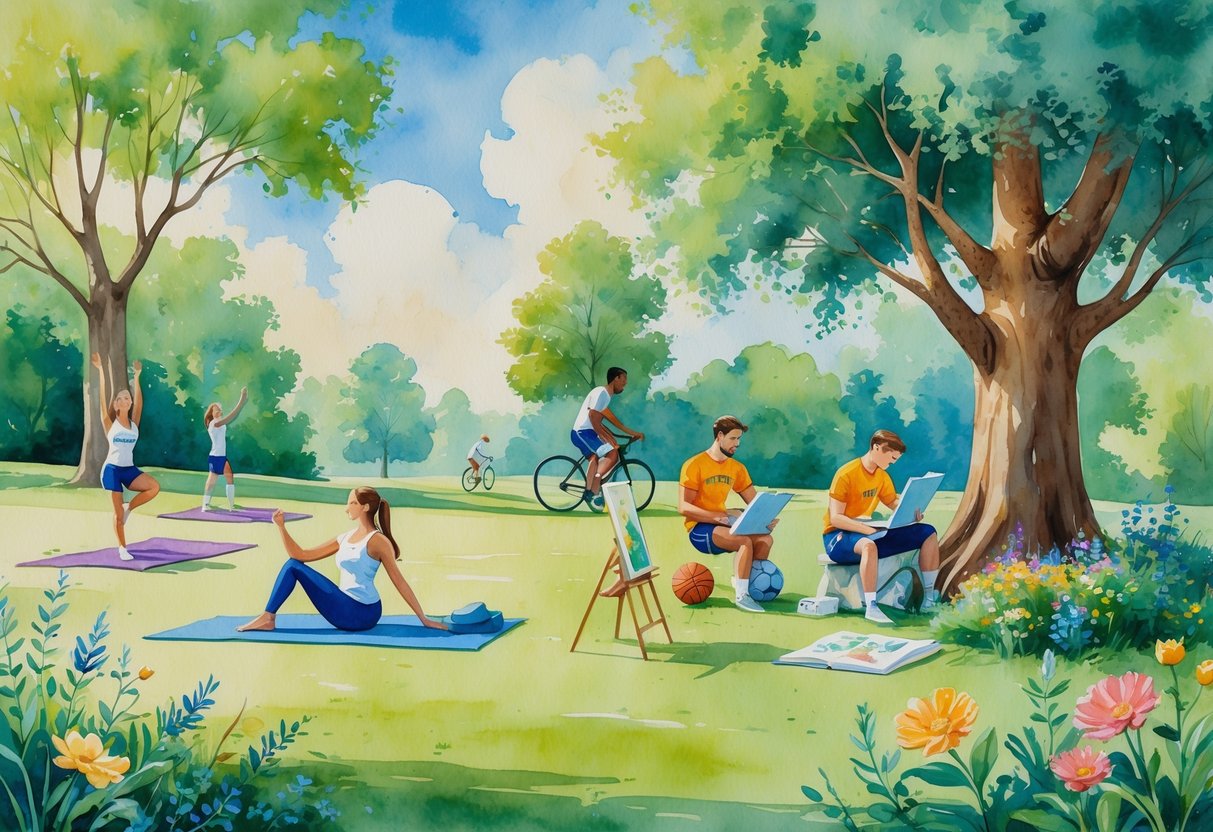
Taking up hobbies during the off-season gives your body time to heal while keeping your mind sharp. You can lower your injury risk, reduce stress, and build new skills that make you a better athlete.
Physical Recovery and Injury Prevention
Your body needs a break from the intense demands of competitive sports. The off-season gives your muscles, joints, and tendons time to repair from the wear and tear of practice and games.
Hobbies that involve low-impact movement help you stay active without straining your body. Activities like swimming, yoga, or casual hiking keep you moving while your body recovers.
This type of gentle exercise improves blood flow to injured areas and speeds up healing.
Recovery benefits include:
- Reduced inflammation in overused joints
- Time for stress fractures to heal completely
- Lower risk of overuse injuries next season
- Better flexibility and range of motion
You can focus on parts of your body that don’t get much attention during your sport. A basketball player might take up rock climbing to build grip strength.
A runner could try cycling to work different muscle groups. Rest doesn’t mean doing nothing.
Active recovery through varied hobbies prevents the physical burnout that comes from year-round high-intensity training.
Mental Health and Stress Relief
The pressure of college athletics affects your mental health. You deal with performance expectations, tough training schedules, and balancing school with sports.
Hobbies give you a mental break from this constant pressure. Doing activities unrelated to your sport lets your mind reset.
You’re not worried about your stats, your playing time, or your next game. This mental space helps prevent burnout and keeps you motivated for the next season.
Creative hobbies like painting, music, or photography engage different parts of your brain. These activities reduce anxiety and improve your mood through the release of dopamine.
You get to focus on something where the only goal is enjoyment, not competition. Social hobbies connect you with people outside your team.
You build friendships based on shared interests rather than athletic performance. This wider social network provides support and perspective beyond sports.
Skill Development Beyond Sports
Off-season hobbies teach you abilities that transfer back to athletic performance. Learning new skills builds mental toughness and improves your ability to pick up complex techniques.
Many hobbies develop traits that make you a better athlete. Chess and strategy games improve decision-making under pressure.
Cooking teaches discipline and following detailed processes. Public speaking builds confidence that helps with team leadership.
Transferable skills from hobbies:
- Music: Rhythm and timing for better coordination
- Photography: Focus and attention to detail
- Coding: Problem-solving and patience
- Volunteering: Teamwork and communication
You also develop interests that prepare you for life after sports. Most college athletes don’t go pro, so having other skills and passions matters for your future career.
Starting a side business or learning a trade during the off-season gives you options. These experiences make you more well-rounded.
Coaches and recruiters value athletes who have diverse interests and skills beyond their sport.
How to Choose the Right Off-Season Hobby
Picking the right hobby during your off-season requires thinking about what you enjoy, how much time you have, and whether it helps your athletic performance. These three factors work together to help you find activities that fit your life as a college athlete.
Aligning With Personal Interests
Start by thinking about what you already like to do when you have free time. Your hobby should be something you look forward to, not another obligation on your schedule.
Ask yourself what activities make you feel energized or relaxed. If you love being outdoors, consider hiking or photography.
If you prefer creative work, try painting or learning an instrument. Think about skills you’ve always wanted to learn.
The off-season gives you time to explore interests that your sport doesn’t allow during competition periods. You might want to learn a new language, practice cooking, or try woodworking.
Consider these questions:
- What do you do when you have an hour of free time?
- What topics do you read about or watch videos about?
- What activities did you enjoy before college sports took over your schedule?
Your answers point to hobbies that match your natural interests. This makes it easier to stick with the activity when your schedule gets busy again.
Balancing Time Commitments
You need to be realistic about how much time you can give to a new hobby. College athletes still have training, classes, and other responsibilities during the off-season.
Look at your weekly schedule and find pockets of time that work for hobby activities. Some hobbies need only 20-30 minutes a few times per week.
Others require longer blocks of dedicated time. Choose flexible hobbies if your schedule changes often.
Reading, drawing, or meditation can fit into short breaks between commitments. Activities like joining a band or taking a pottery class need more consistent time slots.
Time-flexible hobbies: yoga, journaling, photography, cooking
Time-intensive hobbies: team activities, group classes, instrument lessons, volunteering
Track how much time you actually spend on your new hobby for two weeks. This helps you see if it fits your life or if you need something less demanding.
Supporting Athletic Goals
The best off-season hobbies complement your training and help you grow as an athlete. Look for activities that build mental skills, support physical recovery, or develop qualities that transfer to your sport.
Mental hobbies like chess or strategy games improve your decision-making and focus. These skills help you read plays and stay composed during competition.
Creative hobbies reduce stress and give your mind a break from sports pressure.
Some hobbies support your body’s recovery needs. Yoga improves flexibility and body awareness.
Swimming or cycling provides low-impact cardio that keeps you fit without straining injured areas.
Consider hobbies that build traits your sport requires. Rock climbing develops grip strength and problem-solving.
Martial arts teach discipline and body control. Cooking helps you understand nutrition better.
Avoid hobbies with high injury risk during your off-season. Your body needs this time to recover and prepare for the next competitive season.
Pick activities that challenge you without putting your athletic career at risk.
Frequently Asked Questions
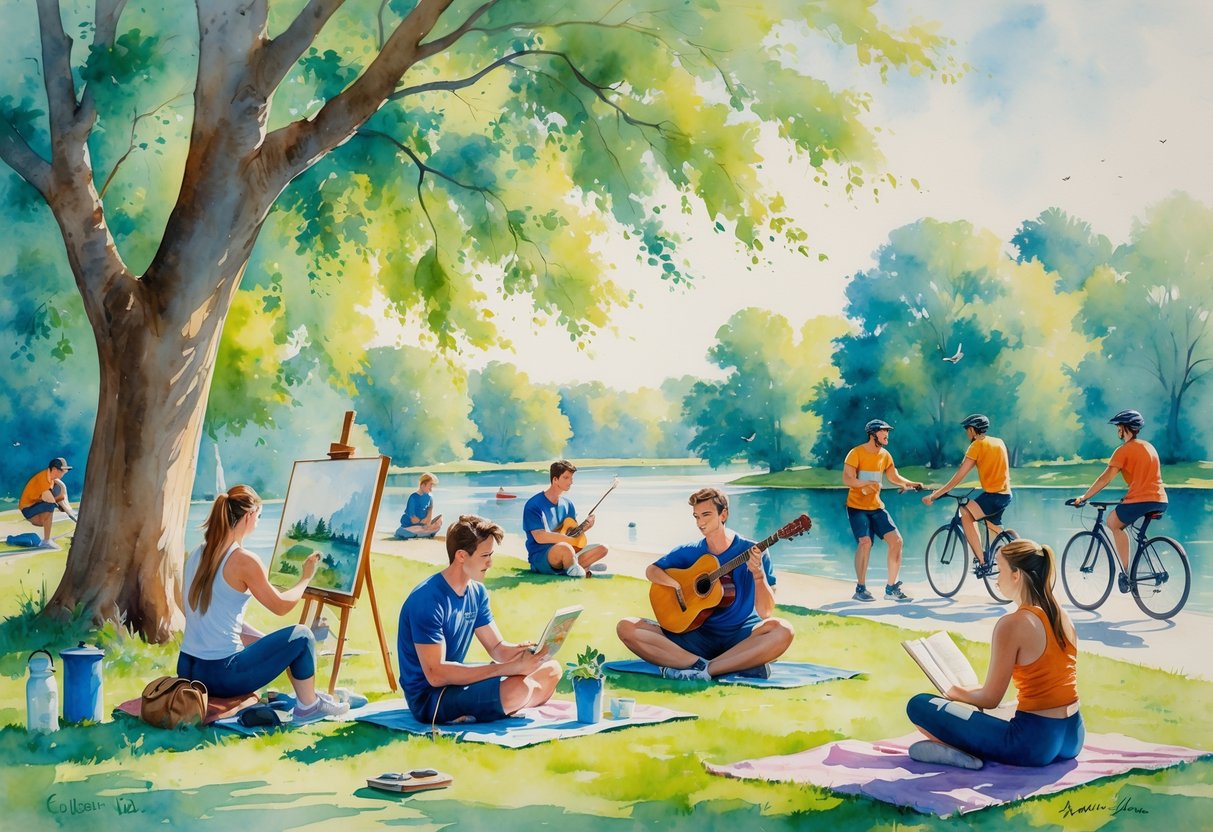
College athletes often have questions about staying fit, finding balance, and exploring new interests when their sport season ends. These answers cover fitness routines, stress relief options, mental health support, skill development, team bonding, and creative pursuits.
How can college athletes maintain their fitness level during the off-season?
You can maintain your fitness by creating a modified workout routine that focuses on different muscle groups than your sport typically uses. Swimming and cycling provide low-impact cardio that keeps your endurance up without overworking the same joints.
Hiking trails near campus offers a way to build leg strength while enjoying nature. Your workout schedule during the off-season should be less intense than in-season training.
You need time for your body to recover from competition stress. Working out three to four times per week is enough to maintain your fitness without risking burnout.
What are some relaxing hobby options for college athletes after a season ends?
Creative writing or journaling helps you process your thoughts and experiences from the season. This activity requires minimal physical effort and lets your body rest.
You can write anywhere and stop whenever you need to. Photography gives you a reason to explore campus and nearby areas at a slower pace.
You focus on composition and lighting instead of speed or competition. Reading books unrelated to sports also provides mental relaxation without physical demands.
Which hobbies can help improve mental health for college athletes in their downtime?
Journaling allows you to work through stress and anxiety by putting your feelings on paper. This practice helps you identify patterns in your mood and triggers.
Many athletes find that writing about their experiences reduces mental pressure. Hiking combines light physical activity with time in nature, which studies show reduces stress.
You can hike alone for quiet reflection or with friends for social support. Volunteering for community sports events also boosts mental health by giving you purpose outside of your own athletic performance.
What skill-building activities can college athletes engage in when not competing?
Learning financial literacy and investment basics prepares you for life after college sports. You can take free online courses or read books about budgeting and saving.
These skills become more important as you start earning money from internships or part-time jobs. Flipping thrift store items online teaches you about business, marketing, and profit margins.
You learn to identify valuable items, negotiate prices, and manage online sales platforms. This hobby builds entrepreneurial skills that transfer to many career paths.
Are there specific hobbies that can enhance teamwork and camaraderie for athletes?
Volunteering for community sports events lets you work with teammates toward a shared goal outside competition. You might coach youth teams or organize local tournaments together.
Group hiking trips create opportunities for teammates to connect in a relaxed setting. You can plan weekend excursions that everyone enjoys regardless of skill level.
Cooking meals together also builds teamwork as you coordinate tasks and share results.
What creative outlets are beneficial for college athletes during the off-season?
Creative writing gives you freedom to express yourself without rules or performance metrics. You can write fiction, poetry, or personal essays about any topic that interests you.
This outlet uses different parts of your brain than athletic training does. Photography lets you develop an artistic eye and technical skills with camera equipment.
You learn about lighting, angles, and editing software. Flipping thrift store items online also requires creativity as you stage products and write compelling descriptions for buyers.