
10 Best Hobbies for Corporate Professionals Who Need Stress Relief: Evidence-Based Activities to Restore Work-Life Balance
Corporate life brings constant deadlines, long meetings, and pressure to perform. These demands can build up and affect your health and happiness.
Finding ways to manage stress is not just helpful—it’s necessary for your well-being.
The right hobby can help you release tension, clear your mind, and restore balance to your life. Some activities work better than others for busy professionals who have limited free time.
The best options are simple to start and fit easily into your schedule.
This guide shares practical hobbies designed for people with corporate jobs. You’ll learn about activities that range from calming music and breathing exercises to outdoor walks and creative practices.
Each option offers a different way to step away from work stress and recharge.
10) Listening to Classical Music

Classical music offers corporate professionals a simple way to manage workplace stress. You can start this hobby with just a few minutes each day and a streaming service on your phone or computer.
Research shows that listening to classical music helps reduce stress by affecting your brain chemistry. High-frequency music at 528 Hz can lower cortisol levels while increasing oxytocin, which helps your body manage stress responses.
You don’t need any special equipment or training to benefit from these effects. Classical music engages both sides of your brain at once.
This helps improve your focus and mental clarity during work tasks. Many professionals listen to classical pieces while working on projects that require concentration.
You can easily fit this hobby into your busy schedule. It takes only 10 to 15 minutes of listening time to experience stress relief benefits.
You can listen during your commute, lunch break, or while doing routine tasks at your desk. You can access thousands of classical pieces through music apps and streaming platforms.
Start with well-known composers like Mozart, Bach, or Beethoven. Pay attention to which pieces help you feel most relaxed.
This hobby works well for remote workers and office professionals alike. You can use headphones for private listening or play music softly in your workspace when appropriate.
9) Aromatherapy Diffusers
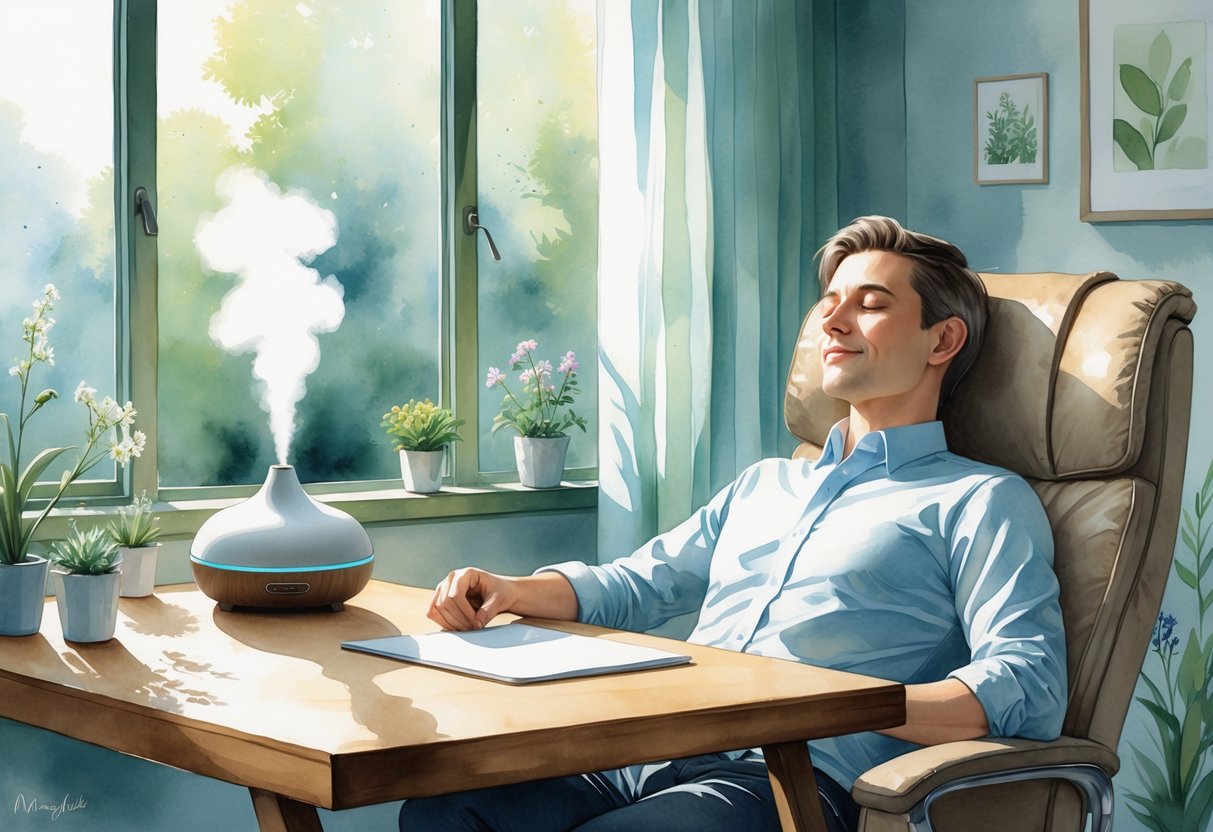
Aromatherapy diffusers offer a simple way to bring stress relief into your workspace or home. These devices release essential oils into the air, creating a calming environment that can help you unwind after demanding workdays.
Essential oils work by stimulating parts of your brain connected to emotions and mood. When you breathe in scents like lavender or chamomile, they can help reduce stress and promote relaxation.
You can choose from several types of diffusers. Ultrasonic diffusers use water and vibrations to create a fine mist.
Reed diffusers work without electricity and slowly release scents through wooden sticks. Electric diffusers heat the oils to spread their aroma throughout your space.
Starting with aromatherapy is straightforward. Pick oils that match your needs.
Lavender works well for relaxation. Peppermint can help with focus.
You can also try blending different oils to create your own combinations. Most diffusers run for one to three hours at a time.
You can use them at your desk during work or in your bedroom before sleep. The scents fill your space gradually without being overwhelming.
This hobby requires minimal effort once you set it up. You just add water and a few drops of oil, then turn on the device.
The low maintenance makes it perfect for busy professionals who want stress relief without adding another complex task to their schedule.
8) Gardening

Gardening offers corporate professionals a hands-on way to step away from screens and deadlines. You get to work with soil, plants, and natural elements that ground you in the present moment.
This hobby works well even if you have limited space. You can start with a few pots on your balcony or dedicate a corner of your yard to vegetables and flowers.
Container gardening fits easily into small apartments while still giving you the benefits of tending to living things. Research shows that gardening helps lower stress levels and improves mood more than many other leisure activities.
The physical movement involved gives your body gentle exercise while the repetitive tasks calm your mind. You don’t need special skills to begin.
Basic activities like planting seeds, watering, and weeding are simple enough for beginners. As you learn more, you can try growing different plants or experimenting with garden layouts.
The timing works well for busy schedules too. You can spend fifteen minutes in your garden before work or dedicate weekend hours to bigger projects.
Plants grow at their own pace, so there’s no pressure to rush. Watching something grow from seed to full plant gives you a sense of achievement that’s different from work projects.
You create something tangible and living. Many corporate professionals find this connection to nature helps them feel more balanced and less overwhelmed by work stress.
7) Digital Detox Hours

Setting aside specific hours each day to disconnect from all digital devices can significantly reduce your stress levels. This practice gives your brain a break from constant notifications, emails, and screen time that dominate your workday.
Start by choosing a time block that works best for your schedule. Many corporate professionals find success with a digital detox after work hours, typically from 7 PM to 9 PM.
During this time, you turn off your phone, close your laptop, and step away from all screens. Use these hours to engage in activities that don’t require technology.
You can read physical books, cook a meal from scratch, or spend quality time with family and friends. Some people prefer outdoor activities like walking or gardening during their detox hours.
The key is consistency. When you practice digital detox at the same time each day, it becomes a habit that your mind and body can anticipate.
You don’t need to start with two hours right away. Begin with just 30 minutes and gradually increase the duration as you become more comfortable.
The goal is to create a sustainable routine that helps you disconnect and recharge without feeling overwhelmed by the change.
6) Breathing Exercises

Breathing exercises offer corporate professionals a practical way to reduce stress without leaving their desk. You can practice these techniques anywhere, from your office chair to a conference room between meetings.
These exercises work by activating your body’s natural relaxation response. When you breathe deeply and intentionally, you signal your nervous system to calm down.
This helps lower tension and anxiety in real time. One popular technique is diaphragmatic breathing, also called belly breathing.
You breathe deeply into your abdomen rather than taking shallow chest breaths. This method effectively reduces stress and promotes relaxation within minutes.
Box breathing is another simple option. You inhale for four counts, hold for four counts, exhale for four counts, and hold again for four counts.
This creates a rhythm that helps calm your mind and improve focus. You don’t need special equipment or training to start.
Most breathing exercises take just five to ten minutes. You can practice them during your lunch break, before important meetings, or whenever stress levels rise.
The benefits extend beyond immediate relief. Regular practice helps build long-term stress resilience.
Breathing exercises pair well with other stress-relief activities. You can combine them with short walks or stretching during breaks.
This makes them a flexible addition to your daily routine as a busy professional.
5) Nature Walks

Taking walks in natural settings offers corporate professionals a simple way to reduce workplace stress. You don’t need special equipment or training to start.
Just find a local park, trail, or tree-lined path near your home or office. Walking in nature works better than walking in urban areas for stress relief.
Research shows that time spent outdoors improves mental clarity and helps you think more clearly. Your mind gets a break from screens, emails, and office pressures.
You can take nature walks during your lunch break or after work. Even 15 to 20 minutes makes a difference.
The combination of physical movement and natural surroundings helps lower stress hormones in your body. Nature walks also boost your creativity and problem-solving skills.
When you step away from your desk and into a natural environment, your brain processes information differently. You might find solutions to work challenges that seemed impossible in the office.
The activity fits easily into busy schedules. You can walk alone for quiet reflection or invite colleagues for casual conversations.
Some professionals use nature walks as walking meetings, combining productivity with stress relief. Start with short walks and build up from there.
Pay attention to your surroundings—the trees, birds, and changing seasons. This mindful approach makes the experience more calming.
You’ll return to work feeling refreshed and more focused.
4) Evening Journaling

Evening journaling offers corporate professionals a simple way to process the day’s events before bed. You only need 10 to 15 minutes and a notebook to start this practice.
Writing down your thoughts helps clear your mind of work stress and unresolved issues. You can choose from several journaling styles based on your needs.
Gratitude journaling focuses on positive moments from your day. Stream-of-consciousness writing lets you put any thoughts on paper without structure.
Bullet journaling works well if you prefer organized lists and quick entries. You don’t need special writing skills or experience to benefit from this hobby.
The practice helps you identify stress patterns and triggers at work. When you write regularly, you become more aware of what situations cause tension.
Many professionals find that journaling before bed improves their sleep quality. The act of writing helps separate work time from personal time.
Starting is easy. Pick a consistent time each evening and write for just five minutes.
You can gradually increase the time as the habit forms. Keep your journal and pen in the same spot so you remember to write.
The flexible nature of journaling makes it ideal for busy schedules. You can write at home, in a hotel room, or anywhere you have a few quiet minutes.
3) Yoga for Stress Relief
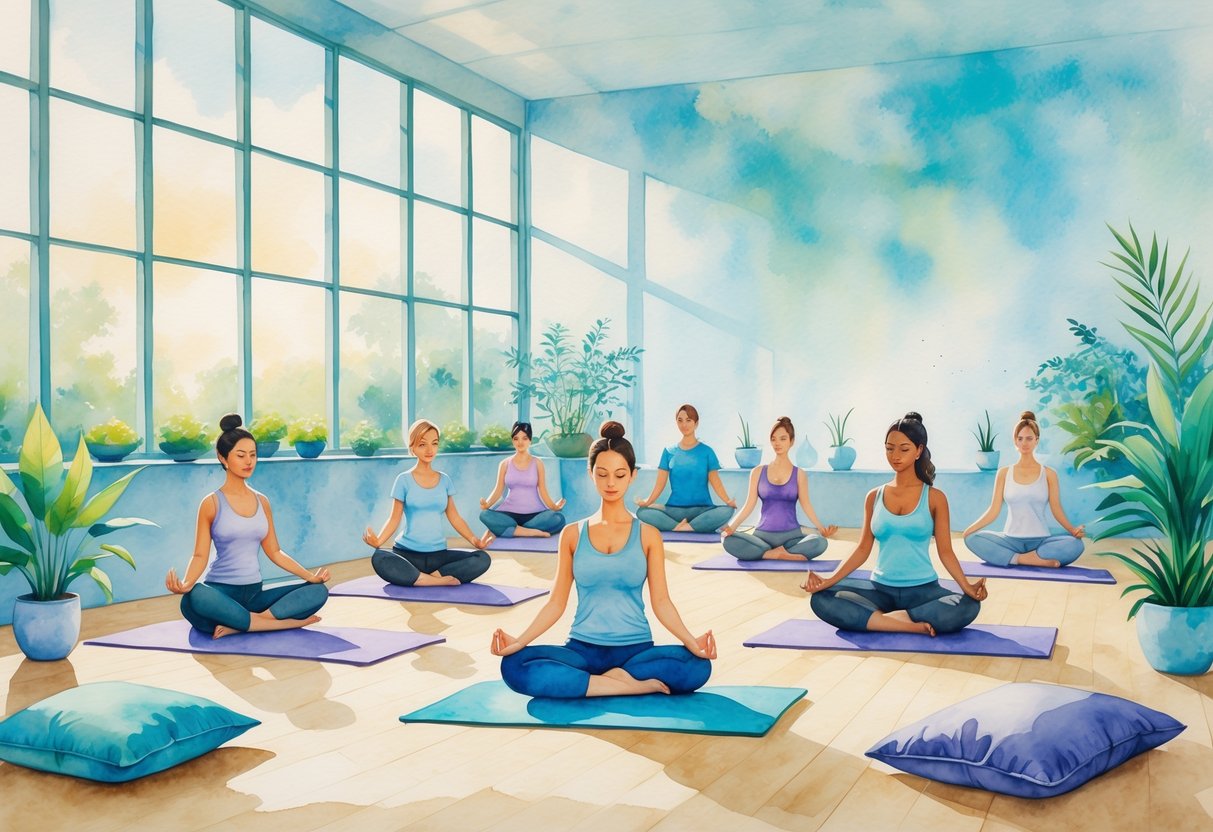
Yoga combines physical movement with deep breathing and meditation to help reduce stress. This practice calms your nervous system and releases tension that builds up during busy workdays.
You don’t need any prior experience to start yoga. Simple stretches and basic poses can make a real difference in how you feel after a long day at the office.
Many corporate professionals choose yoga because it fits easily into their schedule. You can practice at home, in your office, or at a local studio.
Even 10 to 15 minutes of gentle yoga can help lower your stress levels. The physical movements in yoga help reduce muscle tension in your neck, shoulders, and back.
These are common problem areas for people who sit at desks all day. Deep breathing exercises that come with yoga practice also slow your heart rate and help you feel more relaxed.
Regular yoga practice gives you tools to manage stress better over time. You learn techniques you can use whenever you feel overwhelmed or anxious at work.
You can start with basic poses and gradually build your practice as you become more comfortable. The key is finding a routine that works for your lifestyle and stress levels.
2) Mindfulness Coloring Books

Mindfulness coloring books offer corporate professionals a simple way to step away from work stress. These books contain patterns, designs, and images you can fill in with colors of your choice.
The activity works because it focuses your mind on a single task. When you color, you stop thinking about emails, meetings, and deadlines.
This shift in focus helps calm your nervous system. You don’t need artistic skills to benefit from coloring books.
The designs are already drawn for you. You just pick colors and fill in the spaces.
This makes it accessible even if you’ve never considered yourself creative. Coloring books designed for adults feature detailed patterns like mandalas, nature scenes, and geometric shapes.
Some include motivational quotes or business-themed illustrations. You can find options made from recycled paper if environmental impact matters to you.
The practice takes minimal time and equipment. You only need the book and some colored pencils or markers.
You can color for ten minutes during lunch or an hour before bed. Both short and long sessions provide stress relief benefits.
Research supports that coloring can reduce anxiety and improve focus. The repetitive motion and color choices engage different parts of your brain than your typical work tasks.
This mental break helps you return to work refreshed. Many professionals keep a coloring book at their desk or in their bag.
This makes it easy to use whenever stress levels rise during your workday.
1) Guided Meditation Sessions
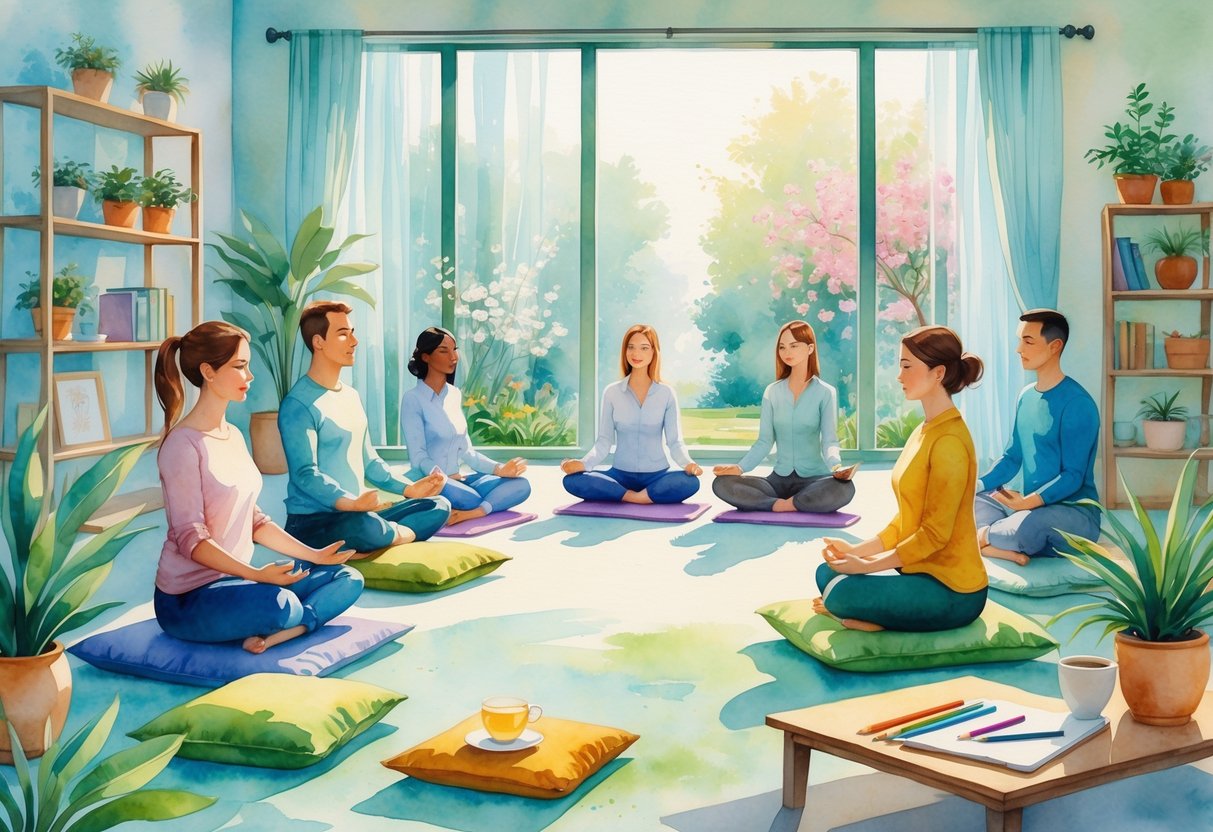
Guided meditation offers a practical way to manage work stress. You listen to an instructor who leads you through breathing exercises and relaxation techniques.
This structured approach works well if you’re new to meditation or find it hard to quiet your mind on your own. Sessions typically last between 5 and 30 minutes.
You can fit them into your lunch break or start your morning with one before heading to the office. The instructor’s voice helps you stay focused and prevents your thoughts from wandering to work tasks.
Many companies now offer guided meditation as part of their wellness programs. Professional instructors lead these workplace sessions, creating a supportive environment where you can learn proper techniques.
You can also access guided meditations through mobile apps if your employer doesn’t provide formal sessions. Regular practice helps reduce anxiety and improves your ability to concentrate.
You’ll notice better mental clarity when making decisions and handling stressful situations. The breathing techniques you learn carry over into your workday, giving you tools to calm yourself during tense moments.
Starting with just five minutes per day builds consistency. You don’t need special equipment or a dedicated meditation space.
Your office chair or a quiet corner works fine. The key is making it a regular habit rather than practicing only when stress becomes overwhelming.
How Hobbies Reduce Workplace Stress
Hobbies work as natural stress relievers by lowering stress hormones in your body and giving your mind a break from work demands. They provide both physical changes in your brain chemistry and emotional outlets that help you manage daily pressures.
The Science Behind Stress Relief
When you engage in hobbies, your body reduces cortisol production. Cortisol is the main stress hormone that builds up during long work days and tight deadlines.
Activities you enjoy trigger your brain to release dopamine and serotonin. These chemicals naturally improve your mood and create feelings of calm.
Your nervous system shifts from fight-or-flight mode into a relaxed state. Regular hobby time also gives your prefrontal cortex a break.
This is the part of your brain that handles complex work tasks and decision-making. When you focus on something enjoyable instead of work problems, your brain processes information differently and recovers from mental fatigue.
Research shows that just 20-30 minutes of hobby engagement can measurably lower your stress levels. Your heart rate slows down, blood pressure decreases, and muscle tension releases.
Mental and Emotional Benefits
Hobbies create clear boundaries between your work life and personal time. This separation helps prevent burnout and gives you something positive to look forward to after work hours.
You gain a sense of control and accomplishment through hobbies. Unlike work tasks where outcomes depend on many factors, hobbies let you set your own pace and goals.
This autonomy boosts your confidence and reduces feelings of helplessness.
Key mental benefits include:
- Better focus and concentration at work
- Improved problem-solving abilities
- Enhanced creativity in professional tasks
- Reduced anxiety about work challenges
- Greater emotional resilience
Hobbies also provide healthy distraction from work worries. Your mind can’t focus on two things at once, so engaging activities push out negative thoughts naturally.
You return to work with a fresher perspective and more mental energy to handle challenges.
Integrating New Hobbies Into a Busy Corporate Lifestyle

Starting a new hobby doesn’t require a complete schedule overhaul. Success comes from using strategic time blocks and making the most of existing breaks in your workday.
Time Management Strategies
Start by tracking how you spend your time for one week. Write down every activity to identify gaps where a hobby could fit naturally.
Effective scheduling methods include:
- Morning sessions: Wake up 30 minutes earlier for activities like journaling or stretching
- Lunch hour splits: Use 15-20 minutes of your break for quick hobbies
- Evening blocks: Set aside specific days for longer hobby sessions
- Weekend time batching: Dedicate 1-2 hour blocks on less busy weekend mornings
The key is treating hobby time like any other important meeting. Put it on your calendar and protect it from other commitments.
Start with just 15-30 minutes three times per week rather than trying to find large chunks of time. Link your hobby to an existing habit.
For example, practice photography during your commute or listen to language lessons while exercising.
Maximizing Small Breaks for Relaxation
Your workday contains multiple short breaks that add up to significant hobby time. A 10-minute break can be enough for activities like sketching, reading a chapter, or practicing meditation.
Keep hobby supplies at your desk or in your bag. Store a book, small puzzle, or art supplies where you can access them quickly.
This removes the barrier of setup time.
Break-friendly hobbies include:
- Breathing exercises (3-5 minutes)
- Mobile learning apps (10-15 minutes)
- Desk stretches or yoga poses (5-10 minutes)
- Creative writing prompts (10 minutes)
Use your commute time productively if you take public transportation. This can give you 30-60 minutes daily for reading, podcasts, or digital hobbies.
Even coffee breaks become opportunities when you bring portable hobby materials with you.
Frequently Asked Questions
Corporate professionals often have questions about how to fit stress-relief hobbies into their busy schedules and which activities will give them the best results. Understanding time requirements, budget considerations, and workplace-friendly options helps you make informed choices about stress management.
What activities can corporate professionals engage in to effectively alleviate stress?
You can practice breathing exercises during your workday to lower stress levels quickly. Classical music listening provides immediate relaxation without requiring special equipment or training.
Gardening offers a hands-on way to disconnect from work pressures. Setting up aromatherapy diffusers in your home creates a calming environment after work hours.
Digital detox hours help you separate from work emails and notifications. Physical activities like yoga and running reduce stress through movement.
Creative hobbies such as painting or playing music give you an outlet for expression.
How much time should be dedicated to a hobby for it to be beneficial for stress relief?
You can see stress relief benefits from as little as 10 to 15 minutes per day of focused hobby time. Short activities like breathing exercises or listening to classical music fit easily into busy schedules.
Longer activities like gardening or creative projects work well when done for 30 minutes to an hour several times per week. The key is consistency rather than duration.
Regular practice of your chosen hobby matters more than spending hours at once.
Are there specific hobbies that improve mental well-being for those with high-pressure jobs?
Activities that engage your mind differently from work tasks provide the most benefit. Creative hobbies like painting and music help balance analytical work demands.
Physical activities such as yoga and running reduce stress hormones in your body. Breathing exercises lower anxiety and improve focus during high-pressure situations.
Gardening connects you with nature and provides a sense of accomplishment through tangible results. Cognitive activities like puzzles and strategy games offer mental stimulation without work-related pressure.
Aromatherapy combined with other relaxing activities enhances overall stress reduction.
What are some low-cost hobbies that can reduce stress for individuals in the corporate sector?
Breathing exercises require no equipment and can be done anywhere at no cost. You can start gardening with basic seeds and containers for minimal investment.
Listening to classical music costs nothing if you use free streaming services or library resources. Digital detox hours simply involve turning off devices you already own.
Walking or running needs only comfortable shoes. Free online tutorials teach you various skills from meditation to basic crafts.
Public parks and outdoor spaces provide free environments for relaxation and exercise.
How can one balance a demanding professional life with engaging in relaxing hobbies?
You can integrate hobbies into your existing routine rather than treating them as separate activities. Practice breathing exercises during your commute or between meetings.
Schedule hobby time like you schedule work meetings to make it a priority. Start with short 10-minute sessions and build up as the habit forms.
Choose hobbies that match your energy level after work. Digital detox hours naturally create space for other activities.
Weekend mornings or early evenings work well for activities like gardening that need more time.
What are some hobbies that can be done in a workplace environment during breaks for stress relief?
Breathing exercises take only a few minutes and can be done at your desk without anyone noticing.
You can listen to classical music through headphones during lunch breaks or while working on non-collaborative tasks.
Small aromatherapy diffusers work in personal office spaces if your workplace allows them.
Brief walks around your building or outside provide physical movement and mental breaks.
Desk stretches and simple yoga poses fit into short breaks.
Reading for pleasure during lunch offers mental escape from work topics.
Puzzle apps or physical puzzles in break rooms engage your mind differently than work tasks.