10 Best Hobbies for Gardeners and Horticulturists to Enhance Your Green Thumb Skills
Gardening offers endless ways to explore your love of plants and growing things. Whether you work with outdoor beds, indoor containers, or specialized plant types, you can expand your skills through related activities.
Each hobby connects to core gardening practices while letting you focus on specific interests. You will find options that work in small spaces, outdoor areas, and everything in between.
Some activities focus on food production while others emphasize design or plant care techniques. Each hobby builds on knowledge you likely already have while introducing new challenges and rewards.
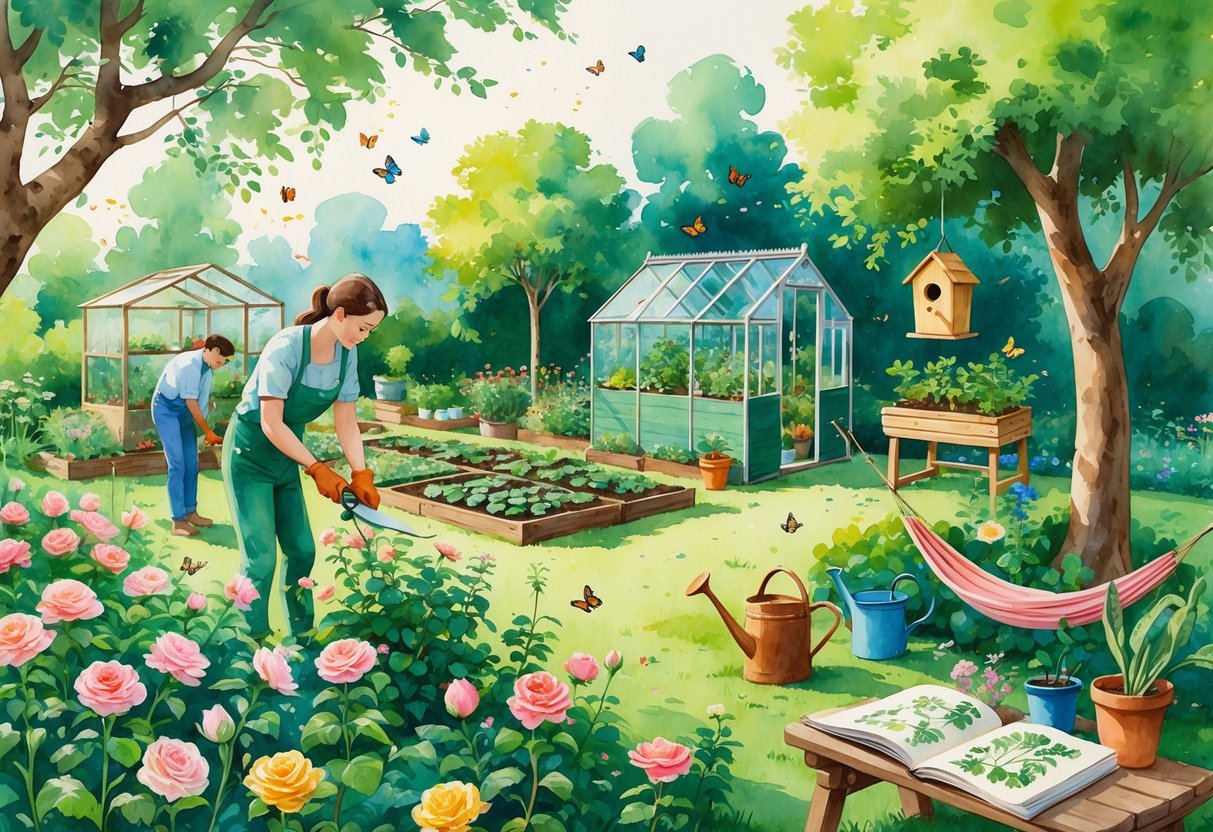
This guide presents ten hobbies that help you grow as a gardener while exploring new methods and plant types.
10) Seed Starting and Propagation
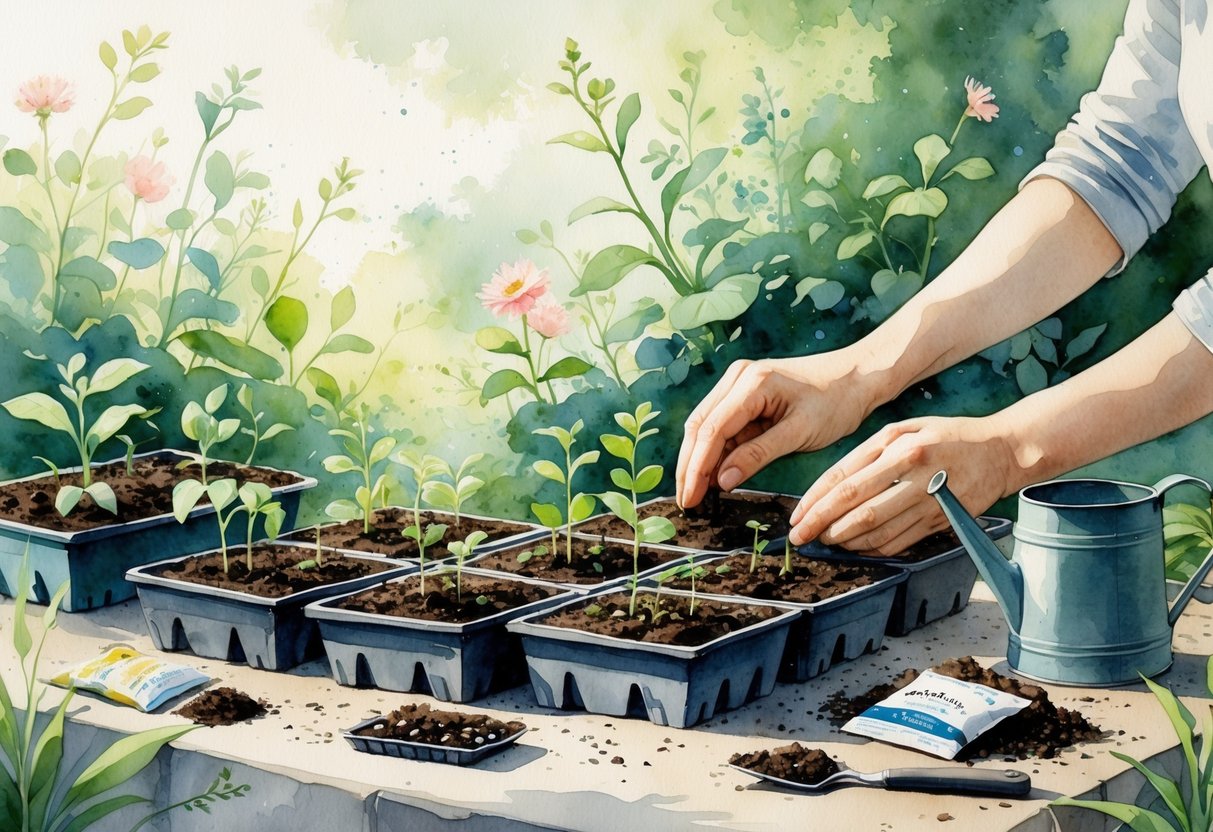
Seed starting and propagation gives you control over your garden from the very beginning. You can grow exactly what you want while saving money on store-bought plants.
This hobby lets you experiment with rare varieties that aren’t available at local nurseries. Starting seeds indoors requires basic supplies like containers, seed starting mix, and a light source.
You can use items you already have at home to keep costs down. Empty egg cartons, yogurt cups, and plastic containers all work well as starter pots.
The process teaches you about germination rates, soil temperatures, and proper watering techniques. You’ll learn which plants need light to germinate and which prefer darkness.
Propagation extends beyond seeds to include stem cuttings, division, and layering. Water propagation is one of the easiest methods for beginners.
You simply place a cutting in water and wait for roots to develop. Timing matters when starting seeds.
You need to know your last frost date and count backward based on each plant’s needs. Some seeds start six to eight weeks before transplanting, while others need less time.
Success comes from paying attention to moisture levels and light exposure. Seedlings need consistent care but reward you with healthy plants.
9) Aquascaping
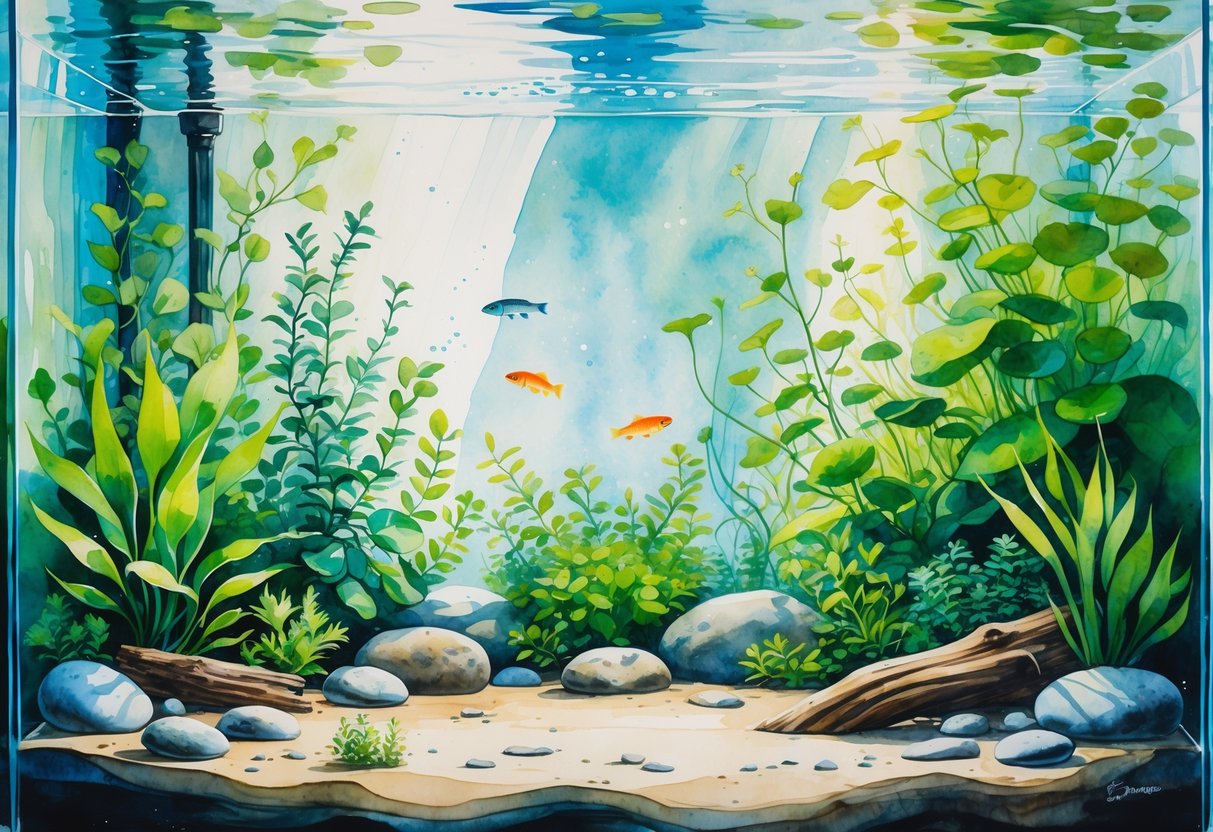
Aquascaping combines your plant knowledge with aquarium design to create beautiful underwater landscapes. You arrange aquatic plants, rocks, driftwood, and other materials to build miniature ecosystems inside fish tanks.
This hobby lets you apply your gardening skills in a completely new environment. You’ll learn about aquatic plants and how they grow underwater.
The principles of design and composition you already know from gardening translate well to aquascaping. You can choose from several popular styles to match your interests.
The Dutch style focuses on dense plant arrangements with different colors and textures. The Iwagumi style uses rocks as the main feature with minimal plants.
The nature style creates realistic scenes that look like natural underwater habitats. Your understanding of plant care gives you an advantage in this hobby.
You’ll need to manage light, nutrients, and water conditions just like you do in regular gardening. The difference is you’re working with aquatic species that have their own unique needs.
Aquascaping requires regular maintenance to keep your underwater garden thriving. You’ll trim plants, manage algae, and adjust water chemistry.
This hobby works well in any living space since aquariums come in many sizes. You can start with a small tank on your desk or create a large display in your home.
8) Vegetable Gardening
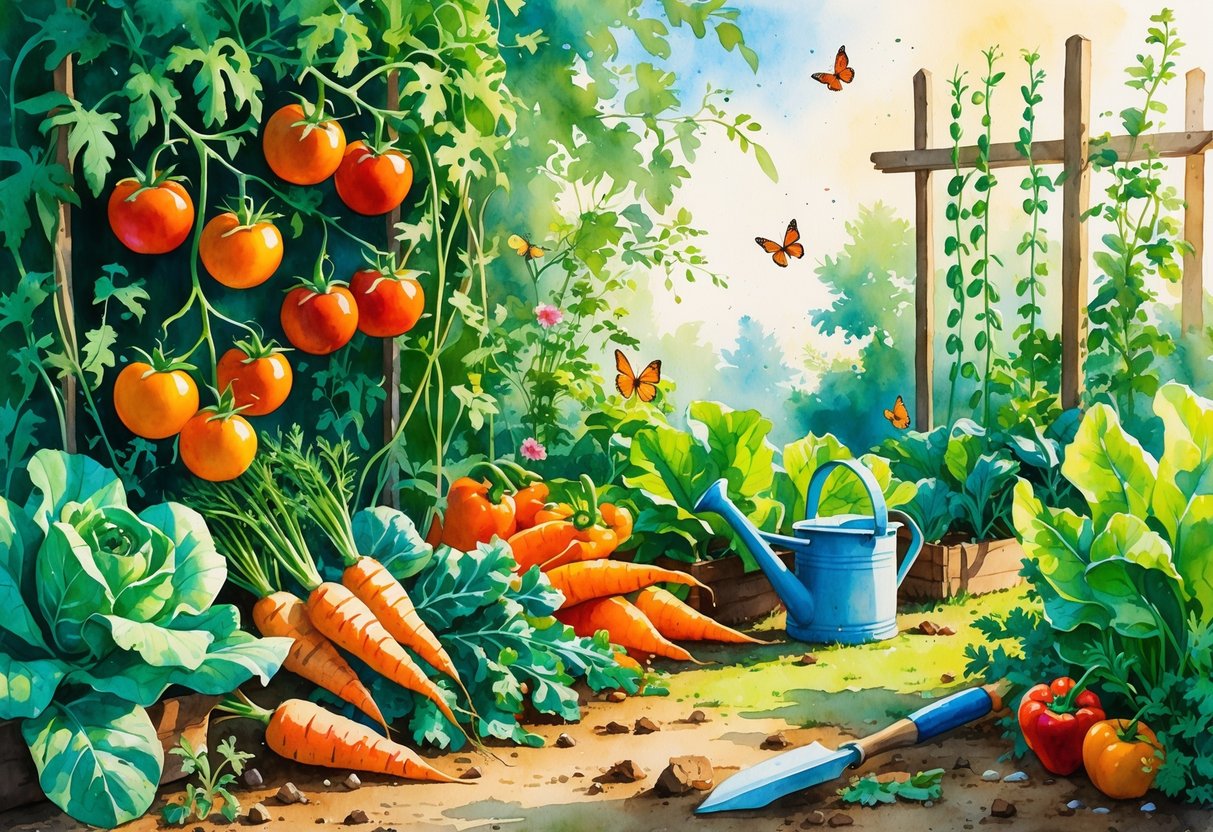
Vegetable gardening lets you grow your own food right at home. You can start small with just a few tomato plants or create a larger garden plot with multiple crops.
You’ll know exactly where your food comes from and what went into growing it. Many gardeners find this control over their food supply rewarding.
You can grow vegetables outdoors in garden beds or containers. The best planting times are typically spring and early fall.
Starting a vegetable garden requires some basic knowledge. You need to understand which plants grow well in your area and how much space each type needs.
You’ll also need to learn about watering schedules and soil requirements. Weed control is one of the main tasks you’ll face.
Weeds compete with your vegetables for water and nutrients. Using a small weeder or hoe regularly keeps them under control.
Your harvest timing depends on what you plant. Some vegetables are ready in just weeks while others take months.
Spring plantings often produce summer harvests. You’ll spend time outdoors tending your plants and solving problems as they come up.
7) Indoor Houseplant Care

Indoor houseplant care offers you a rewarding way to connect with nature year-round, right from the comfort of your home. This hobby lets you create green spaces in any room while improving air quality and adding natural beauty to your living areas.
You don’t need a backyard or outdoor garden to practice your plant skills. Indoor plants thrive in containers and adapt to various light conditions throughout your home.
Snake plants, pothos, and ZZ plants work well if you’re starting out or have limited time. The basics of houseplant care are straightforward.
You need to match plants to your available light, water them properly, and provide occasional feeding. Most houseplants prefer bright, indirect sunlight, though many adapt to lower light levels.
Your success depends on understanding each plant’s specific needs. Some plants need frequent watering while others prefer to dry out between waterings.
Temperature and humidity also affect how your plants grow. You can start with one or two easy plants and expand your collection as you gain confidence.
Many people find satisfaction in propagating new plants from cuttings or learning to care for more challenging species. Indoor houseplant care works well for apartment dwellers and homeowners alike.
You control the environment, making it easier to provide consistent care compared to outdoor gardening. The hobby requires minimal space and can fit any budget.
6) Urban Foraging
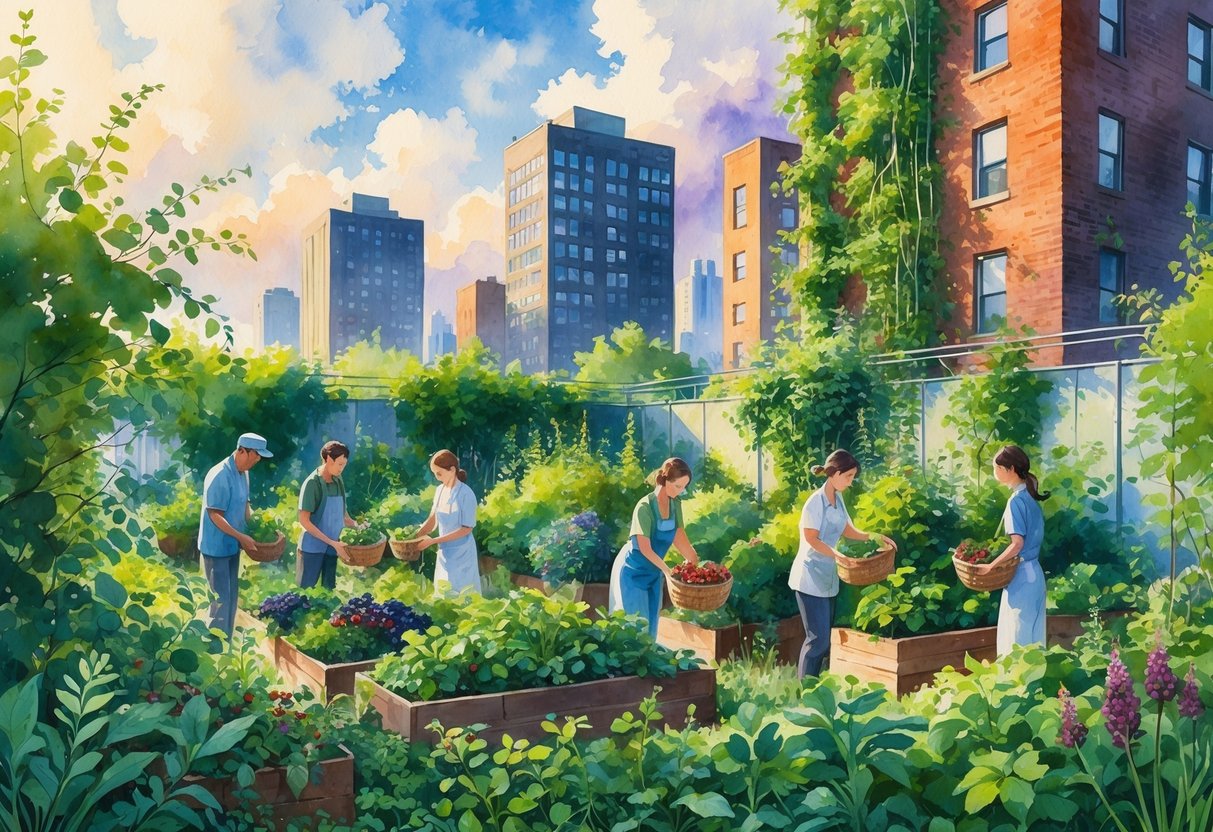
Urban foraging lets you discover edible plants growing wild in your city. You can find food in parks, sidewalks, community gardens, and other green spaces that most people walk past without noticing.
This hobby connects your gardening knowledge to the natural world around you. You’ll start to recognize edible plants like dandelions, mulberries, and wild herbs growing in unexpected places.
Your plant identification skills will improve as you learn which species are safe to harvest and eat. You need to follow important safety rules when foraging in cities.
Always properly identify plants before eating them, as some look-alikes can be toxic. Avoid areas that may have been treated with pesticides or contaminated by pollution.
Urban foraging saves you money while adding fresh ingredients to your meals. The plants you gather are free and often more nutritious than store-bought options.
You’ll also reduce food waste by using resources that would otherwise go unharvested. Start by joining local foraging groups or taking guided walks with experienced foragers.
These connections help you learn faster and discover new spots in your area. You can also volunteer with urban gardening projects that include wild edibles.
Your understanding of plant growth cycles and seasonal changes gives you an advantage in finding the best harvest times.
5) Succulent Care
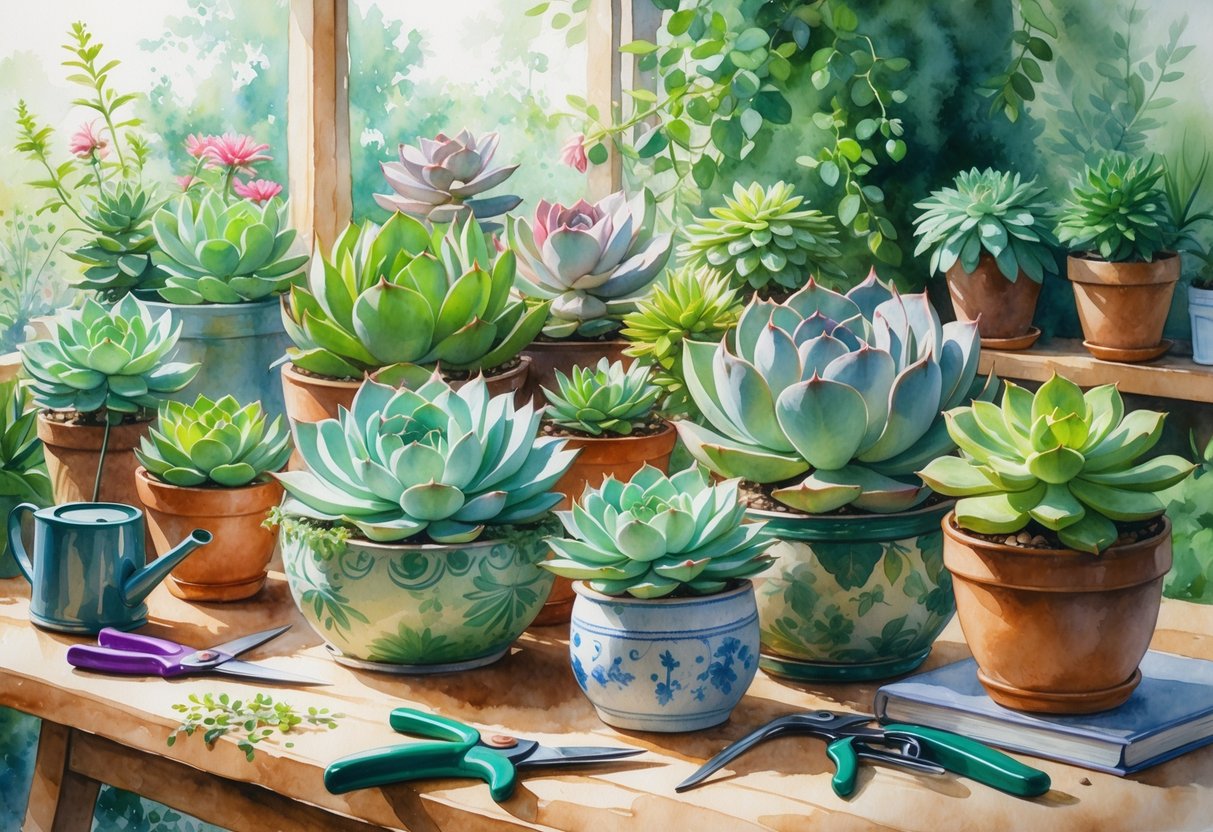
Succulent care offers gardeners a rewarding way to expand their skills while working with plants that have unique needs. These plants store water in their leaves, stems, or roots, which makes them different from traditional garden plants.
You can build an impressive collection and learn specialized techniques as you work with different varieties. Growing succulents teaches you about proper watering schedules.
You need to water them less often than other plants, usually waiting until the soil dries out completely. This helps you develop patience and careful observation skills.
Light requirements are another important part of succulent care. Most succulents need bright, indirect light for several hours each day.
You can experiment with different locations in your home or garden to find the best spots for each type. Soil composition matters greatly for these plants.
You should use well-draining soil mixes that prevent water from sitting around the roots. Learning to create or choose the right soil blend adds another layer to your gardening knowledge.
Propagation is one of the most satisfying aspects of this hobby. You can grow new plants from leaves, cuttings, or offsets.
This process lets you share plants with others and expand your collection without buying new ones. Temperature and humidity control become easier to understand as you care for succulents.
Most varieties prefer warm, dry conditions and need protection from frost. You gain valuable experience managing environmental factors that affect plant health.
4) Flower Arranging
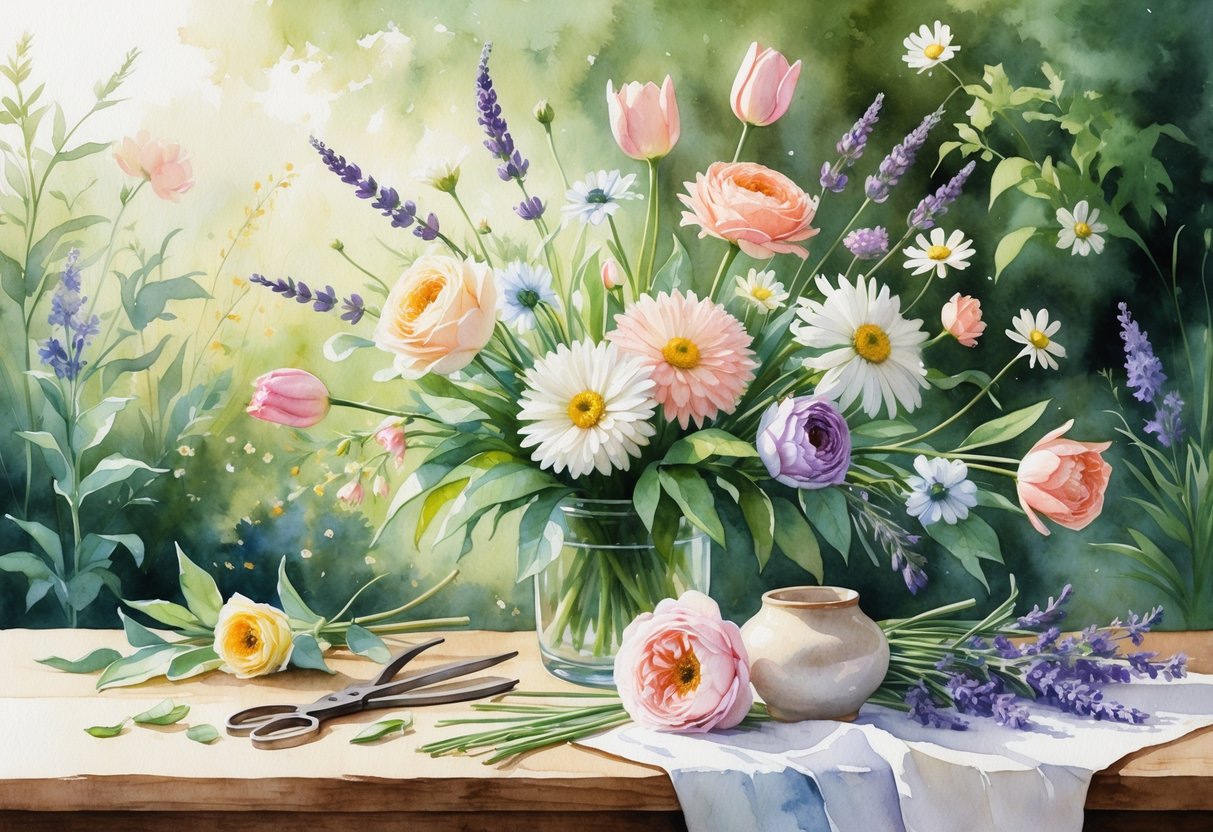
Flower arranging lets you turn the blooms you grow into artistic displays for your home. This hobby combines your gardening skills with creative design work.
You can use flowers from your own garden to make centerpieces, bouquets, and decorations. The practice involves working with fresh or dried flowers, foliage, and other plant materials.
You’ll learn about color combinations, textures, and shapes as you create different arrangements. Each design you make is unique.
Starting flower arranging is straightforward. You need basic supplies like vases, floral foam, scissors, and flowers from your garden.
Many gardeners enjoy this hobby because it gives their homegrown plants a second purpose beyond growing in beds and borders. You can arrange flowers for everyday use or special occasions.
Simple arrangements work well for kitchen tables, while more elaborate designs suit events like weddings or parties. The skills you develop improve with practice.
You’ll learn when to harvest blooms and how to make them last longer in arrangements. Growing your own cutting garden becomes a natural extension of this interest.
Flower arranging fits well with gardening because both involve working closely with plants. You gain a deeper appreciation for the flowers you grow when you handle them up close and arrange them by hand.
3) Herb Gardening
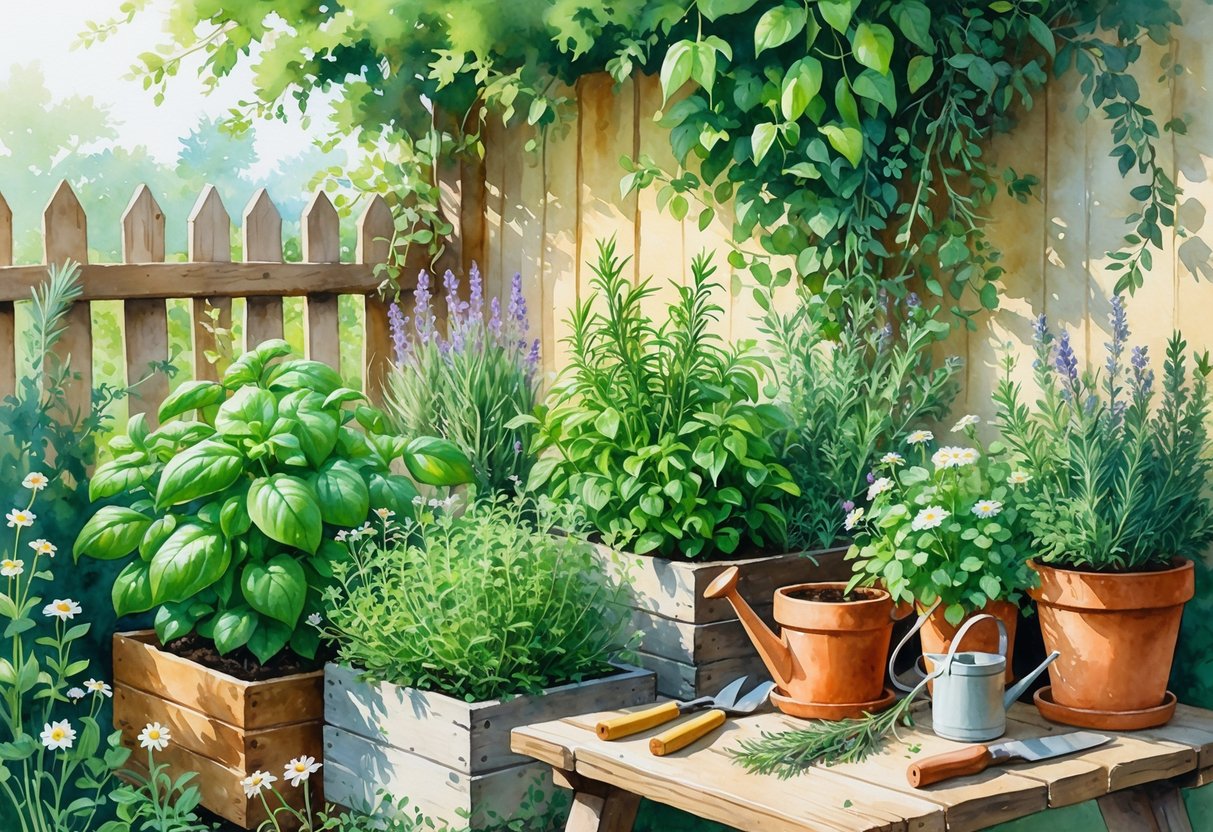
Herb gardening offers you a practical way to grow fresh ingredients right at home. You can start this hobby indoors or outdoors, making it work for almost any living situation.
Growing herbs requires less space than traditional vegetable gardening. You can plant them in containers, window boxes, or small garden beds.
This flexibility means you can maintain an herb garden even in an apartment or urban setting. Many herbs are easy to grow and perfect for beginners.
Basil, rosemary, mint, and parsley grow well with basic care. You just need to provide adequate sunlight, water, and occasional fertilizer.
Fresh herbs improve your cooking with better flavor than dried versions. You can pick what you need right when you need it.
This saves money and reduces trips to the grocery store. Herb gardening works year-round if you bring containers indoors during cold months.
Indoor herb gardens need a sunny window or grow lights to thrive. Some herbs have medicinal properties, while others attract beneficial insects to your garden.
Many varieties also add pleasant scents to your living spaces. You can expand your collection as you gain experience.
Start with a few common herbs and add new varieties over time. Each herb has different care requirements, giving you ongoing opportunities to learn and develop your gardening skills.
2) Terrarium Building
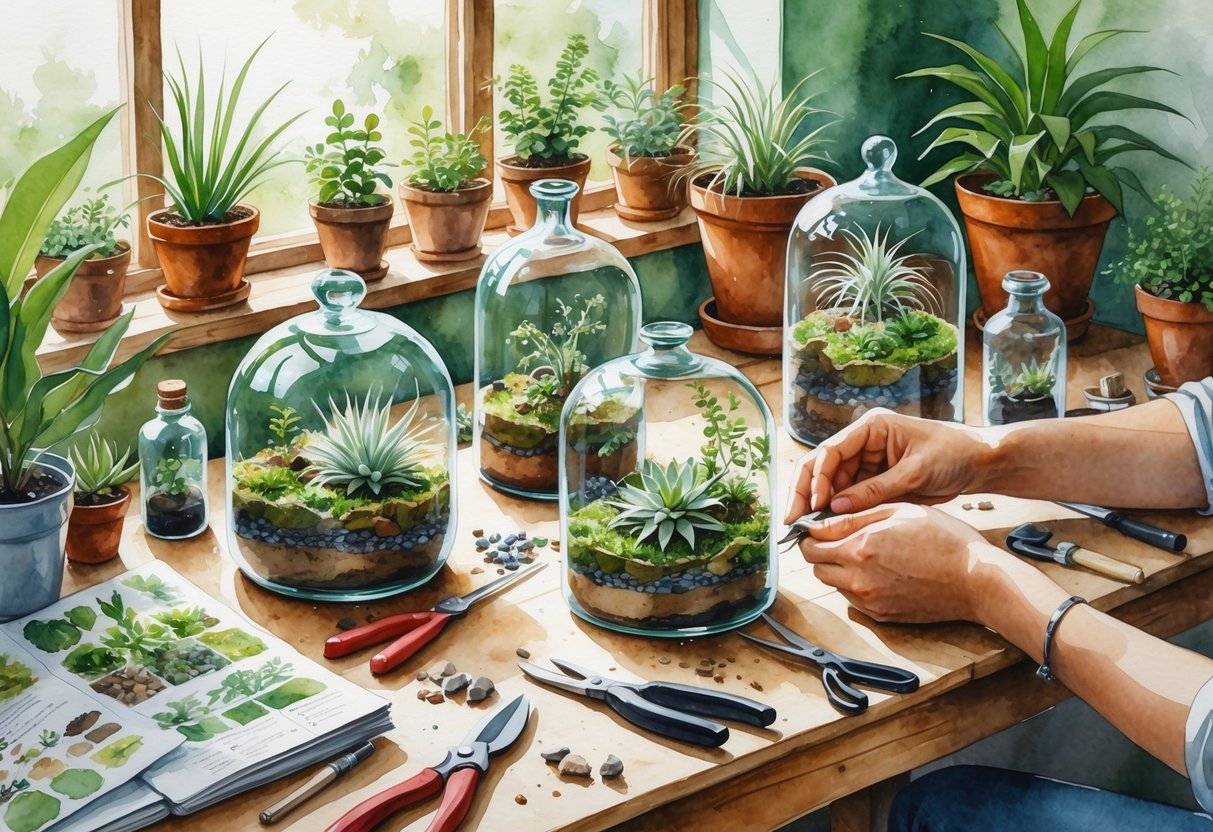
Terrarium building lets you create a complete miniature ecosystem inside a glass container. You can use simple items like mason jars, fish bowls, or any clear glass container you have at home.
This hobby requires minimal space and works well for apartments or small living areas. The basic process involves layering materials inside your container.
You start with pebbles for drainage at the bottom. Next comes activated charcoal to filter the water and keep things fresh.
Then you add soil suitable for your chosen plants. You can pick between open or closed terrariums based on your plant choices.
Closed terrariums work best for plants that like humidity, like ferns and moss. Open designs suit succulents and air plants that prefer drier conditions.
You need to understand plant care, soil composition, and moisture levels. The difference is you’re working on a much smaller scale.
Terrarium building requires few tools and materials to start. Most supplies cost very little, and you can often reuse containers you already own.
The plants themselves stay small, so they’re affordable too. Your terrariums need very little maintenance once established.
Closed systems can go weeks without watering. This makes them perfect if you travel or have a busy schedule.
You get to enjoy living plants without the daily care that outdoor gardens demand.
1) Bonsai Cultivation
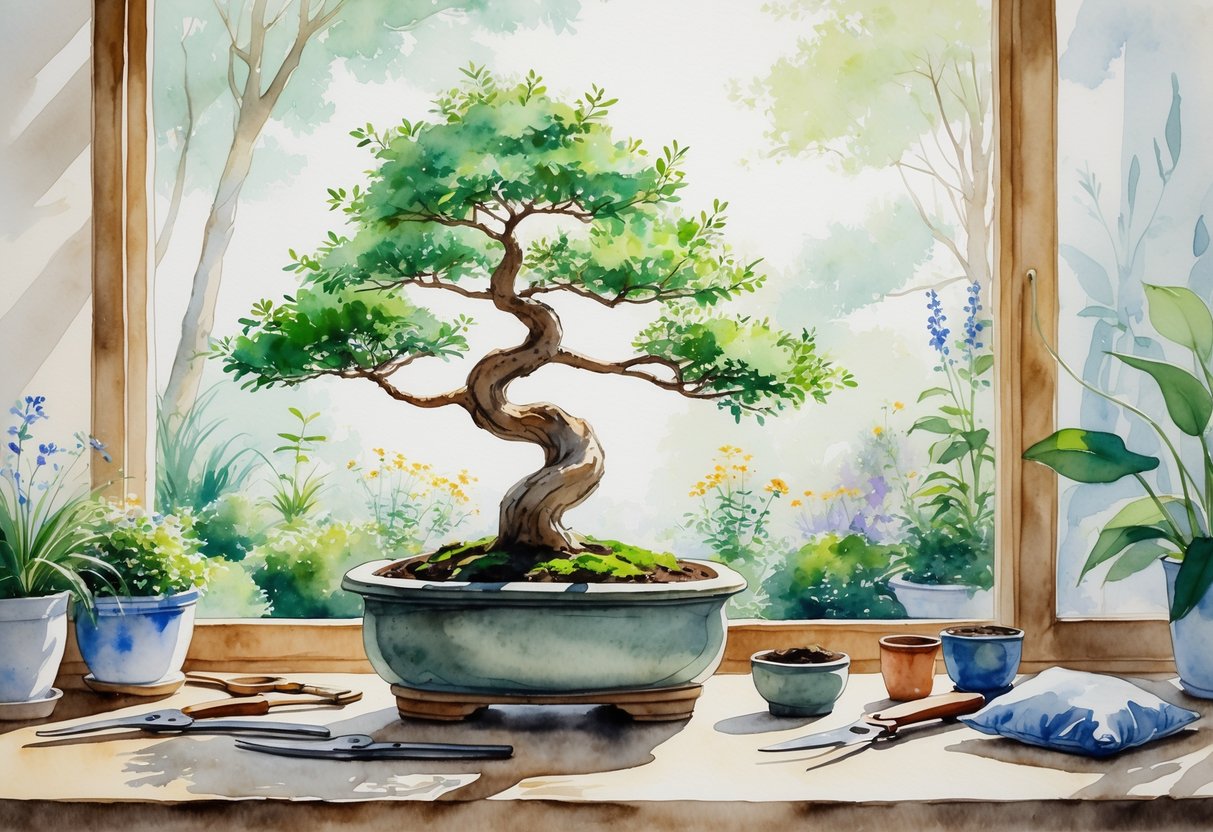
Bonsai cultivation combines gardening skills with artistic expression. You grow and shape miniature trees in containers, creating living sculptures that capture the beauty of full-sized trees in a compact form.
This ancient practice originated in China and later developed into a distinct art form in Japan. You control every aspect of your tree’s growth through careful pruning, wiring, and training techniques.
Starting with bonsai requires learning several basic skills. You need to understand proper watering, soil requirements, and how different tree species respond to pruning.
Most beginners start with hardy species like junipers or ficus trees. The hobby demands patience and regular attention.
You’ll spend time trimming branches, shaping the trunk, and maintaining the right soil moisture. Your trees need consistent care throughout the year, with different tasks for each season.
You develop a deeper understanding of plant biology and growth patterns. The repetitive tasks of trimming and wiring provide a meditative experience that many find relaxing.
Basic tools include pruning shears, wire, and quality soil. You can purchase starter trees or grow your own from seeds or cuttings.
You learn about root systems, nutrient needs, and how plants respond to stress. These skills make you a better gardener overall.
How Hobbies Enhance Gardening Skills
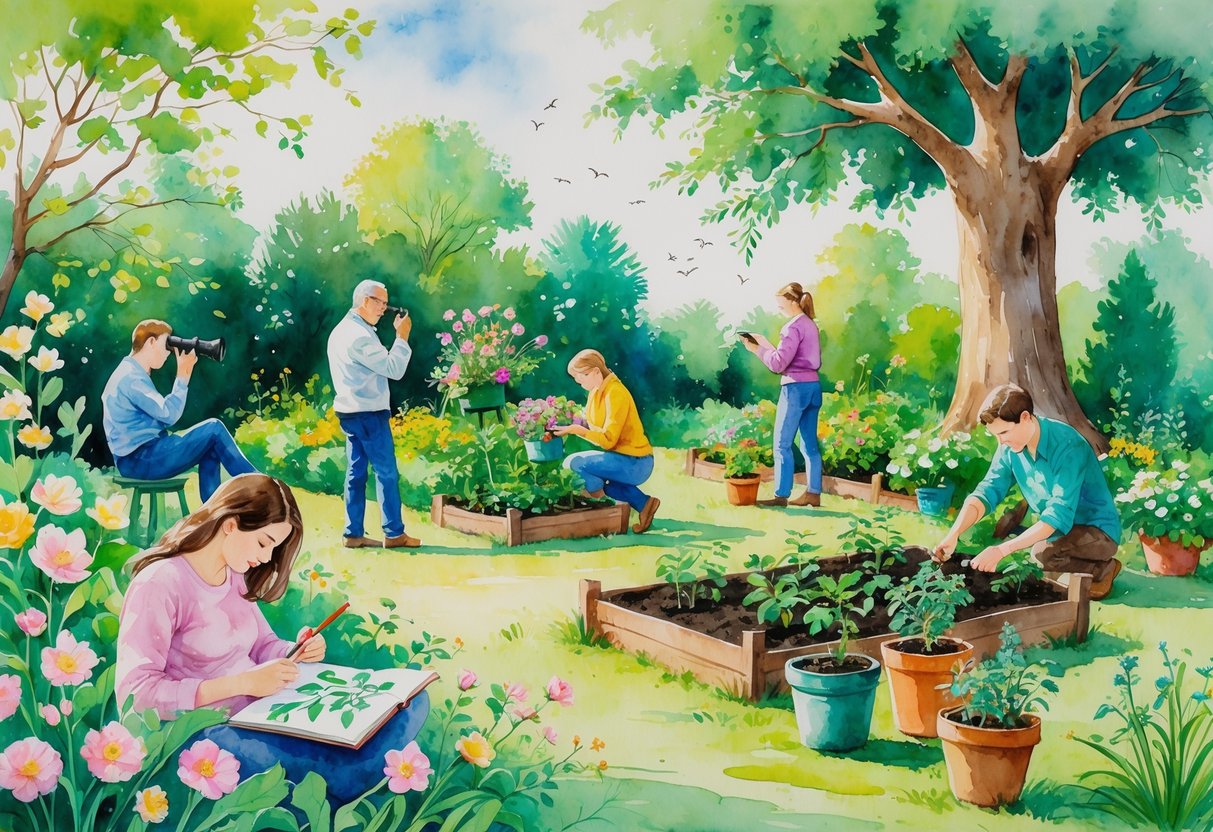
Taking up additional hobbies improves your ability to identify plants and solve garden problems while sparking new ideas for garden design and plant combinations.
Boosting Plant Knowledge
Learning botanical illustration or plant photography trains your eye to notice细节 details you might otherwise miss. You start recognizing leaf patterns, growth habits, and subtle color variations that help you identify plant diseases early.
Nature journaling builds your observation skills. When you record plant behavior throughout seasons, you understand growth cycles better.
This knowledge helps you time your planting and harvesting more accurately. Joining plant clubs or botanical societies expands what you know about different species.
You learn about rare varieties and native plants from other members. These groups often organize plant swaps where you can try growing unfamiliar species.
Reading botany books or taking online courses teaches you the science behind plant growth. You learn about soil chemistry, plant anatomy, and pest management.
This information helps you make better decisions when problems arise in your garden.
Encouraging Creativity in the Garden
Art hobbies like painting or sculpture change how you view your garden space. You start thinking about color theory, texture combinations, and visual balance.
These concepts help you create more attractive plant arrangements. Crafting garden structures like trellises or planters lets you customize your space.
You can build supports that match your garden style while meeting specific plant needs. Photography encourages you to look at your garden from different angles and lighting conditions.
You discover new ways to arrange plants that create interesting compositions. This practice helps you design more visually appealing garden beds.
Cooking with your harvest inspires you to grow new varieties. You might try specialty herbs or heirloom vegetables you discover in recipes.
This pushes you to expand your gardening skills and experiment with unfamiliar growing techniques.
Incorporating Sustainable Practices Through Hobbies
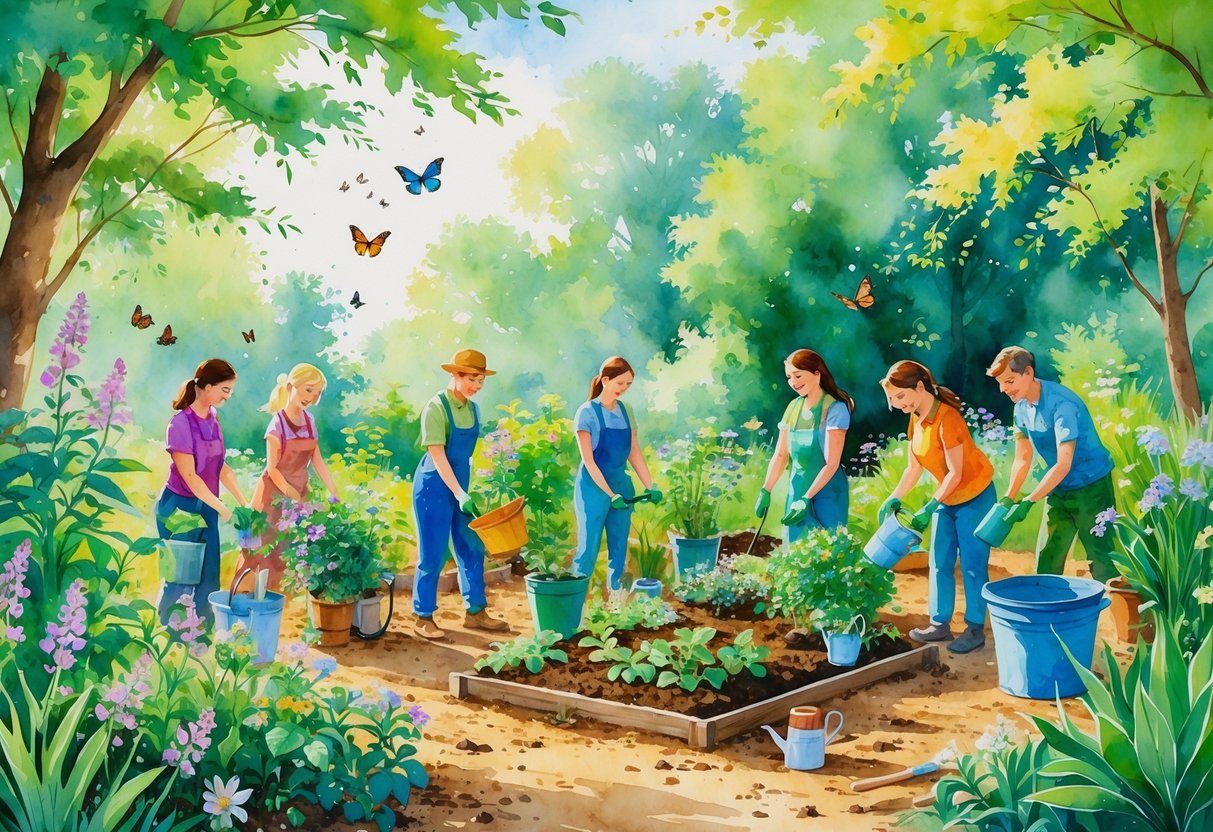
Gardeners can reduce their environmental impact by mastering composting methods that turn waste into nutrients and learning water-saving techniques that keep plants healthy while using less water.
Composting Techniques
Composting transforms your garden waste and kitchen scraps into rich soil. You can start with a simple three-bin system or a single enclosed composter.
The basic recipe requires brown materials (dry leaves, cardboard, newspaper) and green materials (vegetable scraps, grass clippings, coffee grounds). Mix three parts brown to one part green for best results.
Turn your pile every week or two to add oxygen and speed up breakdown. Your compost needs moisture like a wrung-out sponge.
Too dry and it won’t break down. Too wet and it will smell bad.
You can also try vermicomposting with red wiggler worms in a bin. These worms eat food scraps and create nutrient-rich castings.
This method works well indoors and produces finished compost faster than traditional piles. Keep meat, dairy, and oils out of your compost.
These items attract pests and create odors.
Water Conservation Methods
Drip irrigation delivers water directly to plant roots and uses 30-50% less water than sprinklers. You can set up a basic system with a timer, tubing, and emitters.
Mulching around plants keeps soil moist longer. Apply 2-3 inches of wood chips, straw, or shredded leaves.
This layer blocks evaporation and keeps weeds down. Rain barrels collect water from your roof for later use.
A single inch of rain on a 1,000 square foot roof fills about 600 gallons. Connect barrels to downspouts and use this free water during dry periods.
Group plants by water needs. Put thirsty vegetables together and drought-tolerant plants in another area.
Water early in the morning when less evaporates. Check soil moisture before watering instead of following a fixed schedule.
Frequently Asked Questions
Gardeners often have questions about expanding their skills, improving their mental health through plants, and turning their passion into income. These answers address common concerns about at-home projects, health benefits, maintenance strategies, and ways to grow as a horticulturist.
What are some enjoyable at-home projects for those passionate about gardening?
You can start seeds indoors to get a head start on the growing season. This project lets you control the growing environment and watch plants develop from their earliest stages.
Creating an indoor plant collection offers year-round gardening satisfaction. You can experiment with different species that thrive in various light conditions throughout your home.
Building a propagation station allows you to multiply your favorite plants. You can grow new plants from cuttings, divisions, or offsets without spending money on new specimens.
How can a hobby in gardening be beneficial for mental and physical health?
Gardening reduces stress levels and improves your overall well-being. The act of working with soil and plants provides a calming effect that helps you disconnect from daily pressures.
Physical activity in the garden strengthens your muscles and increases flexibility. Tasks like digging, planting, and weeding provide moderate exercise that benefits your cardiovascular system.
Growing your own vegetables gives you access to fresh, nutritious food. You gain a sense of accomplishment when you harvest and eat produce you grew yourself.
What is the 70/30 rule in gardening, and how can it improve garden maintenance?
The 70/30 rule suggests using 70% native or well-adapted plants and 30% specialty or experimental plants in your garden. This approach creates a more sustainable landscape that requires less maintenance and water.
Native plants naturally resist local pests and diseases better than exotic species. They also support local wildlife and pollinators without demanding extensive care.
You can use the remaining 30% for plants you want to try or varieties that need extra attention. This balance lets you experiment while keeping most of your garden low-maintenance.
What innovative gardening techniques can beginners adopt to enhance their horticultural skills?
Aquascaping combines gardening with aquarium design to create underwater plant landscapes. You learn about aquatic plants and develop skills in arranging and maintaining them in water environments.
Square foot gardening maximizes small spaces by dividing growing areas into one-foot sections. Each section holds a specific number of plants based on their size, making planning and care simpler.
Companion planting pairs plants that benefit each other when grown together. You can improve pest control and increase yields by understanding which plants support each other’s growth.
Can gardening be a lucrative hobby, and what are the avenues for generating income from it?
You can sell seedlings and starter plants at local farmers markets or online. Many gardeners need young plants in spring and will pay for healthy, well-grown specimens.
Growing specialty vegetables or herbs for restaurants creates a steady income source. Chefs often seek unique varieties they cannot find through regular suppliers.
Creating and selling propagated houseplants appeals to indoor plant enthusiasts. Popular or rare varieties can command good prices when you build a reputation for quality plants.
In what ways can advanced gardeners challenge themselves with new horticultural projects?
You can learn grafting techniques to combine different plant varieties onto single rootstocks. This skill lets you create unique fruit trees or ornamental plants with multiple characteristics.
Building and maintaining a specialized collection pushes your knowledge deeper. You might focus on rare plant species, heritage vegetable varieties, or specific plant families.
Starting a seed saving program preserves plant genetics and builds self-sufficiency. You learn to properly harvest, store, and germinate seeds from your best-performing plants.