
10 Best Hobbies for History Buffs: Engaging Ways to Explore the Past
If you love learning about the past, there’s a good chance you’ll enjoy hobbies that let you explore history in new and exciting ways.
Finding the right history-themed hobby can help you connect with events, places, and cultures from long ago.

There are activities for every history buff, whether you prefer reading, hands-on projects, or meeting others who share your interest.
These hobbies can help you see the world in a different light and discover stories you might not find in the classroom.
1) Historical Fiction Reading

Reading historical fiction is a great way for you to get closer to different times and places.
It combines facts with storytelling, making the past feel real and personal.Through believable characters, you can see history through their eyes.These books often cover daily life, big events, or famous people.This gives you a sense of what it was like to live in those days.
Stories set in ancient Rome, medieval Europe, or 20th-century America make history easier to imagine.
Choosing well-researched historical novels helps you learn about new historical moments.You gain context that you may not find in textbooks.Some novels even encourage you to look up real facts or visit museums to deepen your knowledge.You can find countless recommendations online.For example, there are lists of historical novels that bring the past to life.
Joining book clubs or online groups gives you a chance to discuss what you have read with others.
Many readers enjoy comparing the book’s version of events with what really happened.This helps sharpen your critical thinking.You become better at spotting which details are based on fact and which parts are creative fiction.Historical fiction is available in many different genres.You can find mysteries, romances, or adventures set in the past.This allows you to explore history through stories that match your interests.You do not need any expensive tools or special training to get started.All you need is a book and your curiosity.
2) Visiting Museums and Historical Sites

Exploring museums lets you view artifacts, documents, and displays that bring the past to life.
Many museums focus on specific eras, cultures, or events, offering you the chance to learn in depth about what interests you most.
You can see tools, clothing, art, and even letters from people who lived long ago.When you visit a museum, you walk through spaces filled with stories.Guided tours, interactive exhibits, and educational signs help make complex history easier to understand.
Hands-on activities and digital displays are often available, so you can try things out and get a better sense of how people lived in the past.
If you love learning about battles, inventions, or famous leaders, museums can offer valuable insights.For American history fans, well-known institutions like the National Museum of American History let you see important artifacts up close.
Presidential libraries and local history museums also offer a closer look at specific people or places that shaped the world.
Traveling to historical sites takes this hobby outside traditional museum walls.Walking on a battlefield or touring an old landmark lets you experience the settings where key events actually happened.
You might stand where famous speeches were given, or walk paths that soldiers took centuries ago.
Historic homes, forts, and entire towns have been preserved for visitors to explore.These sites often provide guided tours or demonstrations that show how people cooked, worked, or fought during different times in history.
By exploring these places, you gain a direct connection to the past and a better understanding of how history has shaped modern life.
You can find ideas for nearby sites and well-known museums from lists like this one and here.
3) Participating in Archaeological Digs
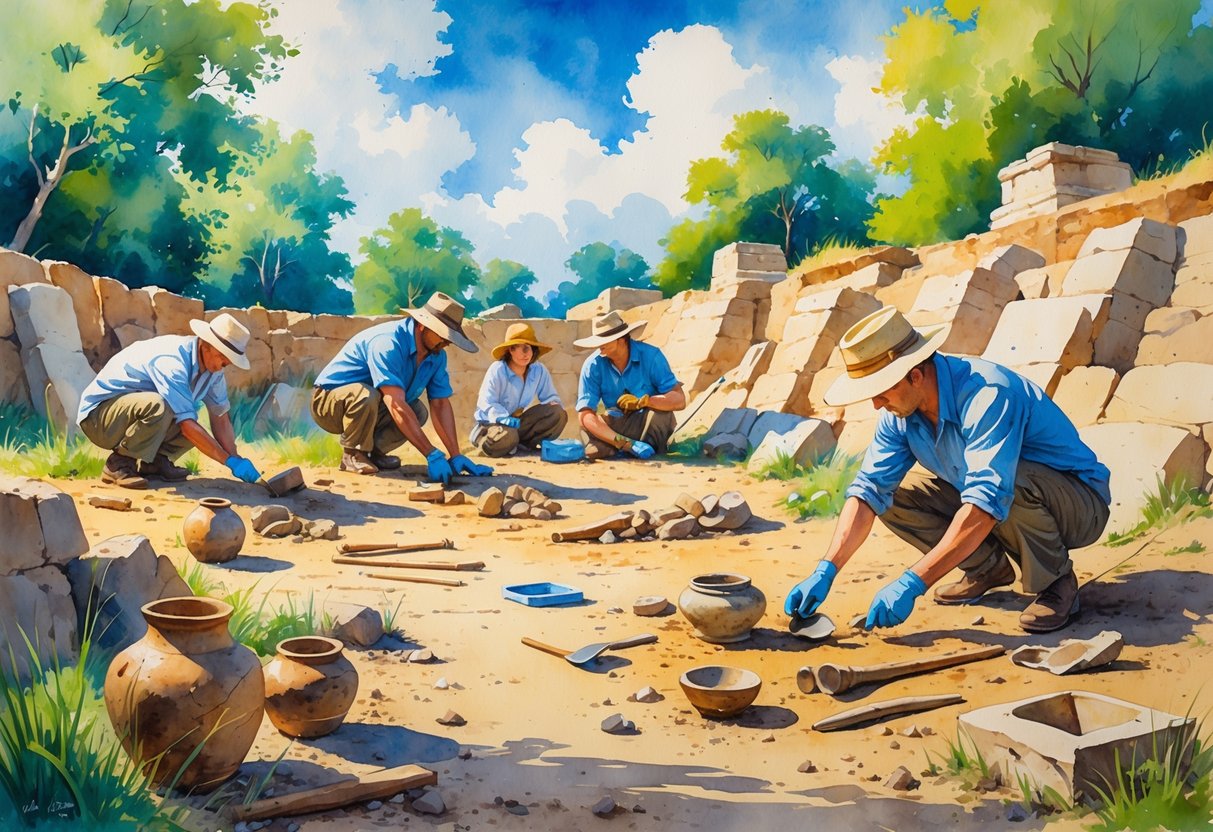
If you enjoy learning about history by getting your hands dirty, joining archaeological digs may interest you. These digs let you help uncover pieces of the past, like pottery, bones, or tools. You may work alongside experts in the field or be part of a team of volunteers.
You do not need to be a professional historian or archaeologist to take part in many digs. Some organizations and local clubs welcome beginners and teach basic techniques on-site. It is important to listen to instructions and handle artifacts carefully. There are many types of digs.
Some focus on ancient settlements, while others are about uncovering old battlefields or lost towns.
Each dig helps us learn about how people lived, built their homes, or even how they traded goods long ago.
Participating in a dig is not only about finding objects. It is also about understanding the story behind each discovery. You may help take notes, draw maps, or even wash and sort items found at the site.
Spending time outdoors and working as part of a group can be a rewarding experience. Many people find that archaeological digs help them connect with history in a direct way.
Some clubs and schools organize special trips for members, or you can volunteer for a dig arranged by museums or universities.
If you want to become involved, look into groups that promote archaeology as a hobby. They often list events, training, and opportunities suited for history enthusiasts.
Getting involved in archaeological digs is a unique way to learn about history outside of books. You will see firsthand how the past is uncovered, piece by piece.
4) Collecting Historical Memorabilia
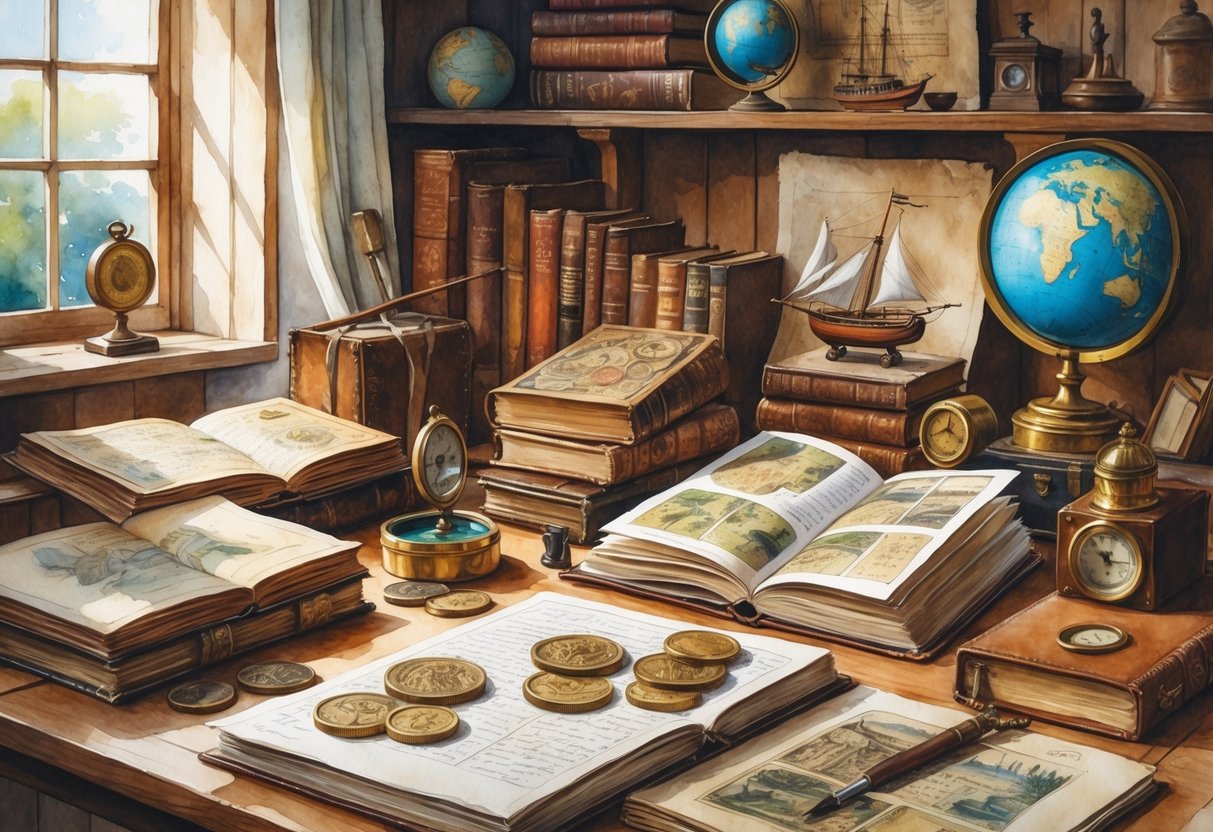
Collecting historical memorabilia lets you own a small piece of the past.
You can find an endless variety of items to collect, from vintage coins and old photographs to military uniforms and antique tools. Each object holds its own story about the people and events that shaped history. Many collectors look for artifacts from specific events, time periods, or cultures.
For example, you might focus on items from World War II or the Victorian era. Some people collect presidential campaign buttons, ancient pottery, or even vintage maps.
This hobby is flexible.You can find memorabilia at garage sales, auctions, flea markets, or online. It can be casual or more focused, depending on your interest and budget. Some items are very affordable, while others can be rare and valuable.
Collecting gives you a hands-on way to explore history. Holding a piece of the past helps you connect with it in a way that reading alone cannot. You may also enjoy researching the stories behind your items, which can lead you to learn even more about the era they come from.
Collectors often display items in cases or frames at home.
Sharing your collection with others, whether in person or online, can spark interesting conversations and help you meet fellow history lovers.
You can also trade or sell items as your interests change. This popular hobby is like a continual treasure hunt, offering new discoveries as you search for unique artifacts.
If you love detail and enjoy seeking out rare finds, collecting historical memorabilia is a rewarding pastime.
For more ideas about what to collect, visit this list of fascinating collectibles for history buffs.
5) Playing Historical Strategy Board Games
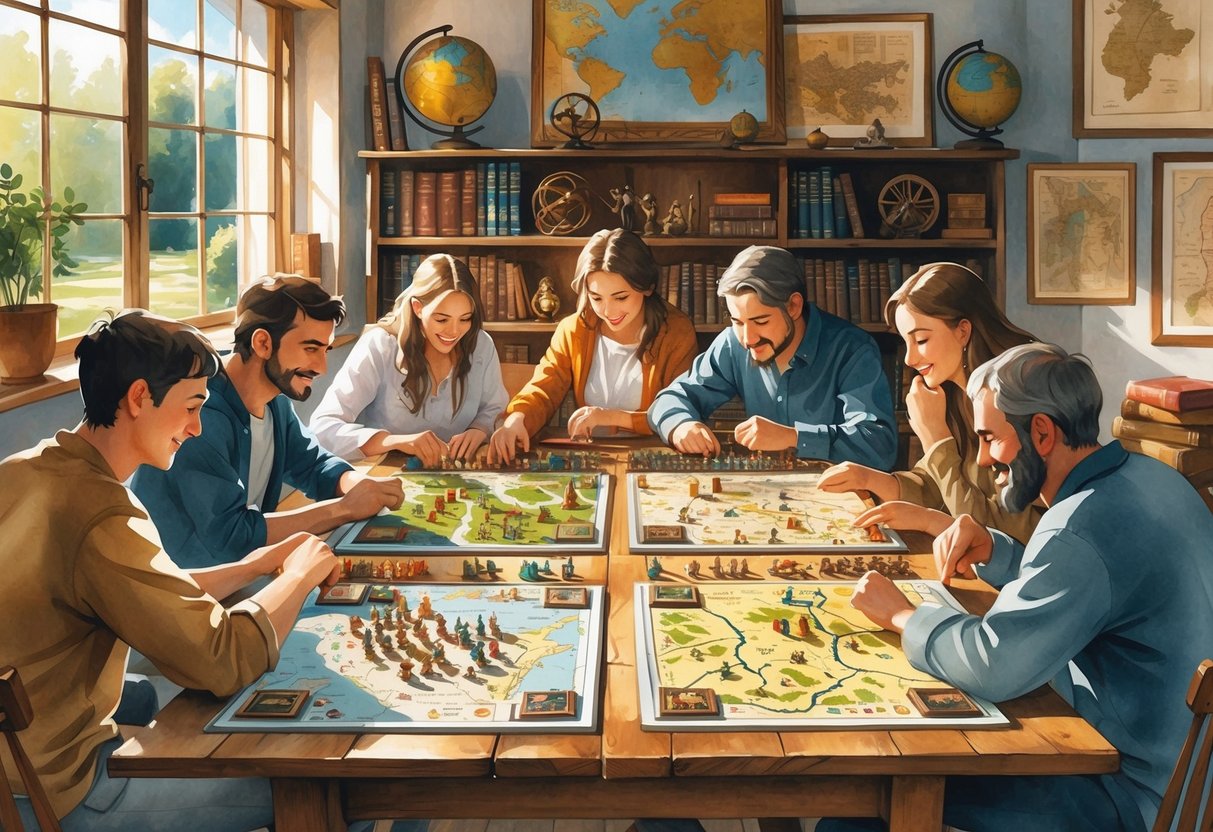
Playing historical strategy board games is a fun way to explore the past.
These games often let you step into different times and experience important events. You can lead armies, run a country, or solve real challenges from history. Many games cover famous battles or periods, like ancient Rome, the World Wars, or the Renaissance.
Titles such as Axis & Allies put you in command during World War II, letting you plan and battle for control of the world.
Other games, like Twilight Struggle, focus on the Cold War and test your decision-making as you shape the future.
These games encourage you to think about real-life choices that leaders had to make.
They often require you to use strategies and learn about important historical figures, places, and events. Some games even include fact cards or short history lessons to help you understand the background of each scenario.
Playing with friends or family can spark good conversations about history.
You might discuss why certain battles happened or what could have changed the outcome.
There are many options to choose from, whether you like detailed, longer games or lighter, quicker experiences.
For ideas on the most popular and accurate games, you can check out lists of the best historical board games or strategy options for history buffs.
If you enjoy hands-on learning and friendly competition, these games offer a great way to connect with the past. Each game session is a chance to explore history in a new, interactive way.
6) Researching Family Genealogy

If you enjoy uncovering stories from the past, researching family genealogy can be a fulfilling hobby. It lets you trace your family tree and discover where your ancestors came from.
You start by gathering information from your family members. Ask about names, birthdays, places, and important events.
Old photos, letters, and family records can provide helpful clues about your family’s history. Next, you can use public records and online databases to dig deeper.
Census records, birth and death certificates, and immigration documents all offer valuable details. Many libraries and archives have sections just for genealogy research, giving you more places to look.
As you sort through family stories and records, you may find surprising connections and historical events involving your relatives. This can give you a stronger sense of where you come from.
Genealogy combines detective work and research skills. It often leads you to explore different regions or countries.
You may find yourself learning about past cultures or historical events to better understand your ancestors’ lives. If you want to give genealogy a try, there are many helpful guides available online.
For more details on how to start, visit this overview of genealogy as a hobby. You’ll find tips on getting started and ideas for tracking your family roots.
7) Watching Documentaries on History

Watching documentaries is a great way for you to dive into history from your own home. Documentaries bring the past to life with real images, interviews, and facts.
They help you see important events and people in a clear and interesting way. You can find historical documentaries on many topics.
Some focus on big moments like World War II or the moon landing. Others might explore ancient civilizations, famous leaders, or hidden stories you may not have heard about.
Many documentaries are available to stream online. Platforms such as Netflix and YouTube offer a wide range of choices.
If you prefer, you can also find DVDs at the library or buy them for your own collection. Documentaries are usually created by experts or include interviews with historians and archaeologists.
This means you get reliable information in every episode. Watching many different documentaries can help you see different points of view about the same event.
If you want some ideas, check out lists like 21 of the best historical documentaries to watch or these top 17 history documentaries.
These resources include documentaries about wars, space exploration, ancient cultures, and more. Documentaries can fit any schedule.
Some are long and detailed, while others are short and focused. You can choose what works best for you and learn at your own pace.
If you love history, watching documentaries is an easy way to keep learning. You will see actual footage and listen to experts, which helps you understand the past better.
This hobby can broaden your view of the world and spark new interests.
8) Attending Historical Reenactments

If you enjoy learning about the past, attending historical reenactments is a great way to see history brought to life. People in period clothing recreate important events, battles, or daily life from different eras.
You get to watch these performances and sometimes even interact with the reenactors. Reenactments often happen at parks, historic sites, or during special festivals.
Some focus on famous wars, like the Civil War or World War II, while others might center on local history or medieval times. You can find both small community events and larger gatherings with hundreds of participants.
Going to these events lets you experience history in a hands-on way. You can see old tools, crafts, and weapons up close.
Many reenactors are eager to answer questions and share facts about the time period they represent. Being at a reenactment can also help you understand the challenges and choices people faced long ago.
The sights, sounds, and even smells are different from what you see in a book or on a screen. If you want, you can move from being a spectator to taking part.
Many groups welcome new members and hold workshops on costume making, historical cooking, and other skills. Some history lovers make joining a reenactment society their main hobby.
Attending these events is popular with history fans of all ages. It is also a social hobby, since you’ll meet others who care about the same time period or event.
To find upcoming reenactments in your area, check museum websites, community boards, or forums for social hobbies for history lovers.
9) Writing Historical Articles or Blogs
Writing about history lets you share your interest and discoveries with others. You can create articles or posts about important events, famous people, or unique cultures.
This hobby gives you a way to dig into topics that interest you the most. You might write about a specific time period, ancient inventions, or daily life in the past.
Many history buffs enjoy researching facts and telling stories in a clear and easy-to-read way. Starting a blog is simple.
There are free platforms where you can publish your work. With regular posts, you can build an audience who shares your curiosity.
Over time, you might connect with other history lovers and swap ideas. You can also write guest articles for sites and magazines focused on history topics.
Some websites and blogs are always looking for new writers. This gives you another chance to get your work read by more people and build your skills.
If you enjoy deep research, writing historical articles or blogs is a great way to organize and share what you learn. Some writers even turn their blog into a valuable resource for students and teachers.
You can find more tips for getting started with history writing by checking out this guide on history writing jobs. No matter your age or experience, writing about history offers a way to learn and participate in important conversations.
You never know who might find your work helpful or interesting. Even a short article can make a difference for someone else who loves history.
10) Exploring Ancient Languages

Exploring ancient languages is an exciting way for you to connect with the past. Learning these languages gives you a closer look at old cultures and texts.
You do not need to be an expert to get started. You might choose to study Latin, Ancient Greek, or even Egyptian hieroglyphs.
Many resources are available online, including free apps and simple textbooks. You can also find dictionaries and language guides for beginners.
Reading classic texts in their original language can help you see history from a new angle. For example, reading Julius Caesar’s works in Latin lets you experience his words as he wrote them.
This approach brings you closer to the time period and the people who lived it. Practicing writing and speaking is helpful, even if only for fun.
Try writing your name or favorite quote in Ancient Greek or another ancient script. Language learning groups and forums can give you extra support and feedback.
Some people also enjoy translating short stories, myths, or old poetry. You can look for beginner projects in books or on websites.
This hands-on approach makes old languages less mysterious and more enjoyable. Understanding ancient languages can also open new hobbies, like deciphering old letters or studying historical documents.
If you want to learn basics for free, textbooks and digital tools are easy to find. For a list of language hobbies that history lovers enjoy, visit this page on historical hobbies.
It’s an activity you can do at your own pace, by yourself or with others.
Benefits of Pursuing History-Centric Hobbies
Exploring hobbies related to history gives you practical skills you can use in many parts of your life. These activities encourage more focused thinking and make it easy to connect with people who share your interests.
Enhancing Critical Thinking Skills
Digging into history-centered hobbies, like reading historical texts or analyzing artifacts, helps you grow your analytical abilities. You often have to sift through multiple sources, compare facts, and figure out what is accurate.
This strengthens your reasoning and your ability to question information, rather than just accept it at face value. When playing historical board games or researching genealogy, you learn to see events from different points of view.
By examining cause and effect, you understand the reasons behind choices and outcomes. This practice teaches you to think deeper and ask better questions.
Skills like problem-solving, source evaluation, and interpreting old maps or documents also improve your decision-making. These skills can help you not just with your hobby, but in school, work, and everyday life.
Community Engagement and Networking
Many history-focused hobbies create opportunities for you to meet others with the same passion. Joining local history clubs, taking part in reenactments, or visiting museums opens doors to new friendships and teamwork.
For example, you can take part in events with board game clubs that focus on historical themes or volunteer with a local historical society. Working together at archaeological digs or group research projects teaches you how to share ideas, solve conflicts, and improve your communication.
Networking with people who are also interested in history can help you find study partners, career advice, or simply make your hobby more enjoyable. Many communities hold lectures, tours, or workshops, giving you a chance to keep learning and stay inspired.
Being a part of these groups makes history feel alive and helps you stay motivated.
Resources for History Enthusiasts

You can keep learning about history through books, trusted websites, and local organizations. Whether you enjoy reading, taking part in discussions, or joining groups, many options exist to widen your knowledge and connect with others.
Recommended Reading and Online Platforms
Reading is a top way to explore the past. Start with popular history books and biographies that fit your favorite time periods.
Libraries often have collections focused on topics like ancient civilizations, wars, or everyday life in different eras.
For digital options, online platforms offer articles, documentaries, forums, and podcasts.
Websites like Find Hobby list book recommendations and activities just for history buffs.
You can also explore HobbyFAQS for more ideas.
Joining well-known history forums or Reddit communities opens the door to conversations and recommendations.
This helps you share what you learn and ask questions.
Many museums post rare documents, photos, and talks online, giving you a window into the past from home.
Examples of Useful Resources:
- History podcasts
- Documentaries on streaming services
- Digital archives from museums
- Online history courses
Historical Societies and Clubs
Connecting with others who share your interests makes history feel real.
Many local historical societies offer lectures, group trips, and volunteer chances.
These groups often focus on your city or region’s past.
Some even arrange tours of historic sites or house special collections.
You can join board game clubs and tabletop game nights that focus on history or world events.
Visit Reddit’s recommendations for clubs that mix social fun with learning about the past.
These events usually welcome beginners.
National heritage groups and reenactment clubs offer deep dives into specific eras.
Attending organized events lets you meet well-read people and try hands-on activities like archiving, genealogy, or artifact cleaning.
Types of Groups to Join:
- Local and national historical societies
- Genealogy and family history clubs
- Museum volunteer teams
- Historical board game meetups
Frequently Asked Questions
What activities can history buffs engage in to further their passion?
You can read historical fiction to better understand different time periods and cultures.
Visiting museums and historical sites lets you see artifacts and learn stories about real events.
It is also common for history buffs to join reenactment groups, collect memorabilia, participate in archaeological digs, or play strategy games set in historical eras.
Find more tailored suggestions for hobbies for history lovers online.
Which hobbies are recommended for those interested in ancient history?
If you are interested in ancient history, participating in archaeological digs can offer hands-on experience with artifacts from the past.
Reading books about ancient civilizations is another popular option.
Many enjoy creating models of ancient buildings or learning ancient languages like Latin or Greek.
Where can I find history clubs or groups to participate in?
Local libraries and museums often host history clubs or discussion groups.
You can search for social history clubs, reenactment groups, or board game meetups related to historical themes in your area.
Websites about social hobbies for history fans can help you connect with other enthusiasts.
What indoor hobbies are suitable for history enthusiasts to explore?
Reading historical fiction or nonfiction is a simple indoor option.
Collecting coins, stamps, or other memorabilia can be done from home.
Playing historical strategy board games with friends or online groups brings the past to life indoors.
Museum virtual tours and documentaries also offer new ways to learn without leaving your house.
How can adults who are history buffs incorporate their interest into hobbies?
You can volunteer at local museums or join historical societies.
Adults often enjoy traveling to historic landmarks, giving local tours, or participating in online history forums.
Teaching or presenting at community centers is another way to share your passion for history.
What are some intellectually stimulating history-oriented hobbies?
Solving historical puzzles or playing strategy games, like historical war simulations, require critical thinking.
Writing articles or blogs about historical topics can deepen your research skills.
Joining book clubs focused on history books provides thoughtful conversation and new perspectives.
Find more history hobby ideas to choose something that matches your interests.