
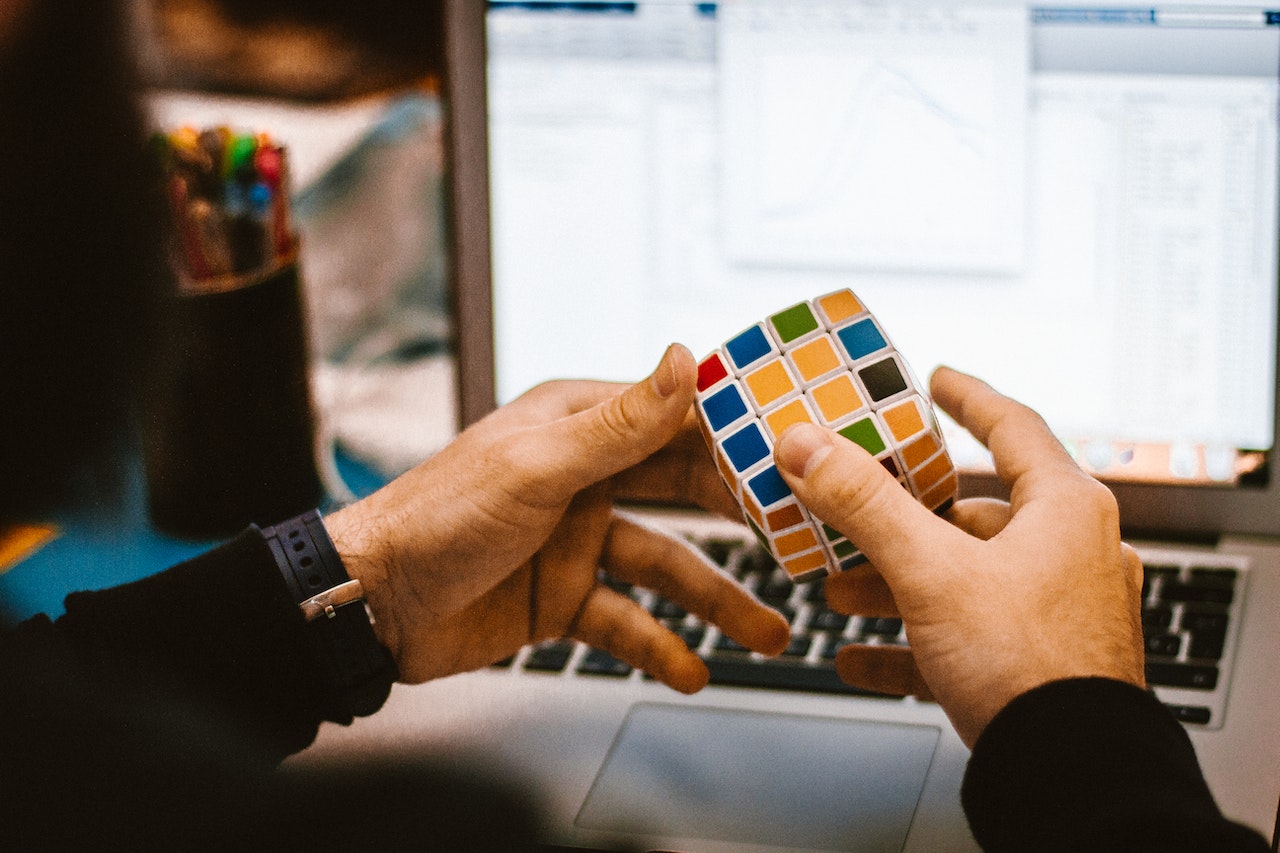
10 Best Hobbies for Improving Problem-Solving Skills: Engaging Activities to Sharpen Your Mind
If you want to keep your mind sharp, picking up new hobbies is a practical way to challenge yourself. Hobbies can give you fresh ways to look at problems and help you develop new skills that transfer to many areas of life.
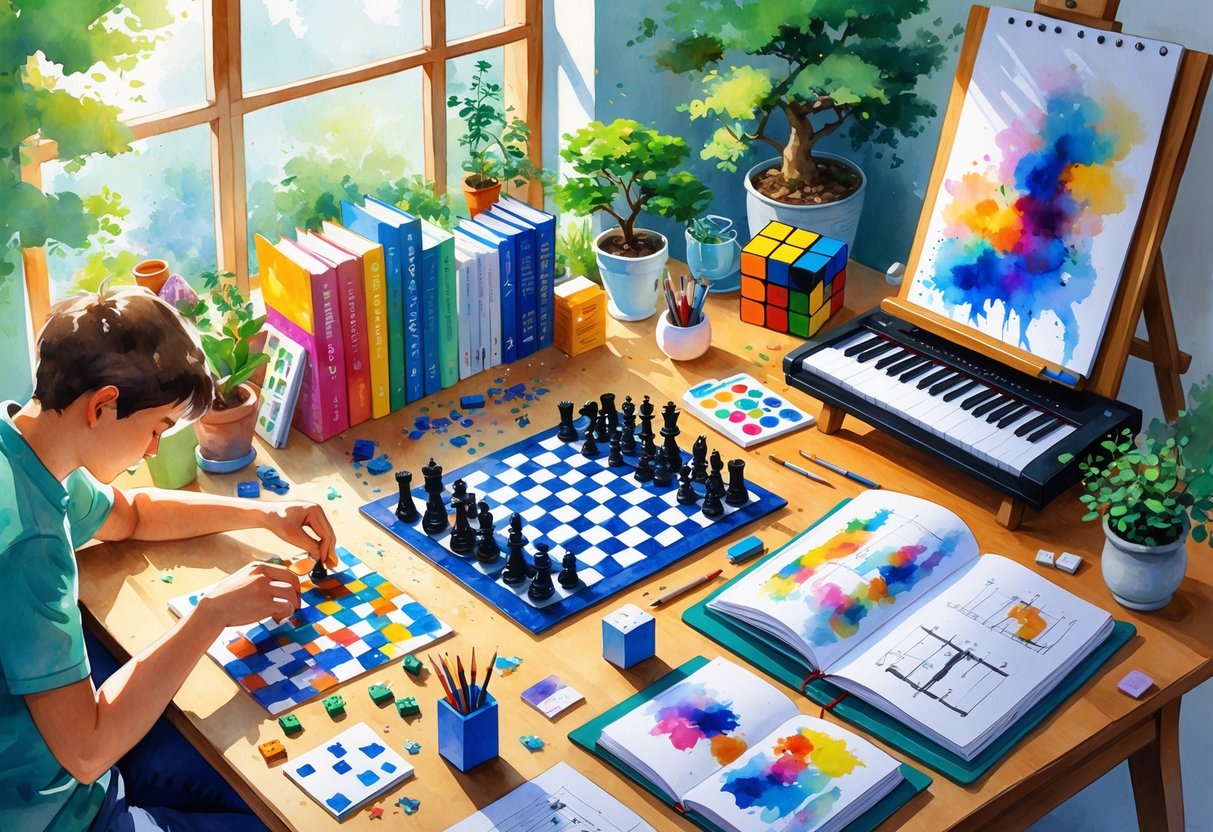
The right hobbies can boost your problem-solving skills by encouraging you to think differently and find creative solutions. With regular practice, you can build confidence in your ability to handle challenges, both big and small.
1) Coding and programming

Coding and programming let you solve problems by creating instructions for computers. You need to break down big challenges into smaller steps that a computer can follow.
This process helps you get better at logical thinking. When you write code, you encounter bugs and errors.
You have to figure out why your code isn’t working as expected. Debugging teaches you to look for patterns and test possible solutions until you fix the issue.
Programming makes you practice patience. Some problems are simple, while others take hours or even days to solve.
Sticking with a tough problem helps you build discipline and resilience. Coding projects often include planning, testing, and reviewing your work.
You need to think ahead, try out different solutions, and learn from mistakes. These habits are useful in many areas of life, not just computers.
You don’t need to be a professional coder to get benefits. Even simple projects like making a website or creating a small game can challenge your brain and improve your problem-solving skills.
Many hobbies that involve technology and design, like web development, share these problem-solving benefits. You can read about how programming is great for building your technical and logical thinking skills and explore new ways to practice.
Coding also teaches you how to work with complex systems. You learn to manage details and keep track of many small parts that all need to work together.
This skill transfers well to other activities and future jobs. It’s a practical, modern hobby that gives your brain a workout and teaches you how to handle new challenges.
2) Sudoku puzzles
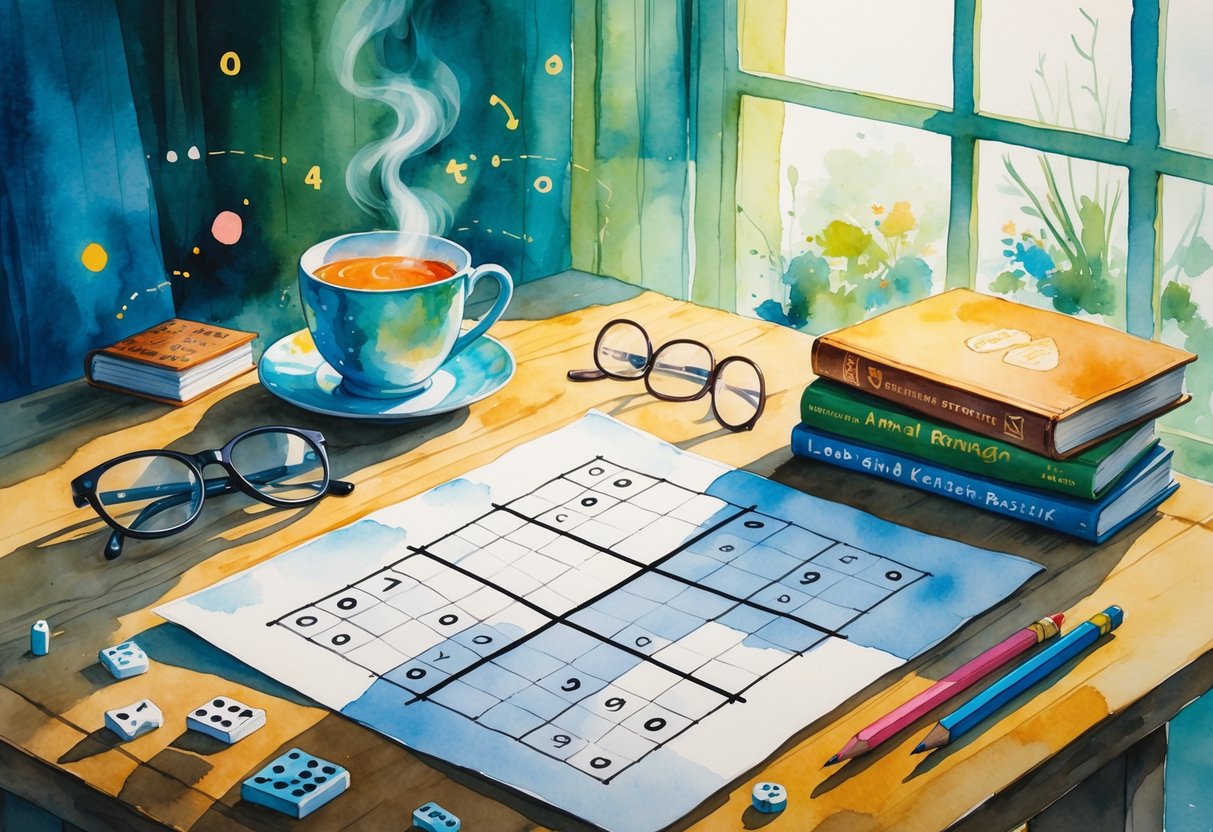
Sudoku puzzles are a simple way to work your brain in a fun, stress-free setting. These number-based puzzles ask you to fill in a grid using logic and attention to detail.
When you solve Sudoku, you practice skills like pattern recognition, planning, and process of elimination. Each puzzle gives you new clues and forces you to make decisions based on limited information.
Many people enjoy Sudoku because the rules are easy to learn. You do not need math skills to play—just patience and focus.
Even beginners can find puzzles at the right level to start getting benefits right away. Sudoku also helps improve memory, since you need to keep track of which numbers could go in each cell.
Concentration grows as you work through a puzzle, especially when the difficulty increases. Studies and experts suggest that brain games like Sudoku can help keep your mind sharp.
Regular practice may even help with creative and logical thinking, making it a common hobby for those who enjoy mental challenges. You can find Sudoku in newspapers, puzzle books, or on many free apps.
The convenience of playing almost anywhere makes it easy to add this hobby to your daily routine. If you want a hobby that improves both your focus and problem-solving skills, Sudoku is a smart choice.
With a variety of difficulty levels, you can always find a new challenge to keep your mind active. For more information about how Sudoku keeps your mind sharp, visit this list of brain games that keep your mind sharp.
3) Jigsaw puzzles
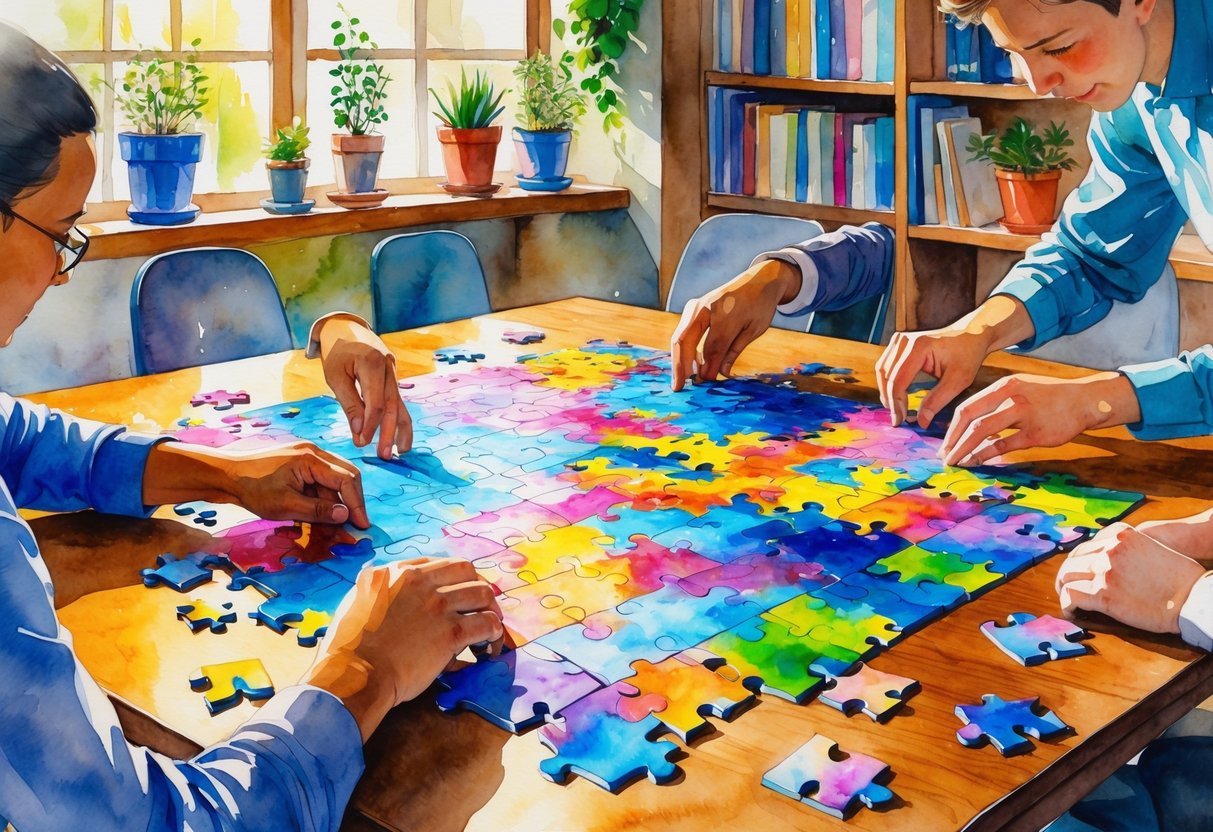
Jigsaw puzzles are a simple but effective way to train your brain. When you work on a jigsaw puzzle, you practice noticing small details and patterns.
You need to look for shapes, colors, and edges that fit together. This helps you get better at spotting connections and solving problems step by step.
As you sort and fit pieces, you use logical thinking. You may also use trial and error, which teaches patience and persistence.
Many people find that working on jigsaw puzzles helps improve concentration. You have to focus on the puzzle for a long time to complete it.
Jigsaw puzzles offer a hands-on break from screens and technology. They are easy to start and work well alone or with others.
Solving a puzzle can make you feel calm and reduce stress. It also gives a sense of accomplishment when you finish.
People of all ages can enjoy this hobby. It is a fun way to challenge your mind and boost problem-solving skills.
Some research suggests that regular puzzle solving may even help keep your brain active as you age. This can be a helpful habit for lifelong learning.
If you enjoy working with patterns, shapes, or visual details, jigsaw puzzles fit well into your routine. You can choose different sizes and shapes, making it easy to match your skill level.
4) Chess

Chess is a classic board game that challenges your mind and helps you think ahead. Each move you make requires planning, prediction, and analysis of the possible outcomes.
This helps you practice solving problems in a step-by-step way. When you play chess, you need to pay close attention to your opponent’s moves.
You learn to spot threats, defend your pieces, and find the best path forward. This can help improve your focus and ability to concentrate for longer periods.
Chess pushes you to consider many options before making a decision. You get better at weighing risks and rewards, which can help you with real-life choices.
The game also encourages you to learn from past mistakes by thinking about what went wrong and how you can do better next time. Another benefit of playing chess is the boost it gives to your memory and strategy skills.
Keeping track of different moves, combinations, and plans in your mind strengthens your memory. You also develop logical thinking and the ability to adjust your strategy as the game changes.
Playing chess is also a social activity. You can play with friends, join a club, or compete in tournaments.
This allows you to share ideas, learn new strategies, and improve by watching others. Chess is even used by some schools to help students with problem-solving and critical thinking.
The skills you develop while playing chess can be useful both in school and in everyday life. If you want to find a hobby that sharpens your mind and keeps you engaged, chess is a good option.
For more on how chess helps with thinking and planning, visit this article about chess as a hobby or explore more about problem solving hobbies.
5) Brain teasers

Brain teasers are short puzzles or problems that challenge your mind. They come in many forms, such as riddles, logic puzzles, and pattern games.
These activities can make you use logic and creativity together. When you try to solve a brain teaser, you need to think carefully about the clues and details.
This helps you learn how to break down a big problem into smaller, easier parts. Each attempt at solving a teaser can strengthen your critical thinking skills.
Practicing brain teasers trains your brain to recognize patterns and spot hidden solutions. This mental exercise teaches you to look for different approaches when you are stuck.
Some brain teasers involve numbers and calculations, while others focus on using words or shapes. You might find crossword puzzles, Sudoku, and lateral thinking puzzles especially helpful for building problem-solving skills.
If you want more ideas, you can try some engaging brain teasers that work different parts of your brain. Taking the time to solve a new puzzle every day, or even once a week, can keep your mind sharp and active.
Sometimes, sharing brain teasers with friends or family can encourage teamwork and discussion. For more examples of types of brain teasers, check out this list of engaging good brain teasers that can boost your mental skills.
Trying a variety of puzzles can help you discover which kinds challenge you the most and which are the most enjoyable for you.
6) Model building (cars, planes, buildings)

Model building is a hands-on hobby where you assemble small versions of things like cars, planes, or buildings. You use kits or your own designs, working with materials such as plastic, wood, or metal.
This hobby lets you follow detailed steps and work carefully to make something realistic. As you build, you need to figure out how pieces fit together and fix problems that come up.
Solving these small challenges helps sharpen your problem-solving skills. You also get better at following instructions and thinking about how different parts connect, which exercises your brain.
Choosing the right models and tools is an important part of model building. Some people like working on simple kits, while others try more complex projects that require advanced skills.
Every project pushes you to plan carefully and learn new techniques. Model building encourages you to be patient and to pay attention to small details.
If you make a mistake, you often need to figure out how to solve it so your project turns out well. Many people enjoy building replicas of real-life vehicles and buildings.
You can create models of famous cars, airplanes, or skyscrapers. Some hobbyists even build entire scenes or dioramas with lots of small details.
Working on model projects can take time, but finishing a model is rewarding. You get to see your hard work and planning pay off.
You can learn more about this hobby at this guide to model building and see more examples of building-related hobbies online.
7) Logical reasoning puzzles
Logical reasoning puzzles help you practice thinking in a careful and structured way. You use clues, facts, and rules to figure out answers step by step.
When you work on these puzzles, you need to pay attention to details and spot patterns. Sometimes you must solve problems that have more than one possible answer.
This teaches you to look at issues from different angles and consider all options before deciding. Many types of puzzles fall into this category, such as Sudoku, logic grid puzzles, or riddles.
These exercises often require patience and focus. With regular practice, you’ll find it easier to break down problems into smaller, manageable parts.
Solving logical reasoning puzzles can also be fun. You may enjoy the satisfaction of finding the right answer after working through the clues.
If you do puzzles with others, you can also improve your communication skills by explaining your thinking. There are books, magazines, and online resources dedicated to these kinds of brain teasers.
Many people like apps or websites that offer daily logic puzzles. Exploring a range of puzzles keeps your mind active and lets you learn new ways to solve problems.
You can find lists of brain-challenging hobbies that help with problem-solving and keep your mind sharp. These activities are easy to start and do not require special tools.
All you need is time and a willingness to think things through.
8) Escape room games
Escape room games put you and your friends in a themed room where you must solve puzzles to get out. These games test your logical thinking and your ability to notice small details.
You have to work as a team, sharing ideas and listening to each other. The time limit adds pressure, which pushes you to think quickly and stay focused.
Each puzzle often builds on the last, so you use problem-solving skills the whole time. Clues may be hidden in objects, numbers, or codes within the room.
Finding solutions helps you practice thinking outside the box. Communication is important in escape rooms.
You explain your ideas and listen to others, helping you become a better team player. These games also improve your ability to divide tasks and manage stress.
Escape rooms come in many themes and levels, so you can pick something that matches your interests and skill level. Some puzzles require math, while others need pattern recognition or wordplay.
Playing these games regularly helps you get better at connecting ideas and trying new strategies. If you want to learn more about the benefits and examples of these games, you can visit this list of top problem-solving games for escape room fans.
Escape rooms also help build life skills like time management and leadership. You learn to keep calm, make decisions, and encourage your team.
Trying escape games can be a fun way to challenge your mind. You get to enjoy a shared activity while training your brain to handle new and tricky problems.
9) Strategy-based video games

Strategy-based video games challenge you to think ahead, plan your moves, and use logic to solve complex problems. These games often require you to balance different goals, manage resources, and adapt to changes as you play.
When you play strategy games, you must analyze different situations and make choices with limited information. This helps you practice making decisions under pressure.
Many games in this genre also make you consider what might happen next, which improves your ability to predict outcomes. Games like chess simulators, turn-based games, and real-time strategy titles let you experiment with methods and see the results right away.
This feedback loop encourages you to learn from your mistakes and try new approaches. Adjusting your plan based on what happens in the game can help you become better at problem-solving in real life.
Popular strategy games like “Civilization” or “XCOM” require you to develop long-term plans and react to unexpected challenges. You often need to remember details from earlier in the game, which helps with both memory and organization.
Games like these are known for boosting critical thinking and decision-making skills. Strategy-based video games often include puzzles or scenarios that have more than one solution.
This teaches you to explore different paths and weigh the pros and cons of each. You can play alone or compete against others, which adds another layer of challenge.
If you are looking for a hobby that trains your brain in a fun way, strategy-based video games are a good choice. They combine entertainment with opportunities to learn and practice real-world skills.
10) Crossword puzzles

Crossword puzzles are a classic hobby that challenge your mind in many ways. They help you expand your vocabulary and stretch your memory as you search for the right words to fill in each blank.
When you work on a crossword, you need to use logic and deduction. Some clues are straightforward, while others need you to think creatively or make connections between ideas.
This variety can make each puzzle a new mental challenge. Crosswords also encourage you to pay attention to spelling and details.
A single wrong letter can affect many other answers, so you learn to check your work and think through every clue carefully. Solving crosswords can boost your patience and focus.
Since you sometimes get stuck on a clue, you might need to step away and come back with a fresh perspective. This skill is helpful in many problem-solving situations outside of puzzles too.
If you enjoy a bit of friendly competition, you can do crosswords with friends or family. Working as a group can make the experience more social and help you learn from others’ knowledge.
You can find crossword puzzles in newspapers, books, and apps. Many websites publish new puzzles daily too.
This makes it easy to fit a quick puzzle into your day, whether you have a few minutes or want to spend longer thinking through the clues. If you’re looking for a hobby that builds problem-solving skills, crosswords are one of the simplest ways to start.
How Hobbies Enhance Problem-Solving Skills

Practicing hobbies can help your brain stay sharp and flexible. Many activities build up thinking skills that you can use in many parts of your life.
Cognitive Benefits of Skill-Building Activities
When you work on a hobby like puzzles, chess, or coding, you are constantly facing new problems to solve. Each time you figure out a solution, your brain builds stronger pathways for critical thinking and memory.
Hobbies often require you to follow steps, notice patterns, or plan ahead. This kind of mental workout improves your ability to focus and adapt.
For example, learning a new instrument or playing strategy games helps you remember details and think about the next move, both of which are core parts of good problem-solving. You also become better at handling frustration.
Many hobbies require patience and the ability to try different solutions when things do not work out the first time. Over time, this builds your resilience and helps you keep a positive attitude when faced with tough challenges.
Sticking with a hobby can also help improve your ability to make decisions and spot mistakes. This supports a strong habit of learning from failure and finding different ways to reach your goals.
Transferable Skills From Hobbies to Everyday Challenges
The habits you form from engaging in hobbies do more than just help with the activity itself. For instance, practicing puzzles, coding, or strategy-based games can strengthen logical thinking skills that are helpful at school or work.
Activities like music and art boost your creativity, making it easier to find new solutions to common problems. Team-based hobbies, such as sports and group games, often teach cooperation, communication, and time management.
These are important skills for working with others or managing daily tasks at home. You also learn to set goals, break large problems into smaller steps, and keep track of your progress.
Many hobbies require you to find resources, research new techniques, and stick with a project even when it gets hard. This helps develop self-motivation, organization, and the ability to tackle complex issues without giving up.
You can see these benefits in more detail by exploring lists of problem-solving hobbies that keep your mind busy and sharp.
Tips for Choosing the Right Hobby
Choose a hobby that suits your natural talents and fits easily into your daily schedule. Staying engaged over time gives you the best chance to build strong problem-solving skills.
Matching Hobbies to Personal Strengths
Think about your interests and what you enjoy doing. If you are good at logic puzzles, you might like brain games such as chess or Sudoku.
If working with your hands feels natural, try hobbies like building models, knitting, or even music. People who enjoy working with others may find activities like team sports or group board games effective.
If you prefer being alone, solo activities such as creative writing or reading can offer both challenge and enjoyment. To help you find a good fit, list your skills, what makes you feel accomplished, and what you look forward to in your free time.
| Strength | Hobby Example |
|---|---|
| Logical thinking | Puzzle solving |
| Creativity | Drawing, music |
| Physical activity | Sports, hiking |
| Social interaction | Board games, group art |
| Focus and patience | Knitting, model making |
Picking a hobby that matches your strengths keeps you interested and makes learning easier.
Staying Consistent With Practice
Building problem-solving skills with a hobby takes steady practice. Choose something you can do regularly, even with a busy schedule.
Setting aside just a few minutes each day is better than long sessions once in a while. To help stay consistent, set simple goals.
For example, aim to finish a puzzle each week or learn one new song each month on your instrument. Tracking progress can help boost motivation.
Break big projects into small, easy tasks. If you miss a day or find a hobby less enjoyable, adjust your goals or try a new activity.
Find a routine that feels comfortable and doesn’t add stress.
Frequently Asked Questions
There are many hobbies that can help you sharpen your mind and develop practical skills. Some activities are best for building critical thinking, while others help you work better in a group or on your own.
What hobbies can enhance my critical thinking abilities?
Solving Sudoku puzzles, playing chess, and coding are activities that boost your logical thinking and reasoning. These hobbies challenge you to look at problems from different angles and find effective solutions.
Which creative activities can help improve my analytical skills?
Working on jigsaw puzzles and brain teasers helps you analyze details and spot patterns. Coding is also a creative hobby that allows you to break down complex problems and find step-by-step solutions.
Are there group hobbies that encourage the development of problem-solving techniques?
Escape room games and team-based board games, such as cooperative strategy games, promote teamwork and communication. These group hobbies require everyone to share ideas and work through problems together, making them effective for practicing problem-solving skills in social environments.
To learn more, see this list of hobbies for problem-solving.
What are some individual hobbies that can contribute to better decision-making abilities?
Coding projects and solo chess games can help you develop decision-making skills. Activities like Sudoku and jigsaw puzzles also train you to make choices under pressure and deal with consequences.
Can engaging in certain sports lead to stronger problem-solving skills?
Sports such as basketball and soccer require you to think quickly and change tactics. These activities demand fast analysis and real-time decisions, which can improve your ability to solve problems in dynamic situations.
How do strategy-based games fit into building problem-solving competencies?
Strategy games like chess, checkers, and some card games encourage you to plan several moves ahead.
These games help you practice forecasting outcomes and adjusting your strategies based on the actions of others.
Find out about hobbies that involve problem-solving for more examples.