10 Best Hobbies for Introverts Who Want Low-Stress Fun: Peaceful Activities to Recharge Your Energy
Introverts often need activities that recharge their energy rather than drain it. Social events and busy settings can feel overwhelming, so finding hobbies that offer peace and personal space becomes important.
The best hobbies for introverts are activities that provide calm enjoyment, creative expression, and mental relaxation without requiring constant social interaction.
Low-stress hobbies give you a chance to unwind at your own pace. These activities can help reduce stress, boost creativity, and improve your overall well-being.
Whether you prefer artistic pursuits, quiet observation, or peaceful reflection, there are many options that fit your introverted nature and lifestyle.
10) Digital Photography Editing
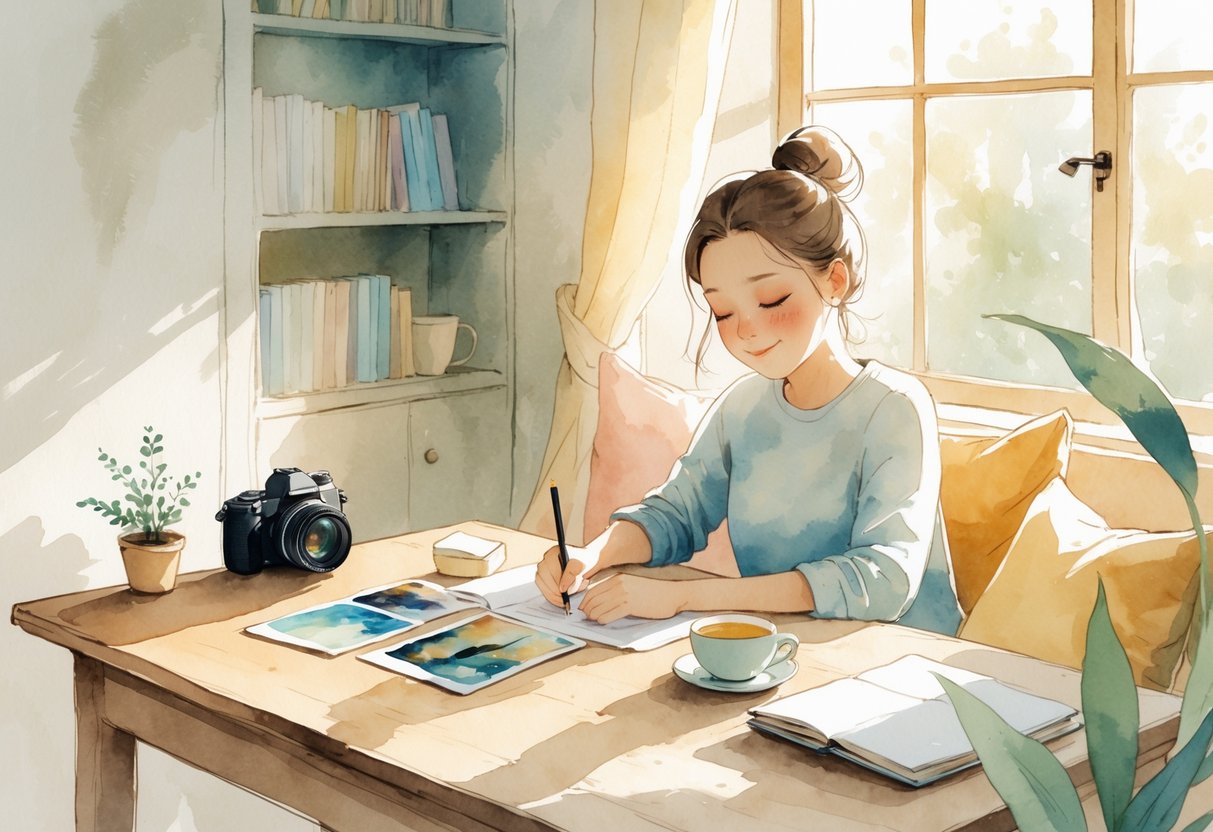
Digital photography editing gives you complete control over your creative space without any social pressure. You can work on your photos at your own pace from the comfort of your home.
There’s no need to interact with anyone while you perfect your images. This hobby lets you express yourself through color adjustments, lighting corrections, and creative filters.
You might spend an hour fine-tuning a single photo or quickly edit a batch of images. The choice is entirely yours.
Photo editing software ranges from free options like GIMP to professional programs like Adobe Lightroom. You can start with basic adjustments like brightness and contrast.
As you improve, you’ll learn more advanced techniques like layer masking and selective editing. The technical side of editing appeals to introverts who enjoy focused, detailed work.
You’ll learn about color theory, composition, and visual balance. Each editing session becomes a quiet time where you can concentrate without interruptions.
You don’t need to be a professional photographer to enjoy editing photos. You can work with your phone pictures, old family photos, or free stock images.
Digital editing also saves easily to your computer, so you can build a portfolio of your work over time. You can share your edited photos online if you want, or keep them private for your own enjoyment.
9) Writing Short Stories or Poetry
Writing gives you a private space to express yourself without needing an audience. You can work on short stories or poetry at your own pace, whether that’s 10 minutes before bed or a full Sunday afternoon.
Short stories let you create complete worlds and characters in just a few pages. You don’t need to commit to a novel.
Start with simple scenarios from your daily life or explore topics that interest you. Poetry works differently.
It focuses on feelings, images, and the sound of words. You can write haikus in three lines or longer poems that stretch across a page.
Both forms help you process your thoughts and emotions privately. There’s no pressure to share your work with anyone unless you want to.
You can start with basic prompts or writing exercises found online. Keep a notebook by your bed or use a notes app on your phone.
Write about your day, make up conversations between strangers you saw at the coffee shop, or describe a memory in detail. The best part is that writing requires zero equipment beyond paper and a pen.
You control when you write, what you write about, and whether anyone ever reads it. This hobby fits naturally into quiet evenings at home and doesn’t drain your social energy.
8) Practicing Mindfulness Meditation
Mindfulness meditation gives you a way to calm your mind without leaving home. You don’t need special equipment or expensive classes to start.
All you need is a quiet spot and a few minutes of your day. This practice works well for introverts because it requires no social interaction.
You sit quietly and focus on your breathing or body sensations. When thoughts pop up, you notice them and let them go without judgment.
You can start with just five minutes per day. Set a timer and find a comfortable position.
Close your eyes and pay attention to each breath as it moves in and out of your body. Many free apps can guide you through the process if you want extra help.
These apps offer different meditation styles and lengths to match your schedule. But you can also meditate without any tools at all.
The benefits build up over time with regular practice. You may notice feeling calmer after social events or stressful situations.
Your mind might feel less cluttered and more focused during daily tasks. Meditation helps restore your energy after being around other people.
It gives your brain a break from constant stimulation and noise. You can practice anywhere that feels peaceful to you.
Your bedroom, a park bench, or even your car during lunch break all work fine.
7) Bird Watching from Home
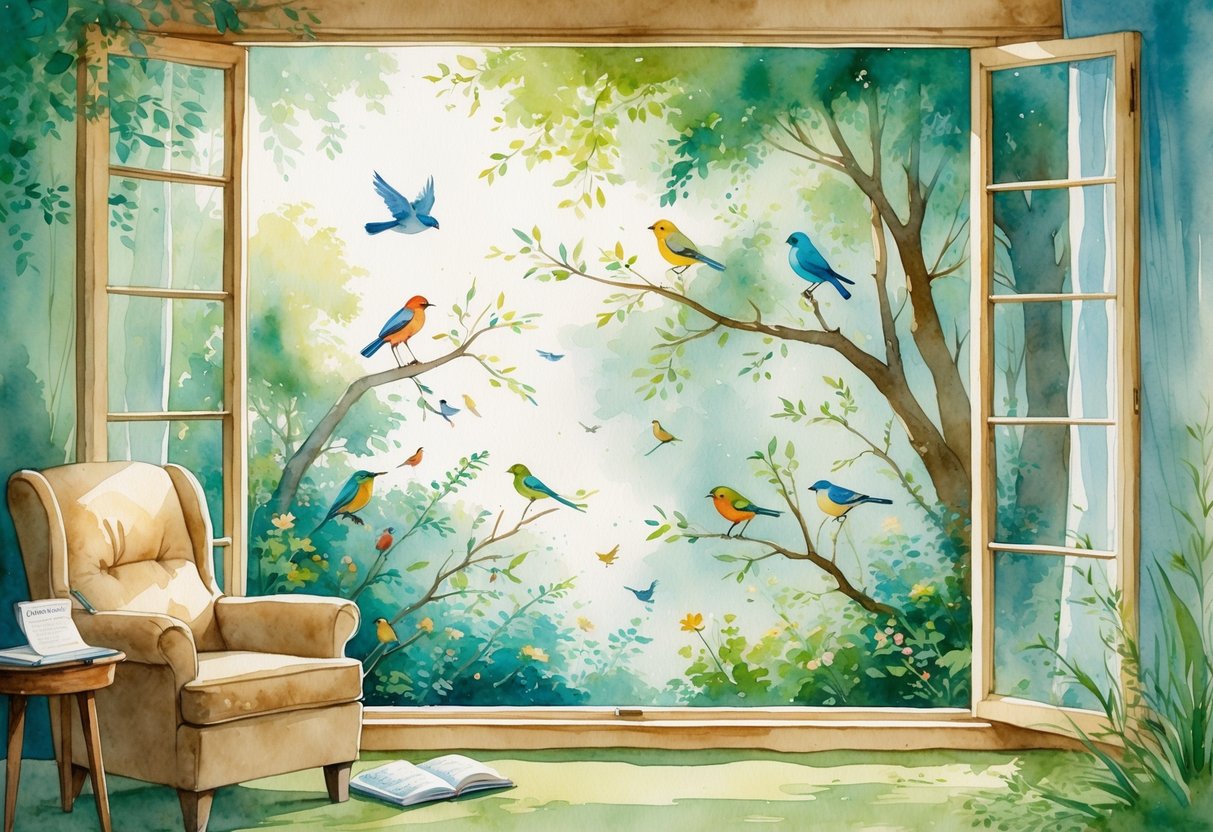
You don’t need to travel far to enjoy bird watching. Your own backyard or balcony can become a peaceful spot to observe different bird species.
This hobby requires minimal effort and lets you stay in your comfort zone. Set up a bird feeder near a window where you have a good view.
Different types of feeders attract different birds. You can use sunflower seeds, suet, or nectar depending on which birds live in your area.
Keep a notebook or use a bird identification app to track the species you see. You’ll start noticing patterns in when certain birds visit and what they prefer to eat.
This adds an element of discovery without any pressure. The activity naturally calms your mind as you focus on watching the birds.
You can spend five minutes or an hour depending on your mood and schedule. A pair of binoculars helps you see birds more clearly, but you can start without any special equipment.
Many birds come close enough to windows that you can observe them with your eyes alone. Bird watching gives you a reason to take breaks throughout your day.
You can watch while having your morning coffee or during a work break. The hobby fits easily into your existing routine and provides quiet entertainment whenever you need it.
6) Sketching or Watercolor Painting
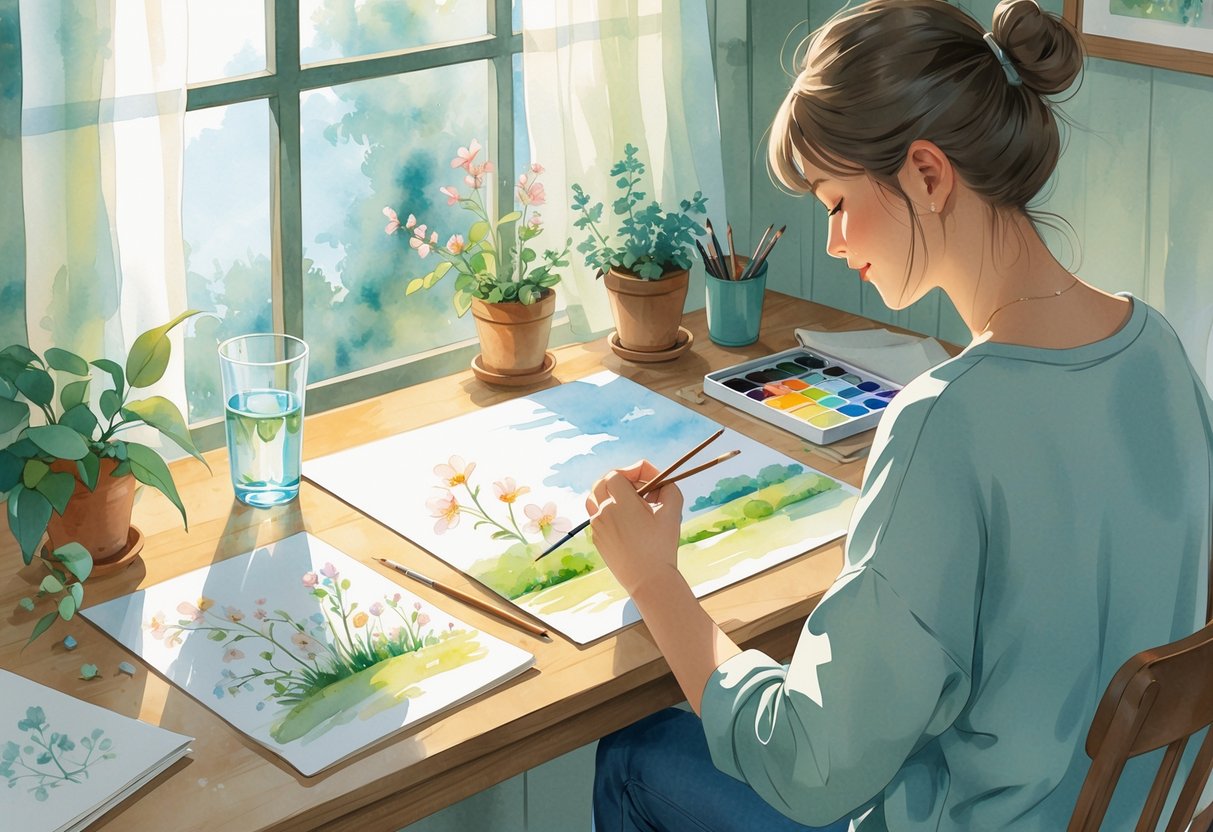
Sketching and watercolor painting are perfect creative outlets when you want something calm and personal. You don’t need any formal training or expensive supplies to start.
A basic sketchbook and pencil set costs under $20, and watercolor kits are just as affordable. These activities let you work at your own pace without pressure.
You can sketch simple objects around your home or try basic shapes and patterns. Watercolors are especially forgiving because you can layer colors and blend them with water to create soft effects.
You don’t have to share your work with anyone. You can paint or draw just for yourself, making it truly low-stress.
Many people find these hobbies relaxing because they require focus on what’s right in front of you. When you’re paying attention to light, shadow, or color mixing, your mind naturally quiets down.
Start by following simple video tutorials if you want some guidance. You can also just experiment on your own and see what happens.
Set up a small corner in your home where you can leave your supplies out. This makes it easier to pick up the hobby for even 10 or 15 minutes when you feel like it.
5) Indoor Gardening with Succulents
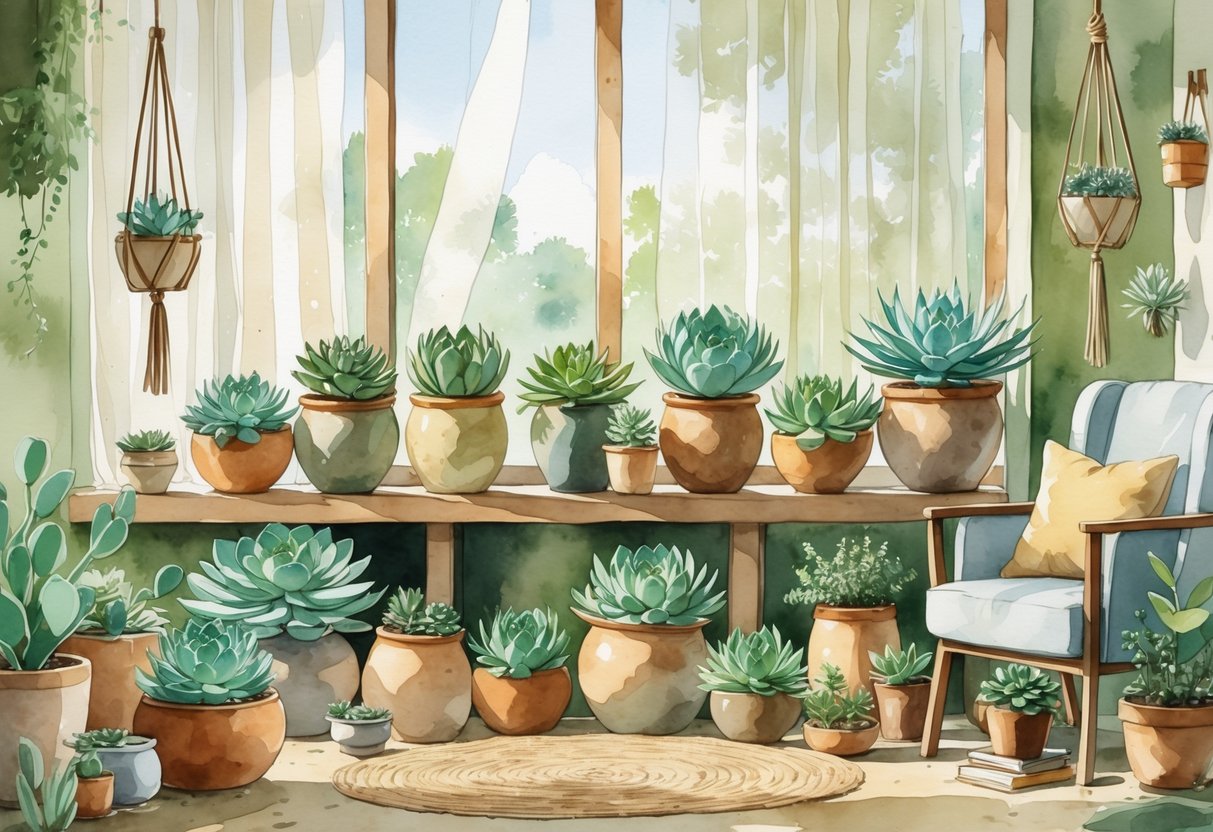
Indoor succulent gardening offers a perfect low-stress hobby for introverts who enjoy quiet, solo activities. You can create your own small garden without needing much space or time.
Succulents require minimal care compared to other plants, making them ideal for beginners. These plants have thick leaves and stems that store water.
This means you only need to water them every few weeks. You won’t have to worry about daily maintenance or complicated care routines.
Starting your indoor succulent garden is simple. You can buy a few small plants from a local nursery or garden center.
Pick varieties like jade plants, echeveria, or aloe vera that do well indoors. All you need is a container with drainage holes and special cactus soil.
Place your succulents near a window where they can get bright, indirect light. They prefer temperatures between 60 and 80 degrees.
Most homes naturally provide these conditions. You can arrange succulents in creative ways that match your style.
Try grouping different sizes and colors in one container. Or display single plants in small pots throughout your space.
You can tend to your plants whenever you want. Watching them grow slowly over time provides quiet satisfaction.
Indoor succulent gardening gives you a peaceful activity that fits naturally into an introverted lifestyle.
4) Puzzle Solving (Crosswords/Sudokus)
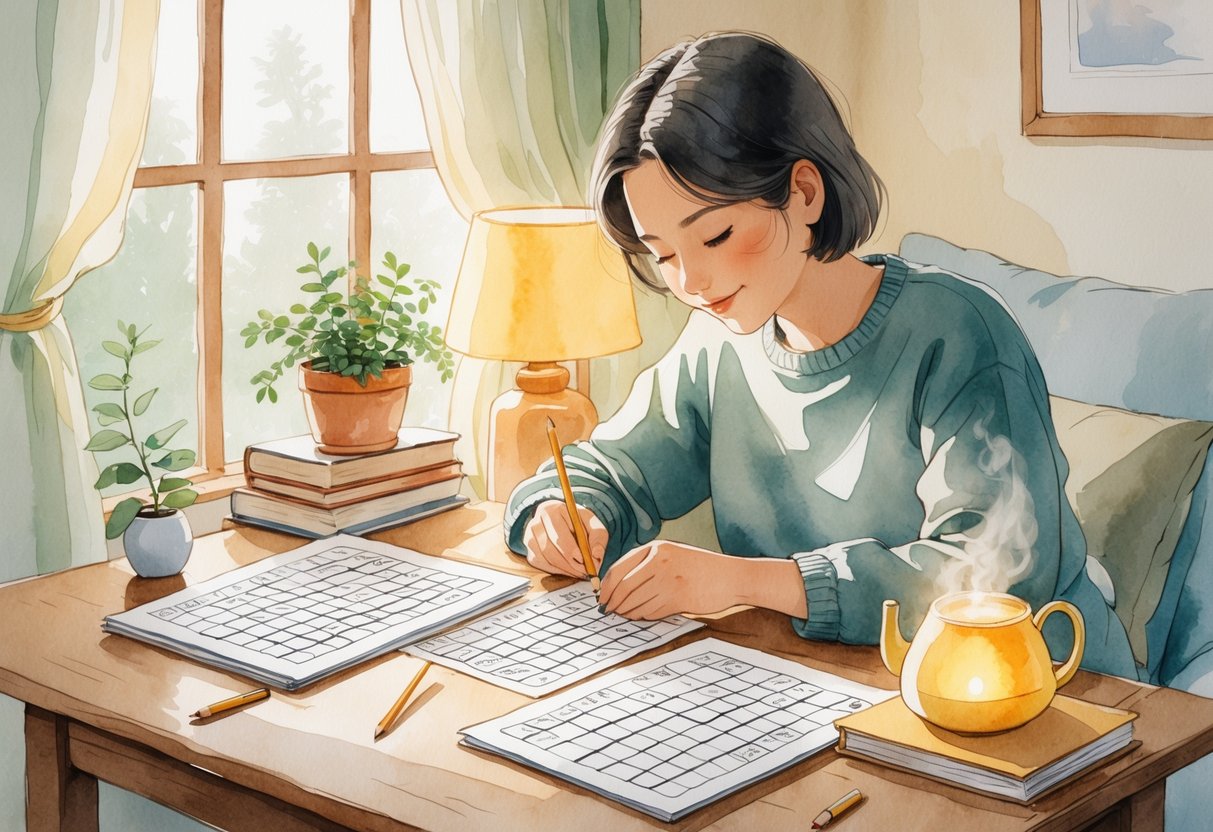
Puzzle solving gives you a focused activity that requires no social interaction. You can work on crosswords, Sudoku, or word searches at your own pace without any pressure.
These activities help improve your problem-solving skills while keeping your mind active. Working through a challenging puzzle can be both calming and mentally stimulating.
You don’t need any special equipment to start. You can buy puzzle books at most stores or download free apps on your phone.
Many newspapers still print daily puzzles that you can work on with just a pencil. The low-stakes nature of puzzles makes them perfect for stress relief.
If you get stuck, you can take a break and come back later. There’s no time limit or competition unless you choose to challenge yourself that way.
Crosswords help build your vocabulary and general knowledge. Sudoku strengthens your logic and pattern recognition skills.
Both types offer different mental challenges depending on what appeals to you. You can do puzzles anywhere—at home in your pajamas, during lunch breaks, or while waiting for appointments.
They’re portable and easy to fit into small pockets of free time throughout your day. The sense of accomplishment you get from completing a difficult puzzle provides real satisfaction.
Each solved clue or filled grid gives you small wins that add up to a finished product you can feel good about.
3) Journaling Daily Reflections
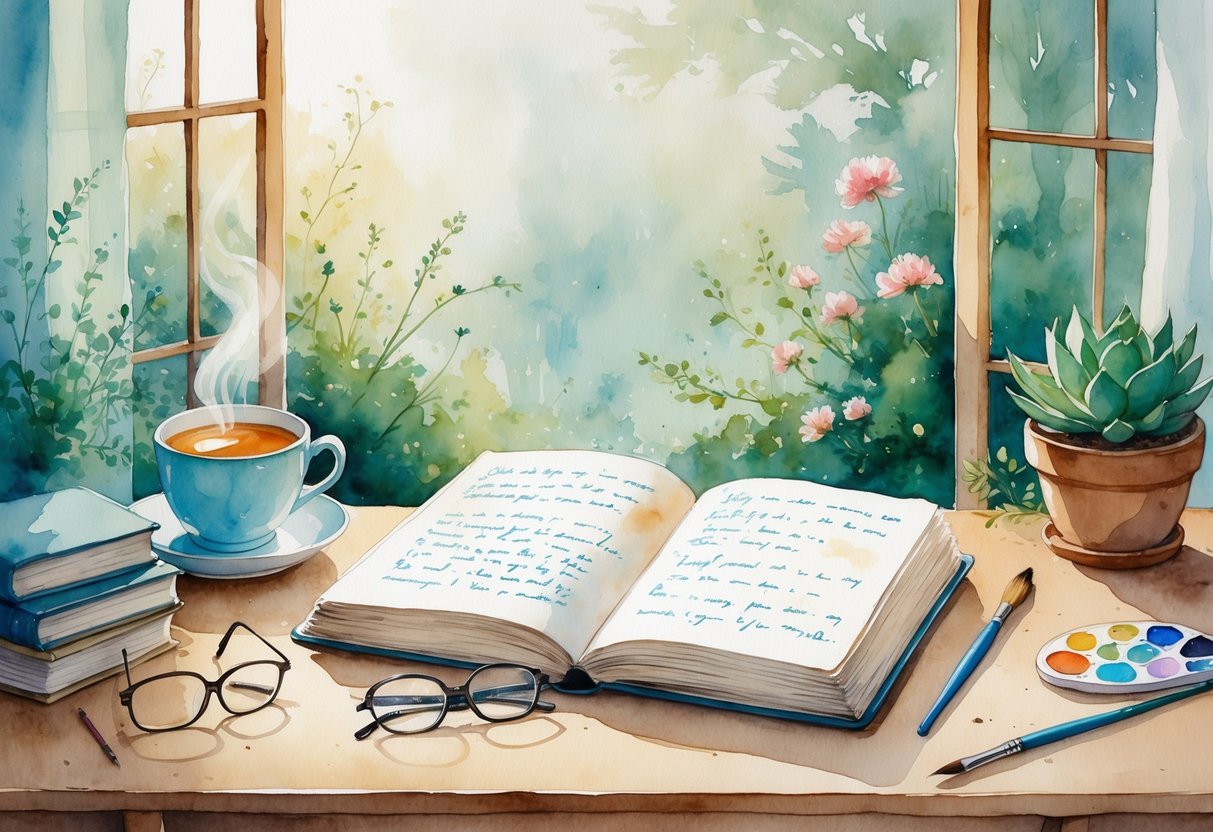
Journaling gives you a private space to sort through your thoughts without anyone else around. You can write in the morning to set your day or at night to process what happened.
You don’t need fancy supplies to start. A basic notebook and pen are enough.
Some people prefer guided prompts that give them specific things to write about. Others like free-writing where they put down whatever comes to mind without worrying about structure.
The beauty of journaling is that nobody will read it unless you want them to. You can be completely honest about your feelings, frustrations, and goals.
This makes it perfect for introverts who need time alone to understand their emotions. Bullet journaling is another option if you like organizing information.
You can track your moods, habits, or daily tasks using simple lists and symbols. It combines creativity with practical planning.
Regular journaling helps reduce stress because you’re getting thoughts out of your head and onto paper. When you write things down, they often feel less overwhelming.
You can spot patterns in your thinking and see how you’ve grown over time. Start with just five minutes a day.
Write about anything that matters to you. There are no rules about grammar or handwriting.
The messier it is, the more real it tends to be. This hobby fits perfectly into quiet moments when you want something meaningful but not draining.
2) Listening to Thought-Provoking Podcasts
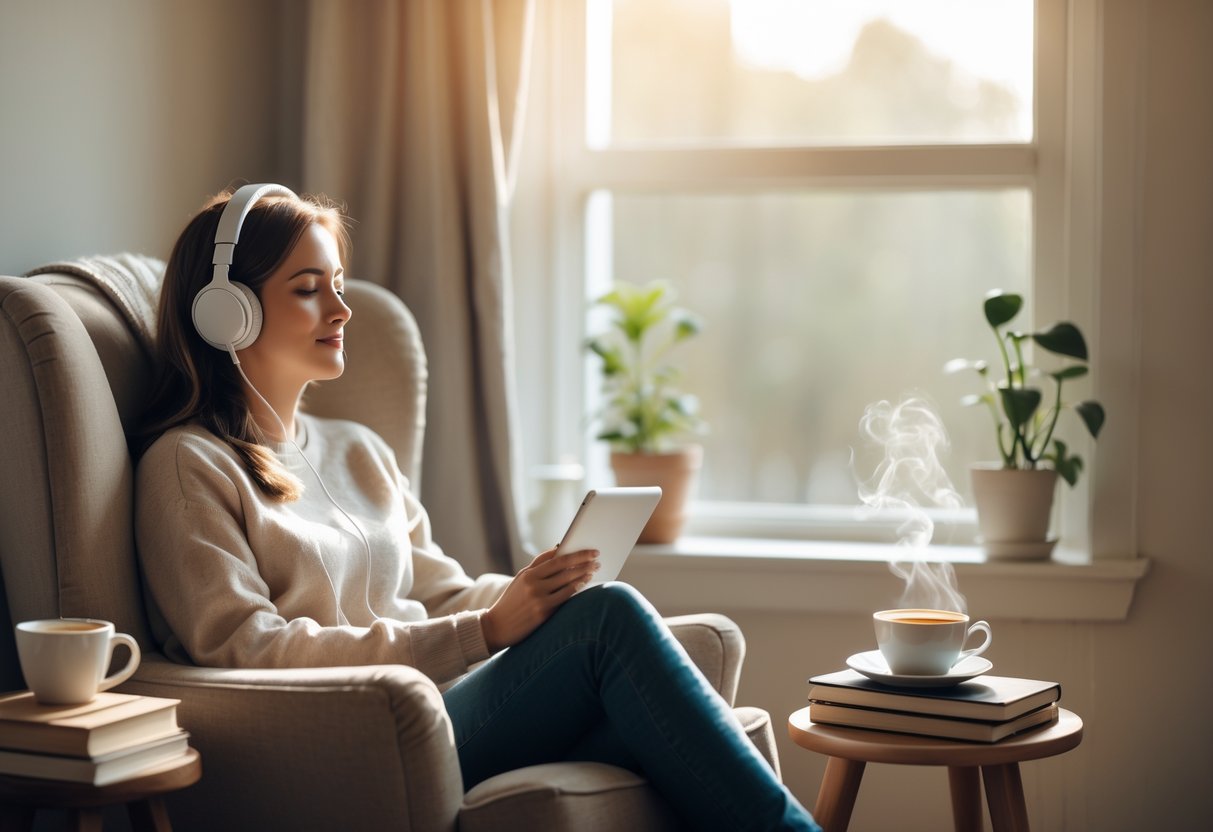
Podcasts give you a way to learn and relax without any social pressure. You can listen anywhere—at home, on a walk, or while doing chores.
The experience fits naturally into your daily routine. You have thousands of topics to choose from.
Pick shows about science, history, true crime, or personal growth. Educational podcasts let you explore subjects you care about at your own speed.
The format works well for introverts because you control when and how you engage. You can pause to think about what you heard.
You can replay sections that interest you. There’s no need to respond right away or interact with anyone.
Podcasts create a one-sided conversation that feels personal but doesn’t drain your energy. You gain new perspectives and ideas without the demands of face-to-face discussion.
Many introverts find this type of learning more comfortable than group settings or classes. You only need a smartphone and headphones to start.
Most podcast apps are free and easy to use. Download episodes ahead of time so you can listen without an internet connection.
This hobby costs nothing and requires no special skills. You simply choose topics that match your interests and press play.
The low barrier to entry makes podcasts an accessible option for anyone looking to unwind while keeping their mind engaged.
1) Reading Fiction Novels
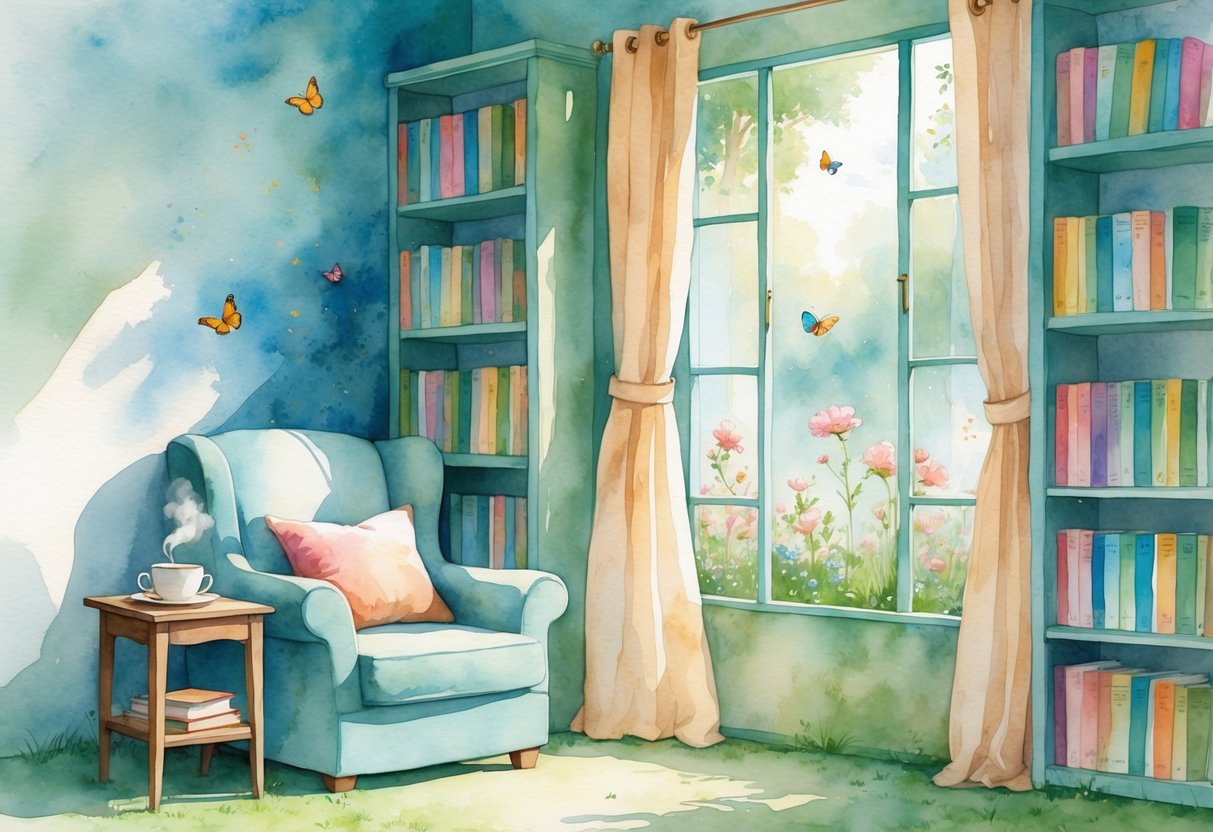
Reading fiction novels is one of the most popular hobbies for introverts. You can spend time alone while exploring new worlds and connecting with characters.
This activity requires no social interaction and lets you recharge at your own pace. Fiction books give you an escape from daily stress.
You control when and where you read, making it easy to fit into your schedule. Whether you prefer mysteries, fantasy, or romance, there’s a genre that matches your interests.
You don’t need special equipment or expensive supplies to start. A library card gives you free access to thousands of books.
You can also find affordable used books online or at local bookstores. Reading helps reduce stress naturally.
Studies show that solo hobbies like reading can lower your cortisol levels. You get mental benefits while doing something you enjoy.
You can read for ten minutes or several hours. You can curl up at home, sit in a quiet park, or read during your lunch break.
If you want to add a small social element later, you can join a book club. Many groups meet monthly and focus on meaningful discussions rather than constant interaction.
Online book communities also let you share thoughts about books without face-to-face meetings. Fiction reading gives you entertainment, relaxation, and personal time all at once.
Benefits of Low-Stress Hobbies for Introverts
Low-stress hobbies help you recharge your energy while reducing anxiety and building new skills. They create space for you to grow at your own pace without the pressure of social demands.
Boosting Mental Well-Being
Low-stress hobbies lower your cortisol levels, which is the hormone responsible for stress. When you spend time on calm activities like reading, painting, or gardening, your body enters a relaxed state.
This gives your mind a break from daily pressures. These activities also help you process emotions in a safe environment.
You can work through thoughts and feelings without outside interruption. Many introverts find that solo hobbies provide the quiet time they need to feel balanced.
Mental health benefits include:
- Reduced anxiety and stress
- Better sleep quality
- Improved mood
- Lower risk of burnout
- Increased emotional stability
Your brain needs downtime to function well. Low-stress hobbies give you that recovery period.
They let you recharge your social battery after dealing with people and busy environments.
Encouraging Personal Growth
Hobbies push you to learn new skills without the stress of competition or judgment. You set your own goals and move forward at a comfortable speed.
This freedom helps you explore interests you might have ignored before. Each hobby teaches you something different.
Writing improves your communication skills. Drawing enhances your observation abilities.
Cooking builds your patience and attention to detail. You also develop discipline through regular practice.
When you commit time to a hobby, you build habits that strengthen your focus. This discipline often carries over into other areas of your life.
You measure success on your own terms. You don’t need to compare yourself to others or meet external standards.
Building Confidence in Social Settings
Low-stress hobbies give you knowledge and skills to discuss with others. When you develop expertise in an area, you have something interesting to share in conversations.
This makes social situations less intimidating. Your hobbies also connect you with like-minded people.
You can join small groups or online communities focused on your interests. These settings feel safer because everyone shares a common passion.
As you improve at your hobby, you gain confidence in your abilities. This self-assurance shows up in other situations.
You start believing in yourself more, which makes interactions with others easier to handle.
Tips for Creating a Relaxing Hobby Space
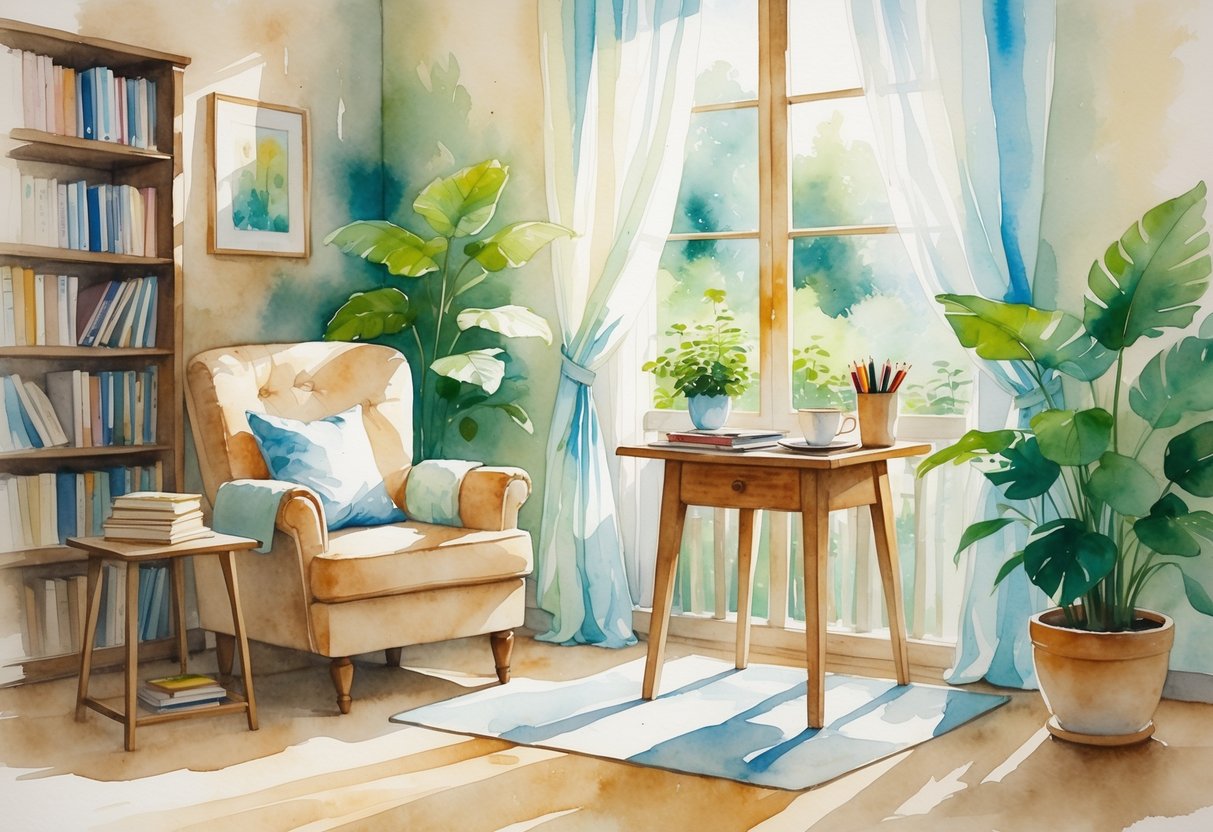
The right space can make your hobby time more enjoyable and less stressful. A well-designed area helps you focus, feel comfortable, and fully recharge during your alone time.
Choosing the Right Environment
Pick a spot in your home that feels naturally calm to you. This could be a corner of your bedroom, a spare room, or even a section of your living room that’s away from high-traffic areas.
Consider the lighting in your chosen space. Natural light works best for most hobbies because it reduces eye strain and improves your mood.
If natural light isn’t available, use warm-toned lamps instead of harsh overhead lights. Think about the noise level too.
Your hobby space should be far from loud appliances, busy streets, or areas where others gather frequently. If you can’t avoid noise completely, consider using a white noise machine or soft background music to create a sound barrier.
Temperature matters more than most people realize. Make sure your space has good air circulation and stays at a comfortable temperature year-round.
Minimizing Distractions
Put your phone on silent or leave it in another room when you’re doing your hobby. Digital notifications pull your attention away and increase stress instead of reducing it.
Create physical boundaries if you share your living space with others. A closed door, a folding screen, or even a “do not disturb” sign helps communicate that you need uninterrupted time.
Keep only the supplies you need for your current hobby in your space. Extra clutter creates visual noise that makes it harder for your brain to relax.
Use storage boxes or drawers to hide items you’re not actively using. Set specific hobby times when possible.
Having a regular schedule trains your household to respect your alone time and helps you mentally prepare to focus.
Incorporating Comfort and Personalization
Add seating that supports your body properly for your chosen hobby. A good chair with back support prevents physical discomfort that can ruin your relaxation time.
Include items that make the space feel uniquely yours. This might be plants, photos, artwork, or colors that you find soothing.
Personal touches help your brain associate the space with calm and creativity. Keep the temperature comfortable with a blanket, fan, or small heater nearby.
Being too hot or cold pulls your focus away from your hobby.
Essential comfort items to consider:
- Cushions or pillows for extra support
- A small table or surface at the right height
- Adequate storage within arm’s reach
- Good quality tools or supplies for your hobby
- A water bottle or tea cup holder
Make sure everything you need regularly is easy to reach without getting up. The fewer interruptions you have, the more deeply you can sink into your hobby and enjoy true stress relief.
Frequently Asked Questions
Many introverts have similar questions about finding the right hobbies that match their energy levels and comfort zones. Budget concerns, social opportunities, mental health benefits, and outdoor options are common topics that come up when exploring new activities.
What are some affordable hobbies suitable for introverts looking to relax?
Writing short stories or poetry costs almost nothing to start. You only need paper and a pen, or you can use free apps on your phone or computer.
Sketching requires minimal supplies like a basic pencil set and sketch pad. Bird watching from home is free if you already have a window or outdoor space where you can observe birds.
Mindfulness meditation needs no equipment at all. You can find free guided meditation videos and apps online to help you get started.
How can introverts find hobbies that also encourage making new friends?
Join small online communities focused on your hobby interests. Photography editing groups and writing forums let you connect with others at your own pace without face-to-face pressure.
Look for hobby-specific clubs that meet in quiet settings. Bird watching groups often gather in peaceful outdoor spaces with limited talking required.
You can attend workshops or classes with small group sizes. Watercolor painting classes or photography meetups typically attract quieter people who focus on the activity rather than constant socializing.
Which activities can help introverts with anxiety and depression?
Mindfulness meditation directly addresses anxiety symptoms by teaching breathing techniques and present-moment awareness. Studies show that regular meditation practice can lower stress hormone levels.
Creative activities like sketching and watercolor painting provide a mental break from anxious thoughts. The focus required for these hobbies gives your mind something calming to concentrate on.
Writing poetry or short stories helps you process emotions in a private, controlled way. Bird watching offers gentle outdoor exposure and connection to nature, which research links to improved mood.
Are there any outdoor activities particularly well-suited for introverts?
Bird watching is perfect for introverts who want outdoor time without crowds. You can do it alone in your backyard, at a quiet park, or on nature trails during off-peak hours.
Photography walks let you explore outdoor spaces while focusing on your camera rather than social interaction. Early morning or evening shoots often mean fewer people around.
Nature sketching combines fresh air with creative focus. You can find a peaceful spot in a garden or park and spend time drawing plants, landscapes, or wildlife.
What types of hobbies can introverts engage in for enjoyment without feeling overwhelmed?
Solo creative hobbies work well because you control the pace and environment. Digital photography editing, sketching, and watercolor painting let you work alone in quiet spaces.
Low-stimulation activities like bird watching and meditation don’t require mental multitasking. These hobbies involve simple, focused actions that feel calming rather than draining.
Writing activities give you complete control over when and where you engage. You can write for five minutes or two hours, depending on your energy level that day.
Which low-stress hobbies can contribute to reducing anxiety and depression?
Mindfulness meditation teaches you techniques to manage racing thoughts and worry patterns. Regular practice can help you feel more grounded and less reactive to stress triggers.
Creative expression through writing, sketching, or painting provides an emotional outlet. These activities let you express feelings without needing to talk about them with others.
Bird watching and nature-based hobbies encourage you to spend time outdoors. The quiet observation involved in these activities naturally calms an overactive mind.