10 Best Hobbies for Occupational Therapists to Support Self-Care: Evidence-Based Activities to Prevent Burnout and Enhance Well-Being
Occupational therapists spend their days helping others improve their quality of life through meaningful activities. However, the demands of the profession can lead to stress and burnout if self-care isn’t prioritized.
Finding hobbies that support your mental and physical well-being is essential for maintaining balance in your career.
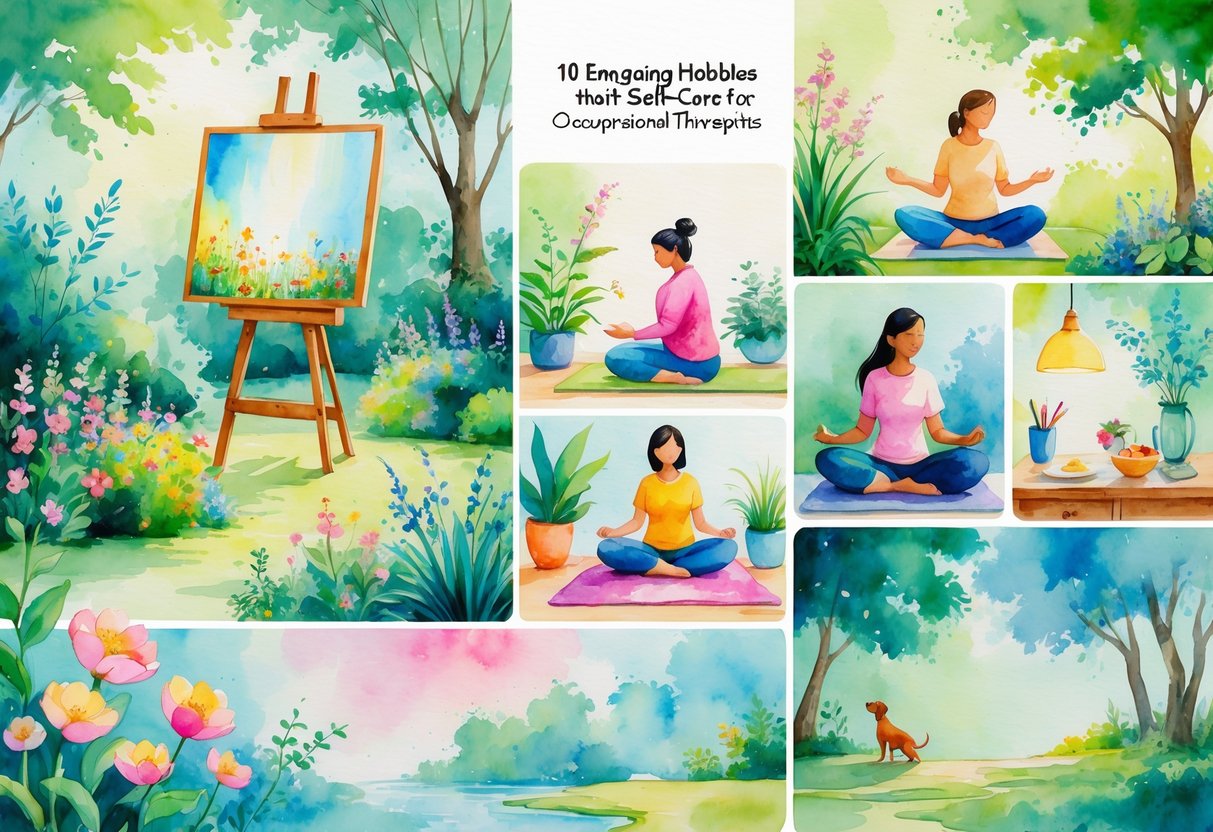
Engaging in specific hobbies can help you manage stress, build resilience, and recharge so you can continue providing quality care to your clients. The activities you choose for yourself can offer the same benefits you work to provide for others.
From creative pursuits to physical activities, certain hobbies align naturally with the principles of occupational therapy while supporting your personal wellness.
This guide explores hobbies that promote relaxation, focus, and emotional balance. You’ll learn how different activities can fit into your routine and contribute to a sustainable self-care practice.
10) Meditation to Develop Concentration and Resilience

Meditation offers occupational therapists a practical way to build mental strength and focus. Regular practice helps you stay present during challenging therapy sessions and reduces mental fatigue from demanding caseloads.
Starting a meditation practice doesn’t require special equipment or extensive time. You can begin with just five minutes each day, gradually increasing as you become more comfortable.
Simple breathing exercises work well for beginners. The concentration you develop through meditation transfers directly to your clinical work.
You’ll notice improved focus when documenting patient progress or creating treatment plans. This heightened awareness also helps you pick up on subtle changes in client behavior during sessions.
Meditation builds resilience by teaching you to observe stressful thoughts without becoming overwhelmed by them. As an occupational therapist, you face emotional situations regularly.
This practice gives you tools to process difficult experiences without carrying them home. You can practice meditation anywhere.
Try a few minutes in your car before work or during a lunch break. Many therapists find morning meditation sets a calm tone for the entire day.
Research shows that consistent meditation practice improves emotional regulation and reduces burnout symptoms.
9) Photography for Creative Expression and Presence

Photography gives you a creative outlet that fits naturally into your daily life. You can practice it anywhere, whether you’re documenting nature during a weekend hike or capturing everyday moments at home.
This hobby helps you develop mindfulness and presence. When you focus on composing a shot, you naturally shift your attention to the present moment.
You notice details like lighting, colors, and patterns that you might otherwise overlook. The creative process of photography supports your mental health in practical ways.
You make decisions about framing, timing, and perspective. These choices engage your problem-solving skills while providing a break from work-related thinking.
Photography also creates a record of positive experiences and meaningful moments. Looking back at your photos can remind you of good times and help you appreciate the small things in life.
This practice builds a personal collection of visual memories that support your emotional well-being. You don’t need expensive equipment to start.
Your smartphone camera works perfectly fine for learning basic photography skills. You can explore different subjects like landscapes, portraits, street scenes, or macro shots of everyday objects.
Many occupational therapists find that photography complements their professional understanding of meaningful activities. The hobby requires both technical skills and creative vision.
You can share your work with others or keep it private, depending on what feels right for you.
8) Playing a Musical Instrument for Cognitive Stimulation

Learning to play a musical instrument offers occupational therapists a powerful way to support their own brain health. When you play an instrument, you engage multiple areas of your brain at once.
This includes coordination, memory, and creative thinking. Playing music requires you to read notes, move your hands in specific patterns, and listen carefully to what you create.
These activities work together to strengthen neural connections in your brain. Research shows that musical instrument playing can improve cognitive functioning in adults of all ages.
You don’t need to become an expert musician to gain these benefits. Even practicing for short periods each week can make a difference.
The act of learning something new creates neuroplasticity, which is your brain’s ability to adapt and change over time. As an occupational therapist, you likely understand the value of activities that challenge the brain.
Playing an instrument gives you a practical way to apply this knowledge to your own self-care routine. You can choose any instrument that interests you, whether it’s piano, guitar, drums, or something else entirely.
The cognitive benefits extend beyond just brain health. Playing music can also help reduce stress and improve focus.
7) Bird Watching to Connect with Nature and Reduce Anxiety

Bird watching offers occupational therapists a simple way to step away from demanding workdays and reconnect with the natural world. You don’t need expensive equipment or special training to start.
All it takes is a quiet moment outside and your willingness to look and listen. This hobby helps reduce stress through its calming, focused nature.
When you watch birds, your attention shifts to their movements, songs, and behaviors. This natural focus pulls your mind away from work worries and daily pressures.
Bird watching also gets you outside and moving. Even short walks to find birds provide gentle physical activity.
The combination of movement and nature exposure helps improve your mood and mental health. You can practice bird watching alone for peaceful reflection or join local birding groups for social connection.
Both approaches offer mental health benefits. Many occupational therapists find that sharing bird sightings with others creates meaningful conversations and friendships.
The hobby works well with your schedule since you control when and where you watch birds. You might spend five minutes observing birds during lunch or take longer weekend trips to nature areas.
Starting requires minimal investment. You can begin by simply noticing birds in your neighborhood or workplace surroundings.
Bird watching builds your observation skills while providing a sense of calm.
6) Knitting or Crocheting to Promote Focus and Calmness
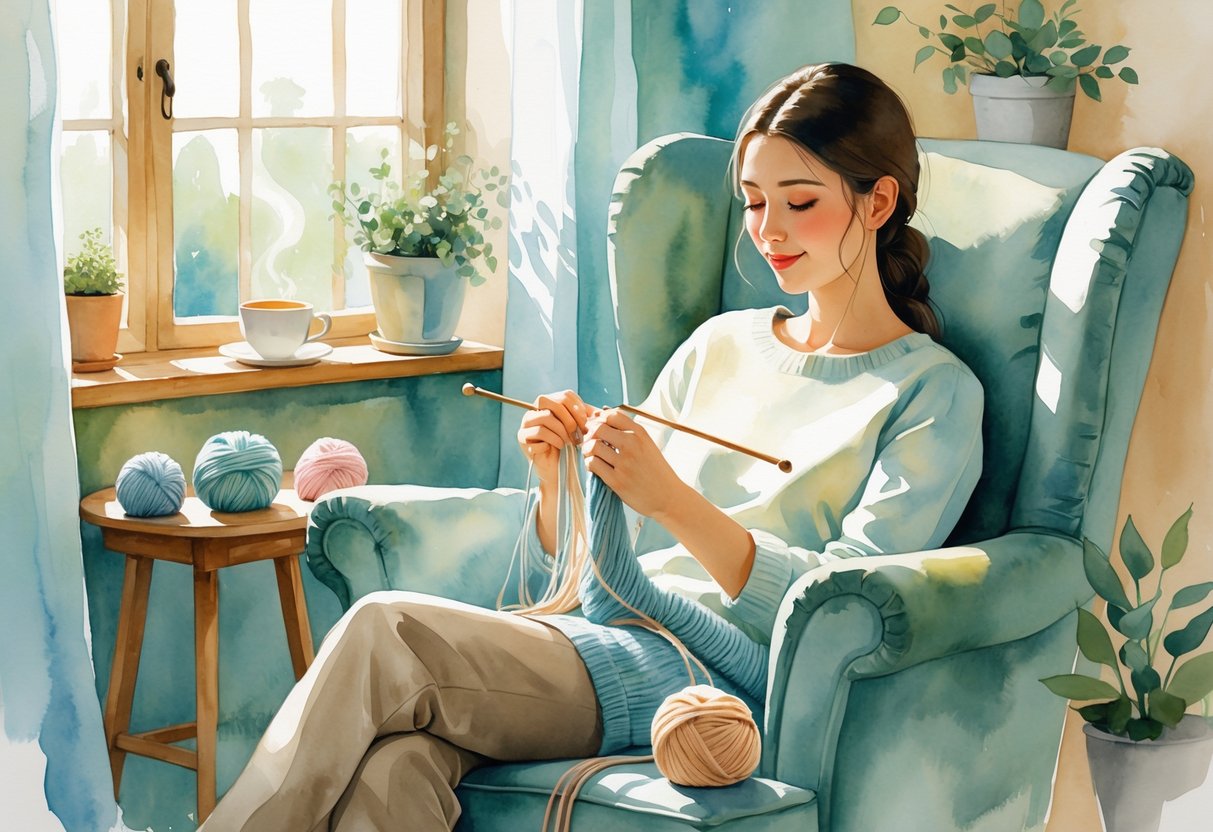
Knitting and crocheting offer simple ways to calm your mind after long days of supporting clients. The repetitive hand movements create a rhythm that helps quiet racing thoughts.
You focus on each stitch, which naturally pulls your attention away from work stress. These fiber arts work well for occupational therapists because you already understand how activities affect the nervous system.
The steady, predictable motions engage your hands and brain in a way that promotes relaxation. When you knit or crochet, you enter a state of focused concentration.
Your mind stays busy with the pattern and movements, leaving less room for worry or mental clutter. This can be especially helpful when you need to decompress after challenging sessions.
You don’t need expensive supplies or advanced skills to start. Basic projects like scarves or dishcloths let you practice the motions and build muscle memory.
As you work, the repetitive nature of the craft creates a calming effect on your body. The portable nature of these hobbies makes them practical for your schedule.
You can bring a small project to work on during lunch breaks or keep one at home for evening relaxation. Each completed row or round gives you a small sense of progress.
5) Cooking Healthy Meals as a Therapeutic Outlet

Cooking offers you a unique way to practice self-care while creating something nourishing for your body. As an occupational therapist, you already understand how cooking serves as an essential instrumental activity of daily living.
When you apply this knowledge to your own life, you can use cooking as a therapeutic tool. The process of preparing meals helps reduce stress through mindful engagement.
You focus on chopping vegetables, measuring ingredients, and following recipes. These actions keep you present in the moment and away from work-related worries.
Cooking also builds your sense of accomplishment. Each completed meal represents a tangible result of your effort.
You gain control over what you eat when you cook for yourself. This means you can choose ingredients that support your physical health and energy levels.
Better nutrition directly impacts your ability to show up fully for your clients. The creative aspects of cooking let you express yourself outside of clinical settings.
You can experiment with new flavors, try different cuisines, or modify recipes to suit your preferences. Setting aside time to cook creates a routine that separates work from personal life.
4) Journaling to Foster Reflection and Emotional Balance

Journaling offers occupational therapists a simple way to process the emotional demands of their work. You can use this practice to explore your thoughts and feelings in a safe, private space.
Writing helps you make sense of challenging patient interactions and workplace stress. You don’t need special skills or expensive materials to start.
A basic notebook and pen work just fine. Many therapists find that spending 10 to 15 minutes writing each day helps them maintain emotional balance.
Different journaling methods serve different purposes. You might write freely about your day or use specific prompts to guide your reflection.
Some prompts can focus on gratitude, while others help you identify sources of stress or examine your professional values. Regular journaling can improve your self-awareness.
You’ll start noticing patterns in your emotional responses and recognize early signs of burnout. This awareness helps you take action before stress becomes overwhelming.
When you process your own emotions through writing, you create mental space to be fully present with your patients. You’ll find it easier to separate your feelings from theirs.
You can journal at any time that works for your schedule. Some therapists prefer morning writing to set intentions for the day.
Others journal in the evening to decompress and reflect. Pick a time when you can write without interruptions.
3) Yoga to Improve Flexibility and Mental Clarity

Yoga offers occupational therapists a practical way to care for both body and mind. This practice helps you build physical flexibility while supporting your mental health.
You can start with just 10 to 15 minutes each day. The physical benefits include better flexibility and reduced muscle tension.
As an occupational therapist, you likely spend long hours working with patients in various positions. Regular yoga practice helps counter the physical strain of your work.
Yoga also strengthens your mental focus and clarity. Research shows it can improve executive functions like decision-making, memory, and reaction time.
These skills matter when you need to assess patients and adjust treatment plans quickly. The practice naturally reduces stress hormones in your body.
It increases feel-good chemicals called endorphins and brings more oxygen to your brain. You might notice improvements in your mood and ability to handle workplace challenges.
You can begin with beginner-friendly videos online or join a local class. All you need is a yoga mat and a quiet space.
Try different styles to find what works best for your schedule and preferences. The mindfulness aspect of yoga helps quiet anxious thoughts.
This creates space for clearer thinking during and after your practice. Many occupational therapists find this mental reset valuable for maintaining their effectiveness at work.
2) Painting to Enhance Creativity and Reduce Stress
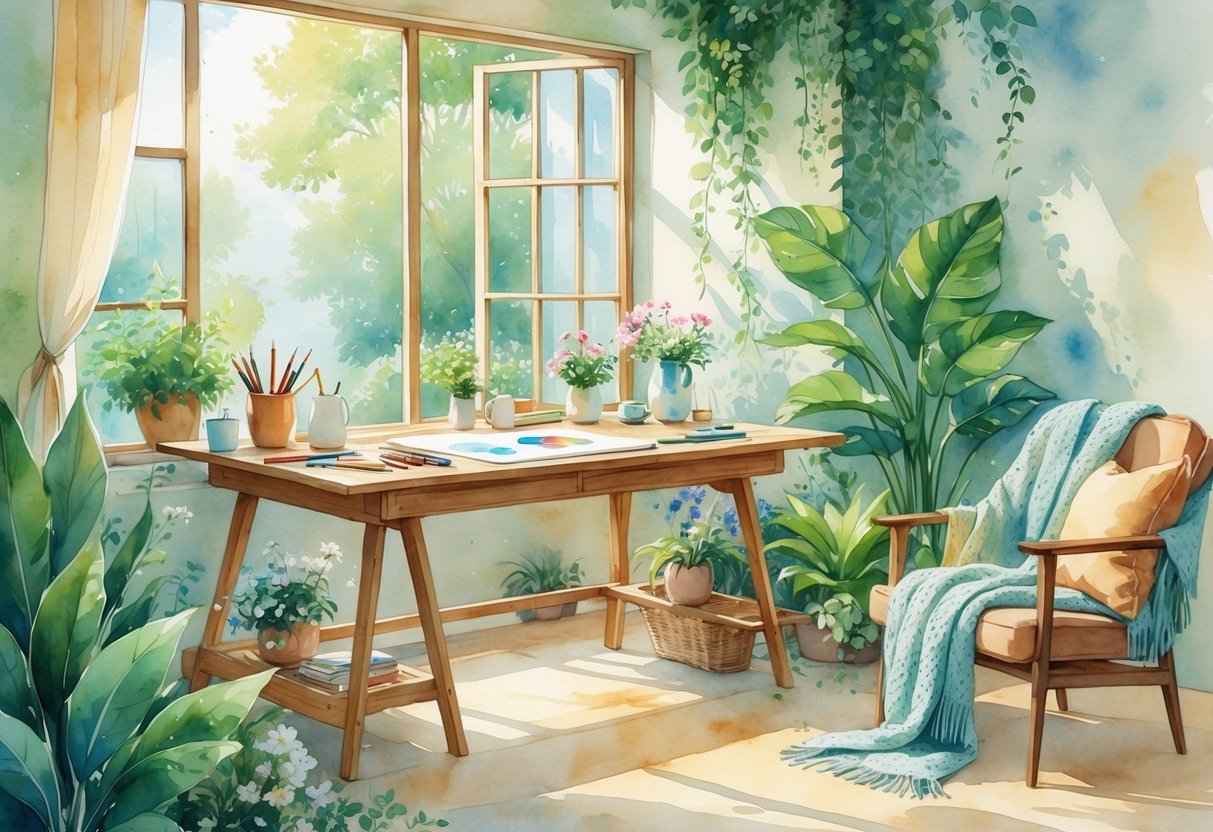
Painting offers occupational therapists a hands-on way to unwind after demanding workdays. When you pick up a brush, you shift your focus away from clinical responsibilities and into a space of personal expression.
You don’t need advanced skills to benefit from painting. Simple activities like watercolor washes or acrylic pour painting can help you relax.
The repetitive motions of brush strokes naturally calm your nervous system. Painting activates different parts of your brain than the ones you use during therapy sessions.
This mental shift helps you process emotions and reduce work-related stress. You create something tangible while giving your mind a break from problem-solving.
The creative process allows you to express feelings that might be hard to put into words. As an occupational therapist, you spend your days supporting others.
Painting gives you a chance to focus on your own needs and emotional well-being. You can paint for just 20 minutes to feel the benefits.
Keep supplies at home so you can easily start a session when you need stress relief. Many occupational therapists find that regular painting improves their mood and helps them maintain better work-life balance.
The skills you develop through painting can also inform your clinical practice. You gain firsthand experience with the therapeutic benefits of creative activities.
This knowledge helps you better understand and guide your clients through similar interventions.
1) Gardening for Relaxation and Mindfulness
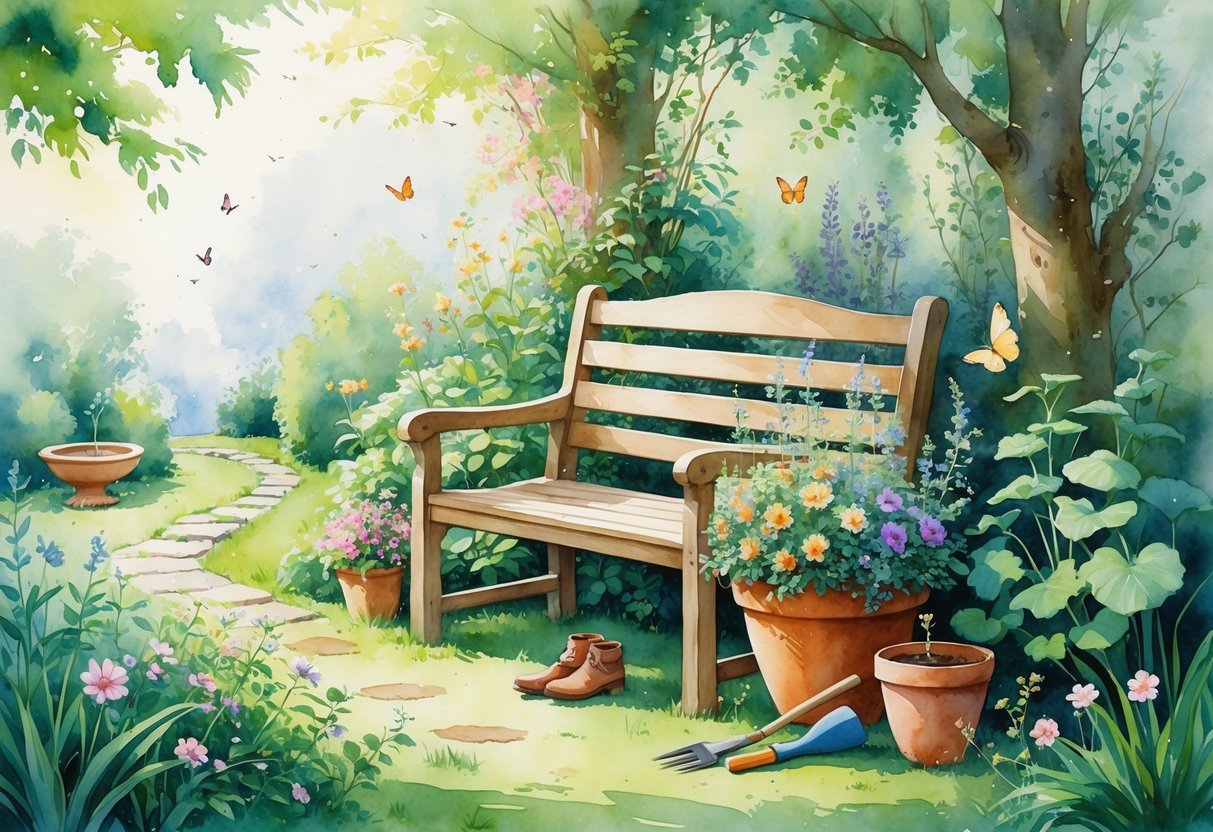
Gardening offers occupational therapists a hands-on way to practice self-care while staying connected to nature. When you work with soil and plants, you engage your senses in a calming activity that naturally reduces stress.
The repetitive motions of planting, weeding, and watering create a rhythm that helps quiet your mind. You don’t need a large outdoor space to benefit from gardening.
A small container garden on your balcony or a few herbs on your windowsill can provide the same mental health benefits. The key is regular engagement with living plants.
Gardening encourages mindfulness because it requires you to focus on the present moment. You notice the texture of soil, the color of new leaves, and the progress of your plants over time.
This attention to detail gives your mind a break from work-related concerns and daily stressors. The practice also provides a sense of accomplishment.
You can see the direct results of your efforts as plants grow and thrive. This visible progress can be especially valuable when your professional work involves long-term client goals that take time to achieve.
Starting a gardening practice doesn’t require special skills or expensive equipment. Begin with easy-to-grow plants and simple tasks.
Even spending 15 minutes a day tending to your garden can help you reset and recharge. The physical activity involved also supports your overall health while giving you a peaceful outlet outside of your clinical work.
The Role of Hobbies in Occupational Therapist Self-Care
Occupational therapists face unique workplace pressures that can lead to burnout, making personal hobbies a practical tool for maintaining mental and physical health. Regular engagement in leisure activities provides measurable benefits for stress management and work-life balance.
Understanding Occupational Stress
Occupational therapists work in demanding environments that require emotional energy and physical stamina. You handle multiple clients daily, manage complex treatment plans, and navigate healthcare system challenges.
The profession involves constant decision-making about patient care. You must stay updated on treatment techniques while meeting documentation requirements.
This combination creates mental fatigue that builds over time.
Common stress factors include:
- Heavy caseloads and time pressure
- Emotional burden from patient outcomes
- Administrative tasks and paperwork
- Physical demands of hands-on therapy
- Balancing multiple patient needs
Your work also involves emotional investment in patient progress. When patients struggle or face setbacks, you may experience secondary stress.
This emotional labor adds to daily workplace demands.
Benefits of Regular Leisure Activities
Hobbies provide a mental break from clinical thinking and patient care responsibilities. When you engage in activities you enjoy, your brain shifts away from work-related stress patterns.
Regular leisure activities reduce cortisol levels and improve mood stability. Physical hobbies like gardening or sports offer additional benefits through movement and outdoor exposure.
Creative activities like painting or music activate different brain regions than those used during therapy work.
Key benefits for therapists:
- Stress reduction: Lowers physical tension and anxiety
- Mental clarity: Improves focus when you return to work
- Energy restoration: Rebuilds emotional reserves
- Work-life separation: Creates clear boundaries between professional and personal time
Hobbies also help you maintain your identity outside of your professional role. This separation protects against burnout by ensuring your self-worth isn’t tied solely to job performance.
Creating Sustainable Self-Care Routines
Building self-care into your daily life requires practical planning and realistic expectations about your schedule. The key is to start small and create habits that fit naturally into your existing routine rather than adding stress through overly ambitious goals.
Finding Time for Hobbies
Your work schedule as an occupational therapist doesn’t have to prevent you from enjoying hobbies. Start by examining your weekly calendar and identifying small pockets of time that currently go unused.
Even 15-20 minutes during lunch breaks or before your workday starts can become valuable hobby time.
Time-Finding Strategies:
- Wake up 30 minutes earlier twice a week
- Use your commute for audio-based hobbies like podcasts or audiobooks
- Block off one evening per week as non-negotiable hobby time
- Replace passive scrolling with active hobby engagement
You don’t need hours of free time to maintain a hobby. Many self-care activities work well in short bursts throughout your week.
Reading can happen during breaks. Sketching takes just minutes.
Walking fits into lunch hours. Track your hobby time for two weeks to see patterns in when you’re most likely to follow through.
Morning people should schedule hobbies early. Night owls can plan for evenings.
Balancing Professional and Personal Wellness
Your professional skills in occupational therapy can inform your personal self-care approach. Apply the same goal-setting and activity analysis you use with clients to your own wellness needs.
Set boundaries between work and personal time by establishing clear rules. Turn off work email notifications after hours.
Avoid bringing documentation home more than once per week. Create a transition ritual between leaving work and starting personal time.
Work-Life Balance Checklist:
- Defined work hours with limited exceptions
- Separate work and personal phone numbers or apps
- Regular breaks during the workday
- At least one hobby session per week
Your hobbies should energize you rather than drain you. Choose activities that contrast with your work demands.
If your job involves constant social interaction, solitary hobbies like gardening or painting provide balance. Desk-based documentation time calls for physical hobbies like hiking or dancing.
Monitor your stress levels and adjust your self-care routine accordingly. Some weeks require more intensive hobby time.
Others need flexibility and grace when work demands increase temporarily.
Frequently Asked Questions
Occupational therapists face unique challenges that require intentional self-care practices. These questions address practical ways to maintain well-being through hobbies and activities that support both personal and professional health.
What activities can occupational therapists engage in to reduce work-related stress?
Meditation stands out as an effective stress-reduction activity. It helps you develop concentration and build resilience against daily workplace pressures.
Regular practice can lower your stress levels in as little as 10 minutes per day. Photography offers another strong option for managing stress.
This hobby pulls your attention into the present moment and away from work concerns. You focus on composition, lighting, and subjects rather than job-related worries.
Playing a musical instrument provides cognitive engagement that shifts your mind away from stressful thoughts. Learning new songs or practicing scales requires full attention, which naturally reduces rumination about work.
How does participation in hobbies support occupational therapists’ mental health?
Hobbies create clear boundaries between work time and personal time. This separation helps prevent burnout and maintains your mental clarity.
When you engage in activities like bird watching or knitting, you give your mind a break from professional responsibilities. Creative hobbies like photography and music stimulate different parts of your brain than clinical work.
This variation in mental activity supports overall brain health. You build new neural pathways that can improve problem-solving and creativity in all areas of life.
Regular hobby participation reduces symptoms of anxiety and depression. Activities that connect you with nature, like bird watching, have documented calming effects.
Repetitive crafts such as crocheting trigger relaxation responses in your nervous system.
Which hobbies can improve physical well-being for occupational therapists?
Bird watching gets you outdoors and moving. You walk through different terrains and spend time in nature, which provides both physical exercise and fresh air.
This combination supports cardiovascular health and vitamin D production. Knitting and crocheting improve fine motor skills and hand-eye coordination.
These activities maintain dexterity in your fingers and hands, which matters for therapists who use their hands extensively at work. The repetitive motions can also reduce tension in your upper body when done with proper posture.
Playing musical instruments engages multiple physical systems at once. Wind instruments strengthen your respiratory system.
String and percussion instruments build finger strength and coordination. Even sitting at a piano improves your posture awareness.
Are there evidence-based hobbies that can enhance occupational therapists’ job performance?
Meditation has strong research support for improving focus and decision-making skills. Studies show that regular meditation practice enhances your ability to concentrate during complex tasks.
This directly applies to treatment planning and patient interactions. Learning musical instruments strengthens cognitive functions like memory and attention.
Research indicates that musicians show improved executive function, which helps with clinical reasoning. These skills transfer to your ability to process patient information and adjust treatment plans.
Photography develops observational skills that apply to patient assessment. You learn to notice small details and patterns, which can improve your ability to spot subtle changes in patient progress.
The creative problem-solving required in photography also supports clinical creativity.
What are some cost-effective hobbies that occupational therapists can take up for self-care?
Meditation costs nothing to start. You need only a quiet space and a few minutes of time.
Free apps and online videos provide guidance if you want structured instruction. Bird watching requires minimal initial investment.
You can start with your own eyes and a free bird identification app. A basic field guide costs under $20, and binoculars are optional when beginning.
Knitting and crocheting have low startup costs. Basic supplies including yarn and needles cost around $15 to $30.
You can complete many projects with these simple materials. Online tutorials teach techniques for free.
What group hobbies can occupational therapists participate in for team-building and peer support?
Group meditation sessions create shared experiences that build team connection. You and your colleagues practice mindfulness together, which can improve workplace communication.
Many workplaces offer meditation groups during lunch breaks or before shifts.
Photography clubs provide opportunities to explore creative interests with peers. You share techniques, go on photo walks together, and give each other feedback.
This creates supportive relationships outside the typical work context.
Music groups like community bands or casual jam sessions welcome players at all levels. Playing music with other occupational therapists builds camaraderie through shared creative expression.
These groups meet regularly and provide consistent social connection beyond clinical settings.