

10 Best Hobbies for Team Building: Engaging Activities to Strengthen Collaboration
Finding effective ways to connect with your team can make work more enjoyable and support stronger collaboration. Choosing the right hobbies for team building gives everyone a chance to relax together, share skills, and build trust.

When you pick hobbies that interest your group, you make it easier for everyone to join in. By trying new activities together, your team can bond in a relaxed setting and discover skills beyond the workday.
1) Escape Room Challenges
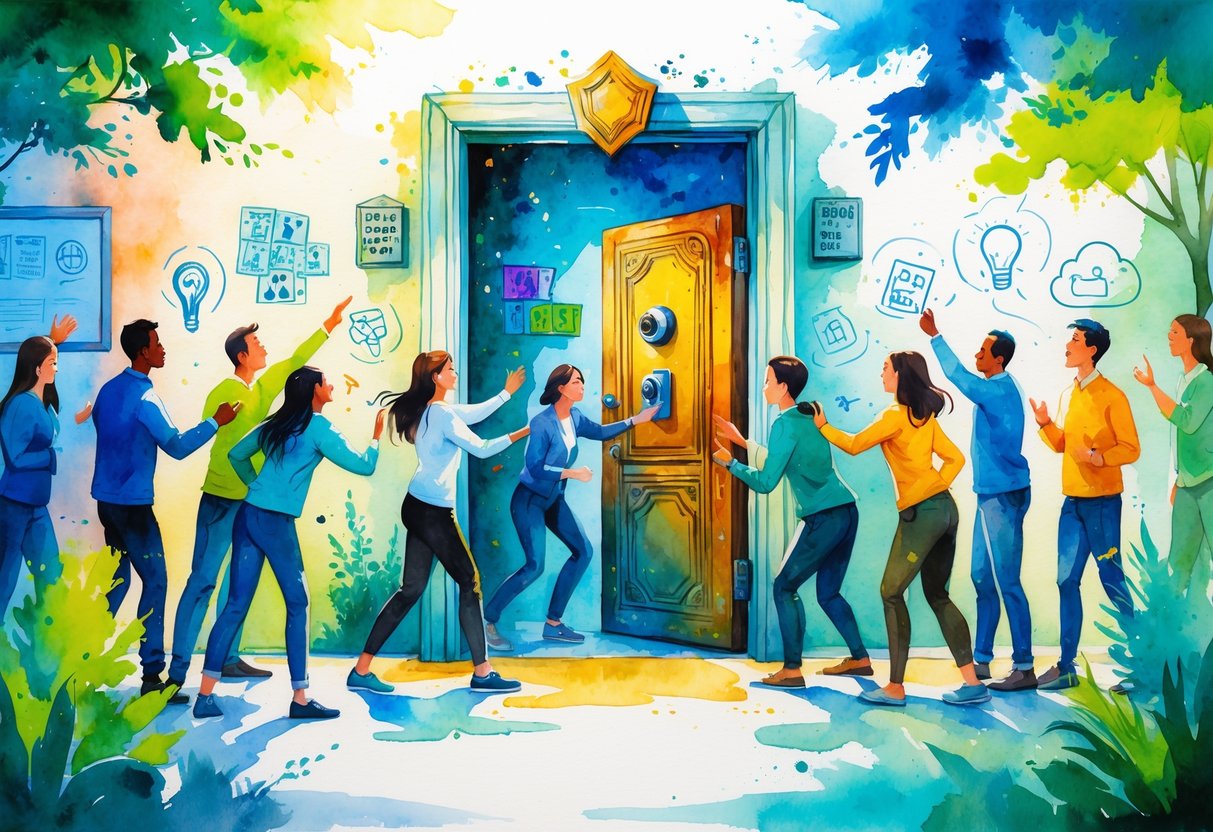
Escape room challenges are a popular way to build teamwork skills and encourage communication. You and your teammates work together to solve puzzles and unlock clues in a set amount of time.
This shared goal helps everyone practice listening, cooperation, and thinking under pressure. Each escape room is designed with different themes, like mysteries, adventures, or even horror stories.
The variety means you can choose an experience that matches your group’s interests. Success relies on everyone sharing ideas and working as a team rather than alone.
Escape rooms are especially good for improving problem-solving. Many puzzles require creative thinking and allow you to see how your coworkers approach problems.
These challenges can reveal hidden strengths and highlight leadership qualities within the group. You will need to communicate your thoughts clearly and listen to what others have found.
Team members will often split up to tackle different parts of the room, then share their progress, which adds to the teamwork experience. This hobby is also fun and gives your group a break from normal routines.
It can help lower stress and create memorable moments as you solve each challenge together. Many companies use escape room team building exercises to boost productivity and collaboration at work.
Escape rooms offer a range of scenarios, so you can always try something new the next time you visit. These games adapt to different group sizes and skills, making them flexible for any team.
You can even find unique escape room challenges that focus on creativity, leadership, or critical thinking. Trying an escape room challenge is an effective way to build trust and develop stronger connections within your team.
It’s an interactive activity that keeps everyone involved from start to finish.
2) Cooking Classes

Cooking classes are a popular way to bring your team together. You get a chance to learn something new while working side by side.
This hobby is hands-on and encourages everyone to participate. You do not need to be a skilled chef to join.
Most cooking classes welcome all skill levels. Instructors guide you step by step, so you can follow along at your own pace.
Team cooking activities focus on collaboration. You work together to prepare dishes, solve problems, and share ideas.
This helps build communication and trust in a fun setting. Many cooking classes offer a wide range of cuisines to explore.
Some let your team cook Italian, Thai, or French meals. Others focus on baking or dessert making.
This variety lets you pick something everyone will enjoy. Most classes work well with groups of 6 to 30 people.
With larger groups, you can split into smaller teams for more direct involvement. This size is ideal for making sure everyone can join in and interact easily.
For more on team sizes, check out the tips on cooking team-building activities. Classes can be held in-person or online.
Virtual cooking classes are a good option if your team is remote. All you need is a kitchen and basic utensils.
Taking a cooking class together gives you shared memories beyond the workplace. Trying new recipes and tasting your food together creates a relaxed and open atmosphere.
If you are looking for ideas, you can find local options or online choices based on your location and interests. Review some top cooking classes for team building before choosing the one that fits your needs.
3) Outdoor Scavenger Hunts
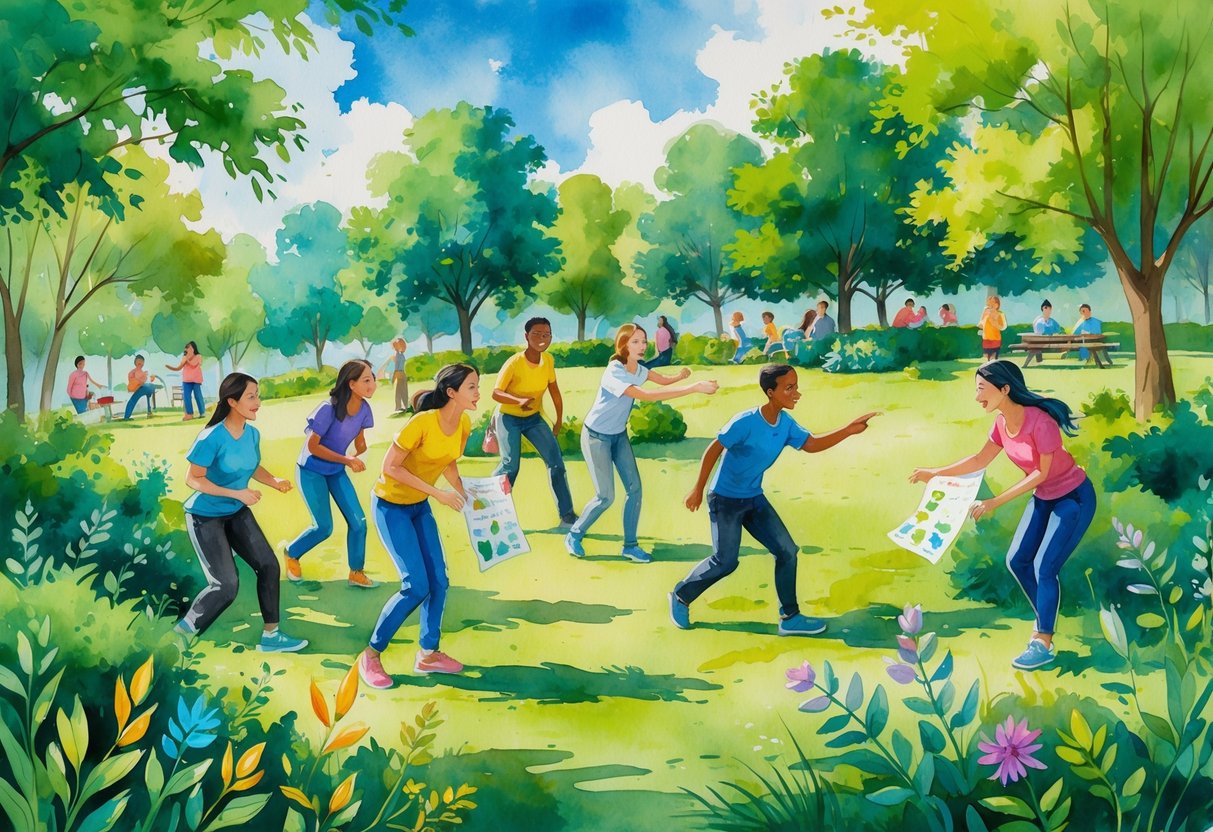
Outdoor scavenger hunts are a fun way for your team to explore, communicate, and solve problems together. You can plan them at a park, in your office area, or around your neighborhood.
Your group splits into smaller teams and gets a list of things to find or tasks to complete. Each item or challenge encourages teamwork and quick thinking.
There is often a time limit to add a sense of urgency. You can make your scavenger hunt as simple or as detailed as you want.
Some teams look for objects, while others search for clues that lead to a final prize. If you want ideas for how to set it up, there are plenty of good examples in this list of outdoor team building activities.
Outdoor scavenger hunts work for both small and large teams. You can also easily change the tasks for different ages or abilities, making it accessible for everyone.
These hunts help your group practice clear communication and delegation. People need to share information quickly and assign roles, which builds trust among members.
Even if your team is not very active, scavenger hunts can be done at a comfortable pace. It’s about the strategy and teamwork, not just who finishes first.
You can add prizes or small rewards to boost motivation. Many teams also use scavenger hunts as a way to learn more about each other in a low-pressure setting.
For more step-by-step tips on planning your own scavenger hunt, you can check out these scavenger hunt team building activities.
4) Improv Workshops

Improv workshops help your team practice thinking on their feet. You do not need any acting experience to join in.
The exercises are simple, easy to follow, and built for all comfort levels. These workshops often use games and activities that boost creativity and communication.
When everyone pays attention and responds in the moment, team bonds naturally get stronger. Improv helps people listen better and react to unexpected changes as a group.
Most improv games can be played in-person or online. Activities like “Yes, And,” “One Word Story,” and “Freeze” are popular choices.
These games encourage team members to agree, add ideas, and build up each other’s contributions. Trying improv can lower stress at work because it makes people laugh and have fun together.
You learn to trust your team when you know your ideas will be heard and supported. This trust leads to better teamwork on real projects.
Improv is not just about being funny. It focuses on active listening, adapting quickly, and working with others.
These skills transfer well to daily work challenges and meetings. Many companies pick improv as a hobby to strengthen collaboration and get to know each other better.
You will likely see better problem-solving and more creative solutions after a few sessions. For a list of some top improv games for team building, check out these improv games for teams or virtual and office improv ideas.
If you want a hobby that is interactive and practical, improv workshops are a strong choice for your team.
5) Volunteer Group Projects

Volunteering as a group is a meaningful way to build stronger teams. When you work together to help others, you also have a chance to bond and learn more about each other.
There are many options for volunteer group projects. You could help clean up a park, serve food at a shelter, or work with a local animal rescue.
Some teams enjoy planting a community garden or putting together care packages for those in need. Working on volunteer projects requires clear communication and teamwork.
You will need to coordinate tasks, divide responsibilities, and support each other. This helps build trust, patience, and problem-solving skills in a real-world setting.
Volunteering can also give your team a sense of purpose outside the workplace. As you work toward a shared goal, you may feel more connected and motivated.
It is also a good way to learn about causes in your community and see the direct impact of your efforts. You can find volunteer group opportunities through local charities, schools, or community centers.
Another option is to participate in youth programs, animal welfare, or community clean-up events. When you volunteer together, your team can create positive memories and develop new skills.
It’s an experience that brings people closer while making a difference for others. These projects are flexible.
They can be one-time events or happen regularly, based on what works for your group. Whether it’s a small team or a whole company, volunteer projects are an effective team building hobby.
6) Board Game Tournaments

Board game tournaments are a simple but effective way to bring your team together. You do not need any special skills to join in, and most groups can pick up the rules quickly.
These events are usually easy to set up in your office or at a team retreat. You can choose from different types of games to suit your group.
Some games focus on collaboration, like Pandemic or Forbidden Island, where everyone works together to reach a goal. Others, such as Codenames or Scattergories, promote friendly competition and help team members get to know each other better.
Setting up a tournament with brackets adds a fun twist. You might let teams compete in rounds, with winners moving forward.
This format keeps everyone engaged and gives you a way to mix up teams each round to help people collaborate with coworkers they do not talk to often. Adding a rewards system, like small prizes or office perks, can make these tournaments even more exciting.
Prize ideas include gift cards, snacks, or a casual dress day. However, the main focus should stay on having fun and building stronger relationships.
If you are looking for inspiration, there are many team building board games available that encourage talking, laughing, and sharing ideas. You will likely find that simple games work just as well as more complex ones.
You will also notice improved communication and teamwork skills after just a few tournaments. Over time, these events can help build trust and boost morale in your team.
Board game tournaments are a low-cost but valuable addition to your team building activities.
7) Group Painting Sessions

Group painting sessions are a creative way to bring your team together. You don’t need to be a professional artist to take part.
Everyone can enjoy putting paint on canvas and trying something new. A popular choice is to join a painting class led by an instructor.
The instructor gives step-by-step guidance, so you and your team can follow along, share laughs, and learn as you go. This structure helps everyone relax and have fun, even if it’s their first time painting.
You could also try a self-portrait session. Each person gets a mirror, paints, and a blank canvas or paper.
This activity gives your team a chance to see each other in a new way, and it usually leads to some funny and memorable moments. Simple projects can help people open up and feel comfortable with each other.
If you want something even more collaborative, work on a large group painting. Each team member paints a section that fits together with the others.
When you combine all the pieces, you have one big piece of art that shows everyone’s effort. This kind of project highlights teamwork and lets everyone contribute to the finished result.
Because painting can get messy, be prepared with the right supplies and a suitable space. You may want to host the session at your office or book a local art studio that offers team building painting events.
Some studios can even come to your location and supply all the materials you need. Group painting is flexible and can fit teams of any size.
It encourages team members to express themselves and connect in a low-pressure setting. These sessions often lead to interesting conversations and stronger relationships within your group.
8) Virtual Reality Team Missions

Virtual reality team missions let you and your team work together in an interactive environment. Using VR headsets, you can enter digital worlds and go on different tasks or adventures as a group.
These missions can be action games, puzzle challenges, or adventures that need teamwork to succeed. Everyone has to talk and help each other to reach the goals.
These activities often include skills like problem-solving, communication, and quick thinking. You learn new ways to support your teammates in a setting that feels like a real game.
Some VR team missions use levels or medals to track your progress. These rewards, like bronze, silver, and gold, offer feedback and goals to aim for.
The medals can also give you motivation to try again or do even better next time. You can find more info about these options by exploring VR team building games and activities.
You don’t have to be a tech expert to join in. Many VR programs are easy to use, and your group can play together even if you’re in separate locations.
In some games, one person wears the headset while others give instructions, making sure everyone is involved. Virtual reality team missions are flexible, so you can choose games or themes that fit your group’s preferences.
Whether your team likes fast action or slow strategy, there is usually a game that matches your interests. Trying VR as a team building hobby can help strengthen your group’s connection.
It also gives everyone a fresh and exciting experience away from the usual work routine.
9) Office Trivia Contests

Office trivia contests are a simple way to bring your team together while testing everyone’s knowledge. You can use trivia as a short break during meetings or as the main event at a gathering.
People enjoy sharing what they know and learning new facts from their coworkers. These contests encourage friendly competition, but they also help build connections.
When you take part in trivia, you talk and laugh with teammates. Everyone learns something new, and even quiet team members get a chance to shine.
Setting up a trivia contest does not take much effort. You can use questions about general knowledge, company history, or fun facts about the team.
Keep the format simple, like multiple choice or true/false, so everyone can join in easily. Try using trivia as an icebreaker for new group members.
It is a fast way to help people get to know one another. If your workplace is remote, trivia works well over video calls, making it easy to include everyone.
Some teams use prepared lists of questions, while others let team members come up with their own. Mixing serious questions with silly ones keeps the mood light and engaging.
Prizes for the winners add extra excitement, but they are not required for team bonding. You can find many question ideas online, including team building trivia questions and suggestions for fun game formats.
If you want more structured options, several websites offer guides and templates for workplace trivia games. Office trivia contests offer flexibility.
You can hold them weekly, monthly, or on special occasions. Whether in person or online, trivia is an easy and reliable activity to keep your team connected.
10) Fitness Bootcamps

Fitness bootcamps are group workouts designed for all fitness levels. They often include a mix of activities like running, bodyweight exercises, and team challenges.
You do not need any special experience to join. When you join a bootcamp, you get a chance to work out with others.
This helps you build friendships and support each other toward your goals. Working together on tough exercises can improve trust and teamwork.
Bootcamps often include fun games for teams that encourage communication and help people bond. For example, relay races and group circuits get everyone involved.
You will need to work together, which can make workouts more interesting and exciting. These sessions are usually coached, so you will get clear instructions and encouragement.
Most classes can be adjusted for all skill levels, so everyone can join in. Trying new exercises in a group can break up the usual routine.
Meeting in different places like parks or gyms adds variety and keeps things fresh. Being outdoors with your team can also increase energy and motivation.
Many people find that bootcamps help them set and achieve new goals. You can challenge yourself while celebrating progress with your group.
Fitness bootcamps are not just about physical health. They can support mental well-being by reducing stress.
Socializing with your teammates during workouts can lift your mood.
The Impact of Shared Hobbies on Team Dynamics

When you share hobbies with your team, you create more than just good memories. These activities help build trust, improve how you talk with each other, and give everyone new ways to solve problems together.
Building Trust Through Collaboration
Working together on a shared hobby lets you see each other’s strengths and weaknesses in a safe, low-pressure setting. If you’re doing a group cooking class or building something creative as a team, you learn to rely on each other and see that everyone brings something unique.
Completing a simple project or even a fun challenge increases trust. You get a chance to help, ask for help, and support each other—just like in the workplace.
Many small group activities, such as creative workshops, are designed to foster this kind of teamwork and teach you how to depend on your colleagues in new ways. For more ideas, check out these small group team building activities.
Enhancing Communication Skills
Team hobbies often require clear instructions, sharing ideas, and giving feedback. You practice both listening and speaking up in group settings.
For example, playing board games, joining a trivia night, or taking part in a group sport encourages everyone to contribute. Even short activities—like a quick brainstorming game—can make a difference.
These moments help you get comfortable sharing thoughts and solving misunderstandings before they grow. In fact, quick team-building activities are a practical way to boost attention, cut down on distractions, and help everyone practice communication in small bursts throughout the week.
Encouraging Creativity and Problem Solving
Group hobbies provide a chance to approach tasks from different points of view. You might be asked to solve a puzzle, create a piece of art, or build something together.
These experiences teach your team to think outside the box and to find solutions by combining ideas. Working on a hobby that is different from daily job tasks breaks routines and sparks new ways of thinking.
This can lead to better solutions in your real work projects. When you take time for creative hobbies, your team learns to value all ideas and work together to find what works best.
Activities focused on team dynamics support this process by giving your team time and space to share, create, and learn from each other, as shown in this guide about team dynamics and productivity.
Tips for Implementing Team-Building Hobbies

A successful team-building activity starts with understanding your group’s interests and making sure everyone feels included. You also need clear goals and a supportive environment for the group to get real benefits from these hobbies.
Assessing Team Interests
Start by gathering input from your team. Use a quick survey, online poll, or roundtable discussion to ask everyone what hobbies they enjoy or would like to try.
This shows that you value their opinions and helps you avoid activities people dislike. Pay attention to common themes, but also note unique suggestions.
Sometimes, introducing a new hobby can help team members bond over a fresh experience. Look for ideas that spark interest but also respect people’s comfort zones.
You might even set up a simple table to compare ideas:
| Hobby | Number Interested | Notes |
|---|---|---|
| Gardening | 5 | Needs outdoor space |
| Painting | 8 | Supplies required |
| Group Puzzles | 7 | Can be done indoors |
Review feedback before making any decisions. By giving your team choices, you encourage engagement and ensure better participation.
Setting Clear Objectives
Define what you want to achieve before starting any team-building hobby. Are you hoping to improve communication, problem-solving, trust, or simply help people relax together?
Setting goals will help guide your selection and approach. Share these objectives with your team, so everyone knows what to expect.
If you want to boost collaboration, pick group activities and explain how they tie to your goal. Avoid hobbies that don’t line up with what your team needs.
Outline the steps or timeline for each hobby, and let everyone know how success will be measured. Keeping everyone informed creates a shared purpose and can make each activity more meaningful.
You can find more guidance on team targets at team-building strategies.
Ensuring Inclusive Participation
Choose hobbies that are accessible and open to all abilities, skill levels, and backgrounds. Avoid activities that might single someone out, or make them feel uncomfortable.
If your group is diverse, offer a variety of options or adjust hobbies to suit everyone. Encourage participation but never force it.
Some people prefer quieter roles, so let them join in ways they feel comfortable. Use small-group formats if needed, so everyone has a chance to contribute without pressure.
Provide any needed resources or instructions ahead of time. Clear communication helps everyone know what to expect and lowers anxiety.
Read more about best practices for making team building exercises more effective.
Frequently Asked Questions
Team building hobbies help coworkers connect, communicate better, and create a more positive work environment. Activities range from creative workshops to fun group games that engage people of all backgrounds.
What are effective team building activities for small workplaces?
Escape room challenges work well because they need teamwork but can be run in small groups. Cooking classes let you interact and share in a casual way.
Other options include game nights or book clubs, which are easy to organize and encourage participation from everyone.
How do team building hobbies in the workplace enhance productivity?
Group hobbies help break down walls by increasing trust and understanding. When people work together in a relaxed setting, new ideas flow naturally.
This leads to better collaboration when it comes time to tackle tough projects at work.
Which indoor activities can foster team building among adults?
You can explore indoor options like improv workshops or trivia games. Both promote quick thinking and teamwork without being physically demanding.
Creative activities such as art challenges or collaborative cooking can also build connections, especially in colder months. For more inspiration, check out this list of engaging team building activities.
Can you suggest some quick and easy 5-minute team building exercises?
Try quick icebreaker questions or rapid-fire trivia games before meetings to warm up the group. You could also do a “two truths and a lie” exercise.
Simple physical stretches or a fast team storytelling round help loosen up the team quickly.
What are some team building activities that can inject humor into the team?
Improv workshops and funny charades are excellent for bringing out laughter and creativity. Lighthearted trivia or “caption this photo” contests can spark jokes without making anyone feel uncomfortable.
Humor breaks the ice and makes future teamwork feel less stressful.
What kinds of physical activities can strengthen team bonds effectively?
Outdoor scavenger hunts push your team to communicate and problem-solve while moving around.
Volunteer projects that require hands-on labor, like community cleanups, also help.