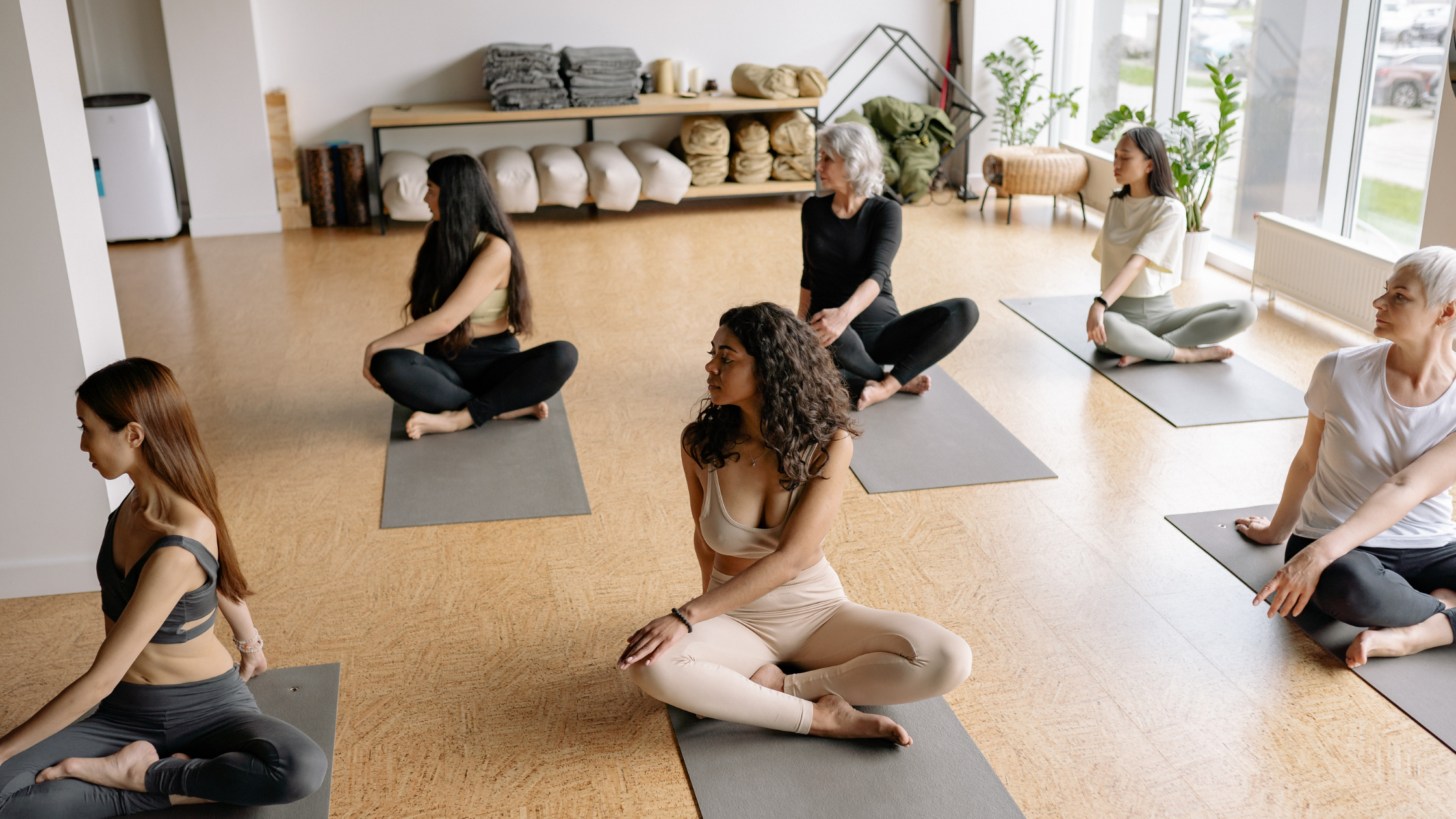
10 Yoga-Related Hobbies for Every Skill Level: From Beginner Practices to Advanced Disciplines
Yoga offers far more than traditional mat practice, opening doors to countless related activities that enhance physical wellness, mental clarity, and spiritual growth. Whether you’re a complete beginner curious about mindful movement or an experienced practitioner seeking fresh challenges, yoga-inspired hobbies provide diverse paths to explore your interests while maintaining the core principles of balance and awareness.
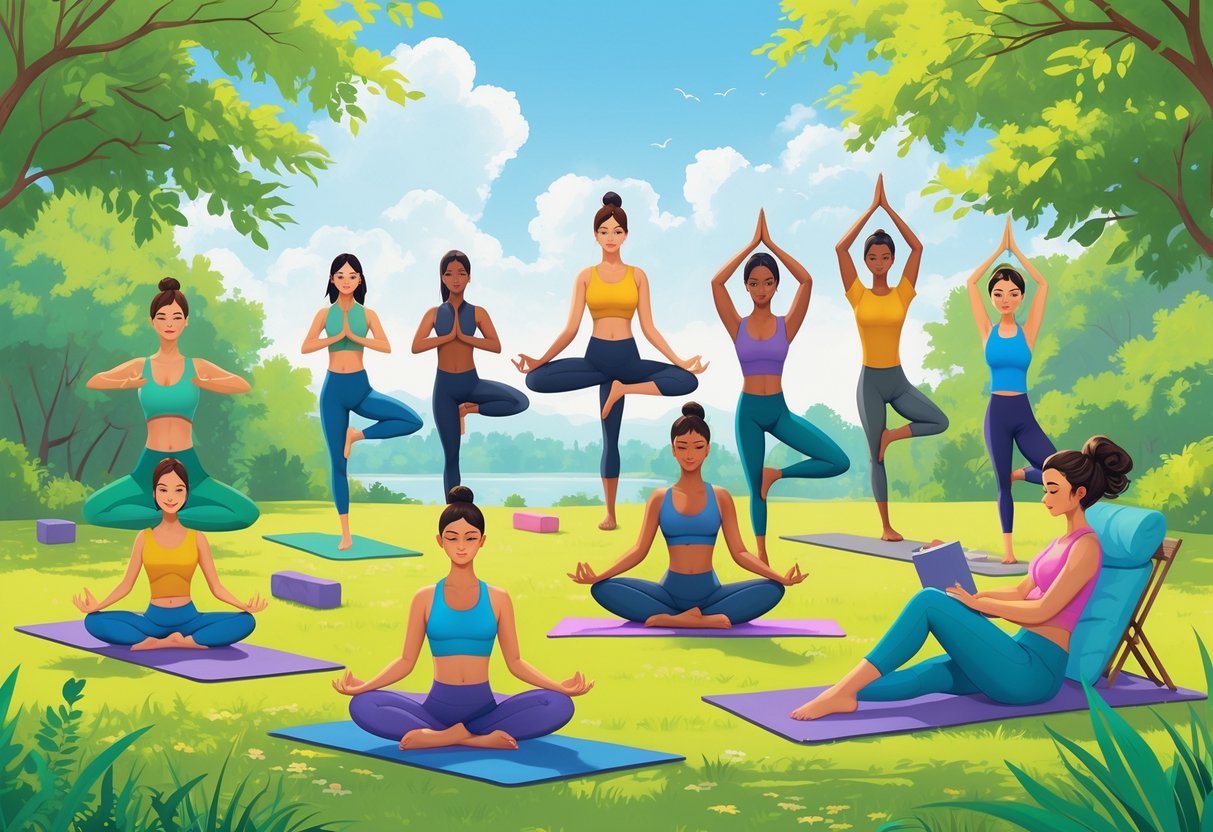
These ten yoga-related hobbies cater to every skill level and interest, from creative expression and outdoor adventures to community-based activities and meditative arts. Yoga as a hobby can help you develop mindfulness and self-awareness while offering benefits for people of all ages and fitness levels.
You’ll discover how activities like aerial yoga, sound healing, and nature-based practices can complement your existing routine or serve as gentle entry points into the yoga lifestyle. Each hobby maintains yoga’s emphasis on mind-body connection while allowing you to explore new skills, meet like-minded individuals, and deepen your personal practice in unexpected ways.
Key Takeaways
- Yoga-related hobbies extend beyond traditional mat practice to include creative, outdoor, and community-based activities suitable for all experience levels.
- These activities maintain yoga’s core principles of mindfulness and mind-body connection while offering diverse ways to explore personal interests.
- Each hobby provides unique benefits for physical wellness, mental clarity, and social connection while accommodating different skill levels and preferences.
Exploring Yoga-Infused Hobbies
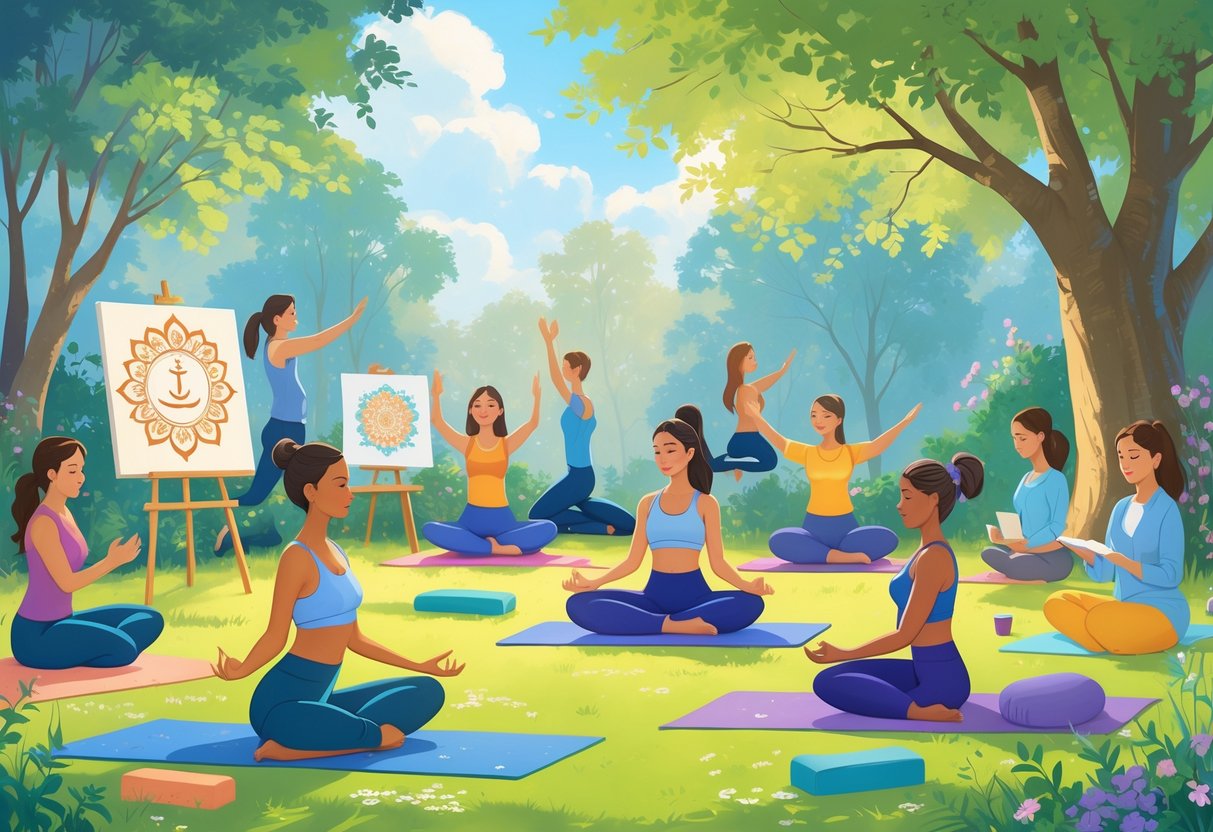
Integrating yoga principles with other activities amplifies both physical and mental benefits while creating sustainable practice routines. The right complementary hobby can deepen your mindfulness journey and establish yoga as a foundation for personal growth.
Benefits of Combining Yoga With Hobbies
Pairing yoga with other activities creates compound wellness effects that exceed practicing each separately. Your flexibility and balance improvements from yoga enhance performance in activities like rock climbing, dancing, or martial arts.
The breathing techniques you learn in yoga directly transfer to stress management during challenging hobbies. This makes activities like painting, gardening, or music more meditative and enjoyable.
Physical synergies include:
- Enhanced core strength for outdoor activities
- Improved posture for desk-based hobbies
- Better body awareness for sports
- Increased endurance for physical pursuits
Your mental focus develops through yoga’s mindfulness principles. This concentration carries into detail-oriented hobbies like photography, crafting, or cooking.
Yoga as a hobby promotes overall wellness when combined with complementary activities. The practice helps you become more aware of your actions and responses during other pursuits.
How to Choose a Complementary Hobby
Start by identifying your primary goals for combining yoga with another activity. Physical enhancement pairs well with hiking, swimming, or cycling. Mental clarity benefits align with reading, journaling, or meditation practices.
Consider your current yoga style when selecting complementary hobbies. Vigorous Vinyasa practitioners often enjoy dynamic activities like dance or martial arts. Restorative yoga enthusiasts typically prefer gentle pursuits like watercolor painting or herb gardening.
Matching criteria include:
| Yoga Style | Complementary Hobbies |
|---|---|
| Hatha | Tai Chi, pottery, nature photography |
| Vinyasa | Dance, rock climbing, surfing |
| Yin | Meditation, journaling, aromatherapy |
| Bikram | Cycling, running, strength training |
Your schedule and energy levels matter significantly. Morning yoga practitioners benefit from energizing afternoon hobbies. Evening yoga works well with calming creative pursuits.
Yoga as a Gateway to Mindful Pursuits
Yoga teaches breathing and meditation techniques that naturally extend into other mindful activities. These foundational skills create pathways to deeper spiritual and creative practices.
Many practitioners discover interests in Buddhist philosophy, Ayurvedic cooking, or chakra healing through their yoga journey. The self-awareness developed on your mat translates into more intentional hobby choices.
Mindful hobby progressions:
- Pranayama leads to sound healing or chanting
- Meditation opens doors to spiritual reading
- Physical poses inspire dance or movement therapy
- Philosophy study branches into Eastern arts
Your yoga practice develops patience and present-moment awareness essential for contemplative hobbies. Activities like bonsai cultivation, calligraphy, or slow-stitching crafts become more fulfilling.
The mindfulness cultivated through yoga as a relaxing hobby transforms everyday activities into opportunities for growth and self-reflection.
Creative Movement and Bodywork Practices
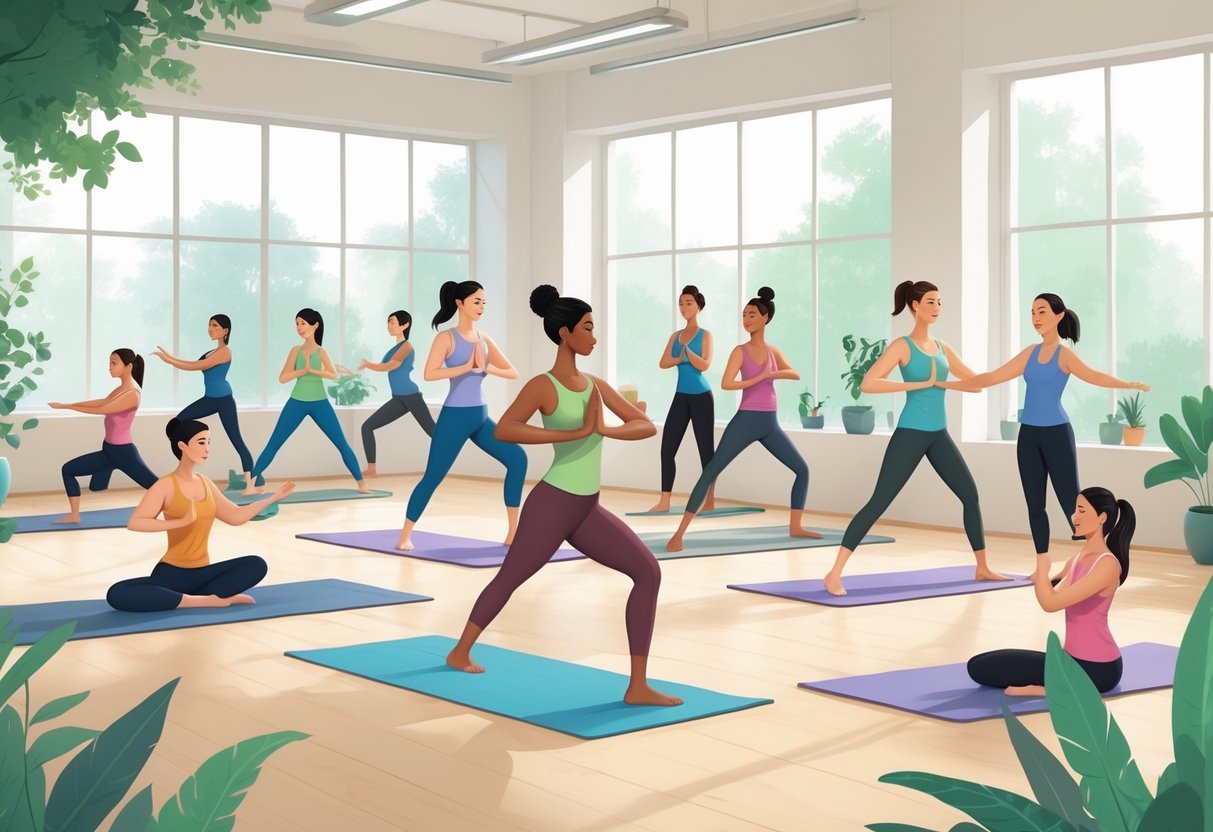
Movement practices that blend yogic principles with other disciplines offer dynamic ways to explore body awareness and expression. These approaches combine breath work, mindful movement, and physical conditioning to create engaging alternatives to traditional yoga.
Dance Styles Inspired by Yoga
Yoga dance fusion combines flowing asanas with rhythmic movement and music. You’ll move through poses while maintaining breath awareness and incorporating dance elements like arm waves and hip circles.
Popular styles include:
- Gabrielle Roth’s 5Rhythms movement
- Yoga Trance Dance
- Nia technique
- Contact improvisation with yoga elements
Classes typically begin with centering breath work, then progress through flowing sequences that feel more like choreography than exercise. You can practice solo or with partners, exploring how poses transform when combined with musical expression.
Many practitioners find this approach helps release emotional blockages while building flexibility. The creative element removes pressure to achieve perfect alignment, making it accessible for beginners who feel intimidated by traditional yoga classes.
Pilates and Body Conditioning
Pilates shares yoga’s emphasis on breath control and core strength while adding precise movement patterns and equipment-based exercises. You’ll focus on controlled movements that build stability through your entire body.
Key similarities with yoga:
- Breath-synchronized movement
- Mind-body connection
- Flexibility and strength development
- Low-impact exercise approach
Mat Pilates uses bodyweight exercises similar to yoga poses but with different breathing patterns and muscle engagement. Reformer Pilates adds spring resistance that provides support and challenge simultaneously.
The practice emphasizes quality over quantity, with small, controlled movements that target deep stabilizing muscles. You’ll develop better posture awareness and movement efficiency that transfers to daily activities.
Martial Arts With Yogic Elements
Tai chi and qigong incorporate yogic breathing techniques with slow, flowing movements that build internal energy. These practices emphasize meditation in motion and cultivate balance between strength and relaxation.
Benefits you’ll experience:
- Improved coordination and balance
- Stress reduction through moving meditation
- Enhanced body awareness and proprioception
- Gentle cardiovascular conditioning
Aikido and some karate styles integrate breathing practices and philosophical concepts similar to yoga. You’ll learn to move from your center while maintaining mental calm and physical groundedness.
Many dojos now offer classes that explicitly combine martial arts forms with yoga-style stretching and meditation. These creative yoga sequences help martial artists prevent injury while developing the flexibility needed for advanced techniques.
Artistic and Expressive Outlets
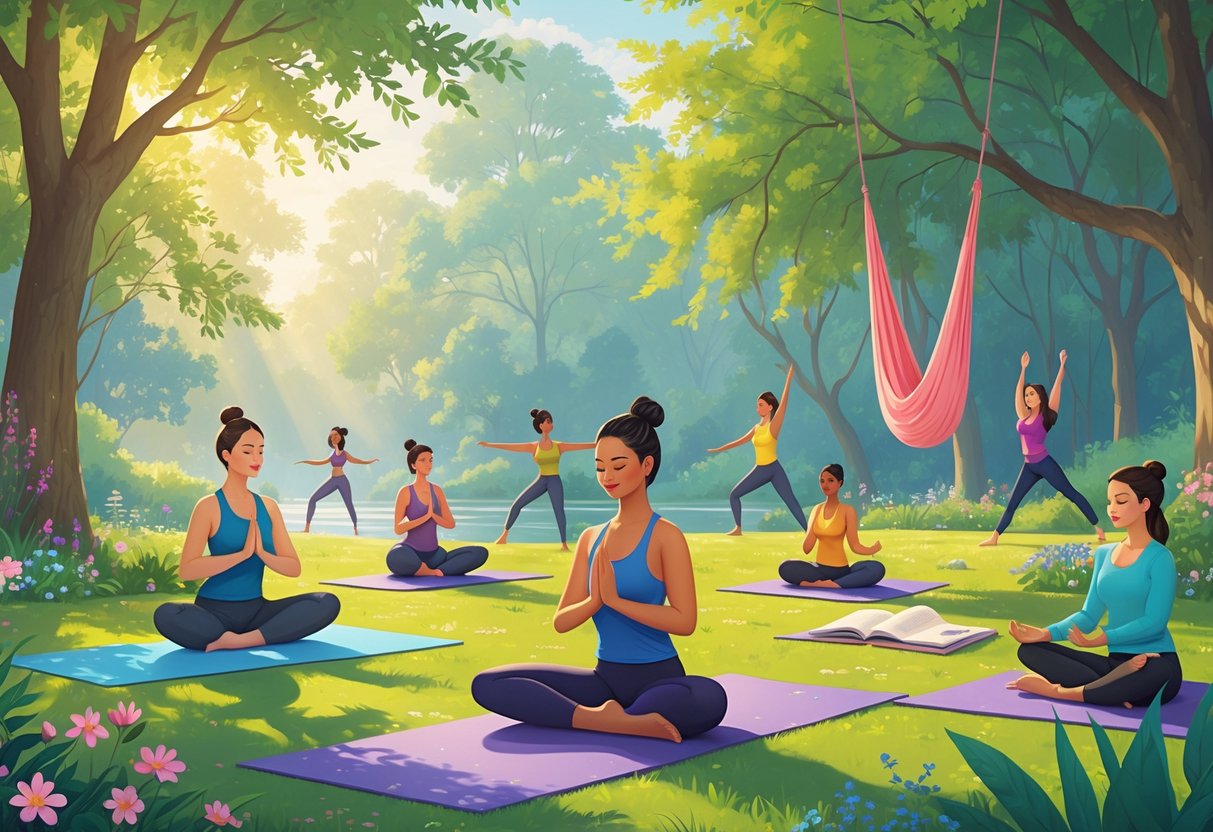
These creative practices combine mindfulness principles with artistic expression, allowing you to process emotions and experiences through visual and written mediums. Each activity builds on yoga’s contemplative foundation while developing your artistic skills.
Meditative Drawing and Mandala Art
Drawing mandalas creates a moving meditation that mirrors yoga’s focus on breath and presence. You start from a center point and work outward in symmetrical patterns, much like expanding awareness during asana practice.
The repetitive nature of mandala creation naturally slows your mind and reduces stress. Your breathing synchronizes with each pencil stroke, creating the same meditative state found in yoga poses.
Basic mandala supplies include:
- Compass and ruler for structure
- Fine-tip pens in various weights
- Colored pencils or markers
- Quality drawing paper
Start with simple geometric patterns before advancing to complex floral or nature-inspired designs. Spend 15-30 minutes per session, focusing entirely on the present moment rather than the final outcome.
Painting and drawing channel inner experiences into something visible and tangible. Unlike other artistic pursuits, mandala art specifically cultivates the same single-pointed concentration developed in meditation practice.
Creative Journaling With Yoga Themes
Yoga-themed journaling combines reflective writing with visual elements to process your practice experiences. You document physical sensations, emotional shifts, and insights that arise during or after yoga sessions.
This practice deepens self-awareness by creating space to examine recurring patterns and breakthroughs. Many practitioners discover limiting beliefs or emotional blocks through consistent journaling.
Effective journaling techniques include:
- Morning intention setting
- Post-practice reflection prompts
- Gratitude lists with yoga connections
- Sketches of challenging poses
Dedicate 10-15 minutes after each yoga session to write freely without editing or censoring. Include drawings of poses, Sanskrit terms, or meaningful quotes that resonate with your practice.
Creative hobbies provide platforms for self-expression while promoting overall well-being. Journaling specifically helps you track progress and maintain consistency in your yoga journey.
Photography Focused on Yoga and Mindfulness
Mindful photography applies yoga principles to capturing images, emphasizing present-moment awareness over technical perfection. You learn to see familiar environments with fresh perspective and heightened attention.
This practice develops the same observational skills cultivated in yoga meditation. Each photo becomes an opportunity to practice patience, composition awareness, and non-judgmental observation.
Key photography focuses include:
- Natural lighting during golden hour
- Texture details in nature
- Geometric patterns and symmetry
- Movement and stillness contrasts
Start
Nature and Outdoor Activities for Yogis
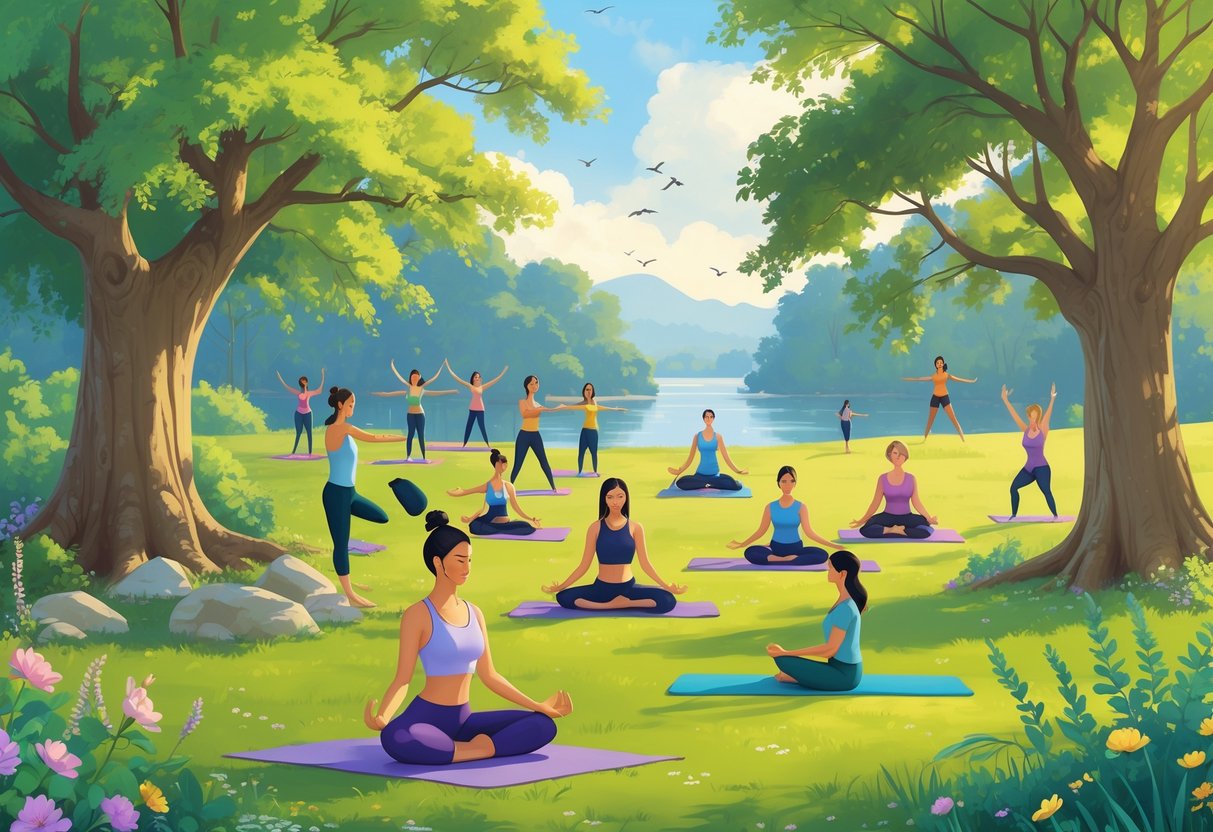
Combining yoga with outdoor activities creates opportunities to deepen your practice while connecting with nature. These activities merge physical movement with mindfulness, allowing you to experience yoga beyond the traditional mat setting.
Hiking and Trail Walking With Yoga
Hiking provides natural opportunities to integrate yoga poses and breathing techniques into your outdoor adventures. You can practice mountain pose while taking in scenic overlooks or perform gentle stretches during rest breaks on the trail.
Trail yoga sequences work best with standing poses that don’t require lying down. Tree pose becomes more challenging on uneven terrain, improving your balance and focus. Warrior poses can be practiced at viewpoints to enhance your connection with the landscape.
Consider bringing a lightweight travel mat for seated poses or meditation. Many hikers find that outdoor yoga challenges add variety to their trail experiences.
Benefits include:
- Enhanced balance from uneven surfaces
- Improved breathing through elevation changes
- Natural meditation through forest sounds
- Increased mindfulness of surroundings
Start with familiar trails and simple poses. As your confidence grows, you can attempt more challenging sequences on different terrains.
Stand-Up Paddleboard Yoga
SUP yoga combines the stability challenge of balancing on water with traditional yoga poses. The constant micro-movements required to stay on the board engage your core muscles throughout the entire practice.
Begin with basic poses like child’s pose, tabletop, and seated positions. These low-center-of-gravity poses help you adjust to the board’s movement before attempting standing poses.
Essential equipment includes:
- Wide, stable SUP board (10-11 feet recommended)
- Paddle leash for safety
- Quick-dry clothing
- Water shoes for grip
The water’s movement creates a natural flow between poses. You’ll develop better proprioception and core strength compared to studio practice. Expect to fall in the water initially – it’s part of the learning process.
Most beginners master basic sequences within 2-3 sessions. Advanced practitioners can attempt arm balances and inversions once they develop water confidence.
Gardening as a Mindful Practice
Gardening naturally incorporates yoga principles through mindful movement, breath awareness, and present-moment focus. The repetitive motions of planting, weeding, and harvesting become moving meditations.
Physical benefits mirror yoga practice:
- Deep squats while planting strengthen legs
- Reaching and stretching improve flexibility
- Digging and lifting build functional strength
- Kneeling positions open hips
You can create a dedicated outdoor yoga garden space that serves both practices. Consider planting aromatic herbs like lavender or mint that enhance relaxation during outdoor sessions.
Mindful gardening techniques include:
- Focusing on breath while performing repetitive tasks
- Observing plant growth without judgment
- Practicing gratitude for the harvest
- Moving slowly and deliberately
The seasonal cycles in gardening teach patience and acceptance of natural rhythms. This awareness translates directly to your yoga practice, helping you honor your body’s daily fluctuations and limitations.
Social and Community-Oriented Activities
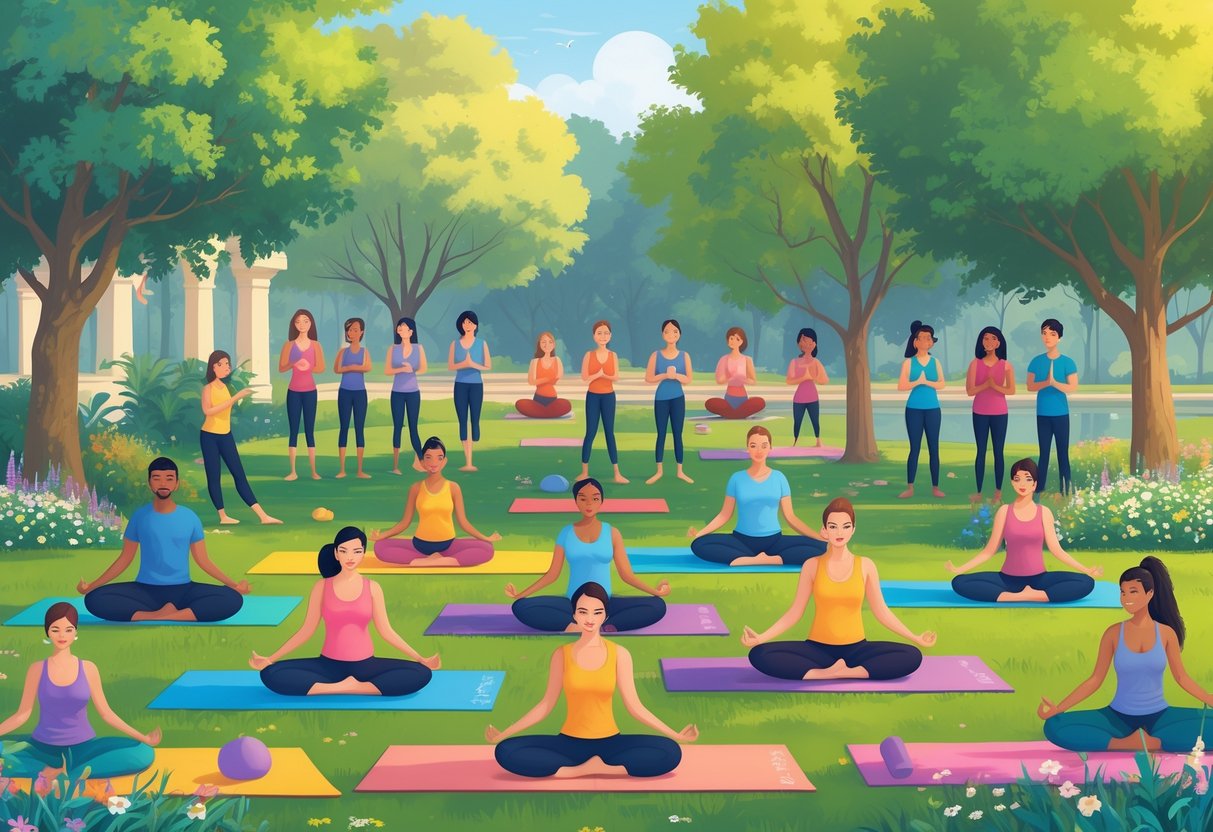
Yoga creates powerful opportunities to connect with others while deepening your practice. These activities combine personal growth with meaningful community engagement, from supporting charitable causes to building lasting friendships through shared experiences.
Volunteering Through Yoga Events
You can make a meaningful impact by participating in charity yoga classes and fundraising events. Many studios host donation-based sessions for local nonprofits, disaster relief, or mental health organizations.
Popular volunteer opportunities include:
- Teaching free classes at community centers
- Participating in yoga marathons for charity
- Leading sessions at homeless shelters or senior centers
- Supporting yoga for social impact initiatives
These events typically require basic teaching experience or willingness to assist with setup and registration. You’ll develop leadership skills while contributing to causes you care about.
Many organizations need volunteers year-round, not just during special events. Regular commitment helps build stronger community connections and creates lasting positive change.
Yoga Retreats and Travel
Yoga retreats offer immersive experiences that combine practice with travel and deep connections. You’ll participate in multiple daily sessions, workshops, and group meals with like-minded practitioners.
Retreat formats vary widely in duration and focus:
| Type | Duration | Focus |
|---|---|---|
| Weekend retreats | 2-3 days | Local relaxation, basic practices |
| Week-long retreats | 5-7 days | Intensive practice, meditation |
| International retreats | 7-14 days | Cultural immersion, advanced training |
You’ll share accommodations and meals with other participants, creating natural opportunities for friendship. Many retreats include group activities like hiking, cooking classes, or cultural excursions.
The structured environment helps you maintain consistent practice while experiencing new locations and teaching styles.
Organizing Group Classes
Creating your own yoga groups allows you to build community around your specific interests and schedule preferences. You can start small with friends or neighbors and gradually expand your circle.
Essential steps for organizing include:
- Finding appropriate space (parks, community centers, homes)
- Setting consistent meeting times and frequency
- Determining cost structure for shared expenses
- Creating simple registration or communication systems
You don’t need teaching certification to organize practice groups where participants take turns leading or following online videos. This approach makes social hobbies accessible while sharing costs and responsibilities.
Group classes work well for specific populations like parents, seniors, or coworkers. Shared demographics create instant connection points beyond yoga practice.
Music, Sound, and Meditation-Based Hobbies
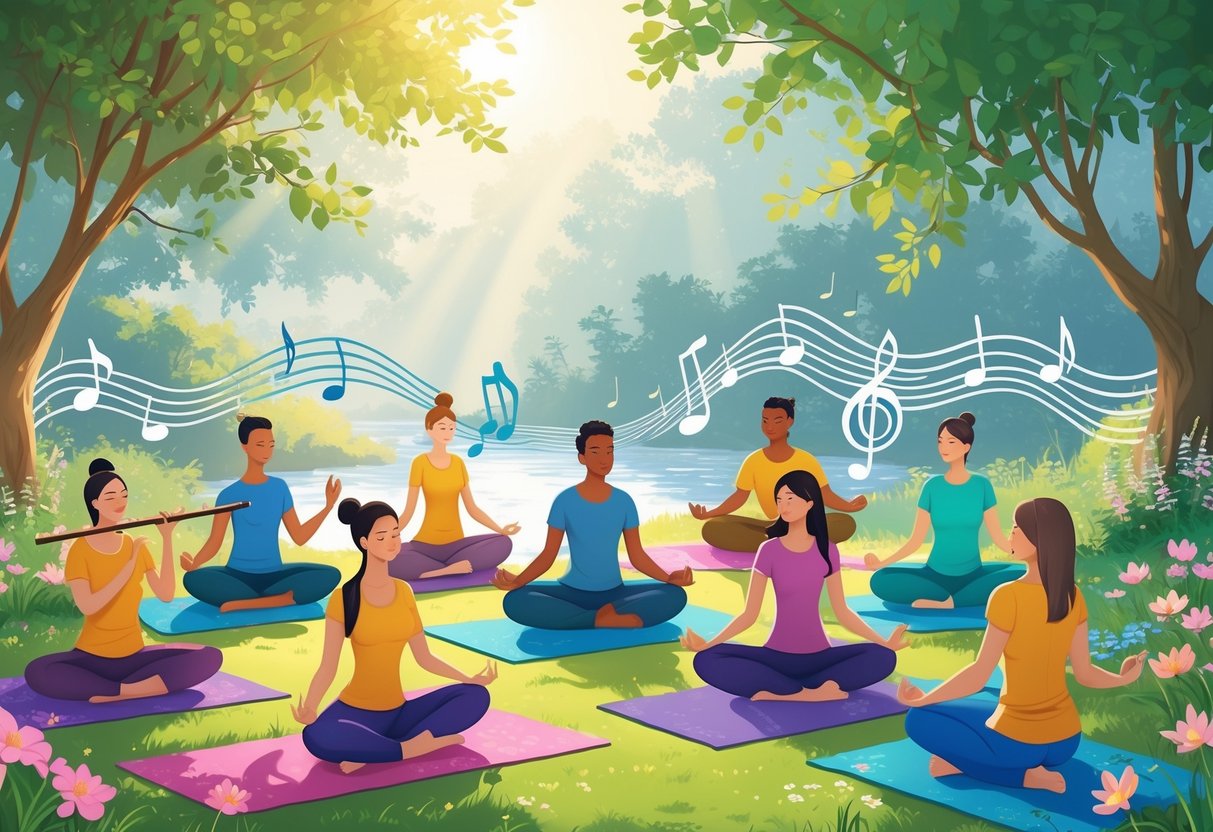
The integration of sound and music creates powerful pathways to deepen your yoga practice through vibrational healing, vocal expression, and instrumental meditation. These practices combine ancient traditions with modern wellness approaches to enhance mindfulness and spiritual connection.
Sound Bath Experiences
Sound baths use crystal bowls, gongs, and other resonant instruments to create immersive healing environments. The vibrations wash over your body, promoting deep relaxation and stress reduction.
You can attend group sound bath sessions at yoga studios or wellness centers. These typically last 60-90 minutes and involve lying on a mat while practitioners play various instruments around you.
Benefits of Regular Sound Bath Practice:
- Reduced cortisol levels and anxiety
- Improved sleep quality
- Enhanced meditation depth
- Physical tension release
Creating your own sound bath space requires minimal equipment. Start with a singing bowl or crystal bowl, which typically costs $30-150. Add a meditation cushion and blanket for comfort.
Many practitioners combine sound baths with gentle yoga poses or breathwork. The combination of yoga and music creates deeper mind-body connections through synchronized movement and sound.
Chanting and Kirtan Singing
Kirtan involves call-and-response singing of Sanskrit mantras, often accompanied by harmonium, drums, and other traditional instruments. This practice builds community while developing vocal meditation skills.
Common mantras include “Om Namah Shivaya” and “Hare Krishna,” each carrying specific vibrational frequencies. You don’t need musical training to participate, as the repetitive nature makes learning accessible.
Essential Kirtan Elements:
- Call-and-response format
- Sanskrit or English mantras
- Harmonium or guitar accompaniment
- Hand percussion instruments
Local yoga studios frequently host kirtan evenings, providing opportunities to learn traditional chants. Online tutorials teach basic harmonium playing and common mantras for home practice.
Solo chanting develops breath control and vocal strength while creating meditative states. Start with simple mantras like “So Hum” (I am) or “Sat Nam” (truth is my identity).
Learning to Play Mindful Instruments
Specific instruments naturally complement yoga practice through their meditative qualities and ease of learning. These tools transform music-making into moving meditation.
Beginner-Friendly Mindful Instruments:
| Instrument | Learning Time | Price Range | Best For |
|---|---|---|---|
| Native flute | 2-4 weeks | $50-200 | Breath control |
| Kalimba | 1-2 weeks | $25-80 | Finger meditation |
| Frame drum | 3-6 weeks | $40-150 | Rhythm practice |
| Tongue drum | 1-3 weeks | $60-300 | Melodic meditation |
The kalimba requires no prior musical knowledge and produces soothing tones through thumb-plucked tines. Practice sessions naturally encourage mindful breathing and focused attention.
Native flutes connect breath awareness with sound creation, making them ideal for pranayama practitioners. The simple fingering patterns allow quick progression from basic scales to improvised melodies.
Frame drumming develops rhythmic awareness and physical coordination. The repetitive patterns create trance-like states similar to walking meditation, while the physical drumming motion releases tension.
Mindfulness Practices Beyond Yoga
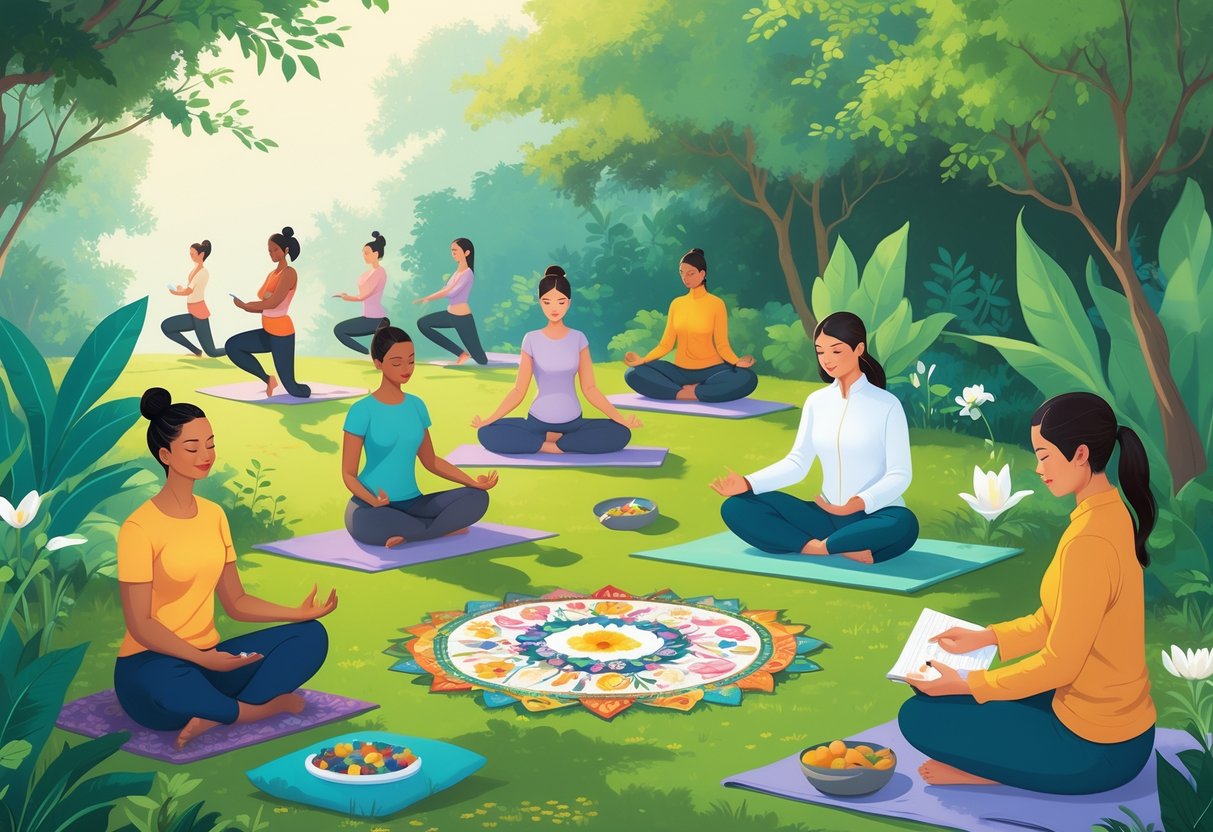
While yoga builds the foundation for mindful living, complementary practices like targeted breathing exercises, sensory aromatherapy, and flowing martial arts deepen your awareness and calm. These techniques enhance your existing yoga practice while offering standalone benefits for stress reduction and mental clarity.
Meditation and Breathwork Techniques
Meditation forms the mental backbone of mindfulness practice. You can start with just 5-10 minutes daily, focusing on your breath or using guided apps to develop concentration.
Box breathing involves inhaling for 4 counts, holding for 4, exhaling for 4, and pausing for 4. This technique activates your parasympathetic nervous system and reduces anxiety within minutes.
4-7-8 breathing helps with sleep and stress relief. Inhale for 4 counts, hold for 7, then exhale slowly for 8 counts. Practice this technique 3-4 times before bed.
Body scan meditation involves systematically focusing on each body part from toes to head. This practice increases body awareness and releases physical tension you may not notice during daily activities.
Walking meditation combines movement with mindfulness. Focus on each step, the sensation of your feet touching the ground, and your breathing rhythm while moving slowly and deliberately.
Aromatherapy and Essential Oils
Essential oils directly impact your limbic system, triggering immediate emotional and physiological responses. You can incorporate aromatherapy into your mindfulness routine through diffusion, topical application, or direct inhalation.
Lavender reduces cortisol levels and promotes relaxation. Add 2-3 drops to your pillow or diffuse during evening meditation sessions.
Peppermint increases alertness and mental clarity. Inhale directly from the bottle or apply diluted oil to your temples during morning mindfulness practice.
Frankincense deepens breathing and enhances spiritual connection. This oil works particularly well during meditation or breathwork sessions.
| Oil Type | Primary benefit | Best Use |
|---|---|---|
| Lavender | Stress reduction | Evening routines |
| Eucalyptus | Mental clarity | Morning practice |
| Bergamot | Mood elevation | Midday reset |
Always dilute essential oils with carrier oils like jojoba or coconut oil before skin application.
Tai Chi and Qigong
Tai Chi combines slow, flowing movements with deep breathing and meditation. This practice improves balance, reduces fall risk, and calms your nervous system through gentle, continuous motion.
The basic Tai Chi stance involves standing with feet shoulder-width apart, knees slightly bent, and spine straight. You shift weight slowly from one foot to the other while moving your arms in circular patterns.
Wave Hands Like Clouds is a fundamental Tai Chi movement. Step to the left while rotating your torso and moving your arms in horizontal figure-eight patterns. This exercise improves coordination and mental focus.
Qigong emphasizes energy cultivation through specific breathing techniques and gentle movements. The practice includes both moving and stationary exercises designed to balance your body’s energy systems.
Standing meditation in Qigong involves holding specific postures for 5-20 minutes while focusing on breath and energy flow. This builds physical stamina and mental concentration simultaneously.
Both practices require minimal space and equipment, making them accessible mindfulness hobbies you can perform anywhere.
Frequently Asked Questions
Many practitioners wonder about accessible entry points into yoga hobbies and ways to share these activities with others. Creative integration opportunities and home-based practices offer flexible approaches for developing a sustainable yoga lifestyle.
What are some beginner-friendly yoga hobbies for those new to the practice?
You can start with basic hatha or gentle yoga classes that focus on fundamental poses and breathing techniques. Yoga as a hobby should not be restricted by physical limitations or age, making it accessible for newcomers.
Restorative yoga provides an excellent entry point since it uses props like bolsters and blocks to support your body in passive poses. You hold these positions for several minutes while focusing on deep breathing and relaxation.
Yoga journaling combines writing with your practice by documenting your experiences, progress, and insights. This hobby helps you track your physical development and emotional responses to different poses and sequences.
Creating a home altar or meditation space gives you a dedicated area for practice while exploring your creative side. You can incorporate elements like candles, crystals, or meaningful objects that support your spiritual journey.
Can you suggest some yoga activities that couples can enjoy together?
Partner yoga poses allow you and your partner to support each other physically while deepening trust and communication. These poses range from simple back-to-back breathing exercises to more complex partner balances.
Acro yoga combines yoga, acrobatics, and Thai massage in a playful practice where one person acts as the base while the other flies. This dynamic practice builds strength, flexibility, and teamwork skills between partners.
You can attend couples yoga workshops or retreats that focus specifically on relationship building through shared movement. These events often include partner meditation, massage techniques, and communication exercises.
Creating yoga sequences together at home allows you to customize your practice based on both partners’ needs and preferences. You can take turns leading sessions or design flows that complement each other’s abilities.
What are the best physical hobbies for women that incorporate yoga principles?
Barre classes blend ballet-inspired movements with yoga poses and Pilates exercises to create a full-body workout. These classes emphasize proper alignment, breath control, and mindful movement patterns found in traditional yoga practice.
Aerial yoga uses silk hammocks suspended from the ceiling to support your body weight during poses. This practice decompresses the spine, allows for deeper stretches, and adds an element of playfulness to traditional yoga sequences.
Dance forms like contemporary or modern dance incorporate yoga principles of breath awareness, body alignment, and fluid movement. These practices enhance flexibility, strength, and artistic expression simultaneously.
Stand-up paddleboard yoga challenges your balance and core strength while connecting you with nature. The unstable surface of the board requires heightened focus and engages stabilizing muscles throughout your body.
How can one integrate yoga into creative hobby practices?
Yoga photography involves capturing the beauty and artistry of yoga poses in various settings. You can photograph yourself, others, or nature scenes that embody yogic principles of balance and harmony.
Mandala creation connects you with yogic concepts of sacred geometry and meditation. You can draw, paint, or arrange natural materials in circular patterns while practicing mindfulness and concentration.
Writing yoga-inspired poetry or prose allows you to express insights gained through your practice. This creative outlet helps process emotions and experiences that arise during meditation and movement.
Designing and sewing yoga props like bolsters, eye pillows, or meditation cushions combines practical skills with spiritual practice. These handmade items can enhance your personal practice or serve as meaningful gifts for fellow practitioners.
What yoga-based physical hobbies can be pursued independently at home?
Home yoga practice allows you to progress at your own pace without the pressure of keeping up with a class. You can focus on specific areas that need attention and modify poses according to your body’s daily needs.
Yin yoga involves holding passive poses for three to five minutes while using props for support. This meditative practice targets deep connective tissues and can be easily done in a quiet space at home.
Pranayama or breathwork practice requires no equipment and can be done anywhere in your home. These breathing exercises help regulate your nervous system, improve focus, and prepare your body for physical yoga practice.
Creating personal yoga sequences based on your goals allows you to address specific needs like back pain relief or stress reduction. You can research poses online or adapt sequences from yoga teachers with decades of experience.
Could you provide ideas for hosting a yoga workshop that caters to all skill levels?
Design your workshop with multiple modification options for each pose so beginners and advanced practitioners can participate together. Provide props like blocks, straps, and bolsters to help students access poses safely regardless of their flexibility level.
Structure your session with a gentle warm-up, a main practice with varied intensity options, and a relaxing cool-down period. This format ensures everyone can participate while honoring their individual limitations and abilities.
Include educational components about yoga philosophy, breathing techniques, or anatomy to add value beyond the physical practice. These elements help students deepen their understanding regardless of their current skill level.
Create small group rotations where students can choose between different intensity levels or pose variations. This approach allows you to provide more personalized attention while maintaining an inclusive environment for all participants.