
15 Signs You Need a New Hobby in Your Life: Expert Guide to Recognizing When It’s Time for Change
You might be scrolling through your phone every evening or sitting on the couch watching the same shows without feeling excited about much. When you feel bored, restless, or like something is missing from your daily routine, these are clear signs you need a new hobby to bring fresh energy into your life. Many people go through periods where their interests fade or they lose touch with activities that once made them happy.

Hobbies help you manage stress, learn new skills, and add meaning to your time outside of work or school. Without them, you might notice changes in your mood, relationships, and overall well-being. The good news is that recognizing these warning signs is the first step toward making a positive change.
This article will walk you through 15 specific indicators that suggest it’s time to explore a new interest. You’ll learn how lack of hobbies affects your emotions, social life, physical health, and work performance, plus practical steps to discover activities that truly fit who you are right now.
Why Having Hobbies Matters
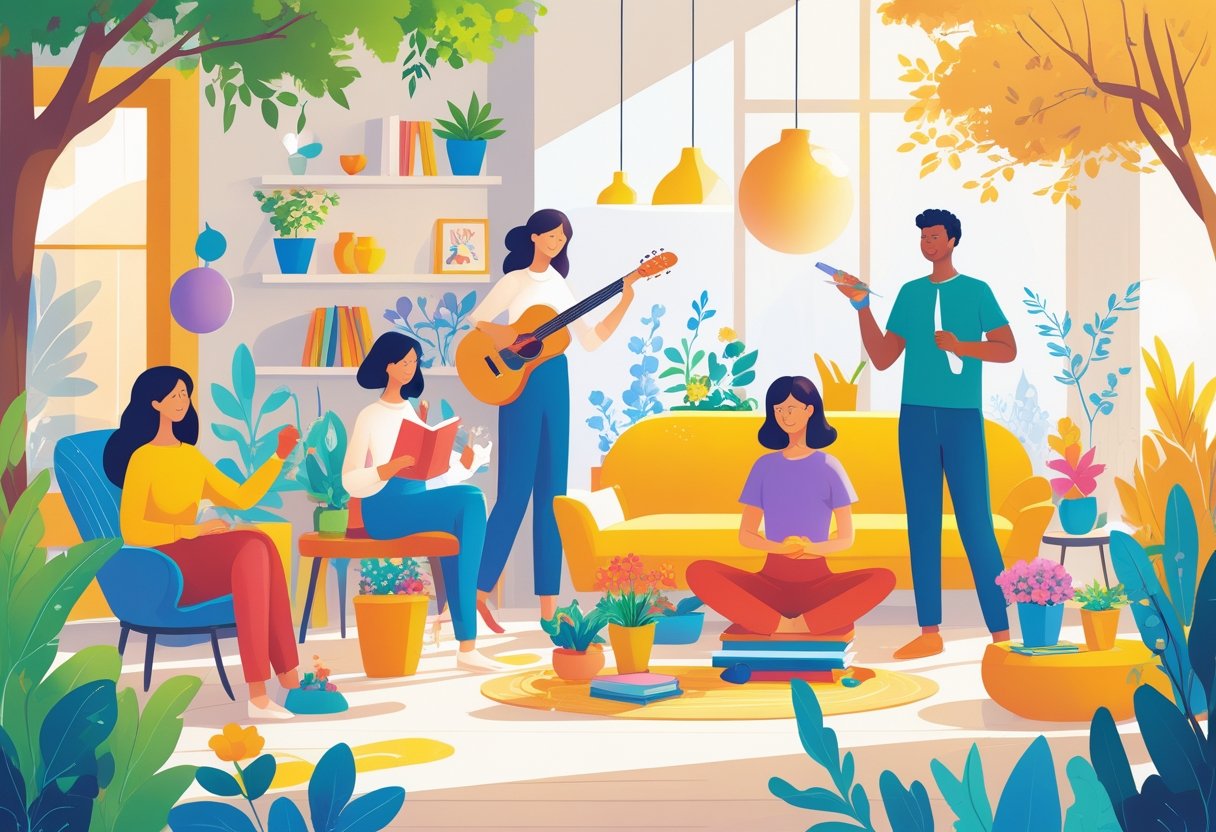
Hobbies do more than fill your free time. They shape your mental health, boost your emotional state, and help you grow as a person in ways that daily routines cannot.
Benefits of Engaging in Hobbies
When you pick up a hobby, you give your brain a break from work stress and daily pressures. Research shows that having a hobby is tied to happiness and well-being across different countries and cultures.
Your body benefits too. Active hobbies like hiking or dancing keep you moving and help prevent health problems. Even quiet hobbies like reading or painting give your mind a workout.
Key physical and mental benefits include:
- Lower stress levels throughout your day
- Better focus and concentration at work
- Improved sleep quality at night
- More energy for daily tasks
- Stronger immune system function
Hobbies also connect you with other people. When you join a class or club related to your interests, you build friendships with people who share your passion. These social connections make you feel less alone and more supported.
Impact on Mental and Emotional Wellbeing
Your emotional health gets a major boost when you engage in activities you enjoy. Hobbies can help reduce stress, improve your mood, and make you more resilient when life gets tough.
You feel more in control of your life when you choose how to spend your free time. This sense of control fights off feelings of anxiety and sadness. Your hobby becomes a safe space where you can express yourself without judgment.
The simple act of doing something you love releases feel-good chemicals in your brain. You might notice you feel calmer after working on your hobby for just 20 minutes. This mood lift can last for hours after you finish.
Role in Personal Growth
Hobbies push you to learn new skills and challenge yourself in low-pressure ways. Each time you improve at your hobby, your confidence grows. You start to believe you can tackle other challenges in your life too.
Engaging in activities you enjoy gives your life additional meaning and satisfaction. You develop patience as you work through difficult parts of learning something new. You also learn to celebrate small wins along the way.
Your hobby can reveal strengths you didn’t know you had. Maybe you discover you’re good at teaching others, solving problems, or staying focused on long-term goals. These skills often transfer to your career and relationships, making you more capable in all areas of life.
Recognizing the Warning Signs
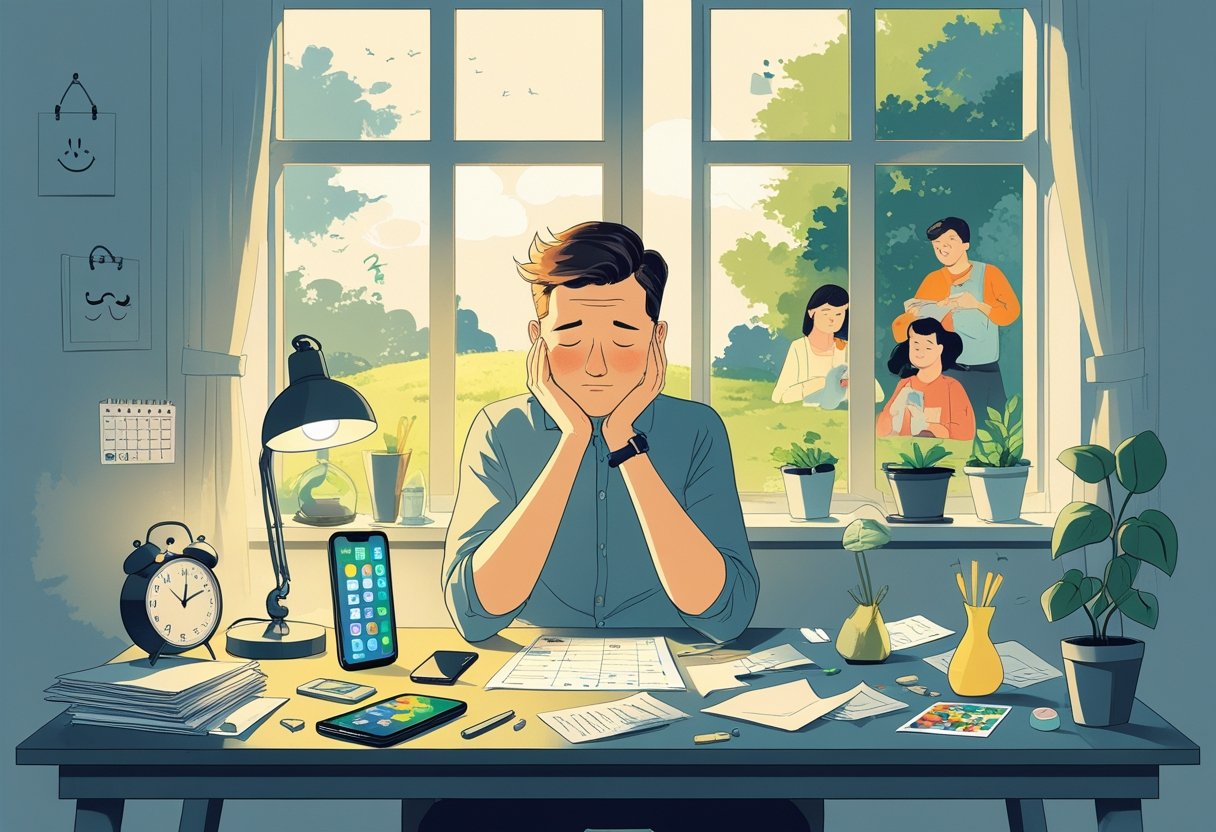
When your current activities stop bringing satisfaction and start draining your energy, your mind and body are sending clear messages that something needs to change. These feelings often build gradually until they affect multiple areas of your life.
Feeling Constant Boredom
Boredom that shows up regularly during your free time is a clear sign you need fresh activities. You might find yourself scrolling through your phone for hours or watching TV without actually enjoying what you see. This happens when your brain stops finding stimulation in your usual routines.
Pay attention to how you feel during weekends and evenings. If you frequently think “there’s nothing to do” even when you have time available, your current hobbies aren’t meeting your needs. You may also notice yourself waiting for activities to end rather than being engaged in the moment.
The problem gets worse when you try to force interest in things that used to excite you. Your brain needs new challenges and experiences to stay engaged. Without them, even activities you once loved can feel empty and meaningless.
Lack of Motivation in Daily Life
When you lack hobbies that genuinely interest you, motivation problems often spread beyond your free time. You might struggle to get out of bed, delay simple tasks, or feel disconnected from your daily responsibilities. This happens because hobbies provide mental rewards that fuel your overall energy levels.
Notice if you’re putting off basic activities like exercising, cooking, or spending time with friends. These behaviors often indicate that you’re not getting enough positive experiences to balance life’s demands. Your brain needs regular doses of enjoyment to maintain healthy motivation patterns.
You may also experience difficulty concentrating at work or feeling satisfied with your accomplishments. Hobbies give you a sense of progress and achievement outside of obligations. Without them, life can start to feel like an endless cycle of tasks without meaningful breaks.
Experiencing Increased Stress
Stress levels naturally rise when you don’t have healthy outlets for mental and emotional release. You might notice tension headaches, difficulty sleeping, or increased irritability with people around you. These physical symptoms often point to a need for activities that help you process daily pressures.
Hobbies act as stress buffers by giving your mind focused tasks separate from work and responsibilities. When you lack this separation, stress builds up with nowhere to go. You may find yourself overthinking problems or feeling anxious during times that should be relaxing.
Watch for signs like snapping at family members over small issues or feeling overwhelmed by minor setbacks. Your tolerance for everyday challenges decreases when you don’t have enjoyable activities to recharge your mental batteries.
Emotional and Social Indicators You Need a Change
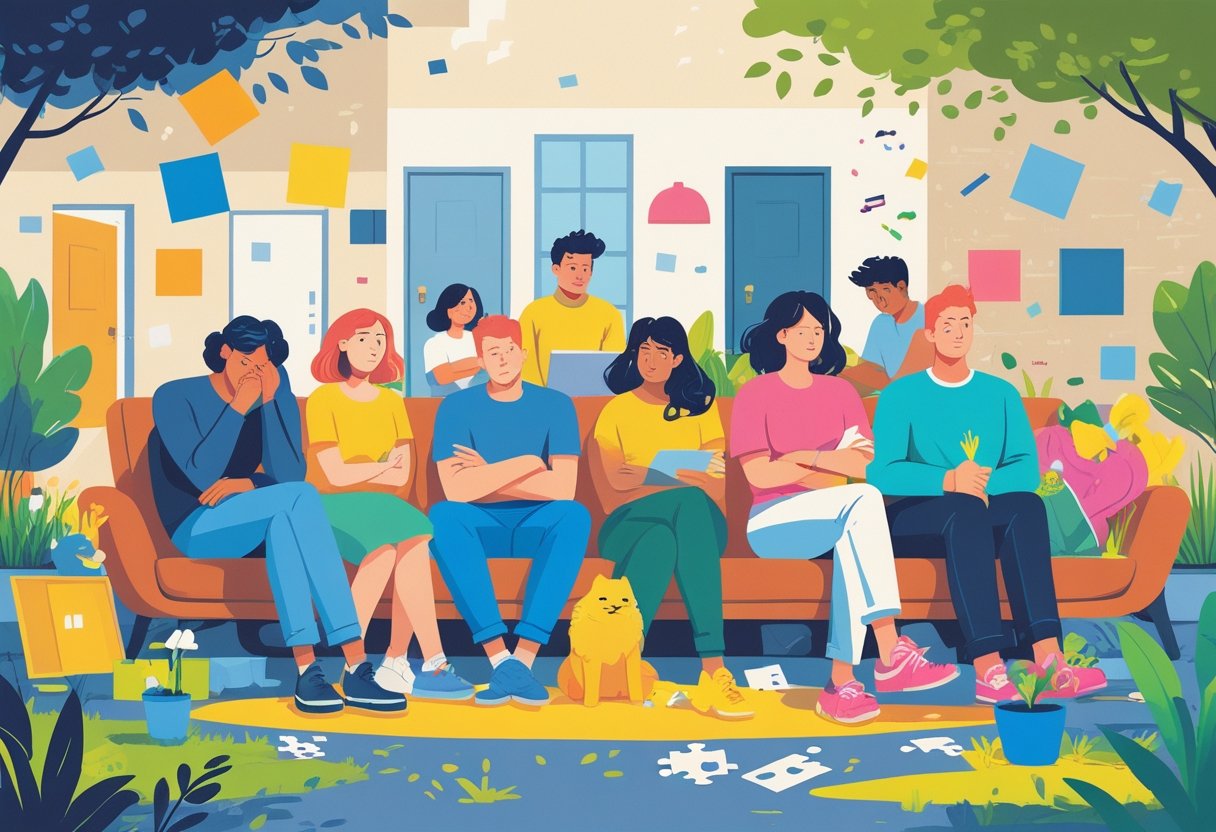
Your emotions and relationships often reveal when something needs to shift in your daily routine. When you start pulling away from people or feel annoyed for no clear reason, these patterns suggest your current activities aren’t meeting your needs.
Loss of Interest in Former Activities
You used to love painting on weekends or playing basketball with friends. Now those activities feel like chores instead of fun. This shift happens when hobbies stop bringing you joy or excitement.
When you keep canceling plans or making excuses to skip activities you once enjoyed, your mind is telling you something needs to change. You might notice yourself scrolling through your phone instead of doing the things that used to make you happy. This is one of the signs that your needs aren’t being met.
The loss of interest often creeps up slowly. You don’t wake up one day suddenly hating your hobby. Instead, you gradually feel less motivated to participate. Your energy drops when you think about doing the activity.
Social Withdrawal or Loneliness
You find yourself staying home more often and declining invitations from friends. Even when you do see people, you feel disconnected or like you don’t belong. This kind of social withdrawal signals the need for change in how you spend your free time.
Loneliness can happen even when you’re around others if your current hobbies don’t align with your interests anymore. You might sit quietly while everyone else talks excitedly about shared experiences. The conversations feel empty or boring.
New hobbies create opportunities to meet different people who share your current interests. When your social life feels stale, it often means your activities no longer connect you with the right community. You need something that brings genuine connection instead of forced interaction.
Irritability Without Clear Reason
Small things set you off lately. You snap at family members or feel annoyed by normal daily events. This irritability often points to deeper dissatisfaction with how you’re spending your time.
When you lack activities that help you relax or express yourself, stress builds up with nowhere to go. You carry tension throughout your day. Everything feels harder than it should be.
Your mood improves when you have hobbies that match your current life stage and interests. The right activity gives you an outlet for stress and a way to recharge. Without this release, frustration surfaces in unexpected ways. You might not realize your hobby routine needs updating until you notice this pattern of irritation affecting your relationships and daily life.
Physical Symptoms Linked to Lack of Hobbies
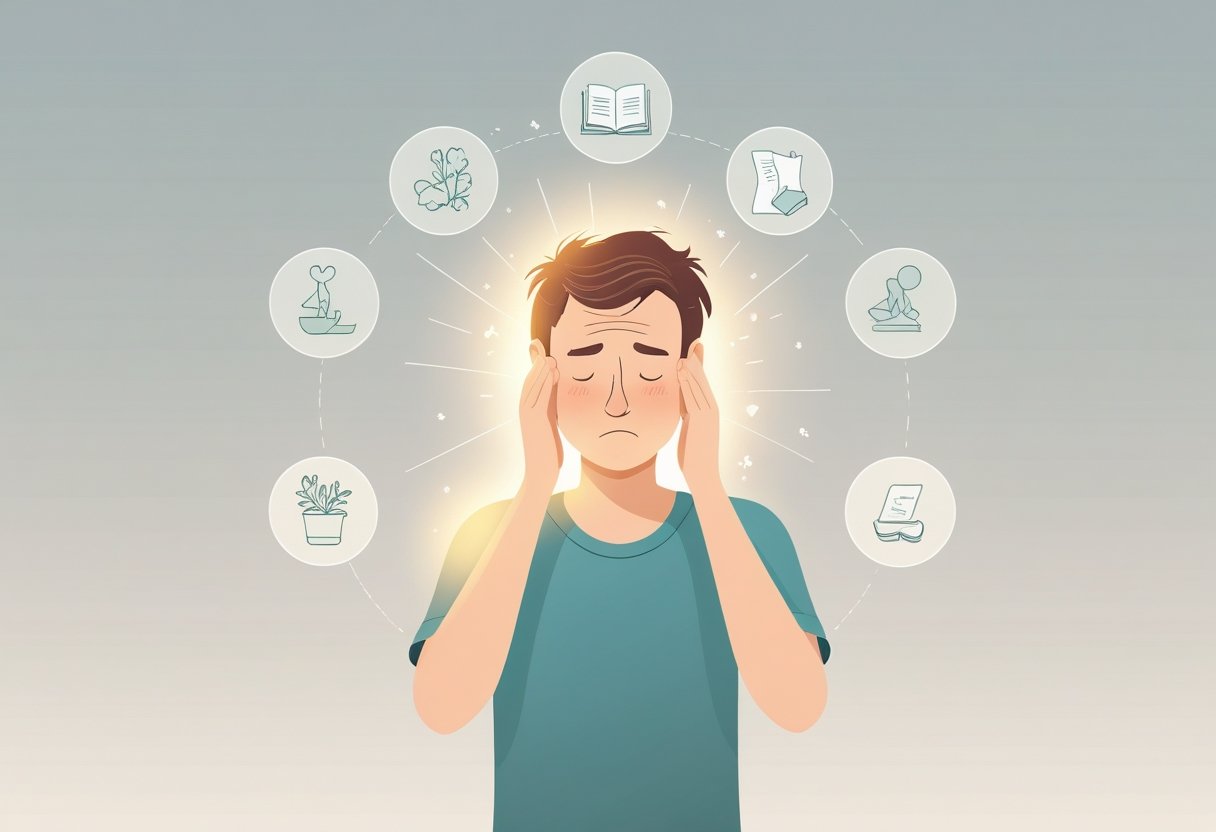
When you don’t have hobbies to break up your routine, your body starts to show signs of stress and imbalance. You might notice changes in your energy and sleep patterns that seem to have no clear medical cause.
Declining Energy Levels
Your body needs mental breaks and activities that engage different parts of your brain. Without hobbies, you may feel tired even after a full night of sleep. This happens because doing the same activities day after day drains your mental and physical resources.
Losing interest in activities can decrease your motivation and make you feel less energetic overall. You might find yourself sitting more and moving less throughout the day. Physical hobbies like gardening, dancing, or sports help boost your circulation and oxygen flow.
The lack of variety in your daily routine can make your body feel sluggish. You may need more coffee or sugar to get through the day. When you spend all your time on work and chores, your body doesn’t get the natural energy boost that comes from doing something you enjoy.
Trouble Sleeping or Restlessness
Not having hobbies can disrupt your sleep-wake cycle in surprising ways. You might lie awake at night with your mind racing about work or daily responsibilities. Hobbies give your brain a chance to shift gears and process stress in healthier ways.
When you skip activities that bring you joy, your body doesn’t release tension properly. You may toss and turn or wake up frequently during the night. Creative or physical hobbies help tire out your body and mind in a balanced way.
Your sleep quality suffers when you don’t have clear boundaries between work time and personal time. Hobbies create natural breaks that signal to your body when it’s time to relax. Without them, you may feel restless even when you’re exhausted.
How Professional and Academic Life Suffers
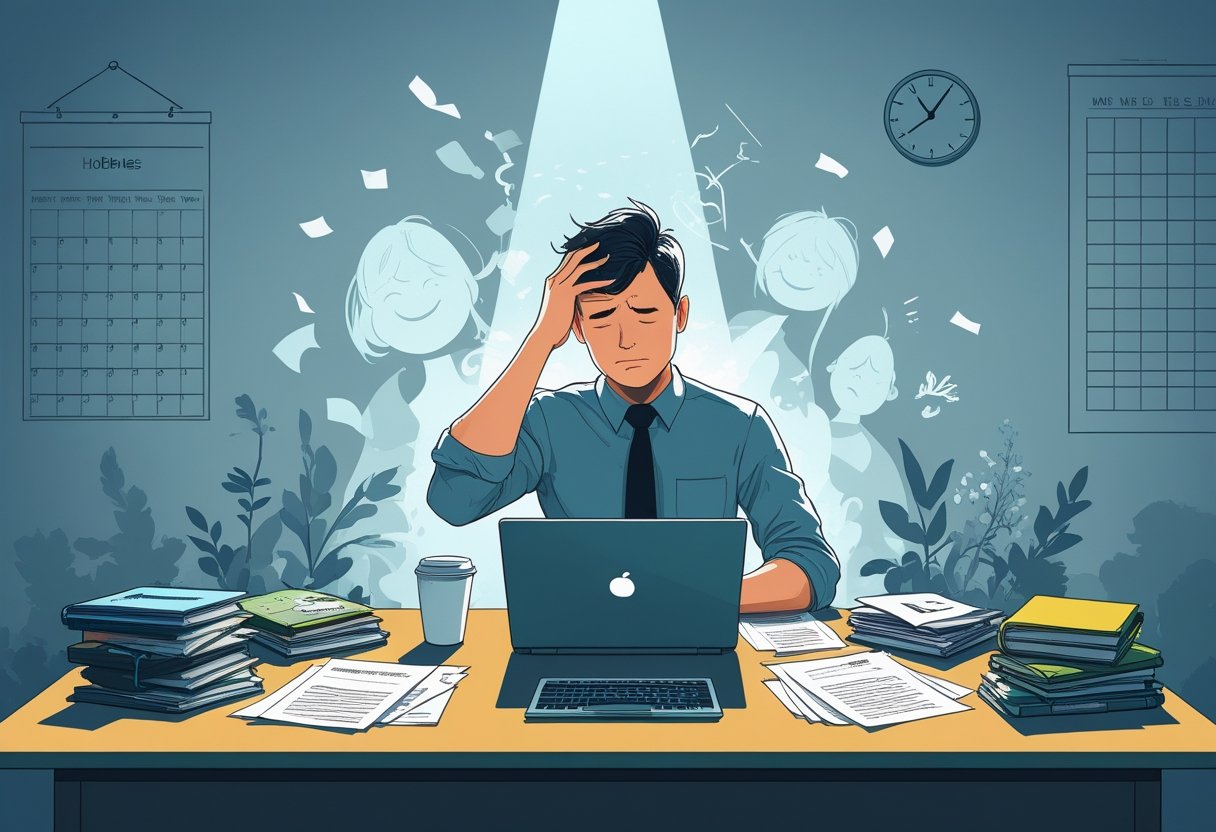
When you lack a fulfilling hobby outside of work or school, your performance in these areas often declines. You might notice yourself struggling to complete tasks that used to feel manageable or finding it harder to stay engaged during important meetings or lectures.
Reduced Productivity
Your work output drops when you don’t have a hobby to help you recharge. Without an activity that lets your mind rest from professional or academic demands, you experience mental fatigue that carries over into your daily responsibilities.
Hobbies improve work-life balance by giving your brain the break it needs to function at full capacity. When you spend all your time focused on work or studies without any creative outlet, you run out of mental energy faster. This shows up as missed deadlines, lower quality work, or assignments that take twice as long to complete.
You may also notice that problem-solving becomes harder. Your brain needs variety to stay sharp and innovative. Research shows that hobbies help you become more innovative in every area of your life, including your career and studies.
Difficulty Focusing on Tasks
Your attention span suffers when you lack a hobby to balance your mental load. You find yourself rereading the same paragraph multiple times or zoning out during important presentations.
This happens because your brain craves stimulation beyond work or academic tasks. Without a hobby to provide that variety, your mind starts to wander even when you need to concentrate. You might catch yourself scrolling through your phone instead of finishing a project or daydreaming during class.
Students who engage in hobbies find it easier to stay focused on their studies. The mental break that hobbies provide actually improves your ability to concentrate when you return to work or school tasks. Without this balance, everything feels like a chore, and your brain resists the constant demands you place on it.
Self-Discovery Through New Interests

Exploring new hobbies reveals parts of yourself you didn’t know existed and helps you develop abilities that have been waiting for the right opportunity to emerge.
Uncovering Hidden Passions
When you try something new, you give yourself a chance to discover your true passions that may have stayed hidden beneath your daily routine. You might find that painting brings you deep satisfaction even though you never considered yourself creative. Or you could realize that working with your hands through woodworking or gardening fills a need you didn’t know you had.
New hobbies create space for authentic self-expression. You’re not bound by expectations or past experiences when you start fresh with an activity.
Pay attention to which activities make time feel like it passes quickly. These are strong signals that you’ve found something meaningful. Notice when you feel energized rather than drained after doing an activity.
Finding new interests often starts with small experiments. Try a weekend workshop, join a beginner class, or watch a few tutorials online. You don’t need to commit fully before testing whether something resonates with you.
Discovering Untapped Skills
Starting a new hobby reveals capabilities you haven’t had reason to use before. You might surprise yourself by learning a language quickly, picking up rhythm on a musical instrument, or understanding complex technical concepts with ease.
These hidden talents and inclinations often emerge when you step outside familiar territory. A hobby in public speaking could uncover natural leadership abilities. Photography might reveal a sharp eye for composition and detail.
Skills that commonly emerge through new hobbies:
- Problem-solving abilities from puzzles or strategy games
- Social skills from group activities or team sports
- Technical skills from crafts or digital hobbies
- Physical coordination from dance or martial arts
You gain confidence as you develop these new abilities. Each small success proves you’re capable of growth and learning at any stage of life.
Taking Action: Steps to Find a New Hobby
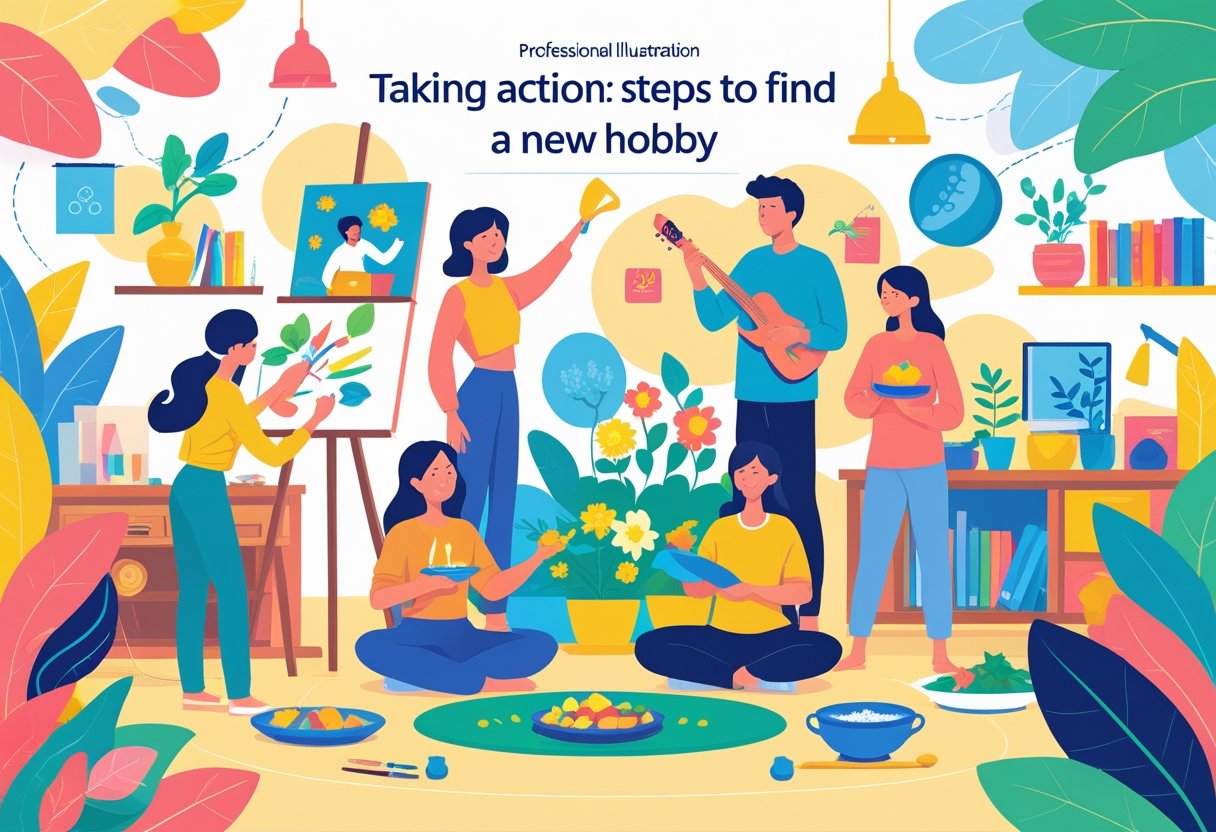
Finding a hobby that fits your life requires honest self-reflection and a willingness to try new things. The process works best when you understand what you need, test different activities, and create habits that help you stick with what you enjoy.
Assessing Your Current Needs
Start by looking at your daily schedule and energy levels. Write down how much free time you have each week and when it happens. Some people have 30 minutes after work, while others have longer blocks on weekends.
Think about what you want from a hobby. Do you need stress relief, social connection, physical activity, or creative expression? People who engage in enjoyable activities outside of work report lower stress levels and higher life satisfaction.
Consider your budget too. Some hobbies cost almost nothing, while others need special equipment or classes. List out activities that match your available time, money, and goals.
Pay attention to activities that already catch your interest. What do you watch videos about? What sections of a bookstore do you browse? These clues point toward hobbies you might enjoy.
Exploring Different Options
Make a list of three to five hobbies that match your needs. Pick activities at different commitment levels so you can test them without pressure.
Try each hobby for two to four weeks before deciding if it works for you. This gives you enough time to get past the awkward beginner phase. Finding the right hobby can help you feel happy and fulfilled.
Look for free or low-cost ways to start:
- Watch tutorial videos online
- Borrow equipment from friends or library programs
- Join free community groups or meetups
- Use items you already own at home
Don’t judge yourself harshly as a beginner. Everyone starts without skills. Focus on whether the activity feels interesting enough to continue learning.
Building Consistency in Practice
Set a specific time each week for your new hobby. Put it on your calendar like any other appointment. Start small with just 15 to 30 minutes if that’s all you can manage.
Create a simple system to track your progress. This might be a notebook, photos of your work, or notes on your phone. Seeing improvement helps you stay motivated.
Remove barriers that make starting harder. Keep your supplies in an easy-to-reach spot. Set up your space ahead of time. The less friction between you and your hobby, the more likely you’ll do it.
Find other people who share your interest. Join online groups, take a class, or invite friends to try the hobby with you. Starting a new hobby works better when you have support and don’t feel overwhelmed.