
20 Hobbies That Only Require 30 Minutes a Day to Transform Your Free Time
Finding time for hobbies in a packed schedule feels impossible, but you don’t need hours to pursue meaningful activities. Many fulfilling hobbies require just 30 minutes of daily practice to provide significant benefits and personal growth. Whether you’re looking to learn new skills, stay active, or simply unwind after work, short daily activities can fit into even the busiest schedules.
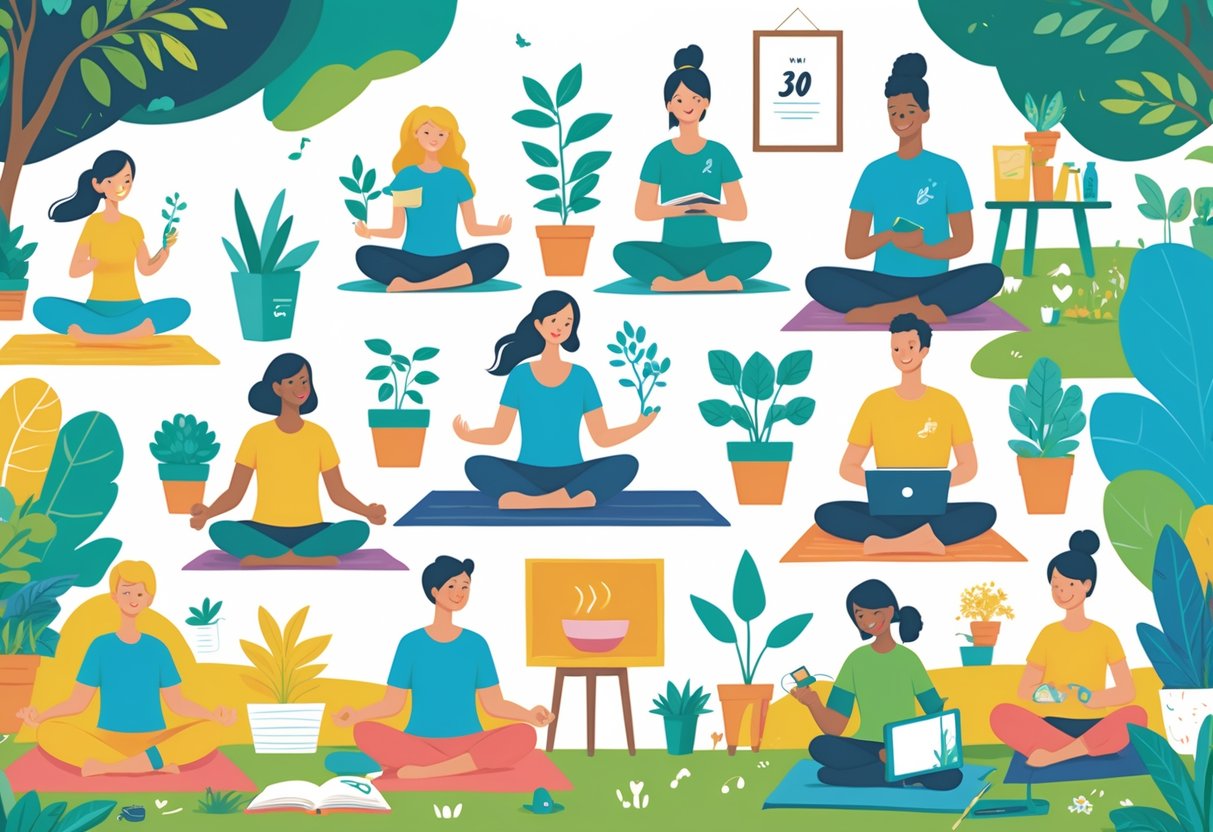
The key lies in choosing activities that don’t require extensive setup time or expensive equipment. You can incrementally build habits starting with just 10 minutes a day until you reach that sweet spot of 30 minutes. This approach prevents burnout while ensuring you stick with your new hobby long-term.
From creative pursuits like sketching to physical activities like yoga, the options are endless when you focus on consistency over duration. These 30-minute hobbies offer the perfect balance between personal enrichment and realistic time commitment for busy professionals and anyone juggling multiple responsibilities.
Key Takeaways
- Thirty minutes daily is enough time to develop meaningful hobbies that provide personal growth and stress relief
- Starting with shorter time commitments and building up gradually prevents burnout and increases long-term success
- The best short-duration hobbies require minimal setup time and can easily fit into existing daily routines
Benefits of Short Daily Hobbies
Dedicating just 30 minutes daily to a hobby can significantly reduce stress levels, build valuable skills progressively, and enhance your overall productivity throughout the day. Studies show skilled pastimes boost mental wellness and improve your memory and creativity.
Stress Relief and Mental Wellbeing
Short daily hobbies act as mental reset buttons in your busy schedule. When you engage in an activity you enjoy for 30 minutes, your cortisol levels drop and your mind shifts away from work pressures.
Creative hobbies like sketching, writing, or playing music activate different brain regions than your typical work tasks. This mental shift helps process daily stressors more effectively.
Physical activities such as gardening, yoga, or walking release endorphins naturally. These feel-good chemicals improve your mood and create a buffer against anxiety.
The key benefit lies in consistency rather than duration. Your brain begins to anticipate this daily relief period, which helps regulate emotional responses throughout the entire day.
Regular hobby engagement also improves sleep quality. Your mind has processed the day’s events through creative or physical expression, making it easier to wind down at night.
Skill Development Over Time
Thirty minutes of daily practice creates substantial skill improvements over months and years. The compound effect of consistent short sessions often surpasses sporadic longer practice periods.
Language learning demonstrates this principle clearly. Daily 30-minute sessions can build conversational fluency within 6-12 months through apps, podcasts, or conversation practice.
Musical instruments benefit tremendously from brief daily practice. Your muscle memory develops more effectively with consistent repetition than with occasional marathon sessions.
| Hobby Type | 30 Days Progress | 6 Months Progress |
|---|---|---|
| Drawing | Basic shapes, shading | Realistic portraits |
| Cooking | Simple recipes | Complex techniques |
| Photography | Camera basics | Composition mastery |
Digital skills like coding, graphic design, or video editing advance rapidly with focused daily sessions. You retain concepts better when learned incrementally rather than in intensive bursts.
The neuroplasticity of your brain responds optimally to regular stimulation. Each 30-minute session strengthens neural pathways related to your chosen skill.
Improving Daily Productivity
Productive hobbies can be highly beneficial for your overall efficiency and mental clarity. Short hobby sessions create positive momentum that carries into your work and personal tasks.
Morning hobbies like journaling, meditation, or light exercise set a focused tone for your entire day. Your brain operates with greater clarity when you start with an activity you enjoy.
Evening hobbies help transition from work mode to personal time. This clear boundary prevents work stress from bleeding into your home life and improves your next day’s focus.
Your decision-making abilities improve when you regularly engage your brain in new challenges. Hobbies require constant micro-decisions that strengthen your cognitive flexibility.
Time management skills naturally develop as you protect your 30-minute hobby window. You become more efficient with other tasks to preserve this important personal time.
The structured break that hobbies provide actually increases your capacity for focused work. Your brain processes information more effectively after engaging in enjoyable activities.
How to Make the Most of 30 Minutes a Day
Maximizing your daily 30-minute hobby sessions requires establishing a regular schedule, setting achievable targets, and monitoring your development. These three elements work together to transform brief daily sessions into meaningful long-term progress.
Creating a Consistent Routine
Schedule your 30-minute hobby block at the same time each day. This creates a mental anchor that makes the activity feel automatic rather than optional.
Morning sessions work best for many people because energy levels are highest and fewer distractions compete for attention. Evening sessions can provide stress relief after work but may face competition from social obligations.
Block this time on your calendar like any important meeting. Schedule only one week at a time to maintain flexibility for unexpected changes while still protecting your hobby time.
Choose a specific location for your activity. Whether it’s a corner of your living room for sketching or your kitchen counter for cooking experiments, consistency in environment reinforces the habit.
Prepare materials the night before. Having your guitar tuned, paints ready, or journal open eliminates friction that can derail your session before it starts.
Setting Realistic Goals
Focus on process-based goals rather than outcome-based ones. Instead of “write a novel,” aim for “write 200 words daily” or “practice guitar scales for 20 minutes.”
Break larger skills into micro-progressions. For language learning, master five new vocabulary words daily rather than attempting entire grammar concepts. For fitness, add one additional push-up weekly instead of dramatic workout increases.
Use the 80/20 rule for skill development. Identify the 20% of techniques or knowledge that will produce 80% of your improvement and prioritize those fundamentals.
Avoid overcommitting to prevent burnout. Thirty minutes feels manageable and sustainable rather than overwhelming, which helps maintain long-term consistency.
Set weekly mini-goals that build toward monthly achievements. This creates regular opportunities for success while maintaining forward momentum.
Tracking Your Progress
Use a simple habit tracker or calendar to mark completed sessions. Visual streaks provide motivation and make it easier to identify patterns in your consistency.
Document specific achievements weekly. Write down new songs learned, recipes mastered, or books read. These concrete markers demonstrate progress during moments when improvement feels invisible.
Take photos or videos of your work monthly. Visual documentation reveals gradual improvements that daily practice makes difficult to notice, especially for creative hobbies like drawing or crafting.
Create measurable benchmarks for skill-based hobbies. Time yourself solving puzzles, count completed projects, or record distances walked. Numbers provide objective feedback on your development.
Review your tracking data monthly to identify successful patterns. Notice which days, times, or conditions lead to your most productive sessions and adjust your routine accordingly.
Creative Hobbies You Can Do in Half an Hour
Creative expression doesn’t require hours of dedicated time to be meaningful. You can develop artistic skills through daily 30-minute sessions that focus on drawing fundamentals, short writing exercises, targeted photography practice, or structured musical instrument lessons.
Sketching or Drawing
Drawing requires minimal equipment and delivers immediate results in short practice sessions. A basic pencil set and sketchbook cost under $20 and provide months of creative exploration.
Daily drawing exercises maximize your 30-minute sessions:
- 10-minute gesture drawings of objects around your home
- 15-minute still life studies focusing on light and shadow
- 5-minute contour line exercises to improve hand-eye coordination
You can follow along with instructional YouTube videos or sketch independently. Focus on one technique per session rather than attempting complex compositions.
Essential supplies include:
- Graphite pencils (2H, HB, 2B)
- Blending stumps
- Kneaded eraser
- Basic sketchbook
Track your progress by dating each sketch. You’ll notice significant improvement within weeks of consistent daily practice.
Creative Writing
Thirty minutes provides enough time for focused writing without overwhelming your schedule. Short writing sessions often produce higher quality work than lengthy marathon sessions.
Effective 30-minute writing formats:
- Flash fiction (300-500 words)
- Poetry (1-3 poems)
- Journal entries with creative prompts
- Character sketches for longer projects
Set a timer and write continuously without editing. This technique, called freewriting, bypasses your internal critic and generates raw material for future projects.
Daily prompts keep you engaged:
- Write about an object from your childhood
- Describe a conversation overheard in public
- Create a story using three random words
- Reimagine a news headline as fiction
Many writers use apps like WriteRoom or simple text editors to minimize distractions. Save everything you write, even pieces you dislike initially.
Photography Exploration
Photography skills improve through regular practice with intentional focus areas. You can use a smartphone camera or dedicated camera for effective 30-minute sessions.
Structured practice approaches:
- Composition exercises using rule of thirds and leading lines
- Light studies during golden hour or blue hour
- Macro photography of household objects
- Street photography walks in your neighborhood
Choose one technique per session rather than random shooting. This targeted approach builds specific skills more effectively than general picture-taking.
Weekly themes maintain focus:
- Monday: Shadows and contrast
- Tuesday: Color relationships
- Wednesday: Textures and patterns
- Thursday: Movement and motion blur
Review and edit your photos immediately after shooting. This reflection process reinforces learning and helps you identify areas for improvement.
Learning a Musical Instrument
Musical instruments benefit from consistent short practice sessions rather than infrequent long ones. Thirty minutes allows time for warm-up, focused practice, and review.
Effective practice structure:
- 5 minutes: Warm-up scales or exercises
- 20 minutes: New material or challenging sections
- 5 minutes: Review previously learned pieces
Guitar, ukulele, and keyboard work well for beginners with limited time. These instruments offer quick early wins and don’t require extensive setup.
Online resources provide structure:
- YouTube tutorials for specific techniques
- Apps like Simply Piano or Yousician
- Sheet music websites for your skill level
Record yourself playing weekly to track improvement. Focus on accuracy over speed initially, as proper technique prevents bad habits that require correction later.
Active Hobbies That Fit Busy Schedules
Physical activities can boost energy levels and improve mental clarity in just 30 minutes. These time-efficient hobbies require minimal equipment and can be done at home or nearby locations.
Yoga or Pilates Practice
You can establish a consistent yoga or pilates routine with just 20-30 minutes daily. Both practices improve flexibility, core strength, and mental focus while reducing stress levels.
Equipment needed:
- Yoga mat
- Comfortable clothing
- Optional: blocks or straps
YouTube channels and mobile apps provide guided sessions ranging from 10-45 minutes. Beginner sequences focus on basic poses like downward dog, warrior poses, and gentle stretches.
Morning sessions energize your body for the day ahead. Evening practice helps you unwind and prepare for better sleep quality.
Start with 15-minute beginner videos and gradually increase duration as your flexibility improves. Consistency matters more than intensity when building this habit.
Quick Walks or Runs
A brisk 30-minute walk burns approximately 150-200 calories and improves cardiovascular health. Running the same duration can burn 300-400 calories depending on your pace and body weight.
Time-saving strategies:
- Walk during lunch breaks
- Take stairs instead of elevators
- Park farther from destinations
- Walk while taking phone calls
Morning walks boost metabolism and mental clarity. Evening sessions help decompress from work stress and improve sleep quality.
Track your progress using smartphone apps or fitness watches. Set realistic goals like walking 5,000 steps daily before advancing to longer distances or faster paces.
Home Workouts
Resistance band training offers portable strength training you can do anywhere. Bodyweight exercises require zero equipment while targeting all major muscle groups.
Effective 30-minute routines:
- 10 minutes cardio warm-up
- 15 minutes strength training
- 5 minutes cool-down stretching
Push-ups, squats, lunges, and planks form the foundation of effective home workouts. Circuit training maximizes results by combining cardio and strength exercises.
High-intensity interval training (HIIT) delivers maximum benefits in minimal time. Alternate between 30 seconds of intense exercise and 30 seconds of rest for 15-20 minutes.
Schedule workouts like important meetings to maintain consistency. Early morning sessions prevent schedule conflicts from derailing your routine.
Dancing for Fun
Dancing combines cardiovascular exercise with creative expression and stress relief. You can dance to any music genre in your living room without special equipment or training.
Popular dance styles for beginners:
- Zumba routines
- Line dancing
- Freestyle movement
- Dance video games
Thirty minutes of dancing burns 200-300 calories while improving coordination and balance. The activity releases endorphins that enhance mood and reduce anxiety levels.
Online tutorials teach basic steps for salsa, hip-hop, or ballroom dancing. Social dance classes offer community connections if you prefer group activities.
Create energizing playlists with songs that make you want to move. Focus on enjoyment rather than perfection to maintain long-term motivation and consistency.
Education and Learning-Focused Hobbies
Learning new skills and expanding knowledge requires consistent daily practice rather than marathon study sessions. These educational hobbies build intellectual capacity through focused 30-minute commitments that fit into any schedule.
Language Learning
You can achieve meaningful progress in a new language with just 30 minutes of daily practice. Apps like Duolingo, Babbel, or Busuu break lessons into digestible chunks perfect for this timeframe.
Effective 30-minute language sessions include:
- 10 minutes vocabulary review
- 15 minutes grammar or conversation practice
- 5 minutes listening to native speakers
Consistency matters more than intensity. Daily exposure helps your brain process new patterns and sounds naturally.
You’ll retain more information by practicing every day for 30 minutes than studying for three hours once a week. Your brain needs regular reinforcement to build neural pathways for language acquisition.
Reading Short Stories or Articles
Short-form reading fits perfectly into 30-minute windows while delivering complete narratives or educational content. You can finish most short stories in this timeframe and absorb focused information from well-written articles.
Ideal reading materials for 30-minute sessions:
- Short stories (2,000-4,000 words)
- Magazine feature articles
- Academic papers or research summaries
- News analysis pieces
This hobby enriches your knowledge and exposes you to different writing styles and perspectives. You develop critical thinking skills by engaging with diverse content regularly.
Choose materials slightly above your current reading level to challenge yourself without becoming overwhelmed. This approach gradually expands your vocabulary and comprehension abilities.
Online Microlearning
Microlearning platforms deliver focused educational content designed for short time commitments. Platforms like MasterClass, Coursera, or Khan Academy offer bite-sized lessons on countless subjects.
You can complete individual modules on topics ranging from business skills to creative arts within 30 minutes. This format allows you to explore multiple interests or dive deep into specific subjects.
Popular microlearning formats:
- Video tutorials (15-25 minutes)
- Interactive quizzes and assessments
- Skill-building exercises
- Virtual workshops
The key advantage lies in immediate application. You learn actionable concepts you can implement right away rather than theoretical knowledge requiring extensive study time.
Track your progress through completion certificates or skill badges. This creates momentum and helps you build a portfolio of acquired knowledge across different domains.
Relaxing and Mindful Hobbies for Every Day
These activities help reduce stress and improve mental clarity while fitting easily into your daily routine. Each practice requires minimal equipment and can be adapted to your specific schedule and preferences.
Meditation or Mindfulness
You can start with just five minutes of focused breathing or body awareness. Apps like Headspace or Calm provide guided sessions that fit your available time perfectly.
Basic techniques include:
- Deep breathing exercises
- Progressive muscle relaxation
- Mindful observation of thoughts
Regular meditation practice reduces cortisol levels and improves emotional regulation. Research shows that even short daily sessions create measurable changes in brain structure within eight weeks.
You don’t need special equipment or training to begin. Find a quiet spot, sit comfortably, and focus on your breath or use a simple mantra.
Indoor Gardening or Plant Care
Tending to houseplants provides immediate stress relief and a sense of accomplishment. You can water, prune, or repot plants while focusing entirely on the present moment.
Low-maintenance options include:
- Pothos or snake plants for beginners
- Herb gardens for kitchen windowsills
- Succulents for minimal watering needs
The act of caring for living things triggers the release of serotonin and dopamine. Studies indicate that mindful hobbies like gardening promote both relaxation and mental clarity.
You can propagate cuttings, arrange fresh flowers, or simply observe plant growth patterns. Each activity connects you with natural rhythms and cycles.
Journaling
Writing for 15-20 minutes helps process emotions and clarify thoughts. You can use prompts, write freely, or focus on gratitude to structure your practice.
Effective journaling methods:
- Morning pages (three pages of stream-of-consciousness writing)
- Gratitude lists with three specific items daily
- Reflection on daily experiences and lessons learned
Research demonstrates that expressive writing reduces anxiety and improves immune function. The physical act of handwriting activates different brain regions than typing.
You can journal about goals, challenges, or simple daily observations. Journaling as a meditative practice enhances self-awareness and emotional processing abilities.
Puzzle Solving
Crosswords, sudoku, and jigsaw puzzles engage your mind while promoting relaxation. The focused concentration required naturally quiets mental chatter and racing thoughts.
Popular puzzle types:
- Daily crosswords in newspapers or apps
- Number puzzles like sudoku or KenKen
- 500-1000 piece jigsaw puzzles
Puzzle solving activates the brain’s reward system when you complete sections or find solutions. This creates a natural meditation state called “flow” where time seems to disappear.
You can work on puzzles during commutes, lunch breaks, or evening wind-down time. The repetitive nature and clear objectives provide structure for relaxing hobbies that ease stress.
Social and Interactive Hobbies in 30 Minutes
Building connections and engaging with others doesn’t require hours of commitment. Quick gaming sessions and digital community engagement can strengthen relationships and develop communication skills within your daily schedule.
Board or Card Games
Board games and card games create instant social connections while exercising strategic thinking. A 30-minute session provides enough time for complete rounds of fast-paced games or partial sessions of longer strategy games.
Quick Games for 30-Minute Sessions:
- Uno – 15-20 minutes per game
- Yahtzee – 20-25 minutes
- Skip-Bo – 20-30 minutes
- Exploding Kittens – 15 minutes
- Azul – 30-45 minutes (can play partial rounds)
You can organize regular game nights with family members or roommates. Interactive hobbies require active participation and often involve teamwork, communication, and problem-solving with others.
Online platforms like Board Game Arena or Tabletop Simulator allow you to play with friends remotely. These digital versions eliminate setup time and let you jump straight into gameplay.
Online Community Participation
Digital communities offer structured social interaction that fits perfectly into 30-minute blocks. You can contribute meaningfully to discussions, share expertise, and build relationships with like-minded individuals.
Effective Community Activities:
- Reddit discussions – Comment on 5-10 posts in your interest areas
- Discord servers – Join voice chats or text conversations
- Facebook groups – Share experiences and answer questions
- Professional forums – Contribute industry knowledge
Social hobbies are a low-pressure way to connect while learning a new skill. Focus on quality interactions rather than quantity.
Set specific time limits for each platform to avoid endless scrolling. Choose 2-3 communities where you can provide genuine value rather than spreading yourself across many groups.
Regular participation builds your reputation and creates lasting connections. Many online friendships transition into real-world meetups and collaborations.
Frequently Asked Questions
Many people wonder which hobbies work best for their busy schedules and personal goals. These common questions address specific concerns about time commitment, skill development, and the practical benefits of short daily hobby sessions.
What are some quick hobbies to pick up for busy individuals?
Reading stands out as one of the most accessible options. You can read fiction, non-fiction, or articles during commutes or before bed.
Journaling requires only a pen and notebook. You can write about your day, track goals, or practice gratitude in just a few minutes.
Sketching fits easily into any schedule. Basic drawing exercises or quick observational sketches help develop artistic skills without major time investment.
Learning languages through apps like Duolingo provides structured lessons. Most language apps design their sessions to last 15-30 minutes daily.
Can you recommend activities that help in stress relief within a short time frame?
Meditation offers immediate stress reduction benefits. Even 10-15 minutes of guided meditation can lower cortisol levels and improve mental clarity.
Yoga provides both physical movement and mental relaxation. Simple stretching routines or basic poses help release tension from your body.
Adult coloring books engage your mind in a calming activity. The repetitive motions and focus required naturally reduce anxiety levels.
Breathing exercises require no equipment or special location. Deep breathing techniques activate your parasympathetic nervous system within minutes.
What are the benefits of engaging in a hobby for just 30 minutes a day?
Regular hobby practice creates measurable improvements in mental health. Studies show that consistent creative activities reduce depression and anxiety symptoms.
Skill development occurs through incremental daily practice. 30-minute hobby sessions can rewire your lifestyle and mindset when practiced consistently over time.
Hobbies provide mental stimulation outside of work responsibilities. This cognitive variety helps prevent burnout and maintains brain plasticity.
Social connections often develop through hobby communities. Many activities connect you with like-minded individuals who share similar interests.
Are there any hobbies that can help improve my skills or learning with minimal daily dedication?
Coding tutorials teach programming languages in bite-sized lessons. Platforms like Codecademy structure learning into 20-30 minute modules.
Musical instruments develop coordination and memory skills. Piano, guitar, or ukulele practice sessions show progress with consistent short practice.
Photography improves observation skills and technical knowledge. You can practice composition techniques or learn editing software in short sessions.
Writing exercises enhance communication abilities. Daily writing prompts or short story practice improve vocabulary and expression skills.
What short-duration hobbies can contribute to personal development and growth?
Goal setting and planning activities improve organization skills. Spending time reviewing priorities and tracking progress builds self-awareness.
Learning new recipes expands cultural knowledge and practical life skills. Cooking simple dishes teaches patience and following instructions.
Gardening develops responsibility and connection to nature. Indoor plants or herb gardens require minimal daily care but provide ongoing learning opportunities.
Podcast listening exposes you to new ideas and perspectives. Educational podcasts cover virtually any topic during commutes or exercise.
Which hobbies are best for enhancing creativity in a limited daily time span?
Creative writing exercises stimulate imagination and storytelling abilities. Writing prompts or character development exercises spark creative thinking.
Crafting projects like knitting or origami engage spatial reasoning skills. These hands-on activities produce tangible results while exercising creativity.
Digital art and design tools offer unlimited creative possibilities. Programs like Procreate or Canva allow experimentation with colors, shapes, and compositions.
Music composition apps enable melody and rhythm creation. Even basic beat-making or humming recordings can develop musical creativity over time.