10 Best Hobbies for Hospitality Managers to Recharge: Proven Ways to Beat Burnout and Boost Performance
Working in hospitality management means dealing with constant demands, long hours, and high-pressure situations. Your job requires you to handle staff issues, guest concerns, and operational challenges all at the same time.
This makes it easy to feel burned out if you don’t take time to step away and recharge.

Having hobbies outside of work helps you reduce stress, gain new perspectives, and return to your management role with more energy and focus. Whether you prefer activities that get you moving outdoors or quiet practices that calm your mind, the right hobby can make a real difference in how you feel.
Some hobbies even help you build skills that transfer directly back to your work in hospitality.
This guide explores different hobby options that fit well with the unique challenges of hospitality management. You’ll learn about activities that help you relax, stay creative, and maintain balance between your demanding career and personal life.
10) Gardening
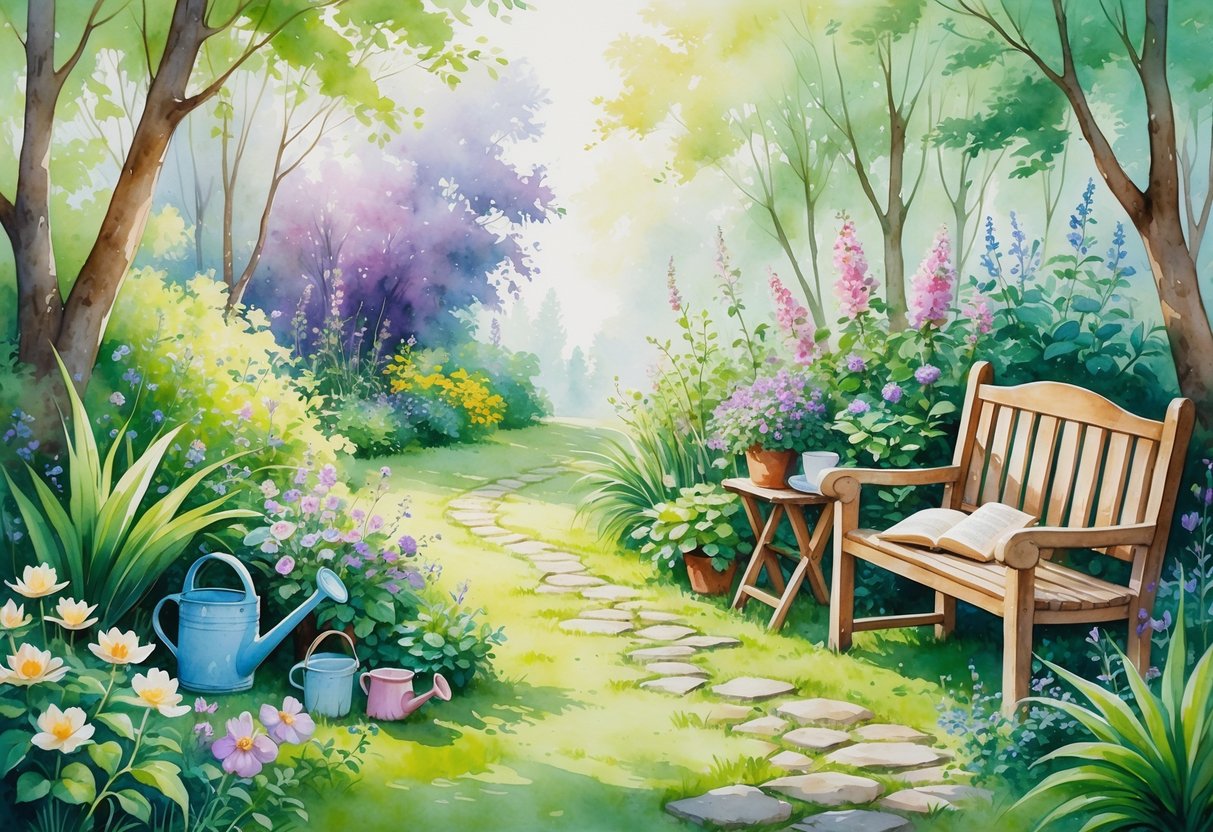
Gardening offers hospitality managers a hands-on way to step away from screens and demanding schedules. You work directly with soil, plants, and natural cycles, which creates a clear separation from the digital nature of your daily work.
This physical activity helps reduce stress while giving you tangible results you can see grow over time. You don’t need a large outdoor space to start gardening.
Small herb gardens on windowsills or container vegetables on balconies work just as well. The key is choosing plants that match your available time and space.
The routine of watering, pruning, and tending to plants provides structure outside of work hours. These simple tasks require enough attention to keep your mind engaged but not so much that they become stressful.
Gardening also teaches patience in a way that complements management skills. Plants grow on their own schedule, not yours.
Starting a garden requires minimal investment. Basic tools, seeds, and soil are affordable and widely available.
You can expand your garden gradually as you learn what works best for your climate and schedule. The fresh produce or flowers you grow serve as a rewarding outcome of your effort.
Some managers even share their harvest with colleagues or use herbs in their own cooking. This extends the benefits beyond the garden itself.
9) Volunteering in Community Services

Volunteering offers hospitality managers a meaningful way to step away from work demands while staying connected to service-oriented values. You can apply your natural people skills in new settings that don’t involve guest complaints or operational pressures.
Community service lets you choose causes that matter to you personally. Food banks, animal shelters, youth programs, and environmental projects all need volunteers with strong organizational abilities.
Your experience managing teams and coordinating events translates well to volunteer coordination roles. The pace of volunteer work differs from hospitality management.
You control your commitment level and can participate on your own schedule. Many organizations need help for just a few hours per week or month.
Working with community members provides fresh perspectives outside the hospitality industry. You meet people from different backgrounds and professions.
Volunteering also builds skills that benefit your career. You might learn grant writing, social media management, or fundraising strategies.
The work creates genuine impact in your local area. You see direct results from your efforts, whether that means meals served, habitats restored, or programs delivered.
Choose volunteer activities based on your interests rather than resume building. Authentic engagement leads to better experiences and more sustained involvement.
8) Networking through Industry Events

Attending hospitality networking events gives you a chance to step away from daily work pressures while staying connected to your field. These gatherings let you meet other professionals who understand the unique challenges of hospitality management.
You can share experiences and learn from others facing similar situations. Industry conferences and professional mixers offer more than just career benefits.
They provide a mental break from your regular responsibilities while keeping you engaged with your profession. You get to explore new venues, try different foods, and experience events from an attendee’s perspective rather than an organizer’s role.
These events help you stay current with industry trends without the stress of implementation. You can learn about new technologies and practices in a relaxed setting.
The conversations you have at these gatherings often spark fresh ideas you can bring back to your workplace. Networking events also combat the isolation that management positions can create.
You build relationships with peers who can become trusted resources when you need advice or support. LinkedIn data shows that 56% of job seekers use professional networks to find opportunities, but the real value lies in the ongoing connections you maintain.
You don’t need to attend every event available. Choose gatherings that match your interests and schedule.
Even quarterly attendance at industry meetups can provide the social interaction and professional stimulation that helps you recharge while maintaining your career momentum.
7) Photography

Photography offers hospitality managers a perfect way to step back from daily responsibilities and focus on something creative. You can start with just your smartphone or invest in a basic camera as you develop your skills.
This hobby trains your eye to notice details and capture moments that matter. In hospitality management, you already pay attention to small details in guest experiences.
Photography builds on this skill in a relaxing way outside of work. You can practice photography almost anywhere.
Take pictures during your morning walk, on weekend trips, or even around your own neighborhood. The flexibility means you can fit it into your schedule without major planning.
Photography helps reduce stress by getting you present in the moment. When you’re focused on composition, lighting, and framing a shot, work concerns naturally fade into the background.
This mental break gives your mind time to recharge. The hobby also connects you with other people who share your interest.
You can join local photography groups, take classes, or share your work online. These social connections happen outside your professional circle, which creates healthy balance.
As you improve, photography becomes a record of your experiences and travels. You build a collection of images that capture places you’ve visited and moments you want to remember.
6) Yoga for Stress Relief

Yoga offers hospitality managers a practical way to manage the physical and mental stress that comes with the job. This practice combines movement, breathing exercises, and focused attention to help calm your mind and relax your body.
You don’t need special equipment or a lot of time to get started. Many yoga poses can be done in 10 to 15 minutes, making it easy to fit into your busy schedule.
You can practice at home, in a studio, or even in a quiet office space during breaks. The breathing techniques in yoga help lower your stress levels by activating your body’s natural relaxation response.
When you focus on your breath and movements, you shift your attention away from work problems and daily pressures. Regular yoga practice can improve your flexibility and reduce muscle tension.
Standing for long hours and dealing with workplace stress often causes tight shoulders, neck pain, and back problems. Yoga poses target these problem areas and help release built-up tension.
You can choose from different types of yoga based on your needs. Gentle styles like restorative yoga focus on relaxation, while more active styles provide both stress relief and physical exercise.
Starting with basic poses and simple breathing exercises gives you a foundation to build on as you become more comfortable with the practice.
5) Outdoor Hiking

Hiking offers hospitality managers a simple way to step away from demanding work environments and reconnect with nature. You can choose trails that match your fitness level and schedule, whether that means a 30-minute walk on a local path or a longer weekend adventure.
The physical activity involved in hiking helps reduce stress while improving your cardiovascular health. Walking on natural terrain requires more focus than indoor exercise, which helps clear your mind from work-related thoughts.
Fresh air and natural surroundings can boost your mood and energy levels. You don’t need expensive equipment to start hiking.
A good pair of supportive shoes, water, and some snacks are enough for most beginner trails. Many cities have parks or nature reserves within a short drive, making this hobby accessible even with a busy schedule.
Regular hiking can improve your decision-making abilities and mental clarity. The quiet time on the trail gives you space to think through challenges without the constant interruptions of your workplace.
You might find solutions to work problems come more easily when you’re not actively trying to solve them. Hiking also builds endurance and resilience, qualities that translate directly to your role as a manager.
The practice of setting a goal, like reaching a summit, and working steadily toward it mirrors the persistence needed in hospitality management. You return to work feeling refreshed and more capable of handling whatever comes your way.
4) Creative Writing

Creative writing offers hospitality managers a powerful way to process daily experiences and recharge mentally. You can explore different forms like journaling, short stories, or even poetry without any pressure to publish or share your work.
Writing helps you organize your thoughts after handling multiple guest interactions and staff situations. When you put experiences into words, you create distance from stressful moments and gain new perspectives.
You don’t need special training or expensive equipment to start. A simple notebook or a document on your phone works perfectly.
Many hospitality managers find that writing for just 15-20 minutes helps them clear their head and reduce stress. The skills you develop through creative writing transfer directly to your management role.
You become better at crafting clear emails, writing incident reports, and communicating with your team. Your ability to express ideas improves, which makes you more effective in meetings and presentations.
Creative writing also boosts your problem-solving abilities. When you create characters or storylines, you practice thinking through different scenarios and outcomes.
You can write whenever it fits your schedule. Early morning before work, during a break, or late at night all work equally well.
3) Wine Tasting

Wine tasting offers hospitality managers a natural way to unwind while expanding your professional skills. You already understand the value of quality beverages in your work, so this hobby lets you deepen that knowledge in a relaxed setting.
When you explore different wines, you learn about flavor profiles, regions, and production methods. This knowledge directly benefits your career when selecting wines for your establishment or training your staff.
You can apply what you taste to improve guest experiences at your property. The hobby doesn’t require expensive equipment to start.
You can begin with tastings at local wineries or wine shops. Many places offer affordable flights that let you sample several varieties in one visit.
Wine tasting engages your senses in a focused way that pulls your attention away from work stress. You concentrate on identifying aromas, flavors, and textures rather than thinking about staffing issues or guest complaints.
This mental shift helps you recharge. You can enjoy wine tasting alone during quiet moments or make it social by joining tasting groups.
Both approaches work well for busy hospitality managers with unpredictable schedules. The hobby also connects you with other professionals in the food and beverage industry.
These connections can lead to new ideas for your own operation. You might discover emerging wine trends or meet suppliers who could benefit your business.
2) Cooking International Cuisines

Cooking international cuisines gives you a creative outlet that fits perfectly with your hospitality background. You already understand food service and guest preferences, so exploring different culinary traditions feels like a natural extension of your skills.
This hobby lets you step away from work stress while keeping your food knowledge sharp. You can experiment with Thai curries one week and Italian pasta techniques the next.
Each cuisine teaches you new flavors, cooking methods, and ingredient combinations. Starting is simple.
Pick a country or region that interests you and research a few popular dishes. Focus on recipes that highlight unique techniques you haven’t tried before.
You don’t need expensive equipment or hard-to-find ingredients to begin. As you practice different cuisines, you build a deeper understanding of global food cultures.
This knowledge can help you in your career when menu planning or training kitchen staff. You’ll recognize authentic flavors and traditional preparation methods.
The hands-on nature of cooking provides a mental break from management duties. You control the pace and make all the decisions without coordinating teams or handling complaints.
It’s just you, your ingredients, and the satisfaction of creating something delicious. Many hospitality managers find that exploring international cuisines reconnects them with why they entered the industry.
1) Mindfulness Meditation

Mindfulness meditation offers hospitality managers a direct path to mental clarity during demanding workdays. You focus on your breath and present moment awareness, which helps quiet the constant mental chatter that comes with managing staff, guests, and daily operations.
This practice requires no special equipment or significant time investment. You can start with just five minutes between shifts or during a quiet moment in your office.
Find a comfortable spot, close your eyes, and direct your attention to your breathing. The benefits extend beyond your meditation sessions.
Regular practice helps you maintain emotional balance when handling difficult guest situations or staff conflicts. You’ll notice improved focus during busy service periods and better decision-making under pressure.
Many hospitality professionals find that meditation reduces their stress levels and prevents burnout. The technique trains your mind to stay present rather than worrying about past mistakes or future problems.
You don’t need to achieve perfect stillness or empty your mind completely. When thoughts arise, simply acknowledge them and return your focus to your breath.
This simple action strengthens your ability to stay calm during high-pressure situations. Starting a meditation practice fits naturally into your routine as a hospitality manager.
You can practice during your commute, before opening, or during breaks. The key is consistency rather than duration.
Why Hobbies Matter for Hospitality Managers

Hospitality managers face constant demands that drain mental energy and increase stress levels. Personal hobbies provide a necessary break from work pressures while building skills that transfer directly to leadership roles.
The Benefits of Regular Leisure Activities
Working in hospitality means dealing with high-stress situations every day. You handle guest complaints, manage staff conflicts, and solve problems on the spot.
This constant pressure takes a toll on your mental and physical health. Regular hobbies give you a chance to step away from work and recharge.
When you spend time on activities you enjoy, your stress levels drop. Your mind gets a break from thinking about schedules, budgets, and customer issues.
Key benefits include:
- Lower stress and anxiety levels
- Better sleep quality
- Increased energy during work hours
- Improved mood and mental clarity
Personal interests also boost your creativity. When you paint, garden, or play music, you think in different ways.
This fresh perspective helps you solve work problems more effectively. You need at least two hours per week for non-work activities.
This time investment pays off through better focus and decision-making at your job.
Enhancing Leadership Through Personal Interests
Your hobbies build skills that make you a better manager. Team sports teach you about collaboration and communication.
Solo activities like reading or hiking improve your self-awareness and patience. When you engage in hobbies, you develop empathy and authenticity.
You understand what your staff needs because you know the value of personal time. This makes you more supportive as a leader.
Creative hobbies strengthen your problem-solving abilities. You learn to think outside the box and find new solutions.
These skills transfer directly to handling challenges at work. Hobbies that involve learning new things keep your brain sharp.
You stay open to fresh ideas and approaches in your management style. This adaptability helps you lead more effectively in a fast-changing industry.
Your team notices when you maintain interests outside work. You set a positive example about work-life balance.
This encourages your staff to take care of their own well-being too.
Integrating Hobbies Into a Busy Hospitality Schedule

Hospitality managers work long hours and handle constant demands, but making time for hobbies requires specific planning methods and clear boundaries between work and personal life.
Time Management Strategies
Start by tracking how you spend your time for one week. Write down every task and activity to find gaps where hobbies can fit.
Many hospitality managers discover they have 15-30 minute windows between shifts or during slower periods. Block out hobby time in your calendar just like you schedule meetings or staff reviews.
Treat this time as non-negotiable unless a true emergency happens. Put these blocks in your phone with reminders so you don’t forget or skip them.
Time-blocking techniques that work:
- Morning sessions – Wake up 30 minutes earlier for hobbies before work starts
- Break time activities – Use lunch breaks for quick hobby sessions
- End-of-shift wind-down – Spend 20 minutes on a hobby right after work
- Day-off dedication – Reserve 2-3 hours on days off for longer hobby projects
Choose hobbies that match your available time slots. Reading works well in 15-minute chunks.
Cooking or exercise needs longer blocks of 45-60 minutes.
Creating a Balanced Work-Life Routine
Set clear boundaries with your work schedule. Tell your team when you’re off duty and stick to it except for real emergencies.
Turn off work notifications during your personal time. Build a weekly routine that includes both work and hobby time.
Pick 2-3 specific days each week for your hobbies and keep this schedule consistent. Your body and mind adapt better to regular patterns than random hobby sessions.
Weekly routine structure:
| Day | Work Focus | Hobby Time | Duration |
|---|---|---|---|
| Monday-Wednesday | Peak shifts | Morning hobby | 30 min |
| Thursday | Admin tasks | Extended evening | 90 min |
| Friday-Saturday | Busy service | Quick breaks | 15-20 min |
| Sunday | Day off | Full hobby day | 3-4 hours |
Start small with just 15 minutes per day rather than trying to find hours right away. Small amounts of hobby time done regularly provide more benefit than waiting for a perfect long block that may never come.
You can increase the time as you get better at managing your schedule.
Frequently Asked Questions

Hospitality managers often wonder which activities can boost their skills while helping them unwind. The right hobbies can strengthen leadership abilities, reduce stress, improve problem-solving, enhance customer service, support physical health, and sharpen business thinking.
What hobbies can hospitality managers adopt to improve their leadership skills?
Volunteering in community services builds strong leadership abilities. When you organize events or coordinate volunteers, you practice delegation and team management in real situations.
Networking through industry events helps you learn from other leaders. You gain new perspectives on management styles and build relationships that can improve how you lead your team.
Gardening teaches patience and long-term planning. You learn to nurture growth over time, which directly applies to developing your staff members.
Which relaxing hobbies are recommended for hospitality professionals to manage stress?
Yoga for stress relief stands out as one of the most effective practices. It combines physical movement with breathing techniques that calm your nervous system after demanding shifts.
Photography gets you outside and focused on the present moment. When you frame shots and adjust settings, work worries fade into the background.
Gardening offers quiet time outdoors where you can disconnect from guest requests and staff issues. The repetitive tasks like watering and weeding give your mind a break from decision-making.
What creative hobbies can help enhance a hospitality manager’s problem-solving abilities?
Photography sharpens your ability to see situations from different angles. You learn to adjust quickly when lighting changes or subjects move, similar to adapting to unexpected guest situations.
Gardening requires creative problem-solving when plants face challenges. You troubleshoot issues like pests or poor soil, which mirrors how you handle operational problems at work.
Creative pursuits in general push you to think outside standard procedures. This flexible thinking helps when you face unique guest requests or staffing challenges.
Are there any hobbies that can strengthen a hospitality manager’s customer service skills?
Volunteering in community services puts you in direct contact with diverse people. You practice active listening and empathy while helping others, which transfers directly to guest interactions.
Photography improves your observation skills. You notice small details and what makes people comfortable, both valuable for anticipating guest needs.
Networking through industry events develops your communication abilities. You practice reading people and adjusting your approach based on different personalities.
What active hobbies could benefit a hospitality manager’s physical and mental well-being?
Yoga for stress relief combines physical activity with mental relaxation. You build strength and flexibility while reducing the physical tension that comes from long hours on your feet.
Gardening provides moderate physical activity without intense strain. You move your body through digging, planting, and maintaining plants while getting fresh air.
Photography often involves walking and exploring new locations. You stay active while pursuing creative goals, which benefits both body and mind.
How can hospitality managers incorporate hobbies that develop their business acumen and strategic thinking?
Networking through industry events exposes you to new business strategies. You learn how other properties handle challenges and discover trends before they reach your market.
Gardening teaches resource management and planning. You allocate space, budget for supplies, and plan seasonal rotations.
Photography develops your eye for marketing and presentation. You learn composition and what attracts attention.