10 Best Hobbies for Digital Nomads Traveling the World: Stay Productive and Inspired on the Road
Digital nomads face a unique challenge when working remotely while traveling the world. The constant movement between locations and time zones can make it hard to maintain balance and find joy outside of work.
Without regular routines or familiar social circles, it’s easy to feel disconnected or burned out.
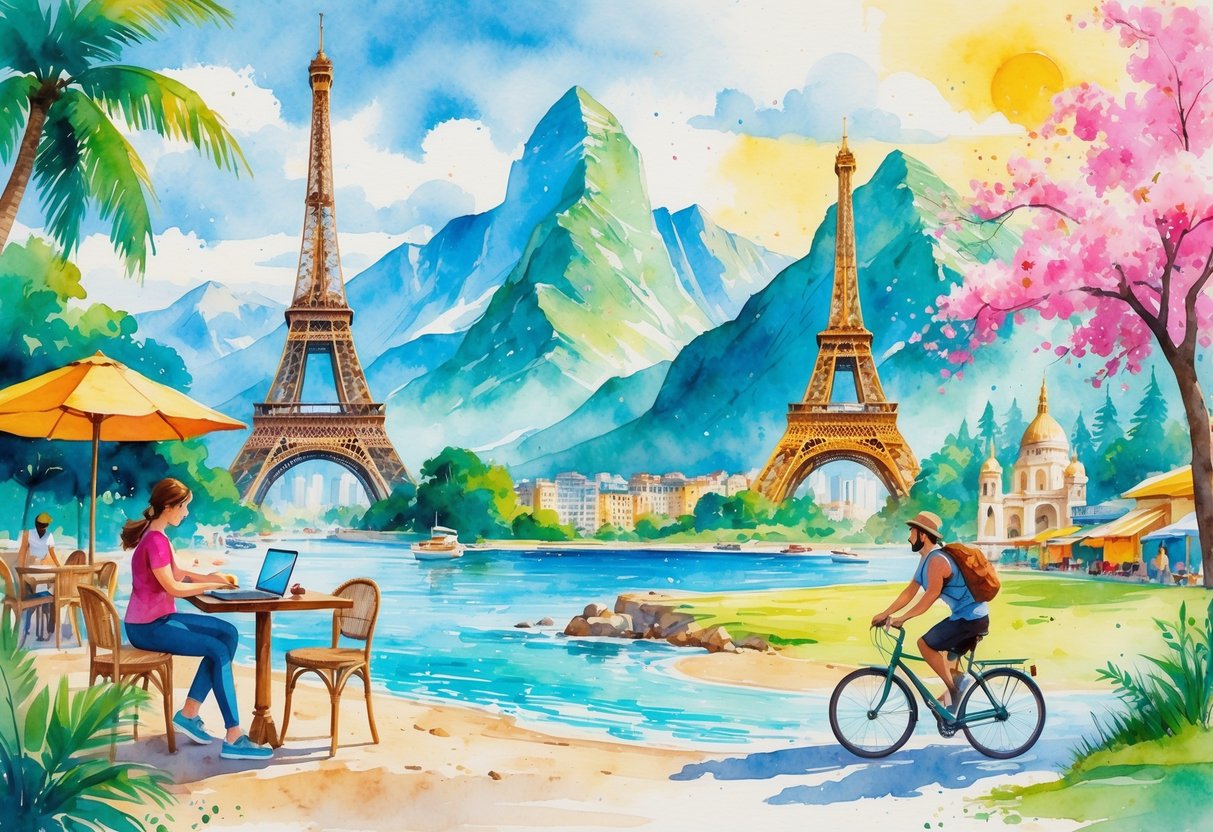
Finding the right hobbies can help you stay grounded, inspired, and healthy while living the digital nomad lifestyle. Hobbies give you a way to explore new places more deeply, connect with local communities, and create meaningful experiences beyond your laptop screen.
They also provide mental breaks from work and help you develop new skills along the way.
This guide covers ten hobbies that fit well with life on the road. You’ll learn about activities that range from creative pursuits to physical wellness practices, all designed to enrich your travels while supporting your productivity and well-being.
10) Writing travel guides or eBooks
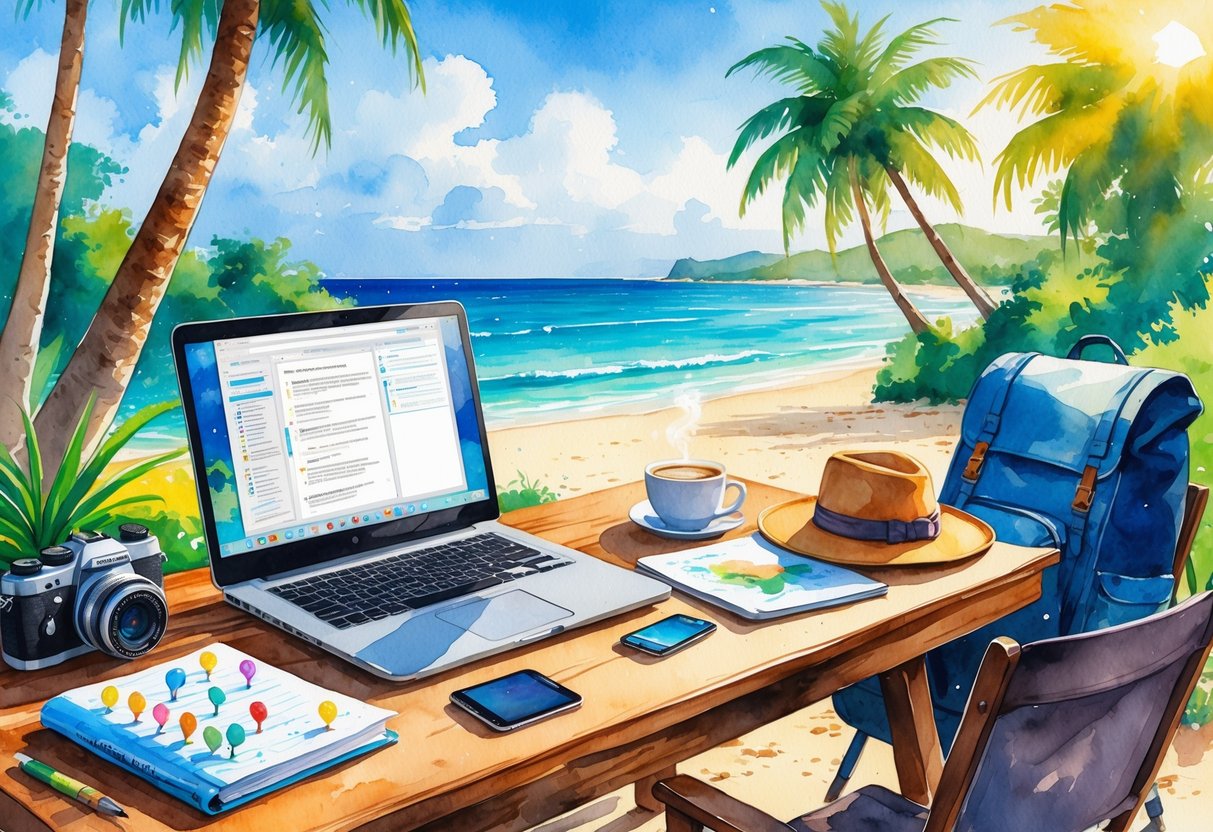
Writing travel guides or eBooks gives you a way to share your experiences while earning extra income. You already explore new places as a digital nomad, so documenting what you learn comes naturally.
This hobby turns your travels into useful content for other people. You can write about the cities you visit, the best local restaurants, or hidden spots tourists often miss.
Your firsthand knowledge makes your guides valuable to readers planning their own trips. Each new destination provides fresh material for your next project.
Starting a travel guide requires just your laptop and some time to organize your thoughts. You can self-publish on platforms like Amazon Kindle or sell guides through your own website.
The flexibility fits perfectly with your nomad lifestyle since you can write anywhere with an internet connection. This hobby also helps you explore places more carefully.
When you write about a location, you pay closer attention to details other travelers might overlook. You become more engaged with each city instead of just passing through.
Writing improves the longer you practice it. Your first guide might be simple, but each new project makes you better at organizing information and connecting with readers.
Over time, you can build a collection of guides that generates ongoing income while you continue traveling.
9) Cooking local recipes
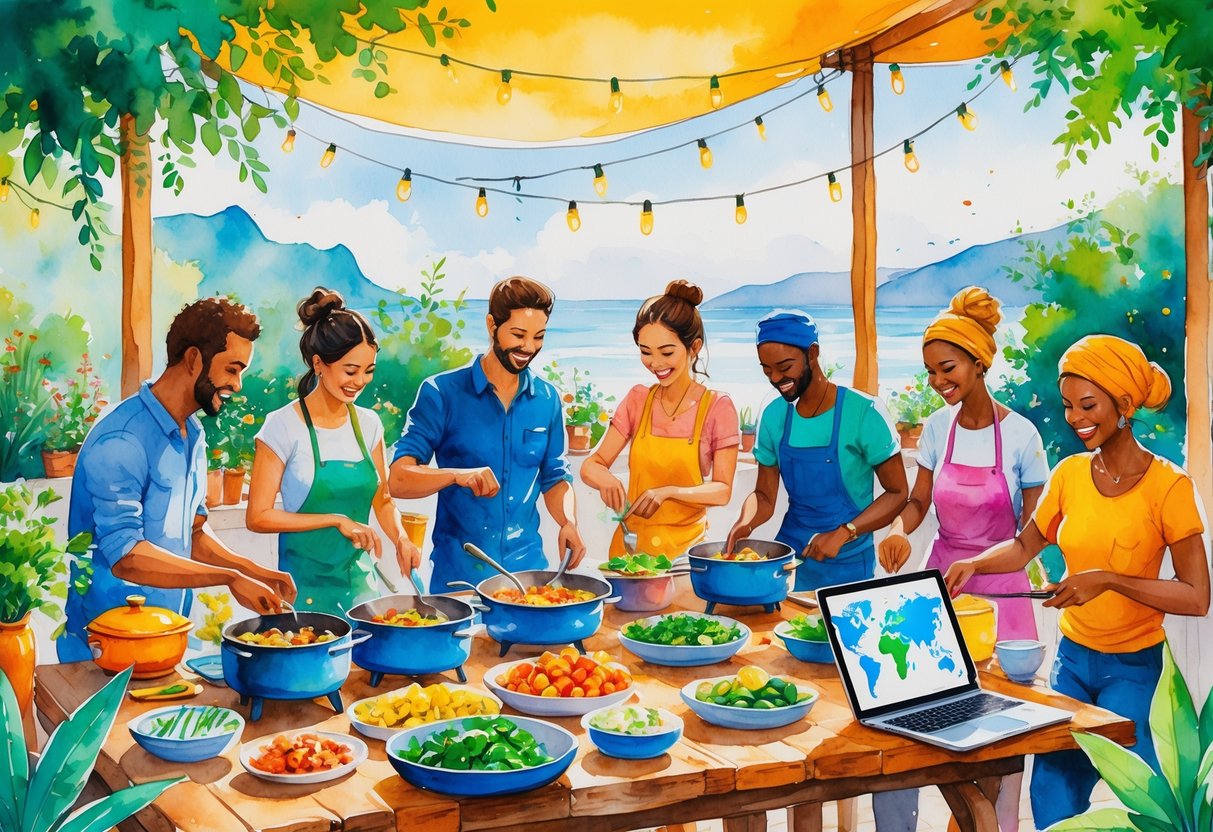
Cooking local recipes connects you to the culture of each place you visit. When you shop at local markets and prepare traditional dishes, you learn about ingredients and cooking methods unique to that region.
This hobby turns everyday meal preparation into a cultural experience. You can start with simple recipes that use basic equipment.
Many traditional dishes require only a few ingredients and minimal cooking tools. One-pot meals and no-cook options work well when you have limited kitchen access in hostels or shared spaces.
Learning to cook while traveling saves money compared to eating out for every meal. You control what goes into your food, which makes it easier to maintain a healthy diet on the road.
Plus, you gain practical skills that improve with each new destination. Meeting other travelers in shared kitchens often leads to recipe exchanges.
You can learn cooking techniques from people around the world and share your own knowledge. These interactions add a social element to what might otherwise be a solitary activity.
Start by picking one or two local dishes to master in each country you visit. Look for recipes that match your available equipment and skill level.
As you build your collection of international recipes, you create lasting memories tied to specific places and experiences. The ingredients and flavors will remind you of your travels long after you move to the next destination.
8) Hiking to explore natural surroundings
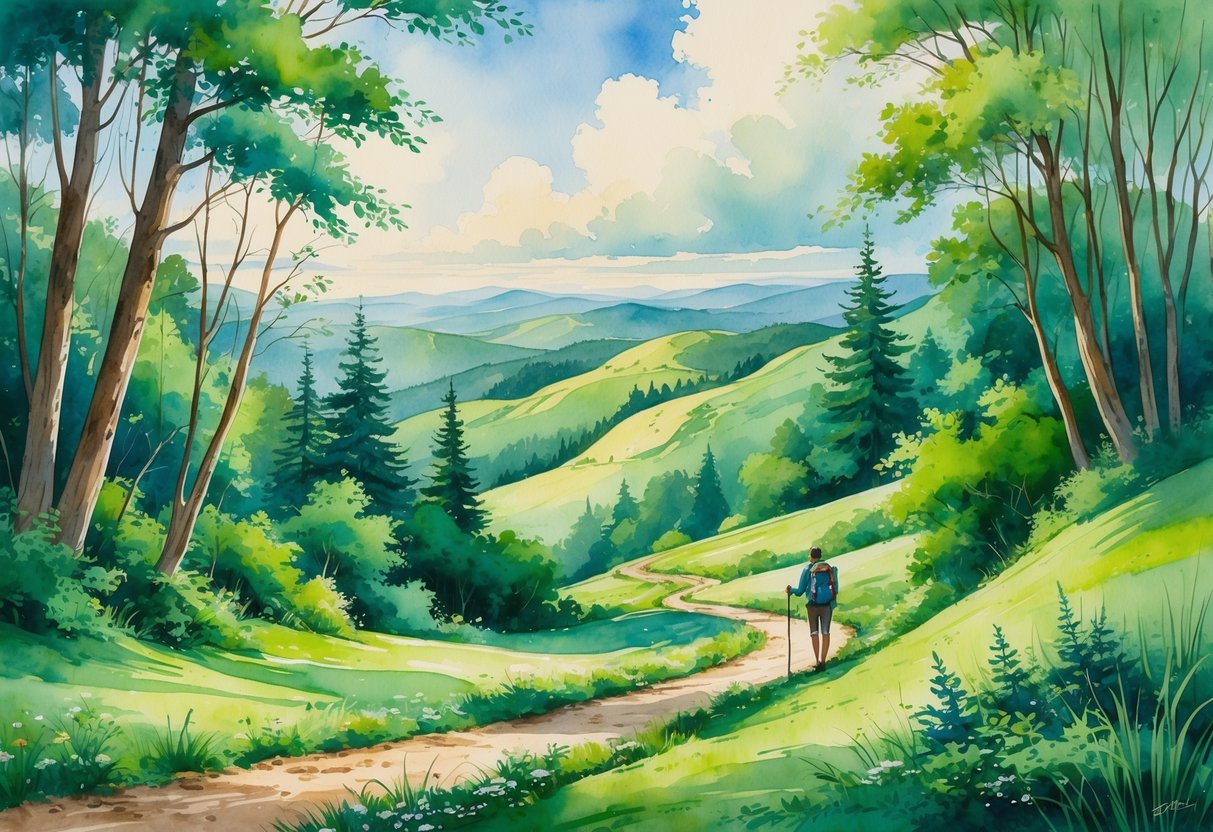
Hiking gives you a simple way to step away from your screen and explore the places you visit. You can find trails almost anywhere, from local parks in cities to mountain paths in remote areas.
This makes it one of the most accessible hobbies for digital nomads. You don’t need expensive equipment to start hiking.
A good pair of shoes and a water bottle will get you on most beginner trails. As you visit different countries, you’ll discover new landscapes and terrains to explore.
Hiking helps balance the hours you spend working at your computer. The physical activity keeps your body healthy while the time outdoors clears your mind.
Many digital nomads find that a morning hike before work or an afternoon walk improves their focus. Each destination offers different hiking experiences.
You might walk through forests in one country and explore desert trails in another. These outdoor adventures let you see parts of each place that you’d miss if you stayed in tourist areas.
Local hiking groups and meetups exist in many cities popular with digital nomads. Joining these groups helps you meet people while exploring new trails safely.
You can also use hiking apps to find routes and track your progress as you travel.
7) Meditation for stress management
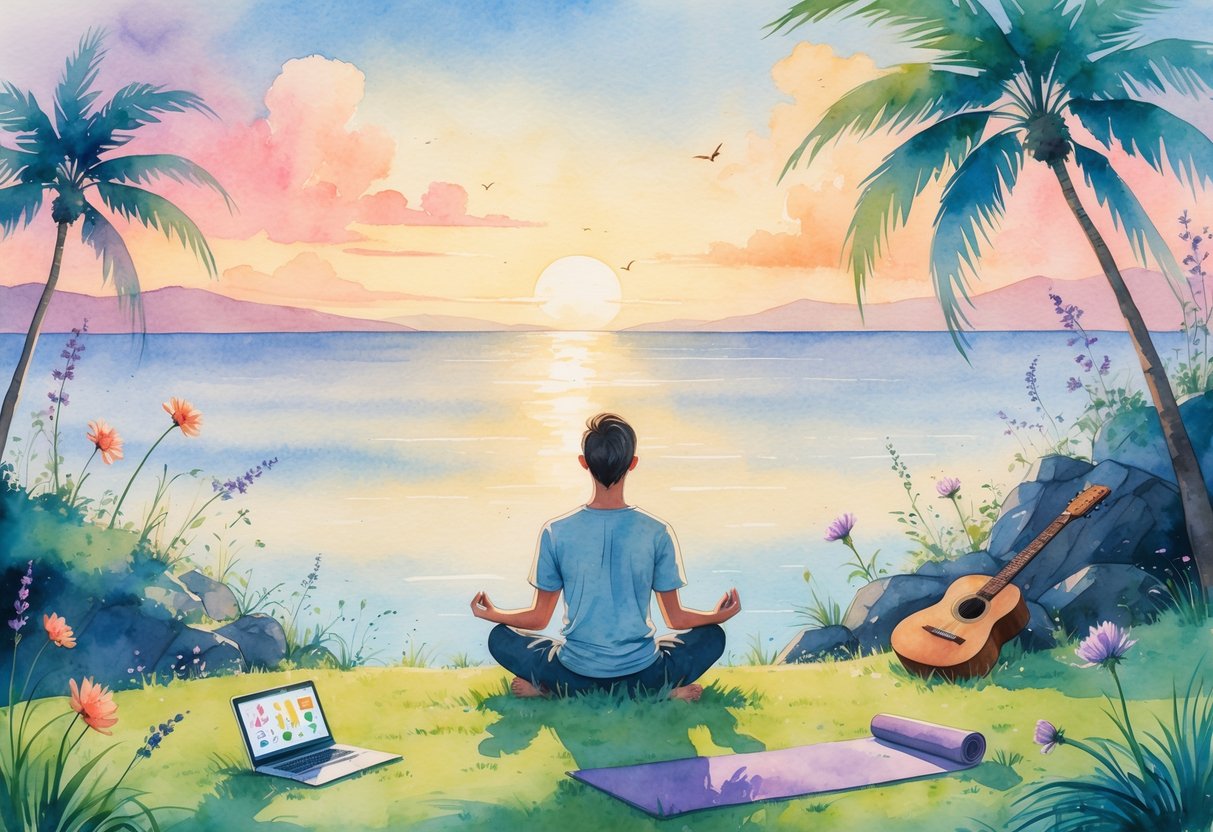
Digital nomad life brings constant change. New cities, different time zones, and shifting work environments can wear you down mentally.
Meditation gives you a simple way to handle this stress. You don’t need special equipment or a quiet room to meditate.
A few minutes of focused breathing works anywhere—in your apartment, at a cafe, or even on a train. This makes it perfect for your traveling lifestyle.
Regular meditation helps you stay focused on work tasks. When your mind keeps jumping between travel plans and deadlines, a short meditation session brings you back to center.
You’ll notice better concentration and clearer thinking. The practice also helps manage the overwhelming feelings that come with constant travel.
Meeting new people, navigating unfamiliar places, and dealing with unexpected problems becomes easier when you take time to reset your mind each day. You can try different meditation styles as you travel.
Some countries and cultures have their own techniques. Testing these methods helps you find what works best for you.
Start with just five minutes a day. Sit comfortably, close your eyes, and pay attention to your breathing.
When your mind wanders, bring it back to your breath. That’s all you need to begin building a helpful habit that travels with you everywhere.
6) Digital art and graphic design
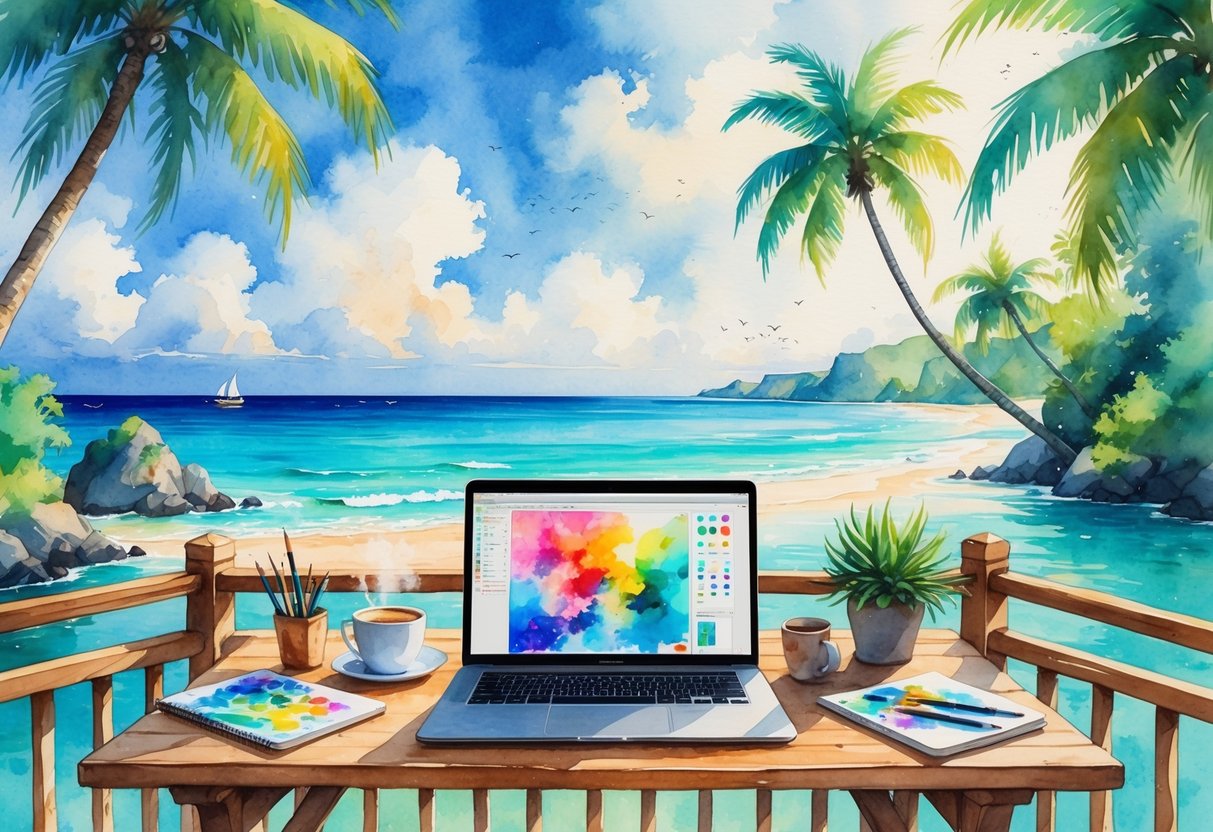
Digital art and graphic design work well for nomads who want a creative hobby that travels light. You only need a laptop or tablet to get started.
Many free and paid apps let you draw, paint, and design without carrying physical art supplies. This hobby gives you a way to express yourself while building useful skills.
You can learn digital illustration, photo editing, or logo design at your own pace. The skills you develop might even open up freelance work opportunities down the road.
Getting started is easier than you might think. Programs like Procreate, Adobe Illustrator, and free options like GIMP offer tools for beginners and advanced users.
You can find thousands of tutorials online to learn new techniques. Digital art fits well into a nomad lifestyle because you can work on projects anywhere.
A coffee shop, beach, or airport lounge can become your creative space. You don’t need a dedicated studio or worry about transporting canvases and paints.
The digital nomad community includes many graphic designers who balance client work with personal art projects. This hobby lets you connect with other creative travelers and share your work online.
You can join design challenges, post on social media, or simply create for your own enjoyment. Starting with simple sketches or photo edits helps you build confidence.
As you practice, you’ll discover which types of digital art interest you most.
5) Podcasting on travel or niche topics
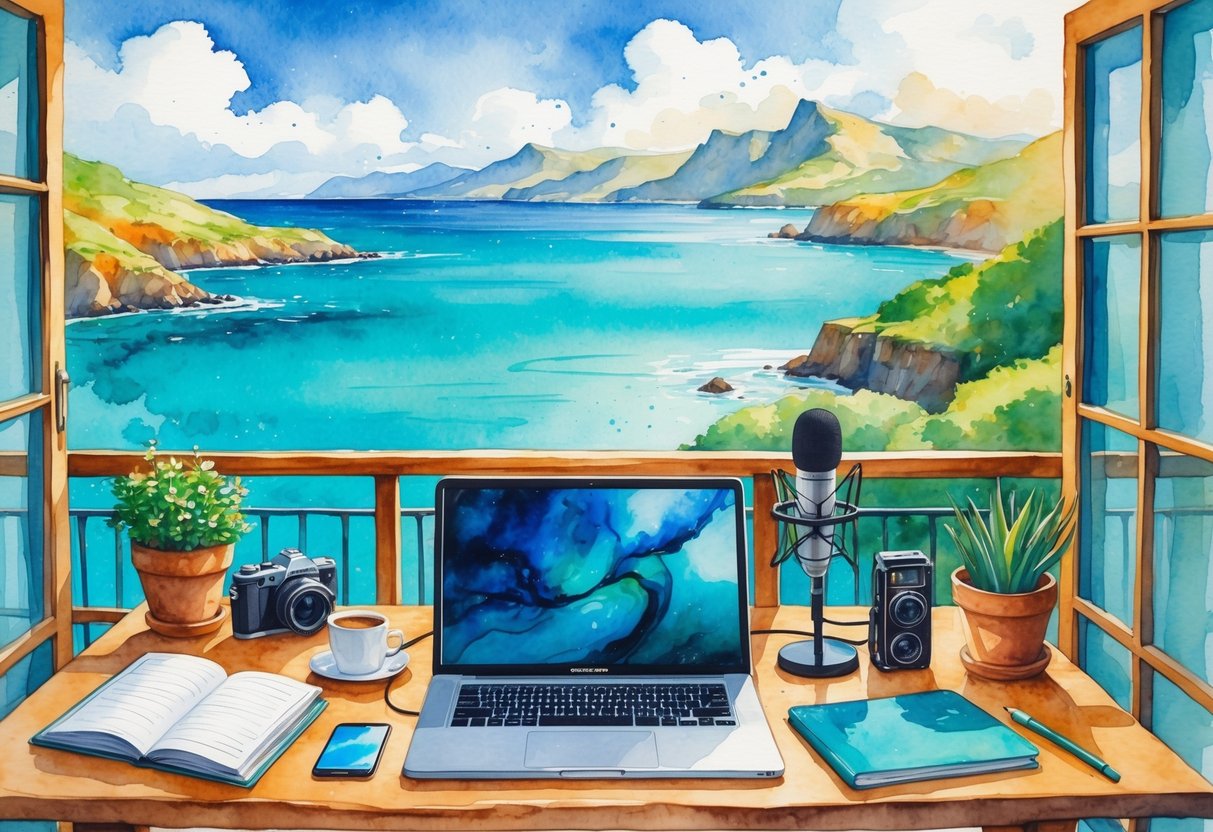
Podcasting gives you a creative outlet while you travel. You can share your experiences and connect with listeners around the world.
All you need is a microphone, recording software, and an internet connection to upload episodes. Travel podcasts attract dedicated audiences.
You can focus on budget travel tips, digital nomad lifestyle advice, or destination guides. Your unique perspective as someone living the nomad life adds authenticity that listeners value.
You don’t have to limit yourself to travel content. Niche podcasts about your professional skills, hobbies, or interests often perform well.
The key is choosing a topic you know well and can discuss regularly. The work fits a nomad schedule.
You can record episodes from anywhere and release them on your own timeline. Many successful podcasters batch record several episodes at once when they have good recording conditions.
Equipment stays portable. A quality USB microphone and laptop are enough to produce clear audio.
You can edit episodes in cafes, coworking spaces, or your accommodation. Podcasting builds skills that help other areas of your nomad business.
You learn audio editing, marketing, and audience engagement. These abilities transfer to other projects and income streams.
The hobby can eventually generate income through sponsorships, listener support, or affiliate marketing. Many podcasters start for fun and later monetize as their audience grows.
Even without earnings, podcasting documents your journey and creates connections with like-minded people worldwide.
4) Learning local languages
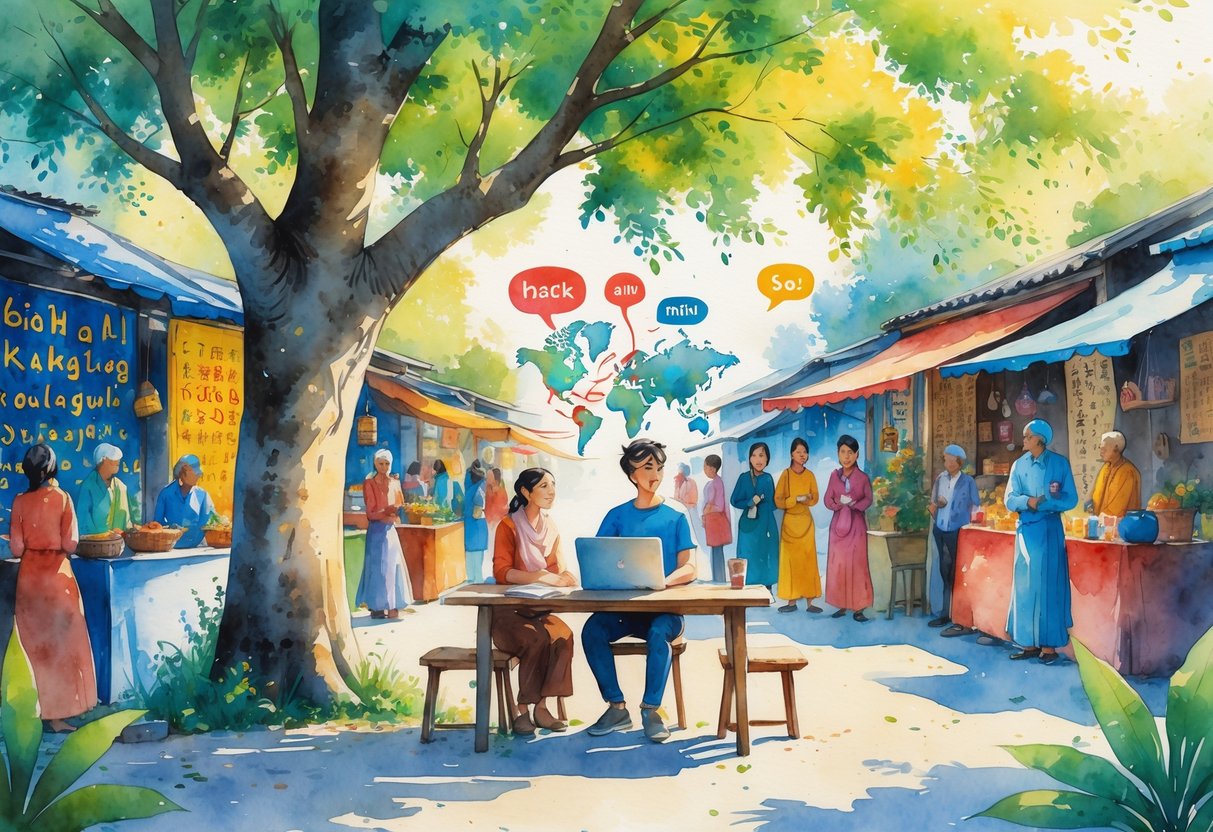
Learning the local language stands out as one of the most rewarding hobbies for digital nomads. When you dedicate time to picking up a new language, you open doors to deeper connections with the people around you.
You don’t need formal classes to get started. Apps like Duolingo and Babbel make it easy to practice anywhere, even if you only have 10 minutes a day.
These tools fit perfectly into your nomadic schedule. Speaking even basic phrases in the local language changes how you experience a place.
You can order food more easily, ask for directions, and handle daily tasks without confusion. Locals often appreciate the effort, which leads to more genuine interactions.
Language learning also gives your brain a workout. It keeps you mentally sharp while you travel and work remotely.
The challenge of mastering new words and grammar patterns adds structure to your routine. You can practice everywhere you go.
Chat with baristas, join language exchange meetups, or simply listen to conversations around you. Every interaction becomes a chance to improve.
Each new language you learn makes the next one easier. You develop patterns and strategies that speed up your progress.
The languages you learn stay with you as valuable tools for future travels and career opportunities.
3) Photography to capture unique moments
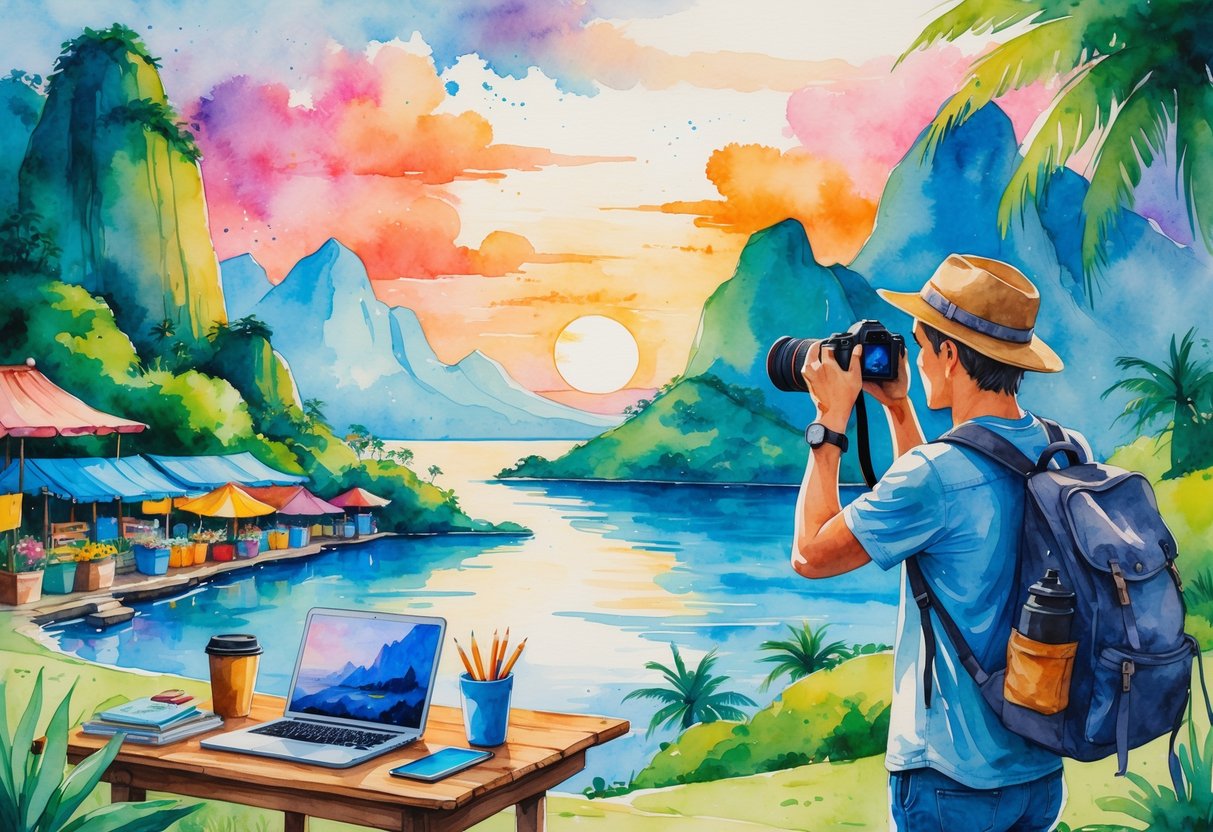
Photography lets you document your travels in a meaningful way. You can preserve the places you visit and share your experiences with friends, family, and followers back home.
Mirrorless cameras work well for digital nomads because they produce high-quality images without the weight of traditional DSLRs. These cameras fit easily into your backpack and won’t weigh you down as you move between locations.
You don’t need expensive equipment to start. Many smartphones now have excellent cameras that can capture impressive photos.
You can upgrade your gear as your skills and interest grow. Photography helps you see places differently.
When you look for good shots, you notice details you might otherwise miss. You start paying attention to light, colors, and interesting angles in your surroundings.
This hobby also gives you something to do during downtime between work sessions. You can explore your current location with purpose, searching for interesting subjects to photograph.
Whether you focus on street photography, landscapes, or food, each style offers its own rewards. You can even turn your photography into extra income.
Travel photos sell on stock photography websites, and you might attract freelance opportunities through your portfolio. Many digital nomads have found ways to monetize their travel photography while building a collection of personal memories.
The skills you develop improve over time with practice. Each new destination gives you fresh opportunities to refine your technique and experiment with different subjects.
2) Travel blogging to document experiences
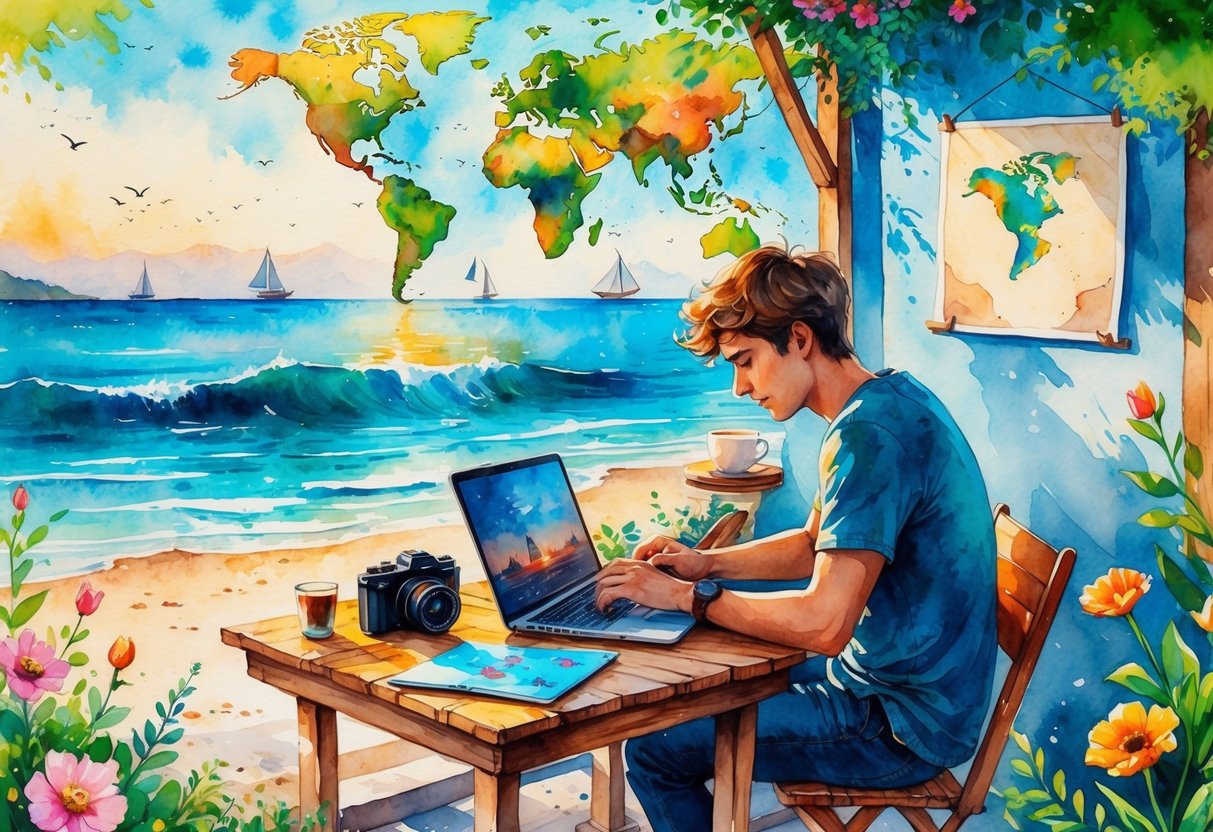
Travel blogging gives you a way to capture your journey as a digital nomad. You can write about the places you visit, the food you try, and the people you meet.
A blog becomes your personal record of adventures that you can look back on for years. Starting a travel blog is straightforward.
You need a simple website and a commitment to write regularly. Many digital nomads already work on computers, so adding blogging to your routine fits naturally into your lifestyle.
Writing about your experiences helps you process what you see and do. When you sit down to describe a new city or a cultural event, you notice details you might otherwise forget.
This practice makes you more aware of your surroundings. Your blog can also connect you with other travelers.
Readers who share similar interests might reach out with questions or recommendations. Some digital nomads build communities through their blogs, which helps reduce the isolation that can come with constant travel.
You don’t need to be a professional writer to start. Focus on sharing honest stories about your travels.
Write about practical tips like finding good workspaces or managing time zones. Include information about local customs or budget-friendly activities.
Taking photos for your blog adds another creative element to your travels. You’ll find yourself exploring places more thoroughly to capture good images and interesting stories to share with your readers.
1) Yoga for physical and mental wellness
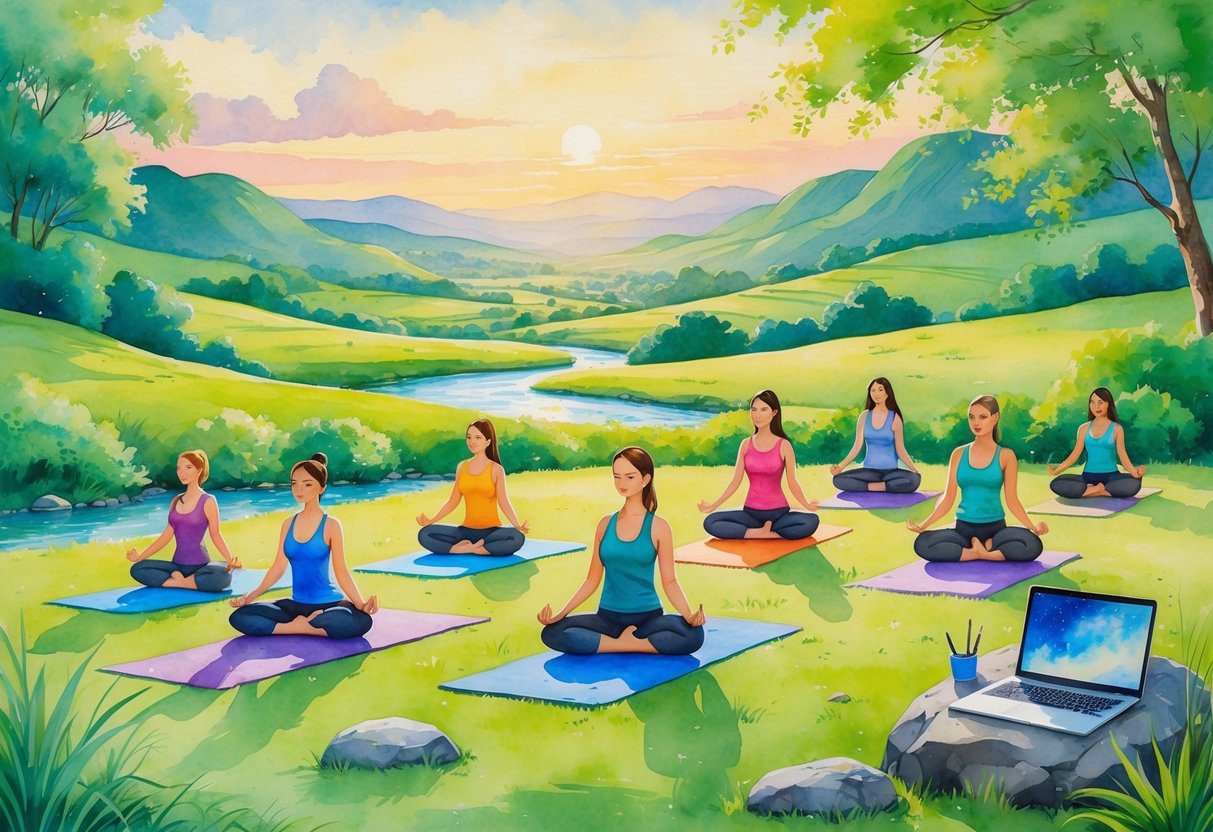
Yoga stands out as one of the most practical hobbies for digital nomads. You only need a mat and a small space to practice, which means you can maintain your routine in hotel rooms, parks, or co-working spaces.
This flexibility fits perfectly with the unpredictable nature of nomadic life. The physical benefits address common problems you face from long hours at your laptop.
Regular practice improves your flexibility and strengthens your core muscles. You’ll notice less back pain and better posture over time.
Mental wellness is equally important when you’re constantly moving between time zones and locations. Yoga helps you manage stress and anxiety that come with remote work and travel.
The breathing exercises calm your nervous system and improve your focus during work hours. You can start with just 30 minutes each day.
Morning sessions help you prepare for the day ahead, while evening practice helps you wind down. Many digital nomads find that yoga creates structure in their otherwise flexible schedules.
The practice doesn’t require special equipment or gym memberships. Free online videos and apps make it easy to learn and follow routines anywhere you have internet access.
You can also join local yoga classes in different countries to meet other people and experience new teaching styles. Yoga gives you tools to handle the physical demands of travel and the mental challenges of working independently.
It’s a sustainable hobby that supports both your body and mind while you explore the world.
How Hobbies Enhance the Digital Nomad Lifestyle
Hobbies serve as vital tools for digital nomads, helping you stay mentally sharp, build meaningful relationships in unfamiliar places, and develop new skills as you move between countries.
Boosting Productivity and Mental Wellness
Taking breaks from work through hobbies helps prevent burnout when you’re constantly on the move. Your brain needs time away from screens and deadlines to recharge properly.
Regular hobby time creates structure in your day, which can be hard to maintain when you don’t have a traditional office. This routine helps you separate work hours from personal time, even when both happen in the same location.
Creative hobbies like drawing, writing, or playing music give your mind a different type of challenge. This mental shift improves your focus when you return to work tasks.
Physical hobbies such as yoga, hiking, or swimming reduce stress and improve your overall health. These activities are especially important since digital nomad work keeps you sitting for long periods.
Many digital nomads report better work performance after they start dedicating time to regular physical activities.
Building Connections on the Road
Hobbies give you natural opportunities to meet locals and other travelers who share your interests. Joining a local climbing gym, photography group, or language exchange creates instant community in a new city.
Group activities break down the isolation that often comes with remote work. You can feel lonely when your coworkers exist only through video calls and your location changes every few months.
Common social hobbies for digital nomads include:
- Language learning meetups
- Group fitness classes
- Cooking workshops
- Local sports teams or running clubs
These connections often lead to friendships, insider knowledge about the area, and even future collaboration opportunities.
Encouraging Personal Growth While Traveling
Learning new hobbies challenges you to step outside your comfort zone regularly. Each new place offers different activities you might never try at home, from surfing in Bali to salsa dancing in Colombia.
Hobbies help you understand local culture on a deeper level. Taking a pottery class in Japan or learning traditional cooking in Mexico connects you to the history and values of each place you visit.
Skills you develop through hobbies often transfer to your professional life. Photography improves your visual communication skills.
Learning languages enhances your ability to connect with international clients. Writing journals sharpens your communication abilities.
Your hobby achievements also build confidence and give you stories to share, making you more interesting both personally and professionally.
Tips for Incorporating New Hobbies While Traveling
Starting a new hobby on the road requires planning and flexibility. You need to work around limited space, changing locations, and unreliable internet access while maintaining your work commitments.
Overcoming Common Challenges
Space limitations create the biggest obstacle for traveling hobbyists. Choose hobbies with minimal equipment needs or digital alternatives.
A watercolor set takes less room than oil paints. A ukulele fits in overhead bins better than a full-size guitar.
Inconsistent internet access affects online hobbies and learning. Download tutorials, course materials, and reference guides before you arrive at each destination.
Many apps work offline once you load the content. Time zone differences complicate live classes and group activities.
Look for recorded sessions or communities that span multiple time zones. You can also rotate your participation schedule to match different regions as you travel.
Budget constraints limit equipment purchases and class fees. Start with free resources like YouTube tutorials and library apps.
Buy used equipment from other travelers in Facebook groups or local marketplaces.
Sourcing Resources and Community Online
Online communities connect you with people who share your interests. Reddit has active subreddits for nearly every hobby.
Facebook groups often organize local meetups in major cities. Digital learning platforms offer structured courses you can complete at your own pace.
Sites like Skillshare and Udemy provide lifetime access to purchased courses. Many libraries offer free access to platforms like LinkedIn Learning through your library card.
Location-based apps help you find local practitioners and resources. Meetup.com lists hobby groups in cities worldwide.
Couchsurfing hosts events beyond accommodation. Local Facebook groups often welcome visitors to regular gatherings.
Supply sourcing depends on where you travel. Research local craft stores and specialty shops before arrival.
Amazon delivers to many countries, though shipping times vary. Other travelers often sell supplies when moving to new locations.
Integrating Hobbies Into a Flexible Schedule
Time blocking works better than spontaneous practice for digital nomads. Set specific days or hours for your hobby, just like work meetings.
Early mornings or late evenings often provide quiet, uninterrupted time. Habit stacking connects new hobbies to existing routines.
Practice language learning during your morning coffee. Sketch while waiting at airports.
Journal right after closing your laptop for the day. Location-based planning helps you prepare for different environments.
Beach destinations suit photography and swimming. Mountain areas enable hiking and nature journaling.
Cities offer museum sketching and urban photography. Track your practice to maintain consistency across time zones and countries.
Simple apps or bullet journals record your progress. Aim for frequency over duration when your schedule changes constantly.
Frequently Asked Questions
Digital nomads often wonder how to balance their work, travel, and personal interests while moving between countries. Questions about maintaining hobbies, connecting with locals, and finding flexible activities come up regularly for people who work remotely while traveling.
What are popular hobbies for digital nomads that allow for flexibility in travel?
Writing stands out as one of the most flexible hobbies you can maintain while traveling. You can write travel guides, eBooks, or blog posts from anywhere with just a laptop and internet connection.
Digital art and graphic design work well because you only need your computer and design software. You can create artwork during downtime or between work sessions without needing special equipment or physical space.
Photography lets you document your travels while building a creative skill. Your camera travels with you easily, and you can practice this hobby whenever you explore a new location.
How can digital nomads maintain hobbies while constantly on the move?
Choose hobbies that require minimal equipment and can fit in your luggage. Meditation needs nothing but a quiet space and a few minutes of your time each day.
Digital hobbies like writing or graphic design work because your laptop serves multiple purposes for both work and leisure. You already carry this equipment for your job, so it doubles as your hobby toolkit.
Set a regular schedule for your hobbies just like you do for work. Even 20-30 minutes per day helps you stay consistent with activities like meditation or writing.
What hobby options are there for digital nomads when staying in one location for extended periods?
Cooking local recipes becomes more practical when you have access to a kitchen for weeks or months. You can visit local markets, learn about regional ingredients, and experiment with traditional dishes.
Hiking allows you to explore the natural areas around your temporary home base thoroughly. You can tackle longer trails and discover hidden spots that short-term tourists might miss.
Joining local classes or workshops gives you deeper cultural experiences. You might take cooking lessons, art classes, or language courses that require multiple sessions over several weeks.
Which hobbies can help digital nomads connect with local cultures?
Cooking local recipes connects you directly with a region’s food culture and traditions. Shopping at local markets and talking with vendors helps you learn about ingredients and cooking methods that define the area.
Hiking on local trails often leads to interactions with residents who share their favorite spots. You might meet other hikers or locals in small villages along your routes.
Learning traditional crafts or arts specific to your location builds connections with local artisans. Many cultures have unique artistic traditions that locals enjoy teaching to interested visitors.
What indoor activities can digital nomads engage in during their travels?
Writing projects keep you productive indoors during bad weather or rest days. You can work on travel guides that document your experiences or create eBooks about topics you know well.
Digital art and graphic design provide creative outlets that don’t depend on outdoor conditions. You can develop your skills in illustration, photo editing, or design work from your accommodation.
Meditation gives you a way to manage stress and maintain mental health without leaving your room. You only need a quiet space where you can sit comfortably for 10-20 minutes.
Are there community-centric hobbies that are suitable for digital nomads seeking social interaction?
Group hiking activities bring together both travelers and locals who enjoy outdoor exploration. Many cities have hiking clubs or organized trail walks that welcome newcomers.
Cooking classes create natural social settings where you learn alongside other students. You share meals together at the end of class, which builds friendships over food.
Co-working spaces often host events and activities beyond just providing workspace. You can meet other digital nomads through these communities and form connections with people who understand your lifestyle.