Why Adults Struggle to Have Hobbies: Overcoming Modern Barriers to Personal Fulfillment
Remember when you had time for things you enjoyed? Many adults find themselves without hobbies, not because they don’t want them, but because work, family duties, and daily tasks take up all their time. Adults struggle to maintain hobbies primarily due to time constraints, perfectionist mindsets, lack of energy after work, and cultural pressure to be constantly productive rather than engage in activities purely for enjoyment.

The good news is that losing interest in hobbies or not having them at all doesn’t mean you’re broken or lazy. Understanding why this happens is the first step to fixing it. From the beliefs you hold about free time to the way your brain responds to stress, several factors work together to push hobbies out of your life.
This article breaks down the real reasons adults don’t have hobbies anymore and gives you practical ways to bring them back. You’ll learn how your mindset affects your interests, why modern life makes hobbies harder to maintain, what happens to your mental health when you neglect them, and specific steps to create space for activities you actually enjoy.
What Prevents Adults From Pursuing Hobbies
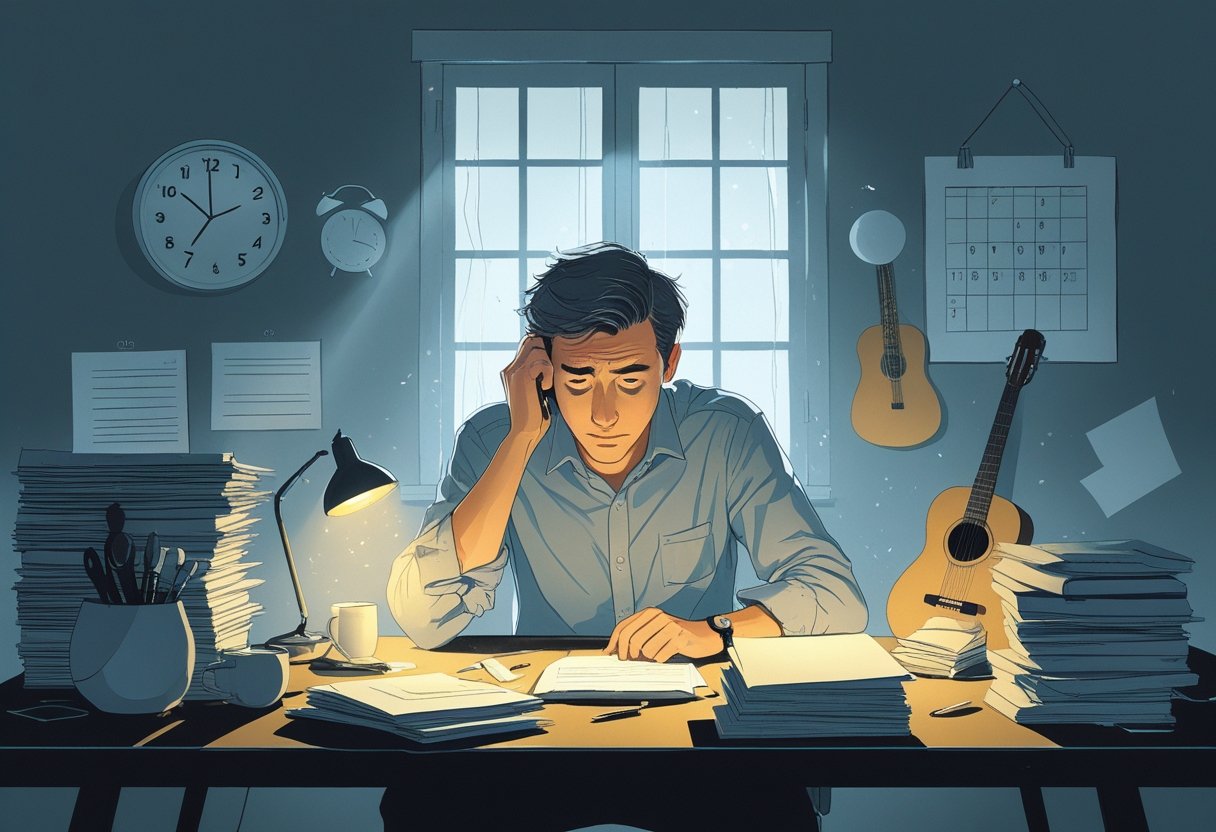
Adults face real obstacles that make starting and maintaining hobbies difficult. Time constraints, outside pressures, and money concerns create barriers that keep many people from activities they would enjoy.
Lack of Time in Busy Lifestyles
Work takes up most of your day, leaving little room for personal interests. Between commuting, meetings, and deadlines, you might work 50 or more hours each week. This doesn’t include time spent checking emails at home or thinking about work tasks.
Family responsibilities add another layer of demands. You need to prepare meals, help with homework, attend school events, and manage household chores. These tasks fill your evenings and weekends quickly.
The lack of time is one of the most common reasons people abandon their hobbies. When you finally have free time, you’re often too tired to start something new. Your energy is already spent on required activities.
Even if you want to start a hobby, finding consistent blocks of time proves challenging. Work, family, and other commitments take priority over personal interests. Something urgent always seems to come up right when you plan to pursue your hobby.
Societal Expectations and Pressure
Society sends you the message that productivity matters most. You might feel guilty spending time on activities that don’t earn money or advance your career. This creates internal narratives that prevent you from pursuing hobbies.
Cultural values often emphasize career success over personal fulfillment. Your worth gets measured by job titles and income rather than happiness or creativity. Taking time for yourself can feel selfish when others depend on you.
The fear of not being immediately good at something stops many adults from trying new activities. In today’s competitive society, maintaining self-esteem is important, and struggling with a new skill can trigger self-doubt. You worry about looking foolish or wasting time on something you might not master.
Financial Barriers to Leisure Activities
Many hobbies require upfront costs that strain your budget. Equipment, supplies, classes, or membership fees add up quickly. Photography needs cameras and lenses. Painting requires canvases, brushes, and paints. Sports demand proper gear and facility access.
Common hobby expenses include:
- Equipment and tools
- Classes or instruction
- Membership fees
- Materials and supplies
- Travel to locations or events
You might prioritize essential expenses like housing, food, and childcare over hobby-related purchases. When money is tight, activities that seem optional get cut first. Even affordable hobbies can feel out of reach when you’re managing debt or saving for important goals.
The Role of Mindset in Limiting Personal Interests
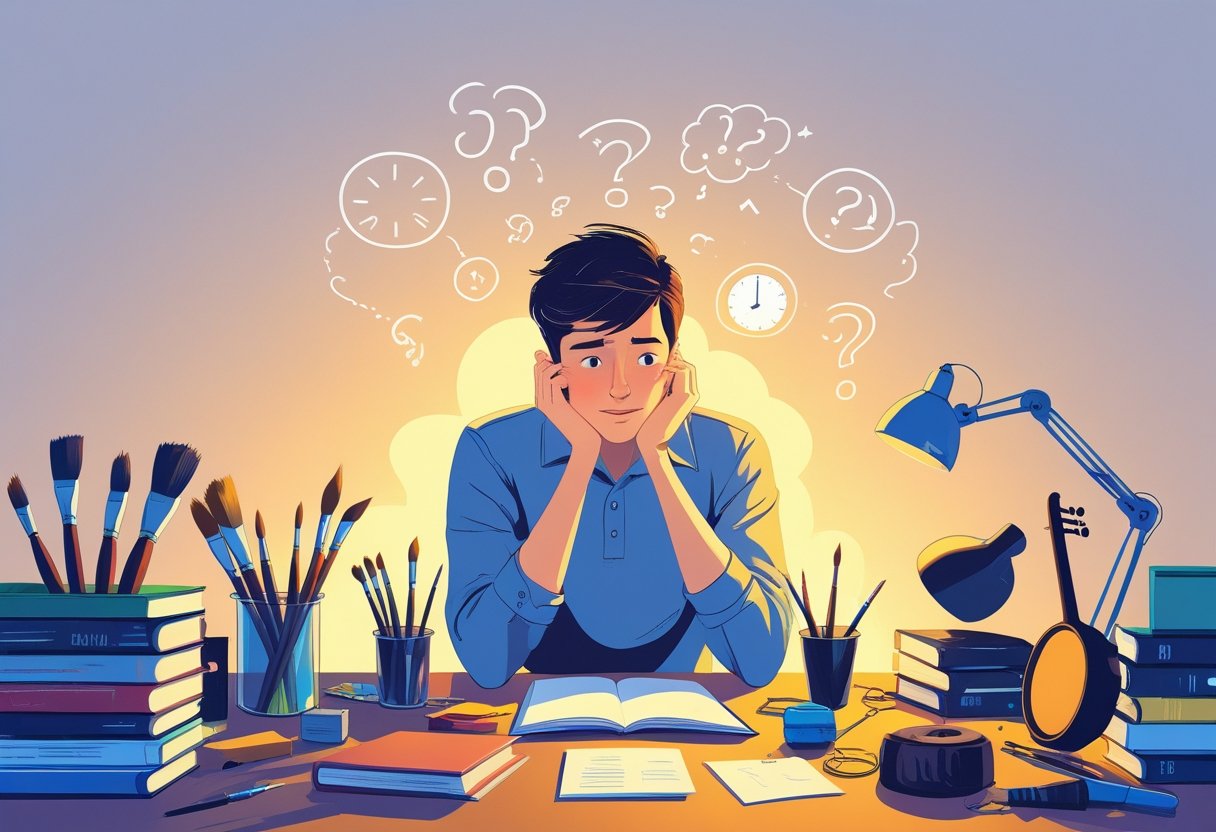
Your beliefs about yourself and your abilities can create invisible barriers that stop you from exploring new hobbies. These mental blocks often show up as fear of what others think, unrealistic standards for yourself, or confusion about what you actually enjoy.
Fear of Judgement or Failure
When you consider starting a hobby, you might worry about looking foolish or not being good at it right away. This fear keeps many adults from trying new activities because they assume others will judge their beginner-level skills.
A fixed mindset makes people view success or failure as a reflection of their natural abilities, which increases the fear of trying something new. You might think that struggling with a hobby means you lack talent rather than understanding that everyone starts somewhere.
Social media makes this worse. You see others posting their best work and compare your day one to their day 1,000. This creates an unfair standard that discourages you before you even begin.
The reality is that most people focus on their own lives too much to judge your hobbies closely. Even if someone does notice you’re a beginner, that’s expected and normal for anyone learning something new.
Perfectionism and High Self-Expectations
You might believe that if you can’t do something well immediately, it’s not worth doing at all. This all-or-nothing thinking kills hobbies before they start.
Many adults set standards for their free time activities that they would never apply to others. You expect yourself to master a skill quickly or produce impressive results from the beginning. When you don’t meet these unrealistic goals, you quit and label yourself as “not creative” or “not athletic.”
Perfectionism limits creativity and problem-solving abilities because you won’t experiment or take risks. Hobbies are meant for enjoyment and growth, not flawless performance. The pressure you put on yourself removes the fun that makes hobbies worthwhile in the first place.
Difficulty Identifying Enjoyable Activities
Some adults struggle to pinpoint what they actually like doing. Years of focusing on work and responsibilities can disconnect you from your personal interests.
You might try to choose hobbies based on what seems productive or impressive rather than what genuinely appeals to you. This leads to starting activities that feel like obligations instead of recreation.
Understanding what enhances your overall well-being helps you identify meaningful activities. Ask yourself what you enjoyed as a child or what topics you read about without anyone making you. Notice which activities make time pass quickly and which leave you feeling energized rather than drained.
Your interests might have changed since you last had time for hobbies. What appealed to you at 20 might not interest you at 35, and that’s normal.
How Technology and Modern Culture Impact Adult Hobbies
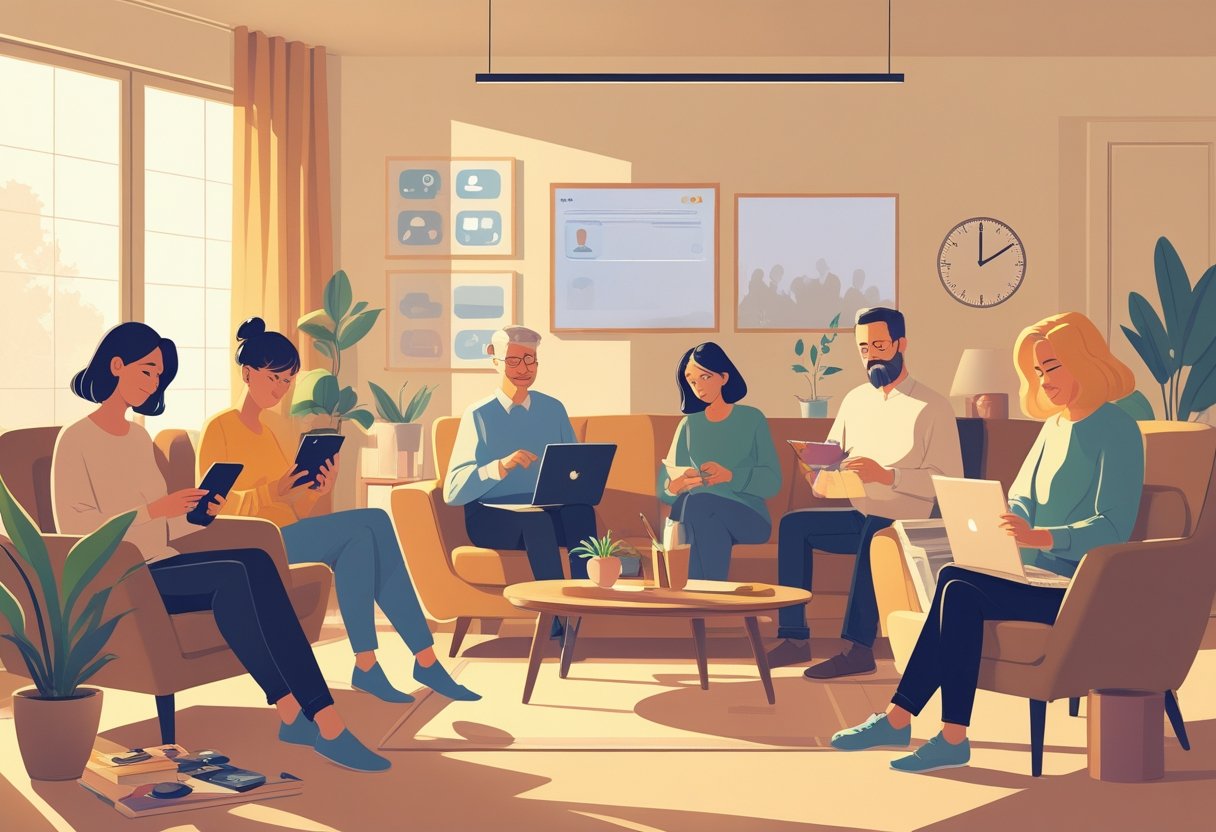
Technology has changed how you spend your free time, shifting you away from hands-on activities toward screen-based consumption. The way you interact with others and pursue interests has been reshaped by digital platforms and cultural expectations around productivity.
Passive Entertainment Versus Active Engagement
Your phone and streaming services offer instant entertainment without effort. You can scroll through social media, watch videos, or browse content for hours without creating anything yourself.
Traditional hobbies in the digital age require active participation. Playing an instrument, painting, or building something demands focus and skill development. These activities take more energy than passive scrolling.
The problem is that passive entertainment feels easier after a long workday. You reach for your phone instead of your guitar or knitting needles. Your brain gets stuck in consumption mode rather than creation mode.
Key differences between passive and active hobbies:
- Passive: Watching videos, scrolling feeds, streaming shows
- Active: Making music, crafting, gardening, cooking new recipes
The shift toward passive entertainment means you get less satisfaction from your free time. Creating something with your hands or learning a new skill provides deeper fulfillment than watching content.
Impact of Social Media and Comparison
Social media makes you compare your hobby attempts to polished, professional content. You see perfect photos of someone’s artwork, finished projects, or skilled performances. This creates pressure before you even start.
You might feel your beginner efforts aren’t worth sharing or continuing. The fear of not being good enough stops you from trying new hobbies. Hustle culture and digital distractions have changed how you engage with activities.
The constant showcase of other people’s achievements makes hobbies feel like another area where you need to perform. You forget that hobbies exist for enjoyment, not competition. This mindset keeps you from exploring activities that interest you.
Decline in Community-Based Activities
You have fewer opportunities to join hobby groups in person. Local craft circles, sports leagues, and club meetings have decreased as people spend more time online. The evolution of culture, technology, and personal priorities has reduced these gathering spaces.
Digital connections replace physical ones, but they don’t offer the same accountability or social motivation. When you commit to meeting people weekly for a book club or pottery class, you’re more likely to stick with it.
Community spaces like recreation centers and hobby shops have closed in many areas. This makes it harder to find teachers, supplies, or fellow enthusiasts nearby. You lose the natural support system that helps beginners stay engaged with new hobbies.
The Effects of Neglected Hobbies on Well-Being
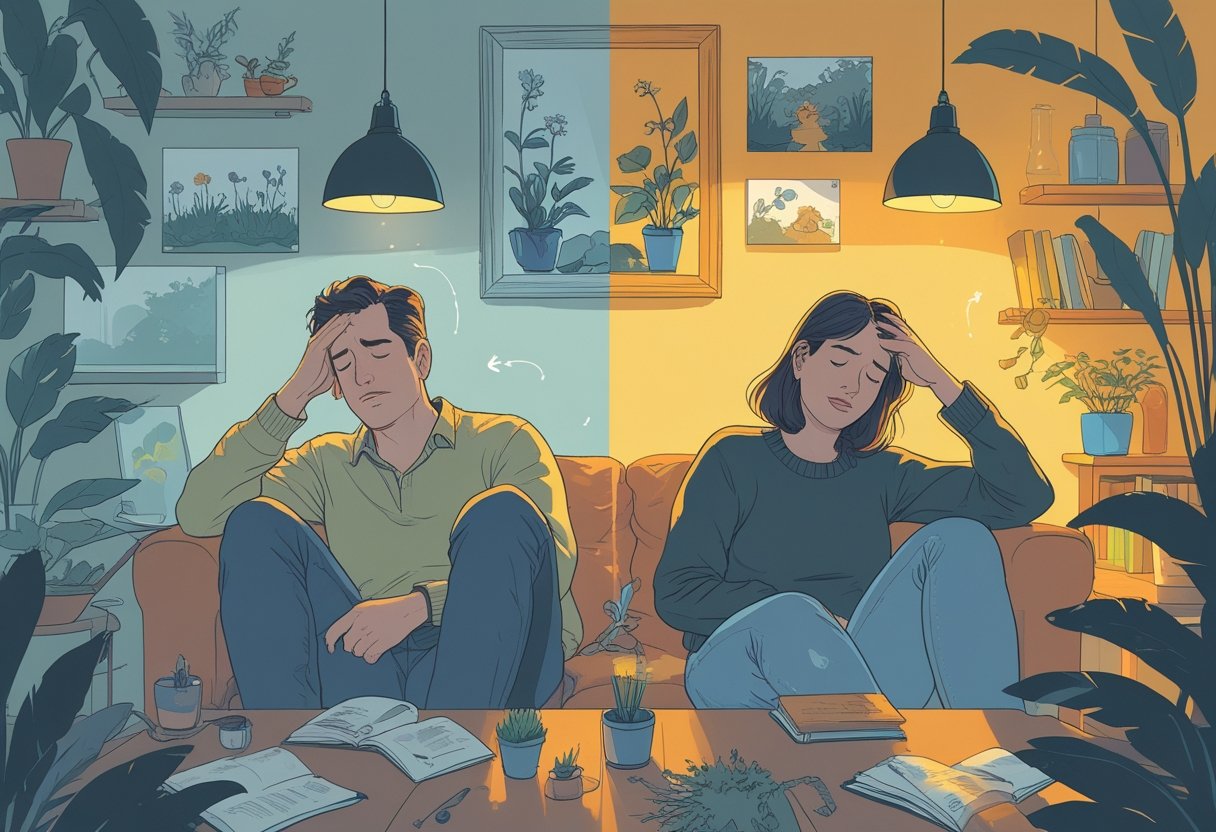
When you skip hobbies for too long, your mental health suffers and your personal development stalls. The absence of regular leisure activities creates measurable gaps in emotional stability and creative thinking.
Mental Health Consequences
People who don’t have hobbies experience higher rates of depression and anxiety compared to those who regularly engage in leisure activities. Research involving more than 90,000 participants across 16 countries found that older adults without hobbies reported lower levels of health, happiness, and life satisfaction.
Without hobbies, you lose a key tool for managing stress. Your body stays in a heightened state of tension, which leads to elevated blood pressure and faster heart rate. Adults who don’t participate in hobby activities show more symptoms of depression, anxiety, and stress.
The lack of structured recreational time also removes an important coping mechanism from your daily life. You miss out on the natural mood boost that comes from doing activities you enjoy. This absence creates a cycle where you feel worse but have fewer ways to improve your emotional state.
Loss of Creativity and Personal Growth
When you neglect hobbies, your creative thinking abilities decline. You stop exploring new ideas and challenging yourself in low-stakes environments where it’s safe to experiment and fail.
Your personal development slows without regular hobby engagement. Hobbies push you to learn new skills, solve problems, and build confidence through small achievements. Without them, you stay in your comfort zone and miss chances to discover hidden talents or interests.
You also lose opportunities to build meaningful connections with others who share your interests. This isolation limits your social network and removes a source of belonging that contributes to your sense of purpose and identity.
Strategies to Make Time for Hobbies as an Adult
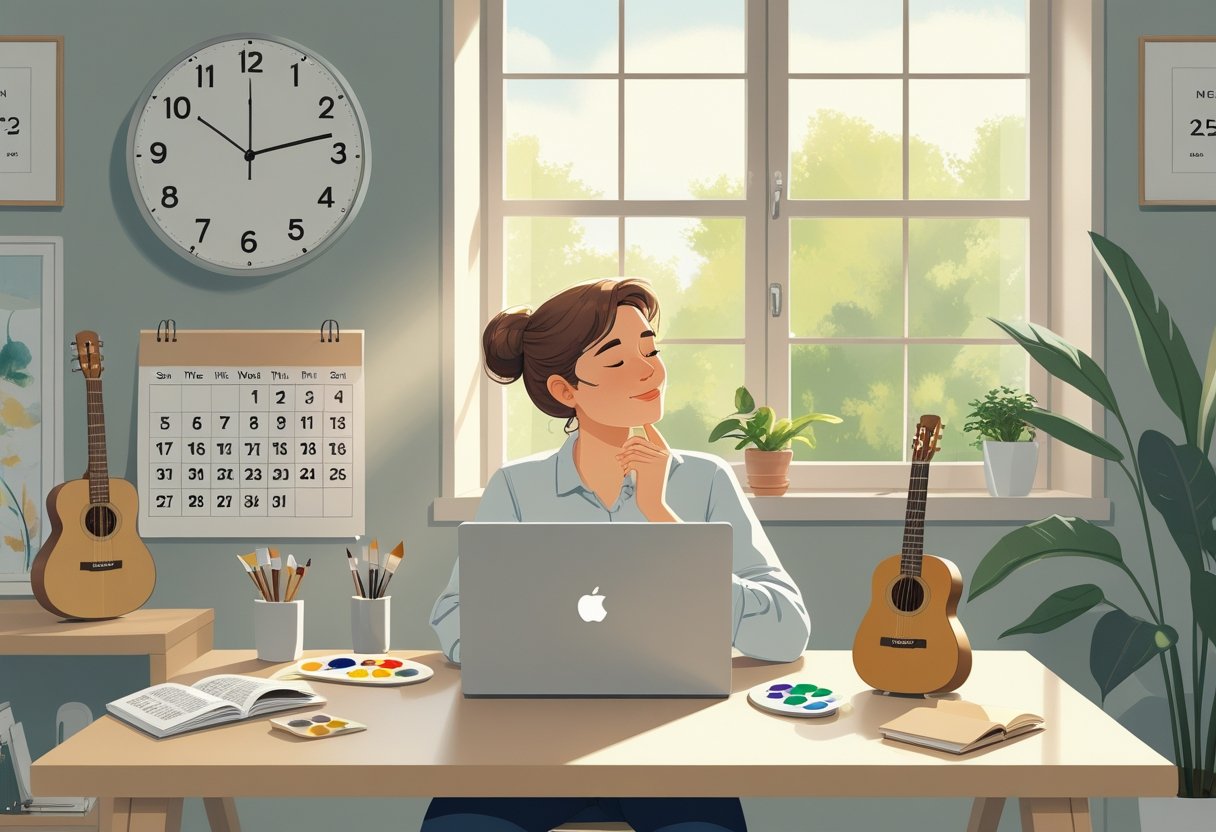
Making time for hobbies requires treating leisure activities with the same importance as work meetings and actively managing your expectations about what you can accomplish.
Prioritizing and Scheduling Leisure
You need to put hobbies on your calendar like any other appointment. Block out specific time slots each week and protect them from other commitments. This approach stops you from waiting for free time to appear on its own.
Track how you spend your time for one week to find gaps where hobbies could fit. You might discover you spend hours scrolling on your phone or watching TV that could go toward activities you enjoy more.
Make your hobby a routine by choosing the same day and time each week. When painting happens every Tuesday at 7 PM or hiking occurs every Saturday morning, you stop negotiating with yourself about when to do it.
Plan the practical details ahead of time. If you need childcare, arrange it in advance. If your hobby requires specific supplies or space, set these up beforehand so you can start right away when your scheduled time arrives.
Setting Realistic Expectations
Start with small time commitments instead of ambitious plans that lead to disappointment. Fifteen minutes of reading daily works better than planning to read for two hours on weekends when life gets in the way.
Choose hobbies that match your current schedule and energy levels. If you work long hours, activities that can happen at home require less planning than ones needing travel or setup.
Accept that your hobby time might look different than it did before you had major responsibilities. You might practice guitar for 20 minutes instead of two hours, or garden one afternoon per month instead of every weekend. Some engagement with your interests beats none at all.
Overcoming Barriers to Starting New Hobbies

Money concerns and fear of failure stop many adults before they even begin. You can work around both obstacles with the right approach.
Finding Affordable or Free Options
Many hobbies cost far less than you think. Drawing requires only paper and a pencil. Writing needs nothing more than a free notes app on your phone. You can learn a new language through free apps and websites.
Your local library offers free resources beyond books. Most libraries provide access to music streaming, online courses, and craft supplies you can borrow. They often host free classes and workshops too.
Digital hobbies eliminate equipment costs entirely. Photography starts with your smartphone camera. You can practice cooking with ingredients you already have at home.
Low-cost hobbies like these remove financial barriers completely. Community centers and parks departments run affordable programs. Look for free meetup groups in your area that match your interests.
Building Confidence to Try New Activities
Self-doubt keeps you from starting more than actual skill level does. Everyone begins as a beginner. No one expects perfection on day one.
Starting small reduces pressure and builds momentum. Try a hobby for just 15 minutes instead of committing to hours. Take one beginner class before buying expensive equipment.
Finding others who share your interest provides support and accountability. Book clubs, running groups, and gaming communities welcome newcomers regularly. They understand what it feels like to be new.
Focus on enjoyment rather than achievement. Your hobby exists for fun, not performance. You don’t need to become an expert to gain value from the activity.
Sustaining Hobbies for Long-Term Fulfillment
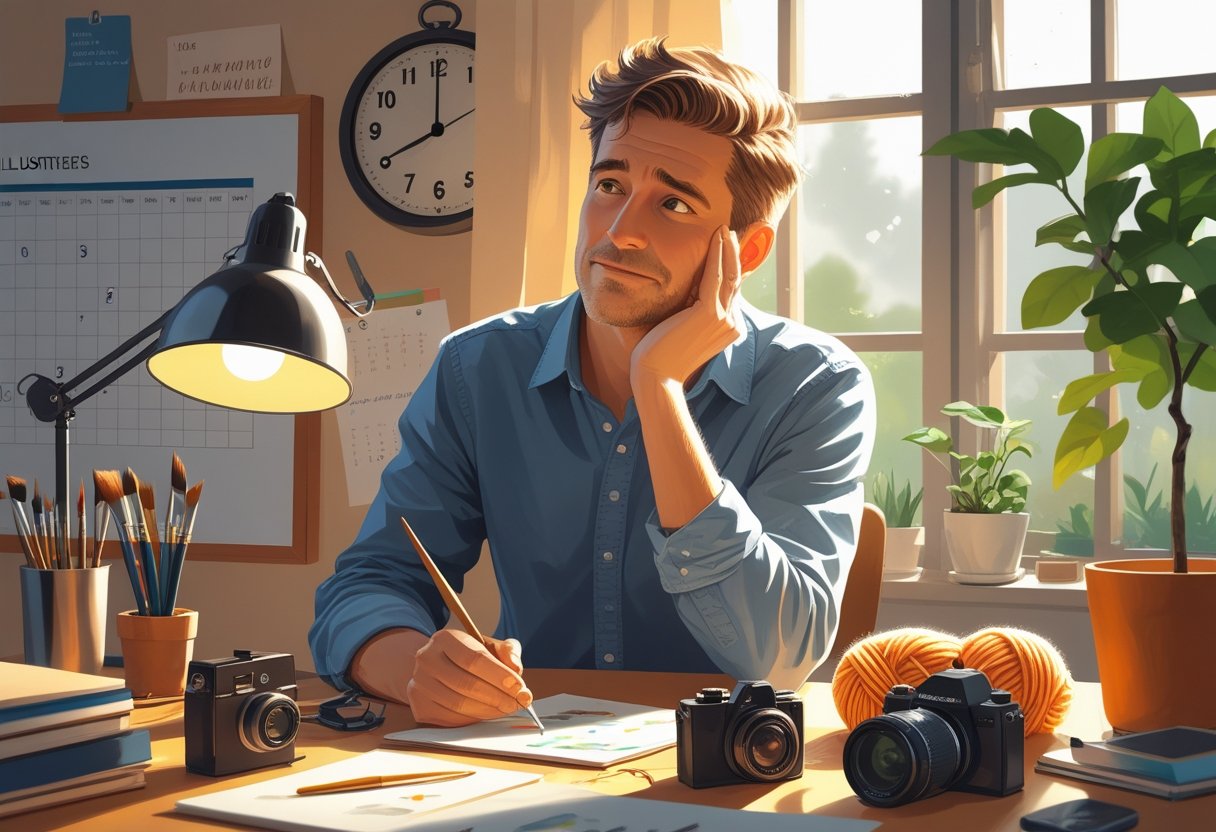
Making hobbies last requires building them into your everyday routine and finding people who share your interests. These two strategies work together to help you stay committed when motivation drops.
Integrating Hobbies Into Daily Life
You need to treat your hobbies like appointments rather than optional activities. Block out specific times in your calendar each week, even if it’s just 15 minutes on busy days.
Start small to avoid burnout. If you want to paint, commit to 20 minutes three times per week instead of planning ambitious three-hour sessions you’ll skip.
Time-saving strategies that work:
- Practice your hobby during lunch breaks
- Wake up 30 minutes earlier twice per week
- Replace some TV time with hobby time
- Combine hobbies with existing routines (like listening to language lessons while commuting)
The difference between initial enthusiasm and sustained commitment matters more than most people realize. Your excitement will fade after a few weeks, so your system needs to keep you going when feelings change.
Set up your space to reduce friction. Keep your guitar on a stand instead of in a case. Leave your running shoes by the door. When your hobby is visible and accessible, you’re more likely to do it.
Connecting With Supportive Communities
Finding others who share your interests creates accountability and makes hobbies more enjoyable. Joining hobby groups or networking with like-minded individuals helps create an environment that encourages growth.
Look for communities both online and in person. Local meetup groups, classes, and clubs give you regular face-to-face interaction. Online forums and social media groups provide support when you can’t meet in person.
Share your progress with others, even when it’s imperfect. Post photos of your woodworking projects or join a book club discussion. This external motivation helps during periods when you feel stuck.
A 2023 study found that people with hobbies reported better health, more happiness, and fewer depression symptoms compared to those without hobbies. Community involvement makes these benefits stronger because you gain both the hobby and social connection.
Find an accountability partner who checks in with you weekly. This person doesn’t need to share your exact hobby, just your commitment to maintaining one.