What Hobby Should I Try? 25 Ways to Discover Your Next Passion and Transform Your Free Time
Finding the right hobby can feel overwhelming when you have endless options but no clear starting point. The key to discovering a hobby you’ll love is understanding what naturally draws your attention, what fits your schedule and budget, and which activities match your personality type. You don’t need to commit to the first thing you try or spend a lot of money to get started.

This guide will walk you through questions that help you reflect on your interests and show you how to match hobbies to your unique preferences. You’ll learn why hobbies improve your life beyond just filling spare time. You’ll also explore specific hobby ideas across different categories, from creative pursuits to physical activities.
Whether you want to develop new skills, meet people, or simply enjoy your free time more, the right approach makes all the difference. By the end of this article, you’ll have practical steps to choose and stick with a hobby that brings you real joy.
Why Hobbies Matter
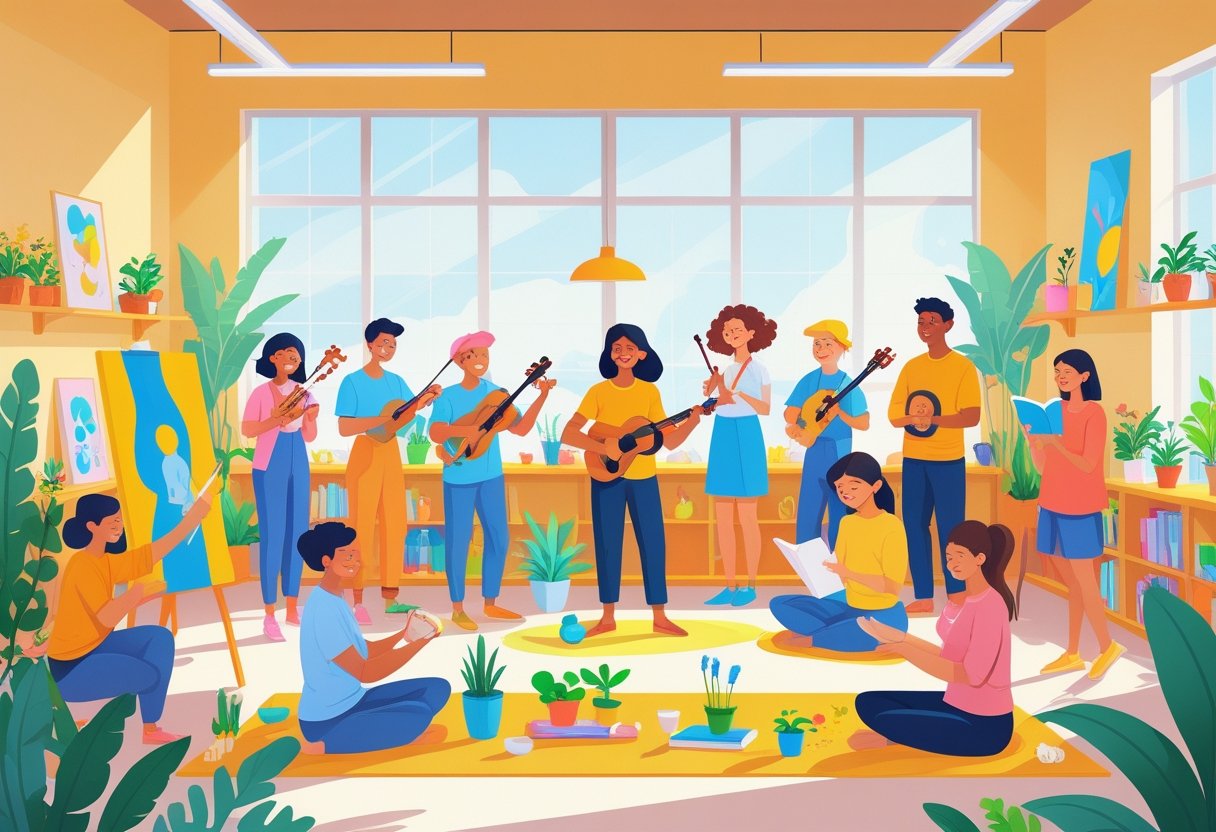
Hobbies provide real improvements to your mental and physical health, spark new ideas that carry over into work and daily life, and create opportunities to meet people who share your interests.
Health Benefits of Hobbies
Hobbies reduce stress by giving your mind a break from daily worries and work pressures. When you focus on an activity you enjoy, your body produces less cortisol, the stress hormone that can harm your health over time.
Regular hobby participation improves mental well-being by giving you a sense of purpose and accomplishment. Creative hobbies like painting or playing music activate different parts of your brain than your usual tasks do.
Physical hobbies offer clear body benefits. Gardening burns calories while you plant and weed. Dancing improves balance and heart health. Even quieter hobbies like knitting can lower your blood pressure and help you relax.
Your hobby time also protects against mental decline as you age. Learning new skills keeps your brain active and builds new neural connections.
Boosting Creativity and Productivity
Hobbies train your brain to think differently and solve problems in new ways. When you learn to cook a complex recipe or fix a bike, you develop skills that transfer to other areas of your life.
Taking breaks for hobbies actually makes you more productive at work. Your brain needs downtime to process information and generate fresh ideas. People who engage in leisure activities regularly often return to their tasks with renewed focus and energy.
Creative hobbies like writing, photography, or woodworking teach you to experiment and take risks in a low-stakes environment. This mindset helps you approach work challenges with more confidence. You also build patience and persistence as you master new techniques and overcome obstacles in your hobby practice.
Building Social Connections
Hobbies connect you with people who share your interests and values. Joining a book club, sports team, or crafting group puts you in regular contact with potential friends.
These social bonds matter for your health and happiness. People with strong social networks live longer and report higher life satisfaction. Hobby groups provide natural conversation topics and shared experiences that help friendships form more easily than forced social situations.
You can find hobby communities both in person and online. Local classes, meetup groups, and clubs offer face-to-face interaction. Online forums and social media groups let you connect with enthusiasts worldwide, especially for niche interests that might not have local communities.
How to Identify Your Interests
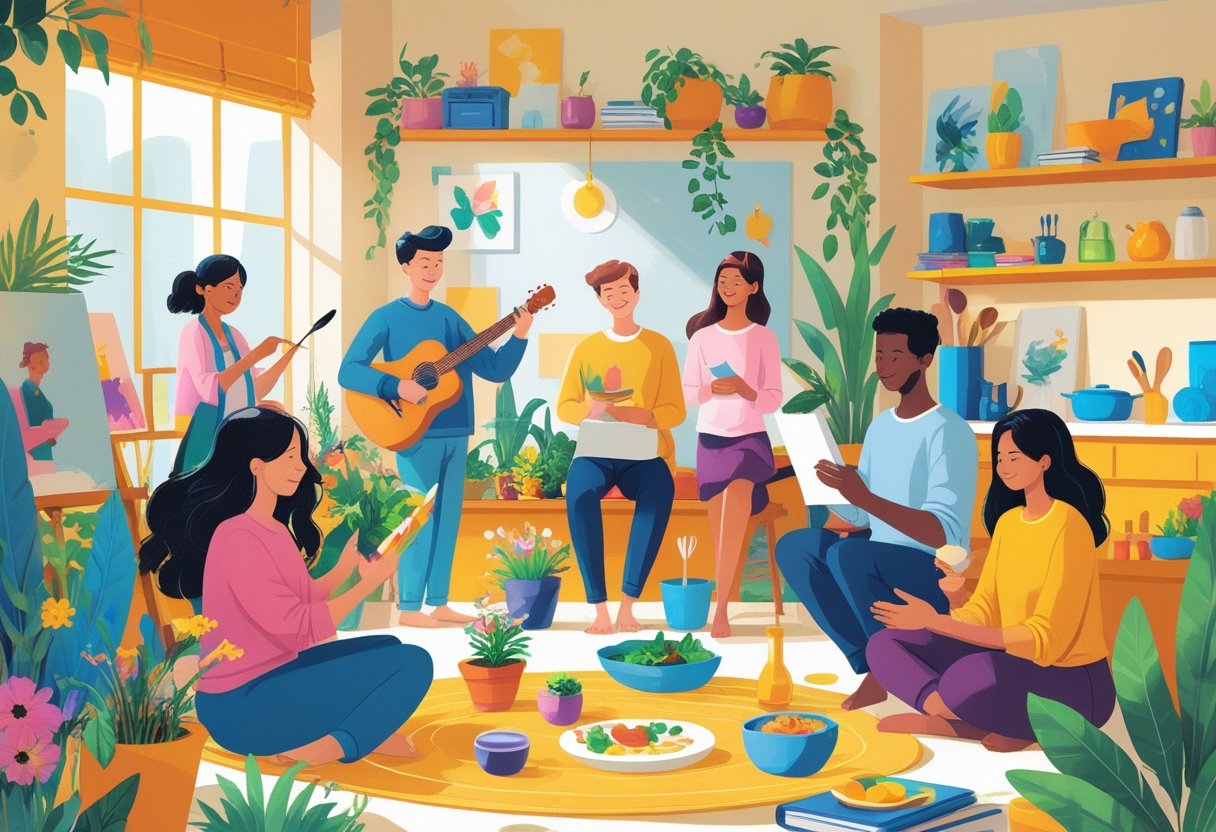
Finding the right hobby starts with understanding what naturally draws your attention and what skills you already possess. Your past experiences and current life situation provide important clues about which activities will fit your lifestyle.
Reflecting on Past Enjoyments
Think about activities you enjoyed as a child before adult responsibilities took over. Did you spend hours drawing, building with blocks, or playing outside? These early interests often point to hobbies that will satisfy you now.
Look at what you do during your free moments. When you have 30 minutes with nothing planned, where does your mind wander? Do you browse cooking videos, read about history, or look at travel photos? These small actions reveal your natural interests.
Consider times when you felt most engaged and lost track of time. Maybe you were helping a friend decorate their apartment, fixing something broken, or organizing a group event. Activities that make time fly usually align with your core interests.
Pay attention to what you talk about most with friends and family. The topics you bring up in conversation show what excites you. If you constantly share gardening tips or discuss new recipes, those interests deserve exploration.
Exploring Your Strengths
Your existing skills make certain hobbies easier to start and more rewarding. If you have good hand-eye coordination, activities like painting, pottery, or playing an instrument might suit you. Strong communication skills translate well into hobbies like writing, podcasting, or teaching others.
Questions about your life experiences can help identify hidden strengths. What do people ask for your help with? What tasks feel easy to you but hard for others?
Don’t limit yourself only to things you excel at now. Finding activities that grab your interest matters more than existing talent. Many fulfilling hobbies involve learning new skills from scratch.
Assessing Available Free Time
Your schedule determines which hobbies will actually work for your life. Count how many hours per week you can realistically dedicate to a new activity. Be honest about your commitments to work, family, and rest.
Some hobbies need large blocks of uninterrupted time. Hiking, woodworking, or taking a class requires several hours at once. Others fit into small gaps throughout your day. Reading, sketching, or learning a language works in 15-minute chunks.
Consider your energy levels during free time. If you feel tired after work, you might prefer relaxing hobbies like knitting or listening to music. If you have extra energy, try active options like dancing or rock climbing.
Your budget also affects hobby choices. Calculate what you can spend on supplies, equipment, or classes each month. Many hobbies cost little to start, while others require significant investment upfront.
25 Inspiring Hobbies to Try
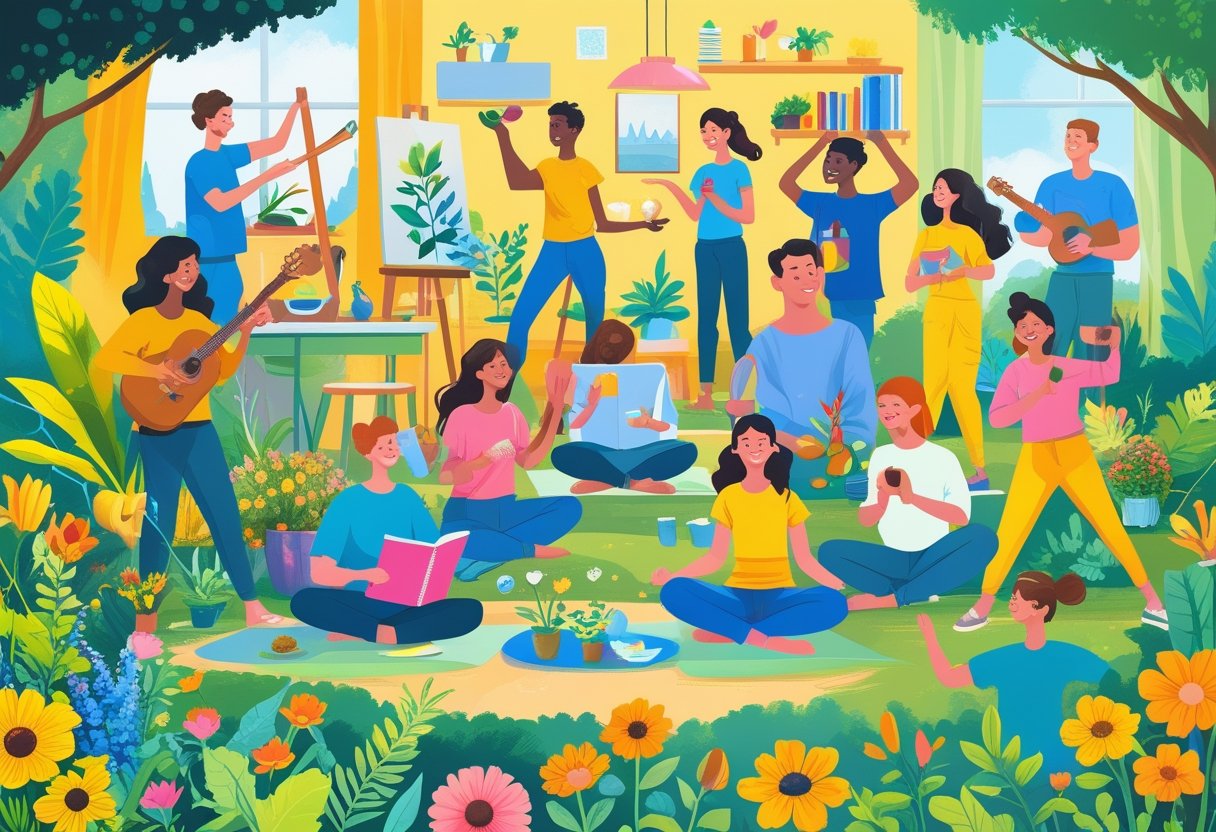
Finding the right hobby means matching your interests with activities that fit your lifestyle. From hands-on creative projects to outdoor adventures, these 25 hobbies offer something for every personality and schedule.
Creative Arts and Crafts
Painting and drawing let you express yourself without needing expensive materials to start. You can begin with basic watercolors or pencils and work on paper you already have at home. These activities help you develop observation skills while creating art you can display or give as gifts.
Knitting and crocheting turn yarn into useful items like scarves, blankets, and sweaters. You only need two needles or one hook to get started. These crafts keep your hands busy while you watch TV or listen to podcasts.
Pottery and ceramics allow you to shape clay into bowls, mugs, and decorative pieces. Many communities offer pottery classes with access to wheels and kilns. Working with clay helps you focus on the present moment as you mold each piece.
Scrapbooking preserves your memories through photos, tickets, and other keepsakes arranged on decorated pages. You can make albums for trips, family events, or yearly highlights. Digital scrapbooking offers the same creative outlet without physical storage needs.
Calligraphy teaches you to write letters in beautiful, decorative styles. You start with special pens and practice basic strokes before moving to full alphabets. This skill adds a personal touch to cards, invitations, and home decor.
Outdoor and Adventure Activities
Hiking gets you into nature on trails that range from easy walks to challenging climbs. You can start with local parks and gradually explore state or national forests. This activity builds endurance while letting you see wildlife and scenic views.
Geocaching combines treasure hunting with GPS technology as you search for hidden containers outdoors. Players hide caches worldwide and share coordinates online for others to find. Each discovery includes a logbook to sign and sometimes small items to trade.
Gardening connects you with plants as you grow flowers, vegetables, or herbs. Container gardens work well for small spaces like apartments or balconies. You learn about soil, sunlight, and seasons while producing fresh food or beautiful blooms.
Birdwatching sharpens your observation skills as you identify different species by sight and sound. You need binoculars and a field guide to start tracking which birds visit your area. Many hobbies to explore include outdoor options like this that cost little but offer big rewards.
Kayaking and paddleboarding put you on the water for exercise and exploration. Lakes, rivers, and calm ocean areas provide places to paddle at your own pace. These activities strengthen your core muscles while you enjoy being on the water.
Mindfulness and Relaxation Practices
Meditation teaches you to quiet your mind through breathing exercises and focused attention. You can practice for just five minutes daily and gradually increase your time. Regular meditation reduces stress and improves your ability to concentrate.
Yoga combines physical poses with breathing techniques to improve flexibility and strength. Classes range from gentle stretching to intense workouts. You can practice at home with online videos or join a studio for instruction.
Journaling gives you space to write about your thoughts, feelings, and daily experiences. You might keep a gratitude journal, track goals, or simply record what happens each day. Writing by hand helps process emotions and remember important moments.
Adult coloring books provide detailed designs you fill in with colored pencils or markers. The repetitive motion of coloring calms your mind while you create colorful art. These books come in themes from nature scenes to geometric patterns.
Tai chi involves slow, flowing movements that improve balance and reduce tension. This gentle martial art works for all fitness levels and ages. You can learn the basic forms through classes or instructional videos.
Tech and Digital Hobbies
Photography captures moments and scenes through your camera lens. Modern smartphones take quality photos, so you can start without buying expensive equipment. You learn about lighting, composition, and editing as you develop your eye for images.
Coding and programming let you build websites, apps, or games using different computer languages. Free online courses teach beginners the basics of HTML, Python, or JavaScript. These skills open career opportunities while challenging your problem-solving abilities.
Podcasting gives you a platform to share ideas, interview guests, or discuss topics you care about. You need a microphone and free editing software to record and publish episodes. Starting a podcast builds communication skills and connects you with listeners who share your interests.
Video editing transforms raw footage into polished videos for social media, YouTube, or personal archives. Programs range from simple apps on your phone to professional software on computers. You learn to cut clips, add music, and create effects that tell visual stories.
Graphic design combines creativity with technology as you make logos, posters, or social media graphics. Free tools like Canva offer templates and design elements for beginners. This hobby can boost wellness while developing marketable skills.
Gaming builds strategy skills through video games, board games, or card games. Online communities connect players worldwide for cooperative or competitive play. Many games challenge your reflexes, planning abilities, and creative thinking.
Assessing Your Personality and Preferences
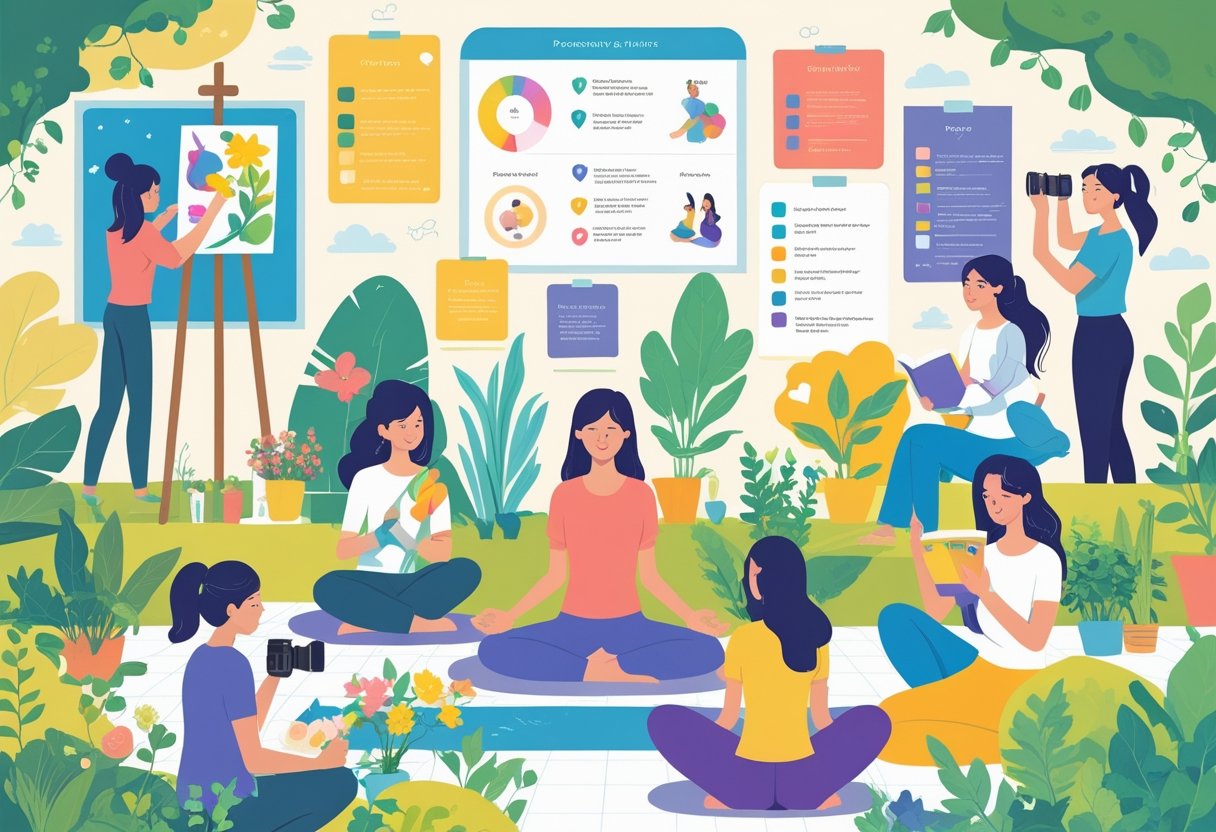
Your natural tendencies shape which hobbies will feel energizing versus draining. Understanding whether you prefer solitude or company, physical movement or mental challenges helps you pick activities you’ll actually enjoy long-term.
Introverted Versus Extroverted Activities
Introverts recharge through alone time and often prefer hobbies they can do independently. Reading, writing, painting, gardening, and coding fit this preference well. These activities let you focus deeply without social pressure.
Extroverts gain energy from being around others and thrive in group settings. Team sports, book clubs, improv classes, and volunteering give you the social interaction you crave. You might also enjoy hosting game nights or joining community theater.
Many people fall somewhere in between these extremes. You might enjoy a mix of both types. A painter could attend art classes for social connection while still spending solo time at their easel. A runner might train alone during the week but join a running group on weekends.
Solo Hobbies or Social Pursuits
Solo hobbies give you complete control over your schedule and pace. You don’t need to coordinate with anyone else or compromise on your approach. Knitting, photography, playing an instrument, and woodworking all work well when practiced alone.
Social hobbies build connections and create accountability. When you commit to a dance class or board game group, you’re more likely to show up consistently. Taking a hobby quiz can help you understand whether you prefer activities with built-in social structures.
Some hobbies adapt to either preference. Cycling works as a solo morning ride or as part of a weekend cycling club. Cooking can be a personal creative outlet or a way to bring friends together for dinner parties.
Physical Versus Mental Engagement
Physical hobbies get your body moving and release endorphins. Rock climbing, martial arts, hiking, and swimming build strength and improve cardiovascular health. These activities work well if you spend most of your day sitting at a desk.
Mental hobbies challenge your brain and develop new neural pathways. Chess, learning languages, puzzles, and studying astronomy keep your mind sharp. Understanding your personality type helps match you with mentally stimulating activities that suit your thinking style.
Many hobbies combine both elements. Yoga requires physical flexibility and mental focus. Ballroom dancing demands memorizing steps while building stamina. Pottery involves hand-eye coordination alongside creative problem-solving.
Low-Budget and Accessible Hobbies
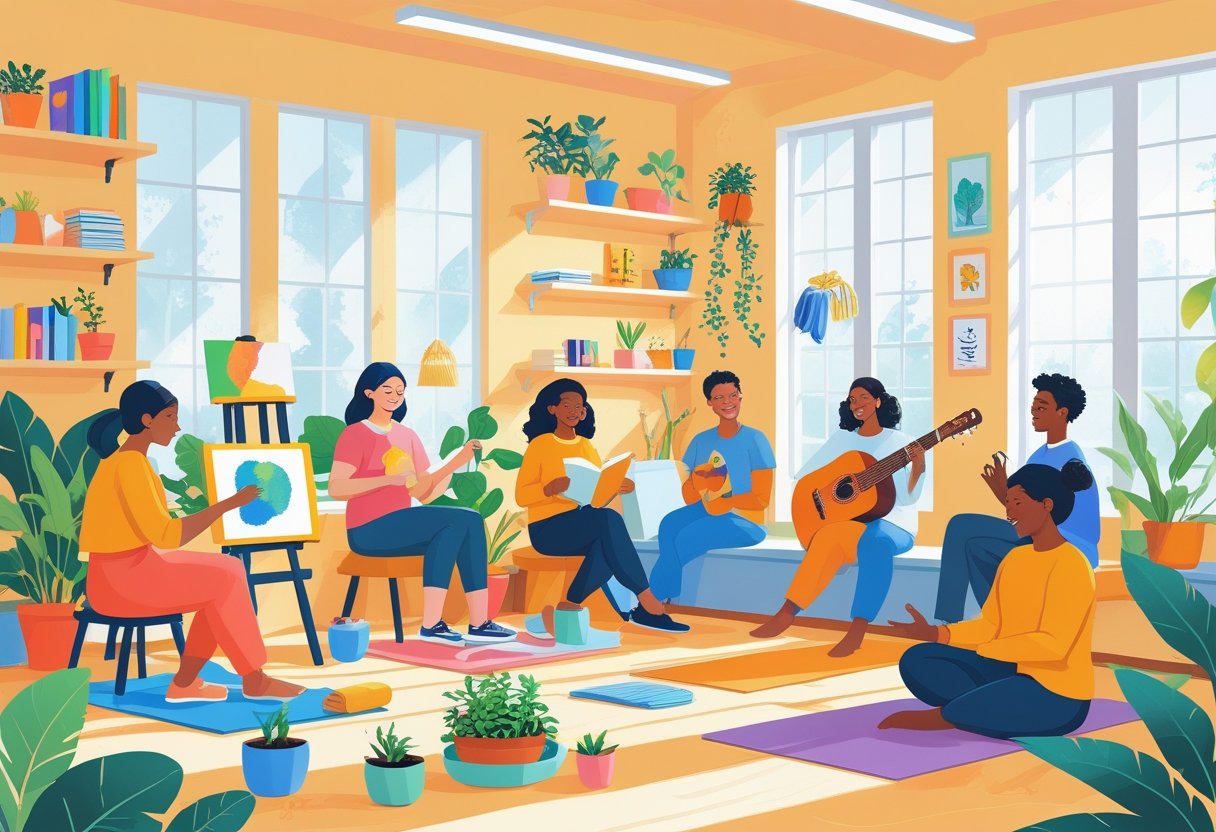
You can start meaningful hobbies without spending much money or needing special equipment. Many activities cost under $50 to begin, and some require nothing more than items you already have at home.
DIY Projects
DIY projects let you create useful items while learning new skills. You can start with simple crafts using materials around your house like cardboard, fabric scraps, or old jars.
Upcycling furniture gives old pieces new life with paint or new hardware. You only need basic supplies like sandpaper, brushes, and paint from discount stores. Most projects cost between $10 and $30.
Popular low-cost DIY hobbies include:
- Candle making with wax and wicks
- Soap crafting with melt-and-pour bases
- Paper crafts like origami or card making
- Plant propagation from cuttings
Home repair skills also count as DIY hobbies. Learning to fix leaky faucets or patch drywall saves money while building confidence. You can find free tutorials online for almost any project.
Public Resources and Community Groups
Your local library offers more than books. Many libraries provide free classes, craft supplies, and meeting spaces for hobby groups. You can access equipment like 3D printers, sewing machines, and recording studios at no cost.
Community centers run low-cost classes in cooking, art, and fitness. These programs typically charge $5 to $20 per session. You’ll meet others who share your interests while learning from experienced instructors.
Parks and recreation departments organize group activities like hiking clubs, sports leagues, and nature walks. Most outdoor programs are free or charge minimal fees for equipment rental.
Tool libraries let you borrow expensive equipment instead of buying it. You can try woodworking, gardening, or home improvement without investing in tools you might only use once.
Online Communities
Free online platforms connect you with people who share your hobby interests. Reddit, Discord, and Facebook groups offer advice, tutorials, and support for beginners.
YouTube provides step-by-step instructions for nearly every hobby. You can pause, rewind, and practice at your own speed. Many creators share free resources and templates with their communities.
Virtual hobby groups meet through video calls for activities like book clubs, language practice, or craft sessions. These groups eliminate travel costs and time commitments. You can join groups from anywhere in the world.
Online challenges and projects keep you motivated. Monthly photo contests, writing prompts, or fitness challenges give you goals to work toward. Many platforms offer badges or recognition for completing milestones.
Turning a Hobby Into a Lifelong Passion
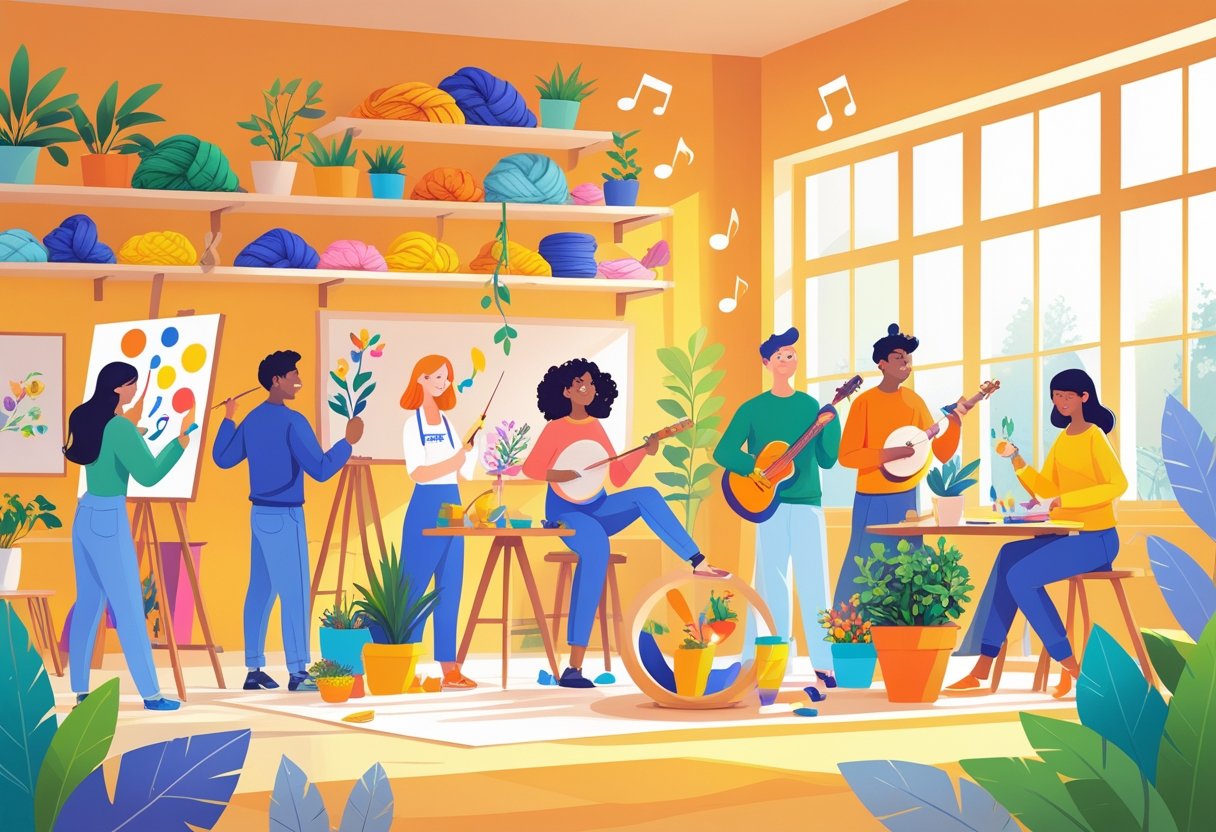
Making a hobby stick requires planning, patience, and the ability to push through tough spots. You need clear targets to work toward, a way to see your improvement, and strategies to handle the hard parts that make beginners quit.
Setting Realistic Goals
Start with small, achievable targets instead of big dreams that take years to reach. If you want to learn guitar, aim to master three chords in your first month rather than planning to play full songs right away.
Break down your hobby into specific milestones you can measure. A runner might set a goal to jog for 10 minutes without stopping before thinking about a 5K race. A painter could focus on completing one small canvas per week instead of planning a gallery show.
Write down your goals and set deadlines for each one. This creates accountability and gives you something concrete to work toward. Your goals should challenge you but still feel within reach based on the time you can dedicate each week.
Adjust your targets as you learn more about the hobby. What seemed reasonable at first might be too easy or too hard once you get started. Being flexible keeps you motivated without feeling frustrated.
Tracking Progress and Growth
Keep a simple log of your practice sessions and what you accomplished in each one. This could be a notebook, a phone app, or photos that show your work over time. You’ll see improvement that feels invisible day-to-day.
Take measurements that matter for your specific hobby. A baker might write down which recipes worked and which failed. Someone learning a language could count new vocabulary words learned each week.
Review your records monthly to spot patterns and celebrate wins. You might notice you practice better at certain times of day or that specific techniques click faster than others. This information helps you make smarter choices about how to spend your hobby time.
Overcoming Initial Challenges
The first few months of any hobby feel awkward and frustrating. Your results won’t match what you picture in your head, and that gap is normal. Every expert started as a beginner who felt the same way.
Schedule regular practice times instead of waiting until you feel motivated. Treat your hobby like an appointment you can’t skip. Even 15 minutes of consistent practice beats occasional long sessions when inspiration strikes.
Find a community of people doing the same hobby, either online or in person. They can answer questions, share tips, and remind you that struggle is part of learning. Having a serious leisure hobby becomes part of your identity over time.
Give yourself permission to be bad at first. Nobody expects perfect results in the beginning. Focus on showing up and putting in the work rather than comparing yourself to people who’ve practiced for years.
Next Steps for Discovering Your Passion
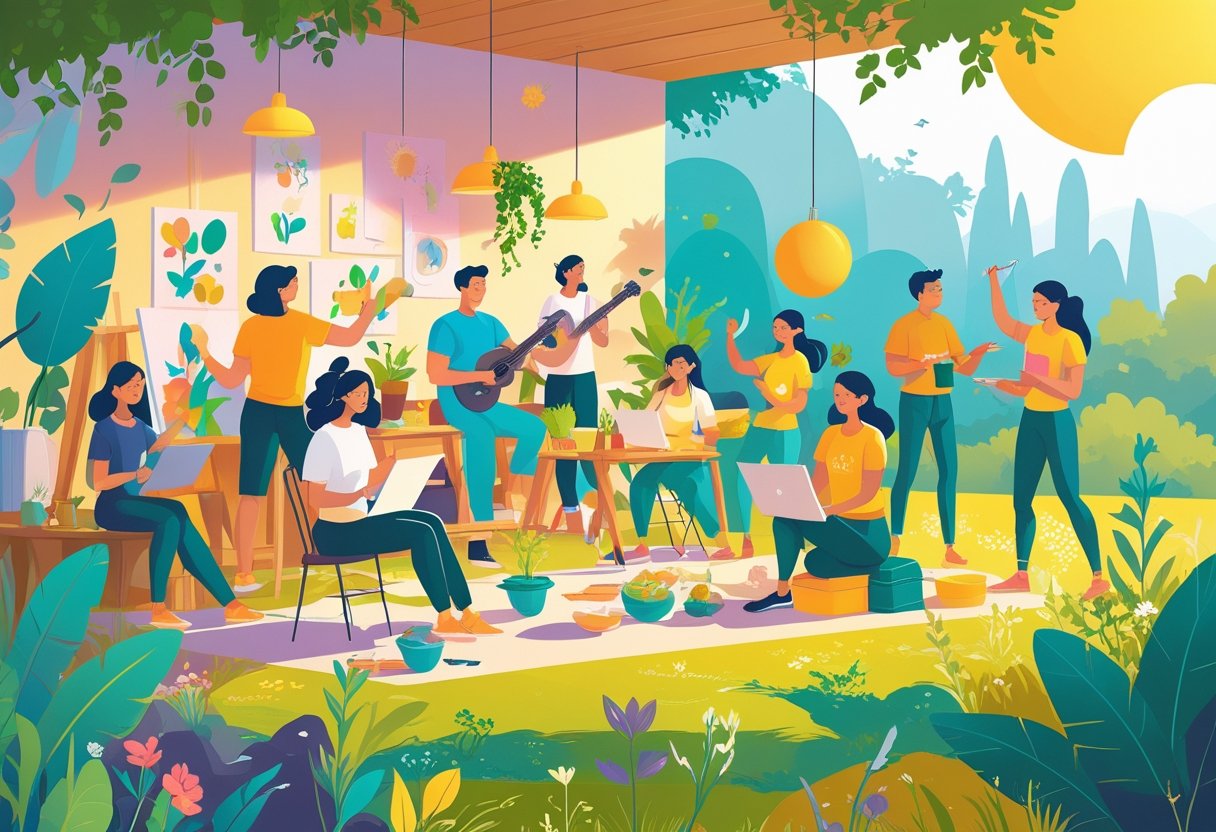
You need a plan to turn your curiosity into action. Finding the right resources and making a real commitment will help you move from thinking about hobbies to actually doing them.
Where to Find Ideas and Inspiration
You can explore hundreds of hobbies and take quizzes to match your interests with specific activities. Online platforms give you instant access to hobby lists organized by category, skill level, and time commitment.
Your local community offers more options than you might realize. Check your library for free classes, visit community centers for workshops, and look at recreation department schedules. Many craft stores and specialty shops host beginner sessions and demonstrations.
Social media groups and forums connect you with people who share specific interests. You can ask questions, see what others are creating, and get honest feedback about what a hobby really involves. YouTube channels and blogs show you exactly what activities look like before you invest time or money.
Reflecting on your preferences and experimenting helps you identify what truly excites you. Think about activities you enjoyed as a child or skills you’ve always wanted to learn.
Committing to the Hobby Journey
You need to set realistic expectations when starting a new hobby. Give yourself at least three to five sessions before deciding if an activity fits your lifestyle. Most hobbies feel awkward at first, and that discomfort fades with practice.
Schedule specific times for your new hobby just like you would any other appointment. Block out 30 minutes to an hour in your calendar each week. This dedicated time prevents your hobby from getting pushed aside by other responsibilities.
Start with minimal investment until you know you’ll stick with the activity. Borrow equipment, buy used supplies, or try free trials before purchasing expensive gear. You can always upgrade later once you’ve confirmed your interest.
Track your progress in a simple way that works for you. Take photos, keep a journal, or mark milestones on a calendar. Seeing improvement keeps you motivated during the learning phase.