
15 Hobbies That Help Reduce Screen Time: Activities to Reclaim Your Day
Most people spend several hours each day looking at phones, computers, and televisions. This constant screen use can lead to eye strain, poor sleep, and feelings of stress. Finding hobbies that keep you away from screens can improve your mental and physical health while giving you more fulfilling ways to spend your free time.

Picking up activities that involve building, creating, or playing with others helps you stay engaged without feeling bored. These hobbies give your brain a break from digital devices and help you develop new skills. Whether you enjoy working with your hands, moving your body, or spending time with others, there are many options to explore.
This guide covers creative pursuits, physical activities, social hobbies, and skill-building options that don’t require any screens. You’ll also learn practical tips for making the switch from digital to offline activities. These changes can help you feel more relaxed, focused, and connected to the world around you.
The Importance of Reducing Screen Time

Too much time spent looking at screens can harm your physical health, mental well-being, and sleep quality. Finding the right balance between technology use and offline activities helps you feel better and live a healthier life.
Health Benefits of Reduced Screen Usage
Reducing screen time can significantly improve overall attention spans and help you focus better on tasks. When you spend less time on screens, you give your eyes a break from constant strain and blue light exposure.
Your sleep quality improves when you cut back on screen use, especially before bedtime. Screens emit blue light that tricks your brain into thinking it’s still daytime, making it harder to fall asleep.
Stepping away from screens also gives you more time for physical activity. You can move your body more throughout the day instead of sitting in one position for hours. This leads to better posture, reduced back pain, and improved overall fitness.
Your mental health benefits too. Less screen time means less exposure to stressful news, social media comparison, and information overload that can increase anxiety.
Negative Impacts of Excessive Screen Time
Spending too many hours in front of screens can leave you feeling tired and distracted. Your eyes become strained, which can cause headaches, dry eyes, and blurred vision.
Long periods of screen use contribute to poor sleep patterns. The blue light from devices disrupts your natural sleep-wake cycle, making it harder to get quality rest at night.
Common physical problems from excessive screen time include:
- Neck and shoulder pain from hunching forward
- Eye strain and digital eye fatigue
- Weight gain from prolonged sitting
- Weakened posture and back problems
Your relationships can suffer when screens take priority over face-to-face interactions. You might miss out on meaningful conversations and connections with family and friends. Mental health issues like anxiety and depression can worsen with too much screen exposure, especially from social media.
Balancing Technology and Hobbies
You don’t need to eliminate screens completely from your life. The goal is finding a healthy balance between digital activities and hobbies that help reduce screen time.
Set specific time limits for your screen use each day. You can use phone settings or apps to track how much time you spend on different activities. Share these limits with family or friends so they can help keep you accountable.
Replace some of your screen time with hands-on activities. Try building, creating, or playing games that don’t require electronics. These activities keep your mind engaged while giving your eyes and body a break.
Schedule specific times during your day to check emails, social media, or watch TV. This prevents screens from taking over your entire day. Keep your phone out of your bedroom at night to improve your sleep quality and start each day without immediately reaching for a device.
How Hobbies Support a Screen-Free Lifestyle

When you replace screen time with hands-on activities, you create space for better mental health, stronger relationships, and improved concentration. Hobbies give you something meaningful to do with your time while your brain gets a break from digital stimulation.
Encouraging Mindfulness and Presence
Screen-free hobbies naturally pull your attention into the present moment. When you work with your hands on activities like gardening, painting, or woodworking, you focus on physical sensations and real-world results.
This type of engagement helps quiet the constant mental chatter that comes from digital life. You notice textures, colors, and movements in a way that scrolling never allows.
Activities that build mindfulness include:
- Knitting or crocheting
- Playing a musical instrument
- Cooking from scratch
- Drawing or sketching
- Pottery or ceramics
Your mind settles into a calm state when you concentrate on repetitive motions or creative problem-solving. This gives your nervous system a chance to reset from the overstimulation of screens.
Building In-Person Connections
Hobbies that involve real human connection help you develop stronger relationships than digital interactions ever could. When you join a book club, sports team, or craft group, you interact face-to-face with people who share your interests.
These in-person meetings create bonds through shared experiences and physical presence. You read body language, hear tone of voice, and build trust in ways that texts and video calls cannot replicate.
Team-based activities like volleyball, board game nights, or community theater give you regular reasons to meet up with others. You build friendships naturally through repeated contact and common goals.
Volunteering offers another way to connect while helping others and making a positive difference in your community. You work alongside people toward meaningful outcomes that benefit those around you.
Improving Focus and Wellbeing
Your ability to concentrate improves when you spend less time switching between apps and notifications. Hobbies require sustained attention on a single task, which strengthens your focus muscles over time.
Physical hobbies like running, hiking, or dancing reduce stress hormones in your body. You sleep better at night when you get regular exercise away from screens.
Creative activities engage different parts of your brain than digital content does. When you build something with your hands or solve puzzles, you develop new neural pathways that improve problem-solving skills.
Your eyes also benefit from the break. Looking at objects at various distances helps prevent eye strain and headaches that come from staring at screens for hours. You feel more energized throughout the day when you balance screen activities with offline hobbies.
Creative Hobbies That Limit Screen Exposure

Creative activities engage your hands and mind in ways that naturally pull you away from digital devices. These hobbies offer tangible results you can see and touch, making them satisfying alternatives to scrolling.
Drawing and Painting
Drawing and painting require focus and hand-eye coordination that makes screen use impossible. You can start with basic pencils and paper, which cost less than $10 at most stores.
Watercolors, acrylics, and oils each offer different experiences. Watercolors dry quickly and work well for beginners. Acrylics are versatile and forgiving since you can paint over mistakes. Oils take longer to dry but allow for detailed blending.
You don’t need formal training to start. Simple exercises like sketching objects around your home or copying images from books help build skills. Many people find that creative hobbies tap into self-expression, which provides therapeutic benefits beyond just reducing screen time.
Set up a small art corner in your home with basic supplies. Even 15 minutes of drawing each day creates a regular break from screens.
Crafting and DIY Projects
Crafting includes activities like knitting, crocheting, woodworking, and making jewelry. These projects keep your hands busy and produce items you can use or give as gifts.
Popular craft options include:
- Knitting scarves, blankets, or clothing
- Building furniture or home decor from wood
- Creating jewelry with beads or wire
- Making candles or soap
- Sewing clothes or quilts
Hobbies that involve building or creating tend to feel more engaging than passive activities. You see progress with each session, which motivates you to continue.
Most crafts require an initial investment in materials and tools. Start with one craft type before expanding to others. Local craft stores often offer beginner classes that teach basic techniques.
Photography with Film Cameras
Film photography slows down the picture-taking process compared to digital cameras or phones. You have a limited number of exposures per roll, which makes you think carefully about each shot.
Developing film requires either a darkroom setup or sending rolls to a lab. This delay between taking photos and seeing results creates anticipation that digital photography lacks. You learn to be more intentional with composition and lighting.
Used film cameras cost between $50 to $300 depending on the model. Film rolls and development add ongoing costs of about $15 to $20 per roll.
The manual controls on film cameras teach you about aperture, shutter speed, and ISO. These technical skills improve your overall photography understanding.
Journaling and Calligraphy
Writing by hand activates different parts of your brain than typing does. Journaling helps you process thoughts and emotions without the distraction of notifications or apps.
You can journal in several ways:
- Free writing about your day
- Gratitude lists
- Goal tracking
- Creative writing or poetry
Calligraphy adds an artistic element to writing. Learning different lettering styles takes practice but creates beautiful results. Basic calligraphy pens cost around $10 to $20.
Bullet journaling combines planning with creativity. You design your own layouts and add drawings or decorative elements. This system works well if you like organization and artistic expression together.
Keep your journal and pens in a visible spot. This reminder encourages you to write regularly instead of reaching for your phone.
Physical Activities to Stay Active Offline

Moving your body without a screen can improve your mood, boost your energy, and help you connect with the world around you. These activities replace digital time with physical movement that benefits both your mind and body.
Hiking and Nature Walks
Hiking gets you outside and away from your devices while you explore trails and natural areas. You can start with short walks on easy paths and work up to longer hikes as you build strength.
Nature walks offer mental health benefits beyond just reducing screen time. Walking outdoors lowers stress levels and helps you feel more relaxed. You don’t need special equipment to start – just comfortable shoes and a water bottle.
Try visiting local parks, nature reserves, or hiking trails in your area. Bring a friend or family member to make it social. You can also join hiking groups in your community to meet new people who share your interest in the outdoors.
Cycling Adventures
Cycling works your whole body while you explore your neighborhood or nearby bike trails. You can ride for exercise, transportation, or just for fun. A basic bike is all you need to get started.
Regular cycling builds leg strength and improves your heart health. You burn calories without the joint stress that comes from running. Plus, you cover more distance than walking, which lets you discover new places.
Start with flat, paved paths if you’re new to cycling. As you get more comfortable, try different routes or terrain. Many cities now have bike-sharing programs if you want to try cycling before buying your own bike.
Group Sports
Participating in offline activities like group sports naturally reduces your device time while you learn new skills. Join a recreational league for basketball, soccer, volleyball, or tennis in your area.
Team sports give you regular social interaction without screens. You build friendships with teammates and stay accountable to show up for practices and games. The competitive element keeps you motivated and engaged.
Most communities offer adult sports leagues for all skill levels. You don’t need to be an expert – many leagues focus on fun rather than competition. Check your local recreation center or community board for options.
Yoga and Meditation
Yoga combines physical movement with mental focus through a series of poses and breathing exercises. You can practice at home with just a mat or join a class at a studio. Classes range from gentle stretching to intense workouts.
Meditation pairs well with yoga as a way to quiet your mind without digital distractions. Even five to ten minutes of meditation daily can reduce stress and improve your focus. You sit quietly and pay attention to your breathing.
Both practices help you become more aware of your body and thoughts. They’re hobbies that keep your mind and body active while improving flexibility and balance. Many studios offer beginner classes, or you can learn basic poses through books from your library.
Social and Group-Based Hobbies
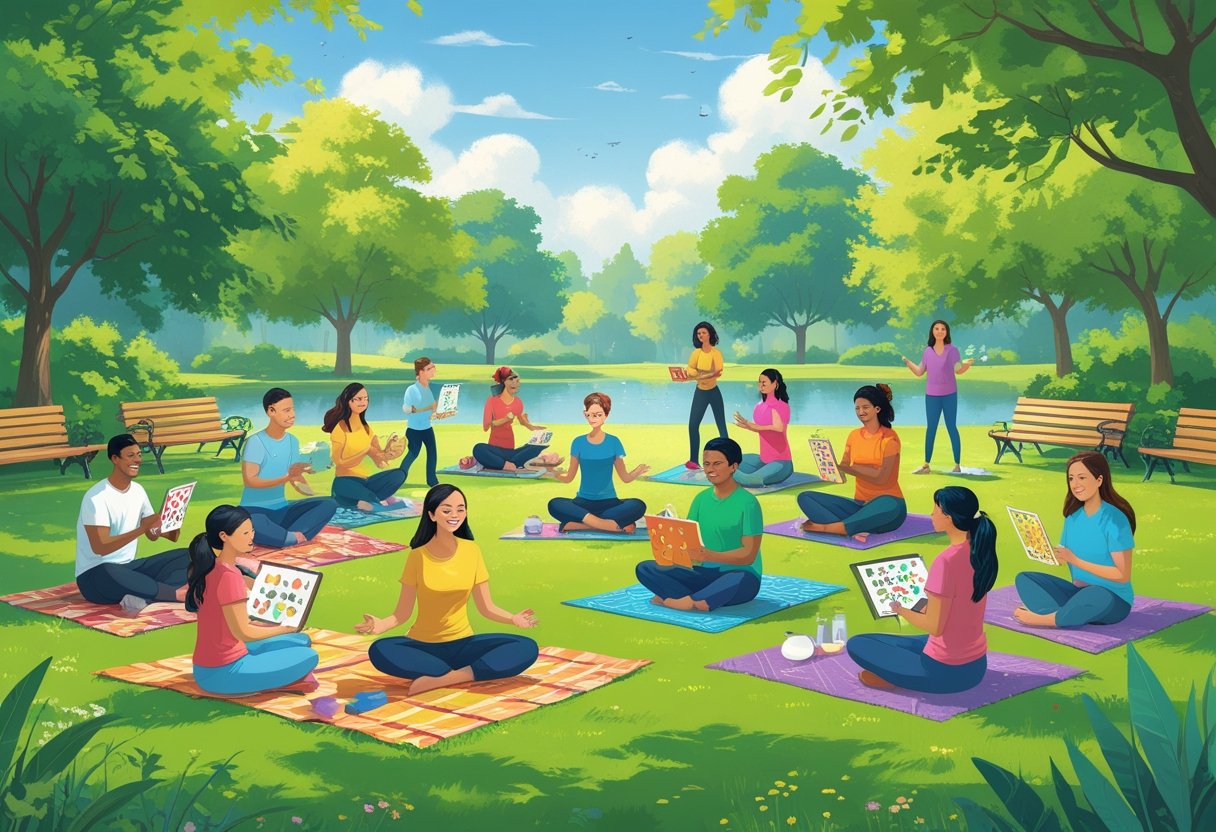
Gathering with others for in-person activities creates natural breaks from digital devices while building meaningful connections. These hobbies combine entertainment with face-to-face interaction, making it easier to step away from screens.
Board Games and Tabletop Gaming
Board games bring people together around a table instead of around screens. You can choose from strategy games, cooperative adventures, or quick party games depending on your group’s interests.
Modern board games offer complex gameplay that keeps your mind engaged for hours. Games like Settlers of Catan, Ticket to Ride, or Pandemic require strategic thinking and teamwork. You’ll find that interactive hobbies require active participation and often involve communication and problem-solving with others.
Regular game nights give you something to look forward to each week. You can host at home or join gaming groups at local cafes and hobby shops. Many communities have board game meetups where you can try new games before buying them.
Book Clubs
Book clubs replace scrolling time with reading and meaningful discussion. You commit to finishing a book each month and meet with others to share your thoughts and interpretations.
Reading physical books naturally reduces your screen exposure. You can join existing clubs through libraries, bookstores, or community centers, or start your own with friends or coworkers.
The social aspect keeps you accountable to actually finish the books. Discussions deepen your understanding and expose you to perspectives you might have missed. You’ll also discover new authors and genres through other members’ recommendations.
Dance Classes
Dance classes get you moving while learning new skills with others. You can try styles like salsa, swing, ballroom, hip-hop, or line dancing based on your interests and fitness level.
Group classes or clubs work well if you thrive in social settings. Most studios offer beginner sessions where everyone starts at the same level. You don’t need a partner for many styles, and instructors often rotate partners during class.
The physical activity provides stress relief while the social environment keeps classes fun and engaging. You’ll practice coordination, build confidence, and potentially make new friends who share your interest in dance.
Learning New Skills Without Screens

Hands-on skills like cooking, gardening, and music offer practical knowledge while keeping you away from devices. These activities engage your mind and body in ways that build real-world abilities you can use every day.
Cooking and Baking
Cooking and baking give you useful skills that feed both your creativity and your stomach. You can start with simple recipes from cookbooks or printed recipe cards, then work your way up to more complex dishes as you gain confidence.
Learning to cook teaches you about nutrition, measurements, and timing. You develop your sense of taste and smell as you experiment with different ingredients and flavors. Baking requires precision with measurements and temperatures, which helps you practice attention to detail.
You can try different cuisines from around the world or focus on mastering classic dishes. Each cooking session gives you immediate feedback through taste and presentation. The best part is that you end up with something delicious to eat or share with others.
Gardening and Indoor Plant Care
Growing plants connects you with nature while teaching patience and responsibility. You can start small with a few herbs on your windowsill or go bigger with outdoor garden beds.
Gardening teaches you about soil types, watering schedules, and seasonal planting. You learn to observe your plants for signs of health or problems. Indoor plant care works well if you have limited space or live in an apartment.
Basic gardening supplies:
- Seeds or starter plants
- Pots with drainage holes
- Potting soil
- Watering can
- Garden gloves
You watch your plants grow over weeks and months, which builds patience. The physical activity of digging, planting, and weeding gives you exercise too.
Learning a Musical Instrument
Playing an instrument builds coordination between your hands, eyes, and ears. You can choose from guitars, pianos, drums, or wind instruments based on your interests and budget.
Learning a new language through offline study uses similar focused mental exercise, and music works the same way. You practice reading music notation, understanding rhythm, and training your fingers to hit the right notes. Regular practice sessions improve your memory and concentration.
You start with basic scales and simple songs, then gradually tackle harder pieces. Many community centers offer group lessons where you can learn alongside others. Playing music reduces stress and gives you a creative outlet that requires your full attention.
Tips for Transitioning to Offline Hobbies

Making the switch from screen-based activities to offline hobbies requires practical strategies and realistic expectations. Start by setting clear limits on your device usage, create physical spaces that support your new interests, and build habits that keep you engaged over time.
Setting Realistic Screen Time Goals
You need to track your current screen usage before making any changes. Most phones have built-in tools that show exactly how many hours you spend on different apps each day. Write down these numbers for a week to see your baseline.
Start with small reductions rather than dramatic cuts. If you spend five hours daily on your phone, aim to reduce it by 30 minutes for the first week. This approach prevents the frustration that comes from trying to change too much at once.
Pick specific times to stay screen-free instead of vague goals like “use my phone less.” You might decide that 7-9 PM is your offline hobby time, or that mornings before work are device-free. These clear boundaries help reduce digital fatigue and make it easier to stick with your plan.
Use app timers and website blockers during your designated hobby hours. These tools remove the temptation to check notifications or scroll through feeds when you should be focusing on your offline activity.
Creating Dedicated Hobby Spaces
Physical space matters when building new habits. Set up a specific area in your home for your offline hobby, even if it’s just a corner of a room. This signals to your brain that when you’re in this spot, you’re doing your hobby.
Keep your supplies organized and visible. A basket of knitting materials on the coffee table or a journal on your nightstand reminds you to engage with these activities. When everything is tucked away, you’re more likely to reach for your phone instead.
Make this space phone-free. Leave your device in another room or put it in a drawer during hobby time. The physical distance reduces the urge to check it every few minutes.
Your hobby space should be comfortable and have good lighting. You won’t stick with reading, drawing, or crafting if you’re squinting in dim light or sitting in an uncomfortable chair.
Staying Motivated and Consistent
Schedule your offline activities for mental clarity just like you would any other appointment. Put them in your calendar with reminders so they become non-negotiable parts of your routine.
Track your progress in a simple way. Mark days on a calendar when you complete your hobby time, or keep a basic log of what you did. Seeing your consistency builds momentum.
Join groups or find accountability partners who share your interests. Local clubs, classes, or friends who also want to reduce screen time create social pressure in a helpful way. You’re less likely to skip your pottery class when someone expects to see you there.
Remember that some days will be harder than others. You might slip back into old scrolling habits occasionally, and that’s normal. What matters is getting back to your offline hobby the next day rather than giving up completely.