Weekend Hobbies You Can Start Today Without Breaking the Bank
Weekends offer the perfect chance to break free from your daily routine and explore something new. You can start a meaningful weekend hobby today without needing special skills, expensive equipment, or months of preparation. The key is finding activities that match your interests and fit into your schedule.
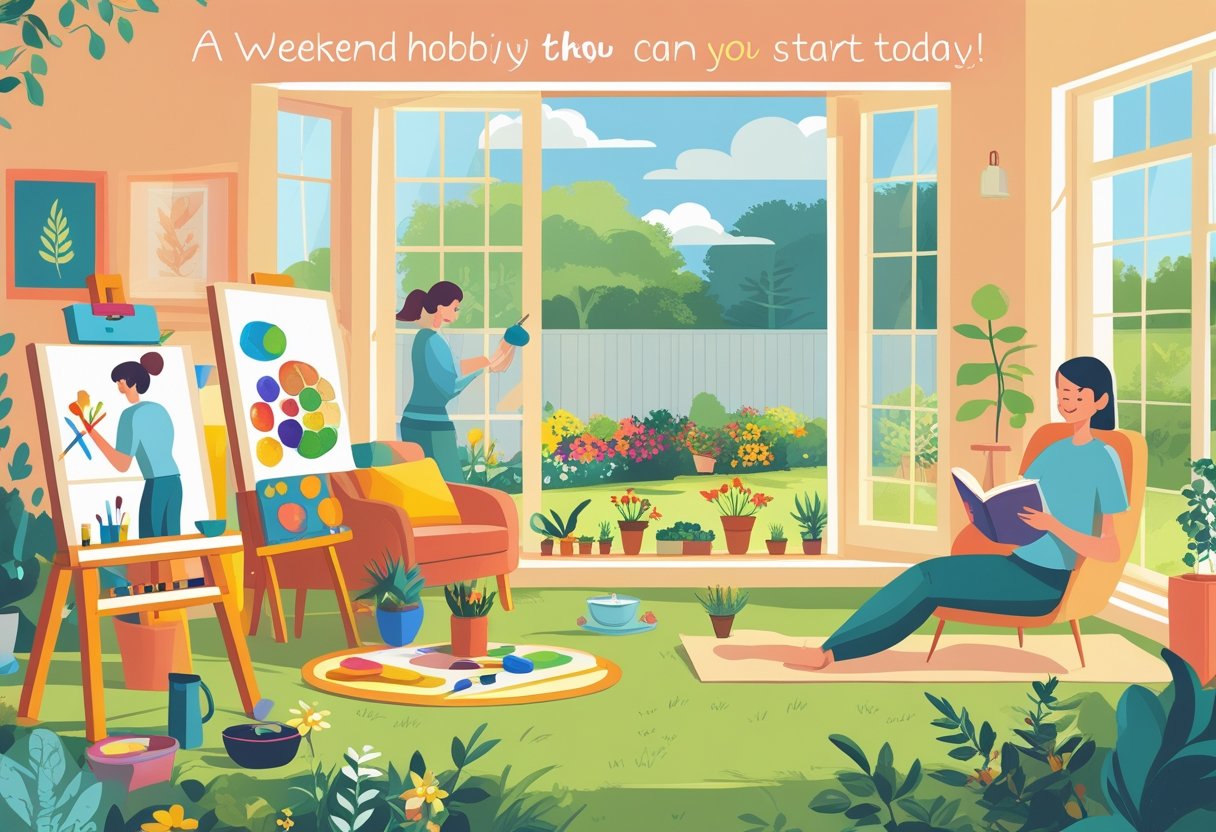
Many people spend their free time scrolling through their phones or watching TV, but hobbies provide real benefits for your mental and physical health. Hobbies can keep your mind sharp, body active, and even help your wallet when you choose budget-friendly options. Whether you want to create something with your hands, get moving outdoors, or learn a new skill, there are simple ways to make your weekends more rewarding.
This guide covers different types of hobbies you can begin right away. You’ll learn about creative projects, physical activities, social pursuits, and practical skills that fit various budgets and lifestyles.
Why Weekend Hobbies Matter
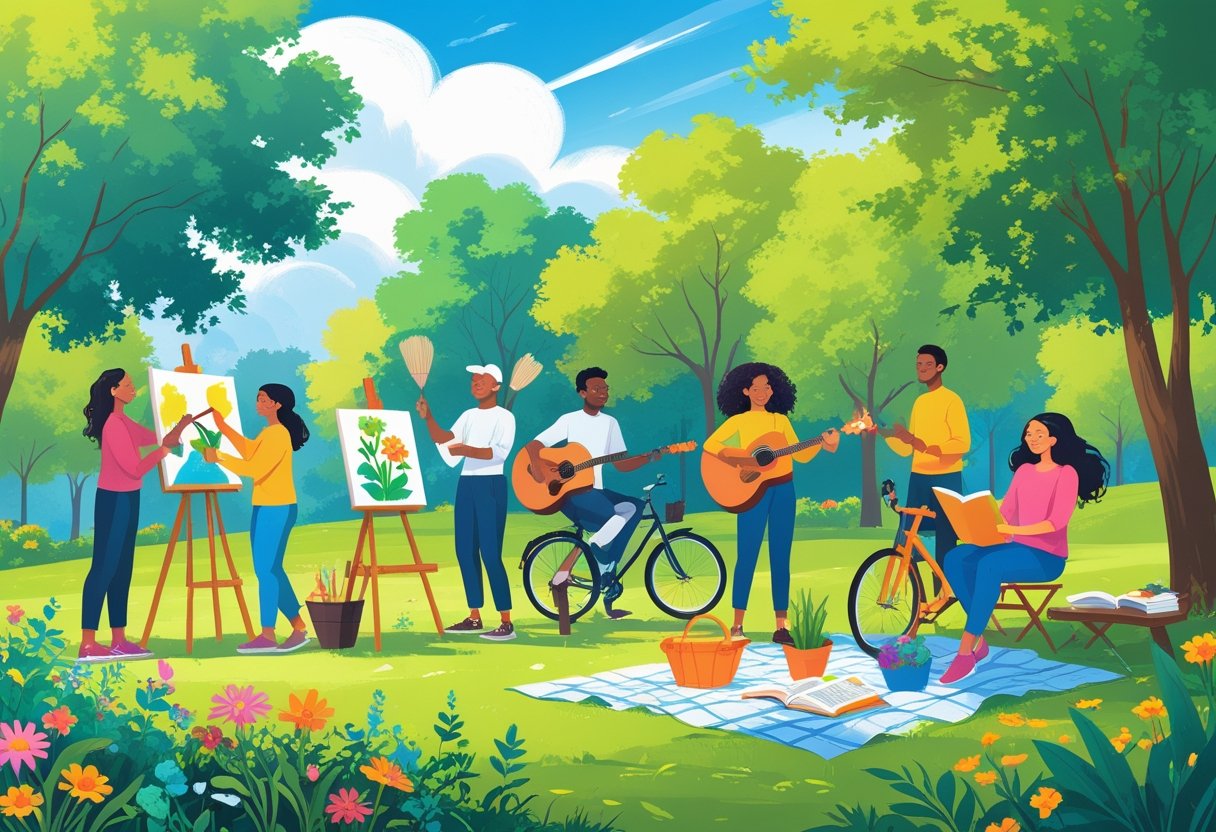
Weekend hobbies offer real benefits that extend beyond simple entertainment. They help reduce daily stress, boost mental health, and can actually make you more productive during your work week.
Benefits of Hobbies for Well-Being
Hobbies give your mind a break from daily routines and work pressures. When you spend time on activities you enjoy, your brain releases chemicals that improve your mood and overall sense of happiness.
Regular hobby participation helps you build new skills and gain confidence. You create a sense of achievement when you complete a project or improve at something you care about. This positive feeling carries over into other parts of your life.
Weekend hobbies like journaling, gardening, or painting can boost mental clarity and enhance focus. These activities give you something to look forward to each week. They also help you connect with other people who share your interests, which builds social connections and reduces feelings of isolation.
Reducing Stress With Leisure Activities
Stress builds up during busy workweeks and needs an outlet. Weekend hobbies provide a healthy way to release tension and clear your mind. When you focus on an activity you enjoy, you naturally stop thinking about work problems and daily worries.
Physical hobbies like hiking or sports help your body release built-up stress. Creative activities like drawing or playing music let you express emotions in productive ways. Even quiet hobbies like reading or puzzles give your brain the rest it needs.
The key is choosing activities that feel enjoyable rather than like another obligation. You should look forward to your hobby time, not dread it. This makes the stress relief more effective and lasting.
Improving Productivity Through Hobbies
Taking real breaks from work makes you more efficient when you return to your job. Your brain needs downtime to process information and recharge its energy. Hobbies also enhance focus and overall productivity by giving your mind structured rest periods.
Learning new skills through hobbies keeps your brain sharp and adaptable. These abilities often transfer to your professional work in unexpected ways. Problem-solving skills from fixing things or planning skills from organizing projects apply across different areas of your life.
You return to Monday morning with more energy and better focus when you spend weekends doing things you truly enjoy. This creates a positive cycle where better work performance gives you more reason to protect your hobby time.
Creative Weekend Hobbies You Can Start Today

Creative hobbies help you express yourself while building new skills that don’t require expensive equipment or years of practice. You can begin with basic supplies you might already have at home and develop these activities at your own pace.
Drawing and Sketching
You need just a pencil and paper to start drawing this weekend. Basic sketching helps you see the world differently as you learn to observe shapes, shadows, and proportions in everyday objects.
Start with simple shapes like circles, squares, and triangles. Practice drawing these shapes repeatedly to build hand control and confidence. Then move on to combining shapes to create basic objects like cups, books, or fruit.
Basic supplies to get started:
- Regular pencils (HB or 2B work well)
- Eraser
- Plain paper or a sketchbook
- Sharpener
You don’t need to draw perfectly. Focus on practicing for 15-20 minutes each day to see improvement over time. Try copying photographs or drawing objects around your house to develop your observation skills.
Photography for Beginners
Your smartphone camera is powerful enough to start taking quality photos right now. Photography teaches you to notice light, composition, and interesting moments in your daily life.
Learn the rule of thirds by imagining your camera screen divided into nine equal sections. Place your subject along these lines or at their intersections instead of centering everything. This creates more visually interesting photos.
Practice taking photos during different times of day. Morning and evening light creates warmer, softer photos than harsh midday sun. Try photographing the same subject at different times to see how light changes the mood.
Simple techniques to practice:
- Get closer to your subject
- Use natural light when possible
- Keep your lens clean
- Take multiple shots of the same scene
Free editing apps on your phone let you adjust brightness, contrast, and color to improve your photos after you take them.
Hand Lettering and Calligraphy
Hand lettering transforms ordinary writing into decorative art using pens and markers you can find at any store. This hobby combines writing with design to create greeting cards, journal pages, or wall art.
Begin with basic print letters before moving to cursive or decorative styles. Practice each letter individually on lined paper to keep your sizing consistent. Focus on making your downstrokes slightly thicker than your upstrokes for a more polished look.
You can start with regular pens or markers. Brush pens give you more control over thick and thin lines as you advance. Practice tracing letter guides or worksheets you can print for free online.
Set aside 20-30 minutes to practice your letters and simple words. Write out quotes, grocery lists, or your name to build muscle memory. The repetition helps you develop a consistent style over time.
Creative Writing Exercises
Writing lets you explore ideas, tell stories, and process your thoughts without any special equipment. You can write anywhere using just a notebook and pen or a simple document on your computer.
Try free writing for 10 minutes without stopping or editing. Write whatever comes to mind without worrying about grammar, spelling, or making sense. This exercise helps you get past the blank page and discover ideas you didn’t know you had.
Quick writing prompts to try:
- Describe your favorite childhood memory in detail
- Write about an ordinary object from the object’s perspective
- Create a character based on someone you saw today
- Write a letter to your future self
Start a daily writing habit by committing to write just 100 words each day. This small goal feels manageable and helps you build consistency. You can expand your writing time as the habit becomes natural.
Active Weekend Hobbies for Physical Wellness
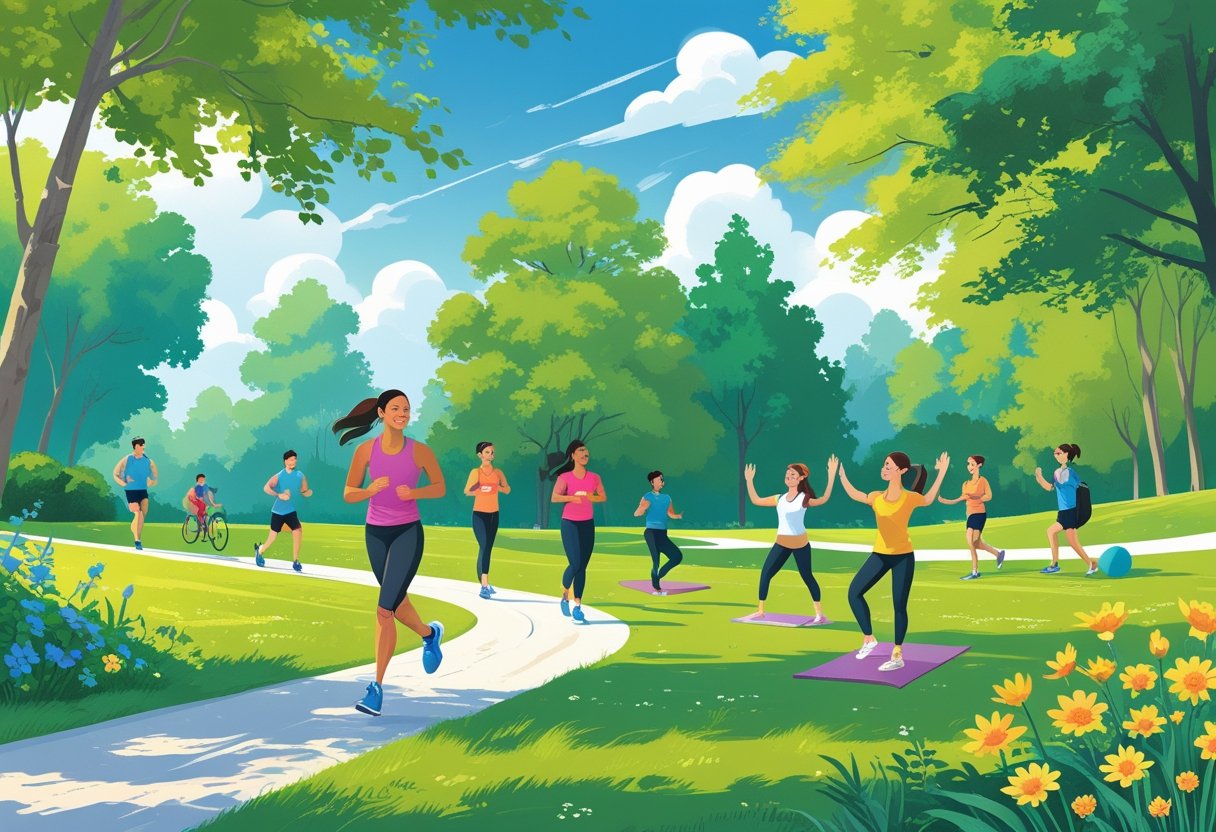
Physical activity doesn’t have to mean gym memberships or expensive equipment. You can start running in your neighborhood, explore local trails by bike, or practice yoga in your living room with just a mat.
Running and Jogging
Running is one of the easiest activities to start because you only need a pair of shoes. You can run around your block, at a local park, or on designated trails in your area.
Start with short distances if you’re new to running. Try alternating between jogging for two minutes and walking for one minute. This approach helps build your stamina without overwhelming your body.
Early morning runs give you energy for the day ahead. Evening runs help you unwind after work. You can track your progress using free apps on your phone or simply note how you feel after each run.
Basic running benefits:
- Strengthens your heart and lungs
- Burns calories and helps maintain healthy weight
- Improves bone density
- Reduces stress and anxiety
Cycling Adventures
Cycling lets you explore areas beyond walking distance while getting exercise. You can ride on streets, bike paths, or mountain trails depending on what’s available near you.
Start with flat routes if you’re getting back into cycling. As you build strength, you can tackle hills and longer distances. A basic bike works fine for beginners, though you might want to invest in a comfortable seat and a helmet for safety.
Weekend bike rides can become activities that bring excitement and adventure between workweeks. You can ride solo for quiet reflection or join local cycling groups for social connections.
Pack water and snacks for rides longer than 30 minutes. Check your tire pressure before each ride to avoid flats.
Yoga and Stretching Routines
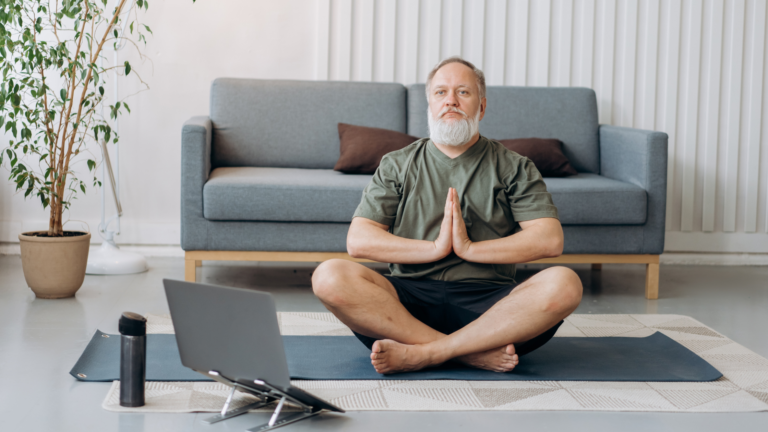
Yoga combines physical movement with breathing exercises and mental focus. You don’t need special flexibility or strength to begin practicing yoga at home.
Free online videos guide you through basic poses and sequences. Start with beginner classes that last 10 to 20 minutes. Focus on learning proper form rather than achieving perfect poses right away.
Essential items for home practice:
- Yoga mat or thick towel
- Comfortable clothing that allows movement
- Small space where you can stretch your arms fully
Morning yoga energizes your body and clears your mind. Evening sessions help release tension from the day. Regular stretching improves your flexibility, reduces muscle soreness, and helps prevent injuries in other activities you do.
DIY and Craft Hobbies to Try This Weekend
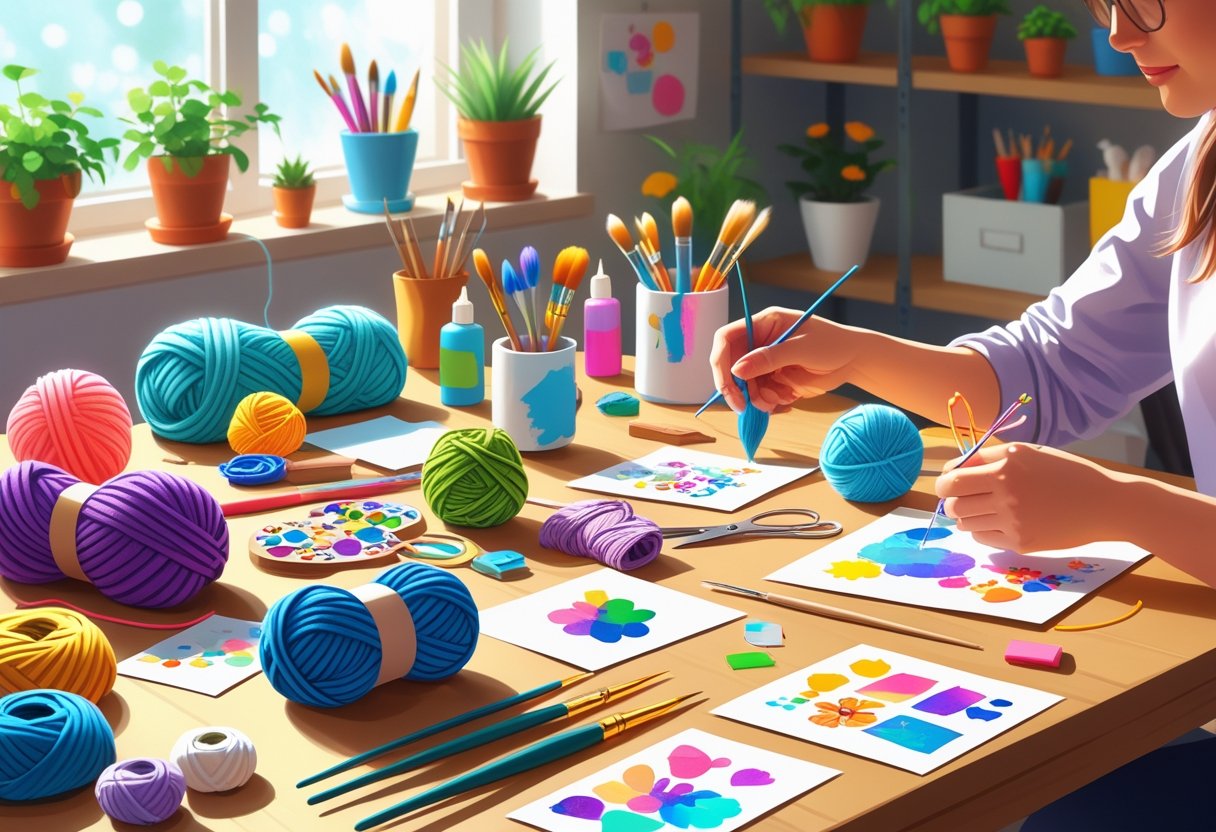
You can transform your home with simple decor updates, give old belongings new life through creative upcycling, and learn basic sewing skills that open up endless project possibilities.
Easy Home Decor Projects
You can create custom wall art using materials you already have at home. Canvas paintings require only acrylic paints and brushes, which cost less than $20 at most craft stores. You don’t need artistic experience to make abstract designs or simple geometric patterns.
Mason jar vases add charm to any room. Paint them in colors that match your space, or wrap them with twine for a rustic look. You can fill them with fresh flowers, fairy lights, or use them as pencil holders.
Picture frame updates change the look of your walls quickly. Paint old frames in new colors, add decorative paper to the backing, or create a gallery wall arrangement. These beginner-friendly projects take less than an hour to complete.
Throw pillow covers let you refresh your living space without buying new furniture. Use fabric paint to add designs to plain covers, or try simple no-sew methods using fabric glue and iron-on tape.
Upcycling Old Items
Glass jars become storage containers for your kitchen, bathroom, or office. Clean them thoroughly and remove labels with warm soapy water. You can organize spices, cotton balls, paper clips, or craft supplies in them.
Old t-shirts turn into cleaning rags, tote bags, or braided rugs. Cut them into strips for no-sew projects that keep usable fabric out of landfills. The soft cotton material works well for dusting and wiping surfaces.
Wine corks make excellent bulletin boards or bath mats. Glue them together in a frame for a unique message board, or arrange them in rows for a water-absorbing bathroom mat. You can explore more cheap hobbies that save money while keeping you creative.
Tin cans become planters, pencil holders, or lanterns when you clean and decorate them. Punch holes in patterns for candle holders, or paint them bright colors for desk organizers.
Simple Sewing Ideas
Hand sewing basics require only a needle, thread, and fabric. You can repair torn clothes, hem pants, or sew on buttons without a machine. These skills save money on alterations and extend the life of your wardrobe.
Pillowcases are perfect first projects because they use straight stitches and basic measurements. You need two pieces of fabric and about 30 minutes of time. Fold the fabric, sew three sides, and turn it right-side out.
Tote bags need minimal fabric and simple construction. Cut two rectangles of fabric, sew them together on three sides, and add handles from fabric strips or ribbon. You can make easy crafts at home using items from your household stash.
Fabric coasters protect your furniture and let you practice neat stitching. Layer two pieces of fabric with batting in between, then sew around the edges. Make a set of four in different patterns or colors.
Social and Group Weekend Activities
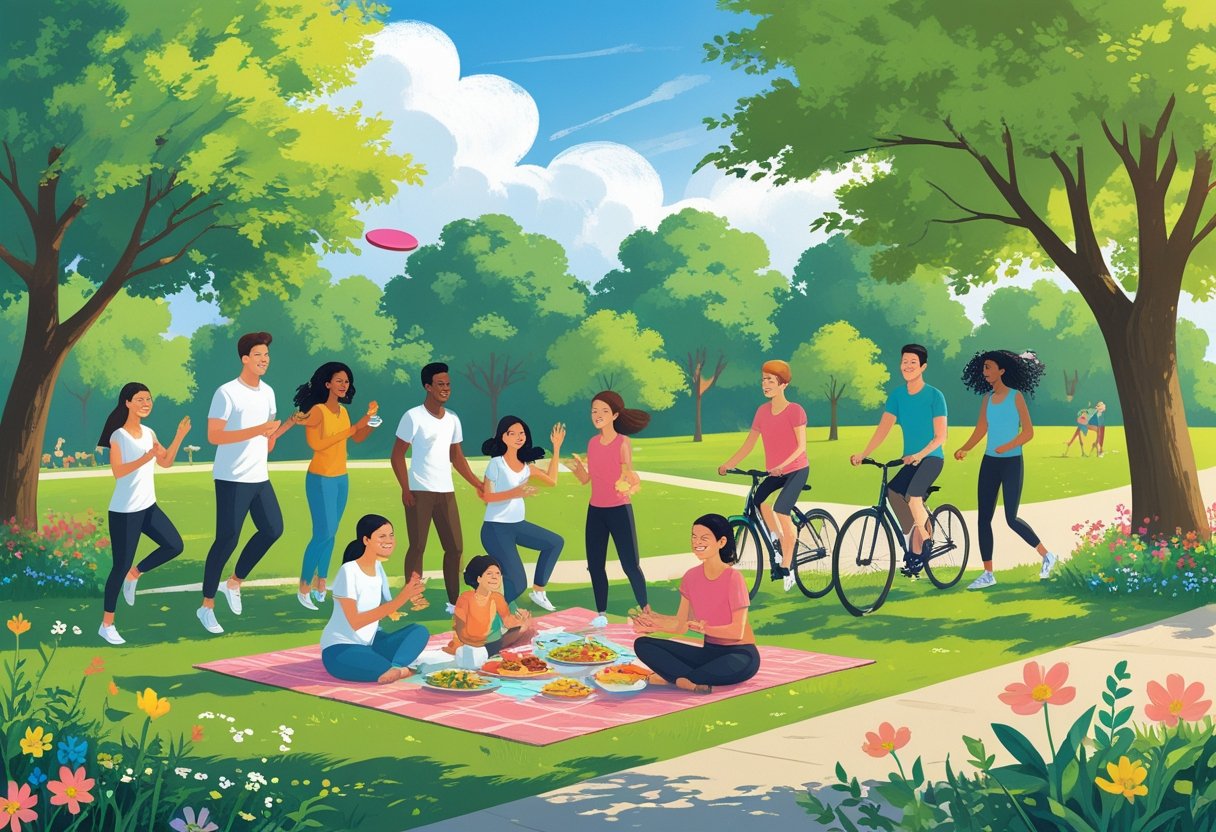
Meeting new people and strengthening existing friendships becomes easier when you choose hobbies designed for groups. Sports teams offer physical activity with built-in social interaction, while book clubs and board game nights create regular opportunities to connect over shared interests.
Joining Local Sports Teams
Recreational sports leagues give you a chance to stay active while building friendships. Most cities offer adult leagues for soccer, basketball, volleyball, and softball that welcome all skill levels. You don’t need to be an athlete to participate.
Look for leagues through your local parks and recreation department or community centers. Many leagues run seasonal schedules, with games typically held on weekday evenings or weekend mornings. The registration fees usually range from $50 to $150 per season.
Team sports you can join:
- Kickball leagues
- Dodgeball clubs
- Ultimate frisbee groups
- Flag football teams
- Indoor soccer leagues
You’ll meet people from different backgrounds who share your interest in staying active. The regular practice and game schedule helps you form consistent connections with teammates.
Book Clubs and Discussion Groups
Book clubs provide a structured way to meet people who enjoy reading and thoughtful conversation. You can find existing groups through local libraries, bookstores, or online platforms like Meetup. Most groups meet monthly to discuss a chosen book over coffee or at someone’s home.
Starting your own book club takes minimal effort. Pick a consistent meeting time, choose books together as a group, and rotate hosting duties. Groups typically work best with 6-10 members.
Discussion groups extend beyond books to cover topics like current events, history, or podcasts. These gatherings focus on exchanging ideas rather than competing or performing. You’ll develop deeper friendships through regular meaningful conversations that go beyond small talk.
Board Game Gatherings
Modern board games offer more strategy and interaction than traditional games like Monopoly. Group activities centered around board games bring people together for friendly competition and laughs. Game cafes and hobby shops often host open game nights where you can meet other enthusiasts.
You can start your own game night by inviting friends over weekly or biweekly. Popular games for groups include Codenames, Ticket to Ride, Catan, and Wingspan. These games typically cost $20-60 and accommodate 3-6 players.
Benefits of regular game nights:
- Low cost entertainment
- No special skills required
- Works for introverts and extroverts
- Creates shared experiences and inside jokes
Many gaming groups welcome newcomers and teach rules to beginners. The casual atmosphere makes it easy to chat between turns and get to know people naturally.
Outdoor Weekend Hobbies to Enjoy Nature

Spending time outside on weekends offers a chance to relax and connect with the natural world. Simple activities like growing plants, watching birds, and walking on trails require minimal equipment and fit easily into a two-day schedule.
Gardening Basics
You can start a garden in your backyard, on a balcony, or even in pots on a windowsill. Container gardening works well if you have limited space. Choose plants based on your climate and the amount of sunlight your area receives.
Basic supplies include:
- Pots or garden beds
- Quality potting soil
- Seeds or starter plants
- Hand trowel and pruning shears
- Watering can or hose
Start with easy-to-grow plants like tomatoes, herbs, lettuce, or marigolds. These grow quickly and need basic care. Water your plants regularly but avoid overwatering, which can damage roots.
Weekend gardening lets you work at your own pace. Spend an hour or two planting, weeding, or harvesting. The physical activity gets you moving while the repetitive tasks can feel calming.
Birdwatching Tips
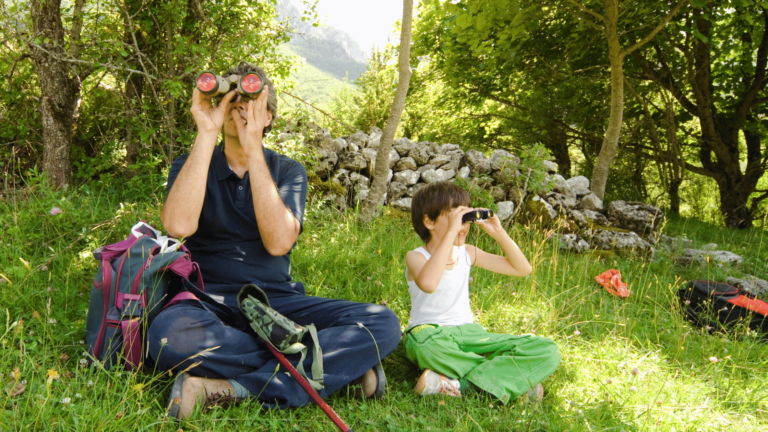
Birdwatching requires only a pair of binoculars and a field guide or bird identification app. You can observe birds in your backyard, at local parks, or on nature preserves. Early morning and late afternoon are the best times to see active birds.
Set up a simple feeding station with seeds, suet, or nectar to attract different species. Different birds prefer different foods. Sunflower seeds attract cardinals and chickadees, while hummingbirds visit sugar water feeders.
Keep a notebook to record the birds you see, including the date, location, and weather conditions. This helps you track patterns and learn which species visit your area during different seasons. Many outdoor hobbies provide ways to connect with nature, and birdwatching is one of the quietest and most accessible options.
Nature Walks and Hiking
Walking on trails gets you outside without requiring special skills or expensive gear. Start with short, flat trails near your home and gradually try longer or more challenging routes. Local parks and nature centers often have marked paths ranging from half a mile to several miles.
Wear comfortable shoes with good traction and bring water. A small backpack can hold snacks, a first-aid kit, and extra layers. Check the weather before you go and dress in layers you can remove as you warm up.
Hiking builds resilience and provides mental health benefits from being in nature. You can walk alone for quiet reflection or join a group for social connection. Download trail maps on your phone or use a GPS device to stay on course, especially on unfamiliar paths.
Learning and Skill-Building Weekend Pursuits
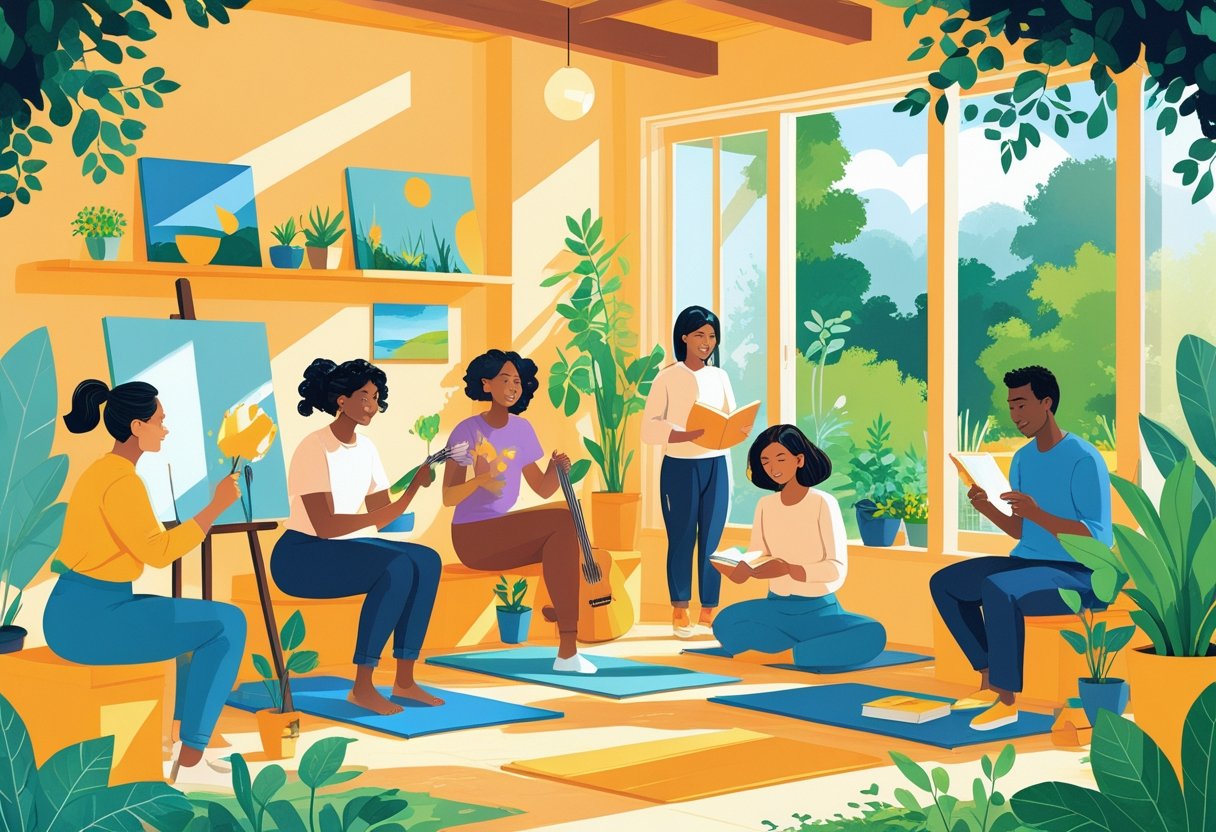
You can expand your abilities and knowledge without waiting for a formal class to start. Language learning apps let you practice daily, cooking challenges your creativity in the kitchen, and digital platforms offer thousands of courses you can complete at your own pace.
Learning a New Language
Language learning fits into short weekend sessions and builds your brain power over time. Apps like Duolingo, Babbel, and Rosetta Stone break lessons into 10-15 minute segments you can complete between other activities.
You don’t need to commit hours at once. Spending 20-30 minutes on Saturday and Sunday practicing vocabulary, pronunciation, and basic grammar creates steady progress. Most apps use games and rewards to keep you engaged.
Pick a language that connects to your interests or travel goals. Spanish, French, and Mandarin are popular choices, but you can also explore less common languages. Learning something completely new challenges your brain to form different connections.
You can practice speaking with language exchange partners through free websites and apps. This adds real conversation practice to your digital lessons.
Cooking a New Recipe
Cooking lets you learn practical skills while creating something you can enjoy immediately. Pick recipes from cuisines you’ve never tried before or techniques that seem challenging.
Start with dishes that use 5-7 ingredients to avoid feeling overwhelmed. Thai curries, homemade pasta, or Indian dal are good options that teach you new flavor combinations and cooking methods.
You’ll develop knife skills, learn about ingredient substitutions, and understand how heat affects different foods. Each recipe teaches timing and multitasking as you manage multiple components.
Watch video tutorials before you start to see proper techniques. Make notes about what worked and what you’d change next time. Your cooking improves fastest when you try the same recipe multiple times with small adjustments.
Online Courses for Personal Growth
Online platforms provide courses in photography, graphic design, coding, writing, and dozens of other subjects. Many courses are self-paced, so you complete modules when your schedule allows.
Websites like Coursera, Udemy, and Skillshare offer both free and paid options. You can learn Adobe Photoshop, web development basics, creative writing, or business skills. Course lengths vary from two hours to several weeks.
Set specific goals for what you want to achieve. Taking a photography course works better when you aim to master manual camera settings rather than just “get better at photos.” Complete one or two lessons each weekend instead of trying to finish everything at once.
Many courses include projects and assignments that give you hands-on practice. You build a portfolio of work that shows your new abilities.
Tips for Choosing and Sticking With New Hobbies
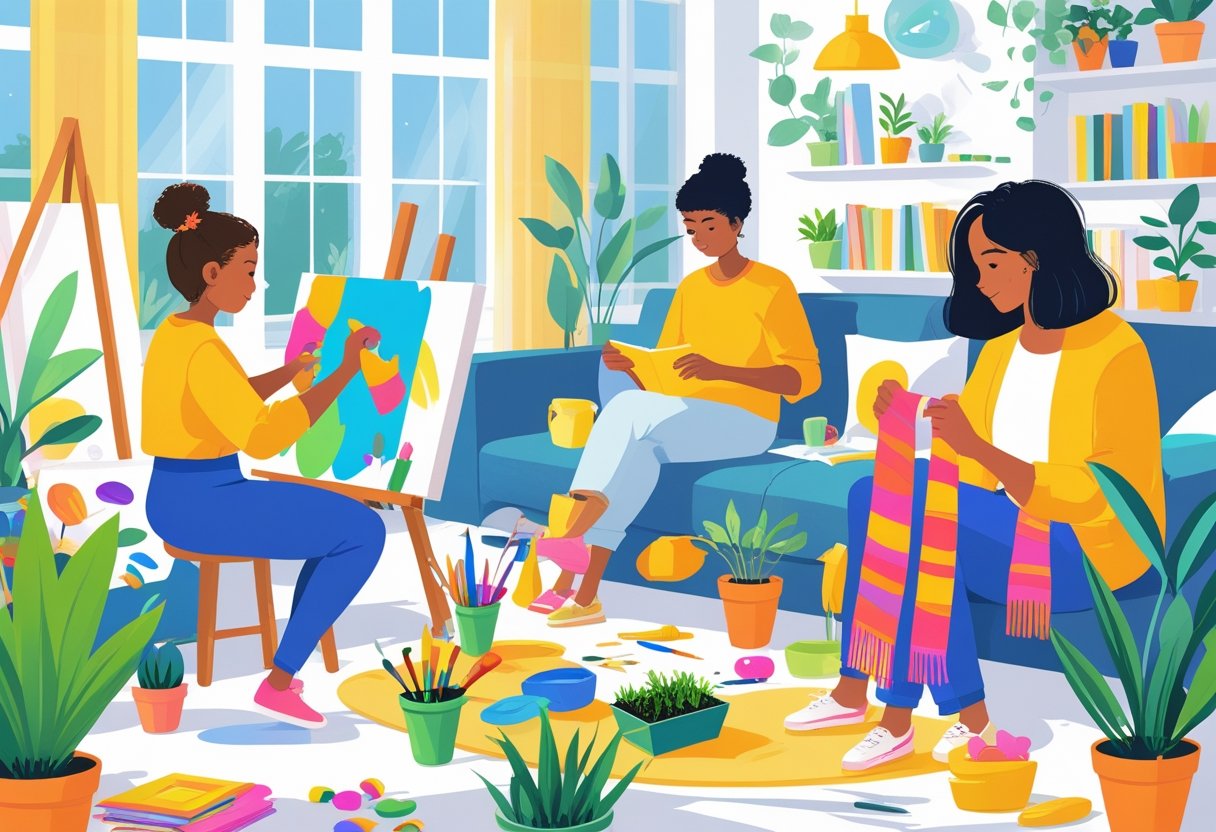
The key to making a hobby last is picking something that matches your interests and schedule, then building it into your routine with small, achievable steps.
Setting Realistic Goals
Start small when you pick up a new hobby. You don’t need to master everything in the first week or month.
Break your hobby down into simple tasks you can finish in 15 to 30 minutes. If you want to learn guitar, focus on learning three chords before trying to play full songs. If you’re starting to paint, complete small projects like greeting cards before moving to large canvases.
Many people struggle to maintain enthusiasm after the first few weeks. Set a schedule that fits your life instead of forcing yourself to practice every day. Try twice a week for busy schedules or three to four times weekly if you have more free time.
Track your progress with a simple notebook or phone app. Write down what you practiced and for how long. This helps you see improvement over time and keeps you motivated when progress feels slow.
Overcoming Beginner Challenges
Every beginner makes mistakes and feels awkward at first. This is normal and happens to everyone who starts something new.
Give yourself permission to be bad at your hobby for the first few months. Your first attempts at baking might produce flat cookies. Your first drawings might look nothing like what you imagined. These failures teach you what works and what doesn’t.
Set aside a specific time each week for your hobby so it becomes part of your routine. Put it on your calendar like any other appointment. This makes it harder to skip and easier to build the habit.
Focus on the parts you enjoy rather than perfection. If you love the feeling of paint on canvas but hate cleaning brushes, that’s okay. Find shortcuts that make the annoying parts easier so you can spend more time on what you love.
Finding Community Support
Other people who share your hobby can help you stay interested and learn faster. Finding the right hobby becomes easier when you connect with others who can guide you.
Look for local clubs or groups that meet weekly or monthly. Check community centers, libraries, and local shops related to your hobby. A running store might host group runs. A craft store might offer weekly knitting circles.
Online communities work well if you can’t find local groups. Join forums, social media groups, or apps dedicated to your hobby. You can ask questions, share your work, and learn from people at all skill levels.
Find an accountability partner who’s also learning something new. You don’t need to share the same hobby. Just check in with each other weekly about your progress and challenges. This keeps you both motivated to continue.