
The Science Behind Why Hobbies Make You Happier: Neurological Research Reveals Mental Health Benefits
When you pick up a paintbrush, tend to your garden, or strum a guitar, something remarkable happens in your brain. Hobbies trigger the release of dopamine, a neurotransmitter that floods your system with pleasure, motivation, and satisfaction, making you feel genuinely happier regardless of your skill level.
Research consistently shows that people with hobbies experience lower stress levels and better moods that persist long after their hobby time ends. Whether you enjoy arts and crafts, gaming, or volunteering, these activities provide a unique combination of creativity, relaxation, and mental stimulation.
The connection between hobbies and happiness isn’t just anecdotal. Studies reveal that having hobbies is linked to reduced depression and improved overall well-being, giving you powerful tools to build resilience and bounce back from life’s challenges.
Key Takeaways
- Hobbies activate your brain’s reward system by releasing dopamine, creating genuine feelings of happiness and satisfaction
- Regular hobby engagement reduces stress hormones and improves your mood for hours beyond the activity itself
- Participating in hobbies builds mental resilience and helps prevent depression through creative expression and cognitive stimulation
Understanding Happiness: A Scientific Overview
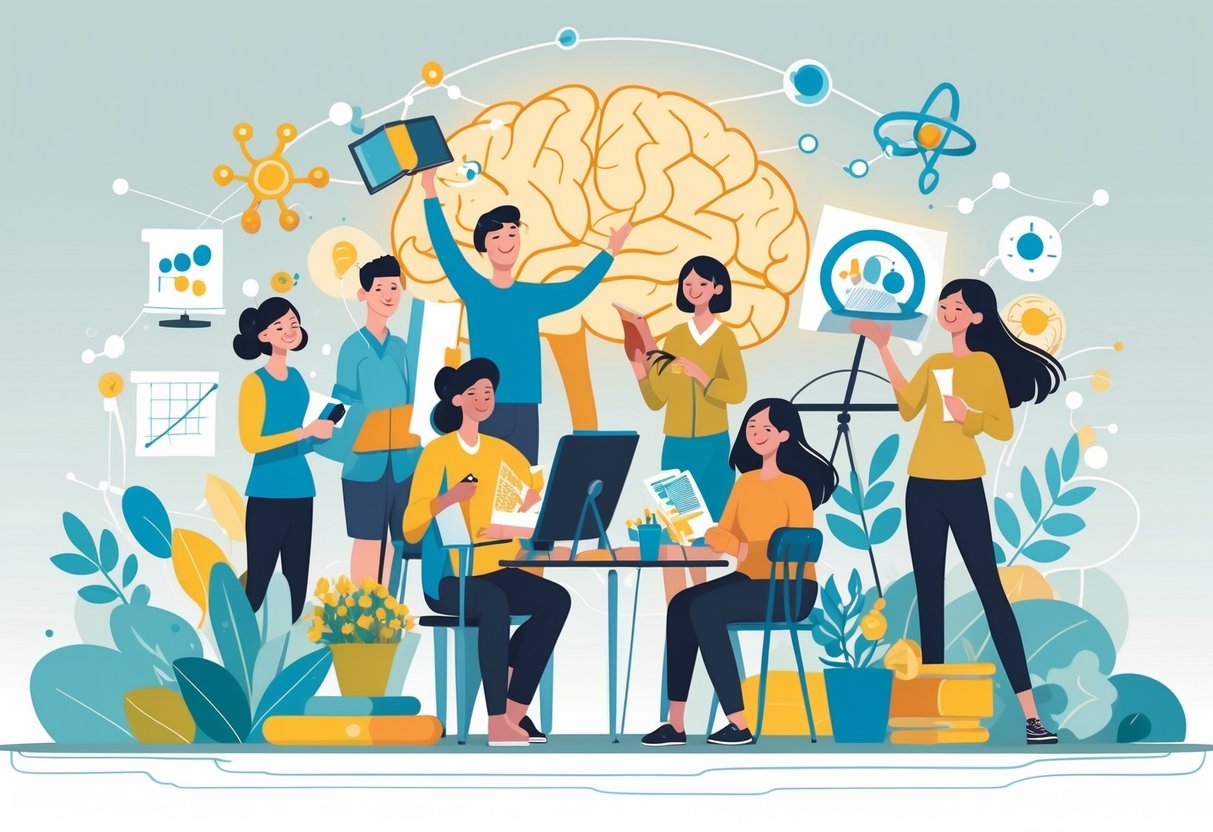
Happiness operates through specific brain mechanisms involving neurotransmitters like dopamine and serotonin. Research in positive psychology has identified measurable components of wellbeing that directly impact your mental and physical health.
Definition of Happiness
Scientists define happiness as a combination of positive emotions, life satisfaction, and meaningful engagement. This differs from momentary pleasure, which provides only temporary satisfaction.
Positive psychology research identifies two main components of happiness. Hedonic wellbeing focuses on pleasure and positive feelings. Eudaimonic wellbeing emphasizes meaning and personal growth.
Your happiness levels depend on three key factors:
- Emotional experiences – How often you feel positive versus negative emotions
- Life satisfaction – Your overall evaluation of your life circumstances
- Meaning and purpose – The degree to which you find your activities meaningful
Research shows that sustainable happiness requires both positive emotions and a sense of purpose. Pure pleasure-seeking without meaning leads to decreased satisfaction over time.
Neuroscience of Positive Emotions
Your brain processes happiness through specific neural pathways and regions. The prefrontal cortex evaluates positive experiences while the limbic system generates emotional responses.
Neuroscience research reveals that pleasure activates your brain’s reward circuits. The nucleus accumbens releases feel-good chemicals when you experience something enjoyable.
Key brain regions involved in happiness:
| Brain Region | Function |
|---|---|
| Prefrontal Cortex | Evaluates and processes positive experiences |
| Anterior Cingulate | Regulates emotional responses |
| Insula | Processes internal awareness and feelings |
Your left prefrontal cortex shows increased activity during positive emotional states. This region also helps regulate negative emotions and maintain emotional balance.
Role of Neurotransmitters
Four primary neurotransmitters control your happiness and mood regulation. Each chemical serves specific functions in creating positive emotional states.
Dopamine drives motivation and reward-seeking behavior. It increases when you anticipate something pleasant or achieve a goal. Serotonin regulates mood stability and social connections.
Oxytocin promotes bonding and trust in relationships. Physical touch, social interactions, and acts of kindness trigger oxytocin release. Endorphins act as natural painkillers and create feelings of euphoria.
These chemicals work together to maintain your emotional wellbeing:
- Dopamine motivates you to pursue rewarding activities
- Serotonin maintains stable mood throughout daily activities
- Oxytocin strengthens social bonds and reduces stress
- Endorphins provide natural stress relief and pleasure
Your daily activities directly influence neurotransmitter production. Regular exercise, social connection, and engaging hobbies naturally boost these happiness chemicals.
How Hobbies Influence Mental Health
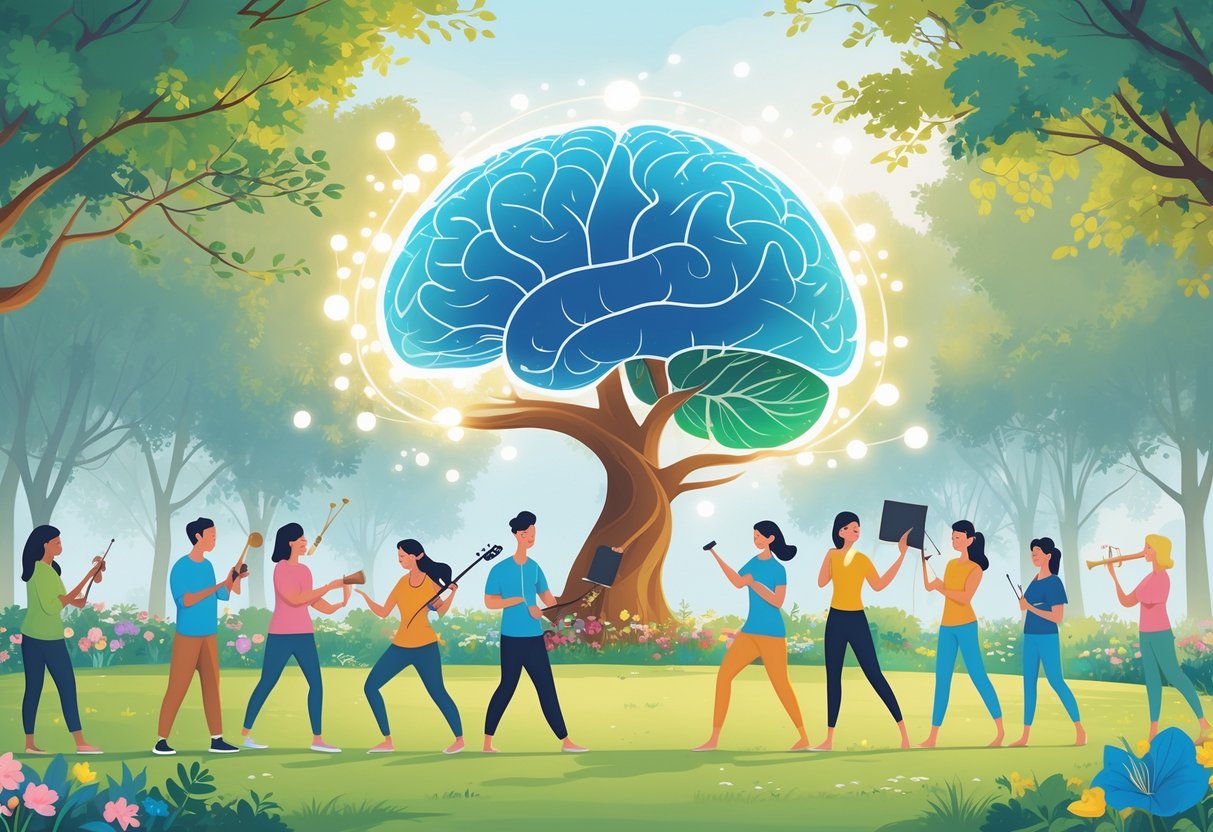
Hobbies create measurable changes in brain chemistry that directly impact your psychological well-being. They activate specific neural pathways that reduce stress hormones, boost mood-regulating neurotransmitters, and strengthen your ability to manage difficult emotions.
Stress Reduction Mechanisms
When you engage in enjoyable activities, your brain releases dopamine and reduces cortisol production. Hobbies facilitate relaxation and pleasure, creating a biological shift that counters your body’s stress response.
Physical stress indicators affected by hobbies:
- Lowered heart rate during activity
- Decreased muscle tension
- Reduced blood pressure
- Improved sleep quality
Your parasympathetic nervous system becomes more active during hobby engagement. This triggers your body’s “rest and digest” response, which directly opposes the fight-or-flight stress state.
Physical hobbies improve your fitness while mental hobbies enhance cognitive function. Both types create neurological changes that make you more resilient to daily stressors.
Regular hobby practice builds what researchers call “stress inoculation.” Your brain develops stronger coping mechanisms through repeated exposure to positive, manageable challenges within your chosen activities.
Coping With Anxiety and Depression
Hobbies decrease depression and anxiety through multiple psychological mechanisms. They provide structured activities that interrupt negative thought patterns and create positive behavioral routines.
Your brain’s reward system responds to hobby engagement by releasing neurotransmitters like serotonin and endorphins. These chemicals directly counteract the neurochemical imbalances associated with mood disorders.
Key therapeutic benefits:
- Distraction: Focus shifts away from anxious thoughts
- Achievement: Small victories build positive momentum
- Routine: Regular practice creates stability
- Flow states: Deep engagement reduces rumination
Creative hobbies involve sensory engagement and self-expression, which activate different brain regions than those involved in anxiety and depression. This neurological diversity helps break cycles of negative thinking.
Your hobby becomes a reliable coping tool during difficult periods. The skills and confidence gained through practice transfer to other areas of your life, improving your overall emotional regulation abilities.
Enhancing Self-Esteem
Hobby mastery creates concrete evidence of your capabilities and progress. Each skill you develop or project you complete reinforces your sense of competence and personal worth.
Your self-concept improves through what psychologists call “mastery experiences.” These occur when you overcome challenges, learn new techniques, or achieve personal goals within your hobby activities.
Self-esteem building elements:
- Progressive skill development
- Personal goal achievement
- Creative self-expression
- Positive identity formation
Social hobbies provide opportunities for connection and support. Group activities allow you to receive recognition from others and contribute meaningfully to shared experiences.
Your hobby identity becomes part of your broader self-image. Identifying as “a gardener,” “a musician,” or “a chess player” adds positive dimensions to how you view yourself and how others perceive you.
The intrinsic motivation that drives hobby engagement differs from external pressures. This internal drive creates authentic confidence based on personal satisfaction rather than outside validation.
The Psychological Benefits of Engaging in Hobbies
Hobbies trigger specific neurochemical responses in your brain that directly improve mental well-being. They activate dopamine pathways, reduce cortisol levels, and create states of focused attention that enhance psychological resilience.
Fostering Mindfulness
Hobbies naturally cultivate mindfulness by requiring your full attention on present-moment activities. When you engage in activities like painting, gardening, or playing music, your mind shifts away from daily stressors and anxious thoughts.
This focused attention creates what researchers call “soft fascination.” Your brain enters a state where it processes information without strain or effort. The repetitive motions in activities like knitting or woodworking activate the parasympathetic nervous system.
Research shows that hobbies reduce stress and boost self-esteem through this mindful engagement. Your cortisol levels decrease while serotonin production increases.
The mindful aspects of hobbies also improve emotional regulation. You develop better awareness of your thoughts and feelings. This increased self-awareness translates into better stress management in other areas of your life.
Boosting Intrinsic Motivation
Hobbies satisfy three core psychological needs that drive intrinsic motivation: autonomy, competence, and relatedness. Unlike work tasks, you choose your hobbies freely and set your own goals and pace.
Autonomy develops when you control how and when you engage with your hobby. You decide which techniques to learn, what projects to pursue, and how much time to invest.
Competence grows as you master new skills and see tangible progress. Each completed project or improved technique provides concrete evidence of your abilities.
Relatedness emerges when you connect with others who share your interests. Hobby communities provide social support and shared experiences that strengthen your sense of belonging.
Your brain releases dopamine during hobby activities, reinforcing positive behaviors. This neurochemical reward system makes you more likely to continue engaging in activities that promote well-being.
Flow State and Well-Being
Flow state occurs when your skill level matches the challenge of your hobby activity. You lose self-consciousness and experience complete absorption in the task at hand. Time seems to pass quickly during these periods.
During flow, your brain shows decreased activity in the prefrontal cortex. This “transient hypofrontality” quiets your inner critic and reduces self-doubt. Your default mode network, associated with rumination and worry, becomes less active.
The conditions for flow include clear goals, immediate feedback, and a balance between challenge and skill. Hobbies provide these elements naturally. You set specific objectives, see results quickly, and can adjust difficulty levels.
Studies indicate that people who regularly experience flow through hobbies report higher life satisfaction and fewer depression symptoms. The psychological benefits extend beyond the activity itself into daily functioning.
The Social Science of Hobbies and Connection
Hobbies create powerful pathways to meaningful relationships through shared experiences and common interests. Research demonstrates that hobby participation builds lasting social bonds while providing structured environments for emotional support networks to develop naturally.
Building Social Relationships
When you engage in hobbies, you automatically place yourself in environments where authentic connections form around genuine interests. Unlike forced social interactions, hobby-based relationships develop organically through shared passion and mutual learning.
Your hobby creates natural conversation starters and removes social barriers. Whether you’re learning guitar, practicing photography, or playing chess, you share common ground with others who understand your challenges and celebrate your progress.
Studies show that hobby-based friendships tend to be more durable than casual acquaintanceships. You bond over specific skills, techniques, and experiences that create deeper understanding between participants.
Key relationship benefits include:
- Reduced social anxiety through structured activities
- Increased confidence from skill development
- Natural mentorship opportunities with experienced practitioners
- Regular interaction schedules that maintain connections
Strengthening Community Bonds
Your participation in local hobby groups directly contributes to community cohesion and social capital. Community engagement through hobbies connects you to neighborhood networks and local resources.
Hobby clubs and organizations create micro-communities within larger populations. These groups often organize events, volunteer activities, and social gatherings that extend beyond the hobby itself.
Your involvement generates ripple effects throughout your community. Book clubs support local libraries, gardening groups beautify neighborhoods, and maker spaces foster innovation and skill-sharing.
Community hobby participation provides you with:
- Access to local knowledge and resources
- Opportunities for civic engagement
- Intergenerational connections across age groups
- Cultural exchange through diverse participant backgrounds
Emotional Support from Shared Interests
Hobby communities naturally develop into support networks that extend beyond the activity itself. When you face challenges or celebrate achievements, fellow enthusiasts understand your experience in ways others cannot.
Your hobby group becomes a source of encouragement during difficult learning phases and celebrates your milestones with genuine appreciation. This creates psychological safety and belonging that enhances mental well-being.
The emotional support provided by hobby communities often extends to personal life challenges. Members frequently maintain contact during illnesses, job changes, or family difficulties.
Support mechanisms include:
- Peer mentoring and skill guidance
- Problem-solving assistance for hobby-related challenges
- Emotional validation during setbacks
- Celebration of progress and achievements
- Connection to broader support resources when needed
Physiological Effects of Leisure Activities
Engaging in hobbies triggers measurable changes in your body’s stress response system and immune function. These biological adaptations occur through reduced cortisol production and enhanced immune cell activity.
Reducing Cortisol Levels
When you participate in enjoyable activities, your body naturally decreases cortisol production. Cortisol is your primary stress hormone that elevates during periods of tension or anxiety.
Hobbies that include physical activity have been linked to reduced stress, lower blood pressure, and decreased heart rate. Your adrenal glands respond to leisure activities by reducing their cortisol output.
This hormonal shift creates a cascade of positive effects throughout your body. Lower cortisol levels improve your sleep quality and digestive function. Your blood sugar regulation also becomes more stable.
Key cortisol reduction benefits:
- Improved sleep patterns
- Better blood pressure control
- Enhanced metabolism
- Reduced inflammation markers
The timing of hobby engagement affects cortisol reduction. Activities performed in the evening help your body transition into its natural rest phase more effectively.
Immune System Enhancement
Regular hobby participation strengthens your immune system through multiple pathways. Your white blood cell production increases when stress hormones decrease.
The relaxation response triggered by enjoyable activities enhances lymphocyte function. These immune cells become more effective at identifying and eliminating potential threats to your health.
Physical and mental health benefits from leisure activities support immune function throughout your life. Your body produces higher levels of antibodies when chronic stress is reduced.
Creative hobbies specifically boost natural killer cell activity. These specialized immune cells target infected or abnormal cells in your body.
Immune system improvements:
- Increased white blood cell count
- Enhanced antibody production
- Stronger natural killer cell activity
- Better inflammatory response regulation
Your immune memory also improves with regular hobby engagement. This means your body becomes better at remembering and responding to previously encountered pathogens.
Personal Growth Through Lifelong Learning
Lifelong learning fuels personal development by building new competencies and expanding creative thinking patterns. These cognitive processes create measurable improvements in problem-solving abilities and innovative thinking.
Skill Development
When you engage in hobby-based learning, your brain forms new neural pathways that strengthen specific skill sets. Hobbies serve as powerful tools for self-discovery and personal growth by improving creativity, physical abilities, and emotional resilience.
Motor skills improve through hands-on activities like woodworking, painting, or playing musical instruments. Your muscle memory develops through repetition, creating precision and coordination.
Cognitive skills expand when you learn languages, solve puzzles, or study new subjects. Your memory capacity increases as you process and retain new information patterns.
Technical skills advance through digital hobbies like coding, photography, or graphic design. You gain proficiency in software applications and hardware operation.
Building confidence through mastery occurs as you progress from beginner to intermediate levels. Each achievement milestone reinforces your ability to learn and adapt.
Increasing Creativity
Learning new hobbies activates different brain regions responsible for creative thinking. Unique hobbies enhance personal growth by broadening perspectives and fostering innovative approaches to problem-solving.
Cross-pollination happens when skills from one hobby transfer to another domain. A musician might apply rhythm concepts to writing, or a gardener might use color theory in home decoration.
Divergent thinking develops as you explore multiple solutions within your hobby. Chess players learn strategic thinking, while artists experiment with composition and color combinations.
Pattern recognition improves through consistent practice in structured activities. You begin identifying similarities between seemingly unrelated concepts and applications.
Mental flexibility increases when you switch between different hobby activities. Your brain adapts to various rule sets, techniques, and creative processes throughout each learning experience.
Choosing the Right Hobby for Greater Happiness
The key to maximizing happiness from hobbies lies in matching activities to your personal preferences and finding the sweet spot between challenge and skill level. Selecting the right hobby is key to optimizing the happiness you can derive from leisure activities.
Identifying Personal Interests
Start by examining activities that naturally draw your attention throughout the day. Notice what topics you read about voluntarily or what videos you watch during free time.
Consider your childhood interests before external pressures influenced your choices. Many people find deep satisfaction returning to activities they enjoyed as children, such as drawing, building, or collecting.
Physical vs. Mental Preferences:
- Do you prefer working with your hands or your mind?
- Are you energized by movement or quiet focus?
- Do you like creating tangible objects or developing skills?
Think about your current lifestyle gaps. If your job involves sitting at a computer, physical hobbies like gardening or dancing might provide better balance than reading.
Test multiple activities before committing significant time or money. Many community centers offer trial classes, and libraries provide free resources for exploring new interests.
Pay attention to your energy levels during and after different activities. The right hobby should leave you feeling refreshed rather than drained.
Balancing Challenge and Enjoyment
Your hobby should exist in what psychologists call the “flow state” zone – challenging enough to engage you but not so difficult that it creates frustration.
Begin with activities slightly below your current skill level to build confidence. Knitting simple scarves before attempting complex patterns, or playing basic songs before tackling advanced pieces creates positive momentum.
Signs of Proper Challenge Balance:
- You lose track of time while engaged
- Progress feels achievable week by week
- Mistakes feel like learning opportunities
- You anticipate your next session
Adjust difficulty levels as your skills develop. Guitar players might start with three-chord songs, then gradually add more complex techniques. Painters might begin with simple subjects before attempting portraits.
Avoid perfectionism traps that kill enjoyment. Many of us start hobbies with enthusiasm, only to end up wondering why we struggle initially.
Set process goals rather than outcome goals. Focus on practicing 30 minutes daily instead of reaching specific performance benchmarks by certain dates.
Frequently Asked Questions
Research shows that hobbies trigger specific neurochemical responses in your brain while providing measurable improvements to both mental and physical health. Studies involving thousands of participants demonstrate clear connections between regular hobby engagement and reduced depression symptoms, enhanced cognitive function, and improved cardiovascular health.
How do hobbies impact mental health?
Hobbies directly improve your mental health by reducing symptoms of depression and anxiety. A 2023 study of 93,000 people ages 65 or older found better health, more happiness, and fewer depression symptoms among those who engaged in hobbies regularly.
Your brain releases dopamine when you participate in activities you enjoy. This neurotransmitter creates feelings of pleasure and satisfaction that can last for hours after you finish your hobby.
Regular hobby participation also provides a mental break from daily stressors. This cognitive shift helps reset your emotional state and provides perspective on challenging situations.
What psychological effects do hobbies have?
Engaging in hobbies floods your system with dopamine, creating pleasure, motivation and satisfaction. This occurs regardless of your skill level in the activity.
Hobbies build your sense of accomplishment and self-efficacy. Each small achievement in your chosen activity reinforces your ability to learn and improve.
You also experience enhanced focus and flow states during hobby engagement. These psychological states reduce self-criticism and negative thought patterns that contribute to mental health challenges.
Can hobbies contribute to reducing stress levels?
Yes, hobbies significantly reduce your stress levels through multiple mechanisms. People who engage in hobbies experience better moods, feel more interested, and have less stress and lower heart rates even hours after the activity ends.
Your body produces fewer stress hormones like cortisol when you engage in enjoyable activities. This physiological change helps regulate your nervous system and promotes relaxation.
Hobbies also provide mental distraction from stressful thoughts. This cognitive break allows your stress response system to reset and return to baseline levels.
What is the connection between hobbies and life satisfaction?
Research shows that people with hobbies report higher life satisfaction compared to those without regular leisure activities. This connection stems from the sense of purpose and meaning that hobbies provide.
Hobbies give you goals and achievements outside of work or other obligations. These personal accomplishments contribute to your overall sense of fulfillment and progress in life.
You also develop a stronger sense of identity through your hobbies. This enhanced self-concept improves your overall life satisfaction and personal well-being.
How do hobbies enhance brain function?
Hobbies stimulate neuroplasticity by challenging your brain to learn new skills and process information differently. This mental exercise strengthens neural pathways and can improve cognitive flexibility.
Many hobbies require problem-solving and creative thinking. These mental processes enhance your executive function and decision-making abilities in other areas of life.
Your brain’s reward centers activate during hobby engagement, releasing neurotransmitters that support memory formation and learning. This chemical response helps maintain cognitive health as you age.
Are there long-term benefits to having hobbies?
Long-term hobby engagement provides sustained mental health benefits that compound over time. Regular hobby participation leads to lasting improvements in happiness and well-being that persist beyond individual activity sessions.
Your cardiovascular health also improves with consistent hobby engagement. Research shows that hobbies can positively impact coronary artery function over extended periods.
Hobbies help maintain cognitive function as you age by providing ongoing mental stimulation. This regular brain exercise may help protect against age-related cognitive decline and maintain mental sharpness throughout your life.