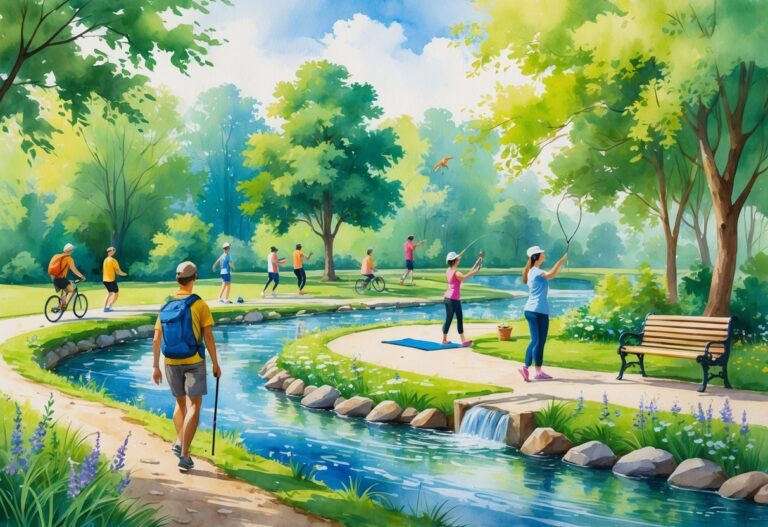

Why Everyone Should Have a Low Stakes Hobby: The Mental Health Benefits of Pressure-Free Activities
In a world that constantly demands peak performance and measurable outcomes, the concept of pursuing activities without pressure might seem counterintuitive. Yet low-stakes hobbies are emerging as a powerful form of self-care that prioritizes joy over achievement. These activities offer a refreshing escape from the high-pressure environments that dominate most areas of modern life.
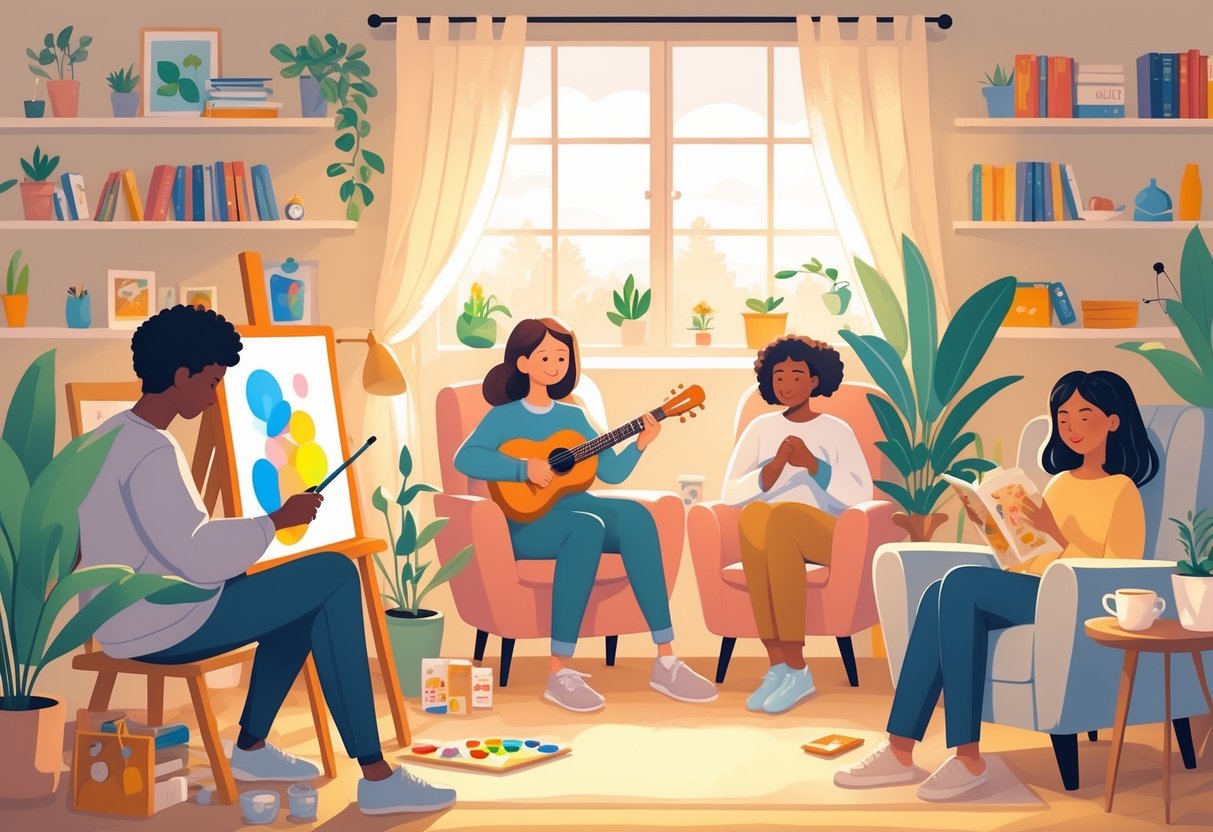
Low-stakes hobbies provide essential mental recovery time while allowing you to explore creativity and personal interests without the burden of expectations or performance metrics. Unlike career-focused skills or competitive pursuits, these activities exist purely for your enjoyment and personal fulfillment. Having a fun hobby that brings joy without significant effort becomes invaluable for maintaining mental balance.
The beauty of low-stakes hobbies lies in their accessibility and flexibility. You can engage with them on your own terms, whether you have five minutes or five hours available. These opportunities for small failures and growth become new windows into your own abilities while removing the fear of judgment or disappointment.
Key Takeaways
- Low-stakes hobbies reduce stress by providing pressure-free activities that prioritize enjoyment over achievement
- These activities help break perfectionism cycles by creating safe spaces to try new things without fear of failure
- Accessible hobby options exist for every schedule and lifestyle, requiring minimal time or financial investment
Defining Low Stakes Hobbies
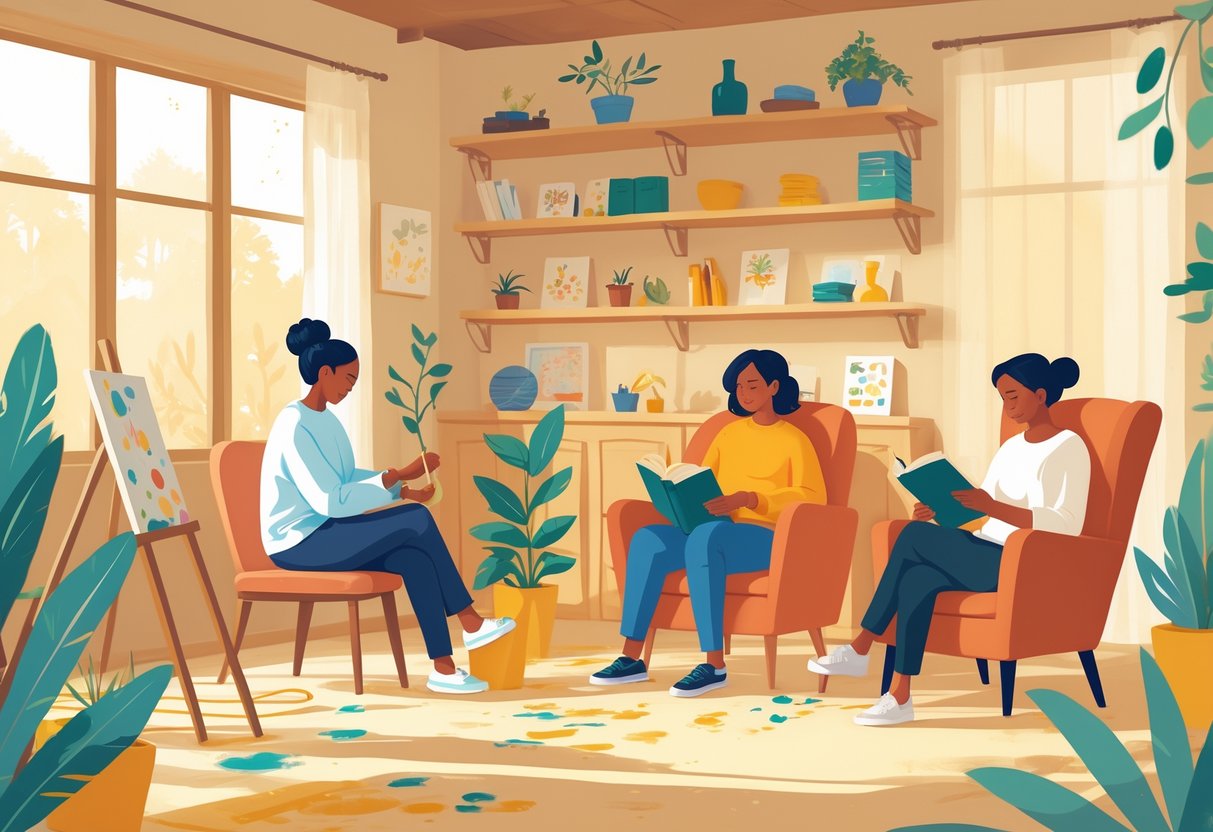
Low stakes hobbies focus on personal enjoyment rather than performance outcomes or external validation. These activities prioritize the process of doing over achieving specific results or meeting particular standards.
What Makes a Hobby ‘Low Stakes’
A hobby becomes low stakes when it removes external pressures and expectations. You engage in the activity purely for personal satisfaction rather than to impress others or achieve measurable success.
Key characteristics include:
- No performance metrics – You don’t track progress or compare results
- Flexible commitment – You participate when you want without rigid schedules
- Personal enjoyment focus – The activity itself provides satisfaction
- Low financial investment – Minimal equipment or material costs required
Low stakes creativity emphasizes exploration over high-quality final products. This approach allows you to experiment freely without worrying about the outcome.
The absence of judgment creates space for genuine discovery. You can try new techniques or approaches without fear of failure affecting your reputation or self-worth.
Contrasting High Stakes and Low Stakes Activities
High stakes activities involve external pressures, deadlines, or consequences that create stress. Low stakes activities remove these elements to focus on intrinsic motivation.
| High Stakes | Low Stakes |
|---|---|
| Performance pressure | Personal exploration |
| External validation needed | Self-directed enjoyment |
| Failure has consequences | No negative outcomes |
| Rigid standards | Flexible approach |
| Competitive elements | Non-competitive nature |
High stakes photography might involve client deadlines and professional standards. Low stakes photography lets you capture images purely for personal interest without technical perfection requirements.
Competitive gaming creates pressure through rankings and team expectations. Casual gaming allows you to play at your own pace without performance anxiety.
Examples of Popular Low Stakes Hobbies
Many accessible activities naturally fit the low stakes category. These hobbies require minimal investment while offering maximum personal satisfaction.
Creative activities:
- Sketching in a personal notebook
- Writing morning pages
- Collaging with found materials
- Playing ukulele for personal enjoyment
Physical activities:
- Walking without fitness goals
- Gentle stretching routines
- Casual gardening
- Dancing alone at home
Learning activities:
- Reading for pleasure
- Watching educational videos
- Learning basic phrases in new languages
- Exploring cooking without recipes
Collection activities:
- Gathering interesting rocks
- Pressing flowers
- Saving ticket stubs
- Taking photos of interesting doors
These hobbies share common traits of accessibility, flexibility, and focus on personal enjoyment rather than external achievement.
The Psychological Benefits of Low Stakes Hobbies
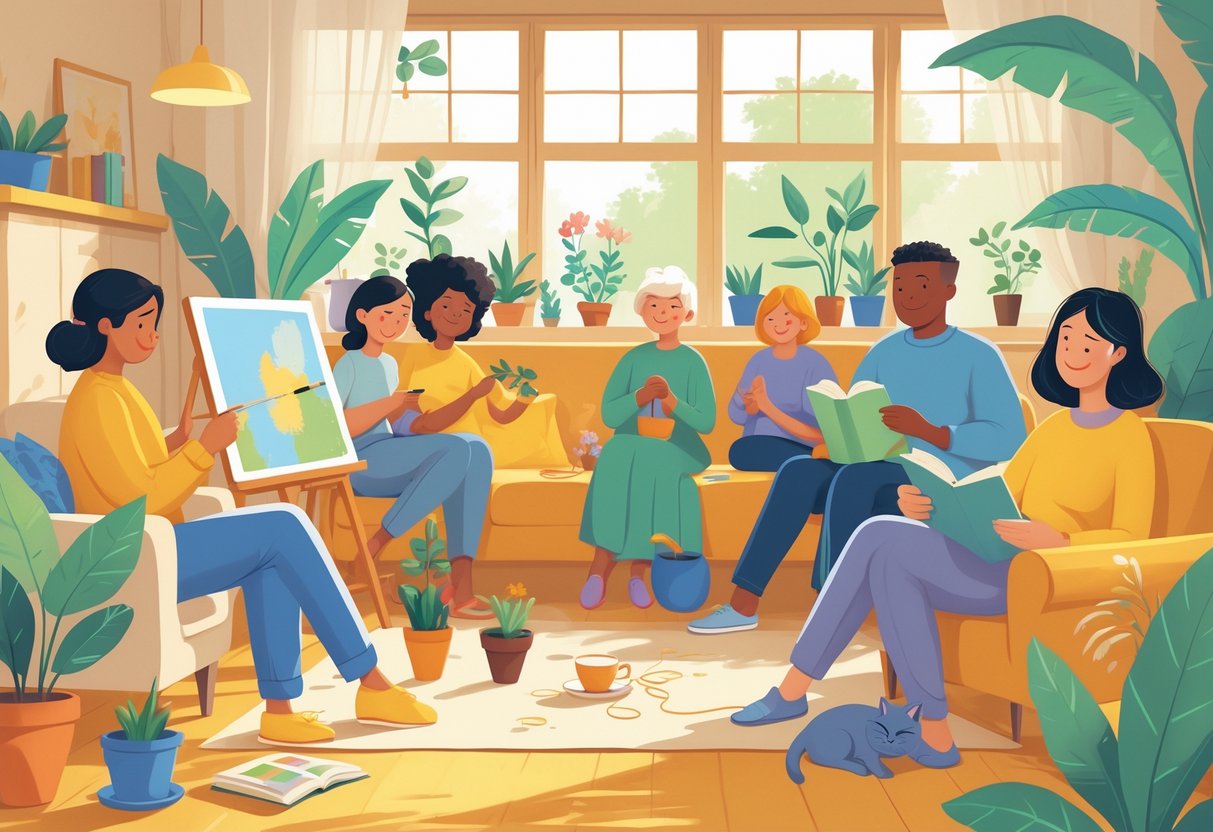
Low stakes hobbies provide significant mental health advantages by reducing cortisol levels and creating safe spaces for experimentation. They foster mindfulness through focused attention while building confidence in pressure-free environments.
Reducing Stress and Anxiety
Engaging in low-stakes activities helps regulate stress hormones and creates natural breaks from daily pressures. When you participate in activities without performance expectations, your cortisol levels decrease measurably.
The repetitive motions found in many hobbies trigger your body’s relaxation response. Knitting, drawing, or gardening activate the parasympathetic nervous system, which counters fight-or-flight reactions.
Key stress-reduction benefits include:
- Lower blood pressure during and after hobby sessions
- Reduced muscle tension in shoulders and jaw
- Improved sleep quality on days you engage with hobbies
- Decreased racing thoughts and mental chatter
Your brain interprets hobby time as recovery periods. This mental break allows accumulated stress to dissipate naturally without requiring conscious effort.
Encouraging Mindfulness and Relaxation
Low stakes hobbies naturally draw your attention to present-moment experiences. When you focus on brush strokes, chord progressions, or plant care, intrusive thoughts fade into the background.
Creative hobbies offer a form of low-stakes cognitive training that strengthens neural pathways while promoting relaxation. This dual benefit makes hobbies more effective than passive relaxation techniques.
The concentration required for hobby activities creates what psychologists call “flow states.” During flow, your sense of time distorts and self-consciousness disappears.
Common mindfulness indicators during hobby engagement:
- Breathing becomes slower and deeper
- External distractions feel less intrusive
- Physical sensations become more noticeable
- Mental commentary quiets significantly
These meditative qualities develop gradually. Even five-minute hobby sessions can produce measurable relaxation responses in your nervous system.
Supporting Personal Growth
Learning to fail in low-stakes environments builds resilience without real-world consequences. Hobbies provide safe spaces to experiment, make mistakes, and develop problem-solving skills.
Each small accomplishment in hobby pursuits increases your self-efficacy beliefs. Successfully completing a puzzle, learning a song, or growing herbs demonstrates your ability to acquire new capabilities.
Growth areas commonly developed through hobbies:
| Skill Area | Hobby Examples | Mental Benefits |
|---|---|---|
| Patience | Gardening, embroidery | Improved frustration tolerance |
| Focus | Reading, model building | Enhanced concentration span |
| Creativity | Painting, writing | Increased cognitive flexibility |
| Persistence | Learning instruments | Greater goal achievement ability |
Hobbies build confidence through mastery and achievement while maintaining their pressure-free nature. This combination creates optimal conditions for sustainable personal development.
The skills you develop transfer beyond hobby contexts. Patience learned through woodworking improves workplace relationships, while creativity from cooking enhances general problem-solving abilities.
How Low Stakes Hobbies Improve Overall Wellbeing

Low stakes hobbies create measurable improvements in your mental health and daily functioning. They provide structured breaks from work pressures while offering creative outlets that don’t demand perfection.
Enhancing Work-Life Balance
Low-stakes hobbies are dissimilar from work activities, creating clear mental boundaries between your professional and personal life. This separation helps your brain fully disconnect from work-related stress.
When you engage in activities unrelated to your job, you activate different neural pathways. This mental shift reduces cortisol levels and allows your mind to reset.
Key benefits include:
- Reduced work-related rumination
- Improved sleep quality
- Lower anxiety levels during work hours
Board games provide mental problems to solve with low stakes, giving your brain focused challenges without career consequences. Reading fiction, gardening, or learning musical instruments offer similar cognitive engagement without professional pressure.
The timing matters too. Engaging in hobbies for 30-60 minutes after work creates a transition period that helps you mentally leave the office behind.
Promoting Consistent Enjoyment
The beauty of hobbies lies in their low-stress, low-pressure nature, allowing you to experience joy without performance anxiety. Unlike high-stakes activities, these pursuits remain enjoyable even when you make mistakes.
Your hobby becomes a reliable source of positive emotions. Whether you paint poorly or bake imperfect cookies, the activity itself provides satisfaction.
Being bad at new hobbies creates low-stakes opportunities for growth. Each small improvement feels rewarding because expectations remain manageable.
Characteristics of enjoyable low-stakes hobbies:
- No external judgment or competition
- Progress measured by personal satisfaction
- Mistakes viewed as learning opportunities
- Focus on process rather than outcomes
You can pursue knitting, photography, or cooking without worrying about mastery. The consistent positive reinforcement from these activities improves your overall mood and life satisfaction.
Fostering Creativity
Creative hobbies in low-stakes environments fill your creative cup, allowing you to explore ideas without commercial or professional constraints. This freedom enhances innovative thinking in all areas of your life.
When you engage in creative activities without pressure, your brain enters a flow state more easily. This mental state promotes divergent thinking and problem-solving skills.
Journaling provides a low-stakes entry point for creative writing. Drawing, crafting, or playing music offer similar creative outlets without requiring artistic talent.
Your creative hobby becomes a playground for experimentation. You can try new techniques, combine different approaches, or abandon projects without consequences.
Creative benefits include:
- Enhanced problem-solving abilities
- Increased mental flexibility
- Improved emotional expression
- Greater tolerance for ambiguity
Regular creative practice through hobbies strengthens neural connections associated with innovation. This improvement transfers to work situations, relationships, and daily decision-making.
Breaking the Cycle of Perfectionism
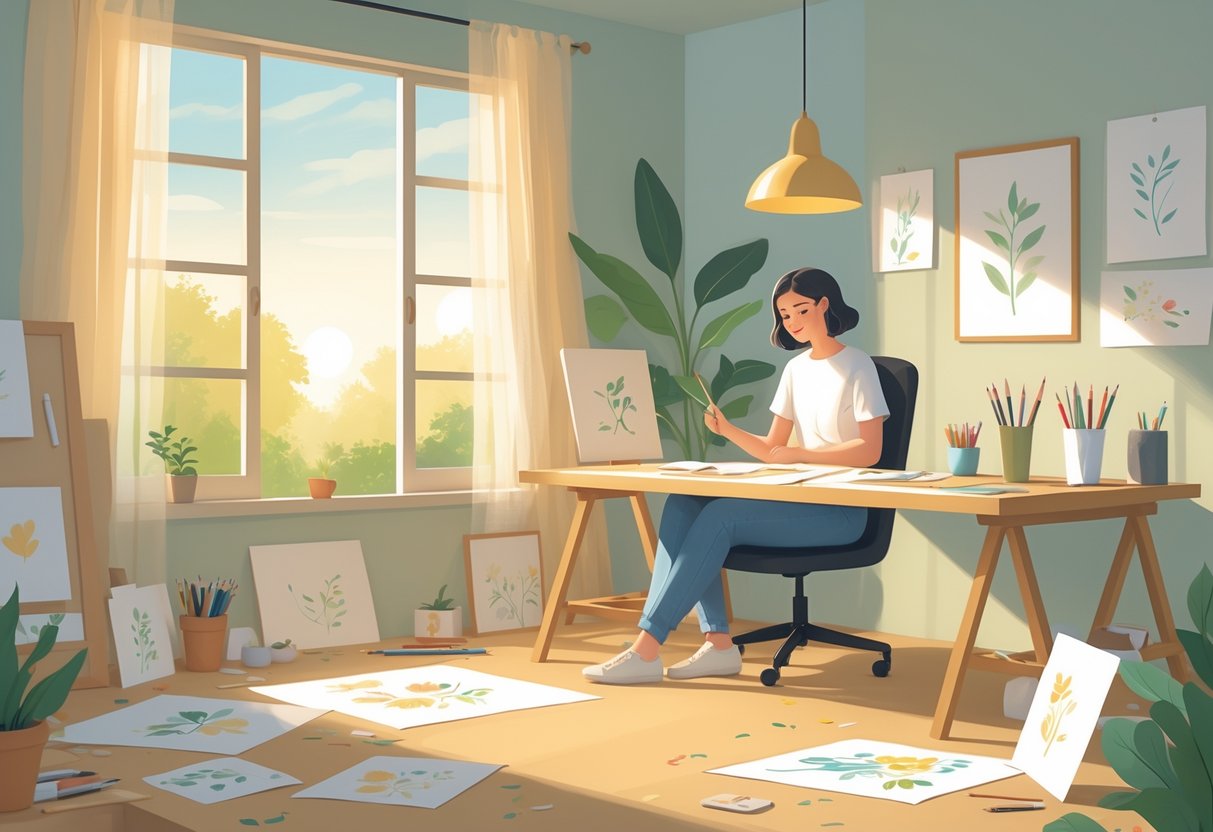
Perfectionism creates a mental barrier that prevents you from starting or enjoying activities because nothing feels good enough. Low-stakes hobbies provide the perfect training ground to practice imperfection and shift from fixed expectations to continuous learning.
Learning to Embrace Imperfection
You can practice receiving small, low-stakes feedback to build tolerance for imperfection without major consequences. Start by asking a friend for minor suggestions on your hobby work.
Intentional Mistake Practice:
- Send a casual text with a small typo
- Leave a brushstroke slightly uneven in a painting
- Play a song with one missed note
- Write a journal entry without editing
Starting a low-stakes hobby like drawing or painting lets you practice doing something purely for enjoyment. The key is removing any pressure for the outcome to be perfect or productive.
You can challenge your perfectionism by intentionally making small mistakes in controlled situations. This builds your tolerance for imperfection gradually.
Focus on the process rather than the result. Notice when your mind shifts to judging the quality of your work and redirect attention back to the experience itself.
Developing a Growth Mindset
Growth mindset transforms mistakes from failures into learning opportunities. Your hobby becomes a laboratory for experimentation rather than a performance stage.
Engaging in low-stakes failure experiences reduces your fear of imperfection over time. Each small mistake in your hobby builds resilience for bigger challenges.
Growth Mindset Practices:
- Replace “I’m bad at this” with “I’m learning this”
- Ask “What can I try differently?” instead of “Why can’t I do this?”
- Celebrate effort and progress over final results
- View feedback as information, not judgment
You develop confidence through repeated exposure to imperfect attempts. Your hobby gives you hundreds of chances to practice this new relationship with mistakes.
Track your progress through participation rather than perfection. Count how many times you engaged with your hobby, not how good the results were.
Social and Community Aspects

Low stakes hobbies create natural opportunities for human connection without the pressure of competition or judgment. They help you establish roots in your community and form relationships based on shared enjoyment rather than achievement.
Building Meaningful Connections
Low stakes hobbies naturally attract people who prioritize fun over performance. You’ll meet others who share your interest in exploration rather than perfection.
Knitting circles, community gardens, and book clubs exemplify these environments. Members gather to enjoy the activity itself rather than compete for recognition.
Psychology research shows that maintaining low-stakes relationships helps integrate you into your community. These connections become especially valuable after major life changes like moving or loss.
Your hobby group becomes a reliable social anchor. You see familiar faces regularly without the intensity of deep friendships or professional relationships.
Benefits of hobby-based connections:
- Shared interest provides natural conversation topics
- Regular meetups create consistent social contact
- Mixed skill levels reduce intimidation
- Focus on enjoyment rather than networking
Participating Without Pressure
Low stakes hobbies eliminate the social anxiety that comes with performance expectations. You can attend events, leave early, or skip sessions without disappointing teammates or affecting outcomes.
Community art classes welcome beginners alongside experienced practitioners. Your watercolor attempts won’t determine group success or failure.
Bird watching groups accept members who spot two species alongside those who identify dozens. Your contribution matters simply through participation.
This pressure-free environment encourages authentic self-expression. You can ask questions, make mistakes, and learn at your own pace without social consequences.
The casual nature means you can engage based on your current capacity and interests.
Accessible Options for Every Lifestyle

Low-stakes hobbies don’t require expensive equipment or rigid time commitments. You can find meaningful activities that work with any budget or schedule through affordable options and flexible approaches.
Affordable and Low-Commitment Choices
Free digital hobbies offer instant access without upfront costs. You can start photography with your smartphone, write stories in free apps like Google Docs, or learn languages through Duolingo.
Library resources expand your options significantly. Most libraries provide free access to books, audiobooks, digital magazines, and online courses through platforms like Lynda or MasterClass.
Nature-based activities cost nothing beyond transportation. Bird watching requires only your eyes initially. You can collect interesting rocks, press flowers, or sketch outdoor scenes with basic supplies.
| Hobby | Initial Cost | Time Required |
|---|---|---|
| Journaling | $5-15 | 10-20 minutes |
| Origami | $10 | 15-30 minutes |
| Podcasting | Free | 30-60 minutes |
| Sketching | $20 | 20-45 minutes |
Craft supplies from dollar stores make creative hobbies accessible. You can try watercolor painting, basic jewelry making, or decorative paper crafts for under $20 total investment.
Social hobbies through existing networks eliminate barriers. Start a book club with neighbors, organize walking groups with coworkers, or create cooking exchanges with friends.
Adapting Hobbies to Your Schedule
Micro-sessions transform busy schedules into hobby time. You can practice guitar for five minutes while coffee brews, write one paragraph during lunch breaks, or do quick sketches during commutes.
Portable activities travel with you everywhere. Knitting projects fit in purses, crossword puzzles work during waiting periods, and meditation apps function anywhere with headphones.
Batch preparation maximizes limited free time. Prep art supplies on weekends for weekday creativity sessions. Download podcasts or audiobooks in advance for seamless listening during exercise or chores.
Digital integration streamlines hobby management. Use calendar apps to block 15-minute hobby windows. Set phone reminders for daily practice. Track progress through simple apps like Habitica or Streaks.
Weekend intensives work for project-based hobbies. Dedicate Saturday mornings to gardening, Sunday afternoons to woodworking, or holiday weekends to longer creative projects.
Family incorporation doubles efficiency. Include children in cooking experiments, involve partners in fitness activities, or combine social time with craft projects during gatherings.
Tips for Starting Your Own Low Stakes Hobby
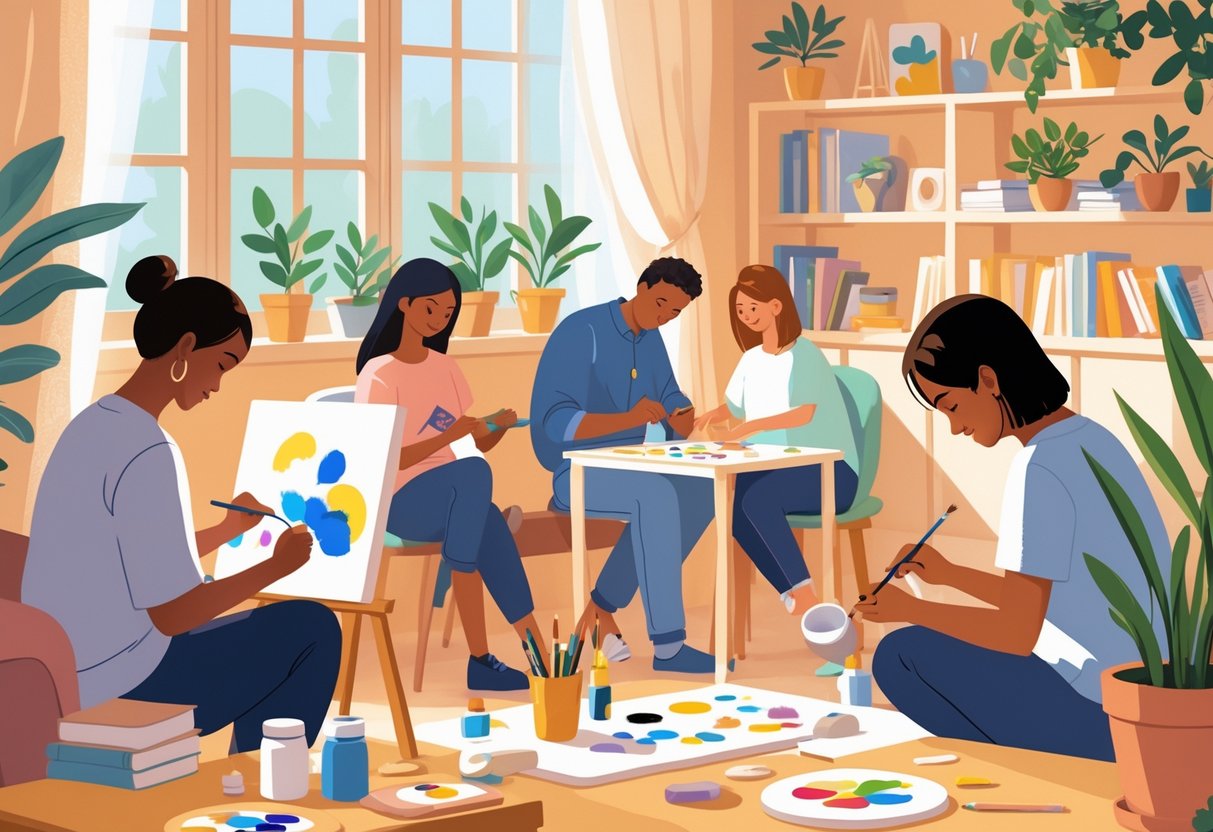
The key to launching a successful low stakes hobby lies in choosing activities that match your natural interests, establishing clear boundaries from the start, and building sustainable practices that keep you engaged without pressure.
Identifying Your Interests
Start by examining activities you already enjoy in small doses. Notice what you do during breaks at work or what videos you watch online.
Pay attention to childhood interests you abandoned. Many people rediscover joy in activities like drawing, collecting, or building things they loved as kids.
Consider your current lifestyle and available time slots. Morning people might enjoy journaling or sketching. Evening relaxers could try reading or crafts.
Ask yourself these specific questions:
- What do I do when I want to unwind?
- What topics do I research for fun?
- What activities make me lose track of time?
Try the 15-minute test for potential hobbies. Spend just 15 minutes trying an activity. If you feel curious to continue, it’s worth exploring further.
Look for low-stakes creative opportunities that require minimal initial investment. Photography with your phone, writing in a notebook, or learning guitar through free online videos all qualify.
Setting Healthy Boundaries
Define your hobby’s purpose before starting. Write down whether you want relaxation, skill building, or social connection.
Set a realistic time commitment. Choose specific days and durations, like “Tuesday evenings for 30 minutes” rather than vague goals.
Establish spending limits upfront. Many hobbies can become expensive quickly. Set a monthly budget and stick to it for the first three months.
Create physical boundaries too. Designate a specific space for your hobby, even if it’s just a small corner or drawer.
Avoid the urge to monetize immediately. Keep creative hobbies separate from work to preserve their low-stakes nature.
Tell friends and family about your boundaries. Let them know this hobby is for personal enjoyment, not performance or profit.
Sustaining Motivation
Focus on consistency over intensity. Doing your hobby for 20 minutes twice a week beats three-hour sessions once a month.
Track your engagement, not your results. Note how the activity makes you feel rather than what you produce.
Join beginner-friendly communities online or locally. Reddit forums, Facebook groups, and local meetups provide support without judgment.
Embrace imperfection as part of the process. Being bad at new hobbies creates opportunities for growth and self-discovery.
Rotate between different aspects of your hobby to maintain interest. If you’re learning guitar, alternate between songs, techniques, and music theory.
Celebrate small milestones. Completing your first sketch, finishing a book, or learning a new chord all deserve recognition.
When motivation wanes, return to your original purpose. Remember why you started and what benefits you’ve experienced so far.
Frequently Asked Questions
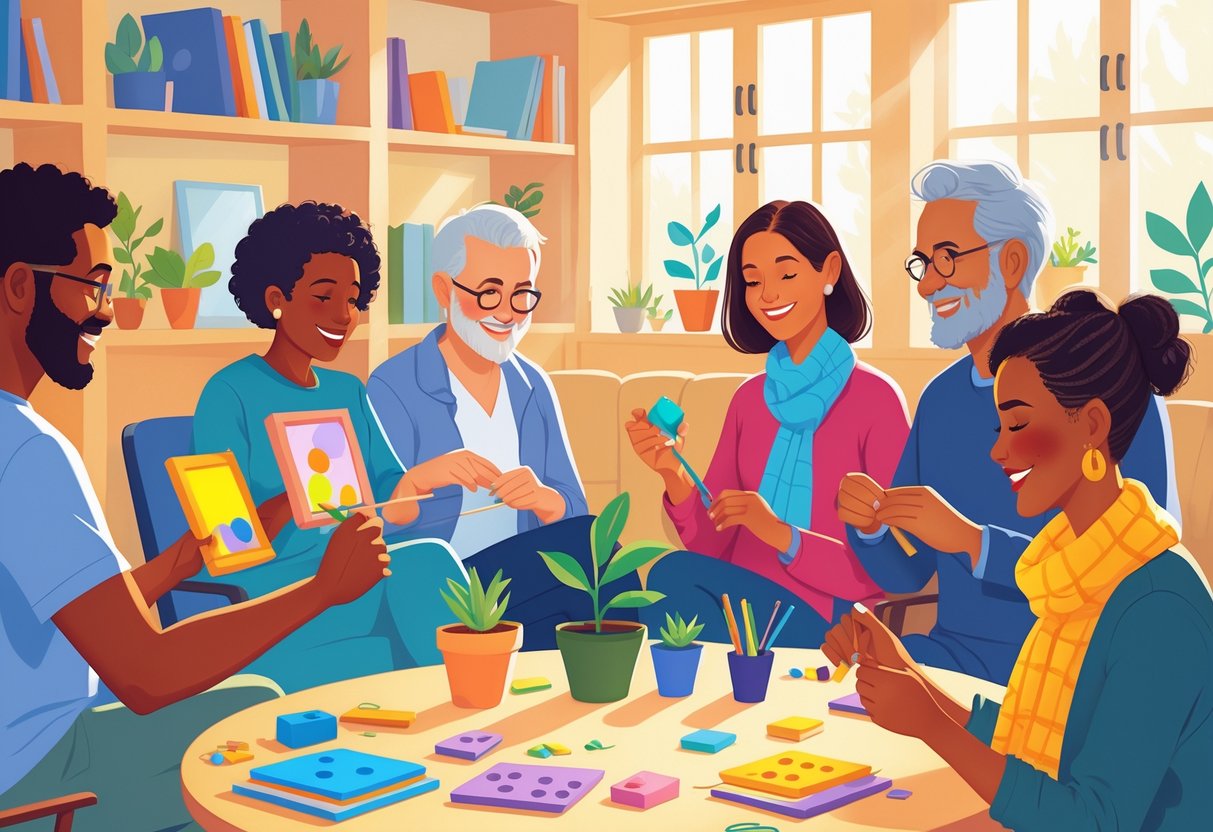
Low-stakes hobbies offer stress relief, creative fulfillment, and personal growth without the pressure of competition or perfectionism. Understanding their unique characteristics and selecting the right activity can maximize their positive impact on your mental well-being and daily life.
What are the benefits of engaging in a low-stakes hobby?
Low-stakes hobbies provide immediate stress relief by activating your brain’s reward system without triggering performance anxiety. You experience the satisfaction of creating or learning something new while your cortisol levels decrease naturally.
These activities improve your focus and concentration skills. When you engage in repetitive, meditative tasks like knitting or sketching, your mind enters a flow state similar to meditation.
Your self-esteem grows through small, achievable accomplishments. Each completed project or skill milestone builds confidence without the fear of judgment or failure that competitive activities often create.
Low-stakes hobbies also enhance your problem-solving abilities. You learn to approach challenges with patience and creativity rather than rushing toward specific outcomes.
How does a ‘low stakes’ hobby differ from other types of hobbies?
Low-stakes hobbies prioritize process over results, while traditional hobbies often focus on achievement or mastery. You engage for personal enjoyment rather than external validation or competition.
The financial investment remains minimal compared to equipment-intensive hobbies like photography or woodworking. You can start most low-stakes activities with basic supplies costing under $50.
Time pressure doesn’t exist in low-stakes pursuits. You can pick up and put down these activities without losing progress or momentum, unlike team sports or scheduled classes.
Performance expectations stay flexible and self-defined. Unlike competitive hobbies where success has clear metrics, you determine your own satisfaction levels and goals.
Can low-stakes hobbies help reduce stress, and if so, how?
Low-stakes hobbies activate your parasympathetic nervous system, which counteracts your body’s stress response. This biological shift lowers your heart rate and blood pressure within minutes of starting the activity.
The repetitive motions common in activities like coloring, gardening, or journaling trigger the same relaxation response as deep breathing exercises. Your mind focuses on simple, present-moment tasks rather than cycling through worries.
These hobbies create psychological distance from daily stressors. When you’re absorbed in arranging flowers or solving puzzles, your brain takes a break from processing work deadlines or relationship concerns.
Regular engagement builds your stress resilience over time. You develop better emotional regulation skills through consistent practice of calm, focused activities.
What are some examples of low-stakes hobbies that one can start easily?
Adult coloring books require only colored pencils and provide immediate relaxation benefits. You can complete pages in 15-30 minutes and carry supplies anywhere.
Indoor herb gardening needs basic pots, soil, and seeds from any grocery store. Watching basil or mint grow provides daily satisfaction without requiring outdoor space or extensive knowledge.
Origami uses only paper and follows simple online tutorials. You can learn basic folds in minutes and gradually attempt more complex designs at your own pace.
Journaling requires just a notebook and pen. You can write morning pages, gratitude lists, or stream-of-consciousness thoughts without following any specific format or rules.
Jigsaw puzzles offer varying difficulty levels and can be worked on intermittently. A 500-piece puzzle provides weeks of casual entertainment without time pressure.
How much time should one ideally dedicate to a low-stakes hobby?
Fifteen to thirty minutes daily provides optimal stress-relief benefits without overwhelming your schedule. This duration allows you to enter a relaxed state while maintaining consistency.
You can extend sessions to 60-90 minutes on weekends or when you have more free time. Longer periods deepen the meditative benefits but aren’t necessary for positive effects.
Consistency matters more than duration. Engaging in your hobby for ten minutes every day produces better stress reduction than sporadic three-hour sessions.
Listen to your energy levels and adjust accordingly. Some days you might feel drawn to longer sessions, while busy periods might only allow brief five-minute activities.
Are there any potential pitfalls to be aware of when choosing a low-stakes hobby?
Avoid activities that trigger perfectionism or competitive feelings. If you find yourself researching advanced techniques before mastering basics, you might be adding unnecessary pressure to your relaxation time.
Don’t choose hobbies that require expensive equipment or ongoing financial commitments. The stress of budgeting for supplies defeats the purpose of stress relief.
Resist the urge to monetize your hobby immediately. Once you start thinking about selling your crafts or turning skills into income, the low-stakes nature transforms into performance pressure.
Be cautious about joining online communities too quickly. While sharing can be enjoyable, comparing your work to others or seeking validation from strangers can increase rather than decrease stress levels.