

10 Best Hobbies for College Students to Boost Wellbeing and Productivity
Being a college student can feel overwhelming with all the new responsibilities and pressures. Balancing your studies and free time is important, and having enjoyable hobbies can make a real difference in your life.

The right hobbies can help you lower stress, meet new friends, and even learn useful skills for your future. Exploring different activities is an easy and fun way to add more balance and joy to your college years.
1) Yoga for stress relief

Yoga is a popular hobby among college students who want to manage stress. It does not require expensive equipment or a gym membership.
Many campuses offer yoga classes or you can follow along with online videos. Practicing yoga helps you focus on your breathing and movements.
This can give your mind a break from academic pressure. Controlled breathing in yoga is known to calm your body and mind.
Yoga can also improve your flexibility and balance. You may notice that your muscles feel less tense after a session.
Over time, better flexibility can help you avoid injury. Besides physical benefits, yoga is helpful for your mental well-being.
Studies show it can lower feelings of anxiety and help you think more clearly. Doing yoga a few times a week can make it easier to handle challenging days.
You do not have to be an expert to try yoga. Beginners can start with simple poses and short sessions.
Even a few minutes of stretching can make a difference. Yoga mats are cheap and easy to find.
You can practice in your dorm room, outdoors, or in a campus class. For most students, yoga is a low-cost and practical way to feel better.
If you are curious about how yoga can help with stress relief, you may want to explore these stress relief activities specifically recommended for college students. You can also check out affordable stress-relieving hobbies to compare yoga with other relaxing activities.
2) Hiking local trails

Hiking is one of the most accessible hobbies for college students. You don’t need much equipment, and there are usually trails close to most campuses.
Just a pair of comfortable shoes and some water are enough to get started. Exploring local trails is a great way to get fresh air and exercise at the same time.
Even short walks can help clear your mind and reduce stress from classes or exams. Walking in nature can also give you a break from screens and crowded spaces.
You do not need to be an athlete to enjoy hiking. Many campuses have easy trails that are suitable for beginners.
You can start with shorter hikes and work your way up to longer ones as you feel more comfortable. Hiking can also be a fun way to meet new people.
Outdoor clubs on campus or social groups often plan group hikes, making it easy to join in and make friends. Hiking with a group can also make the experience safer and more enjoyable.
Besides the physical health benefits, hiking can improve your mood. Spending time outdoors can help you feel more relaxed and focused.
It’s a good way to stay active without feeling like you are doing a workout. If you are new to an area, hiking is a great way to explore your surroundings.
Trail maps are usually available online or through local parks. You can discover parks, forests, or hidden viewpoints you might not know about otherwise.
Some colleges are located close to national or state parks, which offer a variety of trails. Many students choose hiking because it is affordable and flexible with any schedule.
For more ideas about outdoor hobbies, visit this list of fun outdoor activities perfect for college students.
3) Joining intramural sports

Intramural sports offer a great way for college students to stay active and engaged outside of class. You can join different sports like basketball, soccer, volleyball, or try unique activities depending on what your school offers.
These games are usually casual, so you do not need to be an expert athlete to play. Playing intramural sports helps you meet new people from different parts of campus.
Many students use these teams to make friends and form connections that last beyond the season. Even if you are not very competitive, you will find a welcoming and fun atmosphere.
Most colleges have a wide selection of intramural sports. You can find options such as flag football, ultimate frisbee, and even dodgeball.
Some schools add new and unique sports each year, creating variety and choice for everyone interested. Check with your campus recreation center or student activities website to see what is offered.
Joining a team lets you enjoy exercise while balancing your academic schedule. Games are typically scheduled in the evenings or on weekends, so you can fit them around your classes and studying.
Many teams form with just friends from dorms, classes, or clubs, making it easy to get started. Taking part in sports can help manage stress, boost your mood, and improve your health.
The games are friendly but still give you a chance to work as a team and practice leadership skills. Playing regularly may even give you more energy and help you sleep better at night.
Getting involved in college intramural sports is a rewarding and popular choice for many students. Whether you join for competition, exercise, or just for fun, intramural sports are a practical way to make your college life more enjoyable.
4) Learning to code

Learning to code can be a great hobby for college students. Coding gives you useful skills that are useful in many fields.
It is important in areas like tech, science, engineering, and even business. You can start with beginner-friendly languages like Python or JavaScript.
There are many free resources online, so you do not need to spend much money to get started. Some colleges even have clubs or meet-ups where you can learn with others.
Coding helps you develop problem-solving skills. Each time you write code, you are practicing logic and detailed thinking.
These skills are helpful both for school projects and real-life situations. If you want to be creative, coding can help with that, too.
You might try building a simple website or creating a game. These projects let you see quick results and are fun to share with friends.
Many students find coding rewarding because it shows clear progress. You can see the results of your work right away.
Even if you have never coded before, you can learn a lot in just a few weeks. Coding can also lead to career opportunities.
Many employers value people who know how to code. Some students use their coding skills to make money through internships, freelance projects, or part-time jobs.
You might also use coding as a way to meet new people. There are many online groups, forums, and competitions for people who enjoy programming.
Chatting with others who code can make learning more enjoyable and help you stay motivated. For more ideas about hobbies that improve coding and thinking abilities, visit 18 hobbies that improve coding skills on Indeed.
5) Flipping items online

Flipping items online is a simple way you can earn extra money using your phone or computer. The idea is to buy things at a lower price and then sell them for more.
Many college students try this with clothes, electronics, books, or even furniture. You can start by selling things you no longer use.
Old textbooks, electronics, and brand-name clothing are popular choices. Once you get the hang of it, you can look for deals at thrift stores, garage sales, and online marketplaces.
Sites like eBay, Facebook Marketplace, and Mercari make it easy to reach buyers. When listing items, clear photos and honest descriptions help you build trust with buyers.
You don’t need a lot of money to start. Many people have turned this hobby into a profitable side hustle.
Some college students make a steady income by flipping items online. It is a flexible hobby, so you can work whenever you have time between classes.
There is also a learning curve. You’ll improve your search and sales skills over time.
Knowing what sells and how to spot a good deal is key. Shipping and handling items is part of the experience.
Make sure to factor in shipping costs before listing prices. This helps you avoid losing money on a sale.
Flipping teaches you about negotiation, pricing, and customer service. These are useful skills that can help in many careers.
It is also a practical way to recycle and keep useful items in circulation. If you enjoy searching for hidden gems or have a knack for spotting value, flipping can be a fun and rewarding hobby during college.
6) Starting a podcast

Starting a podcast gives you a voice and allows you to share your ideas with others. You can talk about topics that interest you, interview guests, or even work with friends.
A podcast lets you practice skills like speaking, planning, and editing. You don’t need expensive equipment to get started.
A basic microphone and free recording software are enough for most beginners. There are many online guides that show you how to set up your podcast step by step.
For example, NPR offers a detailed guide for students starting a podcast that covers the basics. Podcasts can focus on many subjects, like study tips, stories from campus, or hobbies.
Think about what would interest you and your classmates. There are also lists of podcast ideas for students if you want inspiration.
Once your podcast is ready, you can share episodes with your classmates or the public. This hobby can help you meet other students who have similar interests.
It can also make your college experience more fun and creative. Editing podcasts helps you learn about audio software and sound design.
These are useful skills for school projects and future jobs. Some podcasts even lead to networking opportunities when you invite guest speakers or experts.
Podcasting is flexible. You can record episodes whenever you have time, so it fits well with a busy college schedule.
Working on your podcast can improve your communication skills and confidence when sharing ideas.
7) Social media content creation

Social media content creation is a popular hobby for college students. You can create videos, take photos, write short posts, or share your art online.
Platforms like Instagram, TikTok, and YouTube give you a place to share your ideas and connect with others. This hobby lets you express yourself creatively.
For example, you can try making funny skits, offering study tips, or showing your daily life as a student. If you like a certain subject or skill, you can teach others or start a themed page.
You will get to learn new tech skills by editing videos, designing graphics, or using hashtags. These are useful for jobs in digital marketing and content creation.
Many students use their social media work to build a portfolio to show future employers. Social media content creation can also help you improve your communication skills.
You will learn to share your thoughts clearly and understand what interests your audience. If you enjoy engaging with new people, online communities make it easy to connect and collaborate.
You might get feedback on your work or find friends with similar interests. For more ideas, you can look at these creative social media project ideas and suggestions for college social media post ideas that engage students.
While you can start for fun, some students use social media to earn money by building a following or working with brands. But remember, healthy screen time balance is important.
You should set boundaries so social media stays enjoyable and doesn’t become stressful.
8) Gardening in small spaces

Gardening in small spaces is possible even if you only have a windowsill or a tiny balcony. You do not need a big yard or a lot of equipment to get started.
All you need is a little creativity and a few containers. Try using small pots or repurposed containers for herbs like basil, mint, or parsley.
Place them near a sunny window for best growth. With regular watering, your plants will grow well and add a touch of green to your room.
You could also try vertical gardening if your space is limited. Hanging planters or wall-mounted shelves help you fit more plants into a small area.
This method can work for flowers, herbs, or even some small vegetables. Indoor gardening is low-maintenance and good for apartments or dorms.
You do not have to worry about outdoor pests, and you can control the watering schedule more easily. Just remember to give your plants enough light and water when the soil feels dry.
Gardening is a nice way to relax after studying. Watching plants grow can give you a sense of pride and achievement.
Even in a small living space, you can enjoy a hobby that brings the outdoors inside. For more small-space ideas, you can look at urban gardening tips for students.
These tips help you make the most out of every inch. No space is too small to start your own garden and enjoy fresh herbs or flowers.
9) Volunteering on campus
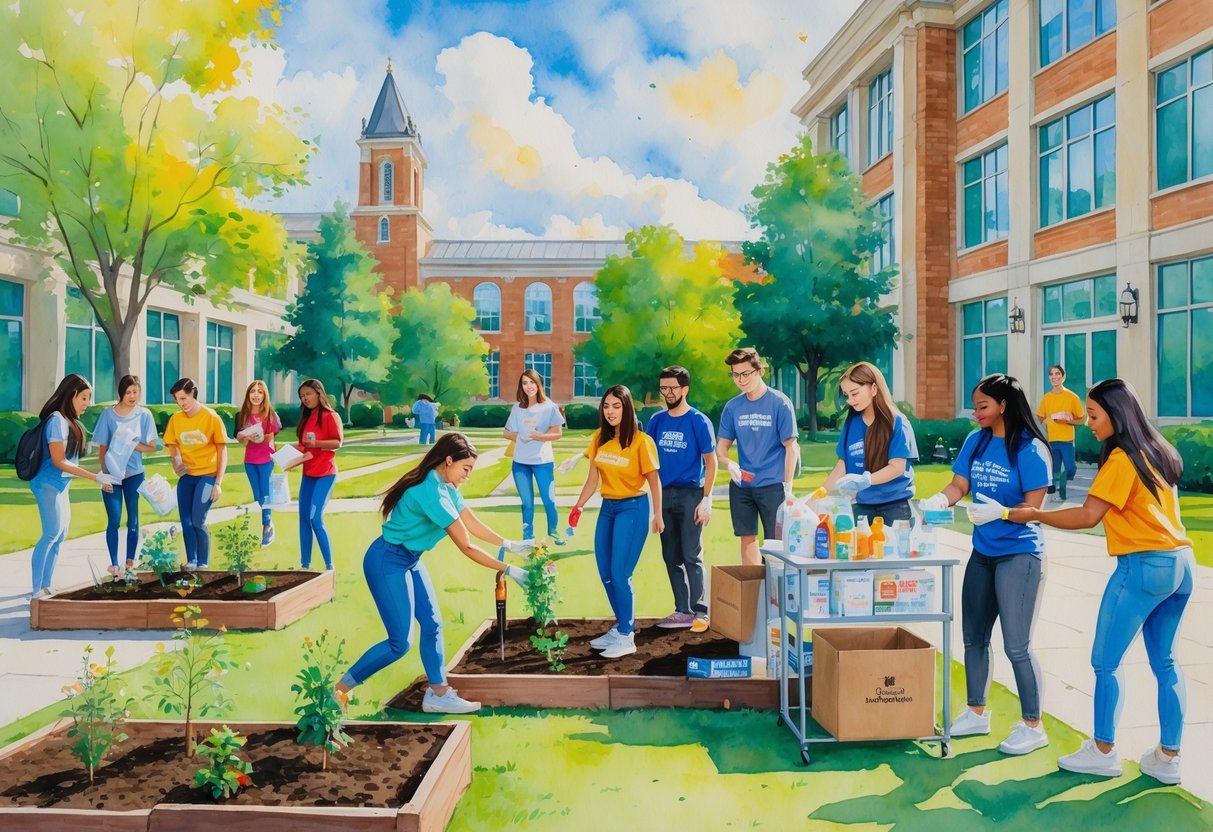
Volunteering on campus lets you make a real difference in your school and local community. Many colleges offer different programs that match your interests, such as mentoring other students, helping with campus events, or joining service clubs.
You can find opportunities to volunteer in libraries, student centers, or campus gardens. Some groups focus on tutoring or helping students adjust to college life, while others work on environmental or social projects.
Getting involved in volunteer work can help you build strong friendships and teamwork skills. It also shows you care about your campus and are willing to give back.
These experiences can go on your resume. Employers often look for candidates who have volunteered because it shows responsibility and a willingness to help others.
If you want to explore unique ways to volunteer, consider helping organize campus fundraisers or joining outreach programs that support local charities. Participating in these activities can boost your confidence and teach you how to solve problems in real life.
You can also choose a project that connects with your major. For example, if you study education, tutoring can give you valuable leadership practice.
If you are interested in healthcare, you may find service learning with a health center meaningful. Colleges sometimes offer volunteer fairs where you can meet different student groups and organizations.
These events make it easy for you to sign up and start making a difference right away. For more ideas on ways to volunteer, check out lists of unique volunteering opportunities for college students and advice on the ideal volunteer opportunities for college students.
10) Creative writing

Creative writing is a great hobby if you want to express your ideas and feelings. You can write short stories, poems, or even start a blog.
This hobby does not require special equipment, and you can begin with just a notebook or a computer. Writing regularly can help you improve your communication skills.
You might also get better at organizing your thoughts. Over time, your vocabulary and grammar can get stronger.
You don’t need to share your work if you don’t want to, but sharing with others can help you grow. If you like, you can join a writing club on campus.
Many students also share their writing online through forums, blogs, or social media. Journaling is a simple way to get started.
By writing about your day or your thoughts, you can track your growth and reflect on your experiences. Later, you might decide to try more creative projects like short stories or poetry.
Creative writing can also help you handle stress. Writing about challenges can make them feel less overwhelming.
This relaxing activity can easily fit into your daily routine. Employers value strong writing skills.
Practicing creative writing may help you do better on papers and essays for your classes. It can even be helpful in many jobs after college.
If you want to learn more about creative writing as a student hobby, articles about hobbies for students and how writing helps students can be useful to read.
How Hobbies Benefit College Students

Engaging in hobbies can boost how well you do in school, improve your mood, and help you make new friends and connections. Each benefit plays a key part in your overall college experience.
Improved Academic Performance
Taking part in hobbies may help you develop skills like time management, focus, and discipline. For example, learning a musical instrument teaches you how to practice regularly and set clear goals.
These habits often carry over into your studying and classwork. Many creative hobbies, like writing or painting, also improve problem-solving and critical thinking abilities.
Even sports can teach you about teamwork, strategy, and patience. This can make tasks like group projects and presentations less stressful.
Studies also show that students who balance their studies with hobbies often feel less burnt out. This may keep you motivated through long semesters, making it easier to keep up with homework and tests.
Students who are involved in hobbies sometimes even see higher grades or better attendance according to research on the importance of having hobbies for students.
Mental Health and Stress Relief
College life can be stressful and sometimes overwhelming. Hobbies like drawing, gardening, or playing games offer a way to relax and take a break from academic pressure.
Doing activities you enjoy gives your mind a break and helps reduce anxiety. Many hobbies, especially those involving physical activity like hiking or sports, can lower stress hormones and boost your mood.
Creative hobbies like writing or painting can also be a safe way to express feelings and work through problems privately. Regular engagement in leisure activities has been linked to better mental health.
Hobbies not only improve how you feel day-to-day but may even reduce feelings of loneliness or sadness as seen with students who use their hobbies as a form of therapy.
Social Connection and Networking
Many college hobbies involve group activities or clubs. Joining an intramural team, art group, or music band helps you meet other students with similar interests.
This can make it easier to build friendships and settle into college life. Taking part in social hobbies or volunteering can improve your communication skills and expand your network.
These contacts might help with study groups or even future job opportunities. According to lists of fun hobbies for college students, activities like group sports or running clubs make connecting with others much easier.
Building relationships through hobbies gives you both a support system and new experiences. The friendships you form can extend beyond school, creating lasting connections for years to come.
Tips for Balancing Hobbies With Academics

Finding a healthy balance between classes and personal interests can help you stay motivated, reduce stress, and make the most of your time at college. Making a plan ensures you enjoy your hobbies without letting schoolwork suffer.
Time Management Strategies
Effective time management helps you fit both studies and hobbies into your schedule. Start by using a planner or digital calendar to write down your class times, deadlines, and extracurricular activities.
This visual overview makes it easier to spot free blocks of time for your hobbies. Try breaking bigger tasks into smaller steps and spread them across several days.
For example, work on one assignment for 30 minutes before you reward yourself with a hobby break. Setting specific times for both studying and relaxing activities can keep you focused.
If you feel overwhelmed, try using a priority list. List school tasks and hobby plans by importance so you handle the most urgent stuff first.
For more ideas, these tips for balancing academics and extracurricular activities explain how scheduling and setting limits can help.
Setting Realistic Goals
Setting realistic goals means knowing your limits and not overcommitting. Write down what you want to achieve in your studies and hobbies each week.
Consider how much time you truly have so you only add what’s manageable. Use the SMART method: make your goals Specific, Measurable, Achievable, Relevant, and Time-bound.
For example, you might aim to finish a reading chapter before the weekend or practice guitar for 20 minutes on weekdays. Having clear, realistic goals helps you stay motivated and track your progress without risking burnout.
Adjust your goals as your workload changes. Check out these tips for staying productive and balancing your priorities if you need help deciding what to focus on first.
Frequently Asked Questions
Picking the right hobby in college can help you build valuable skills and manage stress. Some activities even make you stand out when applying for jobs, internships, or further education.
What hobbies are beneficial for college students to include on their resumes?
You can list hobbies on your resume that show teamwork, leadership, creativity, or technical skills. Examples include joining intramural sports, coding clubs, or volunteer groups.
Flipping items online displays business sense and initiative. Learning to code shows problem-solving skills and adaptability.
Which hobbies can enhance a college application?
Colleges look for students involved in unique, meaningful experiences, not just academics. Volunteering, joining sports teams, or being active in clubs are all positive.
Creative hobbies, like writing or coding, also help your application stand out. For more ideas, check out these hobbies that improve creativity and productivity.
What activities are highly recommended for college students to relieve stress?
Yoga helps many students relax and manage stress. Hiking local trails is another activity that relaxes your mind and keeps your body healthy.
You may also enjoy art, journaling, or playing a musical instrument. Journaling lets you express your feelings and unwind, as described in 25 amazing hobbies for students.
How can college students choose a hobby that aligns with their career goals?
Consider hobbies that let you develop skills used in your future field. For instance, if you want to work in tech, try learning to code or joining computer clubs.
If business interests you, flipping items online or joining entrepreneurial events is useful. Choose activities that match both your personal interests and career plans.
What are considered cool or trendy hobbies for college students?
Trendy hobbies right now include hiking, yoga, and joining intramural sports teams. Flipping items online and learning to code are growing in popularity.
Trying out new crafts, making content for social media, or learning digital design are also hobbies many students enjoy right now. See more suggestions in this list of fun hobbies for college students.
What hobbies can college students engage in to improve their social life?
Team sports, such as intramurals, are great for meeting new people.
Clubs, volunteering, and group fitness classes also make it easy to connect.
Hiking in a group or participating in campus events helps you form friendships.
Game nights and creative workshops are other ways to boost your social life, as described in activities for college students.