
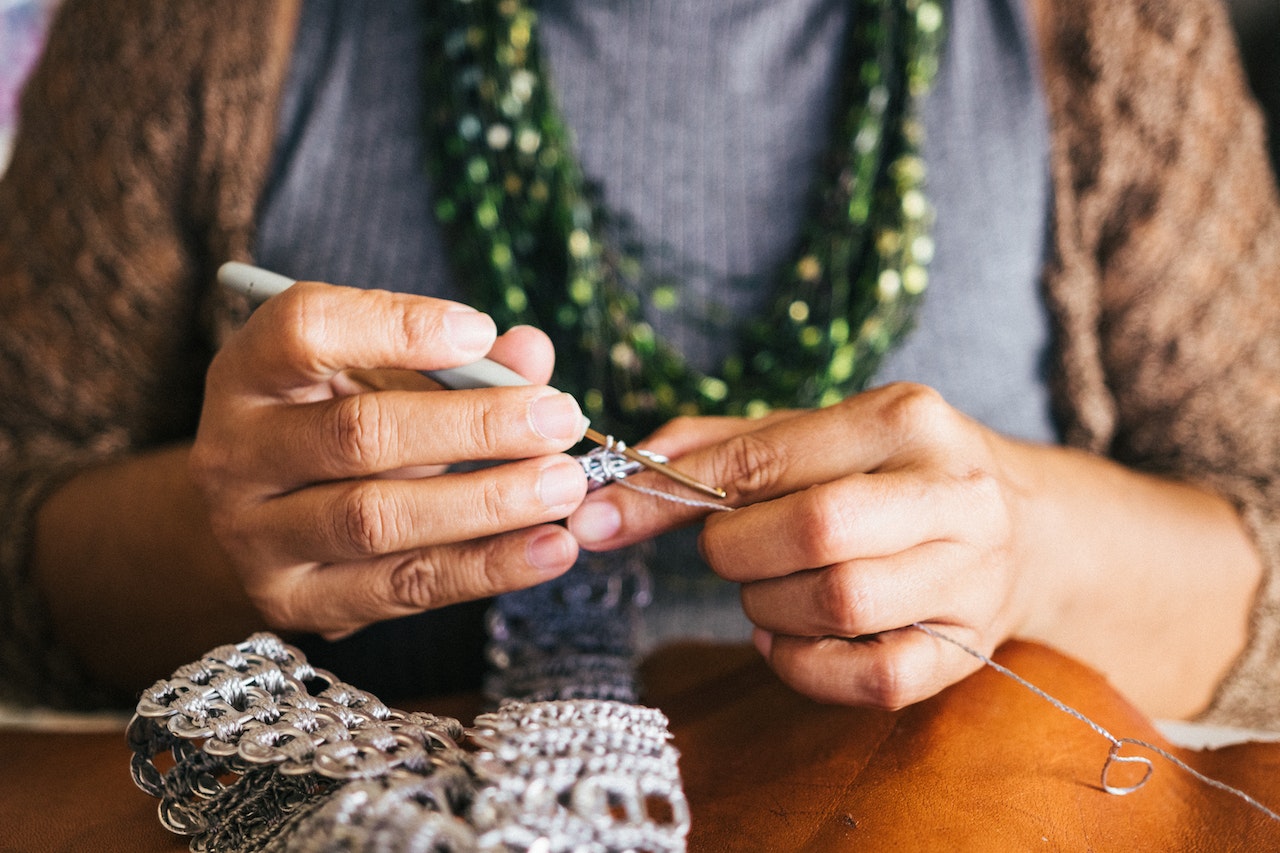
10 Best Hobbies for Improving Fine Motor Skills: Engaging Activities to Enhance Dexterity
Fine motor skills let you control the small muscles in your hands and fingers. These skills help you with everyday tasks like writing, buttoning shirts, or picking up coins.

Choosing the right hobbies can boost your fine motor skills and make daily activities easier. Practicing these hobbies can help you stay independent and improve your coordination.
1) Macramé knotting
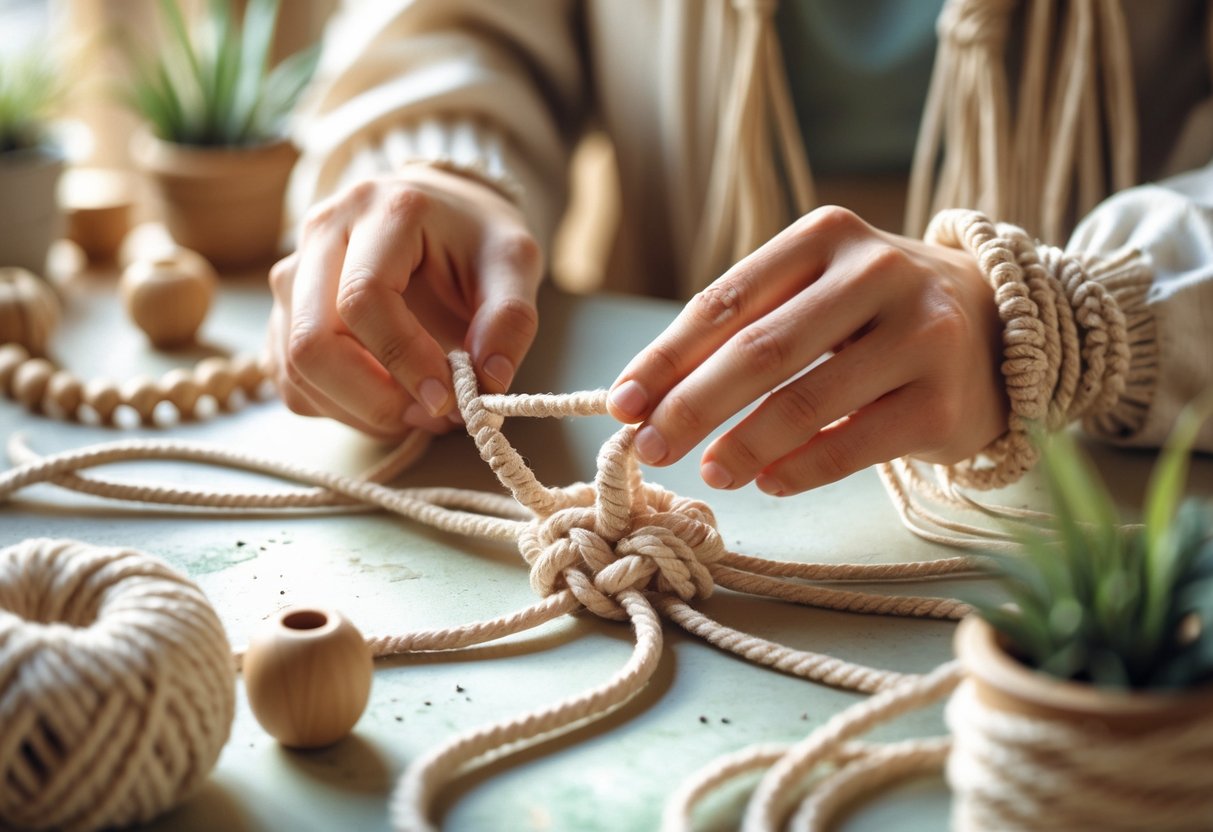
Macramé knotting is a craft where you use your hands to tie knots and create patterns with cords or strings. This hobby lets you make things like wall hangings, plant hangers, and jewelry.
It is easy to start, and you only need a few supplies. When you practice macramé, you often use small, repeated movements with your fingers and hands.
These actions help you build better control and strength in your fingers. Macramé also helps improve your hand-eye coordination.
You have to follow patterns and carefully knot each section, which trains your eyes and hands to work together. Following steps and counting knots can also help boost your attention to detail.
This hobby is suitable for people of all ages, including kids and seniors. For kids, macramé can help with dexterity and focus, while for older adults it may support keeping hands nimble and strong.
Many find macramé relaxing, since the process is slow and creative. Because designs can be simple or complex, you can always find a pattern that matches your skill level.
Getting started requires basic cords, scissors, and sometimes a dowel or ring. You can find many easy beginner projects online.
With regular practice, your hands can become more flexible and steady. As you learn more knots and patterns, your projects can become more detailed.
2) Play-dough sculpting
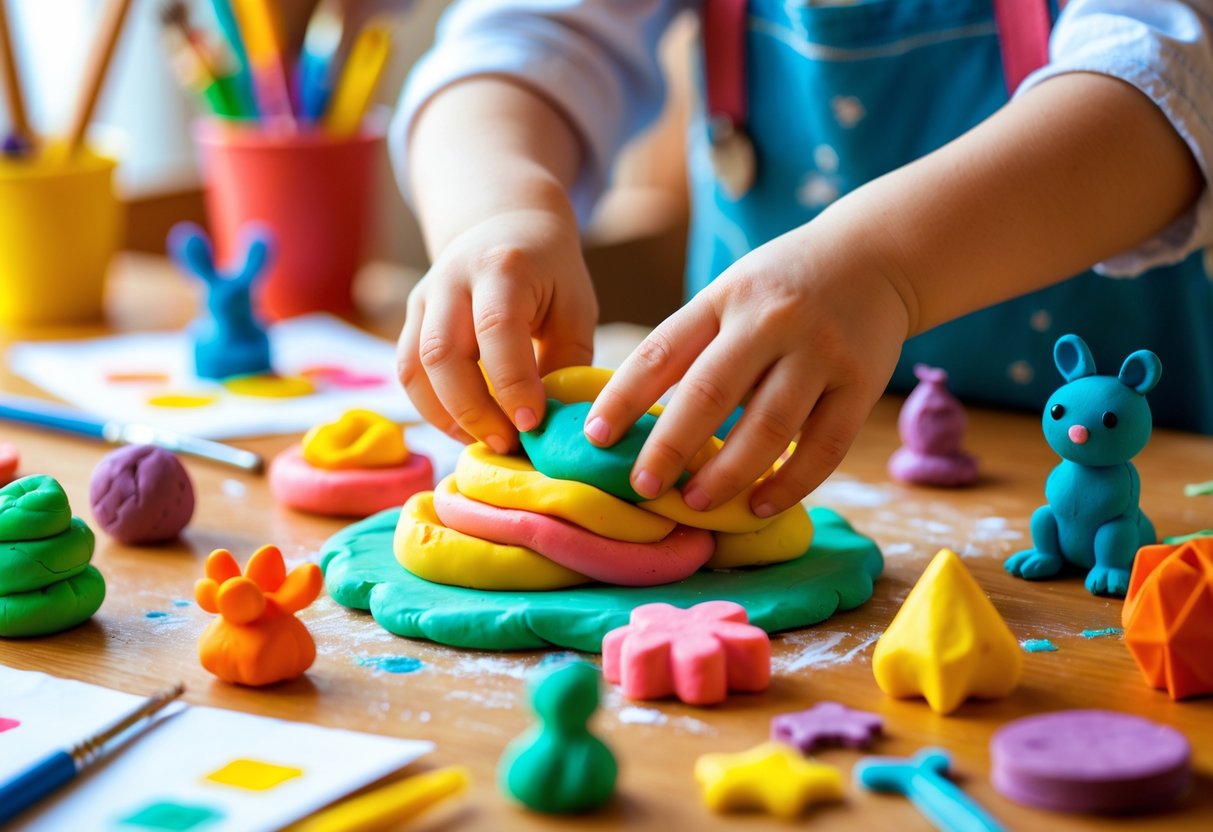
When you use play-dough for sculpting, you work your hand and finger muscles in a hands-on way. Pinching, rolling, and squishing the dough helps you build strength and control.
These actions improve your grip, finger movement, and coordination. Play-dough sculpting is flexible and easy to start.
You do not need expensive tools or supplies. Simple kitchen items like plastic knives or cookie cutters add variety and challenge to your play-dough activities.
You can create basic shapes, animals, or even objects from your imagination. Each time you shape or mold the dough, your hands get a gentle workout.
Using tools like small rolling pins or cutters helps your fingers practice precise movements. Play-dough is popular in schools and therapy settings for building fine motor skills in a low-pressure, enjoyable way.
Sculpting with play-dough is also a fun way to develop hand-eye coordination and creative thinking. Mixing colors or adding small items, like beads or buttons, makes the activity even more engaging.
Try following a simple theme or using molds and cookie cutters to add structure to your activity. Even tasks like slicing play-dough or squeezing it through a garlic press can help with hand strength and finger movement.
For more ideas, see this list of play-dough fine motor activities. Play-dough sculpting is safe and beginner-friendly for all ages.
You can start with a small piece of dough and work at your own pace. With regular practice, you may notice increased hand control and improved dexterity over time.
3) Stringing beads
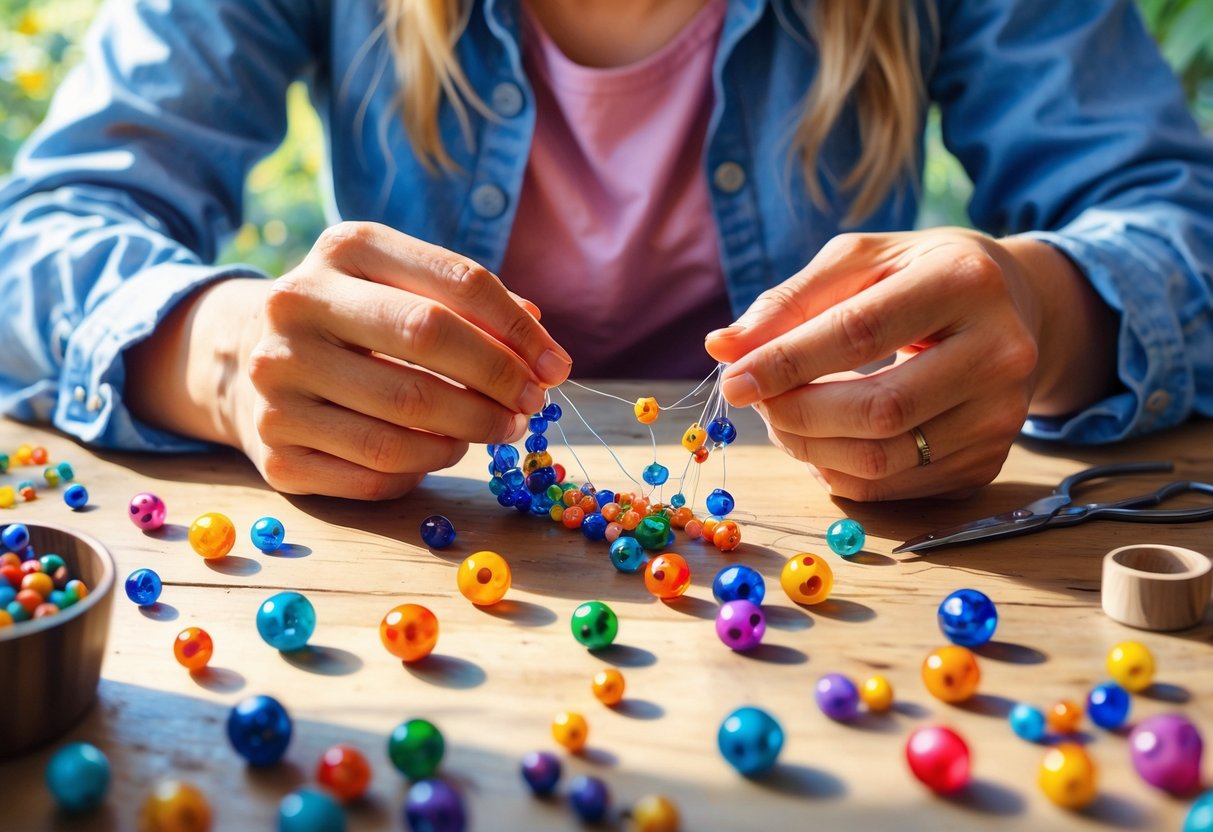
Stringing beads is a simple hobby that helps build fine motor skills. You hold a bead, line it up, and slide it onto a string.
This action uses both hands and makes the small muscles in your fingers stronger. You need hand-eye coordination to get each bead onto the string.
With practice, this skill improves. Younger children especially benefit because it helps get their fingers ready for writing and buttoning clothes.
You can make necklaces, bracelets, or even patterns with beads. If you use beads of different shapes and sizes, the activity gets more challenging.
Try using pipe cleaners instead of string for an easier grip, especially for beginners or younger kids. This hobby is creative as well.
You choose colors, shapes, and designs, making each project unique. Some people enjoy using nature-inspired beads or alphabet beads to spell words.
These ideas can be found in guides for fine motor skills activities. Many occupational therapists suggest stringing beads as a way to support dexterity and the pincer grasp.
This is the same grip used to hold a pencil, making it a smart practice for school and daily tasks. Learn more about how stringing beads supports hand development and coordination.
All you need to get started are some beads and string or pipe cleaners. You can make it a group activity or work on your own.
Stringing beads is easy to set up and fits into most routines.
4) Gardening tasks

Gardening is a hands-on hobby that helps you use and strengthen the small muscles in your hands and fingers. Activities like digging, planting, and picking up seeds all require careful hand movements.
You can practice pouring soil into pots or sowing tiny seeds. Tasks like pinching leaves or pulling weeds help you control your hand movements and grip strength.
Using garden tools also teaches you how to coordinate your hands and wrists. Watering plants with a small watering can or using spray bottles requires squeezing, which exercises your fingers.
Trimming or snipping plants with kid-sized scissors or garden shears is another good way to improve dexterity. Arranging flowers or sorting seeds is a gentle but effective way to practice fine motor skills.
Even labeling your plant markers or decorating pots uses hand coordination. Gardening is easy to start at home, on a balcony, or in a backyard.
You can adapt gardening activities for most ages and abilities. Young children, older kids, and adults can all benefit from gardening’s practical and relaxing benefits.
Gardening is also fun to do as a group activity. You can garden with friends or family and practice these skills together.
Kids especially enjoy the hands-on nature of gardening, and it’s a great way to get them involved in learning new tasks. Some gardening activities are recommended by experts for young children who are developing fine motor skills.
Find examples of gardening activities that help with these skills at KidsGardening. While gardening is popular in spring and summer, you can maintain small indoor gardens year-round.
This makes it easy to practice your fine motor skills no matter the season.
5) Coloring with fine-tip markers

Coloring with fine-tip markers is a practical way to improve your fine motor skills. The small tips require you to use more control in your hand and fingers.
This helps make your movements more precise and steady. When you color with these markers, you need to stay inside small spaces and follow lines closely.
This encourages you to pay attention and control your grip. Over time, your coordination gets better as your hands learn to move with more accuracy.
Holding a fine-tip marker can help strengthen the small muscles in your fingers and wrist. These muscles are important for everyday tasks like writing, tying shoelaces, or buttoning clothes.
You can find many printable coloring pages made for fine-tip markers. Many have detailed designs that encourage careful coloring.
Some websites even offer free practice sheets if you want extra help. Coloring is not just for young children.
Teens and adults benefit, too. It can be calming, and it also keeps your hands active, which is helpful for people of all ages.
If you want to challenge yourself, pick coloring books with more complex patterns. Focusing on small details can help you gain even more control over your hand movements.
Coloring with markers also helps develop patience. Completing a detailed picture takes time and attention.
This practice supports both fine motor skills and focus. Many experts agree that coloring builds fine motor strength and coordination.
If you use fine-tip markers, you give your hands a bigger workout because of the detailed work. This small hobby can make a big difference over time.
6) Origami folding
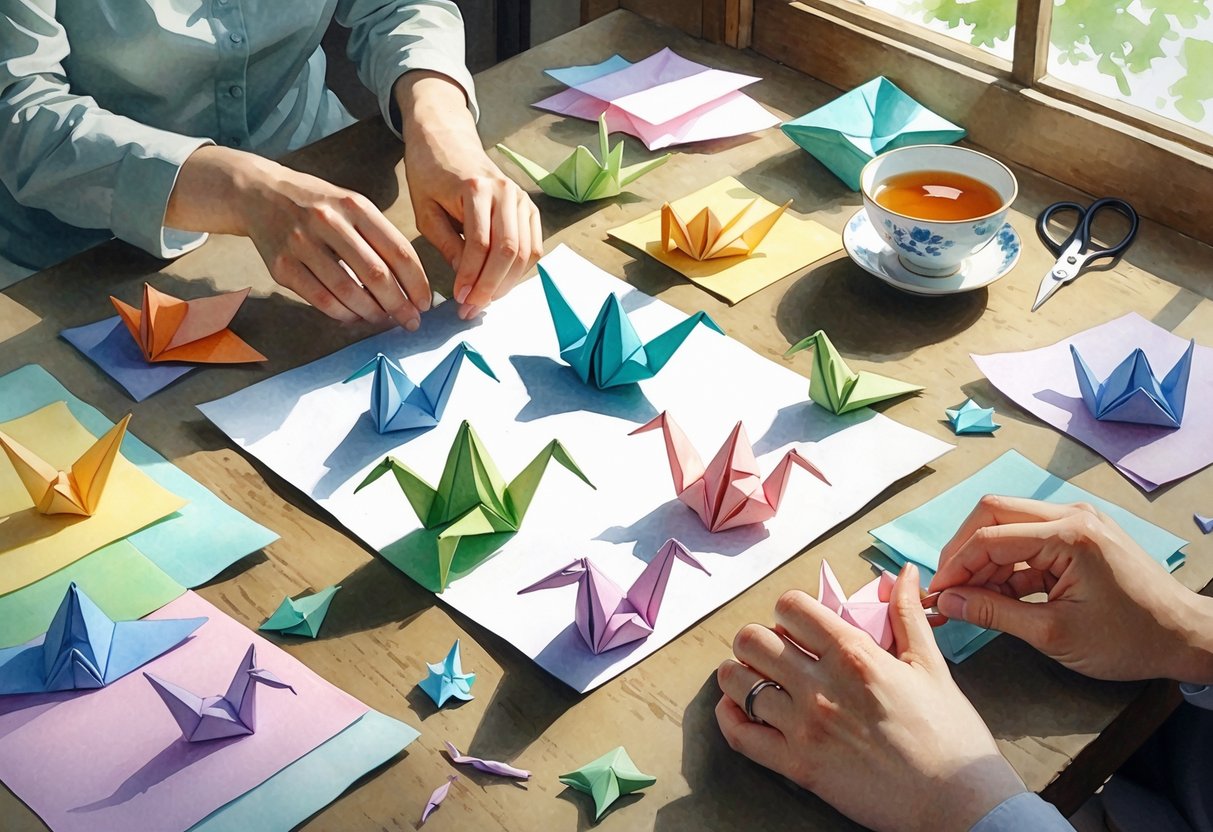
Origami folding is a creative hobby that helps you practice precise hand movements. Each fold, crease, and turn involves careful finger control and attention to detail.
When you fold paper into different shapes, you train your hands and fingers to move in a controlled way. This can help improve coordination and dexterity.
You have to follow step-by-step instructions during origami, which encourages you to focus and stay patient. Finishing even a simple origami project can take time and care.
Many teachers and therapists use origami to support fine motor skill development. The folding motions can make your hands stronger and prepare you for other activities like writing or drawing.
Some programs use origami with children who have special needs to help build these important skills. Origami also requires hand-eye coordination, because you need to match each step with a visual guide or diagram.
Practicing origami helps your brain and hands work together smoothly. There are basic folds you can start with, like the valley fold or mountain fold.
As you practice, you can learn harder designs with more complex steps. If you want to try origami, all you need is a square piece of paper.
You don’t need any fancy tools or expensive supplies. You can find free guides online that show how to make animals, flowers, and other fun shapes.
Many people find origami relaxing, too. Taking your time with each fold can help your mind slow down and reduce stress.
You can read about more ways origami supports fine motor skills in this article on using origami to build fine motor skills or how origami supports learning and development.
7) Using scissors for cutting shapes

Cutting shapes with scissors is a useful activity for building fine motor skills. When you use scissors, you practice opening and closing your hand.
This helps strengthen hand muscles and improve your finger control. You also need to pay attention to where you cut.
Following lines and shapes with your scissors boosts your eye-hand coordination. This skill helps you in other tasks, such as writing, drawing, or tying your shoes.
Using scissors works both sides of your body together. You have to hold the paper with one hand while cutting with the other.
This is called bilateral coordination and is an important part of everyday activities. Children can start with simple shapes, like straight lines or circles.
As you get better, you can try more complex shapes or even use patterns. Practicing cutting on a regular basis builds skill and confidence.
You have to pay close attention to stay on the lines. Simple and fun scissor exercises are often used in early education because of their many benefits.
Your ability to control the scissors will increase, which can help with other fine motor tasks. Many educators recommend trying cutting activities as part of fine motor skill development.
Fun cutting activities can include making crafts, paper chains, or collages. You can change the thickness of the paper for more challenge.
Practicing cutting is a hands-on way for people of all ages to work on their fine motor abilities.
8) Building model kits

Building model kits is a hands-on hobby that challenges your focus and precision. You use tools to fit small parts together, which can help you improve your hand control and finger strength.
Each step requires careful placement and steady hands. As you build, you learn to follow detailed instructions and handle tiny pieces.
The process can make your hand movements more accurate over time. Model kits come in many types, such as cars, planes, ships, and even engines.
Some kits are made of plastic, while others use wood or metal. You can choose a level of difficulty that matches your skills.
Working on model kits is linked to better fine motor skills and hand-eye coordination. This is because you need to align pieces, glue them, and use small tools to attach or paint parts.
Research shows that building models can help both kids and adults develop better dexterity. You also get to see your progress as each section comes together.
The focus needed for model building can be calming and can even help with attention span. You get a sense of satisfaction each time a part fits the right way.
They are available for all skill levels, from beginners to seasoned hobbyists. As you keep practicing, you may notice your fine motor skills improve with each project.
Model engine kits and other detailed sets can be especially good for this purpose. For more information on how building model kits can help improve your skills, check out this complete guide on model engine kits.
9) Sewing simple patterns
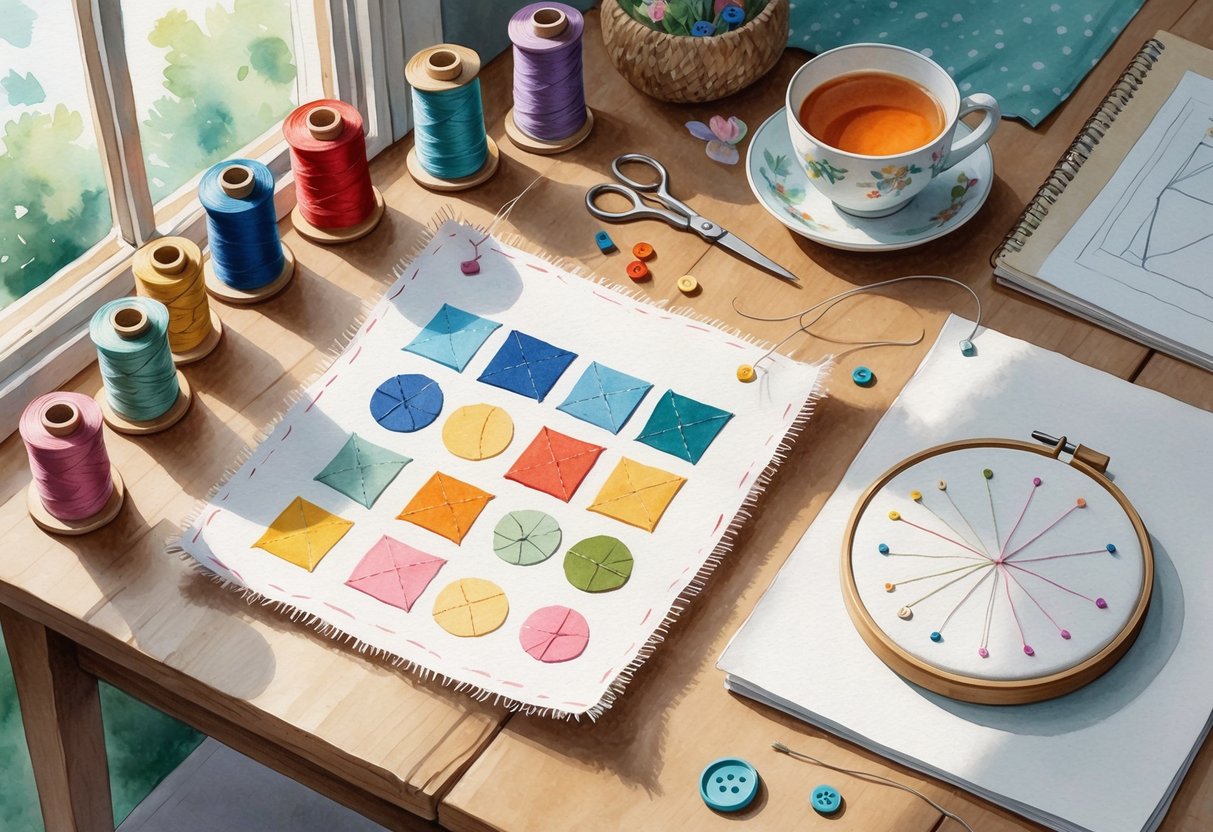
Sewing simple patterns is a hands-on hobby that helps you practice fine motor skills. By using a needle and thread, you build control over small hand muscles.
You need to guide the needle through fabric with careful, steady movements. This action requires focus and develops hand-eye coordination.
Holding and moving the thread also helps strengthen grip and finger dexterity. Starting with basic patterns is best for beginners.
You can try straight lines, simple shapes, or create patterns using colored thread. These small projects are enough to challenge your fingers without being too hard.
Sewing can involve adding beads, buttons, or embroidery to your patterns. These details make your fingers work even harder, which is great for muscle development.
Tasks like threading a needle or tying knots also practice patience and precision. Sewing does not need much equipment.
You only need fabric, a needle, thread, and scissors. You can find beginner kits at craft stores if you want everything in one set.
Young children and adults can benefit from sewing activities. Even simple sewing is helpful for those who want to improve fine motor skills.
Many teachers and therapists use sewing as part of their learning routines. Sewing projects can be done alone or as a group activity.
You can sew at home, in a class, or as part of another arts and crafts routine. For more ideas, look at resources about sewing activities for fine motor skills and other craft projects.
Taking time to sew, even a few minutes each day, can help your hands become steadier over time. Simple projects can lead to more advanced skills as your hands grow stronger and more responsive.
10) Calligraphy practice

Calligraphy practice is a rewarding way to build fine motor skills. You use a pen or brush to create careful, controlled strokes, which trains the small muscles in your hand and fingers.
This helps you become more steady and coordinated with your movements. When you practice calligraphy, you focus on forming letters in a special way.
Each stroke requires attention and a gentle touch. Over time, this improves your hand-eye coordination and finger dexterity.
Calligraphy is also known for helping you develop better pen control. Repeating the same strokes again and again helps your muscles learn the right movements.
Even beginners notice improvements in how steady their hands feel. In addition to motor skills, calligraphy practice often increases your patience and concentration.
You need to slow down and focus on what you are doing, which can help you stay calm and relaxed as you work. You do not need expensive supplies to get started.
Simple pens or markers and regular paper work for most practice. There are many easy calligraphy practice ideas that you can try at home.
If you are looking for exercises, there are many drills available to help you learn the basic strokes and shapes. Regular practice with these calligraphy exercises can boost your skill over time.
Calligraphy is suitable for many ages. Children, teens, and adults can all benefit from the motor skill training it provides.
Many people enjoy using their improved handwriting to make cards or art for friends and family.
Understanding Fine Motor Skills

Fine motor skills help you complete small and precise movements using the muscles in your hands and fingers. Developing these skills is important for many daily activities, school tasks, and even play.
Definition and Examples
Fine motor skills let you use the small muscles in your hands, wrists, and fingers. These skills are different from gross motor skills, which involve larger muscles like those in your arms and legs.
Fine motor tasks are part of everyday life and help you become more independent. Common examples include writing with a pencil, buttoning a shirt, tying shoelaces, or using scissors.
Other activities like playing a musical instrument, typing on a keyboard, or building models also use these skills. Younger children practice fine motor skills by stacking blocks or stringing beads.
Even actions such as opening snack wrappers or zipping coats involve fine coordination. You need these skills for both play and important daily routines.
Practicing different activities can help you strengthen your fine motor abilities over time. If you want more examples, you can check out lists of fine motor skill activities that fit different ages.
Benefits of Developing Fine Motor Skills
Improving your fine motor skills makes daily life easier. When your hands and fingers get stronger and more coordinated, you can complete tasks like dressing, eating, and writing more quickly and with less frustration.
You may also notice better hand-eye coordination, which is helpful for schoolwork, art, and sports. Fine motor practice can help you become more confident and independent.
Young children especially benefit, since these abilities support learning how to hold a pencil, cut with scissors, or solve puzzles. Building fine motor skills can even support problem-solving and cognitive growth.
Many creative hobbies, such as drawing or model-building, encourage you to plan and use your hands in new ways. Fun, everyday activities can make fine motor skill practice enjoyable for all ages.
Choosing the Right Hobby for Your Needs

Finding the hobby that suits you best depends on your interests, your physical abilities, and your schedule. Making the right choice can help you stick with your new activity and get the most benefit for your fine motor skills.
Factors to Consider
When picking a hobby, think about your skills and what you want to improve. Some hobbies need a lot of hand coordination, while others work your fingers or wrists more.
For example, knitting helps with finger dexterity, while woodworking needs strong hand-eye coordination. Time and budget matter, too.
If you do not have much time, smaller projects like puzzles or journaling may fit your routine. Some hobbies, like painting or woodworking, may require more equipment or space.
Enjoyment is key. Do not force yourself to choose the “best” hobby if you do not like it. Look for something fun so you actually want to keep practicing.
If you enjoy having company, pick a hobby you can do with others, such as playing music or taking a dance class.
Tips for Getting Started
Start simple. For example, if you want to try painting, begin with basic tools and small canvases.
Gradually move to more complex projects as you gain confidence. Watching online tutorials or joining a local group can teach you new techniques and help you avoid mistakes.
Track your progress. Keep a small journal or take photos of your work.
This helps you see improvements over time and stay motivated. Set easy goals, like practicing for 15 minutes each day or finishing a small project each week.
Use local resources, such as community centers, hobby stores, or online communities. These places often offer beginner classes or advice.
For more ideas, the article on choosing the perfect hobby lists helpful questions and steps to make your decision easier.
Frequently Asked Questions
You can build fine motor skills using simple crafts, easy games, and everyday activities. Many common hobbies at home help young children and older kids practice using their fingers and hands in new ways.
What crafts help improve fine motor skills for children?
Play-dough sculpting lets kids squeeze, roll, and pinch soft dough. This strengthens small hand muscles and improves finger control.
Stringing beads is another helpful craft. Your child picks up small beads and threads them onto string, which boosts coordination and concentration.
Coloring with fine-tip markers helps with grip and precision. Children learn to control their movements and stay inside lines.
Which activities are most effective for developing fine motor skills in toddlers?
Toddlers benefit from simple activities like play-dough sculpting. The soft texture is easy for little hands to shape.
Stacking blocks and picking up small objects encourage hand strength and control.
Finger painting is fun and lets toddlers use their whole hand. It also helps them explore new motions.
How can I enhance my 7-year-old’s fine motor skills through hobbies?
At age seven, your child can try macramé knotting. Making different knots uses both hands and improves dexterity.
Gardening tasks such as picking up small seeds, digging, and watering with a spray bottle build control in fingers and wrists.
What games promote the development of fine motor skills in young children?
Games that use small pieces—like building blocks, pegboards, or puzzle assembly—train your child’s hands to make precise movements.
Simple card games or games where kids have to turn or flip pieces can also be very helpful. These activities improve grip and hand-eye coordination.
Can you recommend hobbies that assist in fine motor skills improvement at home?
Crafts like macramé knotting, stringing beads, and coloring with fine-tip markers are easy to set up at home.
Read more about helpful art and craft activities for hands-on skill development at this best arts and crafts for improving fine motor skills resource.
Gardening indoors with small tools and taking care of potted plants are simple and effective ways to build fine motor skills any time of year.
What are some age-appropriate fine motor skills activities for preschoolers?
Preschoolers enjoy play-dough sculpting.
Coloring with large crayons or markers is also engaging.
Stringing large beads on thick laces is safe and targets early fine motor control.
Explore more ideas using everyday items in this list of creative fine motor activities using household items to keep your preschooler engaged and learning.