10 Best Hobbies for Journalists and Reporters to Unplug: Recharge Your Mind After Deadline Pressures
Journalists and reporters face unique pressures in their work. Long hours, tight deadlines, and constant exposure to screens can lead to burnout.
Finding ways to unplug and recharge is not just nice to have—it’s necessary for staying sharp and healthy in this demanding field.
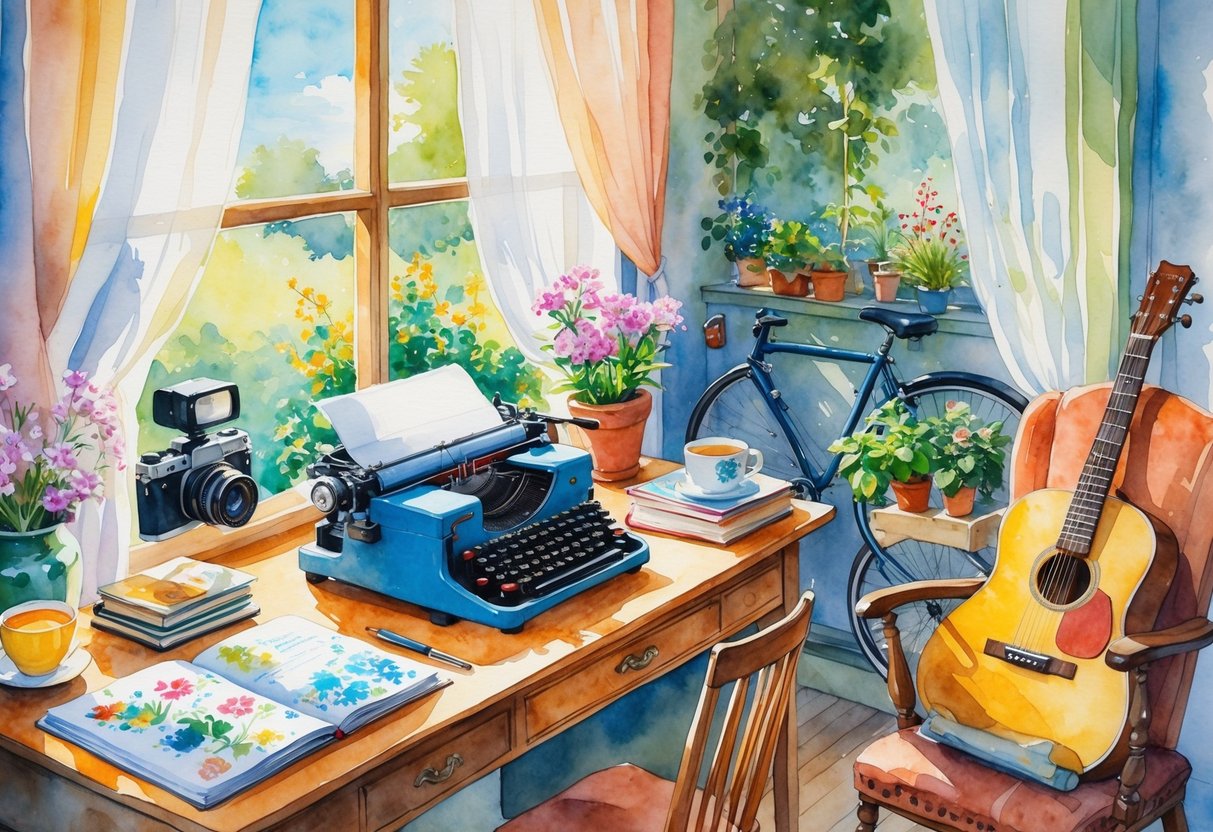
The right hobbies can help you step away from your work while building skills that actually make you better at your job. Some activities get you moving outdoors and away from technology.
Others let you practice creative skills or strategic thinking in low-pressure settings. The key is choosing hobbies that truly disconnect you from your daily routine while giving your mind and body something different to focus on.
10) Board games to boost strategic thinking

Board games offer journalists a screen-free way to sharpen mental skills that directly benefit their work. Games like Chess, Settlers of Catan, and Scrabble require you to think several moves ahead and adapt to changing situations.
Playing strategy board games helps you develop problem-solving abilities and decision-making skills. You need to analyze information quickly, weigh different options, and predict outcomes.
These are the same skills you use when investigating stories or conducting interviews. Board games force you to plan and organize your approach.
You learn to manage limited resources and make choices under pressure. Many games also require you to read other players and adjust your strategy based on their actions.
Regular play strengthens your ability to spot patterns and connections between different pieces of information. This skill helps when you’re connecting dots in a complex news story.
You can find games that match your interests and skill level. Some games focus on resource management while others emphasize negotiation or tactical planning.
Setting aside time for board games gives your mind a break from work while keeping it engaged. You can play with friends or family, adding a social element to your downtime.
9) Gardening to cultivate patience and mindfulness
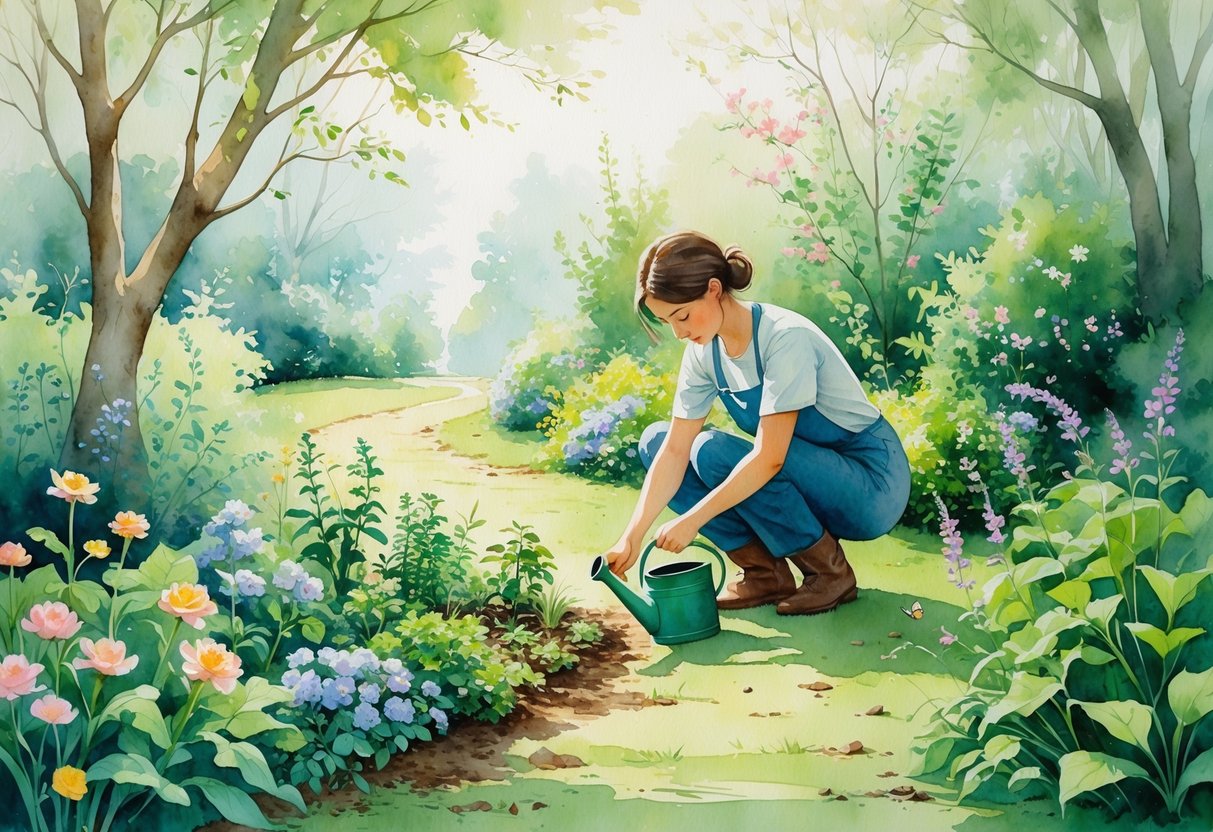
Gardening offers journalists a way to step away from fast-paced newsrooms and constant deadlines. When you plant seeds and tend to growing plants, you enter a different rhythm of work that moves at nature’s pace.
This hobby teaches patience because plants grow on their own schedule. You can’t rush a tomato to ripen or force a flower to bloom faster.
You learn to wait and trust the process, which can feel refreshing after spending your days chasing breaking news. Gardening also builds mindfulness skills.
When you water plants, pull weeds, or check for pests, you focus on the task in front of you. Your mind shifts from thinking about multiple stories to concentrating on simple, physical actions.
The repetitive nature of garden tasks can feel meditative. Digging soil, planting seeds, and pruning leaves all require attention but don’t demand complex thinking.
You don’t need a large yard to start gardening. A small balcony with containers or even indoor plants can provide the same benefits.
Working with soil and plants connects you to natural cycles of growth and change. This connection helps you slow down and notice small details, from new leaves appearing to insects visiting flowers.
8) Kayaking for physical activity and focus
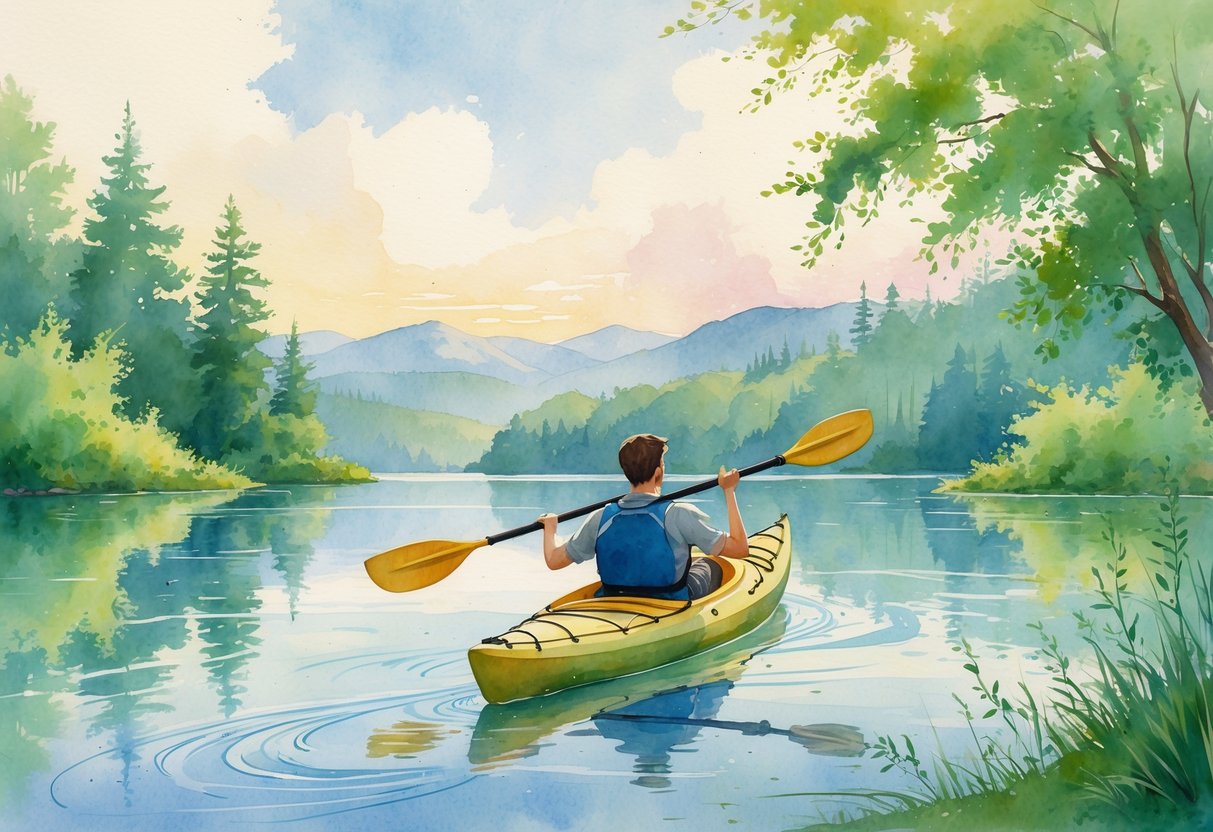
Kayaking offers journalists a full-body workout that doesn’t feel like traditional exercise. You use your arms, core, and legs to paddle through water, building strength while enjoying the outdoors.
This low-impact activity protects your joints while still providing solid cardiovascular benefits. The physical demands of kayaking help you step away from screens and newsrooms.
You need to focus on paddle strokes, water currents, and navigation. This concentration gives your mind a break from story deadlines and interview questions.
Water activities like kayaking naturally reduce stress levels. The repetitive motion of paddling creates a rhythm that calms your thoughts.
You can’t check your phone or respond to urgent emails while you’re in the middle of a lake or river. Kayaking sharpens your attention skills in ways that transfer back to journalism work.
You must stay aware of your surroundings, weather changes, and other boats. This type of focus training strengthens your ability to notice details in your reporting.
You don’t need expensive equipment to start. Many lakes and rivers offer kayak rentals by the hour.
Beginners can start on calm, flat water before moving to more challenging conditions. The activity scales with your skill level and available time, making it practical for busy journalists who need flexible hobbies.
7) Reading physical books to limit screen time

Reading physical books offers journalists a natural break from the constant glow of computer monitors and smartphone screens. Your work already demands hours of digital reading each day.
Picking up a printed book gives your eyes a rest from blue light exposure. Physical books create a different reading experience than digital content.
You can visit your local library or bookstore to find new titles that match your interests. Many journalists enjoy reading fiction as a way to step away from the news cycle and current events they cover daily.
This hobby helps you develop deeper focus and concentration. Unlike reading on screens where notifications and links can distract you, physical books let you read without interruption.
You control the pace without the temptation to switch between tabs or check messages. Reading print materials also supports better sleep patterns.
When you read a physical book before bed instead of scrolling on devices, you avoid the blue light that can interfere with your natural sleep cycle. This matters for journalists who often work irregular hours and need quality rest.
You can build a personal library over time or swap books with colleagues. Book clubs offer social connection without screens, giving you a chance to discuss ideas face-to-face with other readers.
6) Sketching or drawing for visual storytelling
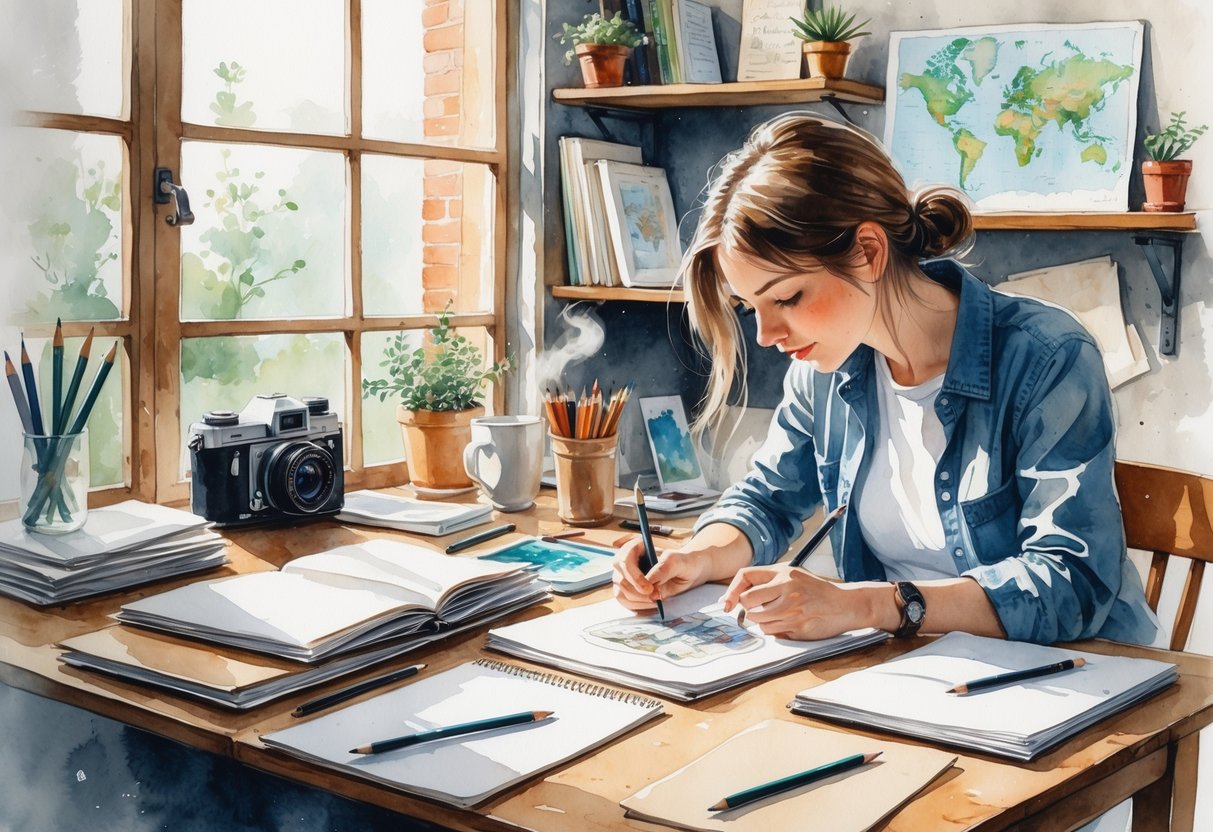
Sketching offers journalists a creative way to step back from screens and deadlines. When you pick up a pencil and paper, you engage different parts of your brain than you do while writing or editing.
This shift helps you unwind while keeping your storytelling skills sharp. Drawing strengthens your eye for detail and composition.
You learn to observe scenes more carefully, which improves how you capture stories in any medium. These skills translate directly to your work, whether you’re framing photos, planning video shots, or describing settings in articles.
You don’t need to be a professional artist to benefit from sketching. Simple drawings and quick doodles still boost creativity and help you think through complex ideas visually.
Many journalists use sketches to map out story structures or visualize data before creating finished graphics. The practice also teaches patience and focus.
Unlike the fast pace of news work, drawing requires you to slow down and concentrate on one thing at a time. This makes it an effective way to reduce stress after busy days.
Visual storytelling through sketches can enhance your journalism toolkit. You might start creating simple illustrations for social media posts or sketch scenes during interviews.
5) Camping for a digital detox and inspiration
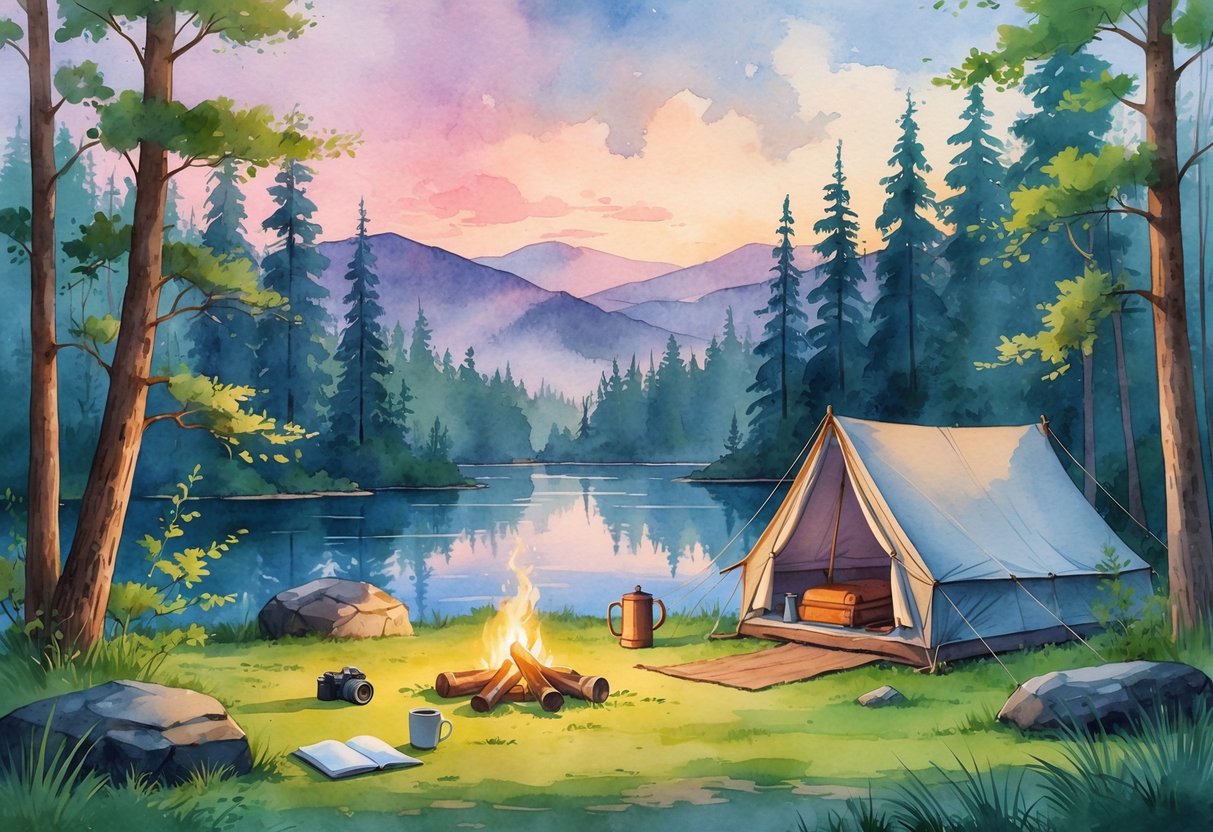
Camping offers journalists a chance to step away from screens and constant notifications. When you’re surrounded by nature, you can’t check your phone every few minutes or respond to work emails.
This forced break helps your mind reset. Many campgrounds have limited or no cell service.
This makes it easier to truly disconnect from your digital devices. You won’t feel tempted to scroll through social media or catch up on the news cycle.
The natural environment provides fresh inspiration for your reporting work. When you observe wildlife, weather patterns, or the changing landscape, you develop new ways of seeing the world.
Camping also helps you practice mindfulness. You focus on simple tasks like setting up a tent, building a fire, or preparing meals.
These activities keep you present in the moment rather than worrying about deadlines. The quiet of the outdoors gives your brain space to process information differently.
You might find solutions to story problems or come up with new angles for articles. Many journalists report feeling more creative after time in nature.
You don’t need expensive gear to start camping. A basic tent, sleeping bag, and a nearby state park work just fine.
Even a single weekend trip can provide the mental break you need from constant digital engagement.
4) Public speaking clubs for confidence and clarity
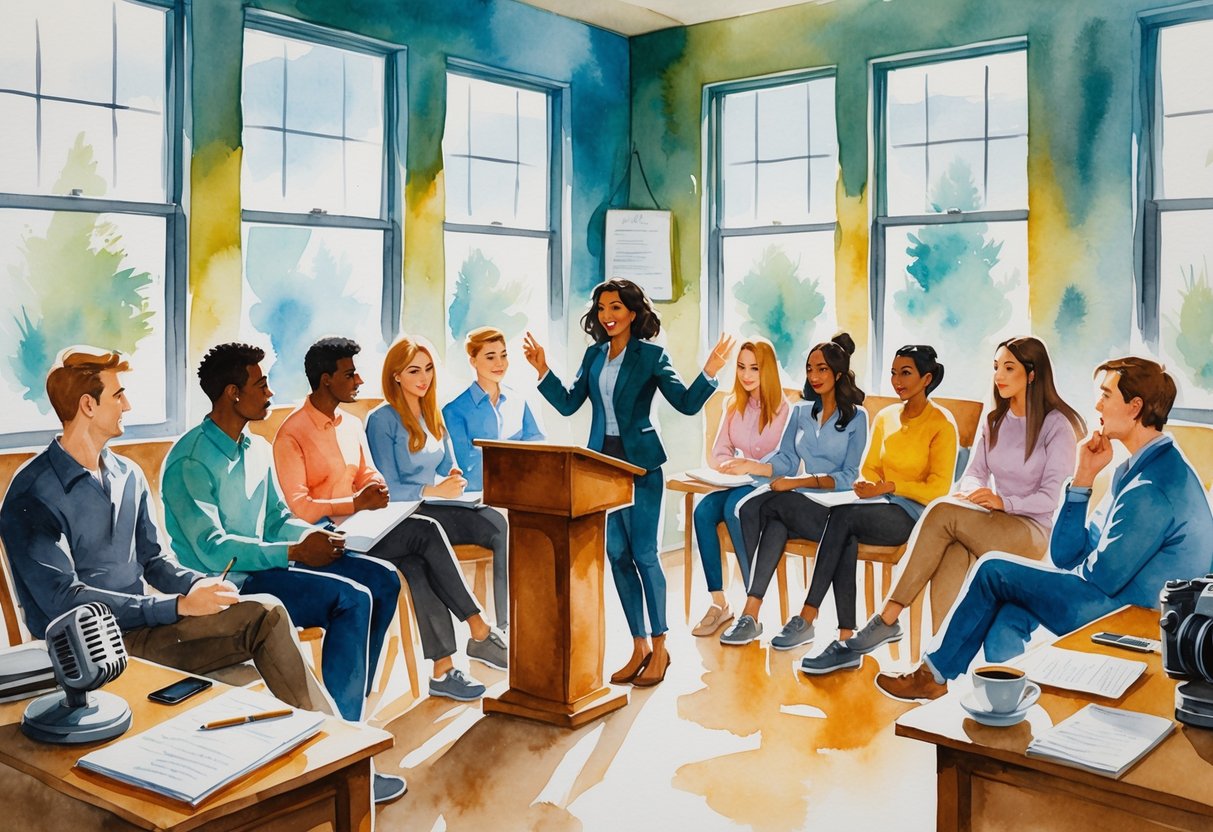
Joining a public speaking club gives you a structured way to step away from your computer and practice communication skills in person. These groups provide a supportive environment where you can work on your delivery without the pressure of a live broadcast or interview.
Toastmasters International is one of the most accessible options. You can find clubs that meet both online and in person.
Members prepare speeches, respond to impromptu questions, and give each other constructive feedback. The format helps you become more comfortable speaking without notes or a script.
Public speaking clubs follow clear guidelines for speaking turns and feedback sessions. This removes uncertainty about what to expect.
You know when it’s your turn to speak and what kind of response you’ll receive. The skills you develop translate directly to your journalism work.
You’ll become better at conducting interviews, presenting stories, and thinking on your feet during press conferences. Your voice control and body language improve through regular practice.
Most clubs meet weekly or biweekly. This gives you a consistent break from writing and researching.
You interact with people from different professions, which can broaden your perspective beyond the newsroom. The cost is usually minimal.
Many groups charge small membership fees to cover meeting space and materials. Some clubs are completely free.
You gain experience speaking to different audiences and learn to adjust your message based on who’s listening.
3) Creative writing to enhance storytelling
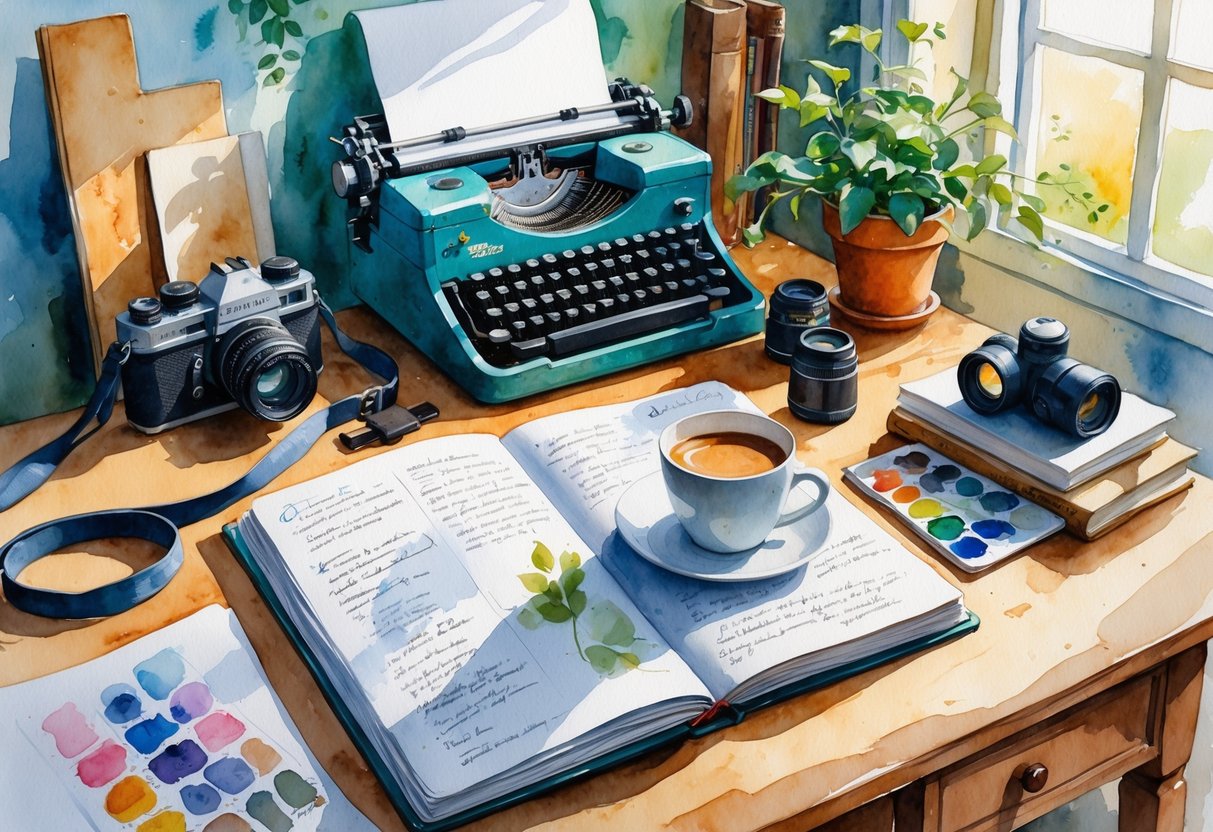
Creative writing helps you develop stronger storytelling skills that directly improve your journalism work. When you practice writing fiction, poetry, or personal essays, you explore different narrative techniques that make your articles more engaging.
Free writing is a simple way to start. Set a timer for 10 to 15 minutes and write without stopping to edit or judge your words.
This exercise helps you think more freely and discover new ways to tell stories. You can also try writing short stories or character sketches.
These activities teach you how to build tension, create vivid descriptions, and develop a unique voice. The skills you gain transfer directly to your news writing and feature articles.
Poetry writing sharpens your word choice and helps you say more with fewer words. This practice makes your journalism clearer and more powerful.
You learn to pick the right words that create the strongest impact. Creative writing also lets you experiment with different perspectives and voices.
You can explore emotions and situations that might not appear in your regular reporting. This broader experience helps you understand people better and ask more thoughtful questions during interviews.
Setting aside time for creative writing each week gives your mind a break from hard news. You work different mental muscles while still building skills that make you a better journalist.
2) Analog photography to sharpen observation skills
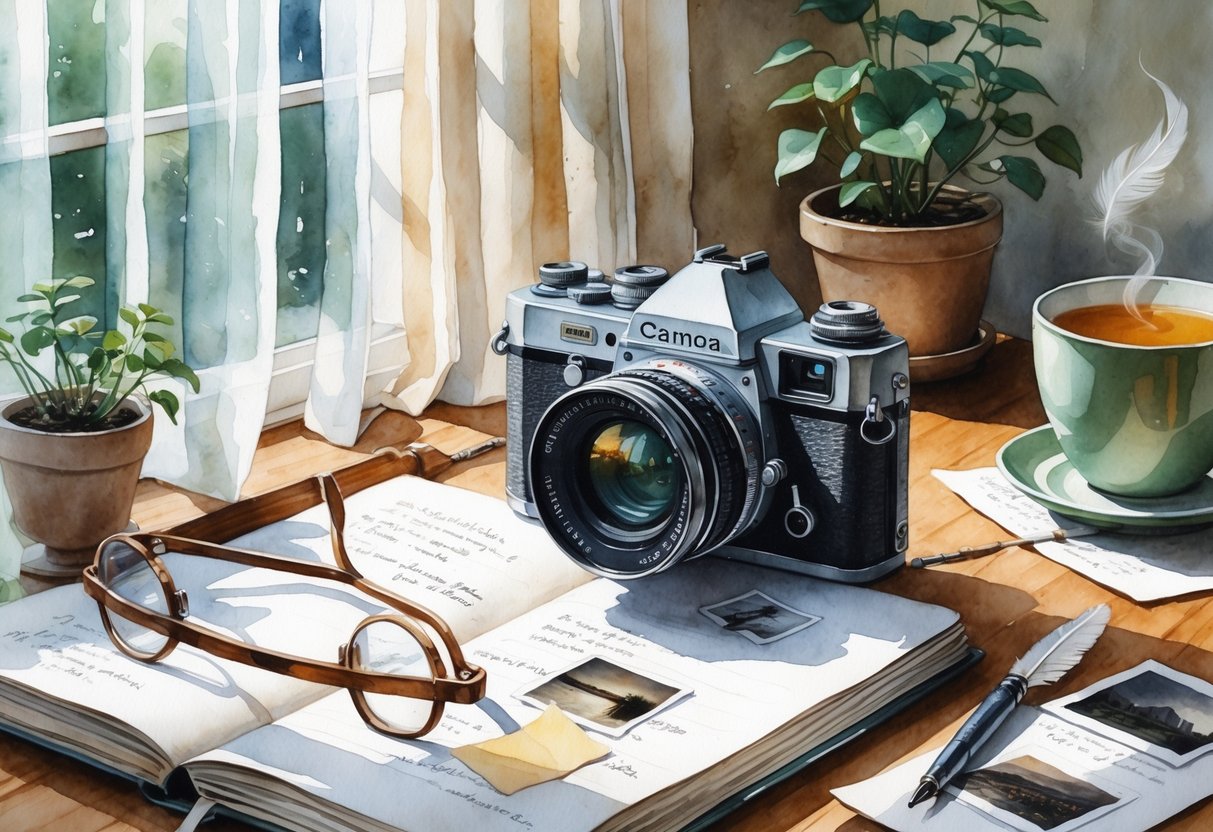
Analog photography forces you to slow down and think before you press the shutter. Unlike digital cameras that let you take hundreds of photos without consequence, film cameras give you a limited number of shots per roll.
This constraint makes you more deliberate about what you capture. Working with film teaches you to notice details you might normally overlook.
You start paying attention to lighting, composition, and framing before you take the picture. These are the same observation skills you need as a journalist when you’re gathering information or conducting interviews.
The process of developing film and waiting to see your results builds patience. You can’t immediately check your work or delete mistakes.
This teaches you to trust your judgment and commit to your choices. Analog photography also gets you away from screens.
You spend time in the physical world, looking through a viewfinder instead of scrolling through a phone. This break from digital devices helps reduce eye strain and mental fatigue.
The tactile nature of handling film, adjusting manual settings, and working in a darkroom engages your hands and mind differently than typing on a keyboard. These physical actions provide a refreshing contrast to the computer-heavy work most journalists do daily.
You don’t need expensive equipment to start. Many affordable film cameras are available secondhand, and basic photography skills transfer directly to recognizing compelling stories in your reporting work.
1) Nature hiking to refresh the mind and body
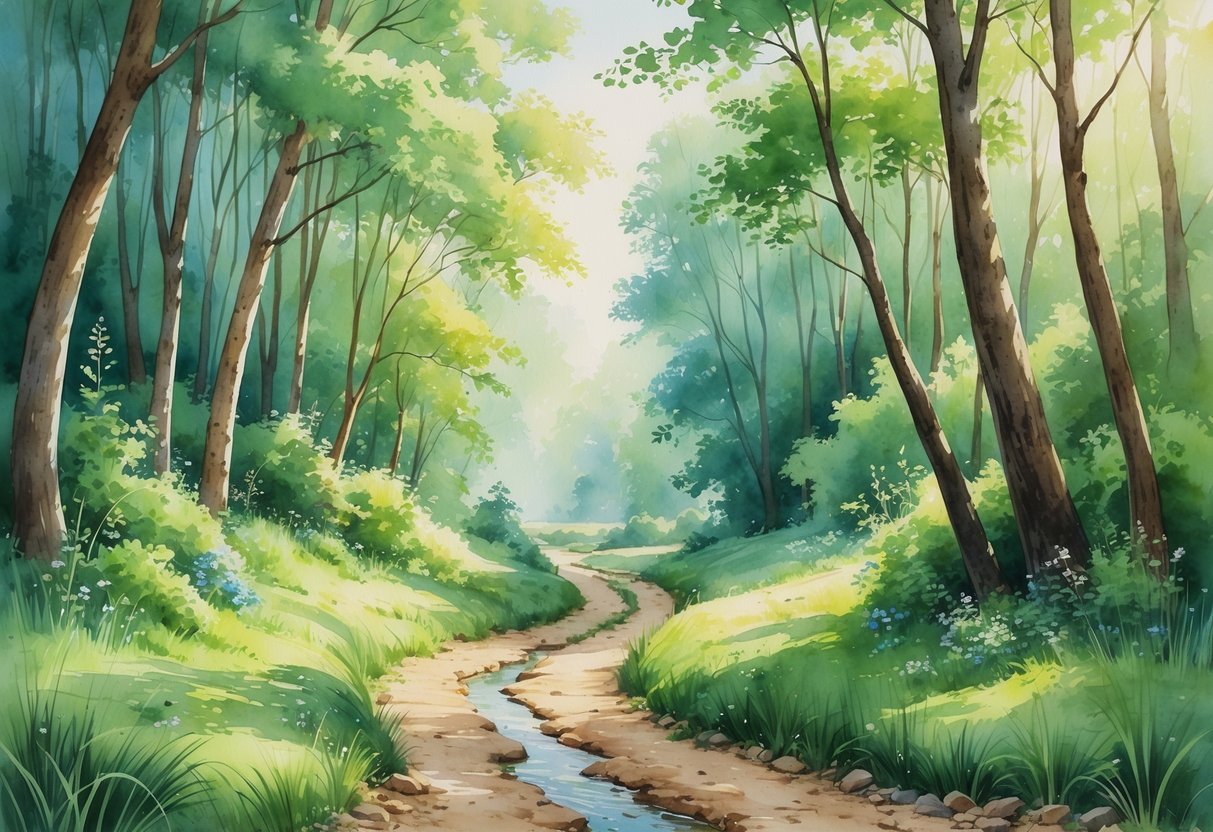
Journalists and reporters spend countless hours in front of screens, chasing deadlines and processing information. Nature hiking offers a complete break from this digital overload.
You can leave your devices behind and focus on the physical world around you. Hiking engages your body in a way that desk work never does.
Walking on trails works your muscles and gets your heart pumping. The physical activity releases endorphins that improve your mood and reduce stress.
Your mind benefits just as much as your body. When you hike, you stop thinking about story angles and sources.
Instead, you notice trees, birds, and the changing landscape. This mental shift helps your brain recover from constant news cycles.
You don’t need special skills or expensive gear to start. Local parks and nature trails work just as well as mountain ranges.
Begin with shorter, easier trails and build up your distance over time. The best part is that hiking fits into busy schedules.
A quick one-hour trail walk during lunch can clear your head. Weekend hikes give you longer breaks when you need deeper rest.
Regular hiking improves your focus when you return to work. You come back with fresh energy and a clearer perspective.
Why Hobbies are Essential for Journalists and Reporters
Journalism demands constant attention to breaking news and tight deadlines, which can drain your energy and focus. Taking time for hobbies helps you step away from work stress and return with better mental clarity and stronger performance.
Benefits of Unplugging from the News Cycle
The news cycle never stops, and as a journalist, you face constant pressure to stay informed and responsive. When you unplug through hobbies, you give your mind a chance to rest from the relentless flow of information.
This break helps you avoid burnout and maintains your ability to think critically about stories. Hobbies create necessary boundaries between your work and personal life.
Without these boundaries, you risk becoming too absorbed in news coverage and losing perspective. Activities like photography, reading fiction, or playing sports shift your focus away from deadlines and breaking news.
Your analytical skills actually improve when you step away from journalism work. Hobbies engage different parts of your brain, which helps you return to reporting with fresh eyes and new angles on stories.
Impact on Mental Health and Productivity
Journalism exposes you to traumatic events, negative news, and high-stress situations daily. Hobbies provide an outlet for processing these experiences and reducing stress levels.
Regular breaks through enjoyable activities lower your risk of anxiety and depression. Your productivity increases when you make time for hobbies.
Taking breaks helps you work more efficiently during reporting hours. You’ll find yourself writing faster and thinking more clearly when you return to work after doing something you enjoy.
Hobbies also boost your creativity and storytelling abilities. Activities like writing for pleasure, traveling, or learning new skills give you fresh perspectives and experiences to draw from in your journalism work.
Building Stronger Work-Life Balance
Journalists face unique challenges in separating their professional and personal lives, but clear boundaries and intentional scheduling can help you protect time for hobbies and rest.
Strategies for Setting Boundaries
You need to establish clear limits between work and personal time to prevent burnout. Start by setting specific work hours and communicating them to your editors and colleagues.
Turn off work notifications on your phone after a certain time each evening. Create a dedicated workspace if you work from home.
This physical separation helps your brain switch between work mode and relaxation mode. When you leave that space, you leave work behind.
Key boundaries to implement:
- No checking work emails after 7 PM
- Designate one full day per week as work-free
- Set your phone to “Do Not Disturb” during meals
- Keep work devices out of your bedroom
You should also learn to say no to assignments that fall outside your scheduled hours unless they’re genuine emergencies. Your mental health depends on protecting your personal time.
Incorporating Hobbies into Busy Schedules
You can fit hobbies into your routine by treating them like important appointments. Block out specific time slots in your calendar for activities you enjoy, just like you would for interviews or deadlines.
Start small with 15-30 minute sessions rather than waiting for large blocks of free time. You can read a few pages, sketch for twenty minutes, or practice an instrument during your lunch break.
These short bursts add up over time. Simple scheduling tactics:
- Wake up 30 minutes earlier for morning activities
- Use commute time for podcasts or audiobooks related to your hobbies
- Replace some social media scrolling with hobby time
- Combine hobbies with other activities (listen to music while cooking)
Plan your hobbies at the beginning of each week. Write them down alongside your work assignments to give them equal importance in your schedule.
Frequently Asked Questions
Journalists often wonder which hobbies work best for reducing stress, maintaining health, and improving their professional skills. These questions address practical ways to unplug while still supporting your career development and personal well-being.
What are some relaxing hobbies that can help journalists reduce stress?
Gardening offers a proven way to reduce stress through hands-on work with plants and soil. You can focus on the simple tasks of watering, weeding, and watching things grow, which takes your mind off deadlines and breaking news.
Reading physical books provides another stress-reducing option. When you read printed pages instead of screens, you give your eyes a break from blue light exposure.
Fiction books work especially well for helping you escape into different worlds. Board games create a relaxing environment where you can focus on strategy instead of work pressures.
Games require enough mental engagement to distract you from job stress without adding new sources of anxiety.
Which creative outlets are most beneficial for reporters needing a break from work?
Sketching and drawing give you a way to express ideas without using words. You can observe scenes and people while practicing visual composition, which differs completely from writing articles.
These activities use different parts of your brain than writing does. Photography lets you tell stories through images rather than text.
You can explore your neighborhood or travel to new places while practicing composition and timing. This hobby keeps your storytelling skills active while giving your writing muscles a rest.
Gardening also serves as a creative outlet. You design layouts, choose color combinations, and create living spaces that reflect your aesthetic preferences.
What types of physical activities are recommended for journalists to stay healthy?
Kayaking provides a full-body workout while getting you outdoors and away from your desk. You build upper body strength and core stability while focusing on balance and navigation.
The activity requires enough concentration to clear your mind of work thoughts. Hiking offers another excellent option for physical activity.
You can explore trails at your own pace while breathing fresh air and reducing the time you spend sitting. Regular walking also helps prevent the back and neck problems that come from hours at a computer.
Cycling gives you cardiovascular exercise while allowing you to cover more ground than walking. You can commute by bike to add physical activity into your daily routine without taking extra time from your schedule.
How can journalists use hobbies to improve their work-life balance?
Setting specific times for hobbies creates clear boundaries between work and personal time. When you dedicate certain hours to activities like gardening or board games, you signal to yourself and others that you are off duty.
This helps prevent work from consuming all your waking hours. Choosing hobbies that require leaving your home or office forces physical separation from work.
Kayaking, for example, makes it impossible to check emails or take calls while you are on the water. This complete disconnection helps your mind fully rest.
Group hobbies add accountability to your schedule. When other people expect you to show up for a game night or hiking trip, you are more likely to actually take the break instead of working through it.
What group hobbies can journalists participate in to enhance social well-being?
Board game nights bring together friends or fellow enthusiasts for regular social interaction. You can join established gaming groups at local shops or libraries, or start your own group.
These gatherings provide conversation and laughter outside your professional network. Recreational sports leagues offer another way to build social connections.
You can join softball, volleyball, or soccer teams that play weekly games. Team activities create camaraderie and give you something to look forward to beyond work assignments.
Book clubs combine reading with social engagement. You can discuss stories and ideas with people who may have completely different perspectives from your colleagues.
Which hobbies can help improve a journalist’s observational and storytelling skills?
Sketching trains you to notice small details in scenes and faces. When you draw something, you must study it carefully to capture proportions, shadows, and textures.
Photography sharpens your eye for composition and decisive moments. You learn to anticipate action, frame scenes effectively, and capture emotion in a single image.
These visual storytelling skills complement your written work.
Reading books exposes you to different narrative structures and writing styles. You absorb how other authors build tension, develop characters, and convey complex information.