

10 Best Hobbies for New Parents: Fun and Relaxing Activities to Try
When you become a new parent, your daily life can feel busy and sometimes overwhelming. Finding time for yourself might seem impossible, but nurturing your own interests is important, too.
Choosing a hobby helps you balance your new responsibilities while giving you time to relax and recharge. Hobbies can also bring joy, help you connect with others, and make parenting more enjoyable.
1) Journaling to capture parenting moments

Journaling is a helpful way to keep track of your new experiences as a parent. You can write down the small moments, funny stories, and challenges you meet each day.
This hobby gives you a chance to reflect on both the easy and hard times. You do not have to write long entries.
A few sentences or even a simple list can help you remember what life was like during these early days. You might want to write about your baby’s first smile, a sleepless night, or how you feel about your changing routine.
Many new parents find that journaling gives them a place to sort their feelings. It is also a good way to track your personal growth.
You can use a notebook, a special parenting journal, or even your phone. Some journals have creative prompts and spaces for photos or drawings if you want more structure or inspiration.
These details can make your journal a keepsake for years to come. If you ever feel stressed or overwhelmed, taking a few minutes to write can help you calm your mind.
The act of writing things down can bring clarity. For more ideas about what to write, try exploring some journal prompts for new moms or curated lists of creative parenting journals that are designed for capturing special moments.
2) Creating a Zen garden for mindfulness

Building a Zen garden is a peaceful hobby that can fit your busy schedule as a new parent. It does not require much space or expensive materials.
You can start with a few rocks, some sand, and a container if you want a mini version. Designing a Zen garden is simple.
Place rocks and raked sand in calming patterns. You can choose a minimalist look or add small plants for a bit of greenery.
This quiet activity helps you slow down and focus on the moment. Taking time to work on your Zen garden can be relaxing.
Raking the sand and carefully arranging each stone is a gentle way to reduce stress. This routine can give you a break from distractions and help you practice mindfulness.
You can make your Zen garden outdoors in your yard or on a balcony. Even a small corner works well.
If you prefer to be indoors, a desktop version fits nicely on a table or shelf. For ideas about design and setup, see these innovative Zen garden ideas.
A Zen garden does not need much daily care. You can shape the sand or move the stones whenever you have a few free minutes.
Each time you tend your garden, it can become a brief moment of calm in your day. For more inspiration, check out how to make a mini Zen garden at home.
3) Learning photography to document milestones

Picking up photography as a new parent helps you capture all the little moments in your baby’s life. You don’t need fancy gear—your phone camera is enough to get started.
As you practice, you’ll find new ways to show your baby’s personality and growth. With photography, you can save memories of key milestones like first smiles, first steps, or birthdays.
These photos become a record of your baby’s journey and can be cherished for years. Taking a monthly photo is a simple way to track how quickly your baby changes.
You can get creative by using different backdrops, outfits, or even props. Try photographing everyday activities, not just the big events, to paint a fuller picture of your child’s life.
You may want to make a photo collage or a photo book from your favorite shots. Many parents enjoy sharing milestone moments with friends and family.
Even if you choose not to post to social media, these pictures make special keepsakes for your home. Tips such as natural lighting and simple backgrounds help keep the focus on your baby, as suggested by guides on baby milestone photography and essential baby photos.
Learning basic photography skills can also give you a fun creative outlet. There are many resources online to help you grow your skills.
4) Joining a parents’ book club
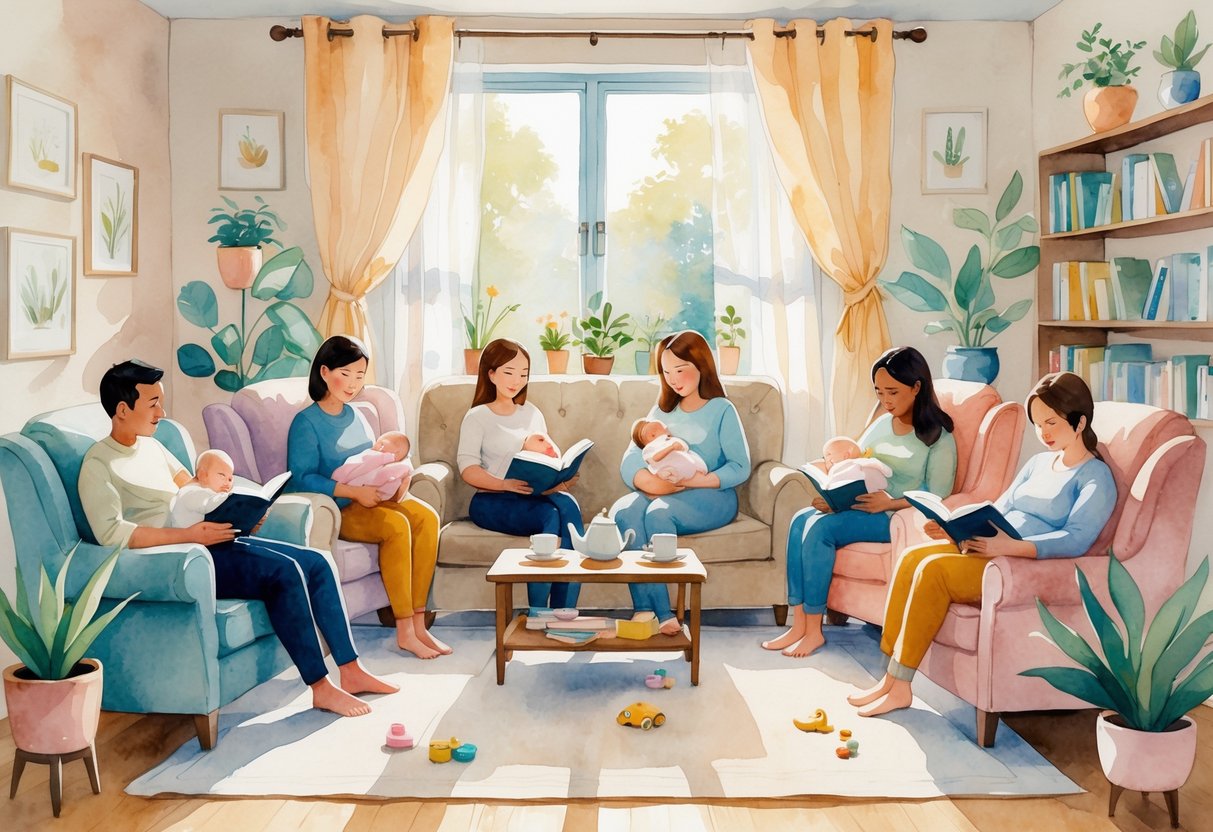
Joining a parents’ book club is a hobby that fits well into a new parent’s life. It gives you a chance to enjoy reading while connecting with others who understand your experiences.
In a book club focused on parenting or family topics, you can share thoughts on books, ask questions, and find new ideas. These groups often meet online or in person, making it easier to fit meetings into busy schedules.
Talking with other parents helps you get different viewpoints. You may feel more supported when you hear stories from people facing similar challenges.
A book club supports reading, which is good for mental health and stress relief. It also helps you learn about parenting topics, children’s books, or fun novels.
Many parents’ book clubs pick kid-friendly books to read as a family. This can spark conversations with your children and encourage them to love reading too.
Regular meetings also give you something to look forward to each month. If you want to get started, there are many book clubs for parents that you can join online or locally.
You can also gather a few friends and start your own club. Sharing books is an easy way to bond with others and find helpful resources.
5) Cooking new family-friendly recipes

Trying out new recipes at home is a practical hobby for new parents. You get to make meals that fit your family’s needs and tastes.
It can save you money and help everyone eat better. Cooking together can also help you bond as a family.
Even young children can help with simple tasks like washing vegetables or stirring batter. These moments in the kitchen turn daily routines into shared experiences.
Family-friendly recipes are easy to find online. Many are designed to be simple, quick, and use common ingredients.
As a new parent, you may enjoy meals like casseroles, soups, or pasta dishes that make enough for leftovers. These recipes can save you time and effort.
Freezer-friendly meals are a smart choice as well. You can double a recipe and freeze half for later.
Trying new recipes teaches you new cooking skills over time. You can experiment with different flavors and cuisines at your own pace.
Simple, make-ahead meals and comfort foods are often recommended for new parents. You can find ideas for family-friendly meal recipes or easy-to-reheat casseroles that fit a busy schedule.
Shared meals give your family a chance to connect at the end of the day. Cooking can become a quiet moment for yourself too.
Starting this hobby does not need any fancy tools or training. All you need is a little interest and some basic kitchen supplies.
6) Starting a vegetable or herb garden
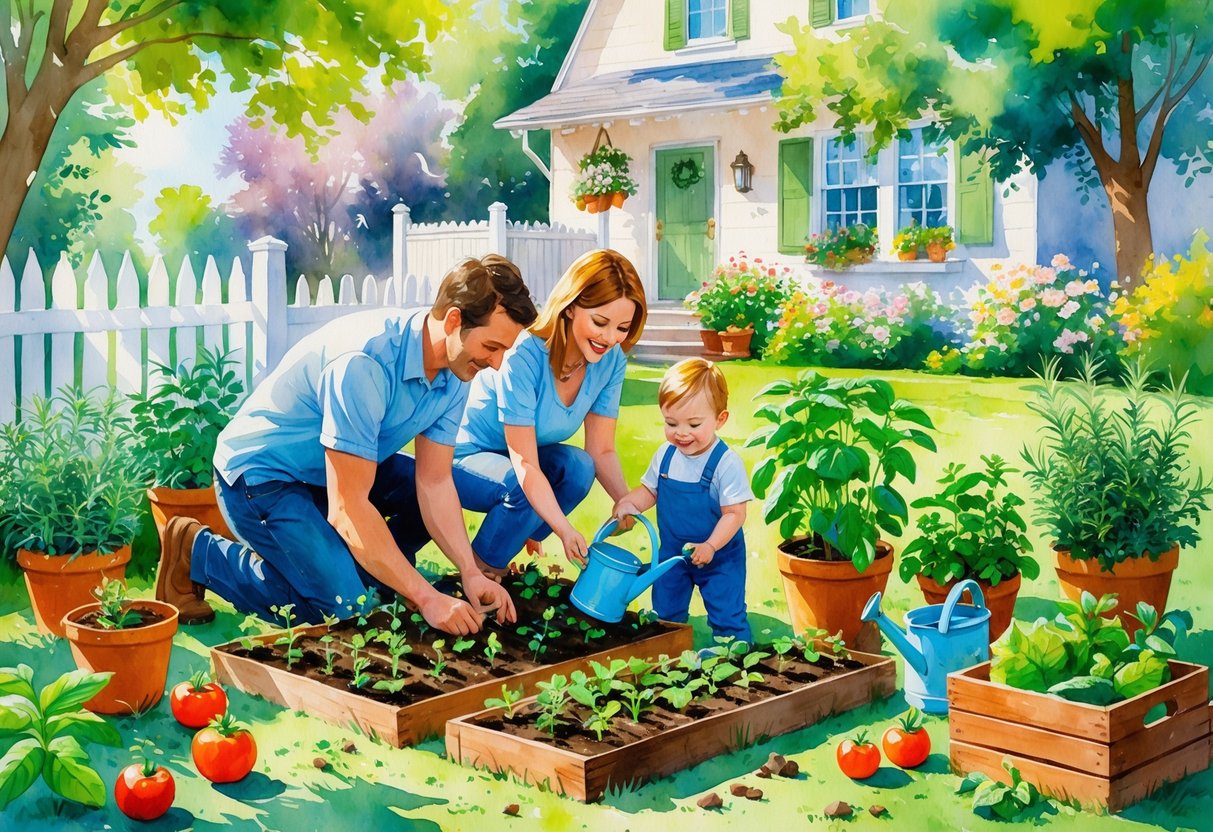
Starting a small vegetable or herb garden at home can be a simple and enjoyable hobby for new parents. You do not need much space to get started—many people use pots, window boxes, or even grow bags on a balcony.
A sunny windowsill can also work well for many herbs. Gardening can give you fresh produce right at your fingertips.
Herbs like basil, mint, and chives are easy to grow and do not take up much space. These can be helpful when you want to add fresh flavor to your meals.
To begin, choose a spot that gets at least six hours of sunlight per day. Most vegetables and herbs need sunlight to thrive.
If you are unsure, observe your backyard or balcony and note where the sun shines the longest throughout the day. You will need containers or garden beds with good drainage.
Use nutrient-rich soil to help your plants grow strong. Some new gardeners also add compost to boost the soil quality.
Good soil makes it easier for roots to spread and plants to find water. Start by picking a few easy plants.
For herbs, try parsley, cilantro, or thyme. If you prefer vegetables, lettuce and radishes grow quickly.
These are good choices for beginners because they sprout fast and do not require much care. You can find more helpful tips for planning your first garden from guides such as this step-by-step list on starting your herb garden.
Simple habits like watering regularly, checking the soil, and watching for pests will help keep your garden healthy. Involve your child in small ways, such as letting them plant seeds or water the plants.
It is a calm activity that can teach patience and responsibility to kids, while providing fresh ingredients for your home.
7) Adult coloring books for relaxation
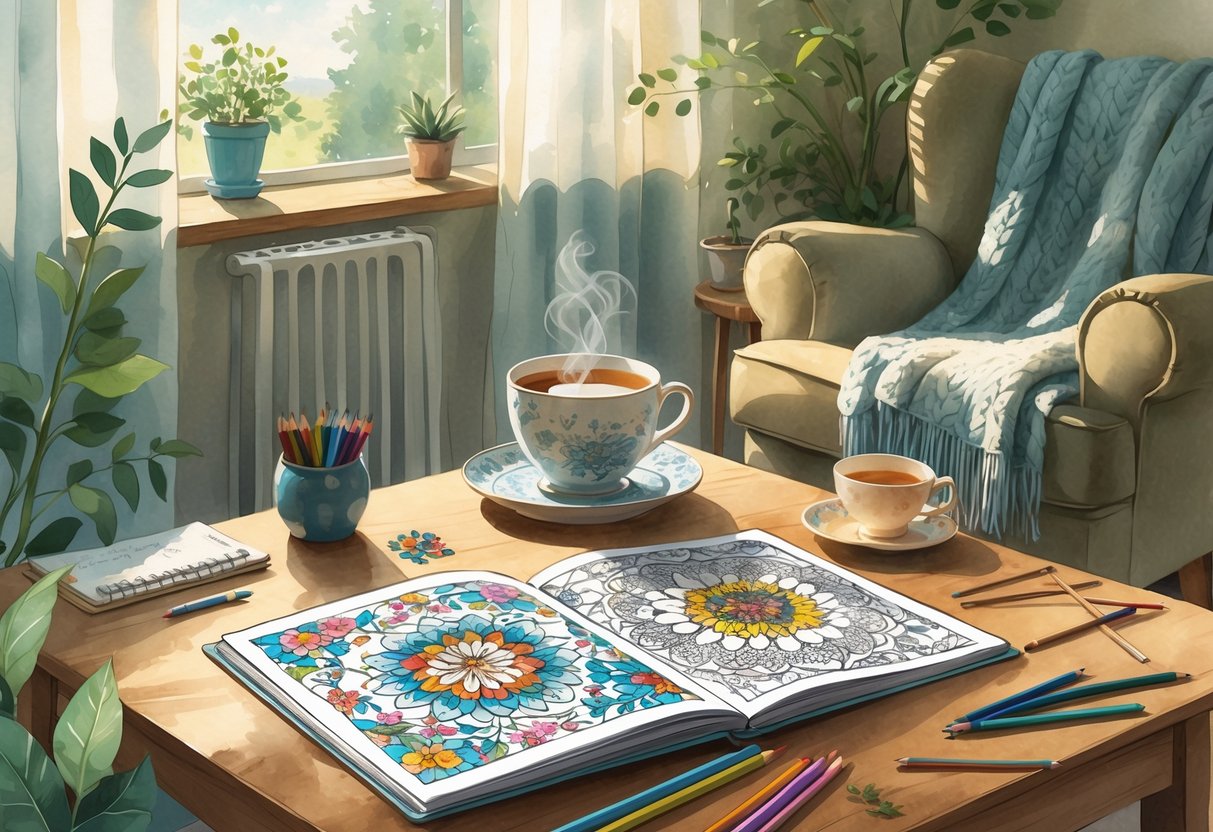
Adult coloring books can be a simple way for you to unwind after a busy day with your baby. These books are not just for kids.
Many grown-ups use them to help ease stress and relax. You will find a lot of coloring books designed for adults.
Some focus on flowers and landscapes, while others offer intricate patterns or fun themes. For example, flowers and landscapes coloring books are popular choices for their calming effect.
You do not need special skills to start. Just pick up some colored pencils or markers and choose a book you like.
Coloring can be a mindful activity, helping you stay in the moment. It is a creative hobby, but it does not require a big time or money investment.
If you enjoy food art, there are cute food-themed coloring books that you might like. Many people find the act of filling in small details calming.
Others enjoy completing larger, simple designs that do not need as much focus. Some coloring books even come in sets, offering many themes in one package.
This lets you try out different types and see what relaxes you most. Coloring books also make it easy to take short breaks, even if you only have a few minutes.
This hobby works well for those times when you want quiet, peaceful activities. It allows for creativity, but it is low-pressure and flexible.
You can stop and restart whenever your baby needs attention, fitting it around your new routine as a parent. Coloring books for adults have become more popular recently.
Many people now use them as a tool for self-care and relaxation. If you want to explore more options, check out lists of the best adult coloring books to find one that fits your style.
8) DIY baby clothes or toys sewing
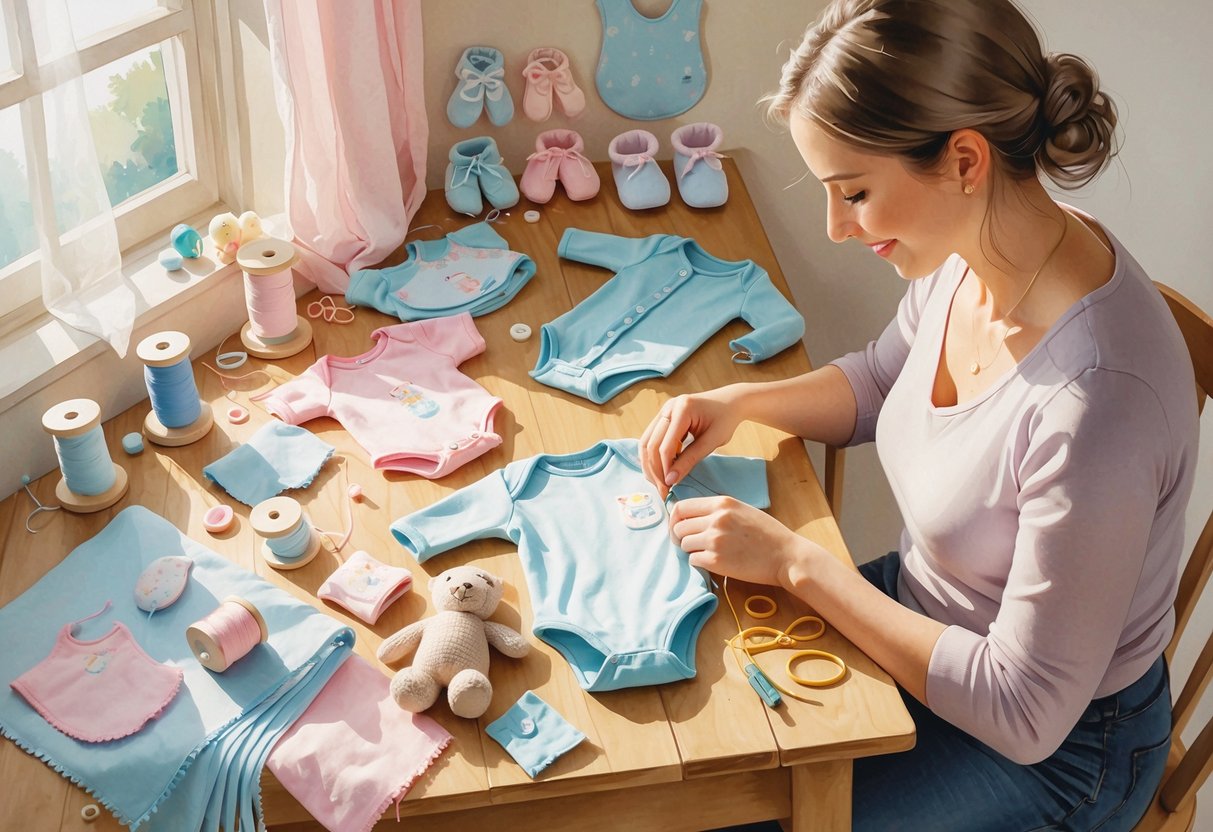
Sewing your own baby clothes or toys can be a creative and practical hobby. You don’t need to be an expert—many patterns are designed for beginners.
Simple projects like bibs, burp cloths, and baby hats let you make useful items with just basic skills. You can make burp cloths and bandana bibs that match your nursery décor.
These projects are quick to finish and make daily care easier. Making your own baby blankets, pacifier straps, and diaper clutches is also possible with easy-to-follow patterns.
Sewing toys for your baby is another fun option. You might like sewing soft blocks, plush animals, or taggie blankets.
Many free patterns and project lists are available online for DIY baby toys and easy baby sewing projects. You can use soft fabrics and colorful prints to make these toys safe and appealing.
Handmade baby clothes stand out because you control the fabric and design. A few popular sewing projects include baby booties, bubble dresses, and reversible outfits.
New parents often enjoy making coordinated gifts for their own babies or others. Even with limited time, you can sew small projects in just an evening.
If you are looking for more ideas, there are websites with lists of sewing projects for babies that include step-by-step instructions. Using your sewing skills for your new baby is a rewarding way to create something unique and personal.
9) Meditation and deep breathing exercises

Meditation and deep breathing exercises can help you manage stress and find small moments of calm during busy days. Even just a few minutes a day can make a difference in your mood and energy.
You can start with something simple like sitting quietly and focusing on your breath. Take a slow, deep inhale, pause, and exhale fully.
This helps relax your body and settle your mind. Guided meditation can also be useful, especially if you are new to the practice.
There are many apps and videos online designed for beginners. Deep breathing is another tool you can use anytime, even with your child nearby.
Techniques like 4-5-6 breathing, where you breathe in for four seconds, hold for five, and exhale for six, are easy to learn. Mindful breathing exercises can lower stress and help you focus better.
Meditation is flexible, so you can fit it into your schedule as you need. You might try five minutes after waking up, or a few deep breaths while your child naps.
Practicing mindfulness and meditation may improve your sleep and help you respond calmly to challenges as a new parent. For more ideas, learn how meditation can bring calm to your daily routine.
You do not need any special equipment to get started. Just a quiet spot and a few minutes are enough.
Over time, you may notice you feel more relaxed and able to handle daily ups and downs.
10) Making homemade jams and preserves

Making homemade jams and preserves is a relaxing way to use fresh fruit and spend time in the kitchen. You can try different fruit combinations and adjust the sweetness to your taste.
You do not need any special experience to get started. Just gather some fresh, ripe fruit, sugar, and a little lemon juice.
Simple recipes can be made without complicated equipment or canning. You can start small with refrigerator jam, which does not require water bath canning or special jars.
This method is quicker and saves time. If you want longer storage, you can look into basic canning techniques.
Preparing fruit for jam is simple. Wash and chop your chosen fruit, then cook it with sugar and lemon juice.
Stir until the mixture thickens. Adding lemon juice helps balance sweetness and improves the texture of your jam.
Even if you do not add extra pectin, many fruits contain enough pectin to thicken on their own. Stirring and simmering a little longer also helps get the right consistency.
Homemade jams taste fresh and are easy to store in your fridge. They can be enjoyed on toast, bagels, or as toppings for desserts.
It is a practical hobby that lets you use up extra fruit before it goes bad. Making your own jam is also a fun way to get creative with flavors.
Try adding a pinch of spice or mixing berries for something new. You can share your creations with friends and family, or even give them as gifts.
If you want a beginner-friendly guide, there are helpful steps and tips for making jam at home. This can help you feel confident as you try this hobby for the first time.
Benefits of Pursuing Hobbies as New Parents
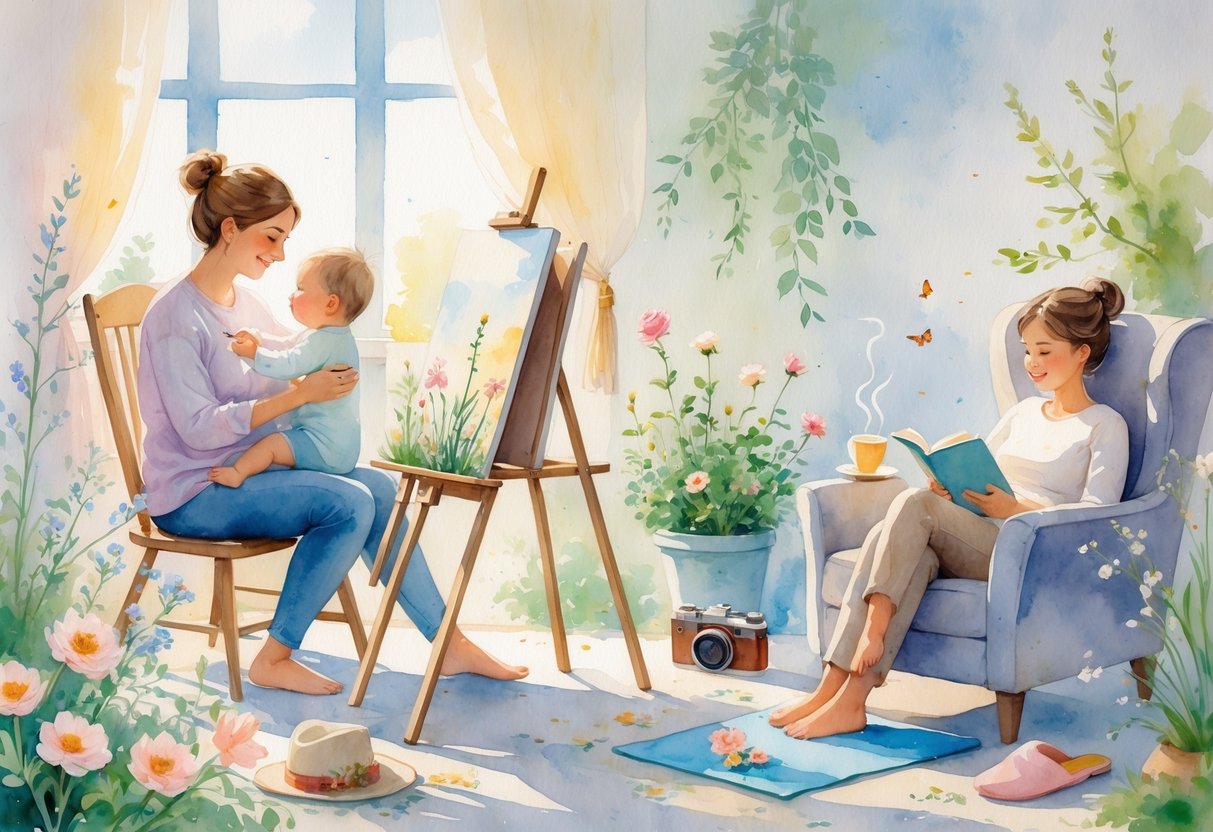
Taking up a hobby as a new parent can help lower stress, boost your mood, and even make family time more meaningful. The right activities don’t just help you enjoy your own time—they can also help your family thrive.
Supporting Mental Health
When you start a new hobby, you give yourself a break from the daily stress of parenting. Simple activities like drawing, gardening, or reading for a few minutes each day help your mind relax and recharge.
Making time for your interests can improve your mood and fight feelings of anxiety or sadness. Having a creative hobby can act as a safe outlet for strong emotions.
This kind of personal time is important because caring for a new baby can feel overwhelming or lonely. Hobbies like journaling, painting, or yoga let you focus on yourself for a little while, which can help you feel more balanced and less burned out.
Research shows hobbies can help you stay mindful and bring moments of peace to your day. They’re a way to show yourself care, which makes it easier to be present for your family.
Taking good care of your mind keeps you calmer and more patient with your child. Learn more about the mental health benefits at Savvy Sassy Moms’ article on why hobbies matter for parents.
Strengthening Family Bonds
Hobbies aren’t just for alone time—they can bring your family closer too. Sharing simple activities, such as baking, hiking, or playing music together, creates new memories.
It’s a chance to enjoy each other’s company outside of daily routines like chores or feedings. When you let your child join in or watch you have fun, they learn that it’s okay to have interests and try new things.
This teaches children healthy ways to spend their free time and helps them see their parents as whole people. Working together on a project can boost teamwork and communication between you and your family.
You can start family traditions centered around your hobbies, like weekend walks or crafts. These habits help everyone feel more connected and secure.
For more ways hobbies build family relationships, explore Surf and Sunshine’s guide on reasons parents need a hobby of their own.
Choosing the Right Hobby for Your Lifestyle
Picking a hobby that fits your daily routine can help you enjoy your free time and lower stress. By finding activities that match your schedule and needs, you are more likely to stick with your new hobby.
Time Management for Busy Parents
Time can be hard to find when you have a new baby or young children. You may feel tired and short on energy after a long day.
Choosing a hobby with flexible time requirements makes it easier to fit into your day. Try to set small, regular blocks of time for your hobby—like 10-15 minutes during nap time or after your child goes to bed.
Fitting your hobby into these small windows makes it more manageable and helps you keep it as part of your routine. If you find it too difficult to focus at night, try working on your hobby earlier in the day when you feel most alert.
Changing when you do your hobby, such as moving it to the morning, can help it work better with your natural energy and daily tasks. For more time tips, see advice on finding time for hobbies as a parent.
Considering Child-Friendly Activities
Some hobbies can include your child, making it easier to enjoy your activity and bond at the same time. These types of hobbies might include activities like drawing, gardening, or cooking simple recipes together.
Look for hobbies that are safe for young children and do not require much equipment or setup. Group activities such as family walks, easy crafts, or music sessions can keep your child close while you enjoy your hobby time.
If you want moments of true alone time, pick a hobby that your child can do alongside you independently, like coloring while you paint. This helps you stay present as a parent without giving up your own interests.
For more ways to blend your interests with child-friendly options, explore ideas in this guide for new parents on hobbies.
Frequently Asked Questions
New parents often worry about making time for hobbies, staying connected, and finding activities that fit easily into a busy routine with young children.
Some hobbies can include your baby or toddler, while others provide much-needed time for yourself.
What are some easy-to-learn hobbies for parents with newborns?
Simple hobbies like journaling let you capture memories without much setup.
Taking daily photos of your baby is both fun and helps you document milestones as you learn more about photography.
Creating a small Zen garden on your desk or in your kitchen can offer five minutes of relaxation between feedings and naps.
How can new parents find time for hobbies with a baby?
Start with hobbies that don’t require large blocks of time.
Journaling, reading a few pages from a book, or taking quick photos are easy to fit into short breaks, even if your baby naps unpredictably.
You can also try involving your baby in certain activities, like listening to calming music together or taking short walks outside.
Using hobby time as a part of your daily routine helps you stick with it.
What hobbies can help new parents relieve stress effectively?
Mindful activities like building a Zen garden or practicing simple yoga stretches can help reduce stress and create moments of calm.
Journaling or coloring can be soothing as well.
You can also try cooking new recipes that focus on healthy, comforting foods.
Spending a few minutes making something just for yourself can be relaxing and rewarding.
Are there any hobbies that new parents can enjoy without leaving home?
Many hobbies are possible at home.
Journaling, photography, and gardening in containers or a small indoor space are good examples.
Cooking new recipes for your family or joining an online parents’ book club lets you connect with others and stay engaged while your baby naps nearby.
For more ideas, some parents look for mindful hobbies to practice at home.
What activities are recommended for parents looking to bond with toddlers?
Reading books together is a classic way to bond and help with early learning.
Baking simple recipes as a team can be both fun and a great teaching moment.
Exploring nature, even if it’s just a short walk in your neighborhood, can help you both relax and learn.
For more bonding activities, consider outdoor hobbies you can do with your toddler.
Which hobbies are best suited for mothers looking to connect with other parents?
Joining or starting a book club for parents is a great way to meet others and have adult conversations.
Cooking classes or playdate groups can also be a good way to share tips and stories.
Many new parents connect through online hobby groups if in-person meetings are hard.
You can find these on social media or through parenting websites.