
10 Best Hobbies for People Living Off-Grid to Enhance Self-Sufficiency and Wellbeing
Living off-grid opens up new possibilities for how you spend your free time. Without the distractions of modern technology and busy city life, you can focus on hobbies that connect you with nature and help you learn useful skills.
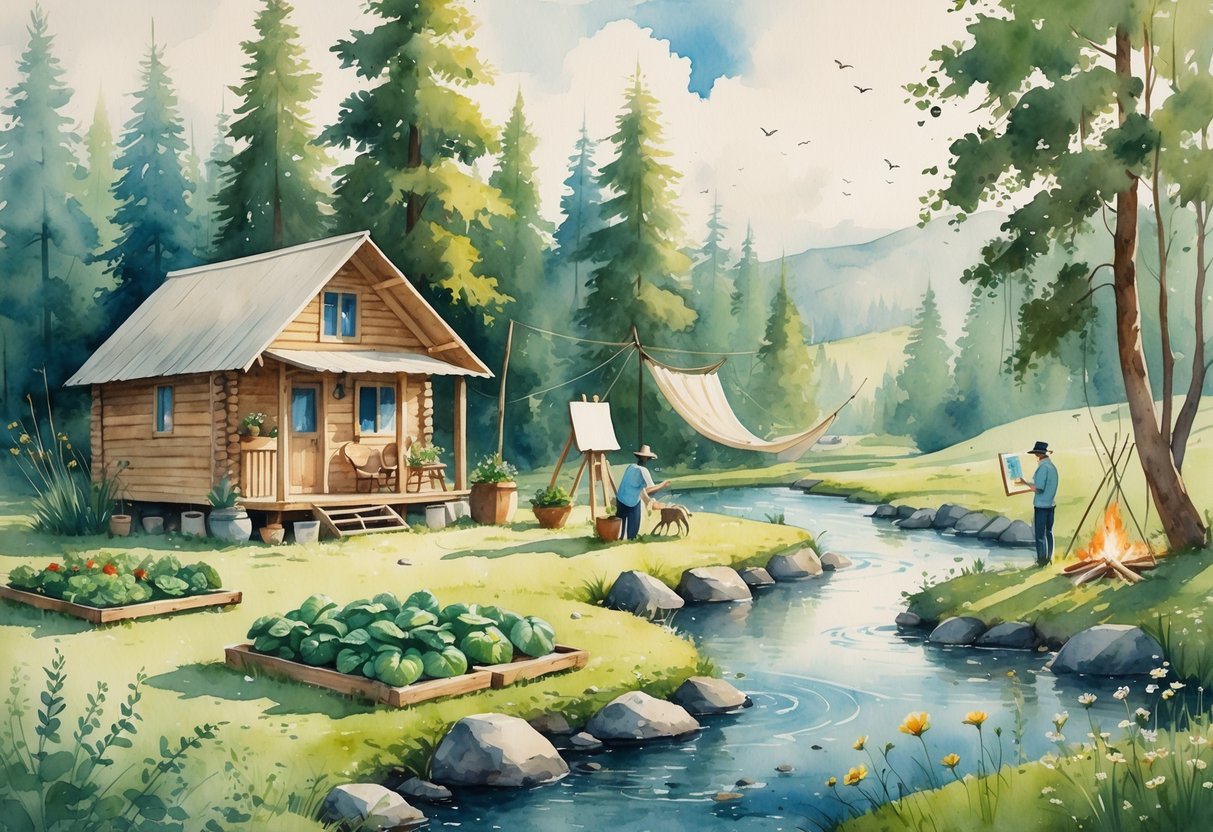
Choosing the right hobbies can make off-grid life more enjoyable, productive, and fulfilling. These activities give you a way to relax, stay active, and make the most out of your unique lifestyle.
1) Gardening for growing your own food and herbs
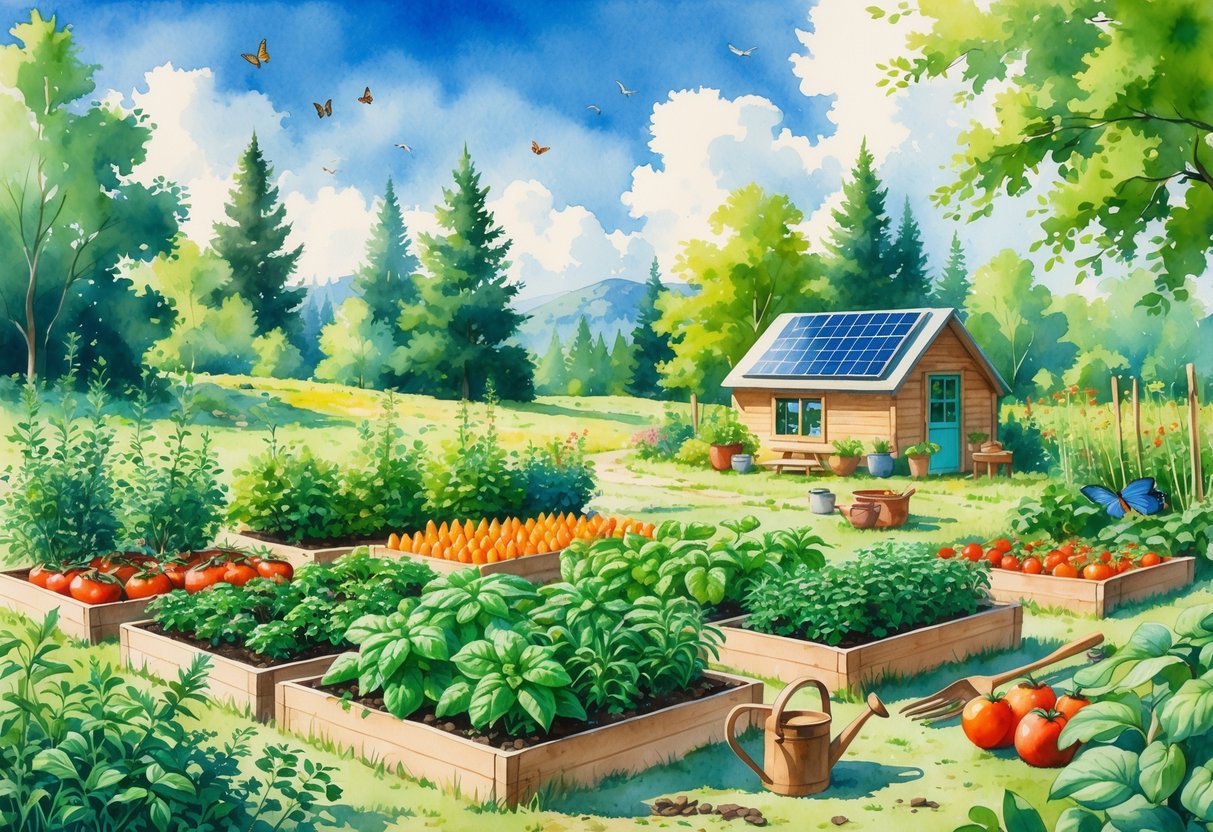
Growing your own food is one of the most practical hobbies when living off-grid. You can start small with just a few pots or set up larger beds, depending on your space and needs.
Even a modest 4-by-8 raised bed can give you fresh greens, tomatoes, and herbs straight from your backyard. Home gardening helps you save money on groceries.
When food prices go up, your garden can help cut costs. With careful planning, your harvest can even reduce your grocery bill by hundreds of dollars each year during peak months.
For more details about possible savings, check out this advice on gardening as a recession-proof hobby. You don’t need to be an expert to get good results.
Start with easy crops like lettuce, tomatoes, and herbs such as basil and mint. If you only have a small space, container gardening works well for these plants.
Container gardening is a great option if outdoor space is limited. Protecting your garden is important.
Animals and even people may try to eat your crops, especially when food is scarce. Fencing can keep out most animals, but sometimes you’ll need more creative solutions.
For ideas on keeping your garden safe, read more about protecting your garden. Gardening also lets you eat fresher and healthier food.
You know exactly how your food is grown and avoid pesticides and chemicals found in many store-bought options. By growing your own herbs and vegetables, you are taking a step toward more self-reliant living and a healthier lifestyle.
2) Star gazing and astronomy

Living off-grid often means you are away from city lights. This makes your night skies much darker and clearer.
Stars and planets stand out brightly, giving you a great view every night. You do not need expensive equipment to enjoy stargazing.
A simple blanket for comfort and your eyes are enough to start. Over time, you might want to try binoculars or a basic telescope, but these are not required.
Learning the names of constellations can make the experience more interesting. With a star chart or a star map, you can figure out which stars and planets you are looking at.
You can also use a planisphere or sky guide to track the stars throughout the year. You may spot familiar star patterns called asterisms, like the Big Dipper or the Northern Cross.
These patterns are not full constellations but are easy to find and help you get started. If you become more interested, you can explore simple astronomy activities at home.
You might make a small model of an eclipse or try astrophotography using your smartphone. These small projects can be fun and educational.
The peaceful setting can make stargazing even more enjoyable. On clear nights, you might see meteor showers or even spot satellites crossing the sky.
Being off-grid gives you a chance to really notice the natural cycles in the sky. Stargazing is a hobby that works well alone or with friends and family.
You do not need to be an expert to enjoy the night sky.
3) Blogging about off-grid experiences
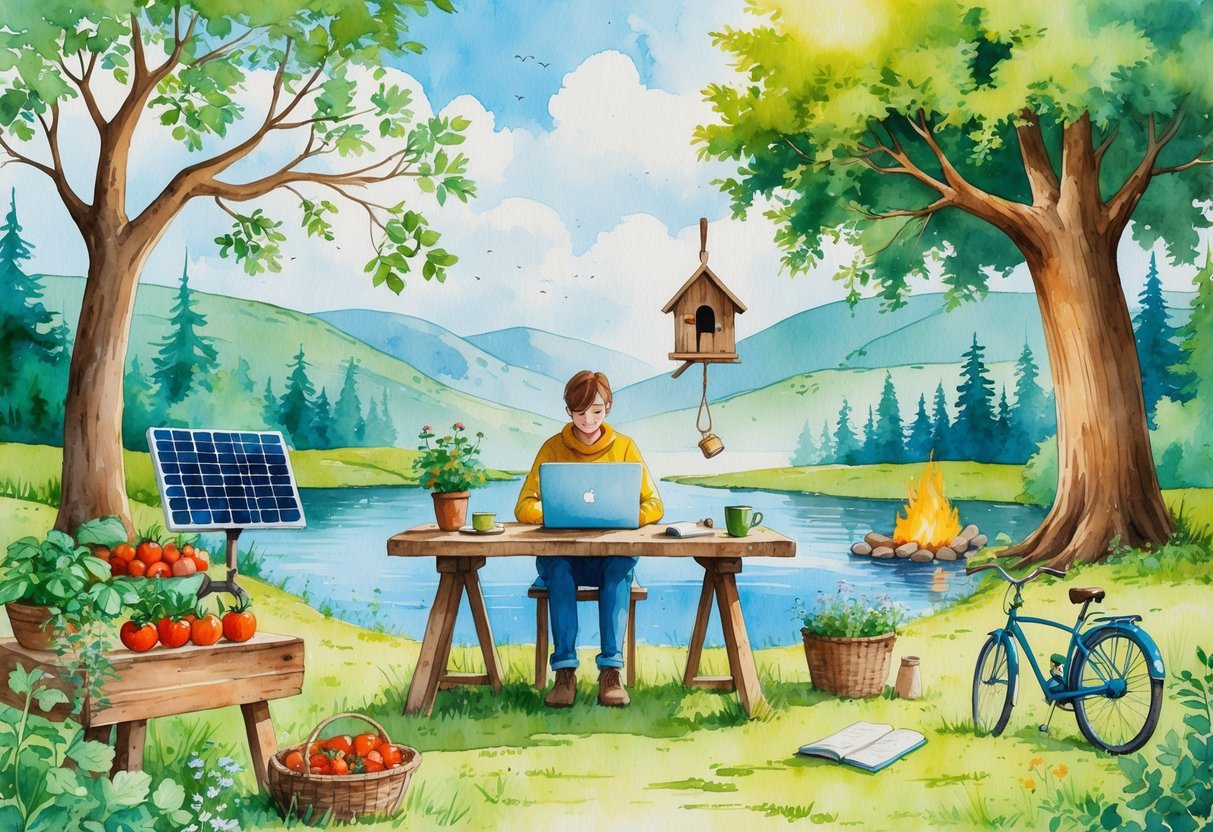
Blogging is a practical and fun hobby for people living off-grid. It gives you a way to document your experiences, daily life, and the challenges you face.
You can share your stories with people who are curious about off-grid living or want to learn from your journey. Starting a blog does not require a lot of equipment.
All you need is a laptop or a smartphone and a basic internet connection, even if it’s only available once in a while. You can write posts ahead of time and upload them whenever you have access to the internet.
Blogging about off-grid life lets you reflect on your own growth and progress. As you write about your successes and setbacks, you might find new solutions or ideas for your homestead.
It’s also a good way to keep in touch with family and friends or build an online community. Many off-grid bloggers choose to share tutorials, tips, and honest reviews about tools, gardening, or energy systems.
This kind of content can be helpful to others thinking about an off-grid lifestyle. You might start by posting about simple topics, such as how you set up your solar panels or how you save water.
Blogging can also open up chances to connect with others who live similarly. There are many lists online, like the top hobby ideas for off-grid life and best off-grid blogs, where you can find inspiration or even feature your own blog.
Sharing your off-grid story helps people around the world learn what it’s really like to live this way. Your posts may encourage someone else to try off-grid living.
4) Building and maintaining a survival garden
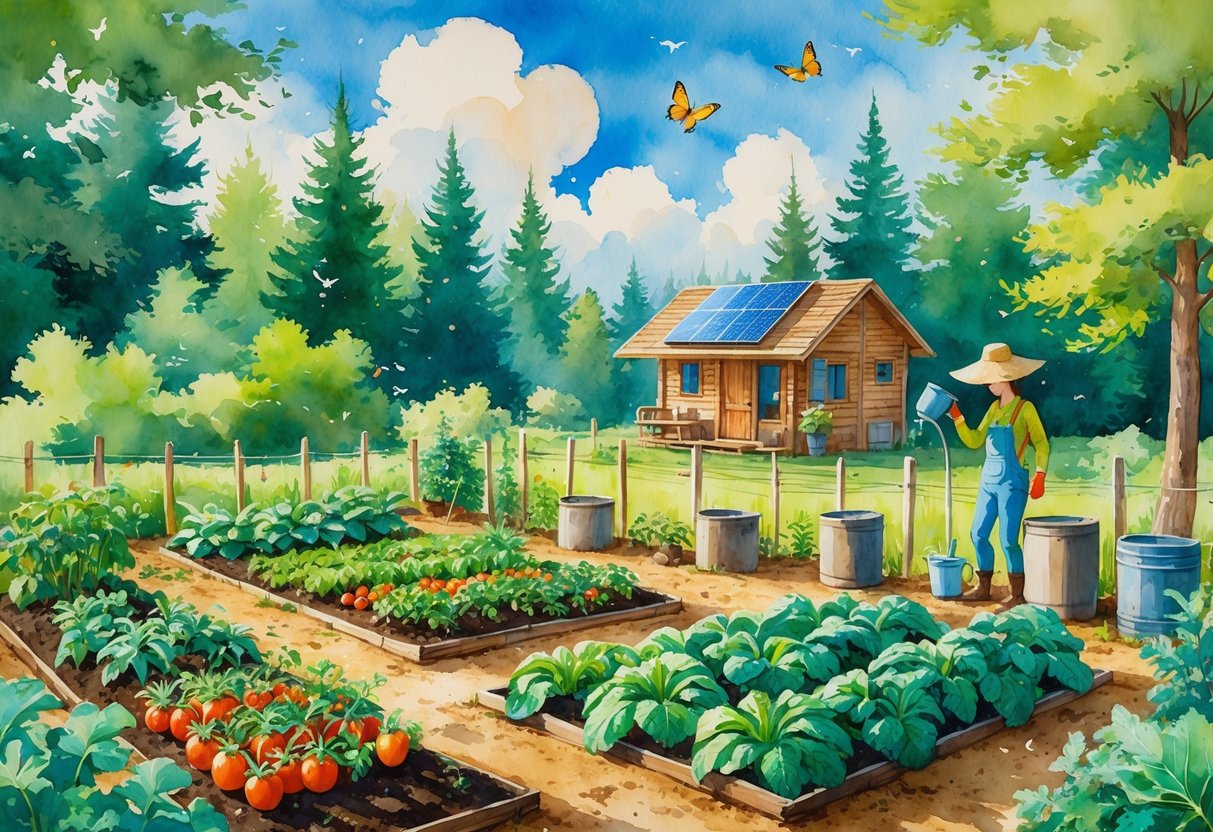
A survival garden is an important hobby when you live off the grid. It helps you grow much of your own food, making you less dependent on stores or outside supply.
With planning and regular care, your garden can provide fruits, vegetables, and even herbs for meals year-round. You need to pick a good spot that gets plenty of sunlight and has well-drained soil.
Most plants need at least six hours of sun each day to produce good crops. Adding compost or mulch can help improve the soil and keep it healthy.
Choose crops that grow well in your local climate. Some common choices are potatoes, carrots, beans, peas, and leafy greens.
Try to plant a mix so you can harvest food at different times and have a steady supply. Watering and protecting your plants is important.
You may need to set up rainwater collection or use mulch to keep the soil moist. Fencing or netting can protect your garden from animals that might eat your crops.
Maintaining your garden takes effort, but the rewards are worth it. You will learn how to deal with pests, weeds, and changing weather conditions.
Over time, you will get better at knowing what your plants need to grow strong and healthy. A survival garden is more than just a food source.
It can become a daily routine, give you fresh air, and teach useful skills that help you live more independently. To learn more about the basics, visit this detailed guide on growing a survival garden.
5) Woodworking and crafting furniture
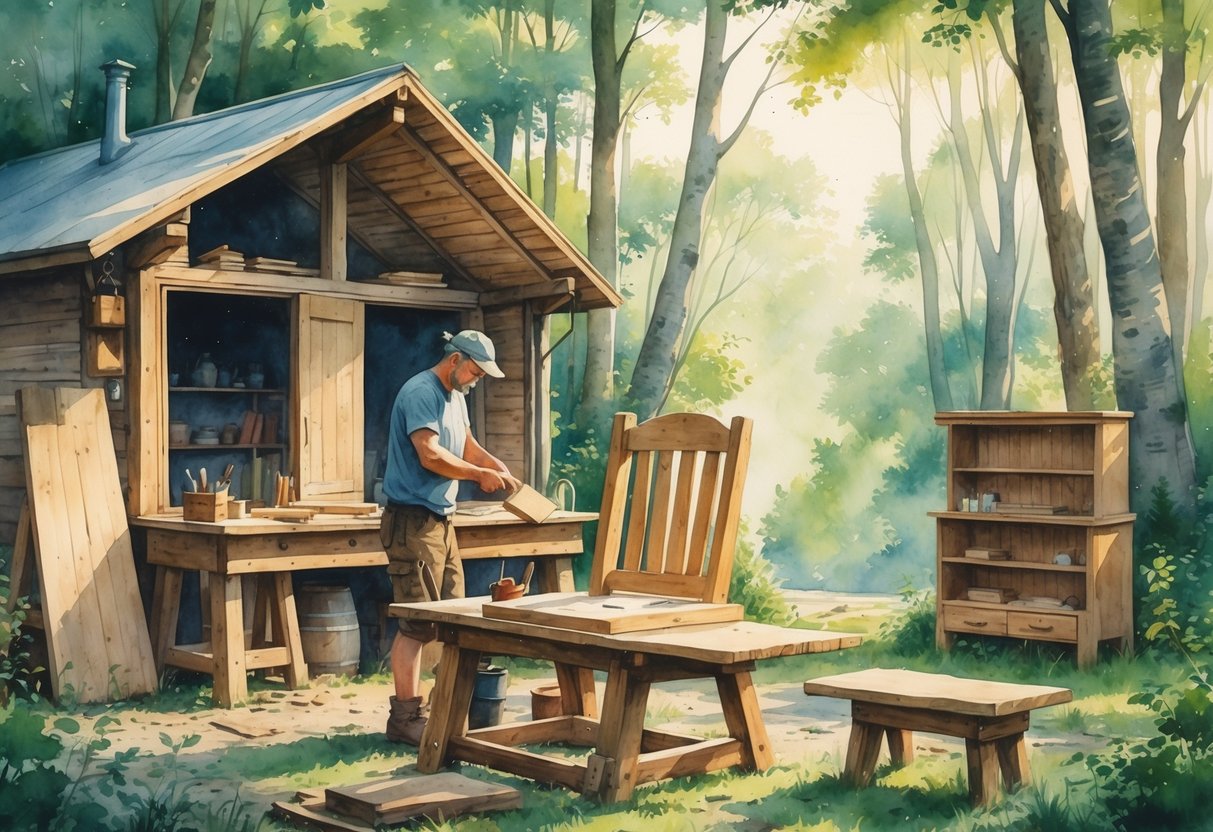
Woodworking gives you the skills to build and fix many things for your off-grid home. If you know how to use hand tools, you can make shelves, tables, beds, and storage boxes.
Learning woodworking helps you fix broken items or make something new when you need it. You do not need a lot of equipment to start.
Just a few basic tools and some wood are enough for small projects. A simple tool kit means you spend less money and can work even if you do not have electricity.
One fun woodworking hobby is wood burning, also known as pyrography. This lets you decorate wooden items with custom designs.
All it takes is a wood burning kit and a piece of wood. Pyrography can be a creative way to add a personal touch to your projects.
For some people, it even grows into a unique art style. You can learn more about creative woodworking activities at Tiny Workshops.
If you live off-grid, making your own furniture lets you shape your living space to fit your needs. You can build strong, useful pieces that fit your cabin or tiny home.
Some people create rustic furniture with local materials. This matches the off-grid lifestyle and helps your furniture last longer.
With practice, you may even decide to sell your work. Items like storage beds and custom furniture are often in demand, especially for small homes.
Selling your creations can help support your off-grid way of life. Working with wood can be both practical and relaxing.
It gives you something useful while letting you be creative at the same time.
6) Foraging for wild edible plants
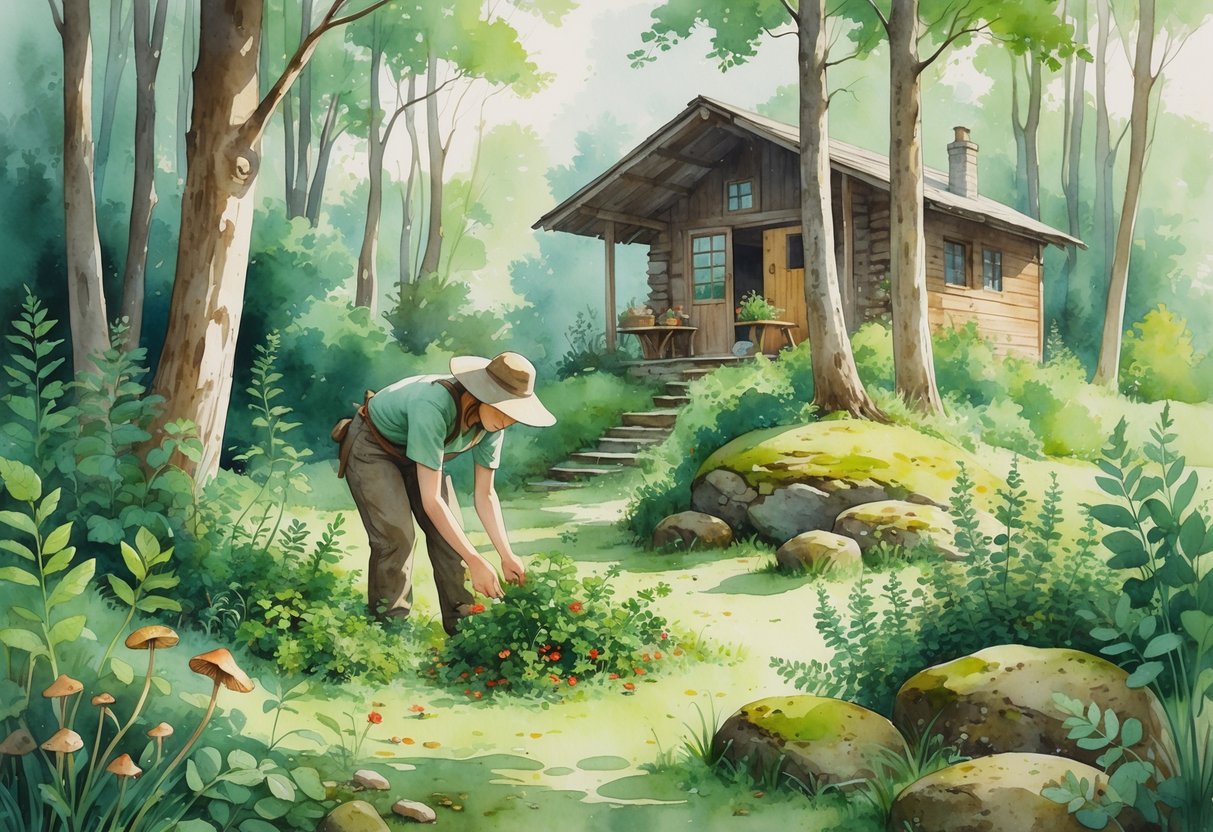
Foraging for wild edible plants is a practical hobby if you live off-grid. It lets you find natural food sources, which can help lower your dependence on stores or packaged goods.
You will need to learn how to safely identify plants. Some wild plants are safe to eat, but others can be dangerous or even deadly if consumed.
It’s always best to use a good field guide or a foraging app before picking anything. Many people enjoy walking through forests or meadows looking for edible plants like berries, greens, or wild herbs.
This hobby connects you with nature. When you start, be careful about where you gather plants.
Avoid picking from roadsides, as these areas may be sprayed with chemicals or pesticides. This tip is especially important for your health and safety, as noted by Off Grid World.
Testing wild foods before eating is a smart practice. If you aren’t sure about a plant, perform an edibility test or ask an expert for help.
Remember, just because one part of a plant is edible, it doesn’t mean all parts are safe. Respect the natural areas you forage in.
Pick only what you need, so plants can keep growing for others and for the future. Overharvesting can damage plant populations and harm local ecosystems.
Foraging gives you a hands-on way to learn about local plants. Over time, your skills will grow, and you’ll become more confident in finding safe foods in the wild.
You might also enjoy learning some survival basics through foraging skills as you get started.
7) Solar cooking and experimenting with solar ovens
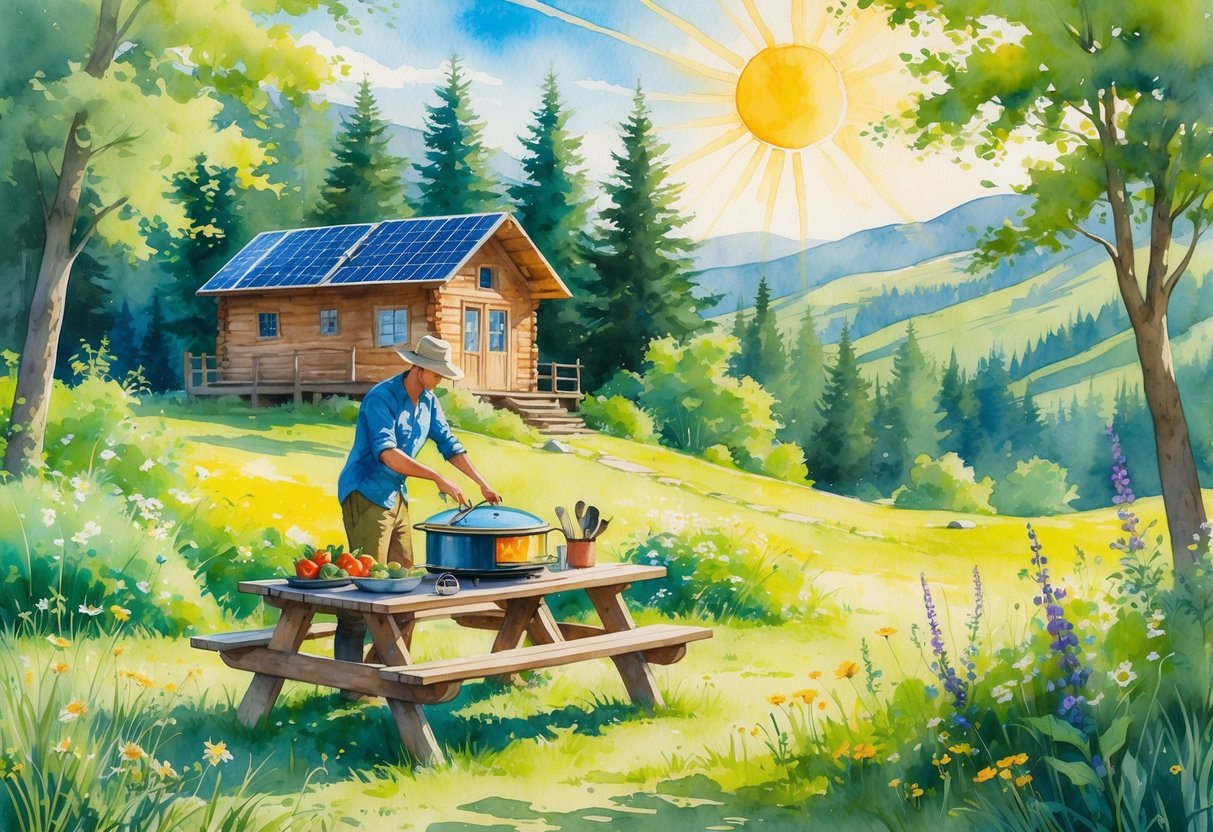
Solar cooking is a practical hobby for anyone living off-grid. You can use the power of the sun to cook meals without needing wood, propane, or electricity.
This makes your daily routine more sustainable and can lower your costs. With a solar oven, you can bake bread, cook stews, or heat water.
Many people start with homemade models made from cardboard boxes and aluminum foil. Over time, you might want to try more advanced designs or even build your own from scratch.
Solar ovens are a hands-on way to learn about renewable energy in your everyday life. Every sunny day is a chance to experiment with new recipes and different cooking techniques.
You can track how weather and sunlight affect cooking times or food texture. If you enjoy science projects, building and testing solar ovens can be a creative and rewarding experience.
Solar cooking can also help you prepare for emergencies and reduce your use of fossil fuels. It is quiet, safe, and works well for slow-cooked dishes like casseroles and rice.
Many people appreciate how solar cooking supports a greener, off-grid lifestyle. There are many designs you can try, from simple panel cookers to parabolic dishes.
You can find ideas for solar ovens and detailed instructions in online guides about making the best solar oven. Each design lets you experiment with different ways to harness the sun’s energy for cooking.
Learning how to use different solar ovens and testing new methods makes this hobby engaging. It combines practical skills with curiosity and creativity.
Solar cooking is an accessible way to explore sustainable living while enjoying good food.
8) Bird watching and nature observation
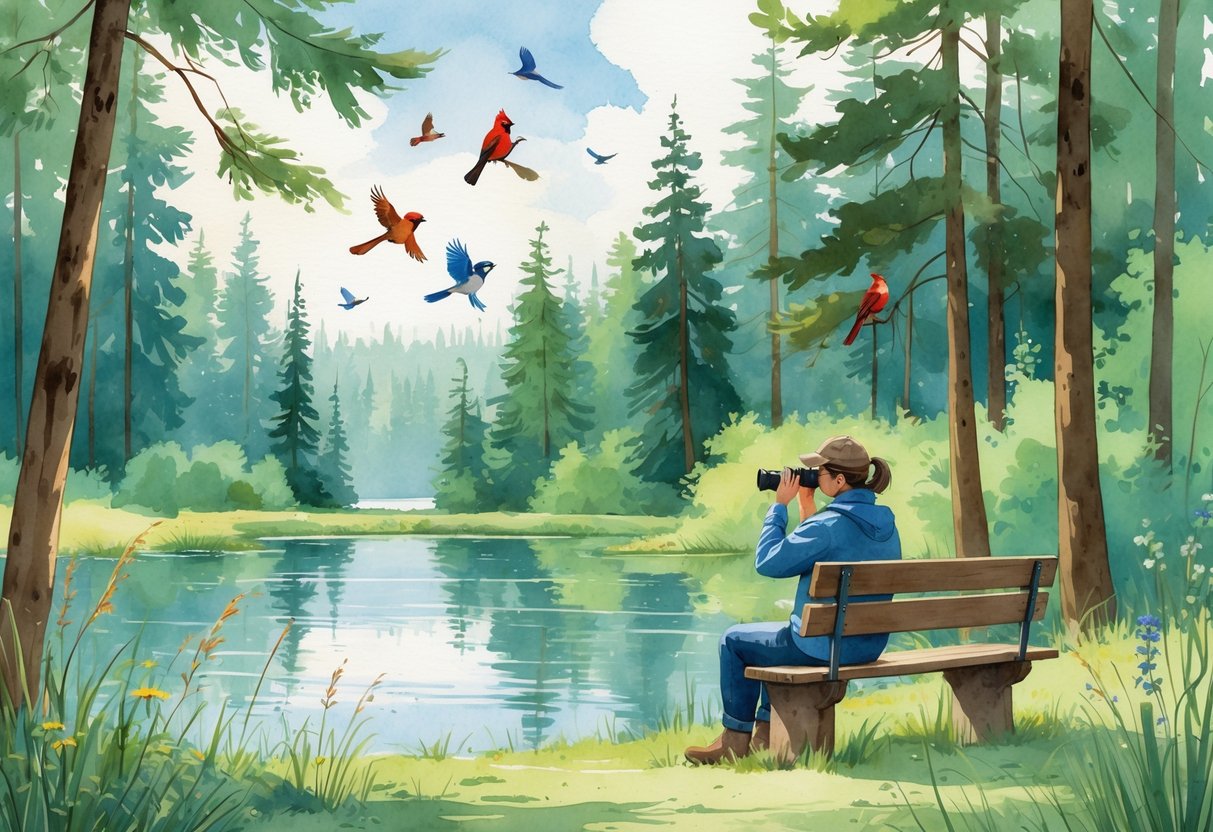
Bird watching is a peaceful hobby that lets you connect with the outdoors. Living off-grid gives you easy access to local wildlife and natural habits.
You can start by watching birds from your porch or while walking in the woods. A pair of binoculars is helpful, but you can begin without any special gear.
A notebook is useful for writing down the birds and animals you see. Tracking your observations helps you spot patterns over time, like migration or changes in the seasons.
You may notice birds by their unique calls or colors. In some areas, you can see a wide range of birds and even small mammals.
Try to observe them from a distance to avoid disturbing their natural behavior. If you’re interested in learning more, there are field guides and apps that help with identification.
Taking photos of what you see can be rewarding and helps you compare notes or share your experiences. Nature observation is not just about birds.
You might also enjoy looking for different types of plants, insects, or animal tracks. The time you spend outdoors teaches you about your land and how different creatures interact with it.
This hobby is suitable for all ages and can be as simple or detailed as you like. Whether you keep a full journal or just enjoy the moment, bird watching and observing nature bring variety and curiosity to everyday life.
If you want to find new ideas or tips, check out lists of hobbies that include observing nature and hobbies for animal and nature lovers for further inspiration.
9) DIY shelter construction and improvement
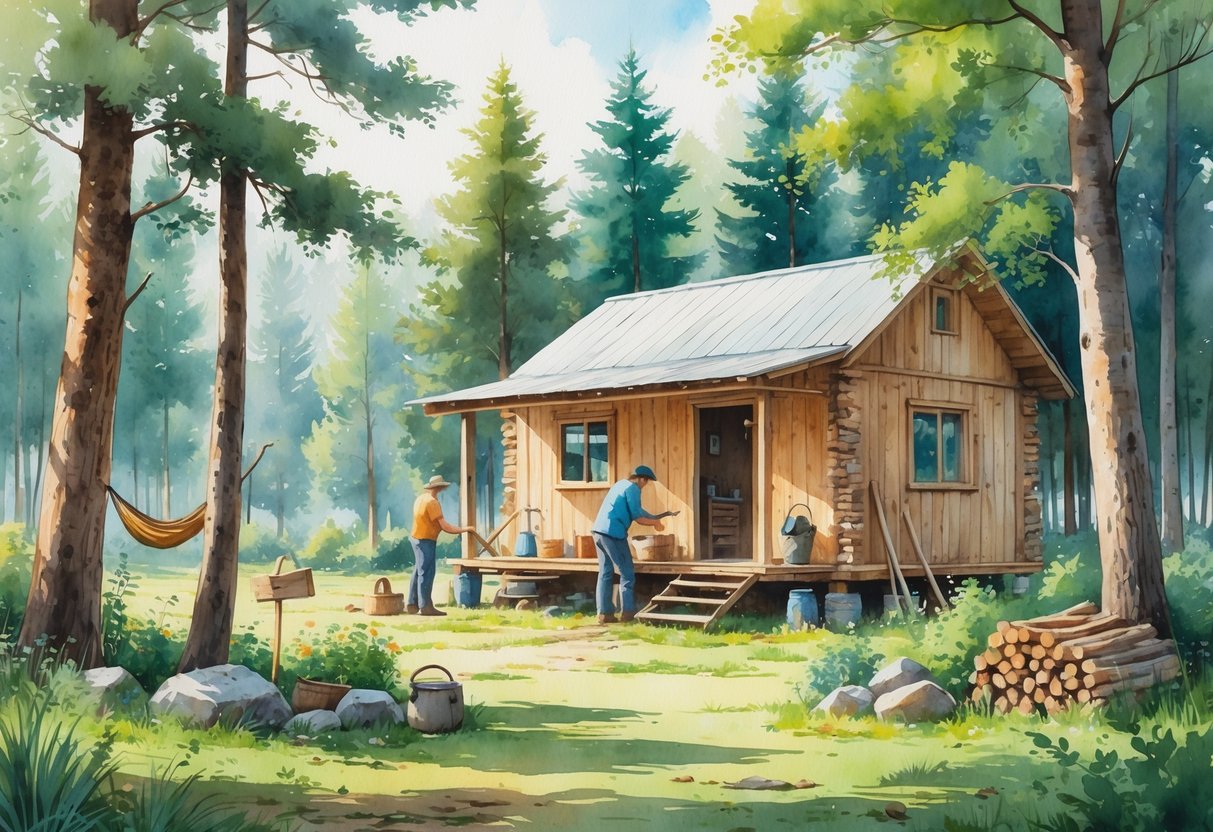
Building and improving your own shelter is a key hobby for off-grid living. When you handle shelter construction yourself, you control how it is built and what materials are used.
This skill allows you to create a space that fits your needs and keeps you safe from the weather. You can start simple by making a sturdy base, walls, and a roof.
As you gain confidence, you may want to add upgrades like better insulation, rainwater collection, or solar panels. If you want some inspiration and ideas, look at these DIY ideas for off-grid living.
Building your own shelter also helps you save money. Buying a pre-made home or hiring workers costs much more than doing the work yourself.
With some basic tools and local materials, you can make repairs and improvements whenever they are needed. You do not need a lot of experience to get started.
Many shelters can be built with common tools, wood, and nails. Even small improvements, like sealing gaps or adding extra layers, can make your shelter more comfortable.
There is always more to do, from patching a leak to adding a window for more light. Some people even try new building techniques, like passive cooling or using natural materials such as clay or straw bales.
For more project ideas, see this list of off-grid DIY projects. Building and improving your own shelter gives you a safe place to live that is made for your exact needs.
It is a hobby that gives both practical results and pride in your skills.
10) Hand-powered tool projects
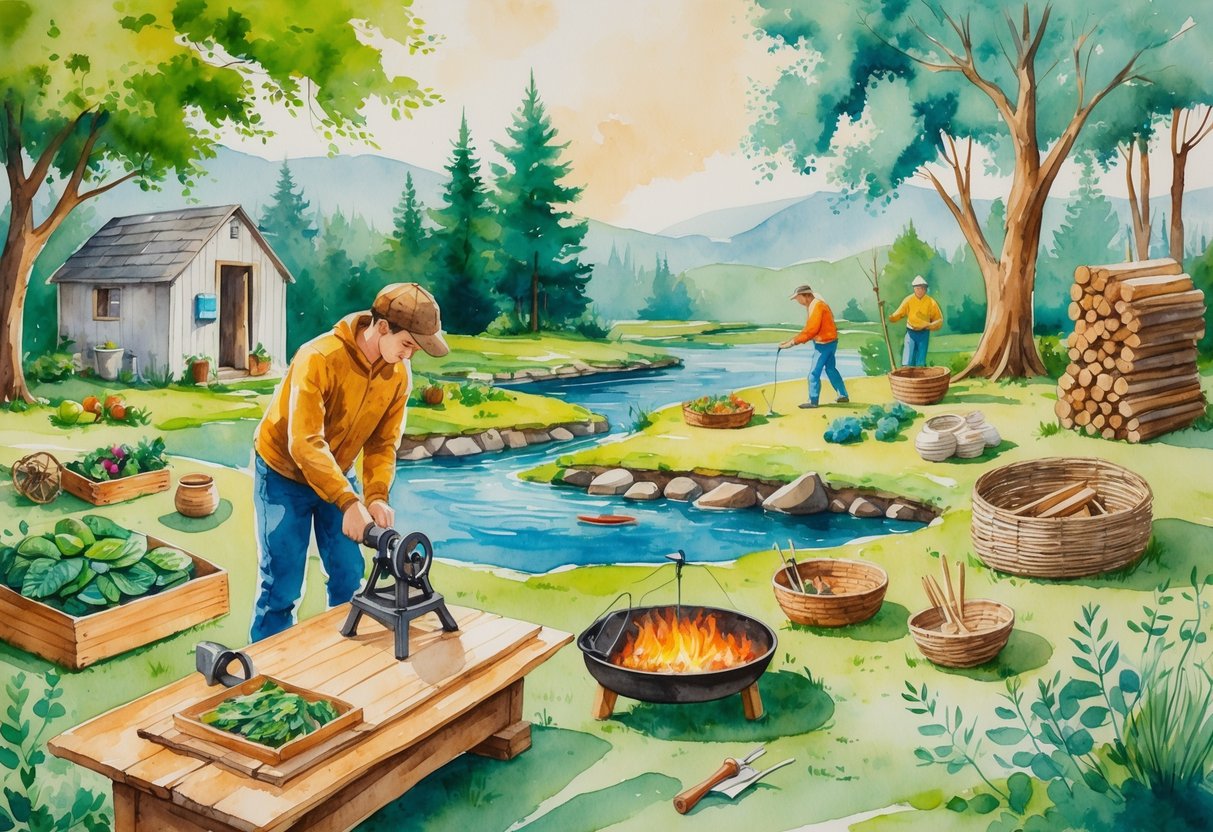
Building and maintaining things with hand-powered tools is a practical and rewarding hobby when you live off the grid. You will depend on these tools for repairs, woodworking, gardening, and even small construction jobs.
Learning how to use hand saws, hammers, hand drills, and screwdrivers saves you from relying on electricity. These projects can be as simple as making a wooden bench or as involved as building a small shed.
With practice, you’ll become more confident working without power tools, and your skills will improve over time. Hand-powered tool projects also help you stay prepared for emergencies and reduce your need for outside help.
Many off-grid communities recommend stocking up on essential hand-powered tools. Items like hand-crank grain mills, manual water pumps, and non-electric kitchen gadgets keep your homestead running even if the power goes out.
These tools are often easier to repair and last longer than powered alternatives. Working on hand tool projects teaches patience and problem-solving.
You’ll learn basic carpentry, metalworking, and simple mechanics as you tackle different tasks. It can also be satisfying to build or fix things with your own two hands.
This hobby gives you the freedom to create what you need using what you already have. You can repurpose old materials and avoid waste.
Teaching your family these skills helps everyone become more self-sufficient and self-reliant. Spending time on hand-powered tool projects keeps your mind and body active.
It’s a great way to spend rainy days or quiet evenings. Each project gives you a sense of achievement while helping your home and property.
Benefits of Pursuing Hobbies Off-Grid
Taking up hobbies while living off-grid can help lower your stress, boost well-being, and give you useful skills for daily life. Many activities become more than just a way to pass time—they often meet real needs and increase confidence in your ability to thrive.
Stress Reduction and Improved Well-Being
When you spend time on hobbies like gardening or painting, it becomes easier to unplug from worries and focus on the present. The calm environment of off-grid living gives you a chance to enjoy peaceful moments and reconnect with nature.
These activities are known to help reduce anxiety and help you relax. Engaging in creative hobbies such as drawing, writing, or music can improve your mood.
With fewer digital distractions and busy city noises, you may notice you’re less tense and feel more refreshed. Even routine activities like working with your hands or learning new crafts let you express yourself and de-stress in a healthy way.
Spending time outdoors or working in the garden also supports your physical and mental health. Natural sunlight, fresh air, and daily movement from these hobbies can lead to better sleep and higher energy throughout the day.
Many people find their overall well-being improves the longer they stick with their off-grid hobbies. For more information, see ideas for engaging activities while living off-grid.
Enhancing Self-Sufficiency Skills
Many popular off-grid hobbies are also practical, helping you solve everyday challenges without depending on outside services. Activities like gardening, carpentry, and food preservation teach useful techniques that let you take care of your own needs.
By getting hands-on experience, you become more resourceful and independent. You can also learn how to fix tools, build structures, and grow your own food.
Each skill you pick up makes it easier to manage tough situations or unexpected problems. Over time, you gain more control over your life and become less affected by supply shortages or price changes.
Hobbies such as DIY projects, sewing, or even cooking with limited ingredients push you to think creatively and use what you have. These practical hobbies have the added benefit of giving you confidence to try new things or tackle difficult jobs on your own.
To explore more about hobbies that support a self-sufficient lifestyle, check out this list of sustainable hobbies for off-grid living.
Tips for Incorporating Hobbies Into Off-Grid Living
Finding the right approach can help you enjoy your hobbies while dealing with fewer resources or limited social contact. Small adjustments and practical habits make it easier to stay consistent with the things you love.
Maximizing Limited Resources
Living off-grid often means that you have to be careful with what you use. Many hobbies can be adapted for small spaces or basic supplies.
For example, you can upcycle old items for arts and crafts or use recycled materials for construction projects. Make a habit of reusing and repurposing everyday objects.
Creating a supply inventory helps you know what you have on hand. Planning hobby activities around the seasons also helps, like gardening in spring then preserving food in fall.
Set up a small workspace that doesn’t need electricity, such as an outdoor table for woodworking or a corner in your cabin for painting. Stick to hobbies that rely on manual tools instead of electric ones.
Try using solar-powered gadgets when you can, which are great for off-grid situations and help you stretch your resources further, as suggested at Homes Off Grid.
Building a Supportive Community
Joining other people makes hobbies more enjoyable and sustainable. Even if neighbors are far apart, you can start a small group, share skills, or swap equipment and supplies.
Organize regular meet-ups at a central spot, such as a local co-op, library, or someone’s cabin. Many communities already do bartering and skill-sharing, which lets you learn new things and get help with projects.
Consider teaching a skill you know well—this often leads others to share knowledge in return. Stay in touch using walkie-talkies, community boards, or a shared phone tree.
Some off-grid groups even use solar-powered internet for online forums or video chats. Strong networks mean you have more ideas, support, and motivation, especially during hard seasons.
Frequently Asked Questions
What are sustainable hobbies suitable for off-grid living?
Sustainable hobbies use local materials and return benefits over time. Gardening for your own food and herbs teaches you about plants and provides fresh produce.
Woodworking with recycled or found wood lets you make things you need, like shelves or benches, without buying new supplies. Animal care, like keeping chickens or goats, is another option for food and learning about animal husbandry.
Raising animals responsibly supports a sustainable lifestyle.
How can I engage in creative activities without electricity?
Painting, drawing, and carving are classic creative activities that need little more than basic supplies. Writing in a journal or making crafts from natural materials are other choices.
You can still express yourself through music by playing acoustic instruments or singing. Outdoor photography using a film camera is possible, and you can learn film processing by hand.
Crafting furniture or simple decor through woodworking is rewarding and does not require electricity.
What types of hobbies can contribute to self-sufficiency?
Gardening is one of the best hobbies for self-sufficiency. Growing your own vegetables, fruits, and herbs could help reduce trips to the store.
Keeping small livestock gives you eggs, milk, or meat. Learning food preservation, such as canning or drying, is useful for storing your harvest.
Skills like making furniture or repairing your home help you maintain what you own.
Are there community-based hobbies for those living in remote areas?
Even in remote places, you can find ways to connect. Bartering and trading goods with neighbors can become a regular activity.
Organizing group projects or community gardens helps everyone share tools and skills. You might also join local clubs or attend regular meetings with nearby off-grid residents.
Sharing experiences through collective storytelling or group stargazing evenings builds strong community ties as described in off-grid activities.
What low-cost hobbies are well-suited for an off-grid lifestyle?
Many worthwhile hobbies cost very little. Gardening can start with saved seeds or cuttings from food scraps.
Collecting and identifying local plants or rocks only needs some written guides. Birdwatching, hiking, whittling, or nature journaling require few supplies.
Repairing tools, making simple crafts, or reusing old materials lets you create and enjoy hobbies without much expense. Learn more about low-cost hobbies that fit off-grid living.
How can I incorporate my off-grid environment into my hobby choices?
Look for hobbies that use what’s around you. Use wood from nearby forests for woodworking projects or natural dyes from local plants for crafts.
Gardening with native plants will save water and connect you with the local ecosystem. Stargazing is often better away from city lights and can become a nightly hobby.