10 Best Hobbies for People Rebuilding After Divorce: Meaningful Activities to Start Anew
Divorce often brings big changes and can leave you searching for new meaning and direction. During this time, picking up new hobbies can help you rebuild your confidence and discover what truly makes you happy.
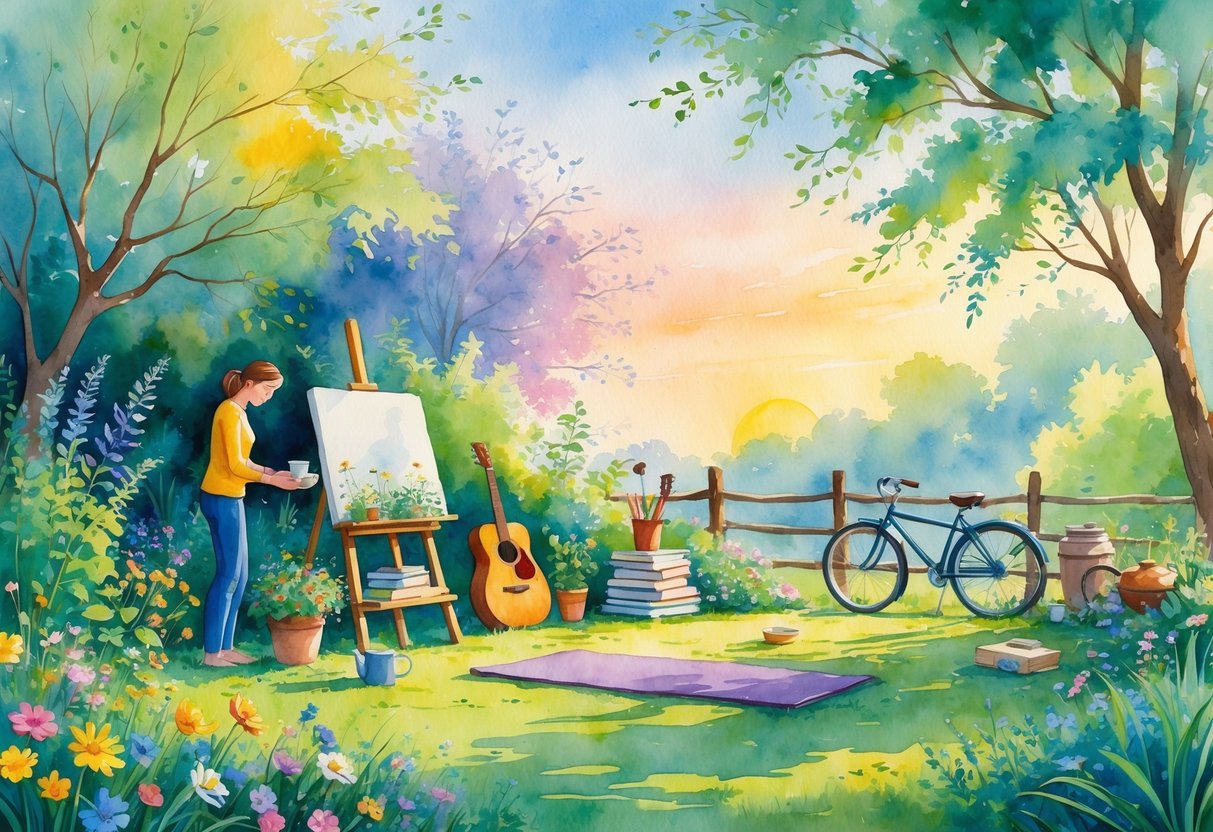
Finding the right hobbies after a divorce gives you a chance to focus on yourself and enjoy life in new ways. With the right activities, you can reduce stress, meet new people, and reconnect with your interests as you start a new chapter.
1) Yoga for stress relief and mindfulness
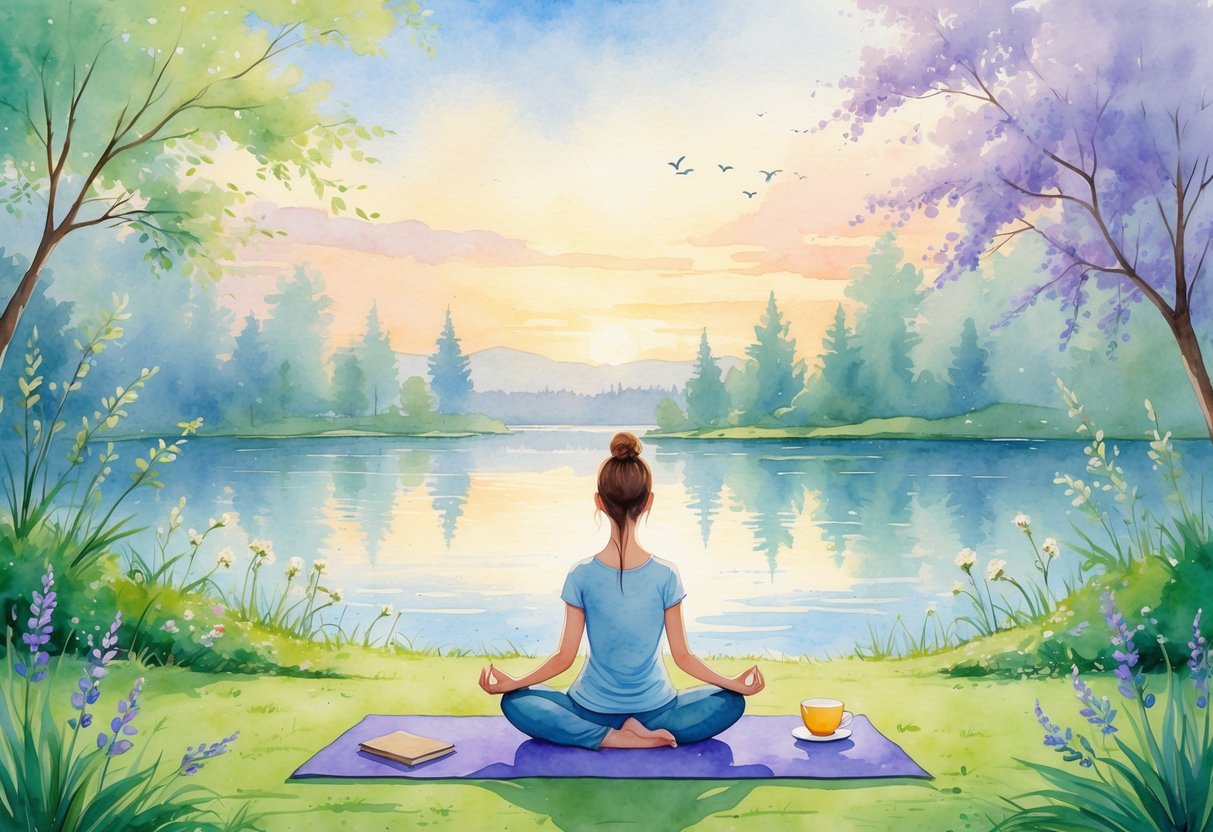
Yoga can help you deal with stress after divorce. It lets you focus on your breath and body.
This focus on the present moment helps quiet worries about the past or future. Even a short yoga session can help you feel calmer.
You do not need to be flexible or experienced to start yoga. Many classes welcome beginners and offer simple movements.
You can also find videos online to practice in your own home. Yoga supports both your mind and your body.
The gentle stretching and movement can ease tight muscles. Practicing poses and breathing exercises may also help you sleep better.
Adding yoga to your routine can give you a sense of structure. It is a healthy activity you can do alone or with others.
Many people find yoga helpful for developing mindfulness. Mindfulness means paying attention to what is happening in the present.
Doing yoga invites you to notice your thoughts and feelings without judging them. If you are interested in other ways yoga helps, it may increase feelings of well-being and lessen anxiety.
It does not take much time—just a few minutes each day can make a difference. If you need more ideas or want to explore related hobbies, read about mindfulness hobbies to help you stay grounded during divorce recovery.
2) Painting to express emotions and creativity
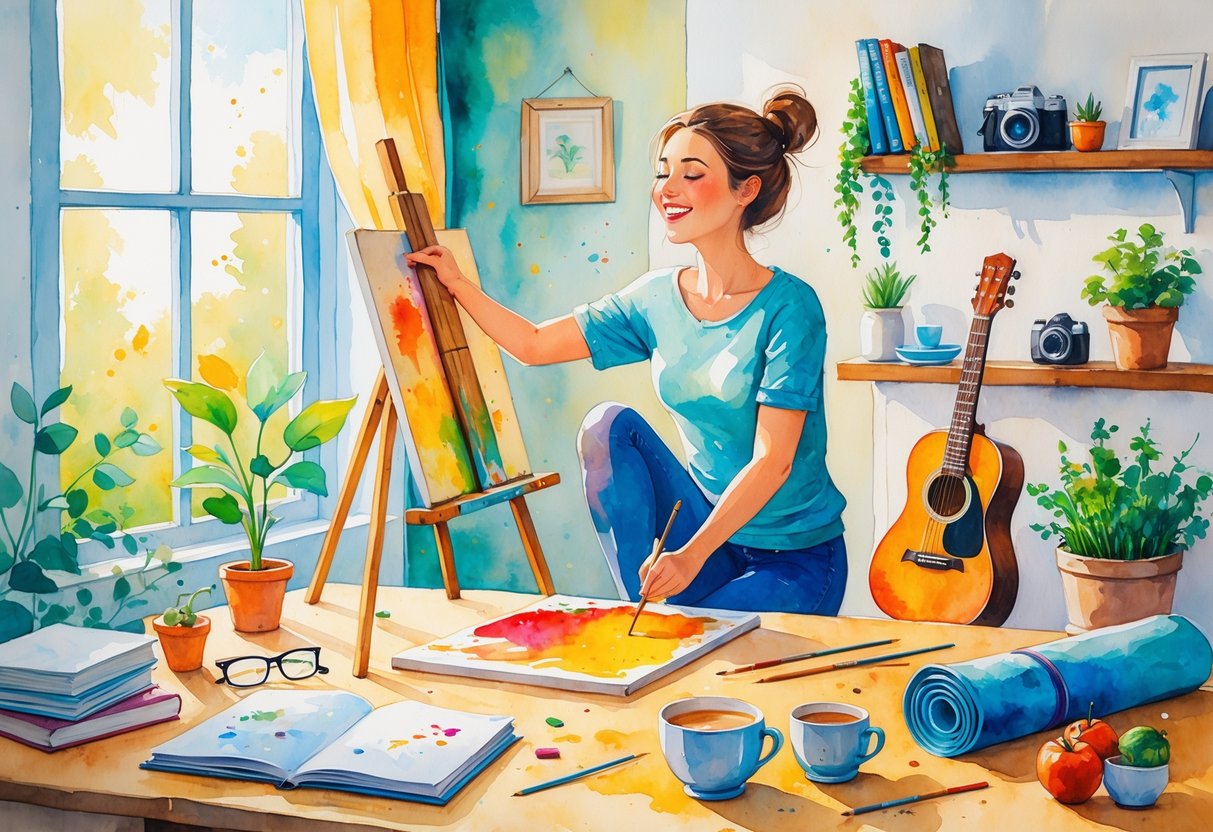
Painting can be a healthy way to process your feelings during tough times. You do not need to be a professional to enjoy painting or to benefit from it.
Even simple brushstrokes or colors can help you understand your emotions a bit better. When you paint, you have the freedom to express thoughts you might not want to say out loud.
This makes painting a good outlet for difficult emotions like sadness, frustration, or confusion. Some people find that the act of painting brings a sense of relief.
Using art to manage your emotions is not just for artists. Anyone can pick up a paintbrush and try to create.
Sometimes, just the act of moving paint across paper or canvas can release stress and help you feel more in control of your feelings. You might notice that painting helps you relax.
Many people find it calming to focus on colors and shapes rather than their worries. This creative hobby offers a break from daily concerns and lets you shift your attention.
Painting lets you see your progress over time, which can boost your self-confidence. Even if your pictures are simple, you may feel proud of what you create.
Some experts agree that creating art can give you a safe way to express complex feelings. You may reflect on your painting later and notice new things about your emotions.
You can paint alone for quiet time, or you can join a group to meet others. There are classes in many communities where people use painting to connect and heal.
Getting involved with others who like to create art might help you feel less alone.
3) Tabletop roleplaying games for social connection
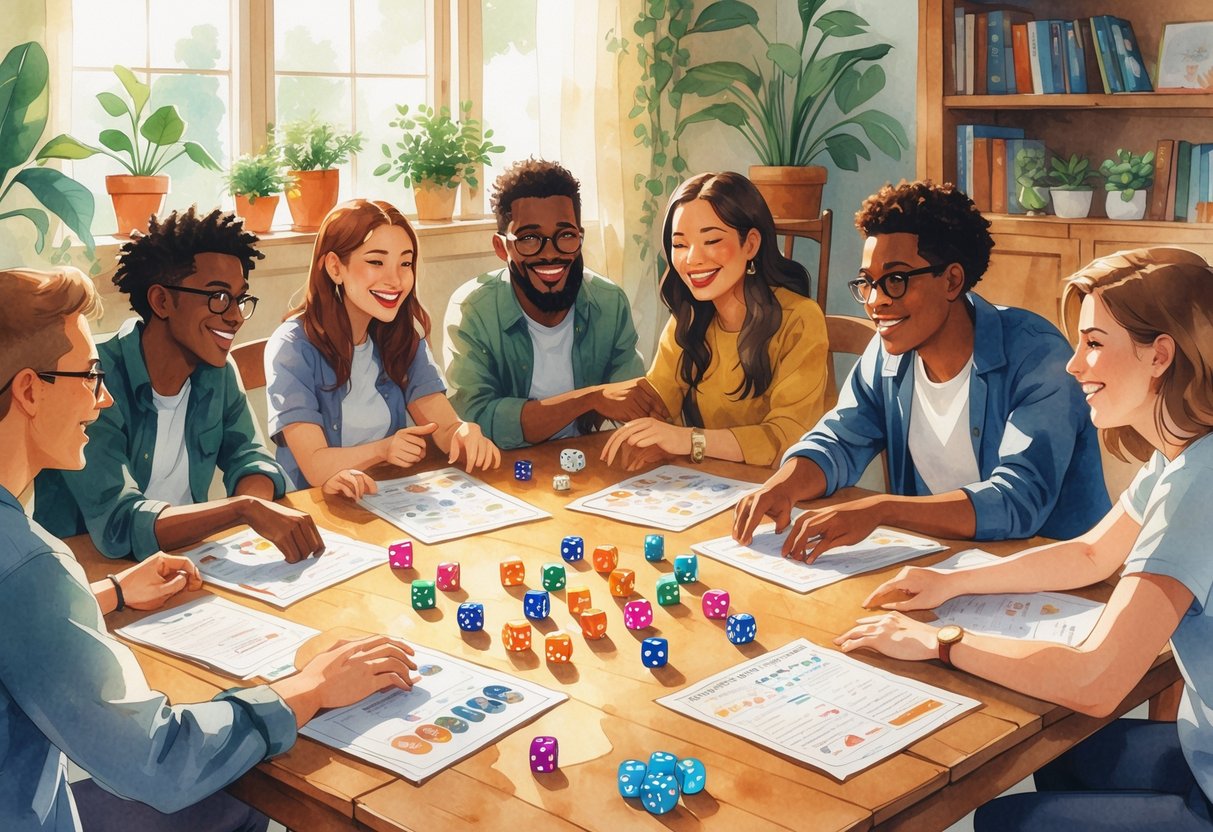
Tabletop roleplaying games (TTRPGs) like Dungeons & Dragons or Pathfinder let you pretend to be a character in a story with others. You work together to solve problems, explore new worlds, and sometimes share a few laughs.
These games don’t require any acting skills—just a willingness to participate. Playing TTRPGs can help you meet new people or reconnect with old friends.
You sit together at a table or join a group online, using imagination and simple game rules to guide your adventure. This can be a positive way to build social bonds and reduce feelings of loneliness.
A big advantage is that TTRPGs encourage teamwork and communication. Every player has a role to play, and you learn to listen, share ideas, and make decisions as a group.
This helps you practice working with others in a relaxed and friendly environment. You don’t need expensive equipment.
Most games use basic supplies like dice, pencils, and paper. As interest in these games continues to grow, finding a local group or joining online communities is becoming easier.
TTRPGs are now recognized as a useful way for people to socialize and build supportive connections, especially when starting fresh in life. Learn more about how TTRPGs help people make connections at Good Men Project.
Even if you have never played before, you will likely find guides and beginner-friendly groups willing to help. Trying a TTRPG can be a rewarding way to step out of your comfort zone, have fun, and feel part of a community.
4) Gardening to nurture growth and patience
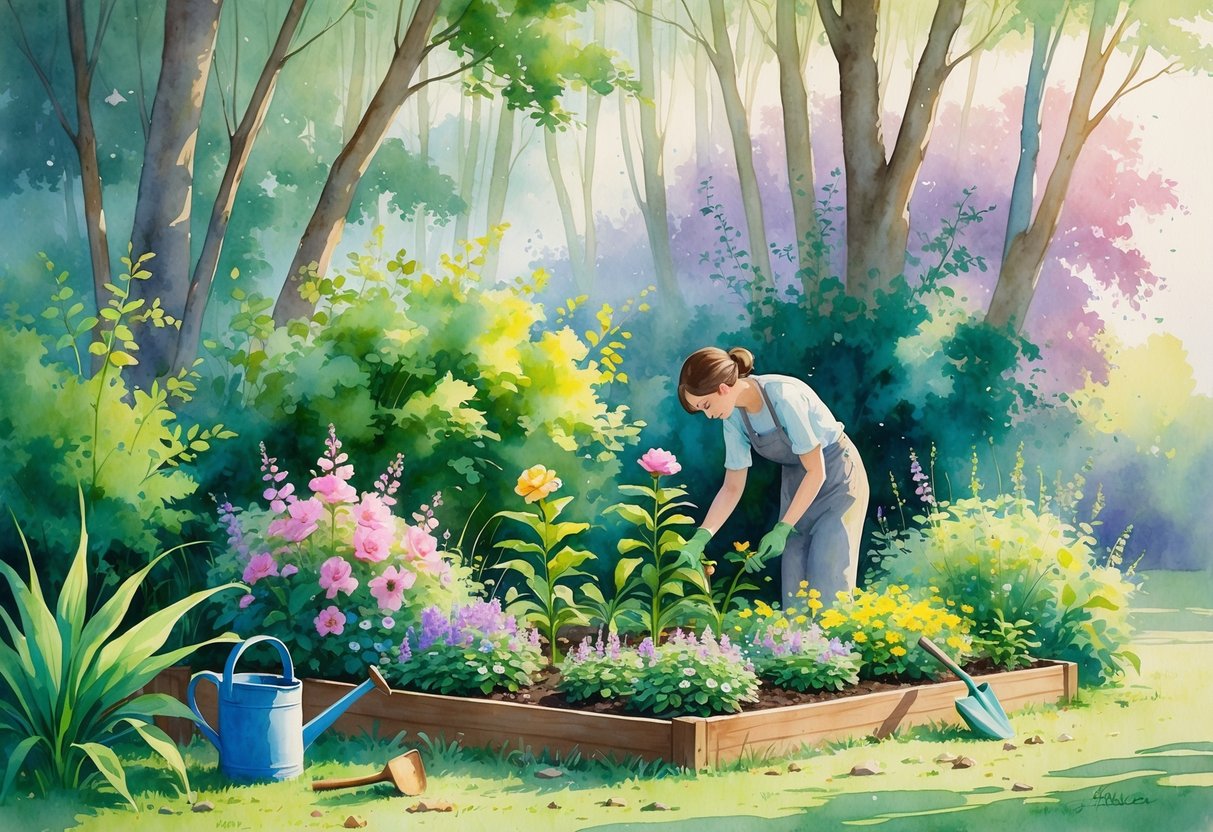
Gardening is a calming activity that lets you focus on something positive. When you care for plants, you spend more time outdoors and get gentle exercise.
It can also help you clear your mind and give your day a peaceful routine. You do not have to be an expert to start gardening.
Even if you only have a small space, you can grow a few herbs or flowers in pots. As you watch plants grow and change, you can feel a sense of progress and pride.
Gardening teaches you to be patient. Plants take time to grow, so you learn how to wait and let things happen at their own pace.
Many people find that waiting for flowers to bloom or vegetables to be ready helps them feel calmer and more hopeful. Growing your own plants and food has other benefits too.
Gardening can help you take care of your health by providing fresh air and gentle movement. For some, growing fruits or vegetables at home adds fresh ingredients to your meals.
Spending time in nature is known to reduce stress. Digging in the soil, watering plants, and seeing results from your care can give you a sense of achievement.
You might even notice your mood improve after spending time in your garden. You can make gardening as busy or as simple as you like.
Whether you plant a whole backyard or just a few pots on your windowsill, it gives you something to look forward to each day. Gardening is not just a hobby; it is a way to nurture new life and your own growth at the same time.
If you are looking for a nurturing, slow-paced hobby, gardening is a great choice. Learn more from this list of top hobbies for slow living and how gardening helps with life skills.
5) Journaling for self-reflection and healing
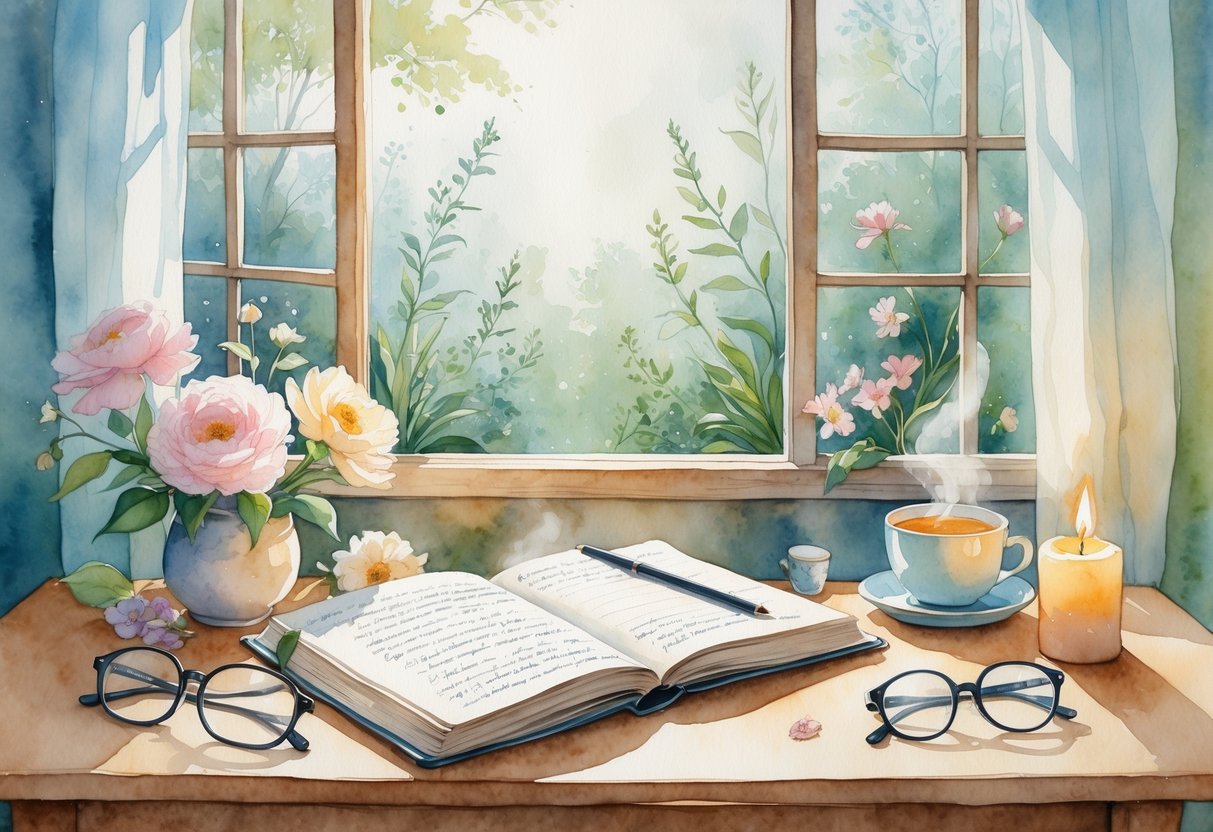
Journaling can help you understand and process your emotions after a divorce. Writing your thoughts on paper helps you see what you are feeling and why.
This makes it easier to spot patterns in your mood and behavior. When you journal, you give yourself space to work through hurt and confusion.
This is a private activity. You can be honest without worrying about what anyone else thinks.
Many people use journal prompts to help them get started. You might write about your goals, hopes, or what you are grateful for.
Focusing on these topics can encourage healing and growth. Journaling after divorce is a simple way to track your progress.
As you look back at old entries, you can notice your growth and changing feelings over time. This can be motivating and helpful for your mental health.
Some people like to use guided prompts, which are questions or statements designed to spark reflection. These can include exploring your past, naming your goals, or building self-love.
Journaling is flexible. You do not need to write every day or follow rules.
You can write in a paper notebook or a digital app. Overall, journaling lets you express feelings that might be hard to share aloud.
It can help you process grief and plan for a better future. This habit supports emotional healing and helps you rebuild confidence.
You can also combine journaling with other hobbies, like art or walking, for even more benefits. Whether your entries are long or short, this hobby gives you time to listen and respond to your inner thoughts.
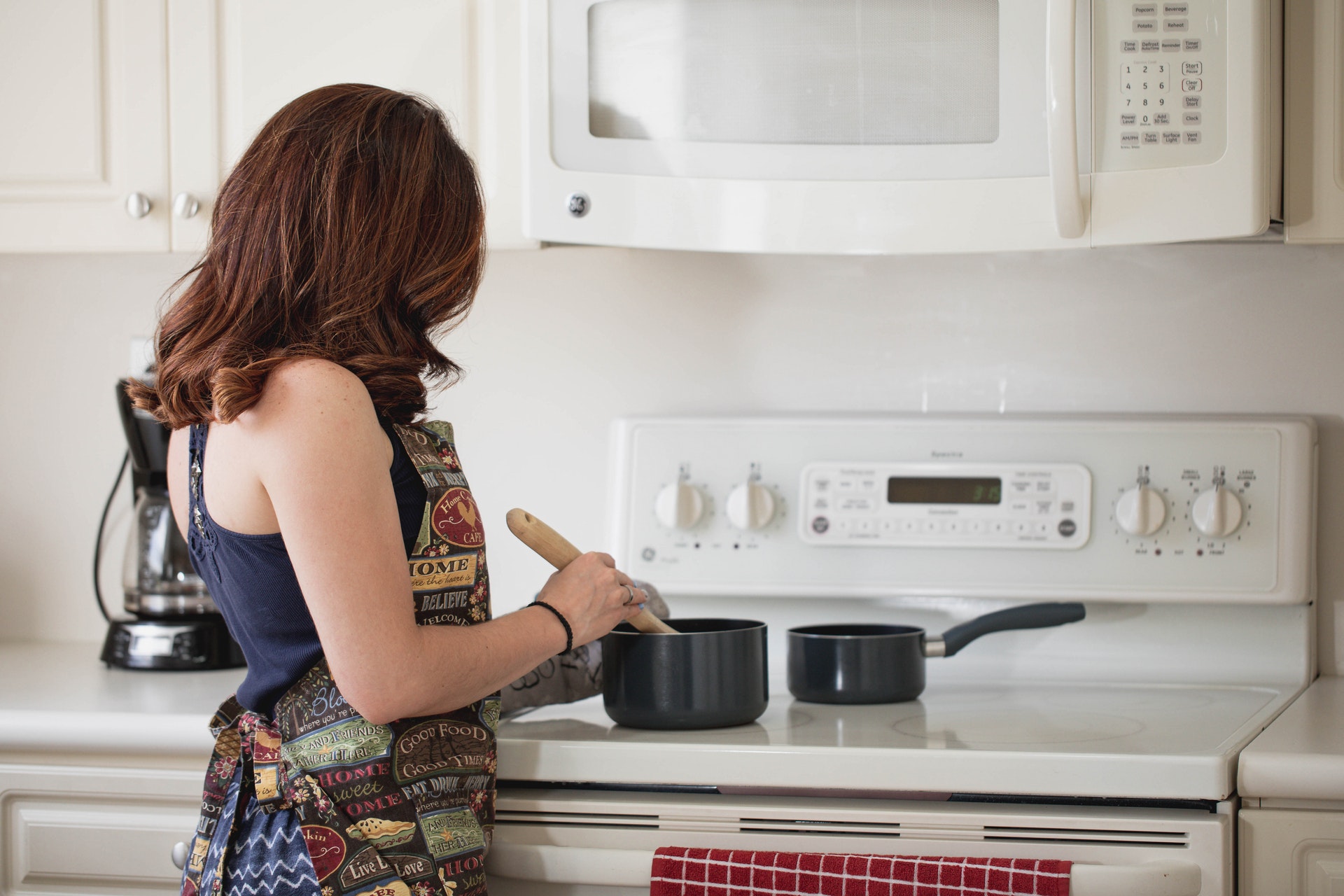
6) Cooking new recipes for joy and focus
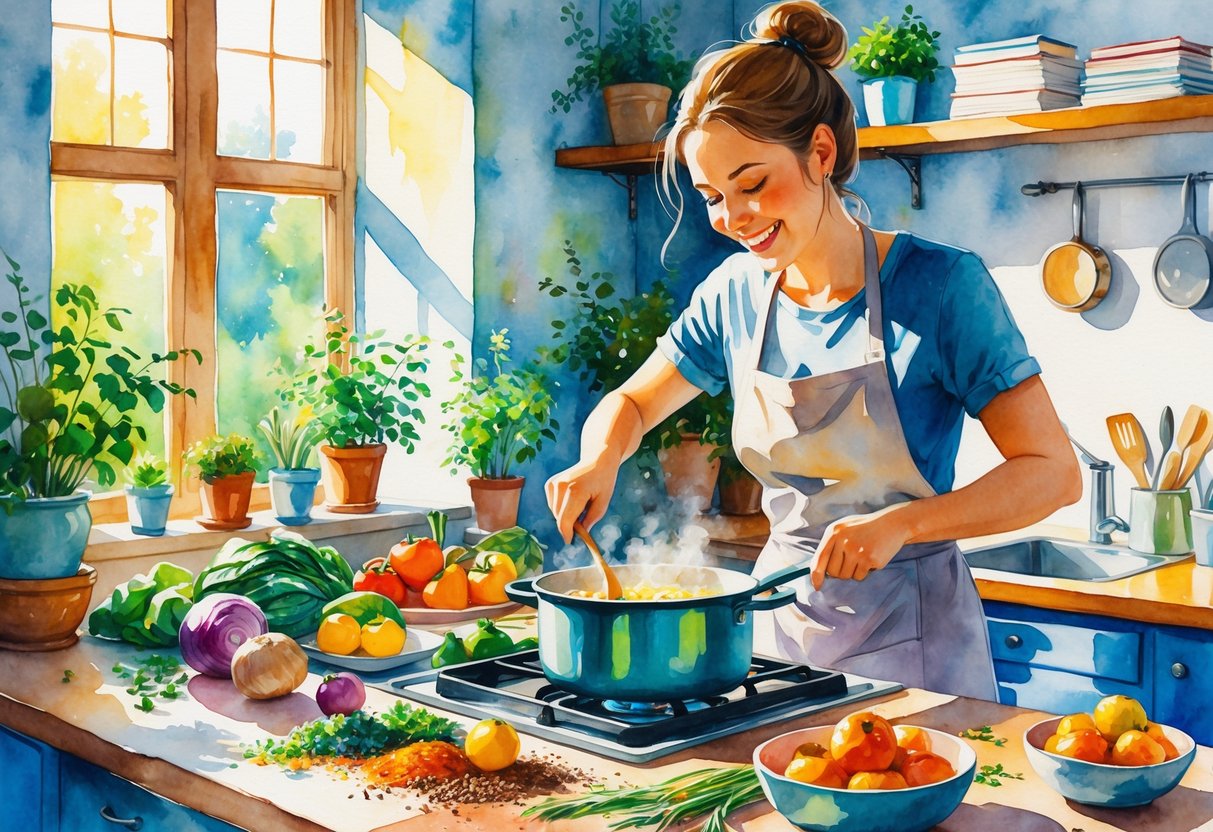
Cooking offers a way to stay present and busy after divorce. Trying new recipes gives you clear steps to follow and can help keep your mind focused on something positive.
You get to use your hands and senses, which many people find calming. Learning to cook opens up many possibilities.
You can start with simple meals and slowly try more challenging dishes when you feel ready. If you enjoy exploring new flavors, you might like trying foods from other cultures or adding fresh ingredients to meals you already know.
Experimenting in the kitchen encourages creativity and exploration, even if you only cook for yourself. When you make a meal, you get to see instant results.
This sense of achievement can build confidence, especially during difficult times. Cooking at home also lets you control what goes into your food, which many find comforting and healthier.
Cooking often becomes even more rewarding when you share the results. You can invite friends or family over for a meal or bring something homemade to a community event.
Many people find that sharing food helps them feel more connected to others and less alone. If you are not sure where to start, there are many websites and cookbooks with ideas for all skill levels.
Meal kit delivery services can also make it simple to find new recipes and try new foods with easy instructions. These hobbies can help make cooking more fun and less stressful.
7) Hiking to reconnect with nature
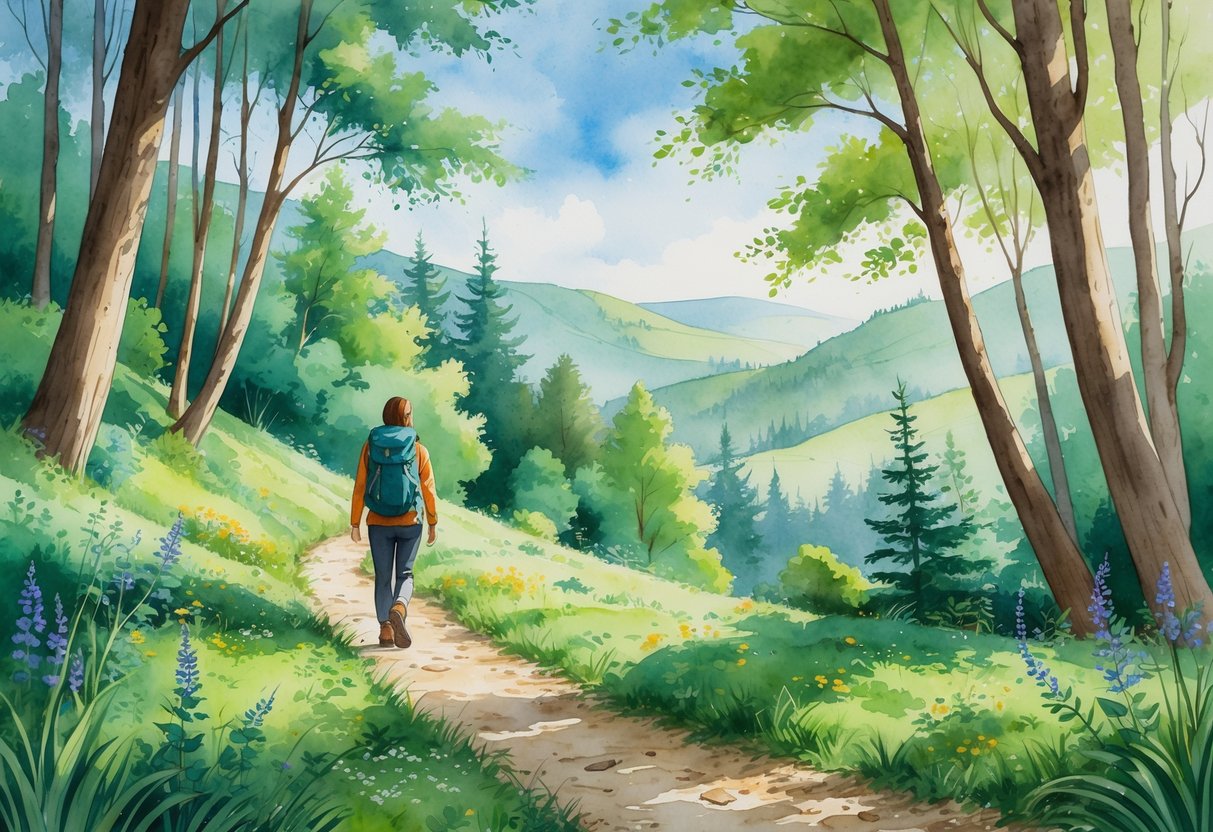
After a divorce, you may need space to think and heal. Hiking lets you step outside and find that space.
Every walk in nature can help you clear your mind and feel calmer. When you hike, you move your body and breathe fresh air.
This type of exercise can reduce stress and boost your mood. Longer hikes might help you process your emotions in a peaceful setting.
Hiking also helps you connect with the outdoors. Looking at trees, rivers, and birds can remind you that life goes on.
Nature’s quiet is different from the noise of daily life. You don’t need experience to get started.
Local trails and parks offer good places for beginners. Even short hikes make a difference.
Some people choose to hike alone for quiet reflection. Others invite friends or join outdoor groups for support and company.
Both ways can help you feel grounded and connected. Hiking doesn’t need fancy gear or a big budget.
A sturdy pair of shoes, comfortable clothes, and a bottle of water are often enough. The focus is on the experience, not the equipment.
Exploring new trails can add excitement to your routine. It’s a healthy way to fill time, especially when you need a break from screens or busy schedules.
Taking regular hikes can give you something to look forward to each week. It may also help rebuild your confidence as you overcome new challenges outdoors.
For more tips on using hiking to reconnect, visit this list of nature-based activities for healing and growth.
8) Photography to capture new perspectives

Photography gives you a way to see the world through a different lens. If you have gone through a divorce, it can help you focus on the present and notice details in your daily life that you might have missed before.
You do not need special skills to begin. Many people use their phones or simple cameras.
The basics are easy to learn, and you can pick up new skills as you go. This hobby does not require a big investment unless you want to upgrade your equipment later.
Taking photos can get you outside, whether it is a walk in your neighborhood or a trip to a local park. Nature, city scenes, and even small details around your home can all become interesting subjects.
Photography lets you slow down and appreciate your surroundings. This hobby is also a good way to meet new people.
There are local clubs and online groups for people who enjoy taking pictures. Sharing your work with others can lead to new friendships and support during your transition.
Photography is popular with people of all ages and fitness levels. You can take pictures while standing, sitting, or traveling, so it fits most lifestyles.
It can become as active or as calm as you want. Some people find taking photos helps manage stress and improves mood.
Focusing on what is in front of your camera can give you a break from worry and help you see your progress. For more on why photography is a great choice at any stage in life, see this article on photography as a retirement hobby.
You might even discover a new passion or develop a skill you want to take further. Classes and workshops are easy to find, both in person and online.
If you are rebuilding after divorce, photography is an easy and rewarding way to explore new perspectives.
9) Volunteering to build community ties
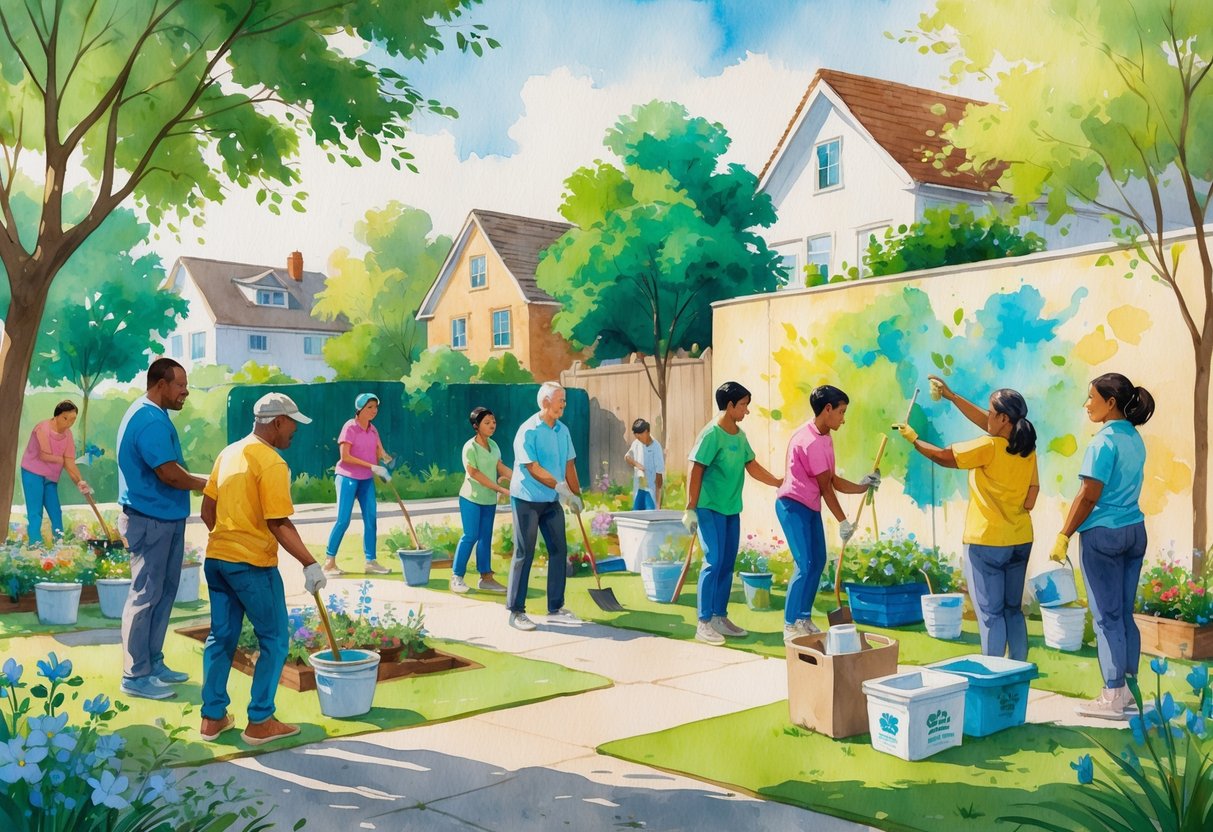
Volunteering is a strong way to connect with others after a divorce. Helping people in your community can bring a sense of purpose and belonging.
You may also find it easier to meet new friends in a positive and supportive setting. Many options exist, from volunteering at local food banks to joining community clean-up events.
Doing volunteer work lets you interact with people who care about similar causes. Even simple roles, like serving meals or sorting donations, can lead to meaningful conversations.
Volunteering gives you a regular reason to get out and be social. This can help break feelings of loneliness and isolation that are common after divorce.
Over time, you may find you’re building a new support system. Being active in your area can improve your confidence.
It may help you develop new skills, which can be helpful in work or daily life. You also get to see the real impact you can make for others, which can boost your self-esteem.
Some organizations host group volunteering events or team projects. These activities are good for meeting several people at once in a relaxed atmosphere.
Volunteering can fit many interests, whether you like to work with kids, help the elderly, or support local animals. Studies show that adults who volunteer often report higher happiness and lower stress.
You might enjoy volunteering on your own, or invite a friend to come along. For more ideas on engaging in your community through hobbies, see these adult hobby ideas to stay connected.
If you want to give back and build new relationships, volunteering is a practical step. Try different types until you find one that fits you best.
10) Dancing to improve mood and confidence
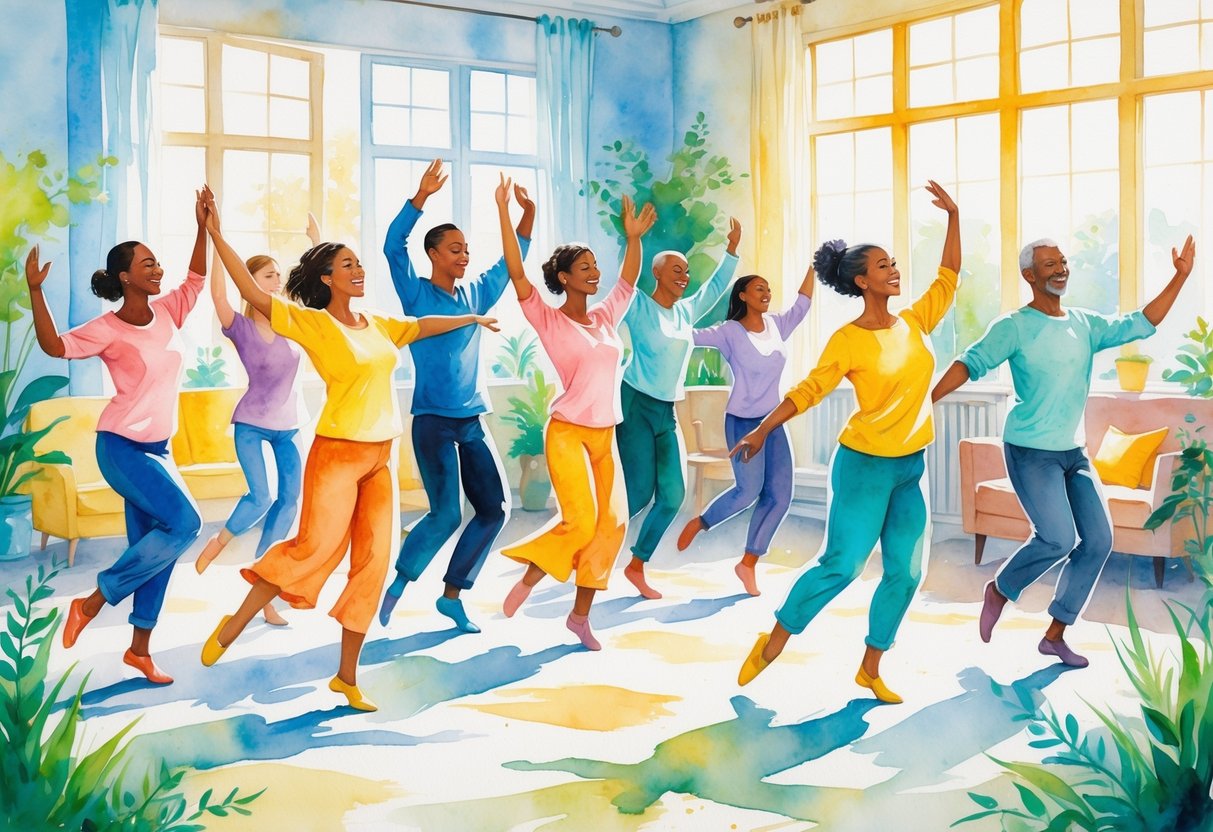
Dancing is a fun way to lift your spirits after a divorce. Moving your body to music helps release stress and can make you feel happier.
Even simple dance routines at home or following online videos can be effective. Dance classes are also a social activity.
You have the chance to meet new people in group settings. This can help reduce feelings of loneliness and give you a sense of belonging.
Learning dance steps is good for your mind, too. You can focus on something new and rewarding.
This builds your confidence as you master new moves. If you join a dance group or class, you may notice your mood improving.
Group activities give you support and encouragement from others. Many people find that dancing helps boost their self-esteem, especially when they see progress.
Your physical health can also benefit from regular dancing. It gets your heart rate up and keeps your body moving.
Over time, you may feel stronger and more energetic. You do not need to be an expert or have experience.
The most important part is enjoying the moment and letting yourself have fun. Trying out different styles like salsa, ballroom, or even freestyle lets you explore what feels best for you.
If you prefer privacy, you can start dancing at home until you feel ready for a class. Dancing does not require expensive equipment or a set schedule.
It is flexible and can fit into your daily routine. You can dance alone, with friends, or with a group.
How Hobbies Support Emotional Healing
Taking up hobbies after divorce gives you new ways to feel better and regain your sense of self. Trying hands-on activities and creative outlets can help you recover emotionally and build strength for the future.
Building Confidence Through New Activities
Learning a new hobby challenges you in positive ways. Each small improvement or new skill feels like an achievement.
Whether you start painting, gardening, or learning an instrument, making progress provides proof that you can adapt and succeed again. This growth helps rebuild your self-confidence, which may be low after a breakup.
When you see yourself mastering new things, even simple ones, it boosts your belief in your abilities. Activities such as joining a book club or taking cooking classes let you connect with others and build social confidence, too.
Practical hobbies—like woodworking, photography, or baking—make your progress easy to notice. Achieving small goals in these hobbies reminds you that you are capable and resilient.
Creative hobbies can also reconnect you with parts of yourself that you may have set aside during your marriage. For more ideas, check creative hobbies that aid emotional recovery.
Reducing Stress and Finding Inner Calm
Hobbies play a big role in stress relief. Activities that need your full attention, like drawing, playing music, or knitting, distract your mind from worries and help you relax.
Being in the flow of a hobby can lower anxiety and bring calm. Physical hobbies such as walking, yoga, or gardening combine movement with peaceful moments.
This helps reduce feelings of tension and supports your mental well-being. Simple hobbies can act as natural mood-lifters and help you recharge after tough days.
Even mindful activities, like coloring or putting together puzzles, promote emotional balance and give you something positive to focus on. Research supports that engaging in hobbies improves emotional wellness, so choosing a few you enjoy can make a real difference.
Creating Connections and Community After Divorce
Building a strong social network is an important step after divorce. Finding new friends and communities can help you heal, provide support, and open doors to new experiences.
Meeting New People Through Shared Interests
Spending time with others who enjoy the same hobbies makes it easier to form new connections. Activities like group classes, book clubs, or sports teams naturally bring people together.
You don’t have to worry about making conversation because the shared activity gives you something in common from the start. Many people find that joining a local group introduces them to others who have similar life experiences.
For example, attending a painting class or hiking club lets you meet people who value creativity or the outdoors. Volunteering is another way to meet caring people while making a difference.
Consider hobbies that are designed to be social, such as dance classes, cooking workshops, or community gardening. These group settings help you practice social skills and give you regular opportunities to see new faces.
To explore more social hobbies, visit the list of activities that encourage meeting new people after divorce.
Establishing Healthy Social Boundaries
After divorce, it’s important to set limits with new friends and acquaintances. Healthy boundaries help you feel safe and respected.
You might not want to talk about your divorce right away or share personal details until you feel comfortable. Be honest with yourself about what you want from new relationships.
Listen to your feelings. If someone pressures you or crosses a line, remind yourself that you can pull back or take a break from that relationship.
Learn to say no when an event or friendship doesn’t feel right. Setting boundaries allows you to build trust at your own pace.
Simple rules, like keeping conversations safe and private or deciding how often you meet up, make it easier to feel in control.
Incorporating Hobbies Into Your Daily Routine
Finding time for new activities can be challenging, especially when you’re adjusting to a new chapter in life. To make things easier, try setting aside a specific time each day—even if it’s just 10 or 15 minutes—for your hobby.
Use a planner or calendar to block out this time. Treat your hobby like any other important appointment.
This helps you build consistency and structure into your schedule. Simple reminders on your phone can also make it easier to stay on track.
Joining a group or community offers motivation and support. Whether it’s an online forum or an in-person club, being part of a group makes you more likely to stick with your new interest.
Here are a few quick tips for fitting hobbies into your day:
- Schedule small blocks of time
- Combine hobbies with daily routines (like listening to language lessons while commuting)
- Keep supplies ready and easy to access
- Join hobby communities for encouragement
Focusing on activities that bring you joy can make your days feel more balanced and meaningful. For more suggestions, read about ways to incorporate hobbies into daily routines and find strategies that work best for you.
Frequently Asked Questions
Choosing the right hobby can give you a sense of purpose and help you manage stress after divorce. Activities like painting, yoga, and journaling can support emotional and personal recovery.
What are some constructive hobbies to pursue post-divorce?
Constructive hobbies such as yoga, painting, and journaling help you build new routines and support your mental health. Gardening can nurture patience and help you reconnect with the outdoors.
Tabletop roleplaying games are a great way to meet new people and have fun.
How can hobbies aid in emotional healing after a marriage ends?
Creative activities like painting or journaling offer a way to process feelings and manage difficult emotions. Yoga and meditation encourage mindfulness, helping you feel calmer and more grounded.
For more ideas, see these creative hobby suggestions for healing and self-expression.
What indoor activities are recommended for individuals starting anew post-divorce?
Indoor options include painting, writing in a journal, or joining a tabletop roleplaying game group. These activities let you connect with yourself or others in a safe, comfortable space.
Yoga can also be practiced indoors, making it easy to start at home.
What are the best low-cost hobbies for those who have recently separated?
Journaling, sketching, and basic yoga require little or no money to begin. You can also explore creative hobbies like drawing or writing using simple supplies.
Gardening with seeds or cuttings is budget-friendly, yet still rewarding for your well-being.
How do hobbies contribute to rebuilding one’s social life after divorce?
Group hobbies like tabletop roleplaying games make it easier to meet people and develop friendships. Even activities like community gardening or joining a local art class let you interact with others regularly.
Social hobbies can help you feel less isolated and encourage you to try new experiences.
What are the best hobbies for personal growth and self-discovery following a divorce?
Yoga and meditation foster personal growth through mindfulness and better self-awareness.
Painting and journaling encourage you to explore your emotions and thoughts in a healthy way.
You may also want to consider hobbies that challenge you, such as learning a new instrument or skill. This can help you embrace this new chapter in your life.