

10 Best Hobbies for People Stuck in a Creative Rut: Fresh Ideas to Reignite Your Imagination
Feeling stuck and unable to spark fresh ideas happens to everyone at some point. Everyday routines can make it hard to find inspiration or bring energy back to your creative life.
Trying a new hobby is a simple way to break out of a creative rut and get inspired again. With the right activity, you can refresh your mind and discover new interests that help motivate you moving forward.
1) Bullet journaling
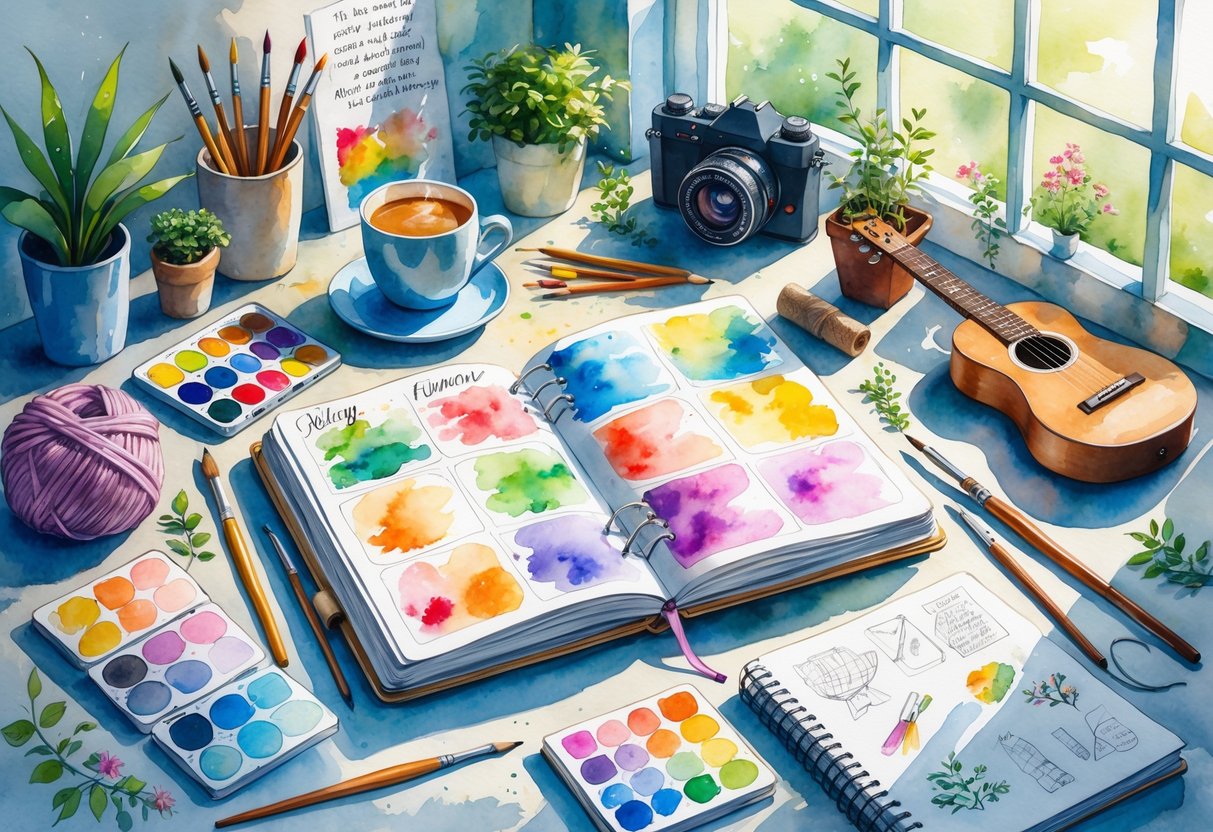
Bullet journaling is a flexible way to organize your thoughts, plans, and goals. You use a blank notebook to create lists, trackers, and logs that fit your daily needs.
This hobby gives you space to mix planning with simple forms of drawing or lettering. You might enjoy making habit trackers, mood charts, or monthly calendars.
You can play with colors, different pens, or add photos and stickers. Each page is up to you, so there are no strict rules to follow.
Some people like to focus on creativity through doodling or patterns. Others prefer to keep it quick and simple by making lists or using just black ink.
You can adapt your pages to your mood or goals each week. If you want inspiration, there are many creative bullet journal ideas for layouts and spreads online.
You might want to try logging your self-care, making a future goals page, or using a mood tracker to notice patterns in your feelings and habits. Bullet journaling can blend art and planning, or it can be purely functional.
You choose what works best for you. You don’t need special supplies to get started.
A notebook and pen are enough. As you use your journal more, you can decide if you want to add more creative tools or keep it minimal.
This hobby can help you focus, reflect, and bring small moments of creativity into your routine.
2) Telestrations game
Telestrations is a drawing and guessing game that mixes the classic telephone game with sketching. You don’t need to be an artist to play.
The goal is to have fun and see how drawings and guesses change a simple phrase over each round. Each player starts with a word or phrase.
You sketch what you see, then pass your drawing to the next person. They guess what you drew, then the next player draws that guess.
The process keeps repeating until everyone gets their original book back. The fun comes from seeing how the original idea changes.
Sometimes the final answer is very different from where you started. Laughs are common as you see how friends and family interpret different sketches.
You can play Telestrations with small or large groups. No special skills are required, just a sense of humor and willingness to participate.
Even if you can’t draw very well, your efforts add to the charm. Telestrations helps break mental blocks by encouraging you to think in new ways.
Both drawing and guessing use your imagination and creative thinking. It’s a simple way to exercise your mind without extra pressure.
You can buy Telestrations in stores, but you can also make your own version at home with just some paper and pens. Whether you use the official set or create your own, the experience focuses on creativity and fun.
Many people use Telestrations to bring new energy to their game nights. If you’re looking for a light way to break your creative rut, this game is worth a try.
3) Urban jungle gardening

Urban jungle gardening is a great way to add life and color to your living space. It lets you bring nature indoors, even if you live in an apartment or a city with little green space.
You do not need much sunlight or a big yard. Many houseplants can grow well in low light.
For example, pothos, snake plants, and peace lilies are good options. These plants are easy to care for and can tolerate less sunlight.
If your home has some darker corners, you can still have healthy plants by choosing the right varieties. You can learn more about growing plants in low light from urban gardening guides.
Urban jungle gardening is also flexible. You can grow plants in small pots, hanging baskets, or even on shelves.
Plants can fit into almost any room. With a little planning, you can create a green corner or spread plants throughout your home.
Caring for plants can help improve your mood and focus. Watching your plants grow and taking care of them may reduce stress and give you a sense of progress.
You can change the look and feel of your space in a short time by adding new plants or moving them around. You do not need to be an expert to start.
Many people find it fun to learn as they go. There are plenty of simple tips for creating an indoor garden and making your own urban jungle.
Try adding a few new plants and see how they change your space.
4) Crocheting

Crocheting gives you a way to create something special with just yarn and a hook. This hobby is easy to start, even if you have never tried it before.
All you need are a few basic supplies and some patience. You can make many different things with crochet.
Scarves, hats, and blankets are common choices. Some people also enjoy making toys, called amigurumi, which are small stuffed animals or characters.
Crocheting can be a relaxing activity. The simple motion of working with your hands helps your mind slow down.
It’s a useful break from screen time when you need to recharge. There are many patterns and ideas to help you get inspired if you’re not sure where to start.
You can find lists with fun crochet project ideas or look through interesting things to crochet when you feel bored or stuck. Crocheting lets you work at your own pace.
You can complete small projects in a day or take your time on bigger items if you want a new challenge. It suits people who want flexible and creative activities.
Many people share their work online or join crochet groups. This can be a good way to connect with others who enjoy making things by hand.
If you prefer to craft alone, crocheting is also a quiet and personal hobby. If you need supplies, yarn and hooks are easy to find at craft stores and online.
You can also use leftover yarn from other projects. This makes crocheting simple to try without spending much money.
Learning new crochet stitches keeps things interesting. There are free tutorials and how-to videos for beginners and more advanced crafters.
As you learn more, you can make projects with unique textures and styles. Crocheting helps you create gifts for others or make practical items for your home.
This hobby lets you see real progress as you finish each row or project.
5) Abstract painting

Abstract painting is a great way to express yourself without worrying about making everything look perfect. You can use shapes, colors, and lines to show your feelings or ideas.
There are no strict rules, so you can paint what comes to your mind. Starting with abstract art can help you break free if you feel stuck or bored.
Even if you do not consider yourself artistic, this hobby encourages you to play and experiment. Sometimes, making bold or random brush strokes is exactly what your mind needs.
Different tools like watercolor brushes can create various effects. For instance, you might try a flat brush for wide strokes or a small brush for details.
Using different types of paper, like hot or cold pressed, also changes how the paint moves and dries. These little changes can make your art unique and interesting.
For more beginner tips, you can find helpful painting ideas and materials. If you want to get started, gather some paints, paper, and brushes.
Turn on music or clear your space. Let yourself paint freely, letting colors move and mix as they will.
Some artists find that painting abstract shapes while listening to music helps spark new ideas. You do not need to worry about making a mistake, since in abstract art there are no mistakes, just new directions.
This makes it an excellent choice for anyone feeling stuck or tense. If you need more inspiration, looking up beginner abstract painting tutorials can give you starting points.
Try creating simple color blends or basic shapes and see where your mind takes you.
6) Digital photography experimentation
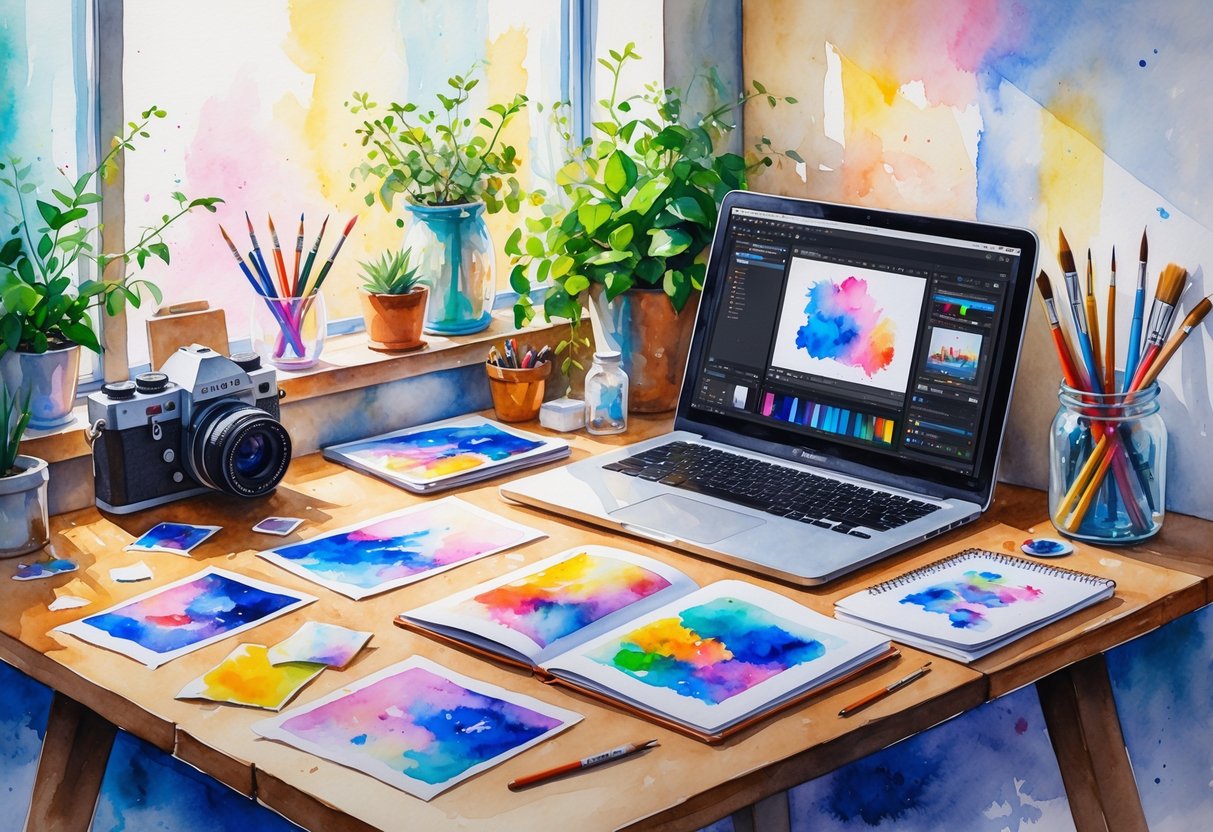
Digital photography gives you many chances to try new things. You do not need fancy equipment to get started.
Even your smartphone can be a good tool for learning and experimenting. One easy way to spark creativity is by changing how you take photos.
You can try shooting from new angles or playing with different lighting. Capture objects or scenes you would usually ignore.
Look for new patterns, colors, and shadows in your daily life. Experiment with long exposure shots to create blur effects or light trails.
Changing the camera settings, like adjusting shutter speed, can result in unique images. You could also try black and white photography to focus more on shapes and contrast.
Editing your digital photos is another way to be creative. Try changing the colors, cropping your images, or using filters.
Experimenting with post-processing can lead to surprising results and help you develop new skills. There are many experimental photography techniques you can explore.
These include pinhole photography, infrared shots, and even creating your own filters. You might discover a style that excites you or helps you see the world with fresh eyes.
If you feel stuck or bored with your current pictures, try copying a famous photo or painting for inspiration. You can also do creative projects at home, such as self-portraits or still life arrangements.
Setting small challenges can push your boundaries and grow your skills. Digital photography gives you instant feedback.
You can see your results right away and try again as much as you like. This freedom makes it easier to learn, adjust, and improve your creative vision over time.
7) Painting by numbers kits
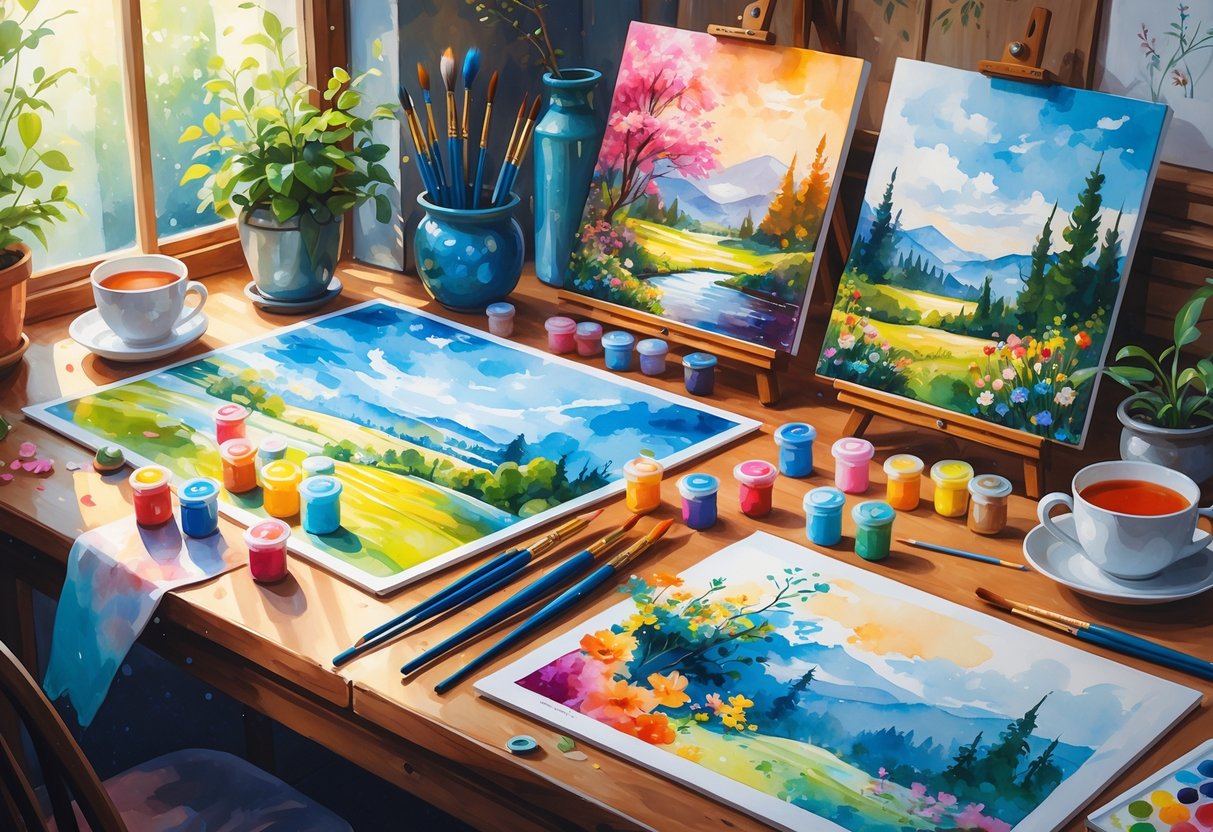
Painting by numbers kits offer a simple way to start making art, even if you have never painted before. Each kit comes with a canvas that already has a design outlined and numbered.
The numbers match up with specific paint colors, making it easy to know where each color goes. You do not need any drawing or painting experience to get started.
Just follow the numbers on the canvas and fill in the shapes with the matching paint. Over time, you watch your picture come to life.
These kits can help you relax and focus. They are great for people who want to enjoy art without worrying about making mistakes.
If you often feel stuck when trying to create something new, this hobby helps you build confidence and see progress quickly. Painting by numbers has become popular among adults because it is accessible and satisfying.
Many kits feature a wide range of images, including landscapes, animals, and famous paintings. You can choose a style that matches your interests or your home decor.
Everything you need is usually included in the box: the canvas, paints, and brushes. This makes it a stress-free activity where you do not have to buy extra supplies.
Some people enjoy framing and hanging their finished pieces. Others use them as gifts.
If you want to explore this hobby, you can find many options for all skill levels and budgets online. For inspiration, take a look at the best paint-by-number kits for adults or browse a list of must-have paint-by-numbers kits.
This hobby is a low-pressure way to add more creativity to your daily routine. It allows you to finish a project at your own pace and enjoy the process from start to finish.
8) Creative writing prompts
Creative writing prompts are simple ideas or questions that help you start writing. They give you a focus so you do not have to make up a topic from scratch.
This can make it much easier to get your thoughts flowing when you feel stuck. You can find many lists online with creative prompts for all ages and skill levels.
For example, there are weird and unique writing prompts that can help break your routine and encourage you to think differently. You don’t need experience to enjoy creative writing.
You just pick a prompt and start writing. You could write a short story, a poem, or even just a paragraph.
If you prefer something more structured, join a group or club that focuses on creative writing exercises and writing prompts. Working with others can help you stay motivated and make the process more social.
Writing with prompts can push you to explore new ideas and characters that you might not think of on your own. Trying this as a hobby could help you improve your writing skills and boost your imagination.
Creative writing is flexible. You can write by hand, use your computer, or even your phone.
There’s no special equipment or experience needed. If you often face blank page anxiety, try starting with a simple prompt.
Many prompts ask you to finish a sentence, describe a feeling, or invent a unique character. With practice, these small exercises can make it easier to write more often and with more confidence.
It is a creative hobby that only requires a few minutes a day.
9) DIY home decor projects
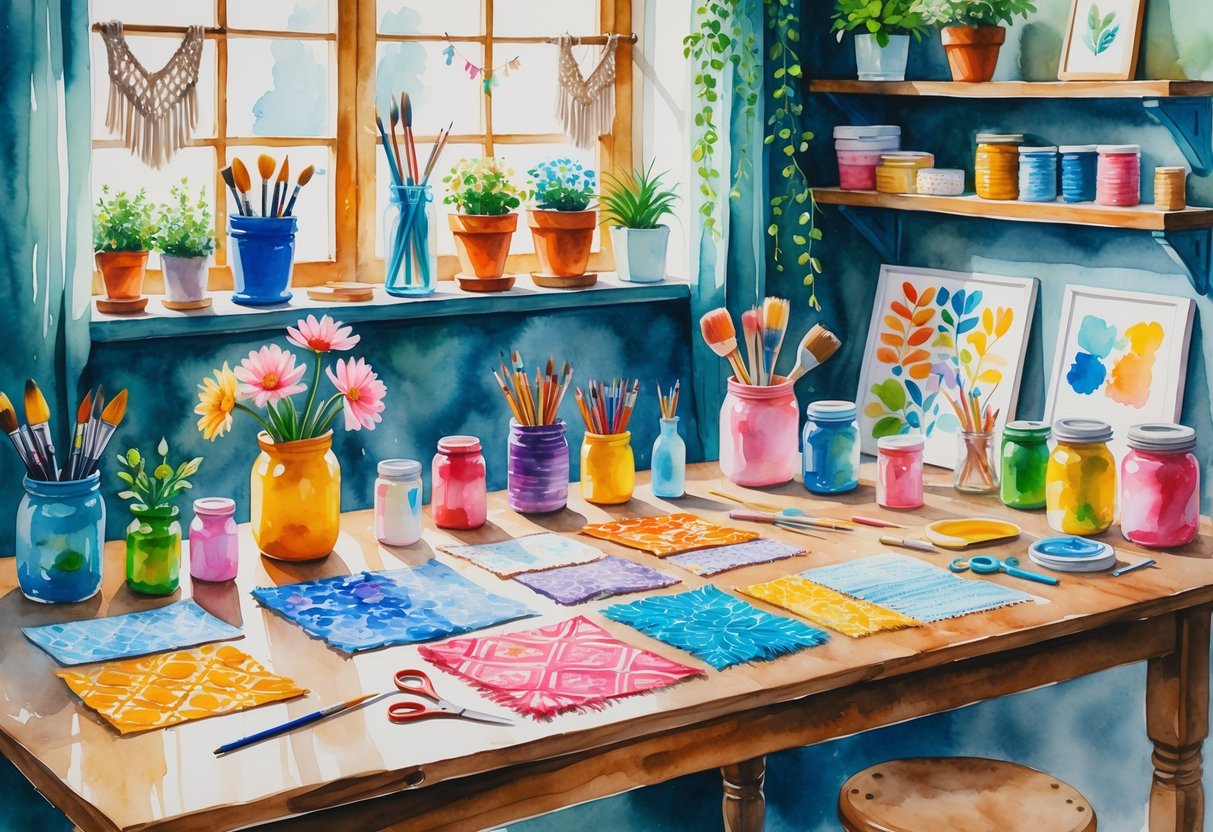
DIY home decor projects are a great way to refresh your space while tapping into your creative side. You do not need professional skills or fancy tools.
Many projects use supplies you already have at home. Consider making your own wall art.
You can paint, use photos, or try simple mixed media. This lets you decorate with a personal touch and match your own style.
Arranging your photos into unique collages is also a fun way to display memories on your walls. If you have empty jars or bottles, turn them into vases, lanterns, or storage containers.
This not only helps you stay organized but also adds handmade details to your rooms. Even old bottles can become custom lamps with a simple kit and a little effort.
Painting a mural is a creative way to change the look of a room. Stencils and tape can help you make bold patterns or simple shapes.
You do not need to be an expert artist—just choose colors and designs that make you happy. Feeling crafty can also mean adding small, personal decor touches.
Try making homemade candles, sewing new pillow covers, or decorating trays. Small projects can be finished in one afternoon and can make your home more comfortable.
If you want more inspiration or project ideas, check out lists of DIY decor hobbies or creative DIY home projects. There are ideas for every skill level and budget.
Starting something new can break up your daily routine and help you feel more inspired.
10) Mindfulness coloring books
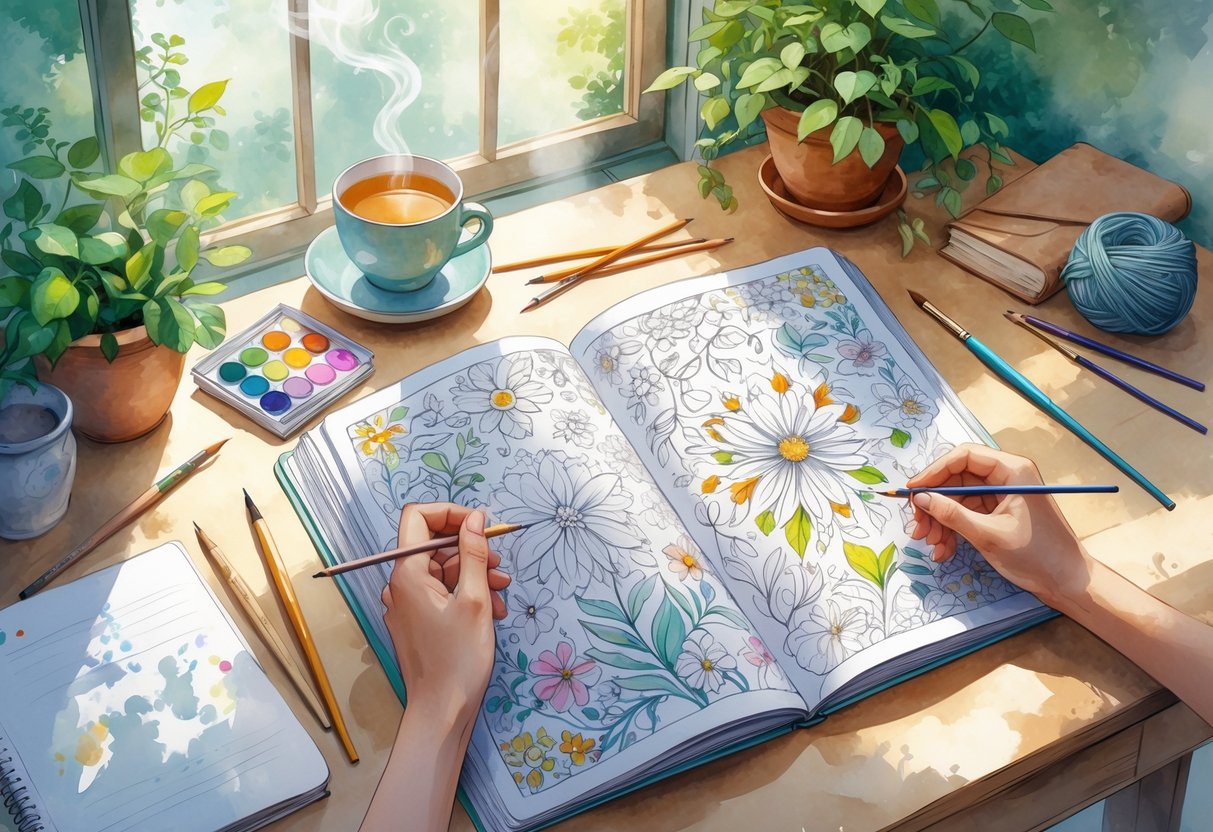
If you feel stuck in a creative rut, mindfulness coloring books can help you get moving again. These books give you a break from screens and let your mind relax while you focus on coloring simple shapes and patterns.
Mindfulness coloring is easy to start. You do not need special skills or fancy tools.
All you need is a coloring book and some colored pencils or markers. The process encourages you to slow down and pay attention to the colors and details on each page.
As you color, your stress can go down, and your mind may become calmer and more open to new ideas. Many people enjoy how coloring creates a sense of order and provides a small creative outlet.
It is about the process, not the finished picture. Your pages do not have to be perfect.
Some mindfulness coloring books, like The Anxiety Relief and Mindfulness Coloring Book, offer patterns designed to reduce stress. You can find books with nature themes, mandalas, or even abstract designs, making it easy to pick something that suits your taste.
There are even eco-friendly coloring books made from recycled paper. This option lets you care for the environment while you focus on your own well-being.
Coloring can be done alone or with others. It can also fit into daily routines, such as taking a few minutes before bed or during a break at work.
If you want a simple hobby that gently encourages creativity, mindfulness coloring books are a good place to start.
Why Creative Ruts Happen
Feeling stuck creatively is common and often has clear reasons. These blocks can affect your mood, energy, and daily life until you address the root cause.
Common Causes of Creative Block
You might find yourself in a creative rut due to several specific reasons. Routine and repetition can play a big role—doing the same activity every day can stop new ideas from forming.
High expectations and pressure to always produce something great might make it hard for you to start projects or finish them. Fear of failure often leads you to avoid trying new things, which limits your creative flow.
A cluttered or distracting environment can crowd your mind and make it tough to focus on creative thoughts. Even things outside your control, like lack of rest or too many responsibilities, can dry up inspiration.
Certain life events—changes, stress, or overwhelming problems—can also lower your motivation and make creative work feel impossible. If your work and personal life bleed together, you can lose the drive to pursue fun, creative activities.
The Impact on Mental Wellbeing
A creative rut doesn’t just stop ideas; it can affect how you feel every day. When you feel stuck, you may notice increased frustration, low energy, or a lack of confidence.
It may become hard for you to enjoy things that once made you happy, which can lower your mood and motivation. Over time, feeling blocked might add to stress or anxiety.
If you keep pushing without a break, you may face burnout or physical symptoms like headaches and tiredness. This can create a cycle where your mental health and creativity both get worse.
Knowing that creative ruts are normal can help, but it’s important to address these feelings early. Taking steps for self-care and reaching out for support can improve your mood and help you find joy in creative projects again.
For more on understanding and handling creative ruts, visit why creative ruts happen.
How to Sustain Motivation for New Hobbies
Starting a new hobby can be exciting, but it’s normal to lose motivation over time. Staying engaged needs planning, practical steps, and self-reflection.
Setting Realistic Goals
Clear and realistic goals help you avoid feeling overwhelmed. Instead of aiming for perfection, break bigger tasks into small and doable plans.
For example, if you want to learn guitar, set a goal to practice for 15 minutes a day instead of an hour.
Use a list or a simple table to organize your goals:
| Week | Small Goal |
|---|---|
| 1 | Learn 3 chords |
| 2 | Practice transitions |
| 3 | Play a simple song |
Make your targets specific and measurable. This way, you know exactly what to do each time you practice.
Celebrate milestones, no matter how small, to stay motivated. Setting goals that fit your schedule and skill level makes progress feel rewarding.
To see more tips on this approach, check out advice from IMC Grupo’s article on motivation.
Tracking Your Creative Progress
Seeing your improvement over time can boost motivation. Keep a journal, video log, or even photos showing what you’ve done each week.
For hobbies like painting, crafts, or cooking, comparing “before” and “after” can make progress visible.
You can also create a progress chart:
- Write down what you practiced today
- List what worked or was fun
- Note any new ideas that came up
Review your record every few weeks. Notice patterns, changes, and growth.
This reflection helps you feel a sense of accomplishment and encourages you to keep going.
Tracking your progress also lets you spot areas to explore further, making the hobby feel fresh and engaging.
Reading about how motivated people track their progress can offer more ideas—see strategies highlighted on Life Is Positive.
Frequently Asked Questions
Many creative hobbies are simple to start at home, use low-cost supplies, and don’t require expert skills.
Some activities can even help spark fresh ideas and boost your mood while also offering the chance to earn extra money.
What hobbies can help overcome a creative block?
Trying bullet journaling, crocheting, or abstract painting can help you break through a creative block. These hobbies allow you to experiment without pressure and create something new each time.
Even a game like Telestrations can help you think in different ways through drawing.
What creative activities can adults do at home?
You can try urban jungle gardening, which means growing houseplants or even creating mini indoor gardens.
Bullet journaling is another easy and fun activity you can do at any desk or table.
Crocheting is great for making useful things like hats or scarves at home.
Which hobbies can stimulate creativity for non-creative individuals?
Even if you don’t see yourself as creative, hobbies like Telestrations or abstract painting can help you get started.
The 10 ways to get out of a creative rut include finding something new and letting yourself make mistakes without worry.
Urban jungle gardening is also a hands-on way to get creative without drawing or painting.
What are some unique crafts that inspire artistry?
Crocheting lets you create things from scratch, while abstract painting gives you the freedom to use bold colors and shapes.
You might also try unique at-home hobbies like paint by numbers or diamond painting.
Each of these crafts can help you explore color, shape, and texture.
Which creative hobbies also have the potential to generate income?
People sell crocheted hats, scarves, and blankets online.
Custom abstract paintings can be sold at local art fairs or through digital marketplaces.
Bullet journal designs and planners are also popular on sites where you can sell printables.
Even tips on simple creative hobbies prove you don’t need years of experience to start earning.
How can one discover a cool and unique hobby to stay creatively engaged?
You can get ideas by reading lists of hobby suggestions or watching tutorial videos. Visiting your local craft store can also spark inspiration.
If you feel stuck, advice on breaking free from a creative rut includes trying out new mediums. Looking for inspiration in your daily surroundings may also help.
Talking to friends about their hobbies can help you find something that stands out.