

10 Best Hobbies for People Who Want Less Screen Time: Engaging Activities to Enrich Your Life
If you are looking to spend less time on your phone, computer, or TV, finding hobbies that do not involve screens can help.
Spending hours in front of a screen can leave you feeling tired and distracted. Why spend time buried in your phone when there are so many fun hobbies to explore?

Choosing hobbies that do not need digital devices gives you a way to relax, be creative, and enjoy your free time more deeply. These activities can also help you build new skills, connect with others, and improve your mood.
1) Geocaching using GPS coordinates
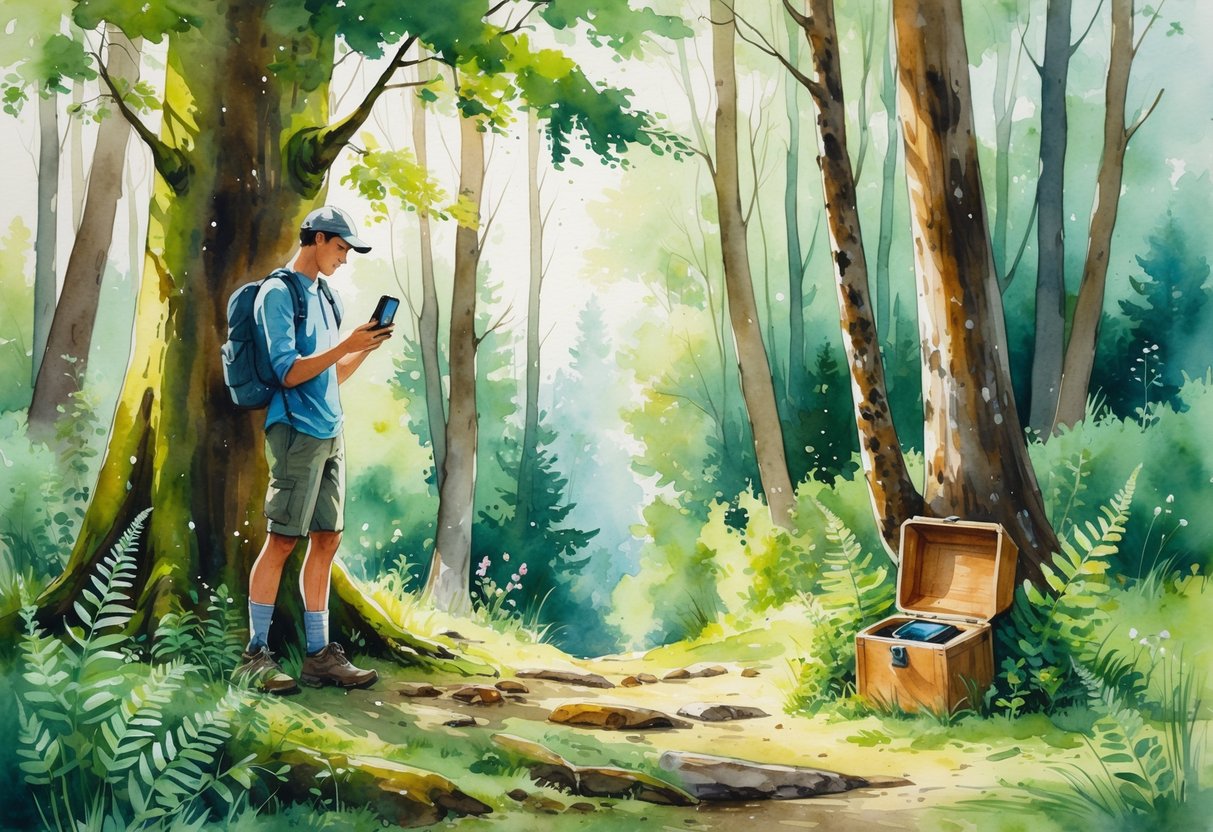
Geocaching is an outdoor activity that combines simple navigation with an outdoors adventure.
You use GPS coordinates to search for hidden containers, called “geocaches,” placed by other people in parks, neighborhoods, and natural spaces.
To get started, download a geocaching app or use a GPS device.
You look up the coordinates of a cache and let the device guide you to the spot.
Many people enjoy the feeling of discovery when they find a hidden container.
Each geocache usually has a logbook for you to sign.
Some larger ones may also have small items you can trade.
Remember to bring a pen, since not all geocaches include one inside.
This hobby encourages you to move, explore new places, and spend more time outside.
It’s a good way to see natural areas, parks, or even parts of your hometown you have never visited.
Your phone is used mainly as a tool, not for endless scrolling or social media.
You could also try unique versions of geocaching like EarthCaches, which teach you about geology while you search.
It’s a flexible activity, too—you can go alone, with family, or with friends, and find caches at your own pace.
If you enjoy challenges and puzzles, geocaching offers these as well.
Some caches are hidden in tricky spots, while others give you clues or riddles to solve.
This makes each search different and interesting.
For more details about geocaching as a hobby, visit this guide to geocaching.
With very little equipment needed—just a smartphone or a GPS device—you can start right away.
It’s a screen-light pursuit that reshapes how you use technology outdoors.
2) Felting with a compact kit
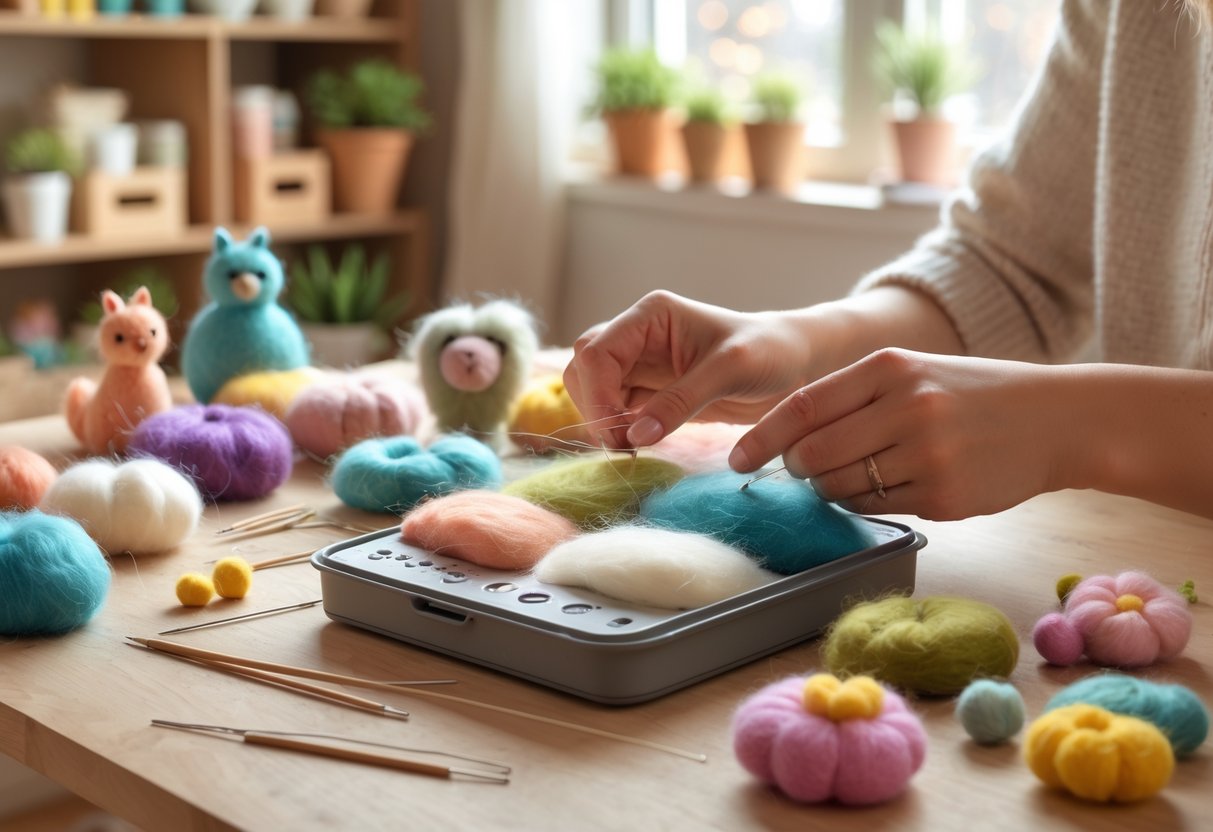
Felting lets you create small shapes and animals using just wool and special barbed needles.
You do not need much space or fancy equipment to get started.
Most compact felting kits fit right into a small box or bag, making them easy to use at home or while traveling.
With a basic kit, you get felting wool, needles, and a mat or foam pad to work on.
Some kits even include instructions and patterns for beginners.
These simple tools help you shape and sculpt the wool safely, one poke at a time.
Felting is a quiet activity that does not involve screens.
You can focus just on your hands and the project in front of you.
The repetitive motion of needle felting can also feel calming after a busy day.
Many beginners enjoy animal felting kits, which guide you to make small creatures like dogs, rabbits, or whales.
Some kits come with extra wool so you can try making wall hangings, flower pins, or even jewelry.
There are options for both quick projects and larger designs.
If you want a good starting point, look for kits that include several needle sizes and extra wool roving.
Some of the best needle felting starter kits come with enough supplies to try different shapes and simple figures, as shown on Crafters Diary.
Needle felting does not make much mess, and it is easy to pack away between sessions.
Because it does not need glue or paint, cleanup is quick.
You can finish a small project in an evening, or relax and take your time with more detailed pieces.
Felting is flexible, affordable, and suitable for all skill levels.
If you are looking for a screen-free way to keep your hands busy and see fast results, a compact felting kit makes a smart choice.
3) Journaling for emotional well-being

Journaling is a simple way for you to reflect on your thoughts and feelings.
It gives you space to write about your day, your worries, or your hopes.
When you write things down, it can help clear your mind.
This hobby does not need any special tools—just a notebook and a pen.
You can write only a few sentences or fill pages, depending on what works for you.
Some people choose to journal in the morning, while others prefer writing before bed.
Journaling offers many options.
You might track your mood, write about things you are grateful for, or respond to thought-provoking prompts.
If you’re creative, try sketching or adding doodles to your entries.
Studies show that writing about emotions can help you manage stress and understand your feelings better.
Regularly spending a few minutes with your journal may help you notice patterns in your thoughts and behaviors.
Journaling is completely private.
You can be honest because your writing is for your eyes only.
This makes it easier to work through difficult emotions without worrying about what others think.
Some people combine journaling with other creative outlets, like scrapbooking or creating art in their notebooks.
If you want more ideas, you can explore different types of journaling, such as gratitude journals, bullet journals, or daily reflection logs.
Learn more about the benefits of journaling for mental health at Holistic Vibrance’s guide to tech-free hobbies.
You can start journaling at any time, and there is no right or wrong way.
Find a routine and style that fits your needs.
Your journal can become a tool for self-care and emotional growth.
4) Gardening to connect with nature

Gardening gives you a way to step away from screens and enjoy fresh air.
It lets you use your hands and see real results.
Even a small space can become a peaceful spot for growing plants.
You can start simple with herbs or a small vegetable patch.
You do not need a large yard; many people use pots or window boxes to grow their favorite plants.
Researching what grows best in your area will help you have success.
Spending time in the garden can improve your mood and help you feel calmer.
As you water, plant, and harvest, you create a routine that can be both relaxing and rewarding.
Watching a seed turn into a growing plant gives you a sense of progress.
Gardening can also help the environment.
By growing flowers, you support pollinators like bees and butterflies.
Adding more green plants to your space can help clean the air.
This hobby also encourages healthy eating.
When you grow your own vegetables, you are more likely to include them in your meals.
Fresh herbs and produce taste better and have more nutrients.
If you want to learn more about different ways to enjoy gardening, you can find ideas on sites for green hobbies that help the environment.
Gardening is popular among nature lovers and can be started by people of any age or skill level.
Whether you pick flowers, grow food, or simply care for houseplants, gardening is a hobby that lets you connect with nature.
It is a good way to spend less time with electronics and more time focused on the world around you.
5) Reading physical books

Reading physical books is a classic hobby that doesn’t require any screens.
You can visit your local library or bookstore to find new titles and genres to explore.
Holding a real book and turning its pages is a different experience from reading on a phone or tablet.
With a physical book, you get to focus on the story without any digital distractions.
Notifications and pop-ups won’t interrupt your reading flow.
This helps your mind relax and gives your eyes a much-needed break from screens.
You can choose from fiction, non-fiction, biographies, or even graphic novels.
There is something for everyone, no matter your interests.
For those with kids, encouraging regular book reading helps build strong reading skills and healthy routines at home.
Library visits make it easy and affordable to enjoy this hobby.
Many people find that reading at night helps them wind down and sleep better.
Some even start or join book clubs to connect with others face-to-face.
If you’re looking for ideas or want to know more benefits, several lists mention reading physical books as one of the best ways to cut down on screen time.
This hobby is simple, can be done almost anywhere, and gives you a break from digital noise.
6) Stretching exercises for flexibility

Stretching is a simple hobby that can help your body feel better, especially if you want to spend less time looking at screens.
You can improve how your muscles move and make daily activities easier.
You do not need any special equipment or a gym membership to start stretching.
You just need a safe, quiet spot and a bit of free time during your day.
Try holding gentle stretches for 20 to 30 seconds each.
Focus on large muscle groups like your back, legs, shoulders, and hips.
Stretches like a standing hamstring stretch, cat-cow, or child’s pose are a great way to begin.
Adding a few basic stretching exercises to your routine can help make you more flexible over time.
Doing these regularly may make you feel looser and more comfortable moving around.
You can find examples of effective stretches for beginners and more advanced movements in guides like the best stretches to increase flexibility or these essential stretching exercises to enhance flexibility.
Spending just ten minutes a day stretching not only helps you move with ease, but can also lower tension from sitting and using screens for long periods.
This makes stretching a helpful way to break up your day.
Stretching gives you a chance to focus on your body.
You can use this time to breathe deeply and relax while taking a break from digital devices.
7) Cooking new recipes

Cooking new recipes is a practical and enjoyable way to spend your time without screens. You can choose simple dishes or try meals from different parts of the world.
When you cook, you learn useful skills like reading instructions, measuring ingredients, and using different kitchen tools. Over time, you may find that you get faster and more confident with each recipe you try.
Trying out new dishes allows you to discover different flavors and cooking techniques. You will also have the chance to experiment with fresh herbs, spices, and new foods in your meals.
Some people set goals, such as learning a new recipe each month and making each one a little more challenging as their skills grow. You can read more about how to set goals while cooking at IndoorGem.
Cooking can also give you a sense of accomplishment when you finish a meal and share it with family or friends. If you like, you can invite others to cook with you or even host a small dinner at home.
If you do not want to shop for new ingredients often, you can search for recipes that use what you already have in your kitchen. Baking bread, making soup, or preparing pasta are good ways to start.
Cooking as a hobby doesn’t need electricity if you have a gas or wood stove. This makes it a great option, even during power outages or when you want a break from technology.
For more ideas, explore lists of cooking hobbies and food activities to try at home.
8) Taking relaxing bubble baths
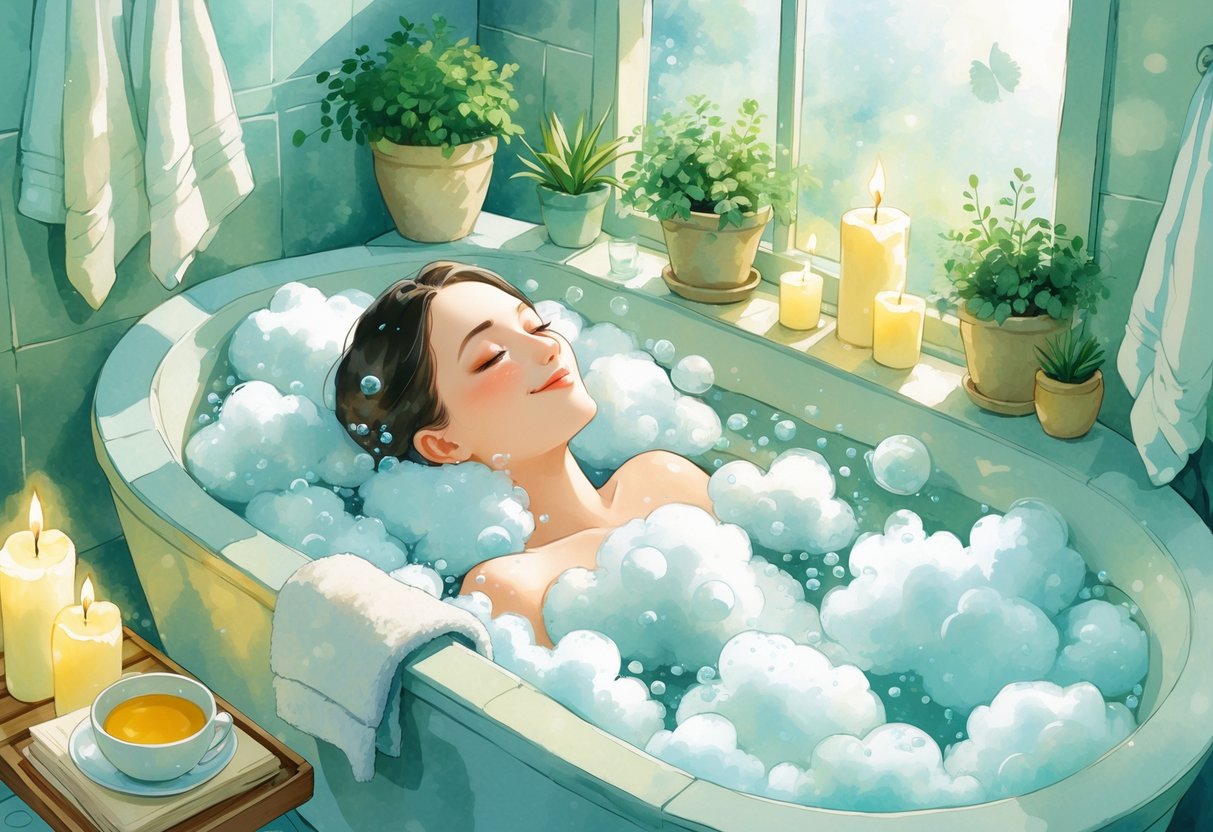
A relaxing bubble bath is a simple way to spend time away from screens. You just need warm water, some bubbles or bath salts, and a quiet bathroom.
It gives you a chance to unwind and enjoy a break from everyday stress. You can make your bath feel special by adding candles, soft music, or calming scents.
Try dimming the lights. Use gentle soaps or oils if you like.
Keeping your phone in another room helps you fully relax. A bubble bath can soothe sore muscles after a long day.
Many people find that taking a bath before bed helps them sleep better. Ten to twenty minutes in the tub is often enough to feel refreshed.
Bringing a good book or a magazine into the bathroom is another screen-free way to enjoy the experience. Just be careful not to let them get wet.
Some people also use this quiet time for deep breathing or simple meditation. Taking bubble baths can help you create a calming routine in your week.
If you enjoy being creative, you could even make your own bath products at home. Try mixing Epsom salts, essential oils, or dried flowers for a personal touch.
Bubble baths are not only for kids or special occasions. They can easily become part of your regular self-care.
Each bath is a chance to focus on your well-being without digital distractions.
9) Dancing to your favorite music

Dancing to your favorite music is a simple way to get your body moving without needing a screen. You only need a bit of space and some songs you enjoy.
This hobby works well for people of all ages and skill levels. You do not need formal training to start.
Just put on music you like and let your body follow the rhythm. Dancing can help you relax and lift your mood, even after a long day.
Besides being fun, dancing is good exercise. It can improve your balance, coordination, and flexibility.
You might notice your heart rate goes up as you move, which is great for your health. Dancing alone lets you be creative and express yourself.
If you want, you can dance with friends or family. It’s a hobby that helps you connect with others and share music you love.
Many people find dancing helpful for managing stress. Moving to music helps you shift your focus away from worries and daily tasks.
You can learn new styles by listening to different kinds of music. Some people enjoy fast dances while others prefer slow movements.
There is no right or wrong way to enjoy dancing at home. Dancing to music is also a flexible hobby.
You can do it for just a few minutes or for a whole hour. If you want to explore more hobbies connected to music, visit this list of music hobbies for music lovers.
10) Photography without digital editing

Photography is a hobby that lets you see the world in a new way. If you want less screen time, you can focus on taking good photos without using editing software or apps.
You can skip the hours spent behind a computer by learning how to get great shots straight from the camera. Adjust your camera settings, pay attention to lighting, and frame your image carefully before you click the shutter.
Many cameras and even some smartphones allow you to use built-in filters or special modes. These features help your photos look finished right away, so you don’t need to edit later.
Printing your photos, making albums, or sharing prints with friends can help you enjoy your hobby without ever needing a screen. Going on photo walks in your neighborhood or at parks can be a fun way to explore and practice your skills.
If you’re interested in learning more about ways to enjoy photography screen-free, you can find tips and community advice in places like this discussion on being a hobby photographer without editing.
You don’t need expensive software or hours of editing to capture great memories. Focusing on getting it right in the moment can make photography less stressful and more enjoyable.
This also helps you spend less time indoors and more time actually using your camera outside.
Benefits of Reducing Screen Time

Cutting back on screen use can bring real benefits to your daily life. Limiting time with devices may lead to better physical health, improved mood, and greater focus for creative activities.
Physical Health Improvements
Spending less time in front of screens helps you move more throughout the day. When you reduce screen time, you may experience better posture and fewer aches in your back and neck.
This is because sitting still for hours, especially hunched over devices, can strain your muscles. Even simple activities like walking or stretching become more frequent without the pull of a screen.
Your eyes also benefit, as staring at screens for too long can cause dryness and headaches. You may even sleep better since using screens, especially in the evening, can make it harder to fall asleep.
Less screen time means your body and mind have a better chance to rest and recharge. For more details, see the list explaining why slimming screen time is good for your health.
Enhanced Mental Wellbeing
Cutting screen time can help you feel less stressed, anxious, and distracted. When you are away from screens, it’s easier to focus on the world around you and enjoy real-life moments.
You might find your mood lifting when you take breaks from constant notifications and digital overload. You may also sleep better and feel calmer throughout the day.
Reducing screen use, especially in the hours before bed, helps your brain relax and get ready for sleep. This improved rest can lead to more energy and a clearer mind.
Research points to the fact that too much screen time can harm mental health and productivity. By setting boundaries, you may notice less anxiety and a greater sense of balance.
Boosted Productivity and Creativity
Less screen time gives you the chance to engage with hobbies that make you feel more creative and motivated. With fewer distractions from games, social media, and streaming, you can focus on tasks that matter most to you.
This makes it easier to start new projects and see them through. You may also find you have more energy and attention to spend on new skills like painting, cooking, or playing an instrument.
Many people notice they are more alert and finish tasks quicker when not splitting focus between screens and other activities. Reducing your screen time frees up time for hobbies and allows you to develop interests that bring a sense of achievement.
More time for hands-on and real-world interests can make daily life feel richer and more fulfilling.
How to Make Screen-Free Hobbies a Sustainable Habit

Sticking with screen-free hobbies takes a mix of planning and support. Focusing on clear goals and building the right environment will make it easier for you to stick with new habits.
Setting Realistic Goals
Set goals that are easy to measure and fit your daily life. Start with small changes, like spending 15 minutes a day on a new hobby instead of using your phone.
Use a simple tracker or journal to note your progress and spot trends over time. List the hobbies you want to try and choose the ones you feel most excited about.
Focusing on one or two activities will prevent you from feeling overwhelmed. If you skip a day, don’t give up—instead, get back on track the next day.
Use a schedule so your hobbies become a normal part of your routine. Consistency helps turn a new activity into a habit.
You can build up slowly by adding more time or trying new hobbies as your interest grows. For more advice, check out helpful tips for making screen-free time a routine.
Building a Supportive Environment
A strong support system makes it easier to enjoy screen-free hobbies. Invite family or friends to join your activities so you have someone to share the experience with.
Set up a space at home for your hobby. For example, create a reading corner, set out your art supplies, or store board games where they are easy to see.
A dedicated spot makes it easier to start your hobby whenever you have free time. Limit screen distractions by keeping your phone in another room or turning off notifications during hobby time.
You can also block off time on your calendar for focused, screen-free activities. Find more ideas on creating a supportive setting for hobbies.
Frequently Asked Questions
Building new habits to lower screen time often means picking hobbies that keep your mind and body active. Many activities like gardening, felting, or reading can also boost your mood and fill your time with meaningful experiences.
What indoor activities can adults do to reduce screen time?
You can try crafts like felting or origami with easy-to-find kits. Journaling and reading physical books are popular choices for relaxing indoors.
Games like board games or puzzles are also great for keeping your brain sharp without electronics. Painting or learning to cook new recipes inside your kitchen gives you a creative outlet too.
Which hobbies have been shown to increase happiness with less screen time?
Gardening, crafting, and reading physical books have links to higher happiness. Journaling gives you space to process emotions and reduce stress.
Many people find outdoor treasure hunts like geocaching also add joy by exploring new places. Connecting with others in group crafts or book clubs can make you feel more engaged.
What are some effective no-screen hobbies for improving adult well-being?
Journaling helps with emotional well-being and self-reflection. Gardening connects you with nature and helps improve mood.
Felting and other hands-on crafts can be calming and give you a sense of accomplishment. Picking up regular exercise, like walking or yoga, also supports both your mind and body.
How much screen time is considered excessive for adults?
Most health experts suggest that over 2 hours a day of recreational screen use can be too much for adults. This is outside of what you might need for work or school.
Spending long hours on screens can affect your sleep, eyes, and mental health. Taking frequent breaks and setting limits for leisure screen time can help.
What are the top screen-free activities for youth development?
Sports, music lessons, and group games help youth develop teamwork, focus, and social skills. Gardening and activities like geocaching build problem-solving and responsibility.
Crafting, drawing, and reading encourage creativity and literacy. Volunteering or helping around the house teaches life skills and empathy.
What can individuals do at home when aiming to cut down on screen use?
Start a new journal. Try a felting project, or grow a few indoor plants.
Board games and puzzles provide fun with friends or family. Cook new recipes or learn basic woodworking or knitting.
Set a daily book reading goal. Schedule device-free hours to build healthy habits.
For more ideas, explore lists of screen-free hobbies.