10 Best Hobbies for Strengthening Observation Skills: Practical Activities to Sharpen Focus
Observation skills help you notice details, understand your surroundings, and make better choices every day. Building strong observation skills can improve how you learn, communicate, and solve problems.
These skills are useful at work, school, and in daily life.
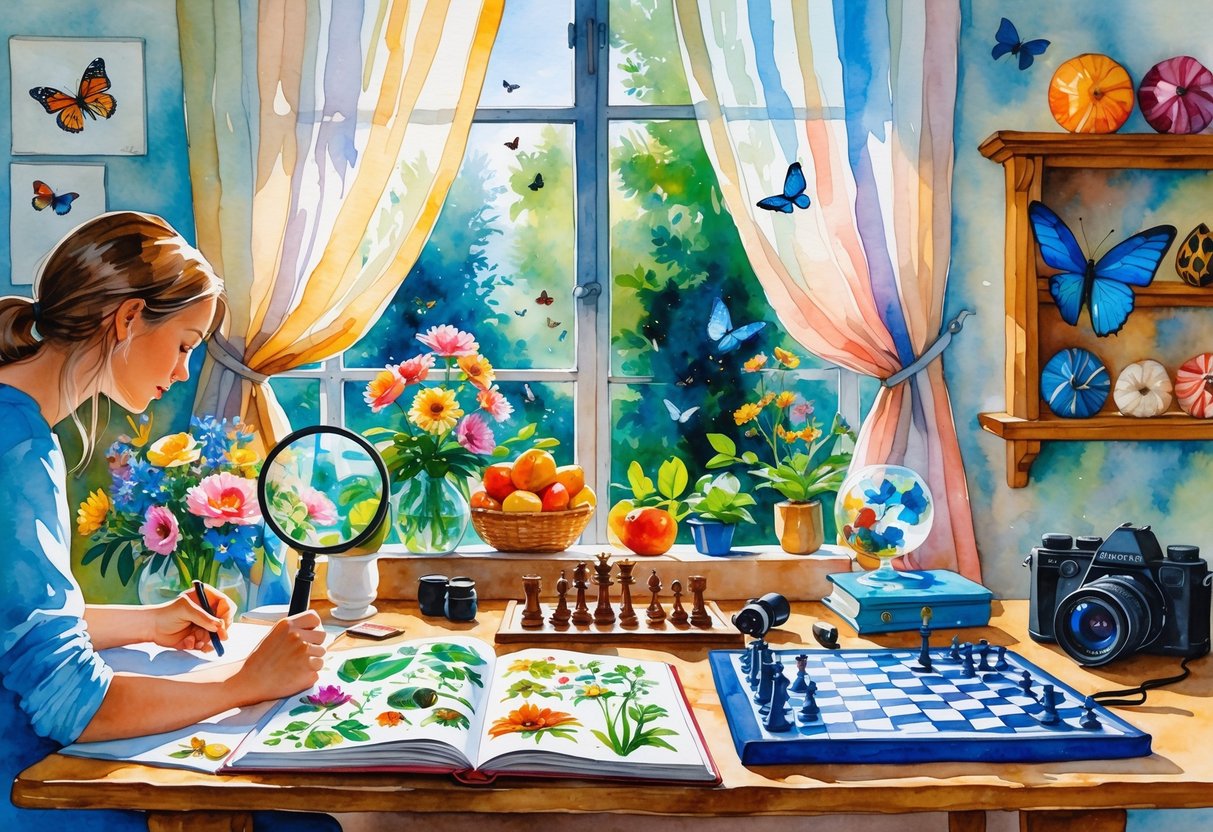
You can practice and strengthen observation skills through fun and interesting hobbies. Picking the right activities gives you a simple way to train your mind to notice more and think more clearly.
1) Birdwatching in Local Parks
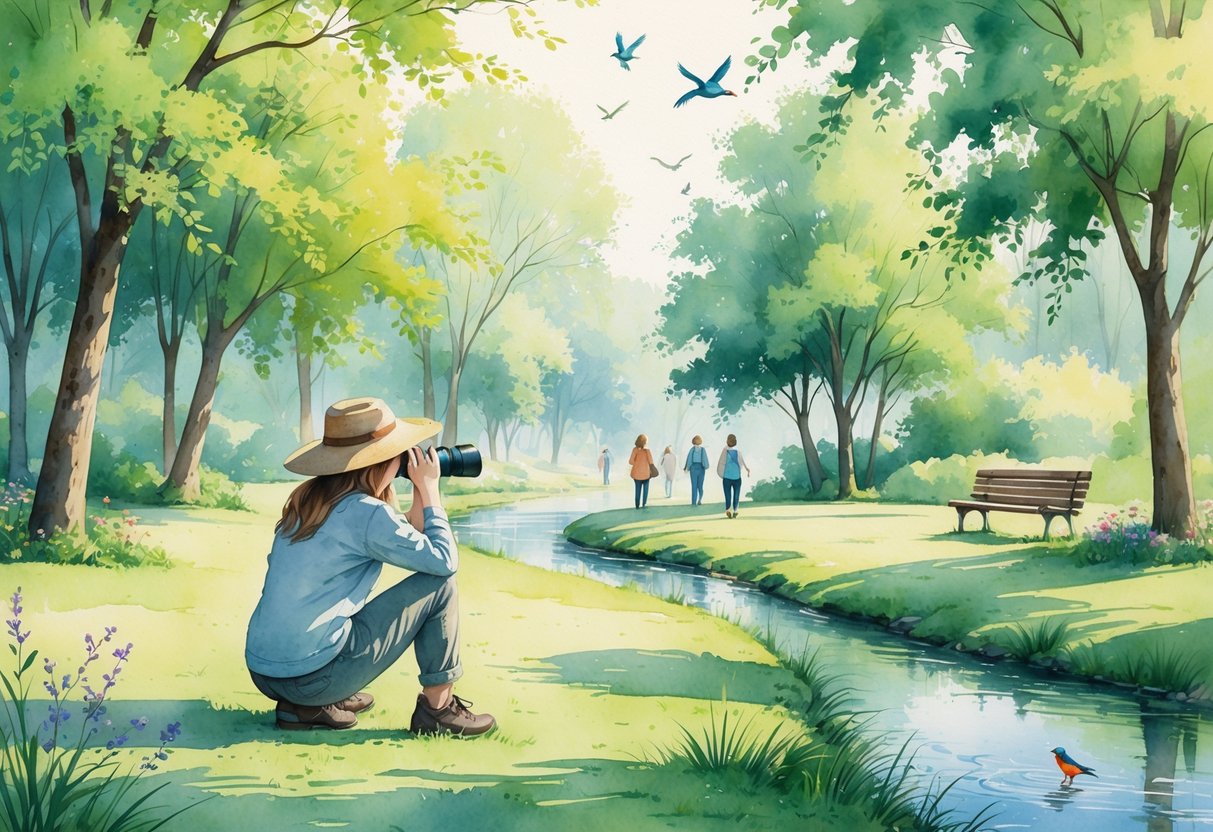
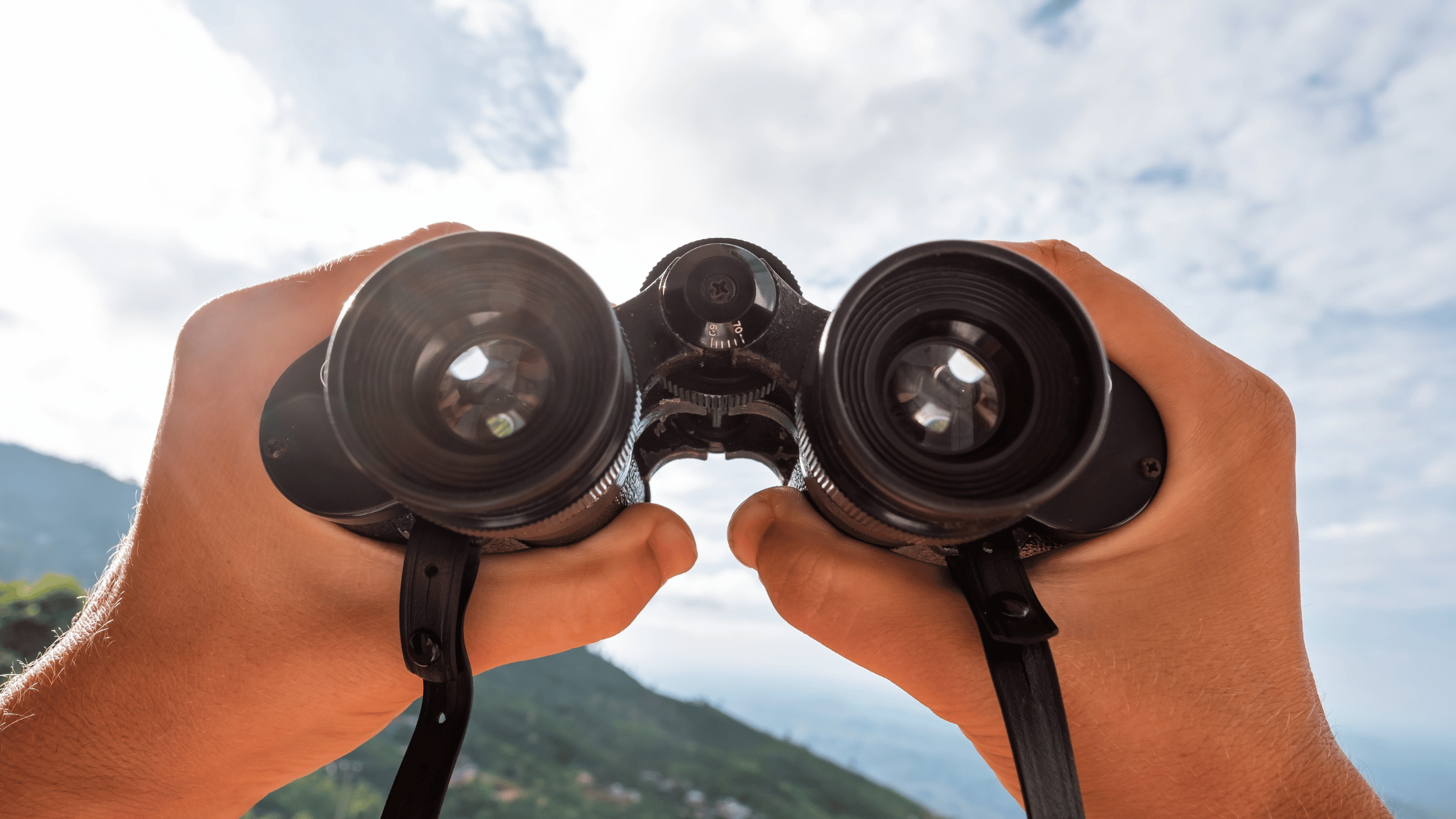
Birdwatching is a simple way to practice observation skills. You only need a basic pair of binoculars and a notebook to get started.
Local parks are great spots because they attract many types of birds. By watching birds, you learn to notice small details.
You observe their colors, shapes, and the way they move. Each bird has its own unique habits and sounds.
You may be surprised how many different birds live right in your area. Many parks have diverse habitats, such as ponds, woods, and open grassy spaces.
These areas provide homes for a variety of bird species, making it easy to spot differences between them. Birdwatching can be a relaxing hobby.
It helps you focus on the present moment as you listen to bird calls and watch for movement. With some patience, you will start to recognize which birds visit certain spots or times of day.
You can also join local birdwatching groups or take part in guided walks. These activities offer a chance to meet others who share your interest and help you learn more quickly.
Bird clubs often share helpful tips for identifying birds and sharpening your skills. Many people even choose to keep a bird journal.
Writing down what you see helps you remember the details and track changes over the seasons. You may notice patterns in migration or behavior that you would otherwise miss.
Birdwatching in local parks is popular because it is easy to start and does not cost much. Spending time in nature also gives you a break from screens and everyday stress.
For more information on getting started, you can read about birdwatching as a hobby or find local opportunities in parks and reserves.
2) Keeping a Daily Field Journal

Keeping a daily field journal is a simple way to develop your observation skills. When you record what you see, hear, or notice each day, you pay closer attention to your surroundings.
The act of writing things down helps you remember and reflect on small details you might otherwise miss. You do not need anything fancy to get started.
Grab a notebook and a pen. Journaling works just as well in your backyard as it does in a park.
Try to note what stands out to you—a shape, a color, or a new sound. Writing about your observations makes you more alert.
Many people like to include drawings or quick sketches next to their notes. This helps you focus on details you may not see at first glance.
Even if you are not an artist, a simple picture can help you remember what you noticed during the day. Regular journaling keeps your observation skills sharp.
Over time, you may start to notice patterns in what you see, such as changes with the weather or how animals behave at certain times. These patterns are easier to spot when you look back through your notes.
Some teachers and nature experts use field journals to teach observation to kids and adults alike. Using a field journal can be a fun and practical way to practice being a good observer every day.
Even short entries, just a few lines, can help. The goal is not to write a whole story but to notice something new and jot it down.
As you make this a habit, observing will become part of how you see the world.
3) Stargazing and Constellation Mapping

Stargazing gives you a chance to really slow down and notice details in the sky. Looking for patterns helps train your eyes and mind to spot small differences.
To get started, find a dark spot away from city lights. Bring a blanket or chair to make yourself comfortable outside.
Give your eyes time to adjust to the darkness for the best view of the stars. Use a sky guide, planisphere, or stargazing app to help you identify stars and constellations.
There are many easy tools that show what to look for in the sky each night. Trying to match these patterns helps sharpen your attention to detail.
For beginners, the Big Dipper, Orion, and Cassiopeia are good places to start. Making simple sketches while you watch the night sky can be helpful.
Drawing what you see forces you to pay attention to the shape, position, and brightness of each star. This systematic approach encourages careful observation and helps you remember what you see on different nights.
You can also try mapping or labeling constellations on printable star charts. Going over these charts each night helps you memorize their positions and names.
Repetition and regular practice will strengthen your skills over time, as described in several beginner guides. Stargazing can be enjoyed alone or with others of any age.
It is a relaxing way to connect with nature and improve your focus. Each night offers something new to look for in the sky.
4) People-Watching in Urban Settings

People-watching is a simple way to practice observing others in public places. Cities offer busy environments where people from different backgrounds interact, so there’s always something new to notice.
You can sit on a bench, ride public transport, or walk through a park. Watch how people move, what they wear, and how they interact with each other.
This helps you notice small details you might normally miss. Focus on body language, facial expressions, and gestures.
These nonverbal cues give you clues about how people feel or what they are doing. Practicing in crowded settings can sharpen your attention and make you more aware of your surroundings.
Urban areas are perfect for this hobby because they provide a wide variety of situations. You might notice patterns in how people act during rush hour or how groups gather in different places.
Respect privacy and avoid staring for long periods. Being polite is important.
If someone seems uncomfortable, look away and choose another area or person to observe. Developing people-watching skills means you are training your brain to pick up on differences and similarities.
Over time, you may get better at noticing changes in mood or spotting trends in group behavior. Observation is more than just looking.
It’s about being curious and open to learning from what you see. By people-watching, you can improve your skills and start to better understand human behavior in real-world settings.
Some people find people-watching calming or interesting because it gives them a chance to slow down and focus. If you want to learn more about etiquette and techniques, you can find tips for people watching as a hobby online.
5) Macro Photography Outdoors
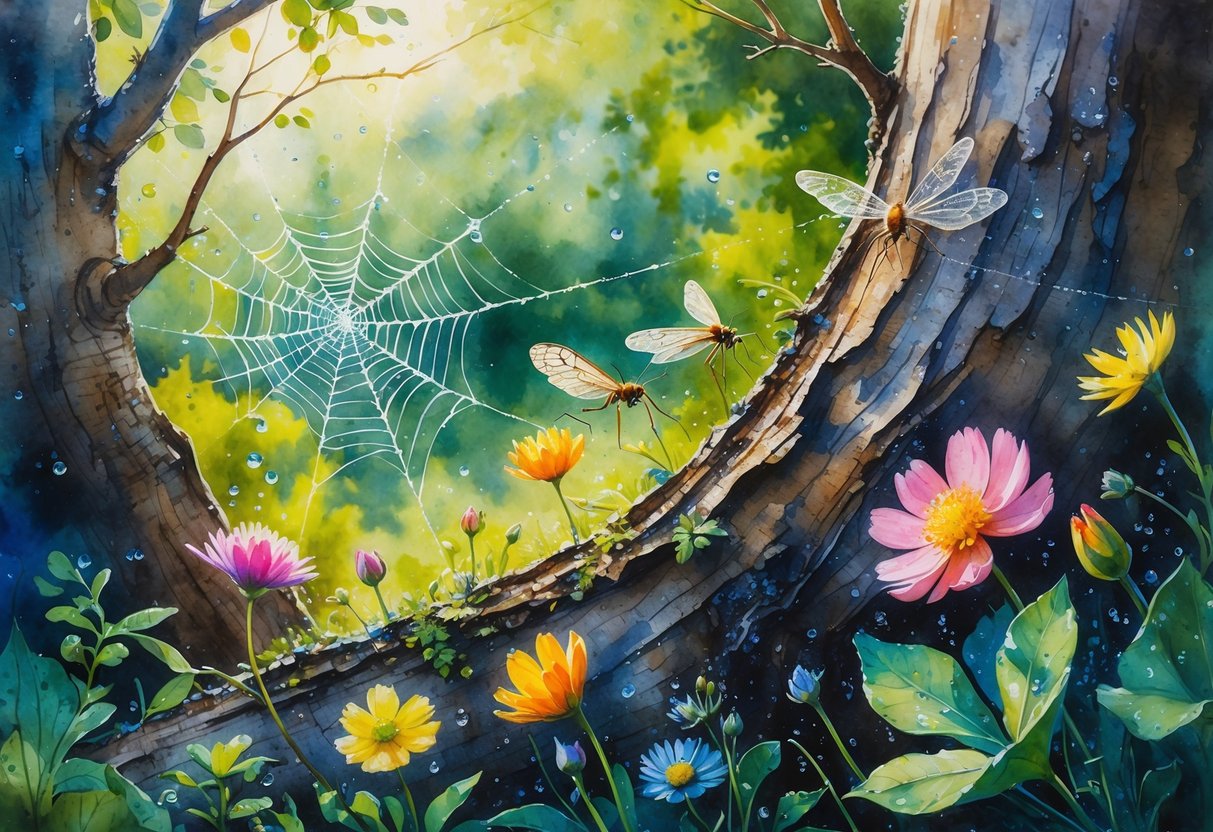
Macro photography lets you focus on very small details in nature. By using a camera or even a smartphone with a macro lens, you can capture close-up images of things like bugs, flowers, and leaves.
This hobby trains you to notice tiny patterns and textures that you might otherwise ignore. You start to pay attention to details such as the veins on a leaf or the shape of an insect’s eyes.
Taking macro photos outdoors encourages you to slow down and look closely at what is around you. You may find yourself on the ground, searching under leaves or near tree bark, exploring new angles and perspectives.
Practicing macro photography helps you train your eyes for precision. Instead of just looking at a flower, you look for dew on the petals or small insects crawling on the stem.
These details help make your pictures interesting and sharpen your observation skills. If you are new to macro photography, you don’t need expensive gear to start.
Many phones have macro settings or you can get an affordable clip-on lens. Even with basic equipment, you can notice and capture things that most people miss.
Try practicing by spending just a few minutes each time you go outside looking for something tiny to photograph. This habit strengthens your ability to notice little things in daily life.
If you want more tips on getting started or choosing subjects for close-up photos, you might find these macro photography tips and a list of great subjects for macro photography helpful. These guides can help you learn new techniques and develop your skills further.
6) Sketching Natural Scenes
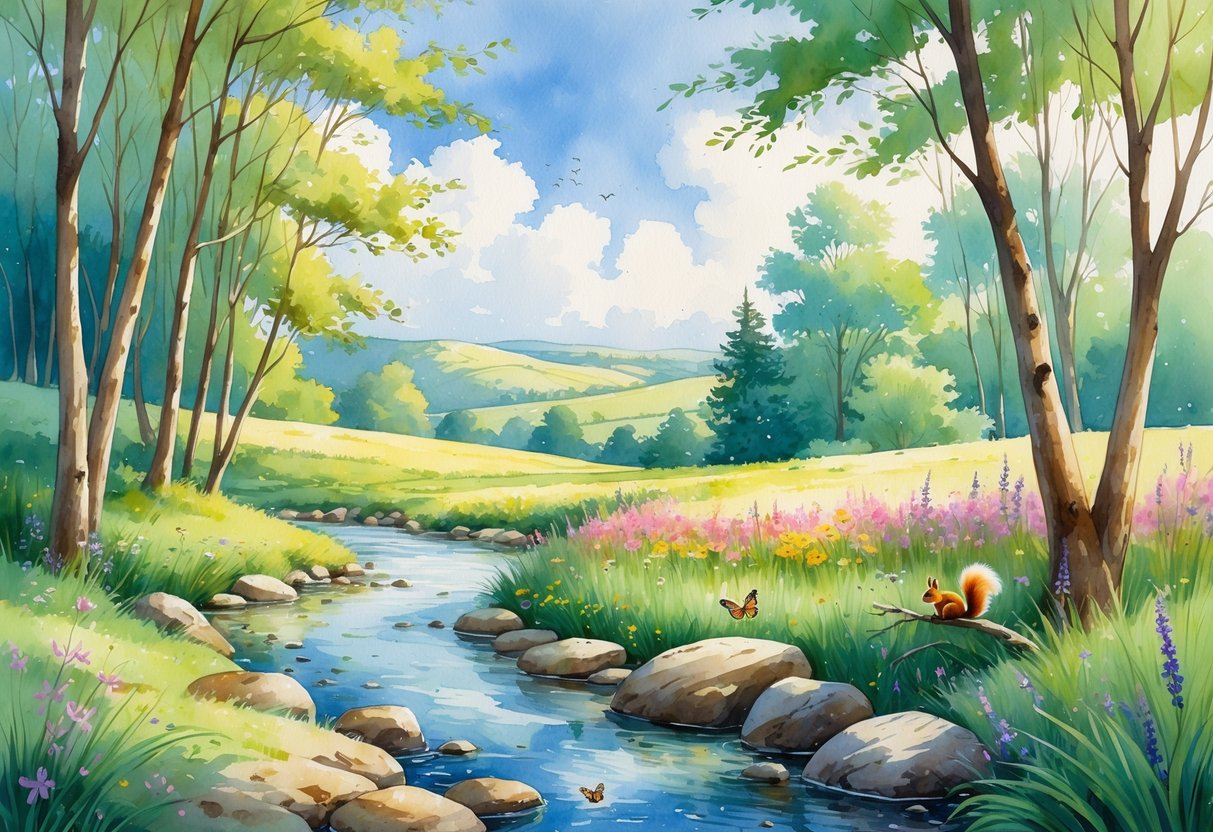
Sketching natural scenes is a practical way to build your observation skills. When you sketch, you look closely at the shapes, colors, and patterns around you.
This close attention helps you notice details you might usually ignore. You don’t need special training to try nature sketching.
All you need is a notebook and a pencil. Start by picking a scene, such as a tree, a flower, or a park view.
Observe the main shapes and outlines first. Don’t worry about making your sketch perfect—the main goal is to see clearly and draw what you notice.
As you draw, challenge yourself to include different textures, such as rough bark or smooth leaves. You can even take notes on colors or sounds you notice while sketching.
This turns your sketchbook into a record of your experiences outdoors. You can sketch in your backyard, at a park, or while hiking.
Any outdoor spot will give you plenty of subjects to draw. For more ideas and step-by-step tips, check out helpful resources on nature sketching and its benefits for observation skills.
7) Attending Debate Clubs

Joining a debate club helps you become a sharper observer. You will need to pay attention to what others say, look for details in arguments, and notice changes in tone or body language.
Debate clubs encourage you to listen carefully. Good listening is key when you want to find strengths or weaknesses in what someone is saying.
You may also notice hidden messages or emotions by watching how speakers act and respond. During debates, you often have to think on your feet.
This means quickly observing new information and using it in your own responses. Many people join debate clubs to improve their critical thinking skills and public speaking.
Another important benefit is how much you improve your observation skills. You get regular practice in spotting facts, catching errors, and understanding different perspectives.
In a debate club, you may review not just words, but also evidence and the way ideas are presented. This kind of careful observation helps you judge the strength of arguments.
Attending clubs like these is not just about winning arguments. It is about becoming more thoughtful and aware.
8) Tracking Insect Behavior
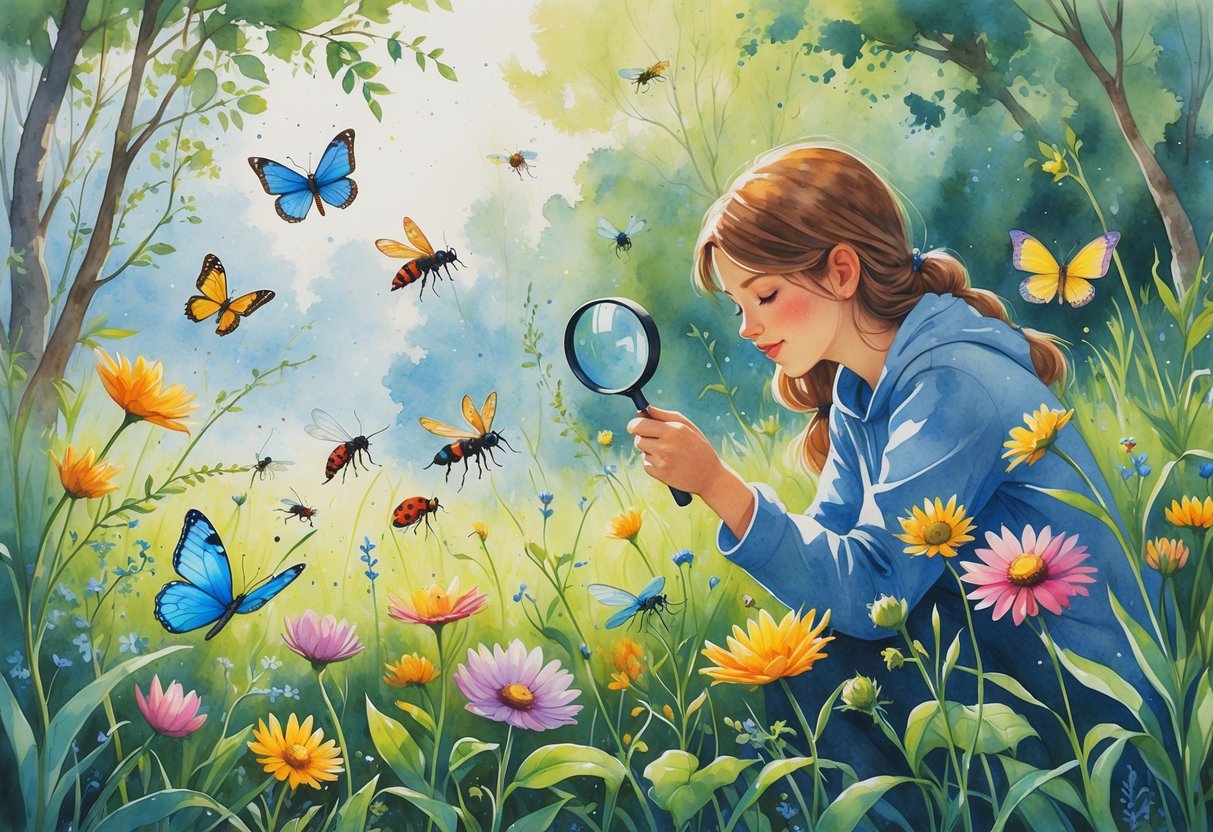
Observing insects in their natural environment helps you build strong attention to detail. You focus on how insects move, eat, and interact with their surroundings.
This type of careful watching is easy to start in your backyard or local park. You can use simple tools like a magnifying glass, a notebook, and a pencil.
Some people choose to use cameras or even phones to take close-up pictures of insects. Recording what you see, either by drawing or writing, makes you notice even small changes in insect behavior.
There are many ways to make insect observation interesting. For example, you can use checklists to identify different species.
You might try building a bug hotel to attract insects to a certain spot. Paying attention to insect life cycles is a big part of this hobby.
You might watch a caterpillar turn into a butterfly or an ant build a tunnel. As you observe, you start to notice patterns in their daily habits.
Safety is important when watching insects. Some insects sting or bite, so keep a safe distance.
Use a jar for closer looks if needed, but keep the insect inside for only a short time. Tracking insect behavior can be a solo activity or shared with friends and family.
Working together, you can spot more insects and compare notes. If you want to learn even more, you can use printed guides or join online groups that focus on insect observation activities.
Watching insects teaches patience and helps train your mind to pay attention to details.
9) Practicing Mindful Observation Walks

Mindful observation walks are a helpful way to train your awareness. When you go for a walk, make a point to focus your attention on what is happening around you.
Notice the shapes of leaves, the sounds of birds, and the feeling of the ground under your feet. Try to see ordinary things as if you are noticing them for the first time.
During these walks, don’t rush. Walk slowly and calmly.
Pay attention to your breathing and the rhythm of your steps. If your mind starts to wander, gently bring your focus back to your surroundings.
This helps you stay in the present moment and notice more details. Practicing observation on walks can help you notice small changes in your environment.
Over time, it trains your brain to become more observant in other situations as well. You don’t need a special park or path.
You can practice mindful observation during a walk in your neighborhood, at a mall, or even indoors. Many people find that regularly taking nature walks focused on mindfulness helps reduce stress and sharpens observation skills.
It encourages a deeper connection to your surroundings, which can be calming and grounding. For tips on planning these walks, you can learn more about mindful nature walks and how they support observation at Paths of Learning.
Even short walks can be useful if you remain present and curious. With practice, you may find that you notice things others often miss.
10) Reading Mystery Novels

When you read mystery novels, you practice paying attention to small details. Authors often hide important clues in conversations or descriptions.
Spotting these clues can help you understand how characters solve problems. Mystery stories encourage you to look past the obvious.
You learn to question what you see and think about what could be missing. Detective fiction often depends on careful observation and following logical steps.
Many detectives in books are famous for noticing what others miss. You can find examples of this in classic stories, like Sherlock Holmes, whose habits of observation made him stand out.
For more on detectives and hobbies, visit this article about fictional detectives’ leisure activities. By reading different mystery novels, you see how each detective uses their own style of watching and listening.
Some focus on behavior, while others study background details. This helps you train yourself to notice a wider range of things in real life.
Many books even challenge you to solve the puzzle before the detective does. This makes you pay extra attention to every sentence and scene.
Practicing this can make you more alert when you are reading other books or paying attention to things around you. Mystery novels also build your patience.
You have to follow the clues, think about motives, and keep facts straight. Choosing mystery novels for your hobby is simple and low-cost.
You can find these stories in libraries, bookstores, or online. This hobby lets you practice observation at your own pace while enjoying an engaging story.
How Observation Skills Enhance Daily Life
Sharper observation helps you notice small changes in your surroundings and better remember details about people, places, or events. These abilities improve how you process information and handle daily tasks.
Cognitive Benefits of Improved Perception
When you strengthen your observation skills, your brain learns to recognize patterns more easily. This means you can spot problems early, remember new information faster, and make better choices.
For example, you might find it easier to read facial expressions or notice small changes in a classroom or workplace. Better perception also helps you remember important conversations, directions, or lessons.
Your memory becomes more detailed because your mind practices focusing on what’s happening around you. This can lead to higher grades in school or improved work performance.
The mental exercise involved in observing things carefully can even support long-term brain health. It can help you stay sharp and adapt to new situations as they come.
Boosting Attention to Detail Through Practice
Paying attention to details is a skill you can build daily. You can improve it by slowing down and making a habit of looking for details in objects, actions, and spoken words.
For instance, when walking outside, try noting colors, sounds, and textures around you. Active listening is another important part of observation.
Focusing on what someone says and how they say it can help you understand things more deeply and build stronger relationships. This also improves your ability to communicate and remember agreements or plans, as shown in guidance on practicing active listening.
A few useful ways to practice include playing memory games, drawing objects from life, or reviewing daily tasks at the end of the day. Each time you work on your attention to detail, you make it easier to catch important information in future situations.
Tips for Consistent Observation Skill Development
Building strong observation skills takes steady effort and clear habits. You will notice better details and see more in your daily life when you focus on small, practical steps.
Integrating Mindfulness Into Everyday Routines
Mindfulness helps you pay closer attention to your environment. This can be as simple as taking a moment to notice the sounds and sights around you while you wait in line or during a walk.
Try using the five senses method:
- Sight: Look for three things you have not noticed before.
- Hearing: Listen carefully for background sounds.
- Smell: Identify any new scents in the air.
- Touch: Feel the texture of objects around you.
- Taste: Observe the flavors in your food or drink.
Using these techniques daily can deepen your observation. You might want to keep a small field journal to write down what you notice.
Maintaining Motivation and Tracking Progress
To keep improving, it’s important to track your progress and stay motivated. Set short, clear goals, like noticing five new details each day or filling one page of your journal every week.
Create a simple table to record your daily observations and any patterns:
| Date | New Details Noticed | Setting | Notes |
|---|---|---|---|
| 2025-06-27 | 3 | Park | Birds’ calls, park bench design, ants |
| 2025-06-28 | 2 | Kitchen | Hum of fridge, smell of soap |
Review your notes weekly. Talking with others about what you observe can also boost your motivation and provide encouragement during your routine.
For more ideas on observation practice, try these daily exercises.
Frequently Asked Questions
You can boost your observation skills with exercises, games, and real-world practices. Many activities, including games and hobbies, can help you notice more details and process information better.
What are effective exercises for enhancing observational abilities?
Practicing mindfulness and focusing on your surroundings helps. Try keeping a daily field journal and describe what you see in detail.
Mentally taking note of changes each day during birdwatching or nature walks sharpens attention. Dedicate time to closely study different environments, such as parks or busy city areas.
Simple exercises like observing objects and recalling their features later can build your abilities.
Which games can help in improving observation skills?
Games like memory matching cards, spot-the-difference puzzles, and jigsaw puzzles train you to notice small details.
Board games that require you to pay attention to moves and remember patterns, such as Clue or Chess, also sharpen your mind.
You can also benefit from brain-training apps and escape room games, which encourage you to focus, recall, and spot clues faster.
How can one develop observation skills similar to Sherlock Holmes?
You should practice noticing body language, subtle expressions, and patterns in people’s actions. Start by observing one thing at a time, like what clothes people wear or how they speak.
Gradually layer more detail into your observations as you become comfortable. Taking field notes and paying close attention to the environment, just as Holmes would, can help you build similar habits and sharpen your powers of observation.
What practices can artists adopt to refine their observation skills for drawing?
Artists can spend time drawing from real life rather than photos. Use blind contour drawing—where you draw without looking at the paper—to focus on the details of the subject.
Practice sketching quick studies to capture shapes, shadows, and proportions accurately. Repeating studies of objects, plants, or people in different settings can help you see more each time and translate those observations into art.
Are there online resources or games that can assist in improving observation skills?
Yes, many websites and apps offer games aimed at memory and detail, such as Lumosity and BrainHQ. These platforms use pattern recognition, visual recall, and quick-thinking tasks to challenge your observation.
Online spot-the-difference and hidden object games are helpful for practicing attention to detail. You can access lists of productive and screen-free hobbies if you want to go offline.
Can you provide examples of how strong observation skills can benefit everyday life?
Observation skills help you notice when something is out of place. They also help you remember faces and names.
When driving, you’re more likely to notice hazards sooner. At work, keen observation can help you catch errors or spot useful details in documents.
Socially, you may find it easier to read body language. This allows you to respond appropriately in conversations and make interactions smoother.