
10 Best Hobbies for Wedding Photographers During the Off-Season to Stay Creative and Avoid Burnout
The off-season can feel like a challenge for wedding photographers when bookings slow down. But this quieter time is actually a chance to grow your skills and explore new creative outlets.
Instead of viewing it as downtime, you can use these months to try hobbies that make you a better photographer and business owner. The right hobbies during the off-season can help you stay creative, learn new skills, and even attract more clients when wedding season returns.
You don’t need to spend all your time marketing or editing old photos. Taking on different projects keeps your work fresh and your mind sharp.
These activities can also help you build connections and discover new ways to make money throughout the year.
10) Exploring film photography techniques

The off-season gives you time to learn film photography without the pressure of delivering digital galleries. Film cameras work differently than digital ones, so you need to understand manual focus, exposure settings, and how different film stocks respond to light.
Start with 35mm cameras since they’re affordable and easier to find. You can pick up a used film camera and experiment with various film types to see which ones match your style.
Film photography teaches you to slow down and think before each shot. You only have 36 frames per roll, which makes you more intentional about composition and timing.
Try different film stocks to understand their unique characteristics. Some films produce warm tones while others give cooler results.
Black and white film is great for practicing because it helps you focus on light and shadows without worrying about color balance. Practice developing your own film at home or find a local lab.
Understanding the development process helps you see how exposure and processing affect the final image. Film photography can also become a service you offer to wedding clients.
Many couples want the authentic look that film provides. Learning these techniques during your downtime prepares you to add film to your wedding workflow when the busy season returns.
9) Networking with local vendors
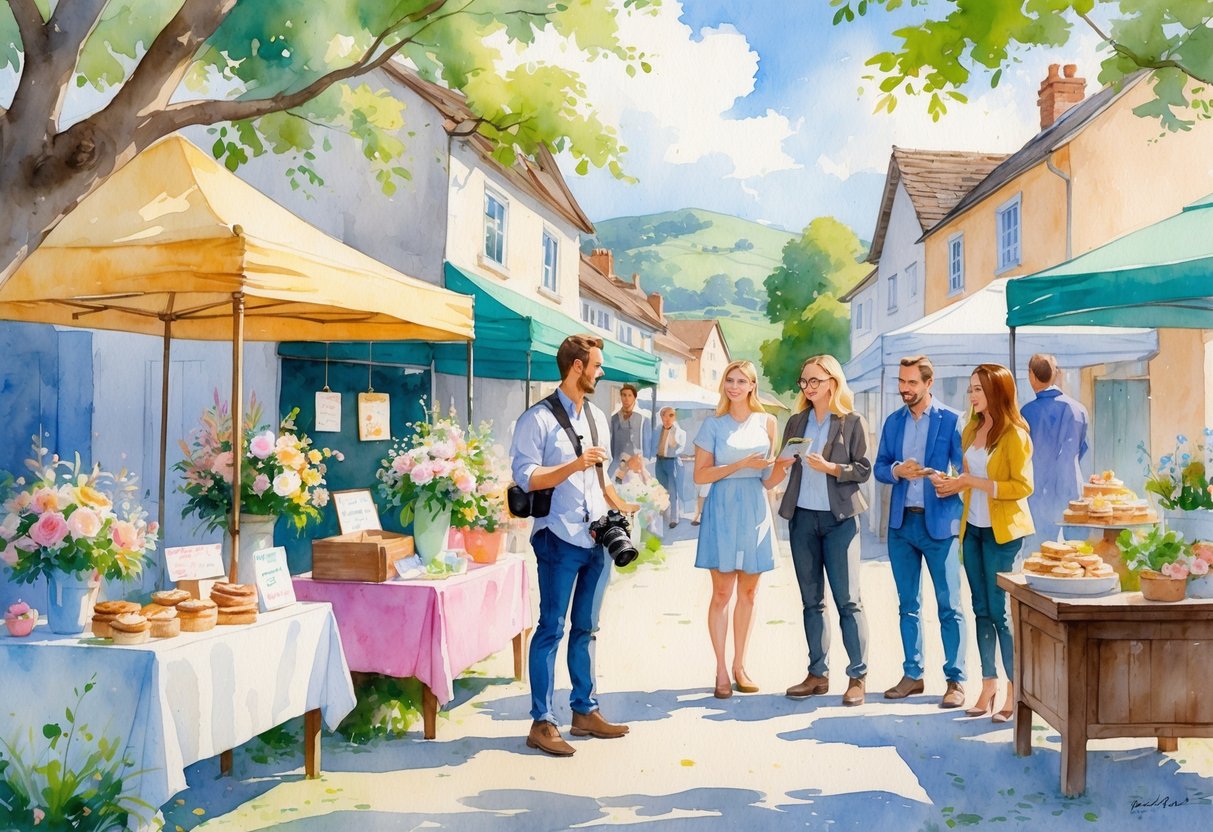
The off-season gives you time to build relationships with wedding vendors in your area. These connections can lead to referrals and better working relationships during busy wedding season.
Start by reaching out to florists, planners, caterers, and venue coordinators you’ve worked with before. Offer to meet for coffee or schedule a brief visit to their workspace.
Bring genuine interest in their business and look for ways to support each other. Consider offering free headshots for vendors who need updated photos for their websites or social media.
You can also photograph their work, like a florist’s new arrangements or a venue’s updated spaces. This gives you portfolio content while providing them with marketing materials.
Feature vendors on your blog or social media when you post wedding photos. Tag them in images that showcase their work.
Join local business groups or attend bridal fairs to meet new vendors. Facebook groups and local meetups are good places to connect with wedding professionals in your market.
Host or participate in styled shoots during the off-season. These collaborative projects bring together multiple vendors and create portfolio content for everyone involved.
They also give you a chance to work with new contacts in a low-pressure setting. Keep your networking efforts consistent and authentic.
8) Learning new photography software

The off-season gives you time to master new editing tools without the pressure of client deadlines. You can explore different programs and find what works best for your workflow.
Photo editing software is a critical part of your photography business. When wedding season slows down, you can take courses or watch tutorials to improve your skills.
Many photographers stick with one program because they’re comfortable with it. But learning new software can make you faster and more efficient.
You might discover features that save you hours of editing time. Consider trying different programs to see which ones fit your needs.
Some software is better for culling through thousands of wedding photos quickly. Others excel at detailed retouching or creating consistent looks across large batches of images.
You can use free trials during the off-season to test new tools. Watch comparison videos and read reviews from other wedding photographers.
Learning new programs also keeps your editing style fresh. You might find creative tools that set your work apart from other photographers.
Set aside a few hours each week to practice with new software. The more you experiment now, the smoother your workflow will be when clients start booking again.
7) Blogging about photography tips

The off-season gives you time to share your knowledge through blog posts. You can write about technical skills, camera settings, or lighting techniques that you’ve learned over the years.
Start with topics you already know well. Write about how to pose couples naturally or how to capture detail shots at weddings.
Your experience makes you qualified to teach others. Blog posts help potential clients find you online.
When couples search for wedding advice or photography tips, your content can appear in their results. This brings new people to your website even when you’re not shooting weddings.
You can also write for other photographers. Share what you’ve learned about running your business or editing photos.
Plan out several blog topics at once. This makes it easier to write consistently throughout the off-season.
Writing blog posts keeps your website active. Fresh content shows that your business is running and ready to book new clients.
It also gives you material to share on social media throughout the quieter months.
6) Updating and refining portfolio
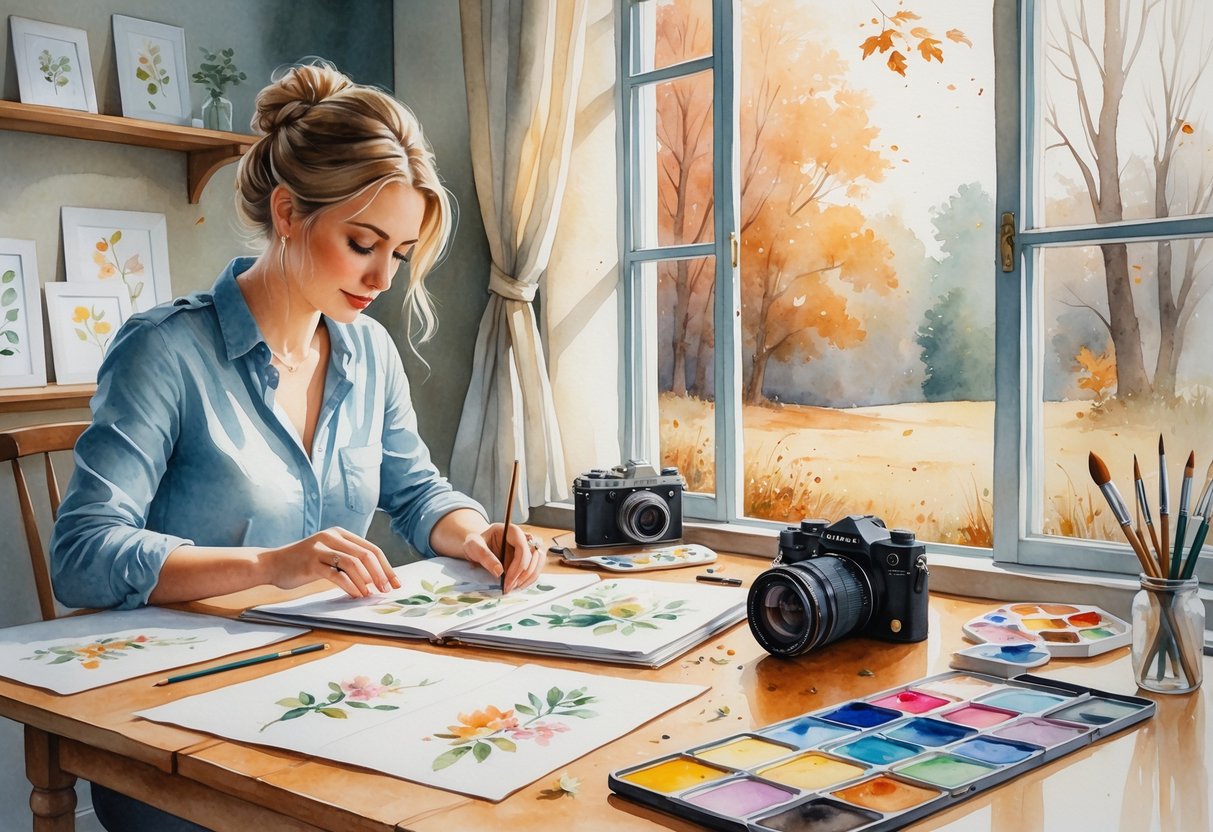
The off-season gives you time to review your wedding photography portfolio with fresh eyes. You can sort through your recent work and select the strongest images that represent your current skills and style.
Your portfolio should tell a clear story about what you offer as a wedding photographer. Remove older images that no longer match your technical abilities or creative direction.
Replace them with your best recent work. Look at each photo critically.
Does it show good lighting, composition, and emotion? Does it display the range of moments you capture at weddings?
Keep only images that answer yes to these questions. You should organize your portfolio to flow naturally from one moment to the next.
Group images by wedding stages or mix them to show variety. Either approach works as long as it makes sense to potential clients viewing your work.
Consider getting feedback from other photographers or trusted clients. They might spot strengths or weaknesses you missed.
Their input helps you see your work from a client’s perspective. Update your online portfolio regularly throughout the off-season.
Add new images, remove weaker ones, and adjust the layout if needed. A current portfolio shows you stay active and continue to grow as a photographer.
5) Editing and retouching skill practice

The off-season gives you time to improve your editing and retouching abilities without deadline pressure. You can experiment with new techniques and refine your current workflow.
Start by revisiting photos from past weddings that you wanted to edit differently. Try new color grading styles or test different retouching approaches.
This practice helps you develop a more consistent editing style for future clients. Learning new software features is another valuable way to spend your downtime.
Most editing programs release updates regularly with tools you might not have explored yet. You can watch tutorials and follow along with your own images.
Skin smoothing and color correction are fundamental skills worth perfecting. Take time to practice removing blemishes, adjusting skin tones, and balancing exposure across different lighting conditions.
These basic techniques make a big difference in your final photos. You can also explore creative effects and advanced retouching methods.
Experiment with different moods like light and airy or dark and dramatic styles. Try composite techniques or practice fixing challenging lighting situations you encountered during wedding season.
Consider creating before-and-after examples to showcase your editing skills to potential clients. This practice not only improves your technical abilities but also builds your portfolio.
4) Personal creative photo challenges
The off-season gives you time to explore photography without client deadlines. Personal photo challenges help you grow your skills and try new techniques you can’t use during weddings.
You can start with simple weekly themes like shooting only in black and white or focusing on shadows and light. These challenges push you to see scenes differently than you would on a wedding day.
Monthly projects work well if you want deeper exploration. Try documenting a single subject over 30 days or shooting only with one lens.
This kind of focus teaches you to work within limits and find creative solutions. Online photography communities offer structured challenges where you can share your work and see what others create.
You’ll get fresh ideas and honest feedback that helps you improve. Self-assigned challenges let you experiment with styles that interest you.
Maybe you want to try street photography, landscapes, or macro work. The off-season is your chance to build these skills without pressure.
Set specific goals for each challenge. Instead of just “take better photos,” aim for something measurable like “capture 50 portraits of strangers” or “shoot every day for two weeks.”
Clear targets keep you motivated and help you track progress. These creative exercises refresh your perspective before wedding season starts again.
3) Portrait and headshot projects
The off-season gives you time to build your portrait photography skills. These skills transfer directly to wedding work since you’re already used to posing people and working with natural light.
You can start by offering headshot sessions to local professionals. Business people always need updated LinkedIn photos and corporate headshots.
This type of work keeps your camera skills sharp and brings in steady income during slower months. Portrait sessions let you experiment with techniques you might not try during wedding days.
You can test new lighting setups, practice different poses, and work on your editing style. Each session teaches you something new about working with clients and capturing personality in a single frame.
Consider creating themed portrait projects that interest you. You might photograph families, high school seniors, or creative professionals.
These projects help you discover what types of photography you enjoy beyond weddings. The best part about portrait work is the flexible schedule.
You can book sessions around your personal life without the time pressure of wedding days. Sessions typically last one to two hours instead of eight to ten.
Portrait clients often become wedding referrals too. When someone trusts you with their professional image, they remember you when friends get engaged.
Building a portrait client base during the off-season creates opportunities year-round.
2) Branded content collaborations

The off-season gives you time to partner with brands that align with your photography style. These collaborations can bring in extra income when wedding bookings slow down.
Start by reaching out to companies that fit your niche. Wedding-related brands like dress designers, florists, and invitation makers often need quality photos for their marketing.
Outdoor apparel companies and lifestyle brands also look for photographers to create content. You can offer your photography skills in exchange for payment or products.
Many brands post calls for collaborations on social media or influencer platforms. Look for opportunities that match your aesthetic and values.
These partnerships help you build your portfolio during quiet months. The content you create can showcase your versatility beyond traditional wedding photography.
Brand collaborations also expand your professional network. You connect with businesses in the wedding industry and related fields.
These relationships can lead to referrals and future opportunities. Make sure to discuss usage rights and payment terms upfront.
Clear agreements protect both you and the brand. Document everything in writing before you start shooting.
Use your off-season time to research potential brand partners. Create a list of companies you want to work with and study their current content.
This preparation helps you pitch ideas that match their needs and your skills.
1) Seasonal mini photo sessions
Seasonal mini sessions offer you a smart way to keep your camera busy during slower wedding months. These shorter photography sessions let you work with clients who want quick, themed photo shoots without the commitment of a full session.
You can plan mini sessions around any season or holiday. Fall sessions with colorful leaves work well in October and November.
Winter sessions might include holiday themes or snow backdrops. Spring brings flowers and fresh colors.
Summer offers outdoor family sessions. Each mini session typically lasts 15 to 30 minutes.
You can schedule multiple clients back-to-back in a single day. This approach helps you earn steady income when wedding bookings slow down.
The sessions also help you attract new clients. Many people try mini sessions first before booking larger photography packages.
You build your client base while staying active in your craft. Setting up mini sessions requires some planning.
Pick a theme that fits the season. Choose your location ahead of time.
Set your pricing and decide how many images clients will receive. Market your sessions on social media and through email to reach potential clients.
Mini sessions keep your photography skills sharp between weddings. You practice posing families, working with children, and managing your time efficiently.
These skills transfer directly back to your wedding photography work when busy season returns.
Why Off-Season Hobbies Matter for Wedding Photographers
The slow months between wedding seasons offer more than just downtime. They provide a chance to develop new skills, protect your mental health, and find fresh ways to earn income.
Enhancing Creative Skills
Wedding photography requires you to deliver consistent results within a specific framework. Your clients expect certain shots, and you often work within tight timelines.
This structure can limit creative exploration during busy season. Hobbies let you experiment without client expectations or deadlines.
You can try new editing styles, test different lighting techniques, or work with unfamiliar equipment. A hobby like painting might teach you about color theory that improves your editing choices.
Learning pottery could strengthen your understanding of form and composition.
Creative benefits you can gain:
- Practice new photography techniques without pressure
- Develop skills that transfer to your wedding work
- Build fresh perspectives on familiar subjects
- Strengthen artistic instincts through different mediums
The skills you develop outside wedding photography often show up in your professional work. Trying landscape photography might improve how you scout ceremony locations.
Street photography could sharpen your ability to capture candid moments during receptions.
Preventing Burnout
Wedding season demands constant energy and focus. You shoot events every weekend, edit during the week, and manage client communications throughout.
This pace works for several months but becomes unsustainable year-round. Taking real breaks protects your long-term career.
Hobbies give your mind genuine rest from photography-related tasks. When you engage in activities completely separate from your work, you return to wedding season with renewed energy and enthusiasm.
Physical hobbies offer particular value since wedding photography requires standing, carrying equipment, and moving quickly for hours. Activities like yoga, swimming, or hiking build the stamina you need for long wedding days.
They also counteract the physical strain of your busy season. Your mental health directly affects your client interactions and creative output.
Burnt-out photographers struggle to connect with couples and miss important moments. Regular hobby time helps you maintain the passion that made you choose this career.
Expanding Business Opportunities
Hobbies can become income sources during slow months. The skills you develop for enjoyment might attract paying clients who need different types of photography or related creative services.
Learning video editing as a hobby could lead to offering wedding films. Practicing product photography might open doors to work with local businesses.
Even non-photography hobbies create connections. Joining a book club or sports team puts you in contact with potential clients and referral sources.
Business opportunities from hobbies:
- Offer mini sessions in new photography styles
- Create educational content about your hobby for social media
- Partner with other creatives you meet through hobby communities
- Develop passive income through products related to your interests
These alternative income streams reduce financial stress during off-season months. You build a more stable business instead of relying entirely on wedding bookings.
Tips for Incorporating New Hobbies Into Your Photography Career

New hobbies can refresh your creative vision and add unexpected skills to your wedding photography business. The key is choosing activities that either spark fresh ideas or build abilities that translate directly to your work behind the camera.
Finding Inspiration From Unrelated Interests
Your hobbies outside photography can become secret weapons for creative problem-solving during wedding shoots. When you learn watercolor painting, you start seeing color combinations differently.
When you practice yoga, you develop better awareness of body positioning and movement. These connections aren’t always obvious at first.
A wedding photographer who takes up cooking might notice how plating techniques mirror composition principles. Someone who starts gardening gains deeper appreciation for natural lighting at different times of day.
Ways to capture inspiration from hobbies:
- Keep a small notebook to jot down visual ideas while doing other activities
- Take phone photos of interesting patterns, colors, or arrangements you encounter
- Set aside 15 minutes weekly to review how your hobby connects to photography concepts
- Share your hobby photos with other photographers to get fresh perspectives
The goal isn’t to force connections. Let them develop naturally as you engage with different activities.
Your brain makes creative links automatically when you give it diverse experiences to work with.
Balancing Personal Growth and Professional Development
You need clear boundaries between hobby time and business development time. Block specific hours for activities that have nothing to do with photography work.
This prevents burnout and keeps your creative energy high for actual wedding shoots. Start with two hours per week dedicated solely to your new hobby.
Protect this time the same way you protect client meetings. Turn off work notifications and resist the urge to check wedding inquiries.
Track how different activities affect your mood and creativity levels. Some hobbies energize you immediately.
Others provide benefits that show up days later in unexpected ways.
Schedule framework for hobby integration:
| Activity Type | Weekly Time | Best Timing |
|---|---|---|
| Pure hobby (no photography connection) | 2-3 hours | Off-season weekdays |
| Skill-building hobby | 1-2 hours | Slow business periods |
| Reflection and journaling | 30 minutes | Weekend mornings |
Your hobbies should reduce stress, not add to it. If an activity starts feeling like another obligation, step back and reassess why you chose it.
Frequently Asked Questions
Wedding photographers often have questions about staying productive and profitable when bookings slow down. The answers below cover income options, skill building, alternative work, client engagement, personal projects, and networking methods.
How can wedding photographers diversify their income during the off-season?
You can offer portrait sessions for families, seniors, or corporate headshots during slower months. These sessions fill your calendar and bring in steady income between weddings.
Teaching photography workshops or online courses lets you share your expertise while earning money. You can also sell presets, editing tutorials, or digital products to other photographers.
Print sales and album upgrades from past wedding clients provide another income stream. Reach out to previous clients with special offers on prints, canvas options, or photo books.
What are some ways wedding photographers can enhance their skills in the off-season?
Learning new photography software improves your editing workflow and final image quality. You can master programs like Photoshop, Lightroom, or Capture One through online tutorials and practice.
Exploring film photography techniques adds a new dimension to your work. Film photography teaches you about exposure, composition, and intentional shooting in ways that digital work sometimes misses.
You can take online courses in lighting, posing, or business management. Practice new techniques during styled shoots or by photographing friends and family.
What alternative photography niches might interest wedding photographers when weddings are less frequent?
Family photography during the holidays and early winter provides consistent work. Many families want updated photos for holiday cards and gifts.
Engagement sessions and couples photography keeps you working with similar clients and romantic themes. Corporate events and business photography offer different challenges but use many of the same skills.
Real estate photography or product photography for local businesses can fill gaps in your schedule. These niches require different technical skills but provide valuable experience.
How can wedding photographers leverage social media to stay engaged with clients year-round?
Post behind-the-scenes content and educational tips to keep followers interested. Share your editing process, gear reviews, or photography techniques that help you engage with both clients and other photographers.
Feature past weddings with throwback posts and client stories. This keeps your work visible and reminds potential clients of your style and quality.
Run social media contests or giveaways for engagement sessions or mini shoots. These campaigns grow your audience and generate leads for the upcoming wedding season.
What personal projects can wedding photographers pursue during slower business months?
Updating and refining your portfolio ensures you showcase your best and most current work. Remove outdated images and add recent weddings that represent the clients you want to attract.
Blogging about photography tips establishes you as an expert in your field. Write about wedding planning advice, photography locations, or tips for couples preparing for their big day.
Start a 365-day photo project or document a personal story through images. Personal projects keep your creativity sharp.
What networking strategies can help wedding photographers find new opportunities in the off-season?
Networking with local vendors builds relationships that lead to referrals year-round. Meet with wedding planners, florists, venues, and caterers over coffee to discuss collaboration.
Attend local business events and chamber of commerce meetings in your area. These gatherings connect you with potential corporate clients and business owners who need photography services.
Join photography associations or online communities where you can share knowledge and find mentorship. Other photographers often share leads for work they cannot take or recommend you for different types of projects.