
10 Best Hobbies for Burned-Out Therapists to Recharge and Find Balance
Therapists give so much of themselves to help others, but this can sometimes lead to feeling overwhelmed or burned out. Balancing your own well-being with the needs of your clients is important for staying healthy and effective in your work.

Taking up new hobbies outside of your daily routine gives you a chance to relax, recharge, and find joy in new activities. Exploring different interests can help reduce stress and make it easier to bring your best self to both your personal and professional life.
1) Sculpting to reduce anxiety and foster creativity
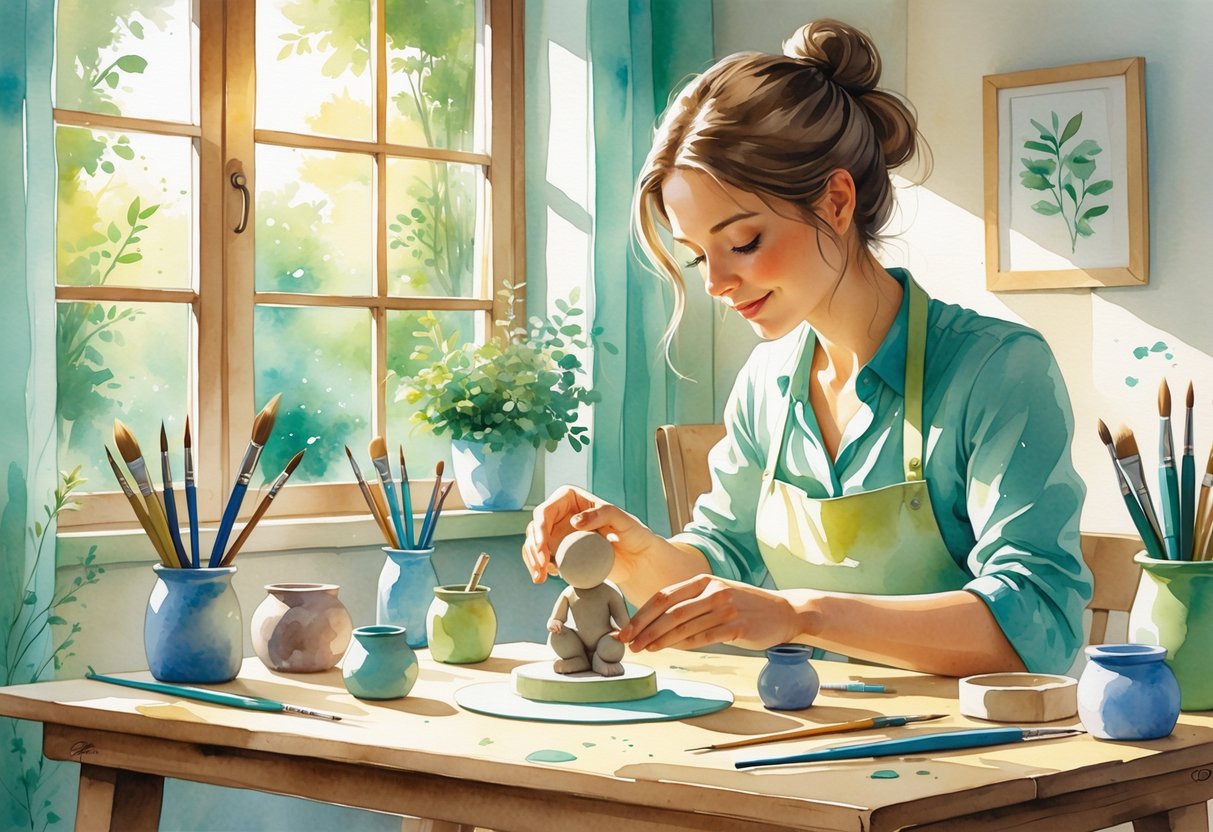
Sculpting gives you a way to relax and shift your focus from daily stress. Working with clay or similar materials can help calm your mind and keep your hands busy.
This can help you manage anxiety after a long day. The physical act of shaping and molding is satisfying.
You might notice how sculpting lets you let go of tension as you press or smooth the clay. Even short sessions, such as an hour in your free time, may make a difference in how you feel.
Sculpting is also a creative activity that does not require any past art experience. You can use it as a way to express feelings or thoughts that are hard to put into words.
The process can feel therapeutic and private. Studies show that creative hobbies like sculpting help you deal with stress and anxiety.
These activities distract you from racing thoughts and negative feelings according to mental health experts. The hands-on experience can be grounding and peaceful.
Many therapists find it helpful to have a hobby that is different from their daily job. Sculpting gives you this shift in focus, which can help prevent burnout.
You can create for yourself or share your art with others if you wish. If you prefer structure, look for sculpting classes or follow step-by-step projects online.
For those who like freedom, try exploring different materials like clay, wood, or wire. Both ways allow you to enjoy the creative process and take your mind off work.
To learn more about sculpting and its effects on anxiety, visit this guide on sculpting for anxiety management.
2) Yoga for physical relaxation and mental clarity
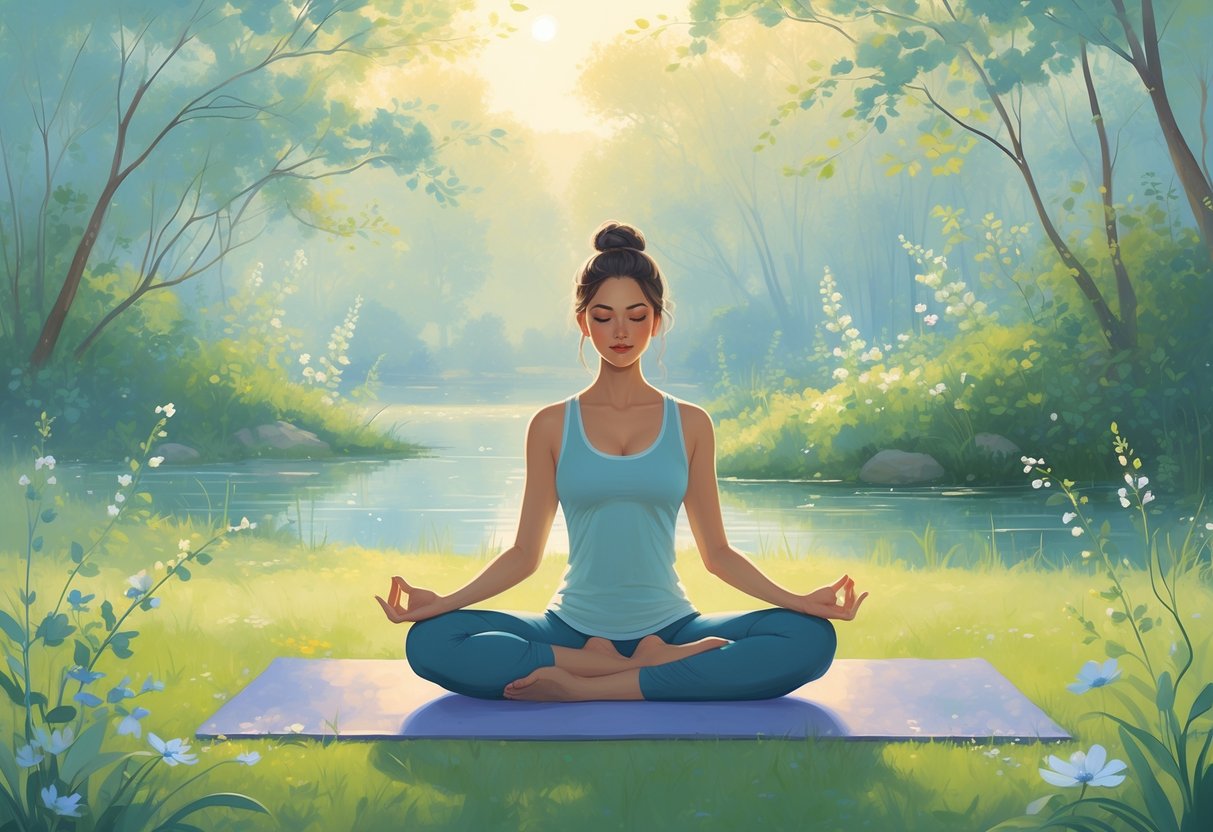
Yoga is a popular hobby for reducing stress and supporting well-being. If you feel overwhelmed, yoga can give you a way to let your body and mind relax.
With gentle movements and steady breathing, yoga encourages you to slow down and pay attention to how you feel. This helps calm your mind and makes stressful thoughts seem less intense.
Practicing yoga regularly may improve your flexibility and balance. You do not need to be flexible or have experience to start.
Many people begin with simple poses and work their way up over time. You can follow online classes or find videos made for beginners.
Some people prefer to join a yoga group in their local area. Either way, it is easy to get started and you can go at your own pace.
Yoga also encourages mindfulness, which means focusing on the present moment. This gives your mind a break from worrying about the past or the future.
Research shows that yoga may help reduce symptoms of anxiety and depression. Additionally, it can help your body release muscle tension after a long day.
Trying yoga as a hobby may also improve sleep and help you feel more rested. Simple breathing exercises done during yoga sessions can be practiced almost anywhere.
To learn more about how yoga can support your mental health, visit this list of hobbies that benefit mental health.
3) Painting to express emotions visually
Painting gives you a private way to let your feelings out without using words. When you are burned out, it can be hard to talk about your stress.
Putting color and shape on a canvas can help you see what’s inside in a new way. You do not have to be an expert to benefit from painting.
You are free to choose any style or approach that feels comfortable. Focus on how the act of painting makes you feel, not what the finished piece looks like.
When you paint, pay attention to the colors and strokes you pick. Bright colors may lift your mood, while darker shades might show stress or tiredness.
Let your hand move without planning too much or worrying about mistakes. Being creative through painting can help you process feelings that are hard to describe.
Many people use art to get in touch with emotions they do not always recognize or want to say out loud. Painting works as a form of emotional release and self-expression.
Painting can also help quiet your mind. It is a time where you can focus only on the movement, texture, and color.
This type of focused attention brings mindfulness, which may lower stress and help you feel more present. You might choose to paint the natural world or use a collage or mixed media approach.
Any method can let you express what you are carrying inside. Your painting does not need to be pretty or perfect—it just needs to show what you feel.
Even a short painting session, just 20 or 30 minutes, can be a break for your mind and body. The process matters more than the result.
4) Gardening for mindfulness and stress relief
Gardening gives you a break from screens and endless paperwork. It encourages you to move around, use your hands, and focus on simple tasks like weeding, planting, or watering.
Spending even a short amount of time in a garden can lower your stress. Studies show that just 10 minutes in the garden can reduce cortisol, the chemical linked to stress in your body.
This helps calm your mind and gives you a sense of balance. You don’t need special skills to get started.
A small indoor plant or a patch of herbs on your balcony can offer similar benefits as a full-size garden. When you pay attention to sights, smells, and sounds in your garden, you practice mindfulness without even noticing.
Gardening projects are flexible so you can fit them into a busy schedule. Some people find it helpful to create a daily or weekly routine around their plants.
It’s also a chance to slow down and recharge, rather than feeling rushed or pressured. Mindfulness through gardening can ease anxiety and improve your mood.
Simple gardening activities, such as digging in the soil or arranging flowers, help your mind and body relax. You might notice that after time in your garden, you feel more focused and refreshed.
If you want more ideas for stress relief through gardening, try exploring mindfulness gardening strategies. To read about other activities that can help with anxiety and burnout, see gardening’s benefits for mental health and mindfulness or tips for healing stress with gardening.
5) Journaling to process thoughts and feelings
Journaling gives you a safe space to put your thoughts and feelings on paper. It can help you clear your mind and see your emotions more clearly.
You do not need special skills or tools to start. Just grab a notebook and pen.
Write down what is bothering you or what went well that day. Writing can help you make sense of your experiences as a therapist.
Sometimes, the act of putting words on paper helps you notice patterns in your own feelings and reactions. This can make it easier to spot what is draining your energy.
There are many different ways to journal. You can write about your day, your dreams, or questions you have about your life.
Some people find it helpful to try guided prompts or creative art journaling to get started. For example, keeping a daily journal about your stress levels can help track your mood over time.
Therapists who feel burnt out often use journaling to release heavy thoughts instead of holding them inside. Research shows that journaling can be a helpful tool for mental health and recovery from burnout.
This hobby is also very flexible. You can journal for five minutes or for an hour—whatever feels right that day.
There are no rules about how much or how little you have to write. If you feel stuck, try writing lists, drawing, or answering questions about your emotions.
Even writing a single word about your mood can make a difference. With time, you may find that journaling helps clear mental clutter and brings a sense of relief.
If you want more ideas, some journal prompts are designed for burnout and recovery to give you a gentle starting point.
6) Playing a musical instrument for cognitive engagement

Playing a musical instrument is an effective way to engage your mind. It requires your attention, memory, and coordination, offering a unique workout for your brain.
Each time you practice, you challenge different mental skills. Music can help you focus on the present moment.
It pushes you to listen carefully and respond to what you hear. This can give your mind a break from daily stress.
Learning new songs or techniques helps keep your brain active. You use problem-solving and creativity as you figure out how to play new pieces.
Research shows that picking up an instrument can build cognitive reserve and keep your thinking sharp, even as you age. You can read more about how playing music benefits brain health.
You do not have to play perfectly. Simply enjoying the process and practicing a little each day is enough to support your well-being.
Even listening to or playing simple tunes provides mental stimulation. Making music can also be a social activity.
You can join a group or play with friends, further challenging your mind and connecting with others. This social aspect can ease the loneliness therapists often feel.
No matter your skill level, playing an instrument offers a healthy distraction. It allows you to recharge and take care of yourself while doing something enjoyable.
If you prefer structure, taking lessons adds routine and leads to steady progress. If you like more freedom, improvising or playing by ear can feel liberating.
Explore different instruments until you find one that matches your interests. Guitar, piano, and drums are common choices, but any instrument can provide these cognitive benefits.
Starting small is fine—your brain will thank you for the challenge.
7) Walking or hiking in nature for rejuvenation
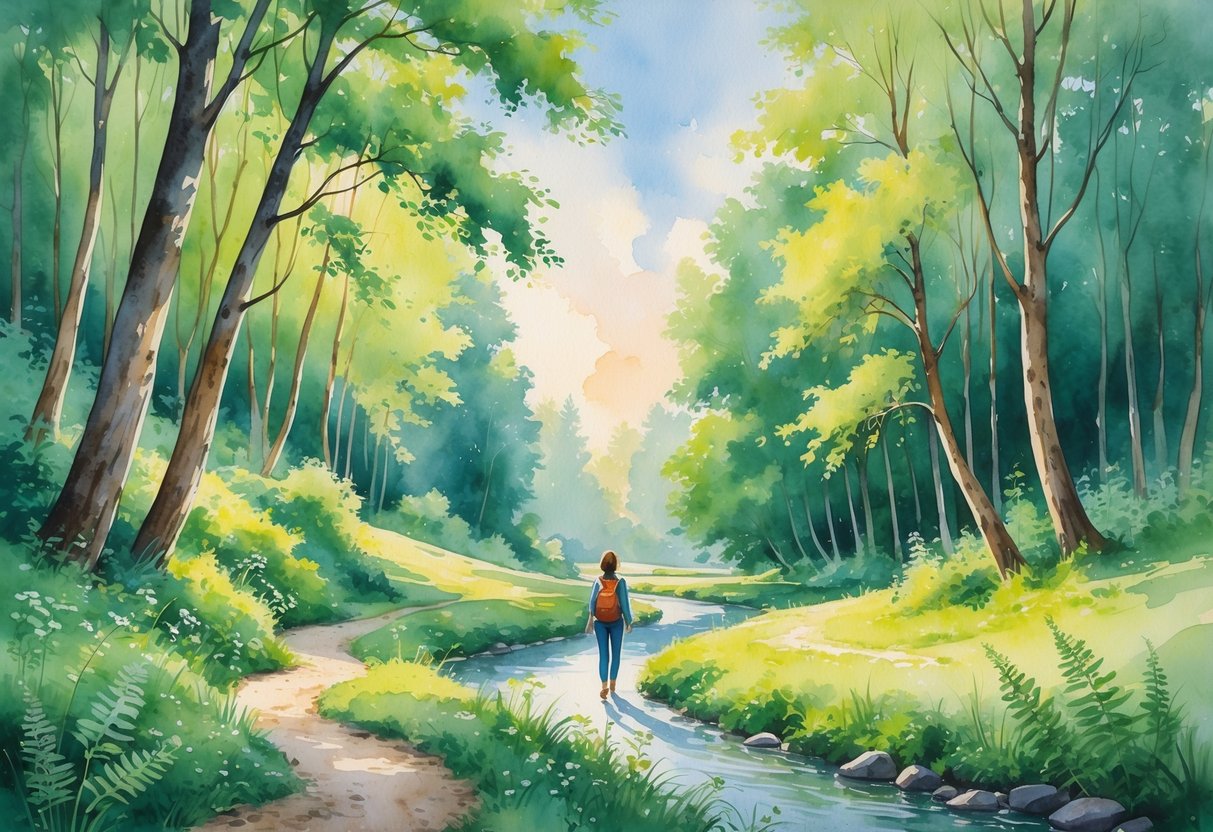
Taking a walk or hiking in nature gives you a simple way to step away from stress. Fresh air, trees, and open skies can help quiet your mind and shift your focus away from your daily responsibilities.
Even a short walk in a nearby park can make a difference in your mood. You do not need any special skills or equipment to start.
Walking or hiking can be as easy or as challenging as you want. Try exploring a new trail, or just stroll through your neighborhood if you prefer something familiar.
Moving your body outdoors is good for both your physical and mental health. Studies show that being in nature can lower stress and improve your sense of calm.
Taking time to notice the plants, birds, and sounds around you can help you feel more present. You might even consider joining a local hiking group for a bit of social connection, or invite a friend to join you.
Mixing social time and movement can boost your motivation. Even if your schedule is packed, a regular walk or short hike is something you can fit into a busy day.
There are options for every fitness level, so you can start slow and build up as you like. If you need ideas, check out lists of outdoor hobbies or see what your local parks offer.
You may find new places to explore, or easy trails that fit your routine. Making time for walking or hiking can help you recharge without using up more energy.
Simple nature activities like these can offer stability and comfort, especially during busy times.
8) Meditation to improve focus and calmness
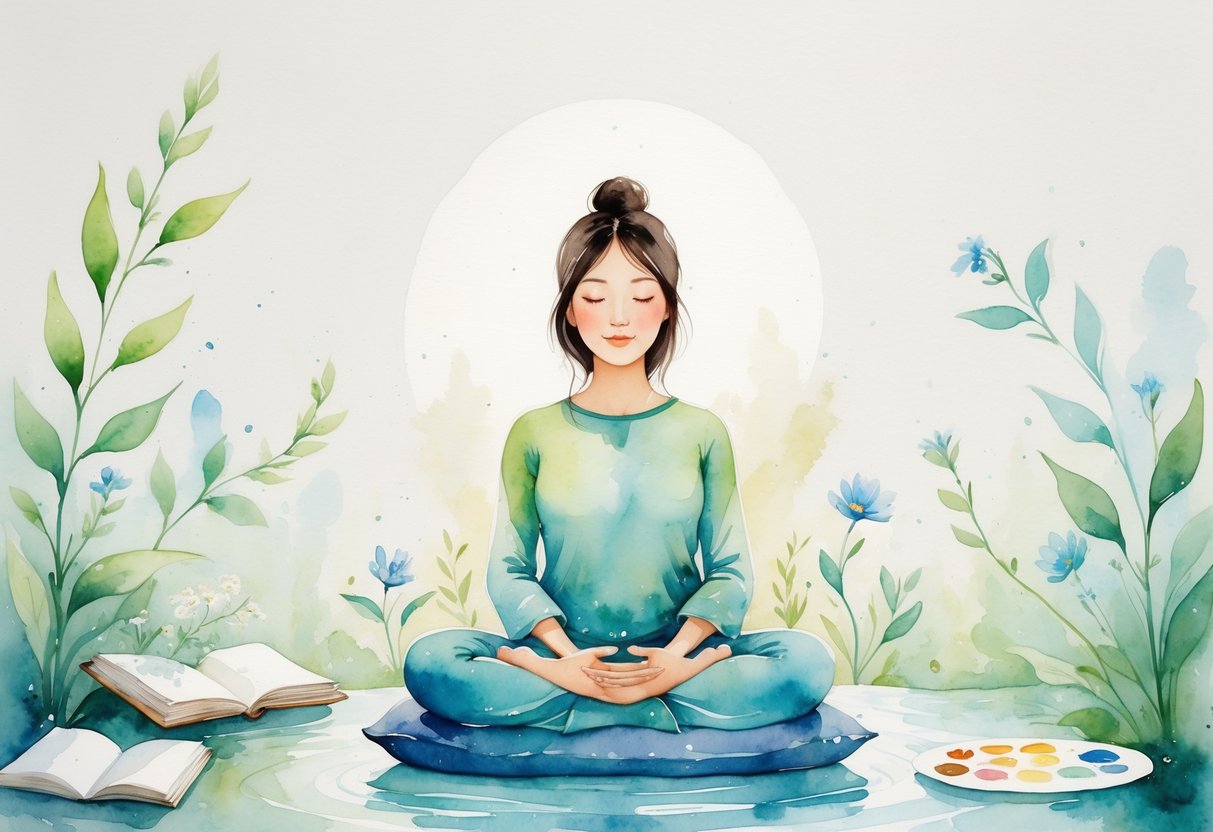
Meditation helps clear your mind by giving you time to slow down and be present. You don’t need much to start—just a quiet space and a few minutes.
Even short sessions can help you feel more focused and less distracted. As a therapist, your mind is often occupied with other people’s emotions.
Meditation offers you a way to recharge. It’s a simple method that lets you focus on your own mental health.
When you practice regularly, you may notice less stress and more steady moods. There are many kinds of meditation.
Mindful breathing and guided meditations are easy to try. Apps and online videos can walk you through each step.
If you prefer, you can just sit quietly and focus on your breath. Building a daily habit, even if it’s just a few minutes, can make it easier to handle tough days.
This quiet time may help you feel recharged before or after stressful work. Some people like to meditate in the morning for a calm start, while others use it to wind down at night.
Meditation also helps you notice how you feel physically and emotionally. This awareness can support your self-care and help you avoid burnout.
Research and experts suggest that a regular mindfulness routine can improve how you handle your feelings. You don’t need any special skills to begin, and the practice is very flexible.
Short daily meditation is one of the top mindfulness self-care activities to support well-being. By adding meditation into your daily routine, you are taking an important step for your focus and overall calmness.
9) Cooking new recipes for mindful distraction

Cooking can give your mind a break from daily stress. When you are busy with new recipes, your focus shifts to simple steps like chopping, mixing, and measuring.
This helps you stay present and less caught up in worries. Trying out new dishes also sparks creativity.
You can explore different ingredients, flavors, and techniques. Every recipe offers something fresh, which keeps your mind challenged without feeling overwhelmed.
Cooking is easy to do alone, making it a comfortable choice if you need quiet time. If you want, you can turn on some music or listen to a podcast while you cook.
This helps create a calming environment at home. Preparing a meal can feel grounding at the end of a tough day.
It lets you see real results from your work and gives a sense of accomplishment. Cooking is also seen as a mindful activity.
Many people find that trying new recipes or baking can work like meditation, leading to less stress and anxiety. If you are not sure where to begin, start simple.
Many online videos and books guide you through easy meals. Taking it one step at a time helps you build confidence and gives you space to enjoy the process.
You don’t need fancy tools to get started. Just a few basic utensils and ingredients are enough to try something new.
Over time, you may discover a favorite style or dish that brings you joy. Cooking encourages you to slow down.
By focusing on each step, you give your mind a peaceful break from worries and busy thoughts. This makes it a good way to relax and care for your well-being.
10) Puzzle games like Sudoku for mental challenge
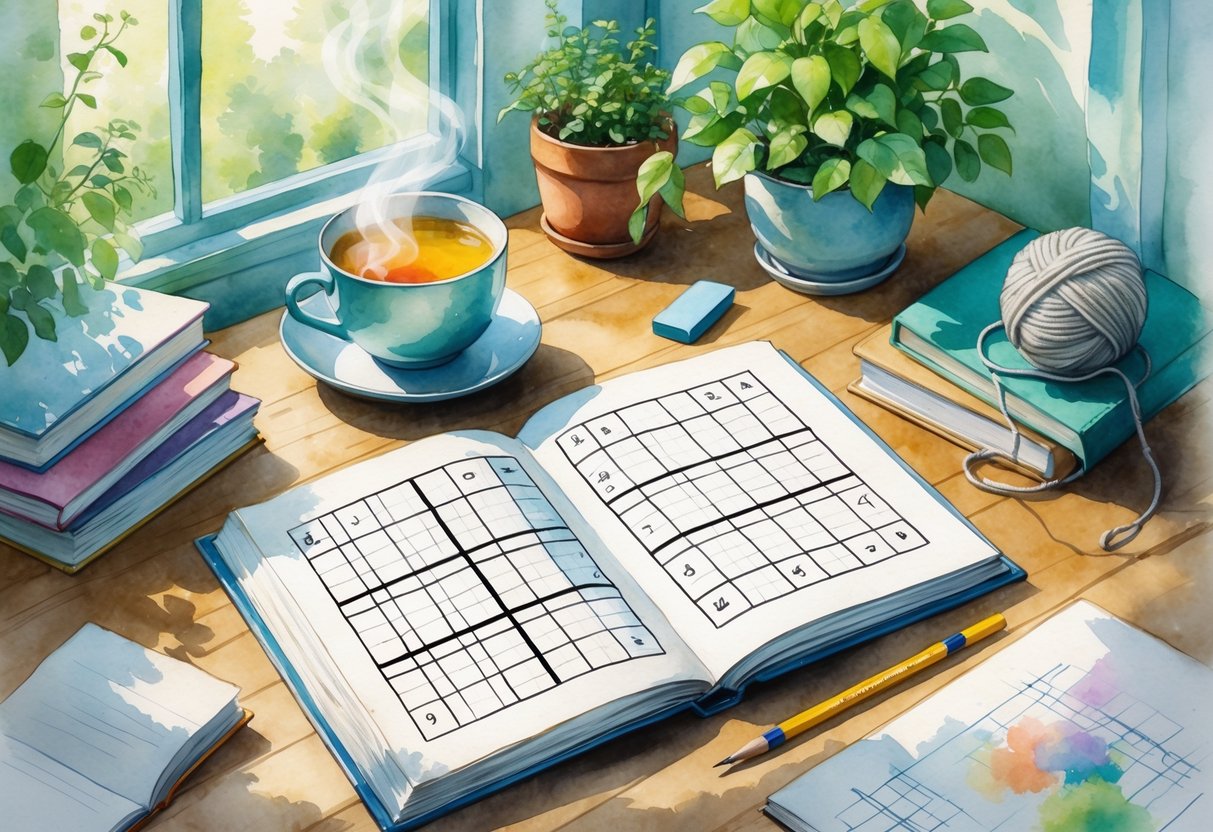
Playing puzzle games like Sudoku can give your mind a refreshing break from daily stress. These games require focus, attention, and logical thinking, making them a great way to keep your brain active during your downtime.
Sudoku is simple to learn but offers endless possibilities. You fill in numbers so that each row, column, and box contains every digit once.
This process can help take your mind off work and shift your focus. If you want more variety, you can try games like Kakuro, which use numbers in a different way.
Kakuro makes you add up numbers that match certain sums, and you cannot repeat numbers in the same row or column. This offers a fresh challenge for those who enjoy sudoku-type logic puzzles.
Try other puzzles that blend numbers and logic from lists such as alternatives to Sudoku. Crosswords are another excellent option.
In these puzzles, you fill in words to match given clues. Crosswords can help build your vocabulary and test your memory, adding a language element to traditional number puzzles.
They are widely available online and in print. Jigsaw Sudoku mixes things up by changing the standard block shapes, providing a twist for those who get bored with the usual rules.
Each of these games offers a new way to challenge yourself mentally without feeling too pressured. The goal is not to compete or solve puzzles quickly.
Instead, use this hobby as a gentle way to relax and engage your thinking skills. Puzzle games like these can help you reset and keep your mind sharp during stressful times.
Benefits of Engaging in Hobbies

Hobbies offer more than just a break from daily stress—they can directly boost your mood and help keep you interested in your work. By spending time on personal interests, you invest in both your mental health and professional resilience.
Mental Health Advantages
Participating in hobbies can lower your stress and anxiety. Activities that you enjoy, such as reading, crafting, gardening, or playing music, give your mind a safe place to pause from client work and daily worries.
According to experts, hobbies help you feel more in control and improve your ability to handle tough emotions. Trying something new or creative makes your mind work in different ways, which can reduce brain fog and boost feelings of accomplishment.
Hobbies can also help increase your patience and focus. Many therapists find that hobbies encourage them to set aside time for themselves, which is essential for avoiding burnout.
Even simple hobbies, such as going for a walk or listening to music, can improve your mood. These activities make it easier to relax, and they are an important tool in supporting good mental health.
If you are looking for more ideas, here are some healing activity suggestions backed by mental health professionals.
Professional Well-Being
Engaging in hobbies can make you a better therapist by giving your mind time to reset outside of work. Personal interests create a clear line between work and personal life, which is necessary for long-term job satisfaction and energy.
When therapists take a break to enjoy a hobby, they return to work feeling rested and more present for their clients. Hobbies also help improve key skills that matter in therapy work.
For example, learning a new musical instrument or joining a book club can improve your listening abilities and stimulate creative thinking. When you can manage stress through hobbies, you are less likely to develop negative habits, such as overworking or skipping breaks.
Joining group activities or sports connects you with others outside your field and broadens your support network. This can increase your sense of community, which many therapists find helpful in staying motivated and engaged at work.
For more on how hobbies can help prevent professional burnout, see this advice from wellness experts.
Tips for Incorporating Hobbies Into a Busy Schedule
Balancing work as a therapist can leave little room for personal interests. By using practical time management and clearly prioritizing your needs, you can unlock space for rewarding hobbies even on a packed schedule.
Setting Boundaries for Personal Time
To protect your hobby time, you need to set clear limits at work and home. Let colleagues and family know when you are not available unless it is an emergency.
Put your hobby block in your calendar as you would a client session. Treat it as non-negotiable.
Consider turning off your phone or putting it on “Do Not Disturb” mode. You might need to practice saying “no” to extra tasks that aren’t urgent.
Make a simple list of what you must finish each day versus what can wait. This helps you stop overcommitting, so you keep time set aside for yourself.
Even 15-30 minutes daily can be enough if you draw a line between therapy work and your own interests.
Creating Consistency for Self-Care
Repetition helps habits stick. Choose regular times each week for your hobby, such as Sunday afternoons or after your last client on Thursdays.
Setting reminders or alarms can make it easier to remember your self-care commitment. Gather your hobby supplies in one place, so you don’t waste time looking for what you need.
You might use a simple chart or checklist—tracking your progress will help you stay motivated. Join a club or team, or share your goals with a friend to add accountability.
Swap out less important activities or screen time, so your new hobby becomes a routine part of your day. Building on small successes, like 10 minutes of drawing or walking, can help you move toward longer or more focused hobby sessions.
Frequently Asked Questions
Therapists often look for structured ways to recharge their energy and protect their mental health. Tried-and-true hobbies can help manage stress, encourage self-care, and bring relief from daily pressures.
What activities can help therapists manage stress and avoid burnout?
Sculpting and other hands-on creative arts are effective for lowering anxiety. Activities like painting let you channel your emotions into art, making it easier to cope with difficult days.
Physical activities such as yoga or gentle exercise give you breaks from work and physical outlets for stress. Gardening also provides a calming routine that improves mindfulness and restores focus.
Which hobbies are best for emotional self-care in mental health professionals?
Journaling allows you to process your experiences, identify triggers, and reflect on your feelings in a healthy way. Writing gives you private space to express thoughts you might not share elsewhere.
Painting and artistic hobbies encourage you to step back from your role as a helper and focus on self-expression. These creative tasks can help you regain a sense of balance.
How can creative pursuits benefit therapists experiencing professional fatigue?
Creative pursuits like sculpture, painting, or even knitting redirect your mind from the worries of work. Making art can restore a sense of accomplishment.
These hobbies also promote relaxation and let you practice problem-solving in new ways. Creative activities provide a mental break that helps you return to your clients with more patience and energy.
Are there specific relaxation techniques suitable for psychologists dealing with burnout?
Yoga is a proven relaxation method that combines movement and deep breathing. It helps manage muscle tension and supports mental clarity.
Meditation and guided imagery are accessible options as well. Even simple deep breathing exercises throughout your day can refresh your focus and ease the mental load.
Can incorporating physical exercise into a routine mitigate symptoms of therapist burnout?
Yes, regular physical exercise is linked to lower stress levels and improved mood. Yoga and dancing boost endorphins and support better sleep habits.
You don’t need intense workouts—even a daily walk or gentle stretching routine can offer real mental health benefits. Find the exercise style that feels most enjoyable for you.
What social or community-based hobbies can support mental health practitioners in reducing work-related stress?
Joining a book club, art class, or gardening group gives you a chance to connect with others outside your professional role.
Shared activities can help replace isolation with support and fun.
Volunteering or participating in a local group focused on hobbies allows you to build new friendships.
These connections can help lighten your emotional load and provide extra encouragement during stressful times.