10 Best Hobbies for TV Producers and Editors to Enhance Creativity and Relieve Stress
TV producers and editors work in a fast-paced industry that demands creativity, technical skills, and sharp attention to detail. The work can be intense, with long hours spent in front of screens making countless decisions about story, visuals, and sound.
Finding the right hobbies outside of work can help you recharge while also building skills that directly benefit your career.
The best hobbies for TV producers and editors combine creative exploration with practical skill development that translates back to your professional work. These activities range from hands-on technical pursuits to creative storytelling exercises.
Some hobbies let you explore new tools and software, while others help you think differently about narrative structure or visual composition.
Whether you want to expand your technical abilities, boost your creative thinking, or simply find a productive way to unwind after a demanding production schedule, the right hobby can make a real difference.
10) Creative Writing for TV Characters
Creative writing gives you a direct way to understand the characters you work with every day. When you write fictional stories or character backgrounds, you develop deeper insights into how personalities form and evolve.
This skill transfers directly to your editing choices and production decisions. Writing your own characters helps you recognize strong character development in scripts.
You learn what makes dialogue feel natural and what makes motivations ring true. These lessons show up when you’re cutting scenes or shaping episodes in the editing room.
You start to notice pacing issues faster and spot when character arcs fall flat. Writing forces you to think through every detail of a person’s background, habits, and goals.
You can start small with character sketches or short scenes. Try writing backstories for minor characters in shows you’re working on.
This exercise helps you see how small details add depth to any production. Set aside time each week to write, even if it’s just 15 minutes.
Keep a notebook for character ideas or interesting personality traits you observe. This hobby builds skills that make you more valuable in the editing suite and on set.
9) Graphic Design with Adobe Photoshop
Adobe Photoshop gives you a creative outlet that matches your editing skills. You already work with visual content every day, so graphic design becomes a natural next step for your free time.
The program lets you create digital art, edit photos, and design graphics. You can work on personal projects that have nothing to do with TV production.
This separation helps you relax while still using your visual skills. You can start with simple projects like photo editing or creating social media graphics.
As you get better, you can try more complex work like photo manipulation or digital illustrations. The learning curve feels familiar because you already understand layers, composition, and visual storytelling.
Many TV professionals use Photoshop as a hobby to build their own brand. You can design your website graphics, make your own promotional materials, or create art just for fun.
The software works well for both quick projects and detailed artwork. You might spend 20 minutes touching up a photo or several hours creating a complex design.
This flexibility fits into your busy schedule as a TV producer or editor. Photoshop skills also add to your professional value.
You become more versatile at work when you can create graphics, fix images, or design simple elements yourself. The hobby pays back by making you better at your job while giving you a creative space outside of TV production.
8) Amateur Radio Operation
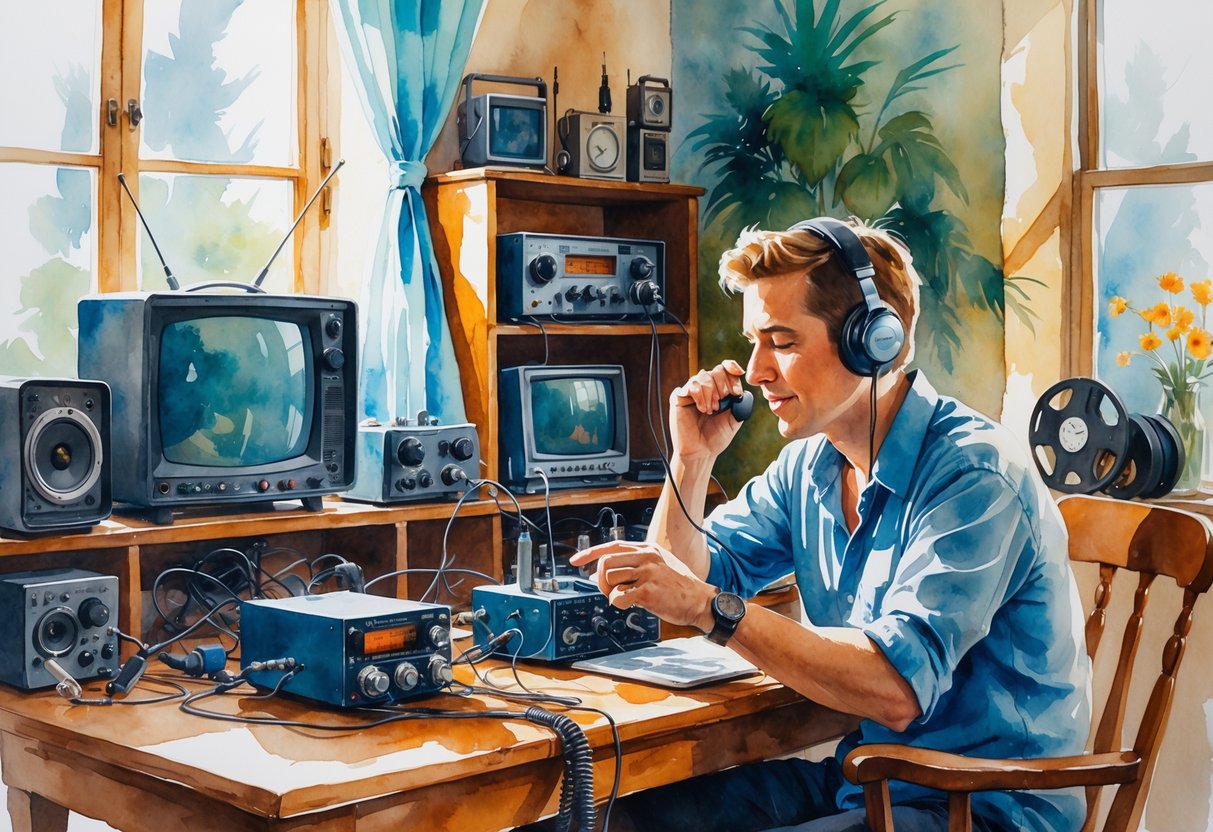
Amateur radio operation offers TV producers and editors a hands-on technical hobby that builds on your existing broadcast knowledge. You need to obtain an FCC license to operate, but the process teaches you valuable RF principles and communication theory.
Ham radio lets you explore over 100 different activities beyond basic conversation. You can bounce signals off the moon, communicate through satellites, or participate in competitive direction-finding events called fox hunts.
These activities challenge your problem-solving skills in ways that complement your editing work. The hobby connects directly to your production background through technical experimentation.
You can build your own radio equipment, design custom antennas, and troubleshoot signal issues. This hands-on approach gives you a deeper understanding of broadcast technology that transfers back to your professional work.
Radio direction finding helps you locate sources of interference, which mirrors the technical troubleshooting you do in post-production. The American Radio Relay League provides resources and connects operators across the country, giving you access to a supportive community.
You can start with simple local communications using handheld radios, then expand into more complex activities as your skills grow. Many operators participate in emergency communications networks, providing vital services during disasters.
This adds purpose to your technical hobby while keeping your communication skills sharp. The flexibility of amateur radio means you can engage with it on your own schedule, making it ideal for the irregular hours of TV production work.
7) Photography for Set Design
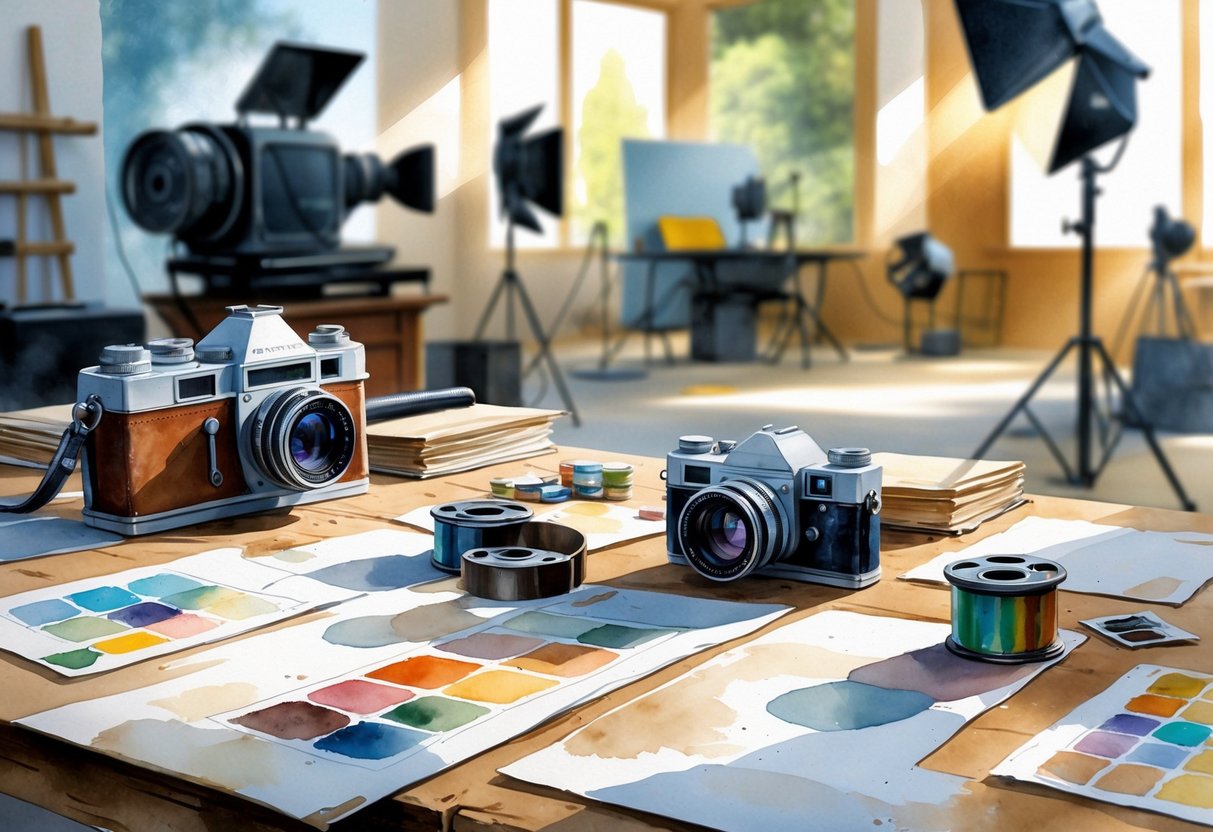
Photography offers TV producers and editors a unique way to understand visual storytelling from a different angle. When you focus on set design photography, you develop a sharper eye for composition, lighting, and spatial arrangements that directly translate to your production work.
Building and photographing miniature sets teaches you how different elements work together in a frame. You can experiment with backdrops, props, and lighting setups without the pressure and cost of a full production day.
This hands-on practice helps you communicate better with set designers and cinematographers on actual shoots. Set design photography lets you test ideas before bringing them to the production stage.
You can try out color schemes, texture combinations, and layout options through photos. This saves time and money during actual filming.
The skills you gain from this hobby improve your ability to evaluate shots during editing. You understand why certain compositions work and others don’t.
You also learn how small details in the background affect the overall visual impact of a scene. Starting with simple tabletop sets keeps costs low while you learn the basics.
You can gradually expand to more complex designs as your skills grow. The creative process of designing, building, and photographing sets gives you a break from screen time while still developing skills that benefit your career.
6) Film Festival Volunteering
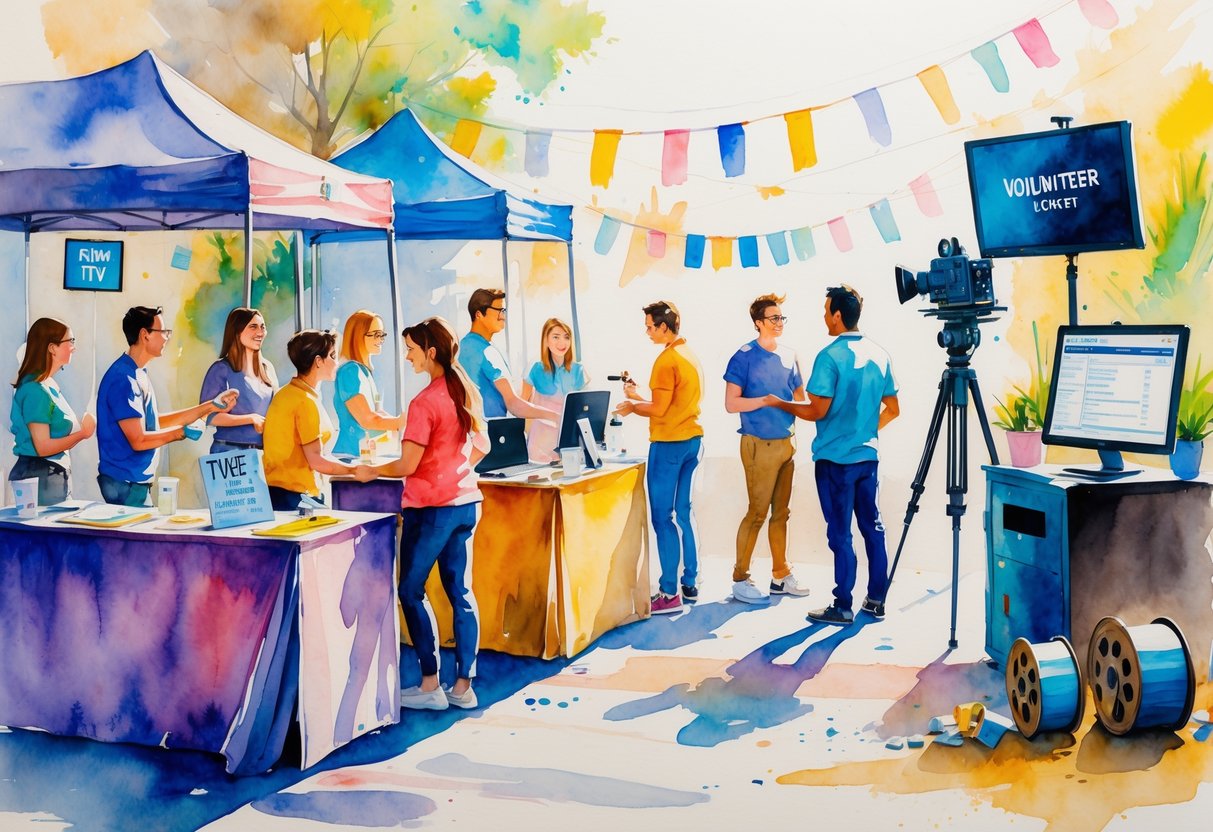
Film festival volunteering gives you direct access to the inner workings of the entertainment industry. You’ll work behind the scenes at events that showcase new films and bring together industry professionals.
This hands-on experience connects you with the type of content and people you work with as a TV producer or editor. Most film festivals need volunteers to help with various tasks during their events.
You might assist with venue operations, coordinate screenings, or help manage festival activities. The work varies based on the festival’s needs and your availability.
The networking opportunities are valuable for your career. You’ll meet filmmakers, producers, directors, and other industry professionals in a relaxed festival environment.
These connections can lead to future collaborations or job opportunities. Many festivals don’t require previous experience to volunteer.
They welcome people who are interested in film and willing to help. You’ll typically need to commit to a certain number of hours, which varies by festival.
The experience you gain goes beyond networking. You’ll see how festivals curate content, manage large-scale events, and present work to audiences.
This knowledge applies directly to your understanding of content distribution and presentation. You can find volunteer opportunities at both major festivals and smaller regional events.
Check festival websites directly or look for volunteer coordinator contact information. Start with festivals in your area to make participation easier.
5) Storyboarding and Visual Planning
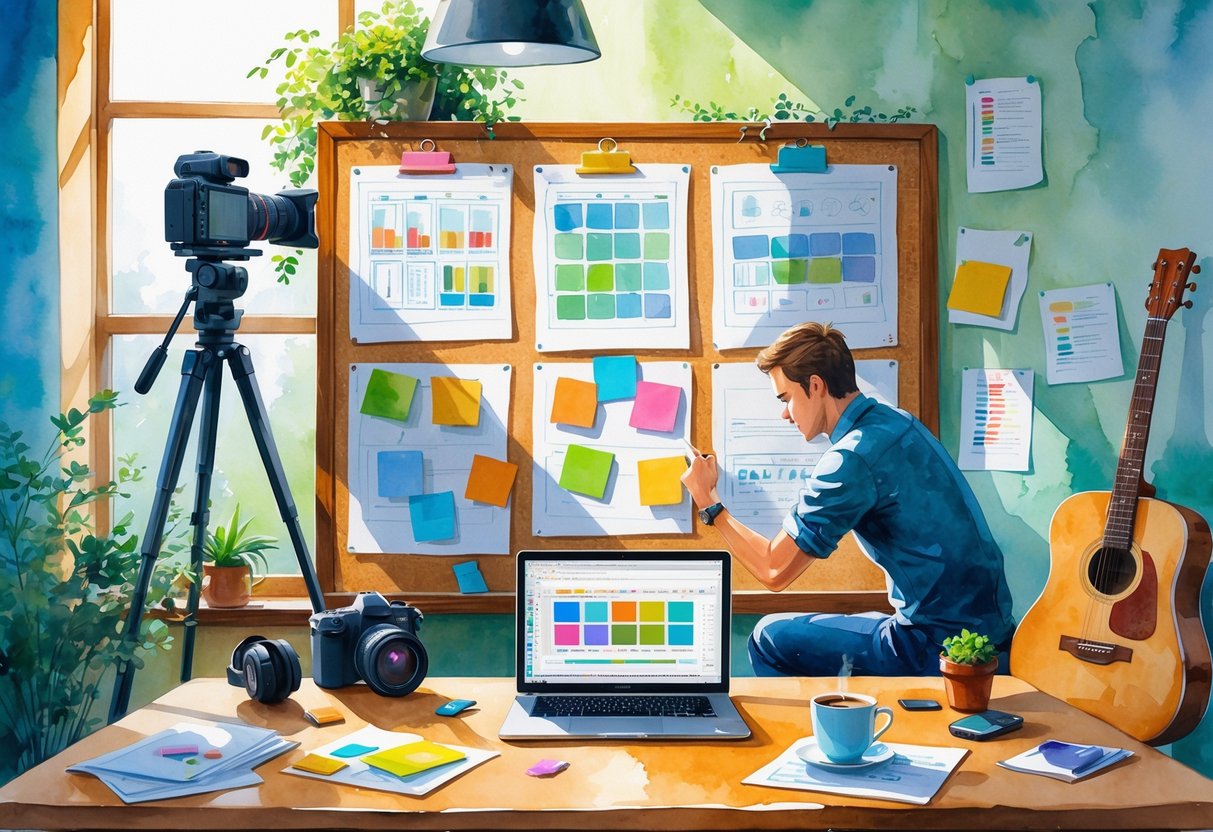
Storyboarding offers TV producers and editors a hands-on way to explore visual storytelling outside work projects. This hobby involves creating a series of sketches or images that map out how a story unfolds scene by scene.
You can practice this skill without any pressure from deadlines or client demands. It lets you experiment with different camera angles, shot compositions, and pacing decisions.
The process helps you think through how visual elements work together to tell a story. Starting is simple.
You only need basic drawing supplies or free digital tools to begin sketching out ideas. Your drawings don’t have to be perfect since storyboards focus on composition and flow rather than artistic detail.
This hobby sharpens your ability to visualize scripts and plan sequences. You learn to break down complex scenes into individual shots and consider technical requirements before production begins.
These skills transfer directly to your professional work. Many TV professionals use storyboarding to develop their own creative projects or test new visual approaches.
You can storyboard anything from short films to commercial concepts to personal stories. The practice builds your understanding of visual narrative structure and shot planning.
Working on storyboards in your free time keeps your creative skills sharp. It also gives you a low-stakes environment to try bold visual ideas you might not risk on paid projects.
You develop a stronger eye for composition and storytelling flow through regular practice.
4) Audio Mixing with Pro Tools
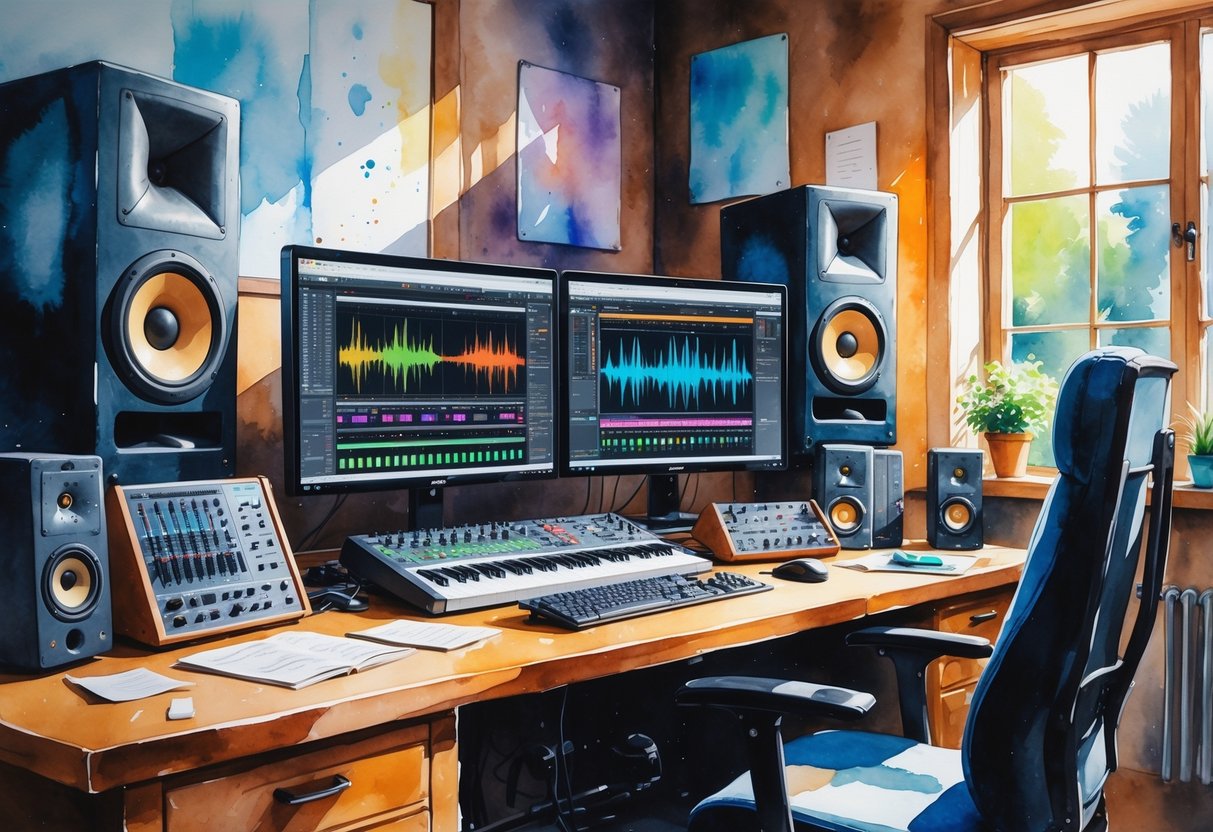
Audio mixing with Pro Tools offers TV producers and editors a chance to develop technical skills that directly complement their main work. This software is the industry standard for audio post-production in film and television.
Learning it gives you a deeper understanding of sound design and editing. Pro Tools lets you work with multiple audio tracks at once.
You can adjust levels, add effects, and create professional-quality mixes. The software includes stock plugins that handle everything from basic equalization to complex processing.
These tools are powerful enough to produce broadcast-ready audio. Getting started requires some dedication, but the learning curve is manageable.
Online tutorials and hands-on practice will build your skills over time. You can start with simple projects like cleaning up dialogue tracks or balancing music levels.
Understanding audio mixing helps you communicate better with sound departments. You gain insight into what makes good sound design and can spot audio problems during the editing process.
The creative side of mixing is satisfying too. You shape how viewers experience a scene through sound.
Subtle changes in volume, timing, and effects create mood and emotion. You control the sonic landscape of your projects.
Pro Tools works with surround sound formats used in modern TV production. This capability lets you explore spatial audio and immersive sound techniques.
Your mixing hobby can grow as complex as you want it to be.
3) Podcast Production and Editing
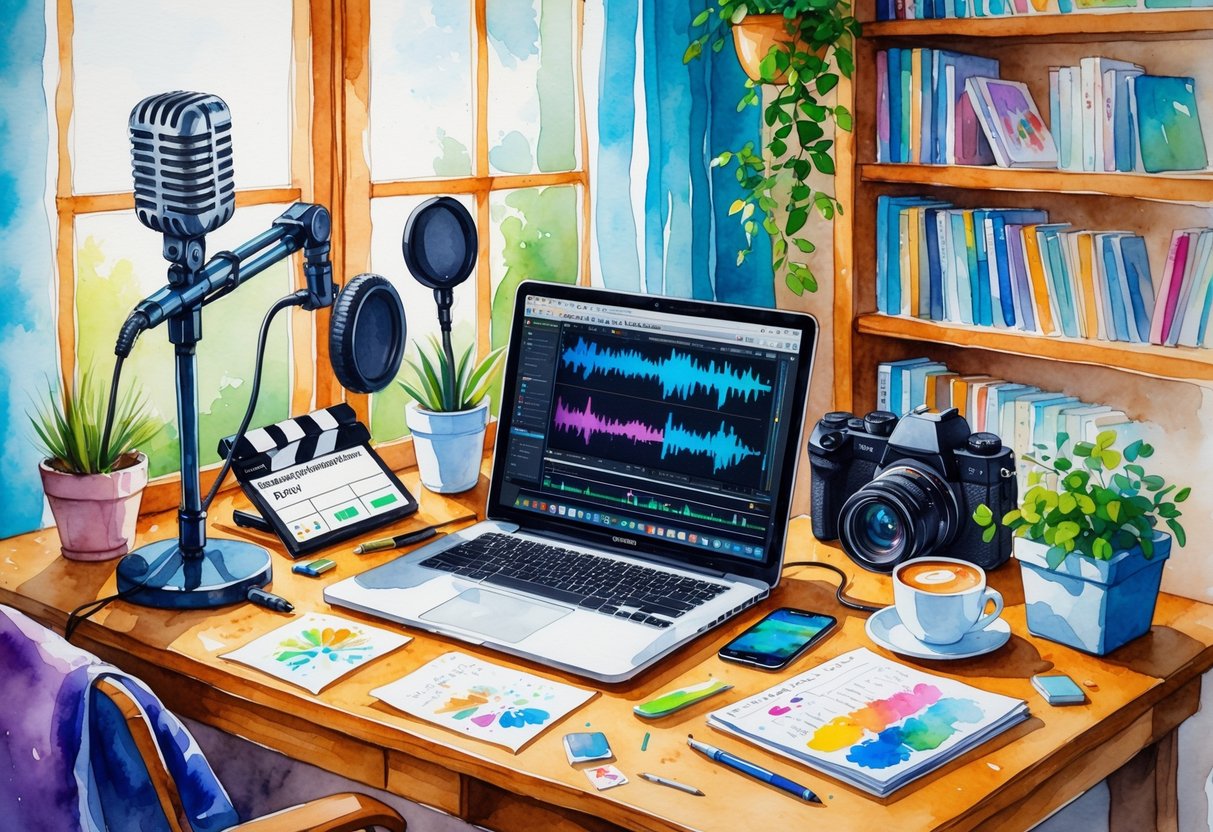
Podcast production and editing offers TV producers and editors a natural extension of their existing skills. You already understand pacing, storytelling, and audio quality from your television work.
These abilities transfer directly to podcast editing. The barrier to entry is low.
You can start with basic editing software and a decent microphone. Many professionals in TV already own equipment that works well for podcast production.
This hobby lets you explore creative projects on your own terms. You control the content, schedule, and direction without network executives or client demands.
It’s a refreshing change from the collaborative nature of television production. Working with audio-only content sharpens your ear for dialogue editing and sound design.
You’ll become better at identifying audio issues and fixing them quickly. Podcast editing also opens up freelance opportunities if you want them.
Many podcasters need professional editors but can’t afford full production companies. Your TV editing background gives you an advantage in this growing market.
You can produce podcasts about topics you’re passionate about. Whether it’s film history, cooking, or sports, podcasting lets you share your interests with an audience.
The format is flexible enough to match whatever time you have available. The learning curve is gentle for TV professionals.
You already understand workflow, file management, and export settings. Podcast editing software will feel familiar, letting you focus on content rather than technical challenges.
2) Scriptwriting for Original Productions
Scriptwriting lets you create stories specifically for TV production. As a producer or editor, you already understand what works on screen.
Writing your own scripts helps you develop content that fits your vision from the start. You can write original storylines or adapt existing material for television.
This hobby teaches you to think about narrative structure, dialogue, and pacing in new ways. The skills transfer directly to your production work since you gain deeper insight into how stories are built.
Scriptwriting for TV differs from film writing. Television scripts need to account for episode length, commercial breaks, and ongoing character development across multiple episodes.
You’ll learn to write in standard industry formats and consider budget constraints during the writing process. The creative control appeals to many producers and editors.
You can develop projects that align with your production strengths and available resources. Writing your own material also means you own the intellectual property, giving you more options for how you produce and distribute the content.
You don’t need special equipment to start. Basic screenwriting software or even a word processor works fine when you’re learning.
Many producers use this hobby to develop pilot episodes or short series concepts they can pitch to networks or produce independently. The collaborative nature of scriptwriting fits well with production work.
You can workshop scripts with other writers, get feedback from directors, and refine your stories before production begins.
1) Video Editing with Adobe Premiere Pro
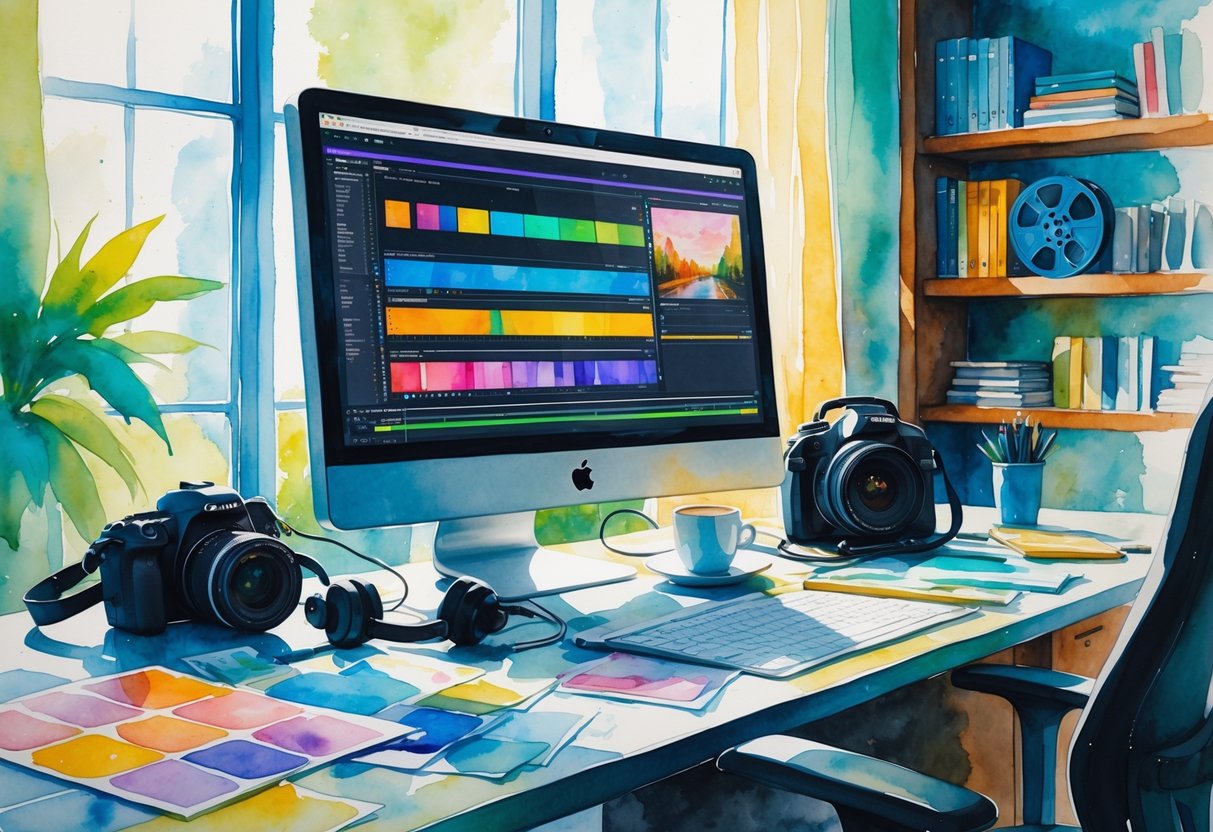
Adobe Premiere Pro stands as one of the most powerful video editing tools available today. You can use it to cut footage, add effects, and adjust colors in your projects.
The software works well for beginners and experienced editors alike. Learning Premiere Pro gives you a valuable creative outlet.
You’ll spend time crafting videos that tell stories or showcase your ideas. The program offers many features that let you experiment with different editing styles.
Getting started requires some patience since the interface can feel overwhelming at first. You’ll find workspaces designed for specific tasks like color correction, graphics, and audio editing.
These guides help you learn the post-production process step by step. As a TV producer or editor, practicing with Premiere Pro outside of work keeps your skills sharp.
You can edit personal projects, create content for social media, or work on passion projects. The software lets you try techniques you might not use in your regular job.
The learning curve pays off when you see your finished videos. You’ll discover new tricks and shortcuts that make your workflow faster.
Many online tutorials and resources are available to help you improve. Premiere Pro gives you the tools to bring your creative vision to life.
You control every aspect of your video from start to finish. This hobby complements your professional work while letting you explore new creative directions.
How Hobbies Enhance Creativity and Performance
Hobbies strengthen your creative thinking by engaging different parts of your brain and providing fresh perspectives that directly transfer to your editing and production work. They also create necessary boundaries between work and personal time, which helps prevent burnout and keeps your mind sharp.
Boosting Problem-Solving Abilities
When you engage in hobbies outside of TV production, you train your brain to approach challenges from new angles. A 2023 study showed that employees with creative hobbies reported 31% higher productivity and better innovative thinking at work.
Learning a musical instrument strengthens pattern recognition skills that help you identify rhythm and pacing issues in video content. Photography hobbies improve your understanding of composition and lighting, which translates directly to better shot selection.
Even activities like puzzles or strategy games build the mental flexibility you need when troubleshooting technical problems during editing sessions. Your brain forms new neural connections through diverse activities.
These connections help you spot creative solutions when you face difficult scenes or tight deadlines. The skills you develop through hobbies often surface unexpectedly during production work, giving you options you might not have considered otherwise.
Encouraging Work-Life Balance
Setting clear boundaries between work and personal time protects your mental energy for demanding production schedules. Hobbies give you dedicated periods where you step away from screens and editing software, which prevents the mental fatigue that leads to mistakes and missed deadlines.
Regular hobby time reduces stress levels and improves your overall well-being. This matters for TV professionals who often work irregular hours and face constant pressure.
When you return to work after engaging in an activity you enjoy, you bring renewed focus and energy to your projects. Hobbies also provide a sense of accomplishment outside of work metrics.
Completing a painting or finishing a hiking trail gives you satisfaction that doesn’t depend on client approval or ratings. This independence strengthens your confidence and reduces the anxiety that comes from tying your entire identity to your professional output.
Tips for Integrating Hobbies Into a Busy Production Schedule
Production work demands long hours and irregular schedules, but strategic planning helps you maintain personal interests. The key is treating hobbies as non-negotiable appointments and working them into your existing routine rather than waiting for free time to appear.
Time Management Strategies
Block out specific time slots for your hobbies just like you schedule editing sessions or production meetings. Early mornings before calls or late evenings after wrap can work well for 20-30 minute activities.
You can also use downtime during renders or equipment setup. Break larger hobby projects into smaller tasks that fit your schedule.
If you enjoy photography, spend 15 minutes reviewing shots instead of waiting for a full afternoon to edit an entire collection. For hobbies like cooking or reading, prep ingredients on Sunday or keep a book in your car for lunch breaks.
Time blocking works best when you:
- Set phone reminders for hobby time
- Choose hobbies that start and stop easily
- Keep supplies ready and accessible
- Use production downtime strategically
Link your hobbies to existing routines. Exercise while commuting by biking to the studio.
Listen to language learning apps during your drive. This approach doesn’t add extra time to your day.
Maintaining Consistency
Start with two or three days per week instead of daily commitments. Missing a day won’t derail your progress if you build realistic expectations from the start.
You work better with achievable goals that match production cycles. Track your hobby time in the same calendar you use for work.
Seeing hobby blocks alongside production deadlines helps you protect that time. When deadlines approach, scale back the duration but keep the frequency to maintain your habit.
Choose hobbies that complement your energy levels after production work. Physical activities help if you spend hours sitting in edit bays.
Quiet hobbies like reading work better after high-stress shoots when you need to decompress.
Frequently Asked Questions
TV producers and editors often seek hobbies that balance their intense work schedules while building relevant skills. These questions address common concerns about finding the right activities to complement a career in television production.
What are ideal creative outlets for TV producers and editors in their downtime?
Creative writing for TV characters offers a direct way to practice storytelling skills outside of work. You can develop character arcs, write dialogue, and explore narrative structures without the pressure of production deadlines.
Graphic design with Adobe Photoshop lets you experiment with visual concepts freely. This hobby helps you understand composition and color theory in ways that translate directly to your editing decisions.
Photography for set design trains your eye for framing and lighting. You learn to spot visual opportunities that make scenes more compelling.
How can hobbies enhance editing skills for TV production professionals?
Photography teaches you to think about each frame as a complete image. The skills you develop in composition and timing improve your ability to select the best shots during editing.
Graphic design work strengthens your understanding of visual hierarchy and color grading. You become more confident making aesthetic decisions quickly.
Amateur radio operation builds technical troubleshooting abilities. You develop patience and problem-solving skills that help when equipment issues arise during production.
Which relaxing hobbies are recommended for individuals in the TV production industry?
Photography offers a meditative quality when you focus on capturing natural scenes. You can work at your own pace without tight deadlines.
Film festival volunteering provides a change of pace from production work. You engage with finished content as an audience member rather than a creator.
Creative writing gives you control over the entire creative process. You make all the decisions without needing approval from multiple stakeholders.
What are some collaborative hobbies that TV producers and editors can enjoy together?
Film festival volunteering creates opportunities to work with colleagues outside the studio. You discuss films and meet other industry professionals in a relaxed setting.
Amateur radio operation builds community through technical communication. You join networks of people who share an interest in broadcast technology.
Photography groups and workshops let you share techniques with peers. You receive feedback on your work and learn new approaches to visual storytelling.
In what ways can TV producers and editors benefit from engaging in performing arts as a hobby?
Creative writing for TV characters deepens your understanding of performance and dialogue. You think about how actors will deliver lines and what motivates character choices.
Watching and analyzing performances helps you make better editing choices. You recognize strong moments that deserve emphasis in the final cut.
How can hobbies that involve technology or new media complement the skills of TV producers and editors?
Amateur radio operation teaches signal processing and broadcast technology fundamentals. You gain knowledge about transmission quality that applies to modern digital workflows.
Graphic design with Adobe Photoshop keeps you current with industry-standard software. You explore features and techniques that enhance your professional toolkit.
Photography with digital cameras helps you understand sensor technology and image processing. You learn about color spaces and file formats used in professional production.