10 Best Hobbies for Fashion Designers Between Collections to Spark Creativity and Maintain Balance
Fashion designers often find themselves in a creative cycle between collections. The time between major projects can feel empty or uncertain.
However, this period offers a chance to explore new skills and refresh your creative vision.
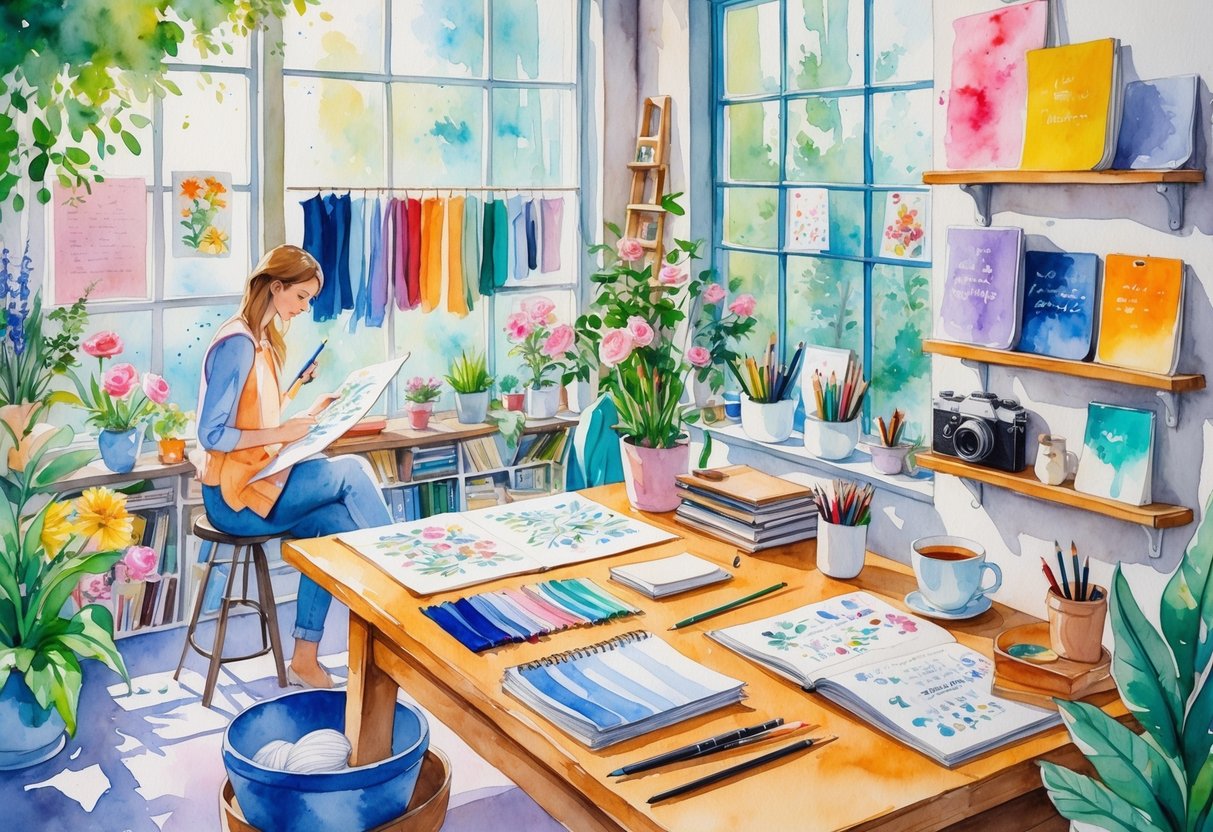
Engaging in hobbies between collections helps you develop new techniques, find fresh inspiration, and prevent creative burnout. These activities keep your mind active while giving you a break from the pressure of deadlines.
They also allow you to experiment without the constraints of client needs or market demands. The right hobbies can strengthen your design skills in unexpected ways.
They can introduce you to new materials, methods, and perspectives that you can bring back to your main work. This approach helps you grow as a designer while enjoying activities that spark your creativity.
10) Studying Fashion History
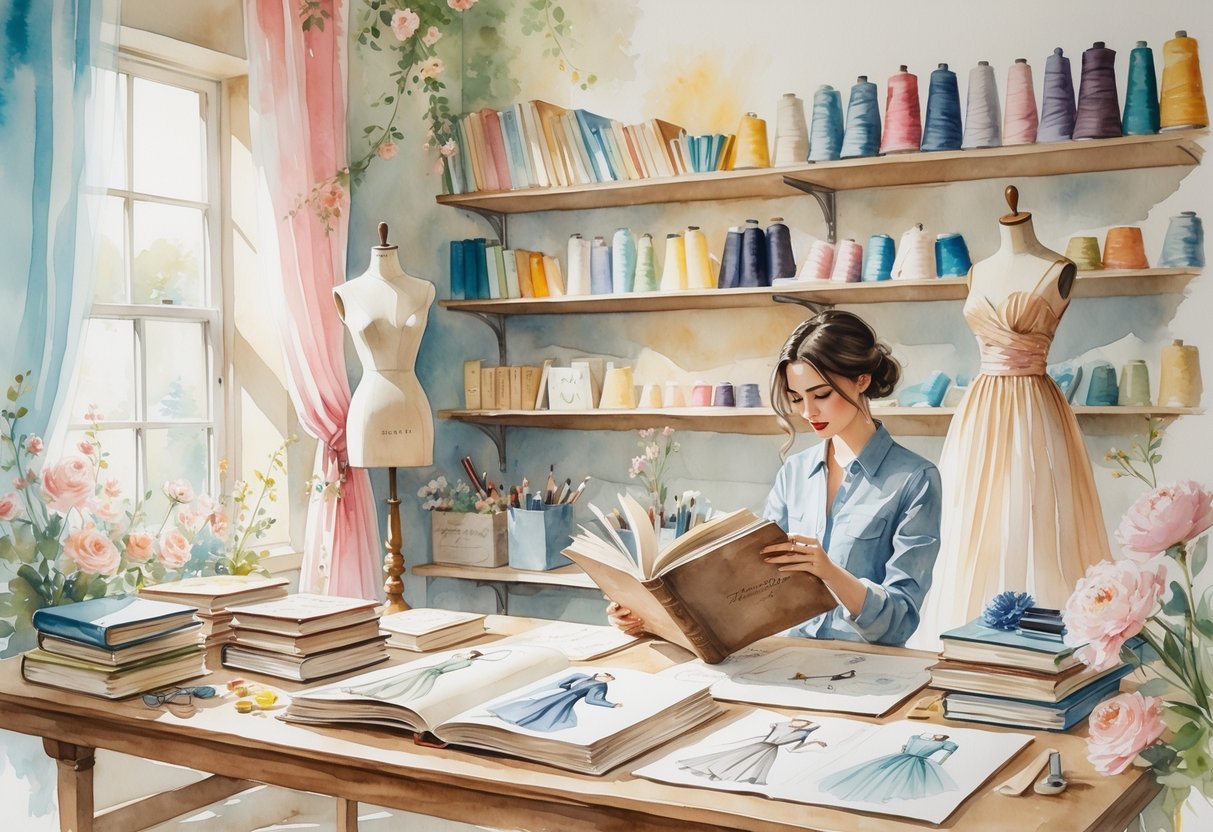
Fashion history offers designers a deep well of inspiration during downtime between collections. When you study past styles and movements, you gain a better understanding of how trends evolve and cycle through time.
This knowledge helps you create designs that feel both fresh and timeless. You can explore fashion history through museum visits, either in person or online.
Many museums maintain collections of historic clothing and accessories that show how people dressed in different eras. These artifacts reveal construction techniques, fabric choices, and style details that you might incorporate into your own work.
Books and academic resources provide another way to study fashion history. You can learn about influential designers, cultural movements, and the social forces that shaped what people wore.
This research helps you understand why certain styles emerged when they did. Fashion history also teaches you about craftsmanship and quality.
Examining garments from past decades shows you construction methods that modern fast fashion often skips. You might discover techniques worth reviving in your own designs.
This hobby requires minimal investment beyond your time. You can start with library books or free online museum collections.
As you learn more, you develop a richer creative vocabulary. Your designs gain depth when they draw from a solid understanding of fashion’s evolution.
9) Exploring Textile Design
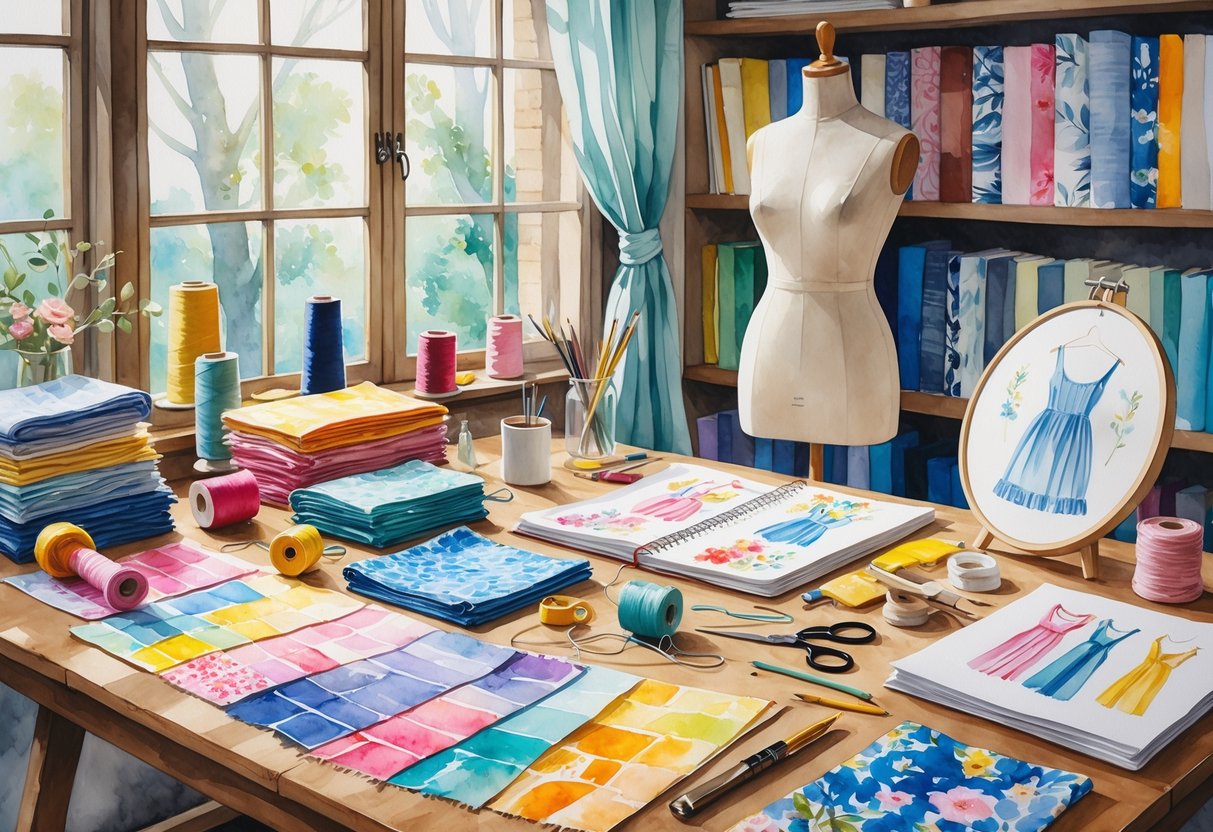
Textile design offers fashion designers a deeper understanding of the fabrics they work with every day. You can learn how patterns, textures, and materials come together to create the foundation of your garments.
This knowledge helps you make better choices when selecting fabrics for your collections. You don’t need expensive equipment to start exploring textile design.
Block printing, screen printing, and hand-dyeing are accessible ways to experiment with creating your own fabrics. These techniques let you develop unique patterns and textures that set your work apart from other designers.
Digital textile design is another option worth considering. You can use design software to create prints and patterns that can be printed onto fabric.
This approach gives you complete control over the colors, scale, and repetition of your designs. Understanding textile design also helps you communicate better with fabric manufacturers and suppliers.
You’ll know the right questions to ask and can better explain what you need for your collections. This knowledge makes the production process smoother and more efficient.
Working with textiles as a hobby can spark new ideas for your fashion collections. You might discover an interesting weave structure or printing technique that becomes the foundation for an entire line.
8) Creating Mood Boards
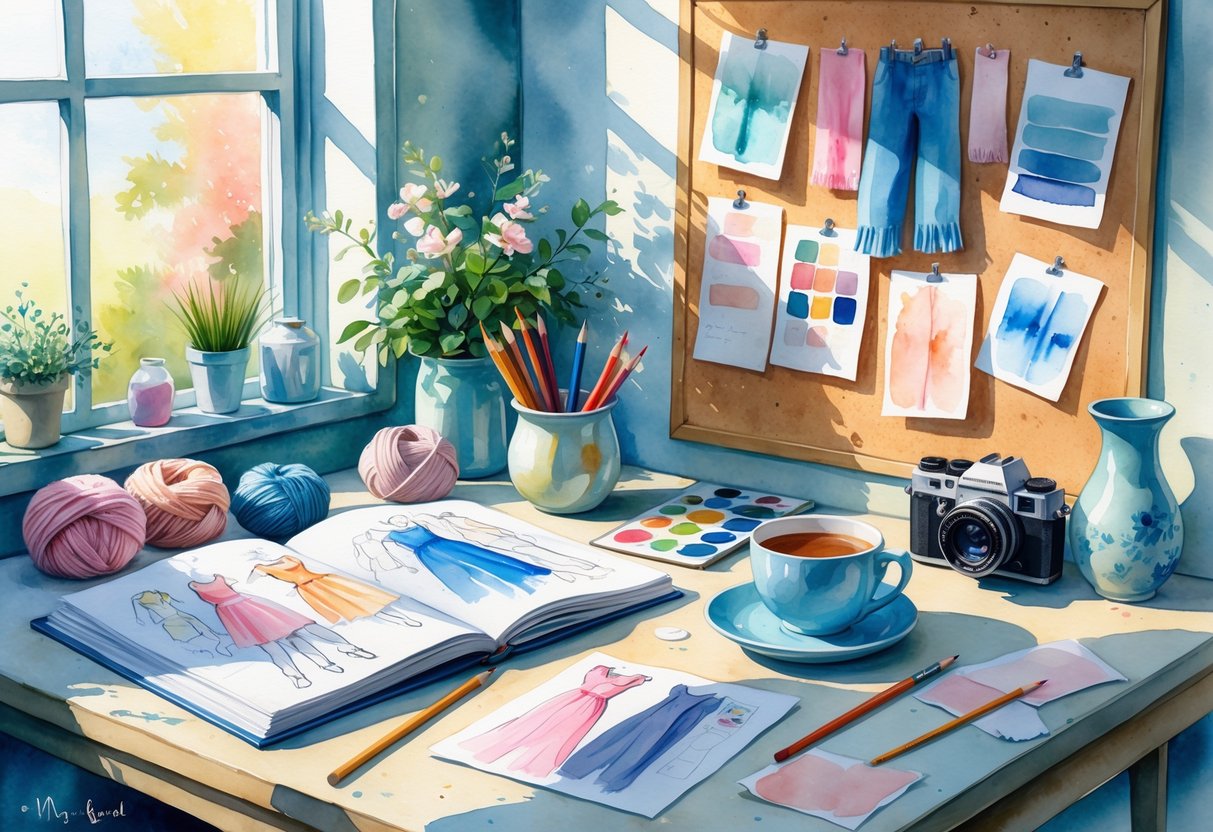
Creating mood boards gives you a creative outlet between collections without the pressure of designing full pieces. You can explore new color palettes, textures, and styles through visual collages that capture different moods and aesthetics.
A mood board is a collection of images, fabric swatches, color samples, and other visual elements arranged together. You gather inspiration from magazines, photographs, materials, and digital sources to express a specific theme or feeling.
You can make mood boards physically with poster boards and printed materials, or digitally using design software and apps. Physical boards let you touch fabrics and see true colors under different lighting.
Digital boards are easy to edit and share with others. The practice keeps your creative skills sharp during downtime.
You can create boards for imaginary projects, seasonal themes, or style directions you want to explore. There’s no client requirements or production deadlines to worry about.
Mood boards also serve as visual references you can return to later. You might discover color combinations or texture pairings that inspire actual collection pieces months down the line.
They document your creative journey and show how your aesthetic evolves over time. This hobby requires minimal investment.
You only need basic supplies or free digital tools to start. You can spend as little or as much time as you want, making it flexible for your schedule.
7) Attending Fashion Workshops
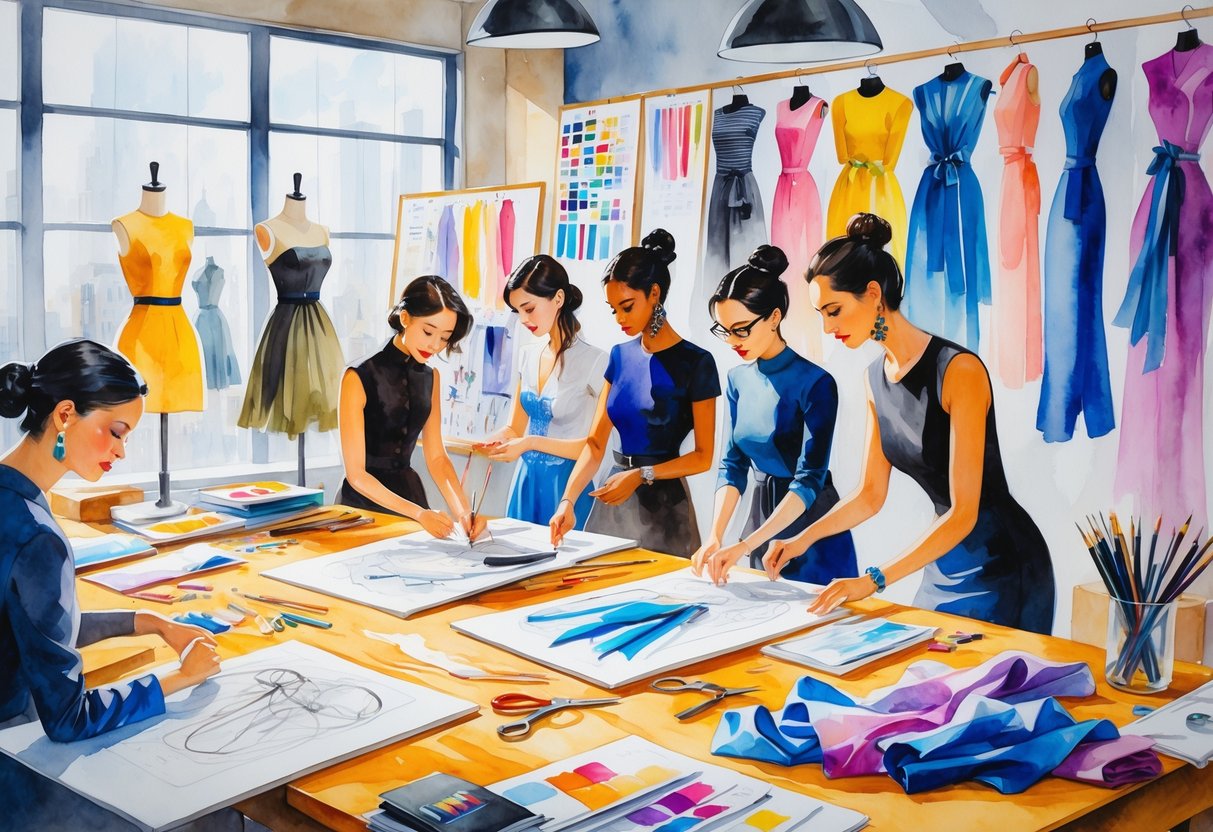
Fashion workshops offer you practical skills that can refresh your creative approach between collections. These hands-on sessions let you learn new techniques without the pressure of your regular work schedule.
You can explore areas outside your usual expertise. If you focus on evening wear, try a workshop on sportswear construction.
If you work primarily with woven fabrics, attend a session on knit techniques. This cross-training expands your skill set and may spark ideas for future collections.
Workshops also provide valuable networking opportunities. You’ll meet other designers, pattern makers, and industry professionals who share your interests.
These connections can lead to collaborations or simply give you fresh perspectives on common challenges. Many workshops focus on emerging technologies and methods.
You might learn about 3D design software, sustainable fabric treatments, or innovative draping techniques. These skills keep you current in a rapidly changing industry.
The structured learning environment of a workshop differs from self-directed practice. You get immediate feedback from instructors and can ask questions as you work.
This guidance helps you master new skills more quickly than learning alone. Short workshops fit well into the downtime between collections.
Most run from a single day to a week, making them easy to schedule. You return to your design work with new techniques and renewed energy for your next project.
6) Jewelry Design and Making
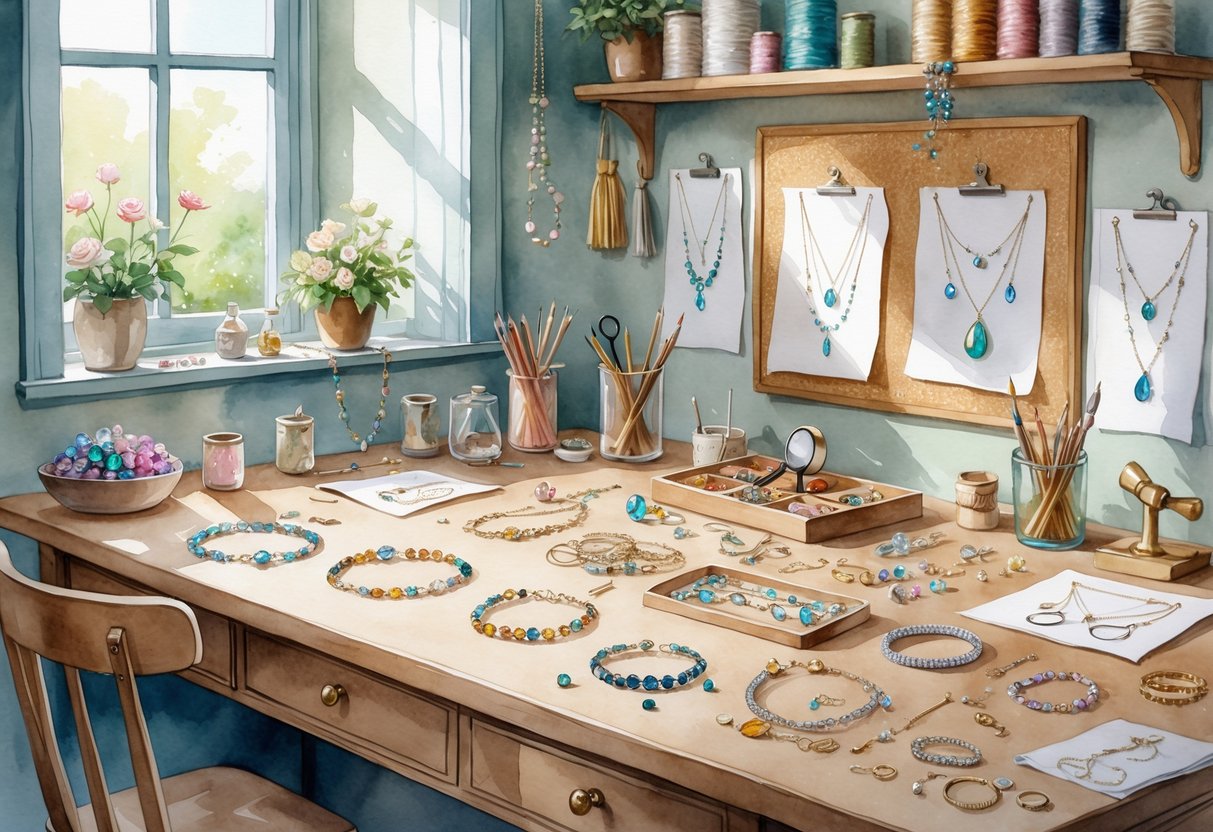
Jewelry making offers fashion designers a creative outlet that works on a smaller scale than garment design. You can explore new materials and techniques without the large time commitment of creating full clothing pieces.
This hobby lets you craft unique accessories that complement your fashion collections. Working with beads, metals, and stones helps you develop fine motor skills and attention to detail.
These skills transfer directly to your main design work. You can experiment with color combinations and textures in ways that inform your future collections.
The tools and materials for jewelry making are easy to store in a small workspace. You don’t need expensive equipment to get started.
Basic supplies like wire, pliers, and findings let you begin creating pieces right away. Many fashion designers use jewelry making to create signature accessories for their runway shows.
You can design pieces that match your aesthetic and complete your looks. This gives you full control over every aspect of your styling.
Jewelry making also provides a way to generate income between collections. You can sell handmade pieces online or at local markets.
The quick turnaround time means you can produce inventory without disrupting your main design schedule. This hobby connects you to different aspects of fashion beyond clothing.
You learn about proportion, balance, and how accessories interact with garments. These insights make you a more well-rounded designer.
5) Fashion Photography
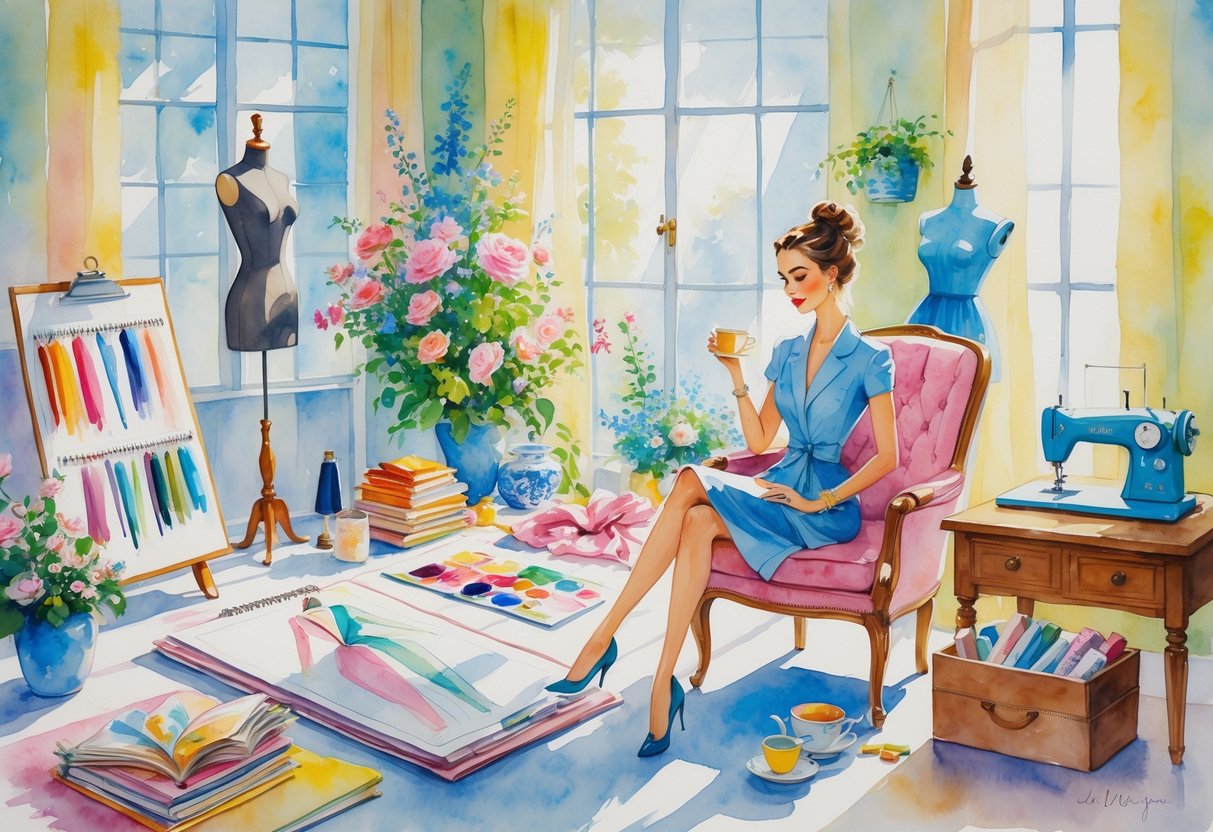
Fashion photography offers you a creative break from designing collections. You can step behind the camera and capture your own work or explore how other designers present their pieces.
This hobby helps you understand how garments translate visually and what makes clothing look appealing in photos. You don’t need expensive equipment to start.
Your smartphone works fine for practicing composition and lighting techniques. As you develop your skills, you’ll learn how angles, shadows, and backgrounds affect how fabric and silhouettes appear in images.
When you photograph clothing, you notice details about draping, fit, and movement that you might miss otherwise. You gain insight into what makes garments photogenic and how styling choices impact the final presentation.
Fashion photography also lets you experiment with different aesthetics. You can shoot editorial-style images, capture street fashion, or document your design process.
Each type teaches you something different about visual storytelling and presentation. The technical skills you build transfer directly to your professional life.
You’ll better communicate with photographers during your own shoots. You’ll understand lighting requirements and pose suggestions.
These abilities help you present your collections more effectively. Photography gives you another outlet for your creative energy between design projects.
It keeps your artistic mind active without the pressure of creating new garments. You stay connected to fashion while exploring a different medium that complements your primary work.
4) Knitting and Crocheting Fashion Accessories
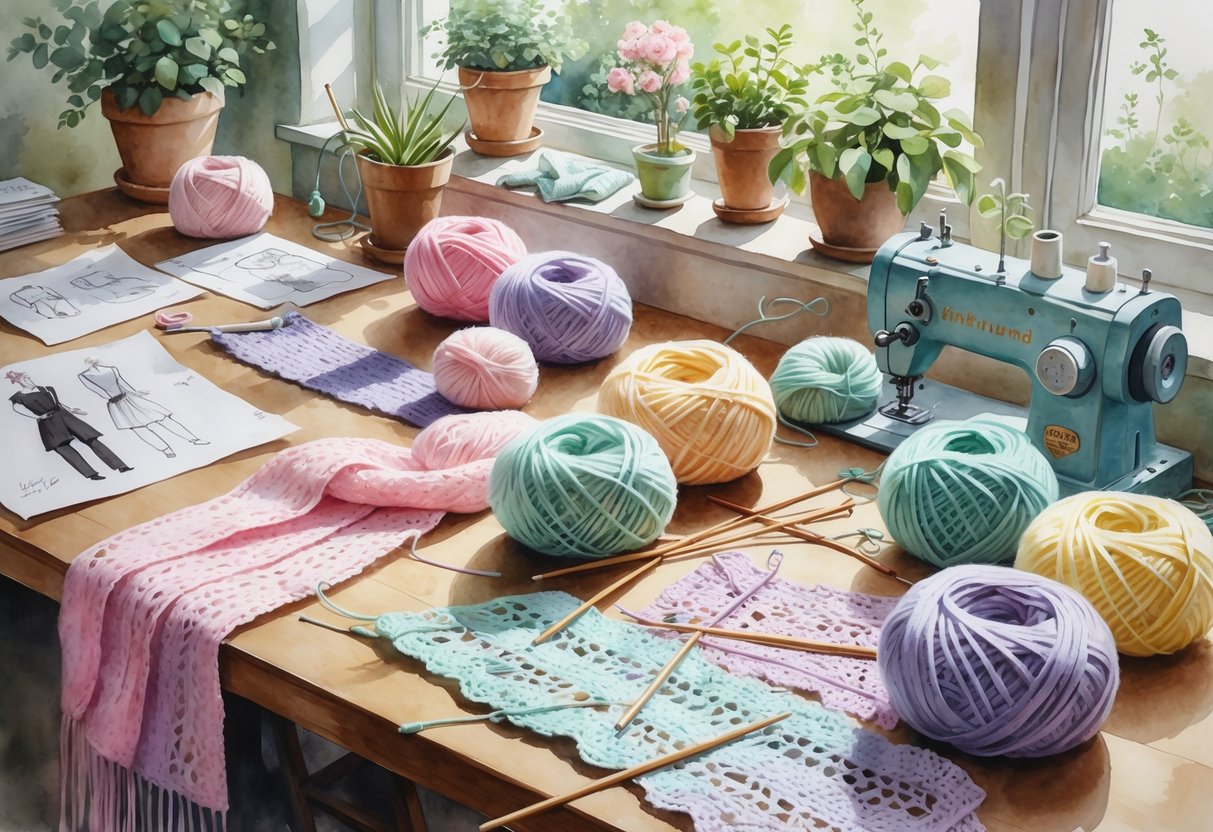
Knitting and crocheting give you hands-on control over texture and detail in ways that other design methods can’t match. These crafts let you test patterns and materials before committing to larger production runs.
You can create original accessories like scarves, hats, gloves, and bags during your downtime. The skills transfer directly to your design work since you’ll understand how different yarns behave and how stitches create structure.
Crocheting uses a single hook and creates a chain-like stitch pattern. It works well for accessories that need more body and structure.
Knitting uses two needles and produces a fabric with better drape, which suits items like lightweight scarves and fitted pieces. Both crafts help you explore color combinations and pattern work in small projects.
You can finish a hat or pair of mittens in a weekend, giving you quick results between longer collection timelines. Learning these techniques also helps you communicate better with manufacturers who produce knitwear.
You’ll know the correct terms and understand production limitations when you’ve worked with yarn yourself. These hobbies also offer a mental break from digital design work.
The repetitive motions can help you think through design problems while keeping your hands busy. Many designers find that their best ideas come during these focused but relaxing activities.
3) Sewing and Tailoring Projects
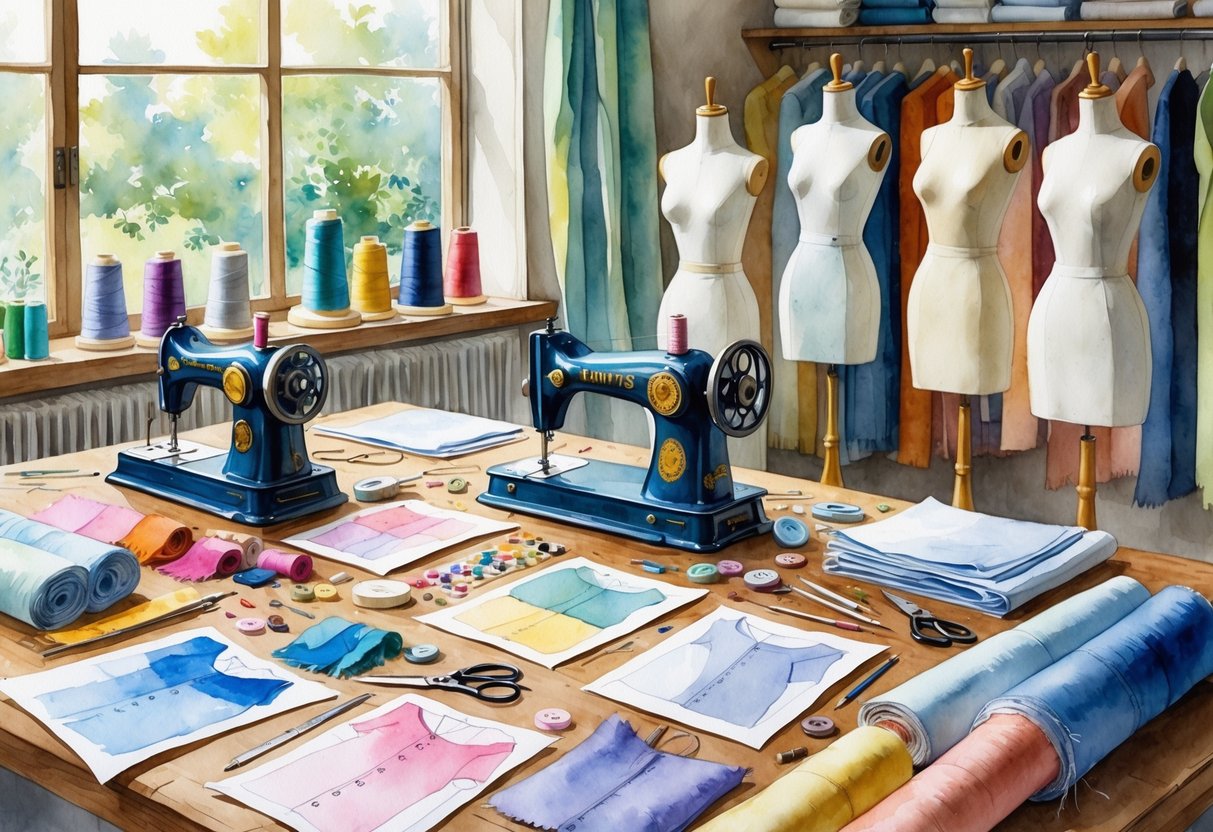
Sewing and tailoring projects give you hands-on control over fabric and construction techniques. You can explore different materials, test new patterns, and refine your technical skills between major collections.
Start with small projects like tote bags or simple garments to practice specific techniques. These projects help you understand how different fabrics behave and how construction methods affect the final product.
You can experiment with details like pocket placements, seam finishes, and closures without the pressure of a full collection deadline. Tailoring projects let you focus on precision and fit.
Working on structured pieces like blazers or trousers teaches you how to create clean lines and proper shaping. These skills translate directly to your design work and help you communicate better with production teams.
Custom sewing projects also build your pattern-making abilities. You can modify existing patterns or draft new ones to test design ideas.
This practice helps you solve fit problems and understand garment engineering at a deeper level. You can also use these projects to build samples for your portfolio or create one-of-a-kind pieces for special clients.
2) Upcycling Old Clothing
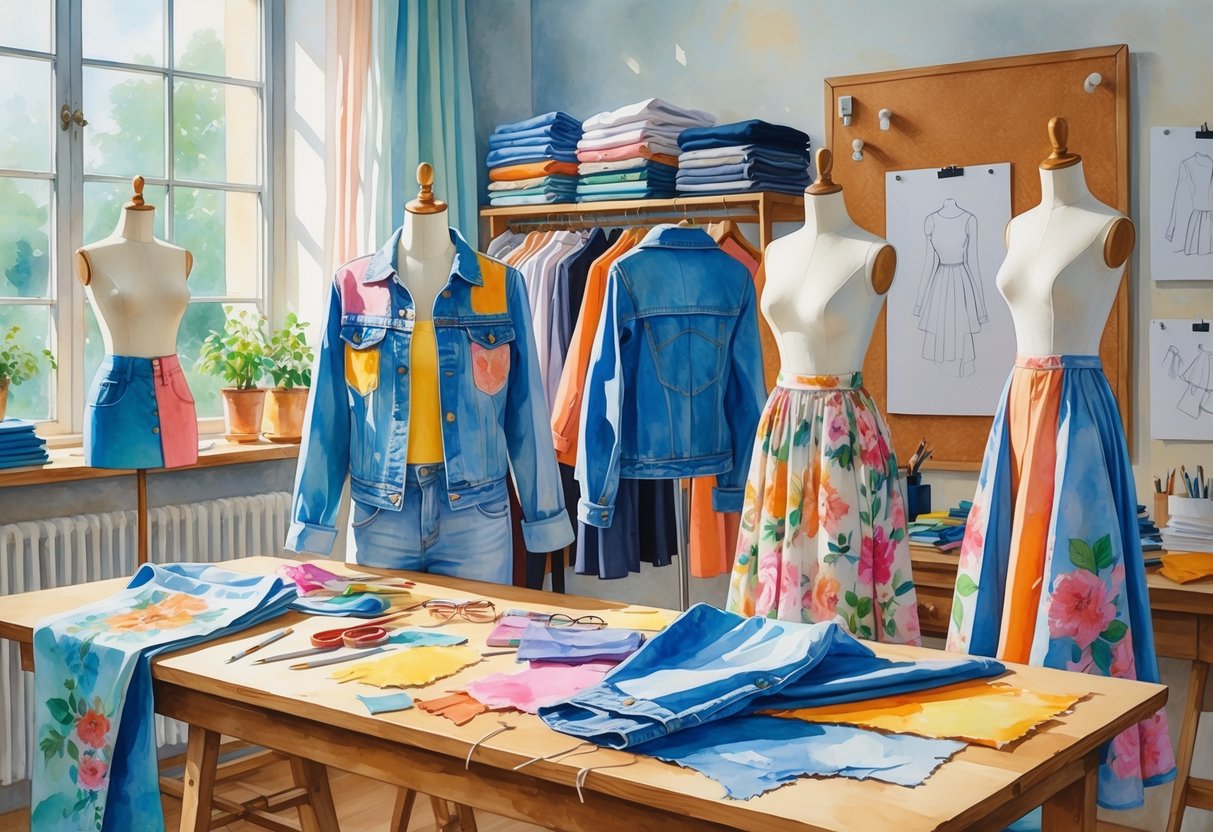
Upcycling old clothing gives you a hands-on way to stay creative between collections. This practice involves transforming worn-out or outdated garments into new, wearable pieces without breaking down the original fabric.
You can start with simple projects that match your skill level. Try adding patches to denim jackets, cropping oversized sweaters, or combining two damaged shirts into one fresh design.
These basic techniques help you experiment with new ideas without the pressure of a full collection. The process keeps your design skills sharp while you explore different styles and construction methods.
You might discover unexpected color combinations or silhouette ideas that inspire your next professional work. Many fashion designers use upcycling to test concepts before investing in new materials.
This hobby also connects you to sustainable fashion practices. You learn how to work with existing materials and find creative solutions to design challenges.
The skills you develop through upcycling translate directly to your professional projects. You can source materials from thrift stores, your own closet, or fabric swap events.
Each piece you work with presents unique problems to solve, from dealing with stains to incorporating unusual textures. This problem-solving mindset strengthens your overall design approach.
Upcycling requires minimal investment since you work with clothes that already exist. You only need basic sewing supplies and your creativity.
1) Fashion Illustration and Sketching
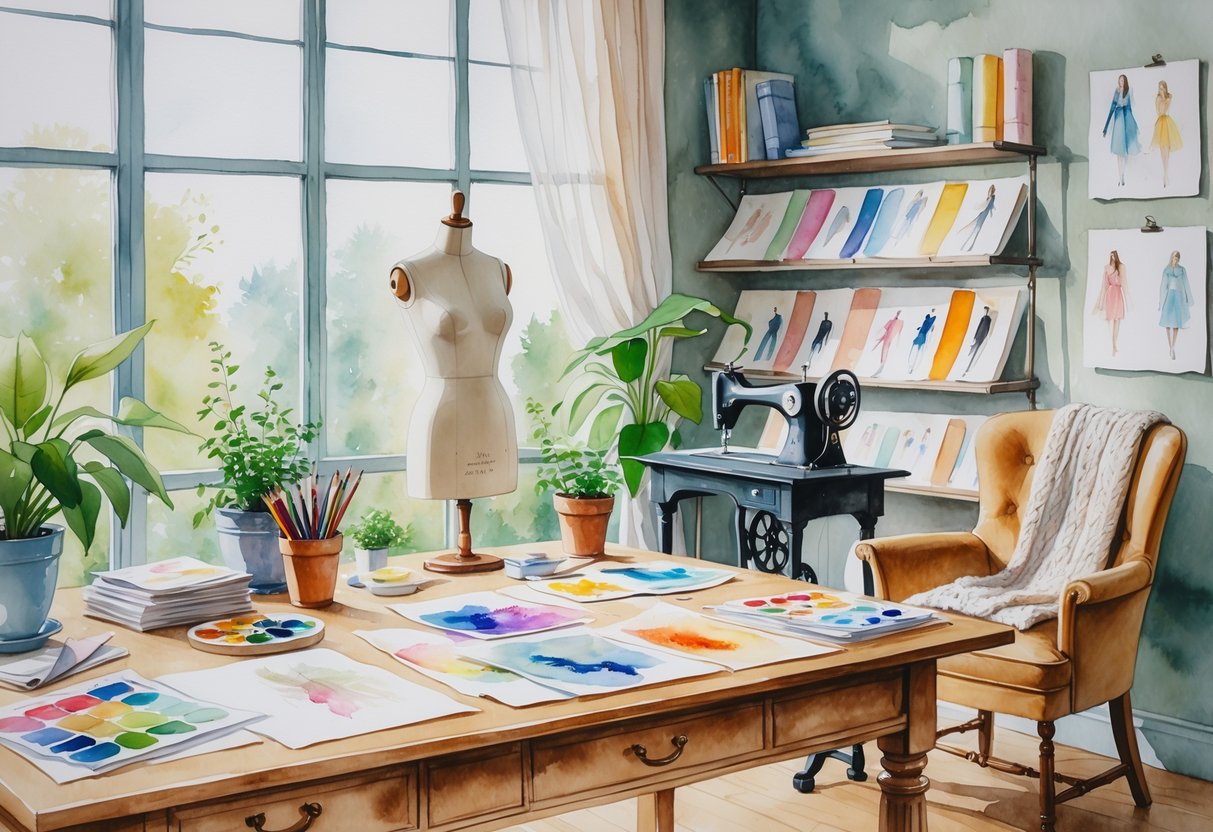
Fashion illustration offers you a creative outlet between collections. You can explore new design concepts without the pressure of producing actual garments.
This hobby lets you experiment with different silhouettes, fabric textures, and color combinations on paper. Sketching helps you develop your visual communication skills.
You’ll get better at translating ideas from your mind onto paper quickly. This skill proves valuable when you need to pitch concepts to clients or collaborate with manufacturers.
You don’t need expensive supplies to start. Basic pencils, markers, and sketch paper work fine for beginners.
As you progress, you can invest in digital tools or professional-grade materials. Fashion illustration differs from regular drawing because it focuses on clothing and how garments move on the body.
You’ll learn to capture the flow of fabric and the drape of different materials. The human figure often gets elongated or simplified to keep attention on the designs themselves.
This hobby also helps you document your creative ideas. When inspiration strikes, you can quickly sketch it out before the concept fades.
Many designers keep sketchbooks filled with illustrations that later become full collections. You can take online courses to improve your technique.
Learning from other illustrators expands your style and introduces new methods. Regular practice sharpens your skills and makes the design process faster when you return to actual collection work.
Why Hobbies Matter for Fashion Designers
Fashion design demands constant creativity and fresh ideas, which can drain your mental energy over time. Hobbies provide necessary breaks that protect your creative abilities and spark new concepts for your design work.
Reducing Creative Burnout
Creative burnout happens when you push your design skills too hard without rest. Your brain needs time away from sketching, draping, and client feedback to recharge properly.
Hobbies give your mind a structured break from fashion work. When you spend hours on pattern making or fabric selection, your creative reserves get depleted.
Activities like gardening, cooking, or playing music use different parts of your brain. These mental breaks help prevent the exhaustion that leads to uninspired designs.
You return to your work with better focus and renewed energy. The distance from your collections also helps you see design problems with fresh eyes.
Boosting Design Inspiration
Hobbies expose you to new textures, colors, and patterns outside the fashion world. Photography teaches you about lighting and composition that translates to your lookbooks.
Pottery introduces you to sculptural forms that might inspire garment silhouettes. Different activities feed your visual library in unexpected ways.
A hike shows you color combinations in nature. Dance classes reveal how fabrics move on the body.
Even reading historical fiction can spark ideas for period-influenced pieces. Your brain makes connections between these experiences and your design work automatically.
You might notice tile patterns at a cooking class that become print inspiration. The key is engaging with activities that genuinely interest you rather than forcing connections.
This cross-pollination of ideas keeps your collections feeling fresh and original. Your unique mix of interests shows up in design choices that set your work apart from other designers.
Integrating New Skills Into Your Design Practice
Learning new skills between collections means nothing if you can’t bring them into your actual work. The real value comes from adapting techniques across different creative areas and building connections that help your career grow.
Translating Techniques Between Mediums
When you learn photography, you gain a stronger eye for composition that directly improves how you arrange elements in your designs. The rule of thirds applies to both camera work and garment construction.
Color theory from painting translates into better fabric selection and print design. Digital illustration skills let you mock up designs faster than traditional sketching.
You can test color combinations in minutes instead of hours. Many designers who learn digital tools find they can present ideas to clients more professionally.
Cross-Medium Skill Applications:
- Sculpture techniques improve your understanding of form and draping
- Graphic design skills enhance your pattern work and textile prints
- Writing practice helps you articulate design concepts clearly to buyers
Start small by picking one technique from your hobby and using it in your next design. If you learn hand embroidery, add those stitches to a single piece.
If you study architecture, apply its structural principles to your pattern making.
Expanding Professional Networks
Your hobbies connect you with people outside your usual fashion circle. A photography class might introduce you to a commercial photographer who needs a stylist.
Fashion shows and expos give you direct access to buyers, manufacturers, and other designers. Join online communities related to your new skill.
Share your work and ask questions. These spaces often lead to collaborations you wouldn’t find otherwise.
Networking Opportunities Through Hobbies:
- Fashion blogging connects you with influencers and brands
- Museum visits during fashion exhibitions let you meet curators and historians
- Craft workshops introduce you to textile artists and makers
Document your skill development on social media. Post your practice work and explain how it relates to your design process.
This shows potential clients and collaborators that you’re constantly growing.
Frequently Asked Questions
Fashion designers often have questions about activities that support their creative work between major projects. These answers address practical ways to maintain skills, find inspiration, and expand artistic abilities during downtime.
What activities can help a fashion designer enhance creativity during off-peak seasons?
You can dive into fashion history research to understand how past trends influence modern design. This activity helps you see patterns in style evolution and gives you fresh ideas for future collections.
Creating mood boards keeps your creative mind active between projects. You gather images, fabrics, and color samples that inspire you and organize them visually.
Attending fashion workshops exposes you to new techniques and perspectives. These sessions let you learn from other professionals and experiment with methods outside your usual routine.
Which craft-related hobbies complement the skills of a professional fashion designer?
Jewelry design builds your understanding of small-scale detail work and accessory styling. You learn metalworking, beading, and stone setting that enhance your overall design vision.
Textile design teaches you about fabric creation from the ground up. You explore weaving, printing, and dyeing techniques that give you better control over material choices.
Sewing and embroidery refine your technical construction skills. These hands-on crafts help you understand garment assembly at a detailed level.
What are some effective ways for fashion designers to stay inspired and trend-aware?
You can follow fashion museums and exhibitions to see how designers interpret cultural moments. These displays show you the connection between art movements and clothing design.
Travel exposes you to different cultural approaches to clothing and style. You observe local fashion traditions and contemporary street style in various regions.
Fashion photography helps you understand how clothing appears in different contexts. You learn about styling, composition, and visual storytelling.
Which hobbies are known to improve a fashion designers’ aesthetic sense and design abilities?
Creating mood boards trains your eye for color coordination and visual harmony. You practice combining different elements into cohesive themes.
Studying fashion history develops your ability to recognize design elements across different eras. You understand construction methods, silhouette changes, and cultural influences.
Textile design sharpens your appreciation for fabric patterns and textures. You learn how different materials behave and how they affect final garment appearance.
Can fashion designers benefit from engaging in collaborative art projects, and how?
Collaborative projects expose you to different creative processes and problem-solving methods. You learn from artists in other fields like sculpture, painting, or installation art.
Working with other designers helps you understand alternative approaches to similar challenges. You share techniques and get feedback on your ideas in a low-pressure environment.
These partnerships often lead to unexpected design solutions. You combine your fashion expertise with someone else’s specialty to create something neither could make alone.
What leisure activities can fashion designers pursue to refine their understanding of color and texture?
Textile design gives you direct experience with creating surface patterns and textures. You work with different fibers and finishing techniques that affect how fabrics look and feel.
Jewelry making teaches you about material properties on a small scale. You learn how metals, stones, and beads interact with light and skin tones.
Fashion illustration helps you explore color relationships and rendering techniques. You practice showing different fabric textures through drawing and painting methods.