10 Best Hobbies for Influencers Who Want Offline Balance: Essential Activities to Reclaim Your Personal Time
Spending your days creating content and managing your online presence can leave you feeling drained. The constant need to stay connected and produce material for your audience makes it hard to step away from screens.
Many influencers struggle to find activities that help them recharge without adding to their digital workload.

Offline hobbies give you a way to reduce stress, spark new ideas, and create healthy boundaries between your online work and personal life. These activities help you focus on the present moment instead of worrying about engagement rates or comment sections.
They also provide fresh experiences that can improve your content when you do return to work.
This guide explores ten hobbies that work well for influencers who want to find better balance. Each activity offers a different way to disconnect from your devices while doing something enjoyable and meaningful.
10) DIY Home Décor Projects
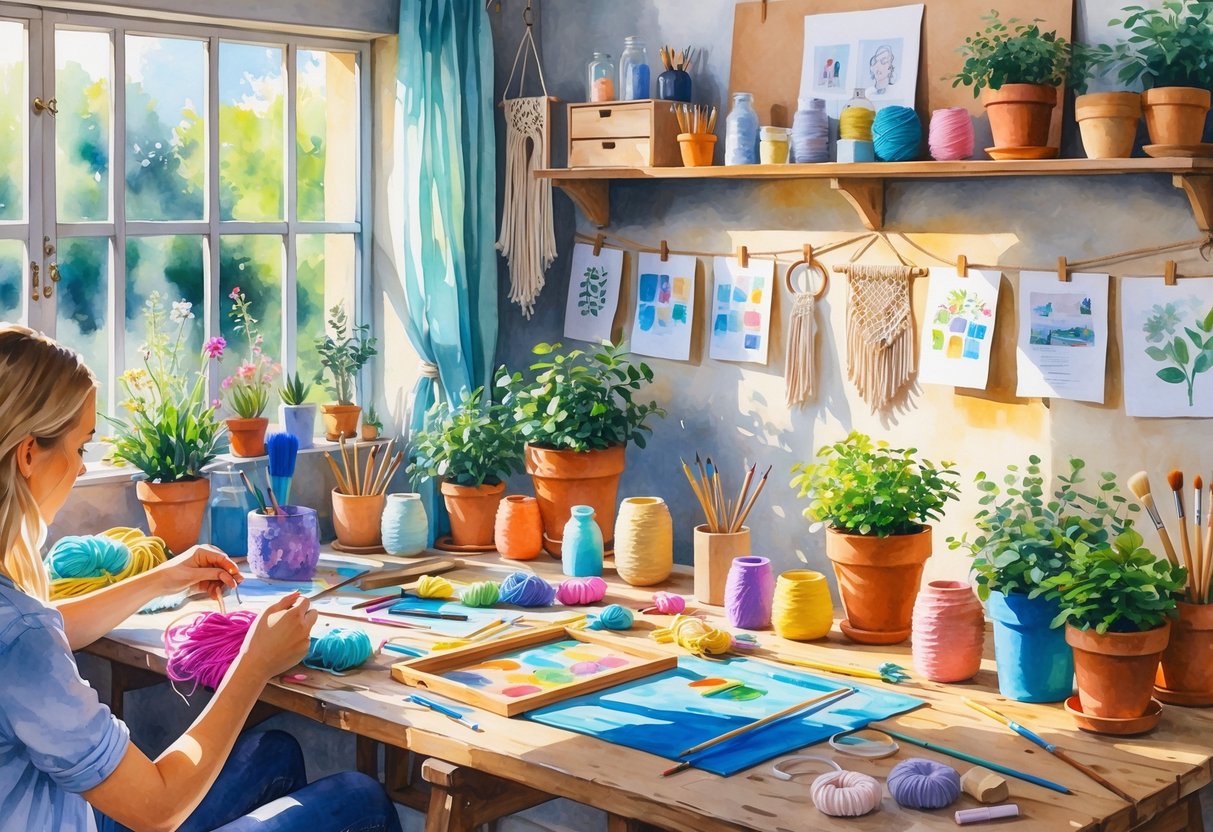
DIY home décor projects give you a creative outlet that pulls you away from screens and social media. You can make wall art, rearrange furniture, or build custom shelves with your own hands.
These projects let you shape your living space while taking a complete break from your online presence. Starting with simple projects works best if you’re new to DIY work.
You can paint picture frames, create throw pillow covers, or arrange plants in new ways. These tasks don’t need special skills or expensive tools.
The physical work helps balance your digital life. You focus on measuring, cutting, and assembling instead of checking notifications or planning content.
Your hands stay busy with real materials like wood, fabric, and paint. DIY décor projects also give you something to show for your time.
You end up with a finished piece that improves your home. This feels different from creating digital content that lives only on screens.
You can find project ideas from other creators, but the work itself keeps you offline. Many influencers share that making home décor helps them recharge between content creation sessions.
The repetitive motions of painting or crafting can feel calming after hours of filming and editing. Budget-friendly options exist at dollar stores and craft shops.
You don’t need to spend much to start transforming your space. Each completed project builds your skills and confidence for bigger decorating tasks.
9) Analog Film Photography
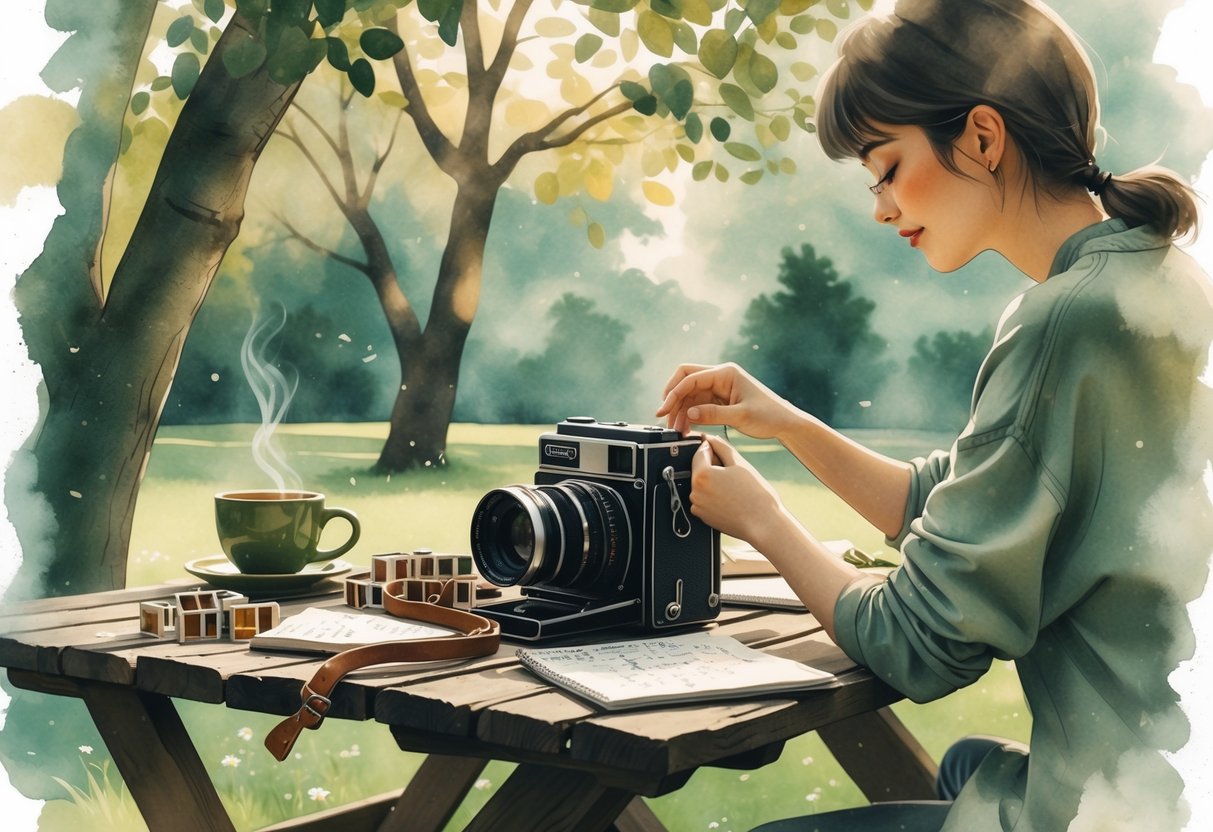
Analog film photography offers you a complete break from digital screens while keeping you creative. You work with your hands to load film, adjust manual settings, and develop physical prints.
Each shot requires intention because you have a limited number of exposures per roll. This hobby slows down your creative process in a good way.
You can’t instantly see results or delete mistakes. You need to think about composition, lighting, and timing before pressing the shutter.
This mindful approach provides a contrast to the rapid-fire content creation you do online. Film photography also builds real-world skills.
You learn about exposure, aperture, and ISO in ways that digital cameras don’t require. Many photographers find satisfaction in developing their own film in a darkroom.
The chemical process and watching images appear on paper creates a tangible connection to your work. The analog photography community offers opportunities for in-person connection.
You can attend film swaps, photography walks, and darkroom workshops. These gatherings let you learn from other photographers and share your work face-to-face.
Film cameras don’t require software updates or cloud storage. Your negatives last for decades with proper storage.
You build a physical archive of your work that exists independently from social media platforms. This permanence gives your creative work a different kind of value than digital files.
8) Outdoor Hiking Challenges
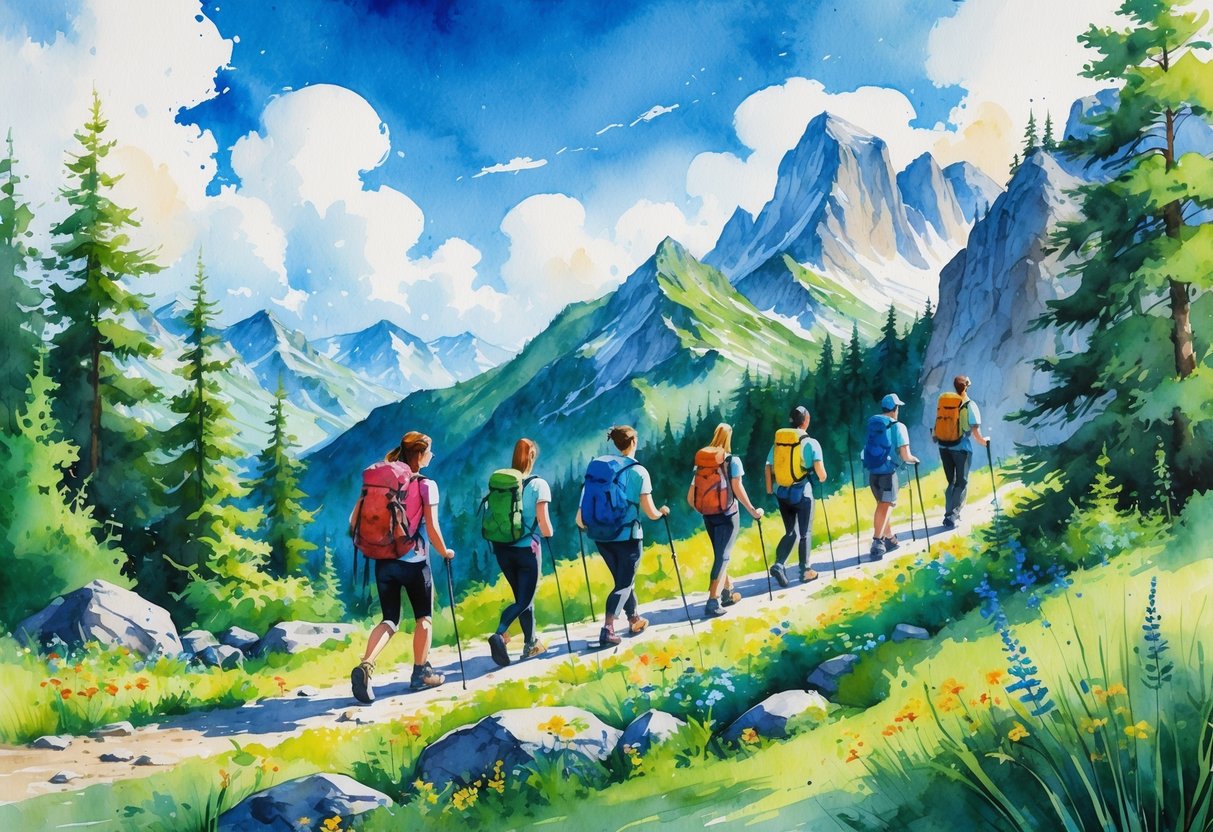
Outdoor hiking challenges offer influencers a real way to step away from screens and connect with nature. You can set goals like completing a certain number of trails in a month or hiking to specific elevation points.
These challenges give you something physical to work toward while your mind gets a break from content creation. Many hiking challenges involve exploring new trails in your area or visiting different state parks.
You don’t need expensive gear to start. Basic hiking boots and a water bottle are enough for most beginner trails.
The physical activity helps reduce stress and improves your fitness level. Walking on uneven terrain works different muscles than gym workouts.
You also get fresh air and natural sunlight, which can boost your mood and energy. You can track your progress in a simple journal or use basic hiking apps.
Some people join organized challenge groups that complete specific trails together. Others prefer solo hikes where they can fully disconnect and enjoy quiet time.
Hiking challenges work well for busy schedules because you control the difficulty and time commitment. A short two-mile trail takes about an hour, while longer hikes can fill a whole afternoon.
You can adjust based on what fits your week. This hobby gives you real accomplishments that aren’t tied to follower counts or engagement rates.
Each completed trail is a personal win that exists outside your online presence.
7) Handmade Candle Making
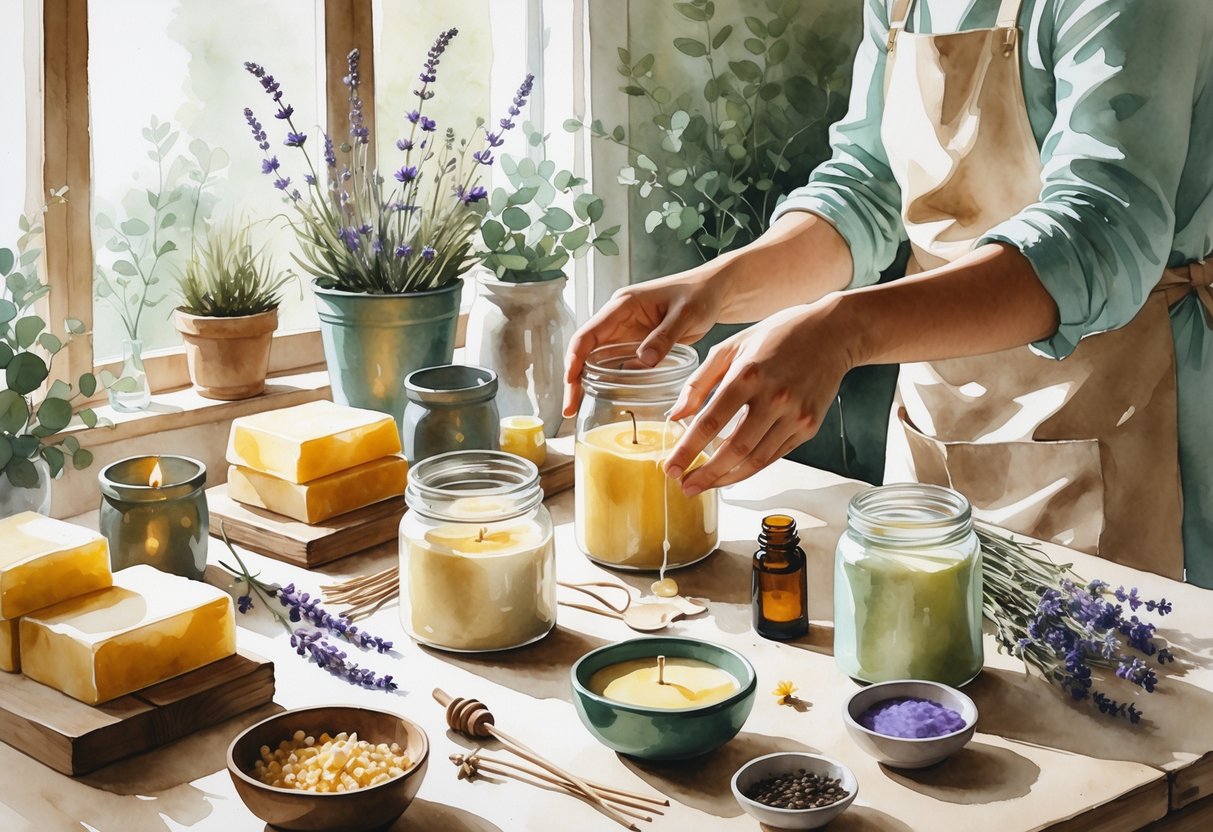
Candle making offers influencers a hands-on creative outlet that keeps you off your phone and engaged with tangible materials. You work with wax, wicks, molds, and scents to create functional items from scratch.
The process requires focus and attention, which makes it an effective way to disconnect from digital demands. The hobby has grown 30% in popularity in recent years.
You can start with basic supplies like soy wax, containers, and essential oils. Each candle takes time to measure, pour, and cure, giving you structured offline hours.
This craft works well for influencers because it develops skills outside of content creation. You learn about temperature control, scent blending, and color mixing.
The physical nature of the work provides a clear contrast to screen time. Candle making also lets you create personalized gifts for friends and family.
You can choose scents and styles that match their preferences. The hobby gives you something concrete to show for your time away from social media.
You don’t need expensive equipment to begin. Simple starter kits include everything required to make your first batch.
As you gain experience, you can experiment with different wax types, container shapes, and fragrance combinations. The repetitive nature of melting, pouring, and setting becomes a calming routine that helps you reset between content creation sessions.
6) Yoga and Meditation Retreats
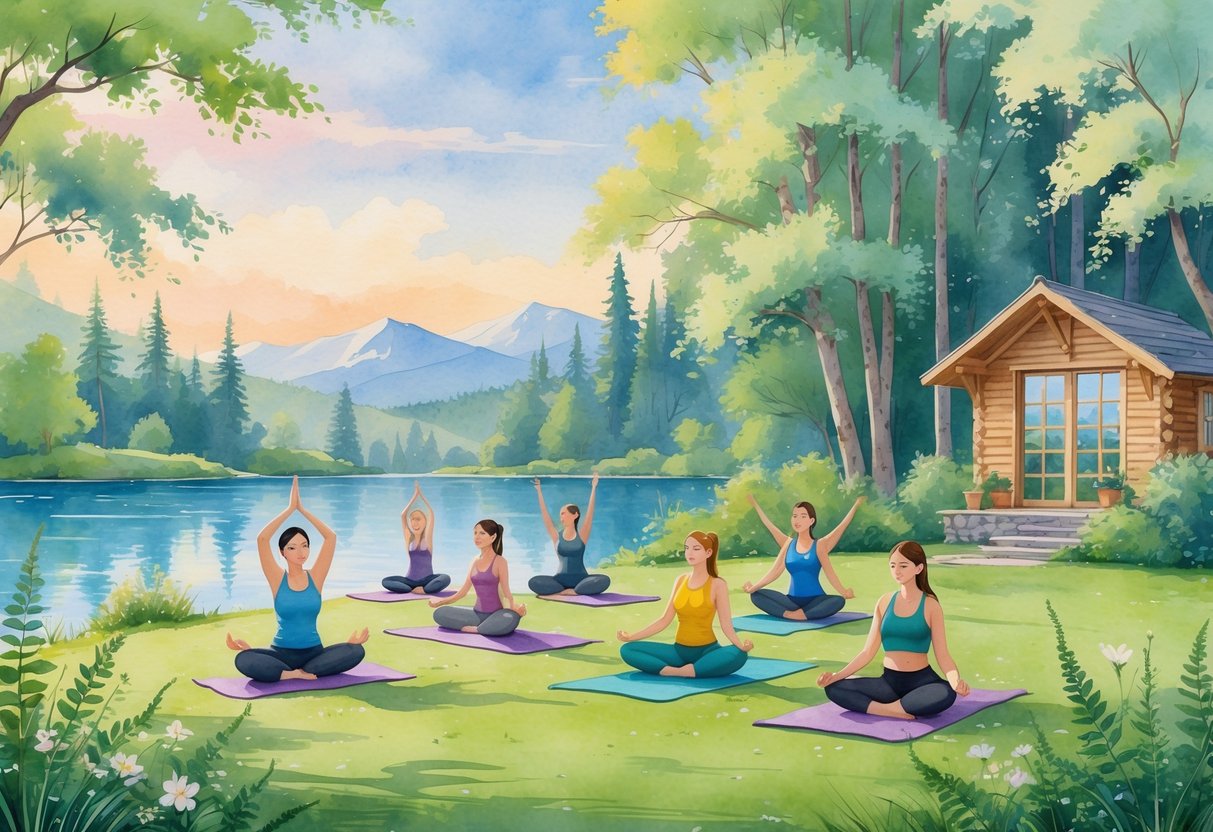
Yoga and meditation retreats offer you a complete break from your digital life. These getaways give you time to reset your mind and body away from screens and notifications.
Most retreats include daily yoga classes and guided meditation sessions. You’ll also find optional activities like nature walks or spa treatments.
The schedule usually leaves room for personal time to relax and reflect. Retreats work for any skill level.
You don’t need years of yoga experience to attend. Teachers guide you through practices that match your abilities.
The benefits go beyond the physical. Yoga helps you develop mindfulness and self-awareness.
These skills transfer back to your daily life and work. Weekend retreats are a practical option if you’re short on time.
You can recharge without using all your vacation days or spending too much money. Longer retreats offer deeper experiences when you have more time available.
You’ll find retreat centers across the United States in different settings. Some are in mountains, others near beaches or forests.
The natural surroundings add to the relaxation experience. Attending a retreat gives you real stories and experiences to share with your audience later.
The break from content creation often sparks new ideas and fresh perspectives for your work.
5) Cooking New International Recipes
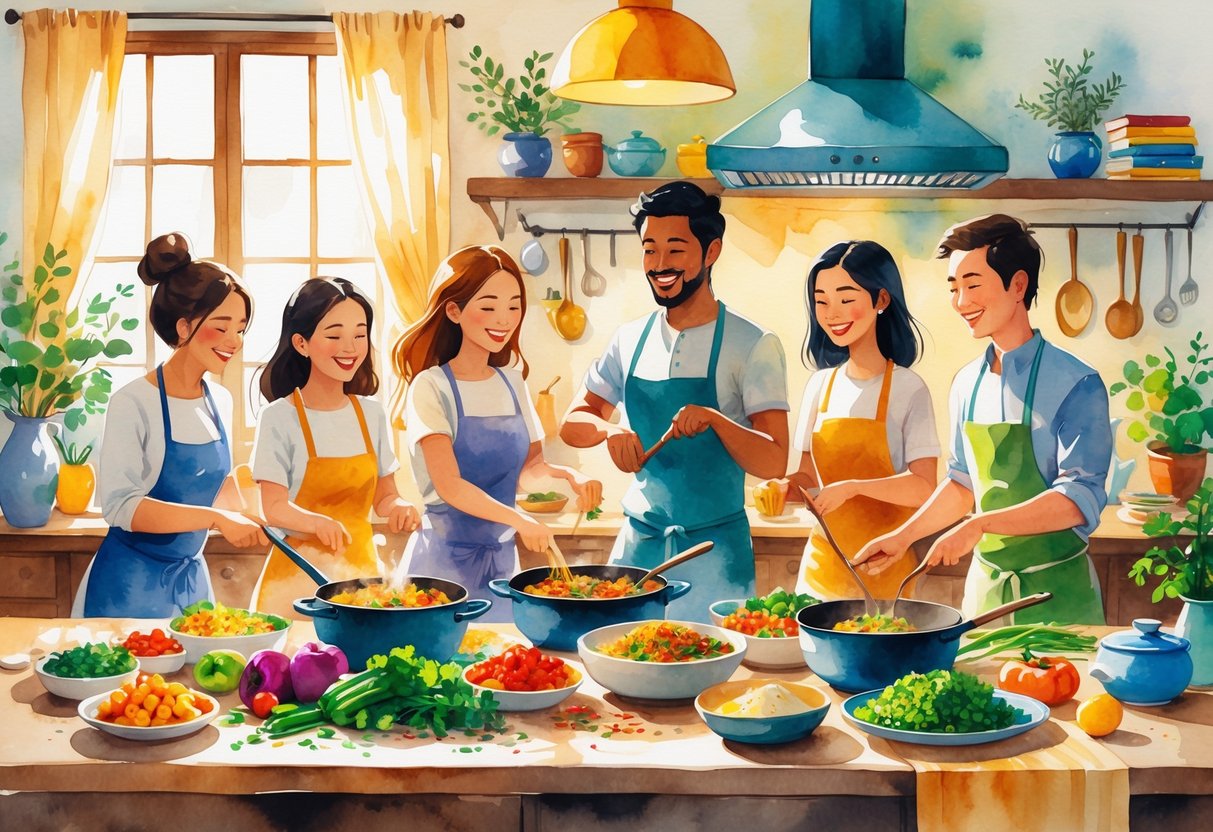
Cooking international recipes gives you a break from your screen while keeping your creative energy flowing. You can explore dishes from different cultures without needing to travel or plan content around it.
International cooking works well for influencers because it uses skills you already have. You know how to follow instructions and try new things.
The kitchen becomes a space where you can focus on something physical and real instead of digital metrics. You don’t need to be an expert chef to start.
Pick recipes that sound interesting from countries you’re curious about. Maybe you want to try making Korean kimchi stew or Italian pasta from scratch.
The goal is to enjoy the process, not to post about it. Cooking helps you build a routine that exists outside of your online work.
You have to shop for ingredients, prep your workspace, and follow steps in order. These activities ground you in the present moment.
The best part is that cooking gives you clear results. You either made something that tastes good or you learned what to do differently next time.
There’s no algorithm to worry about and no engagement to track. Many people find that trying new cuisines makes their regular cooking more exciting.
When you learn techniques from different food traditions, you add more variety to your everyday meals. This keeps the hobby interesting over time.
4) Urban Gardening
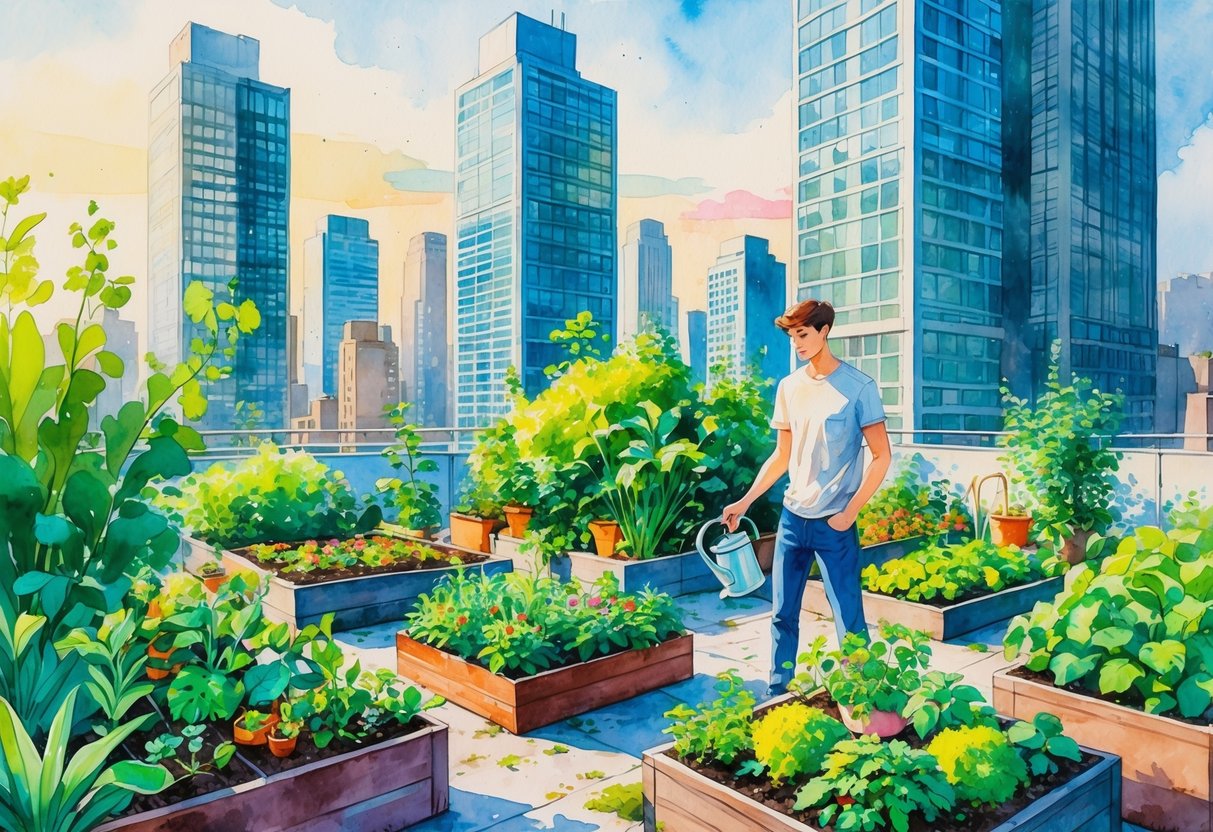
Urban gardening offers influencers a hands-on escape from screen time while creating something tangible. You can grow herbs, vegetables, or flowers in small spaces like balconies, windowsills, or rooftop areas.
This hobby requires minimal equipment to start and fits easily into city living. Growing your own plants provides a break from constant notifications and digital demands.
You work with soil, water, and seeds instead of algorithms and analytics. The process is straightforward and doesn’t require previous experience.
Urban gardening helps reduce stress through physical activity and time spent outdoors. You watch your plants grow over weeks and months, which creates a sense of accomplishment separate from your online metrics.
The repetitive tasks of watering and pruning can help clear your mind. You can start with easy plants like lettuce, tomatoes, or basil.
These crops grow well in containers and produce results within a few months. Many urban gardeners use raised beds or vertical growing systems to maximize limited space.
This hobby gives you fresh produce and connects you to natural growing cycles. You learn about plant care, seasonal changes, and patience.
The skills you develop stay with you and improve over time. Urban gardening works well for busy schedules since plants need attention only once or twice daily.
You spend 15 to 30 minutes checking soil moisture and plant health. This regular routine creates structure outside your influencer work.
3) Pottery and Ceramic Art
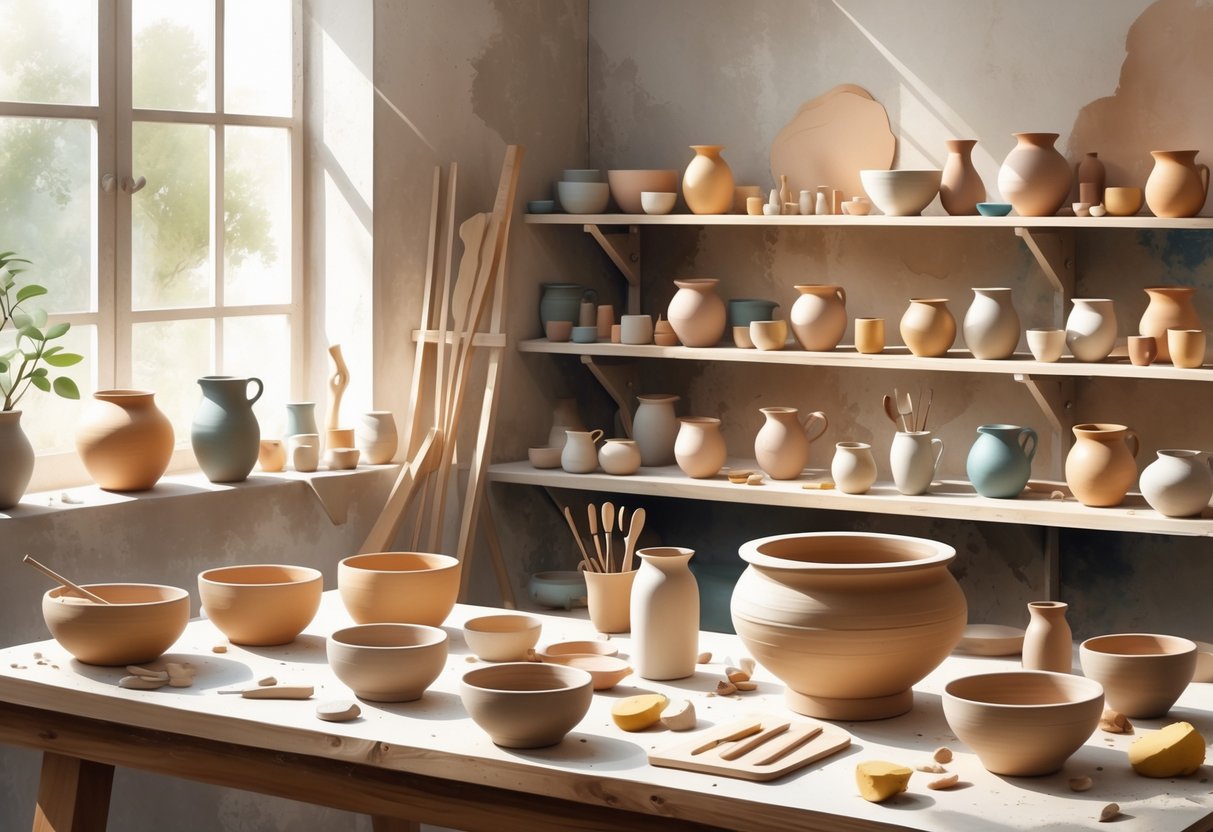
Pottery offers influencers a hands-on break from screens and digital content creation. Working with clay requires your full attention, making it hard to think about notifications or engagement rates while you’re at the pottery wheel.
You can start pottery without buying expensive equipment. Many cities have pottery studios that offer classes and wheel time by the hour.
This lets you learn the basics before investing in your own tools. The physical nature of pottery makes it different from your online work.
You shape real materials with your hands and see immediate results from your efforts. Each piece you create is unique, which can feel refreshing when your digital work often gets replicated and shared endlessly.
Pottery also teaches patience in a way that social media doesn’t. You can’t rush the drying process or skip firing stages.
Your pieces need time to cure, glaze, and finish properly. Many influencers find that pottery skills complement their content creation abilities.
You learn about composition, color theory, and design while making functional items for your home. Some even incorporate their pottery journey into their content without making it their main focus.
The repetitive motions of working with clay can be calming after a day of creating content and managing comments. You don’t need to document every piece you make or share your progress with anyone.
Pottery can simply be yours.
2) Journaling for Mindfulness
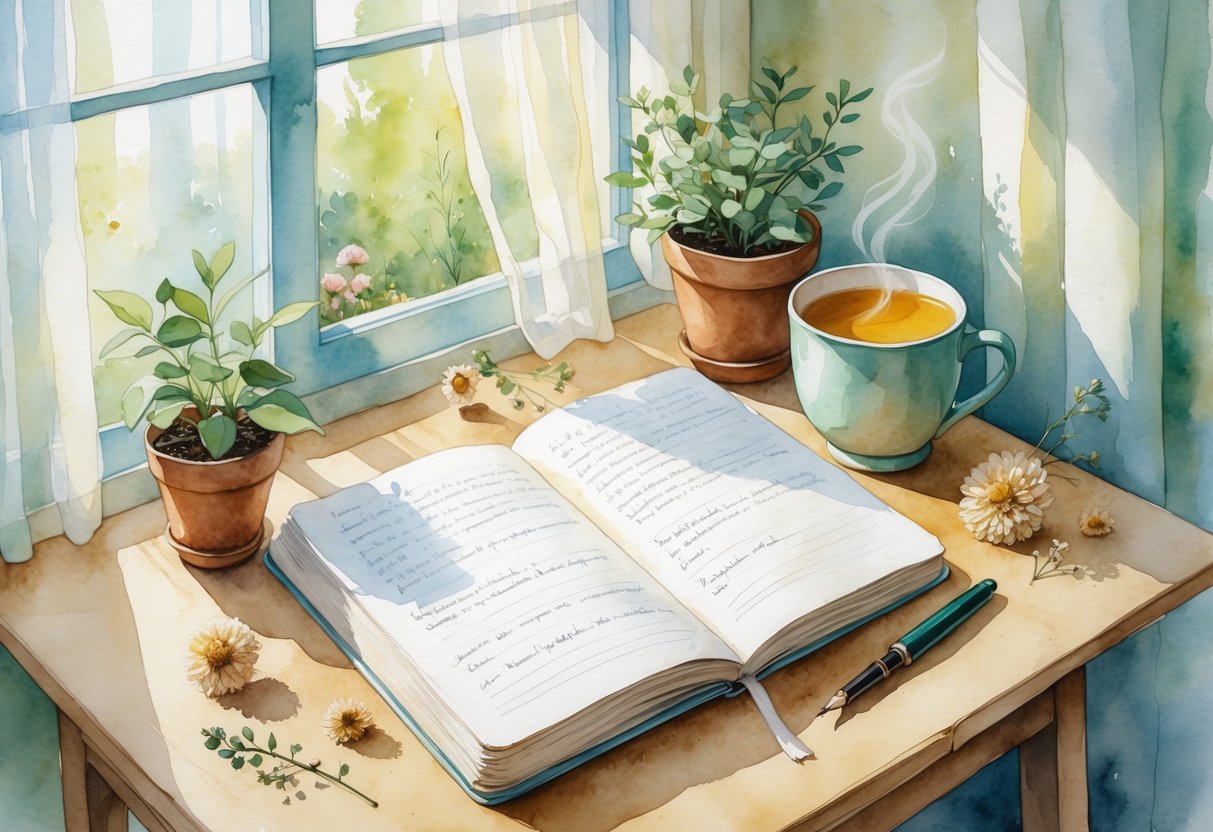
Journaling gives you a private space to process your thoughts away from your public persona. As an influencer, you spend hours crafting content for others to see.
Writing in a journal lets you express yourself without worrying about likes or comments. The practice helps clear mental clutter.
When you put pen to paper, you can sort through the stress of content deadlines and audience expectations. Studies show that journaling can reduce stress hormones while improving your mood.
You don’t need special skills to start. Pick a notebook that feels good to use and write whatever comes to mind.
Some people prefer guided journals with prompts, while others like blank pages for free writing. Set aside 10 to 15 minutes each day for this practice.
Morning journaling can help you set intentions before checking your phone. Evening sessions let you reflect on your day and release any tension you’re holding.
This hobby works well because it’s completely offline. You can do it anywhere without wifi or charging cables.
The act of writing by hand also slows you down, which creates a natural break from your fast-paced digital work. Your journal entries stay private unless you choose to share them.
This makes it different from everything else you do as an influencer. You’re writing for yourself, not for an audience.
1) Nature Photography Expeditions
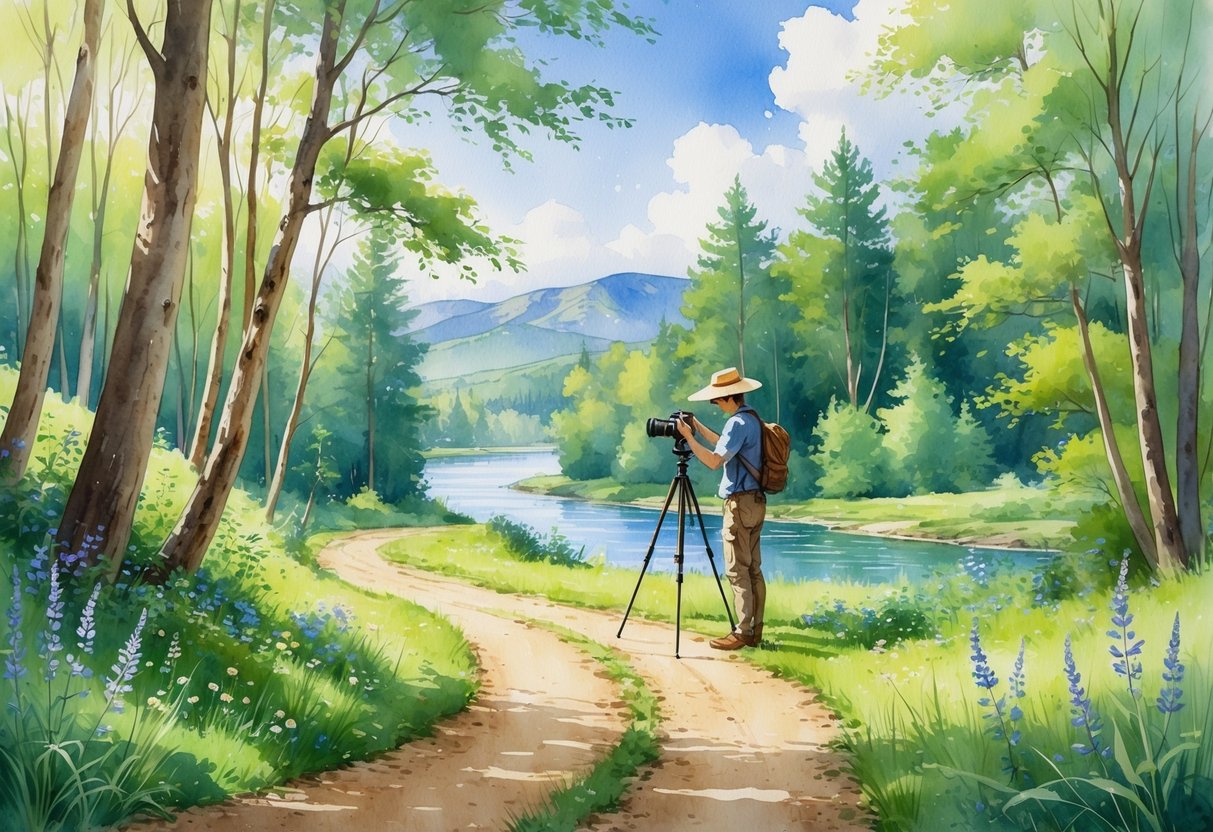
Nature photography expeditions get you away from screens and into the wild. You can spend hours hiking through forests, climbing mountains, or waiting by a lake to capture the perfect shot.
This hobby forces you to slow down and pay attention to your surroundings. You don’t need expensive equipment to start.
A basic camera or even your smartphone works fine when you’re learning. As you improve, you can invest in better lenses and gear that match your style.
The physical activity involved helps balance out the sedentary time you spend creating content online. You’ll walk miles searching for interesting subjects, climb to reach better vantage points, and carry your equipment through different terrains.
This keeps your body active while your mind focuses on composition and lighting. Nature photography teaches patience and observation skills.
You learn to notice details like how light changes throughout the day or how weather affects the landscape. These skills often improve your regular content creation too.
You can take these expeditions alone for genuine solitude or join photography groups to meet people outside your usual circles. Either way, you’re disconnected from notifications and comments.
The only feedback comes from the scene in front of you and whether you captured it well. Your photos become a personal collection of experiences rather than content you need to post immediately.
You control when and how you share them, if at all.
Why Influencers Need Offline Hobbies
Your online presence demands constant attention, but stepping away from screens protects your mental health and fuels the creativity that makes your content stand out. Building a life beyond your feed isn’t just healthy—it’s essential for long-term success.
Protecting Mental Wellbeing
Social media work puts you under constant public scrutiny. Every post, story, and comment opens you up to judgment from thousands of people.
This exposure creates stress that builds up over time. Your brain needs breaks from the pressure of maintaining your online image.
Offline hobbies give you space where you’re not performing or being watched. You can make mistakes, look imperfect, and simply exist without documentation.
Mental health benefits of offline activities:
- Reduced anxiety from social comparison
- Lower cortisol levels from decreased screen time
- Improved sleep quality
- Better emotional regulation
- Stronger sense of self beyond your brand
When you engage in activities that have nothing to do with your follower count, you remember who you are outside of your metrics. This grounding helps you handle criticism better and maintain perspective when engagement drops.
Preventing Digital Burnout
You’re always “on” as an influencer. Your job doesn’t end at 5 PM.
You check notifications at dinner, respond to DMs before bed, and wake up thinking about content ideas. This constant connectivity drains your mental energy faster than you realize.
Digital burnout shows up as exhaustion, cynicism about your work, and difficulty creating content that feels authentic. Offline hobbies create clear boundaries between work and rest.
They give your mind something to focus on that doesn’t involve algorithms, analytics, or audience expectations. Your nervous system gets actual downtime instead of the fake rest of scrolling other apps.
You need activities that don’t produce content or build your brand. These pursuits exist purely for your enjoyment.
They refill your energy reserves instead of depleting them.
Enhancing Creativity
Your best content ideas rarely come while staring at a screen. Creativity needs space to breathe.
It emerges during activities that engage your hands, body, or senses in new ways. Offline hobbies expose you to different experiences, textures, movements, and challenges.
These fresh inputs give your brain new material to work with. A pottery class might inspire a color palette.
A hiking trail could spark a photo series concept. Creative benefits you gain:
- Novel perspectives from non-digital experiences
- Problem-solving skills from hands-on activities
- Inspiration from physical sensations and environments
- Mental clarity from reduced information overload
When you step away from your niche, you bring back unexpected ideas that set your content apart. Your audience can tell when you’re drawing from real life instead of recycling what’s already online.
Strategies to Incorporate Offline Balance
Finding time away from screens requires clear plans and firm limits. These two approaches help you protect your personal time while staying successful online.
Setting Boundaries with Technology
You need to create rules for when and how you use your devices. Start by turning off non-essential notifications during specific hours of the day.
This stops the constant pull to check your phone. Set specific times to respond to comments and messages instead of reacting immediately.
Many influencers check their accounts three times per day rather than staying online constantly. You can use app timers to limit how long you spend on each platform.
Key boundaries to set:
- No phones during meals
- Device-free zones in your home
- Set work hours for content creation
- Turn off screens one hour before bed
- Use “Do Not Disturb” mode during offline activities
Keep your work phone separate from your personal device if possible. This physical separation makes it easier to step away from your influencer duties.
Creating a Consistent Offline Routine
Schedule your offline hobbies like you schedule content posts. Block out specific times each week for activities that don’t involve screens.
Treat these blocks as non-negotiable appointments with yourself. Start small with 30 minutes three times per week.
You can build up to longer sessions as the habit forms. Pick the same days and times each week so it becomes automatic.
Write your offline activities in the same planner where you track content deadlines. This puts equal importance on both parts of your life.
Tell your followers when you’ll be offline so they expect delayed responses. Track which offline activities reduce your stress the most.
Focus your time on hobbies that truly recharge you rather than adding more tasks to your schedule.
Frequently Asked Questions
Many influencers struggle with finding the right balance between their online work and personal wellness. These questions address common concerns about stepping away from screens while maintaining creativity and mental health.
What hobbies can help influencers reduce screen time and promote mental health?
Hobbies like yoga and meditation retreats offer mental clarity by removing you from digital spaces entirely. These practices help quiet your mind and reduce the constant pressure of content creation.
Activities such as handmade candle making provide a tactile experience that engages your hands rather than your devices. DIY home décor projects give you a creative outlet that exists in physical space.
Working with materials like wood, fabric, or paint allows your brain to rest from digital stimulation. These hands-on activities naturally limit screen exposure while boosting your mood through creative accomplishment.
Which offline activities are most effective for managing stress for social media professionals?
Outdoor hiking challenges remove you from notifications and algorithms entirely. Nature-based activities lower stress hormones and provide perspective away from follower counts and engagement metrics.
The physical movement combined with natural scenery creates genuine relaxation. Meditation retreats offer structured time away from your phone and computer.
You learn breathing techniques and mindfulness skills that carry over into your daily routine. Candle making also serves as a meditative practice through repetitive, focused movements that calm racing thoughts.
What physical hobbies are beneficial for digital content creators seeking a healthier lifestyle?
Hiking provides cardiovascular exercise while getting you outside and away from your desk. Regular outdoor challenges build endurance and muscle strength that counteract hours spent sitting and filming content.
The varied terrain engages different muscle groups and improves balance. Yoga combines physical movement with breath work for total body wellness.
You develop flexibility, core strength, and better posture to offset the physical strain of content creation. Even gentle yoga practices burn calories and improve circulation throughout your body.
Can influencers engage in creative hobbies offline to enhance their online content?
Analog film photography teaches composition and lighting without relying on digital filters or instant results. This slower process improves your eye for visual storytelling that translates directly to better social media posts.
The patience required for film development also cultivates more thoughtful content creation habits. DIY home décor projects develop your aesthetic skills and spatial awareness.
These design principles apply directly to creating visually appealing backgrounds and settings for your content. Handmade candle making introduces you to color theory, scent pairing, and product styling that enriches your creative toolkit.
What are some social but non-digital hobbies that influencers can enjoy for personal growth?
Group hiking challenges connect you with others who share outdoor interests. These activities build friendships based on shared experiences rather than online interactions.
You develop communication skills and teamwork in real-world settings. Yoga classes and meditation retreats create communities focused on wellness and personal development.
You meet people outside your industry who offer fresh perspectives and genuine connections. Craft workshops for candle making or home décor projects provide spaces to learn alongside others while working with your hands.
How can influencers incorporate mindfulness practices into their daily routine for better work-life balance?
Start your day with 10-15 minutes of meditation before checking your phone. This practice sets a calm tone and helps you approach content creation with intention rather than reactivity.
Even brief morning sessions reduce anxiety about metrics and performance. Schedule regular yoga sessions as non-negotiable appointments in your calendar.
Treating these practices like client meetings ensures you prioritize your mental health alongside work obligations. You can also bring mindfulness into activities like hiking by focusing on your breathing and surroundings.
Create physical boundaries by designating screen-free zones in your home where you do hobbies like candle making or DIY projects. These spaces signal to your brain that it’s time to disconnect from work mode.
Simple practices like putting your phone in another room during creative activities protect your offline time.