10 Best Hobbies for New Parents Needing Quick Breaks: Simple Activities to Recharge During Naptime
Becoming a new parent changes everything about your daily routine. The constant care your baby needs can leave you with little time or energy for yourself.
Finding quick ways to relax becomes important for your mental health and overall well-being.
Taking short breaks through simple hobbies can help you reduce stress and recharge, even when you only have a few minutes to spare. You don’t need expensive equipment or hours of free time.
Many activities can fit into your day while your baby naps or plays nearby. These brief moments for yourself can make a real difference in how you handle the demands of parenting.
10) Practicing yoga stretches
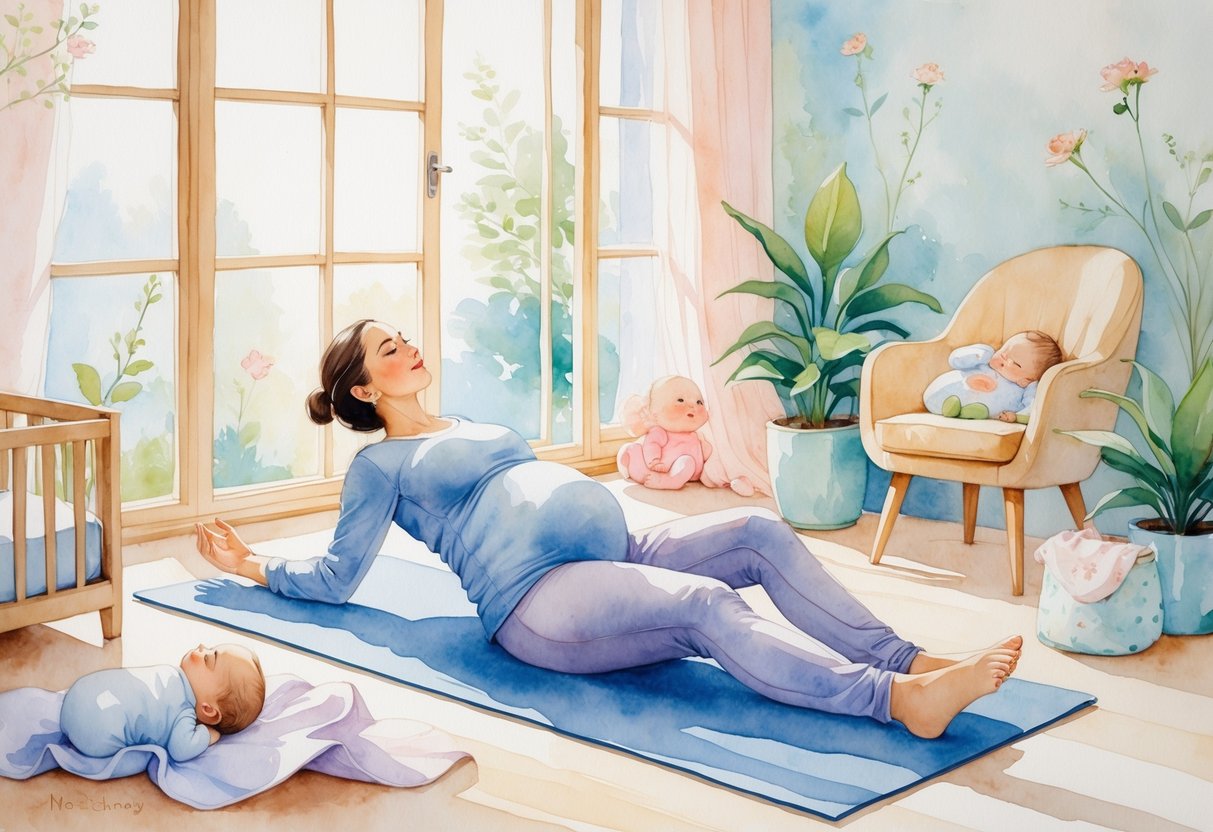
Yoga stretches offer new parents a simple way to care for their bodies during quick breaks. You can practice basic poses in just 10 minutes, making it easy to fit into your busy schedule.
Regular yoga practice helps increase flexibility and improve energy levels. For new parents dealing with the physical demands of caring for a baby, gentle stretches can reduce tension in your back, neck, and shoulders.
These areas often become tight from feeding, carrying, and lifting your child. You don’t need any special equipment or prior experience to start.
Many poses can be done right in your living room while your baby naps or plays nearby. Simple stretches like child’s pose, cat-cow, and seated forward folds are beginner-friendly options.
Yoga also supports your mental well-being by giving you a moment to focus on your breathing and body. This brief pause can help reduce stress and clear your mind.
Some parents find that taking online classes adds a sense of connection with other adults. The practice supports physical recovery after pregnancy and childbirth.
Gentle stretches can aid in rebuilding strength and improving posture. You can even involve your baby in certain poses as they grow, turning your practice into bonding time.
Starting with just a few minutes each day can make a real difference in how you feel. Focus on movements that feel good for your body and gradually build from there.
9) Listening to calming music
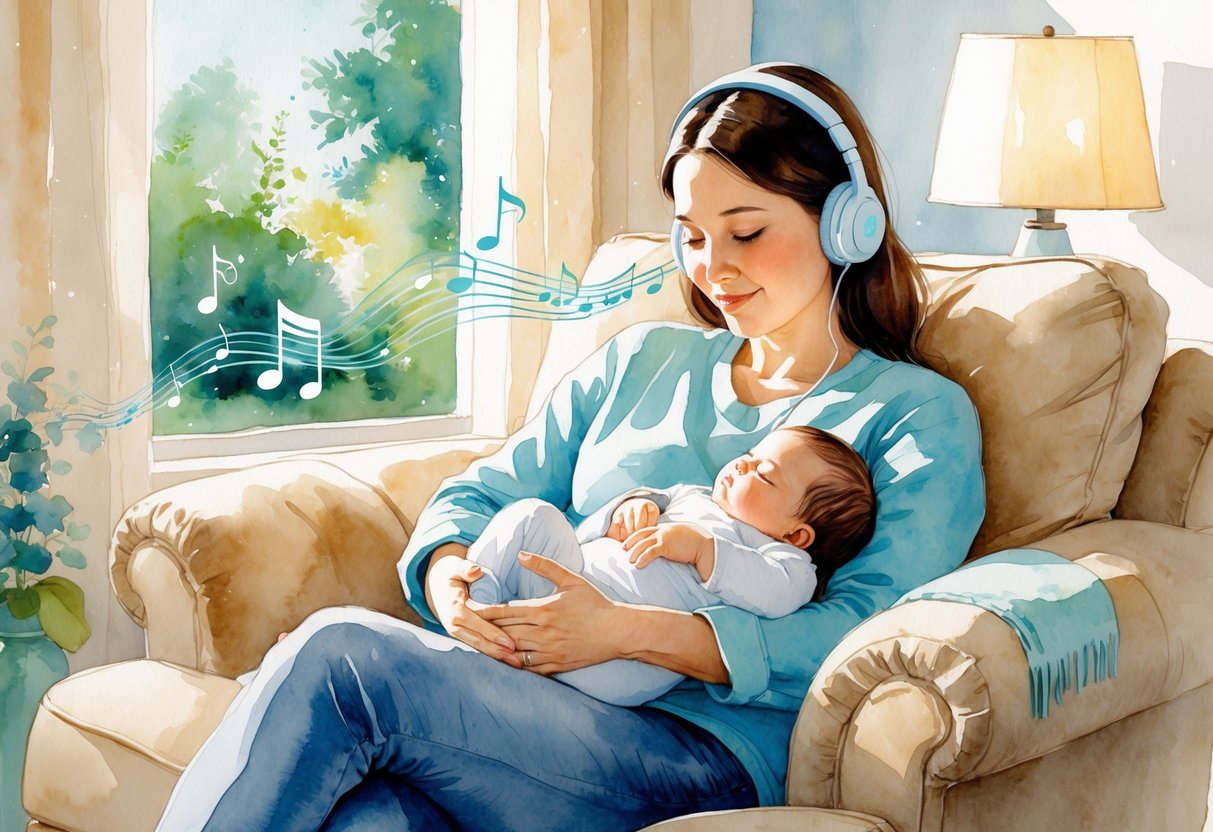
Music offers one of the easiest ways to relax when you have just a few minutes between baby duties. You can listen while feeding your little one, folding laundry, or resting on the couch.
Calming music helps lower your stress levels by reducing cortisol in your body. This stress hormone often runs high when you’re adjusting to life with a newborn.
Simply putting on your favorite peaceful tracks can make a real difference in how you feel. You don’t need any special equipment or skills to get started.
Your phone and a pair of earbuds work perfectly fine. You can also play music softly in the background while you move around your home.
Choose whatever sounds calm to you. Some parents prefer classical music or nature sounds.
Others like soft jazz, acoustic songs, or meditation tracks. The key is picking music that helps you feel more peaceful.
You can build playlists ahead of time for different moods or moments. Keep one ready for middle-of-the-night feedings and another for afternoon rest time.
This way, your relaxation is always just one tap away. The best part is that listening to music fits into even the shortest breaks.
A five-minute pause becomes a mini reset for your mind. You’ll feel more refreshed and ready to handle whatever comes next.
8) Walking outdoors with a stroller
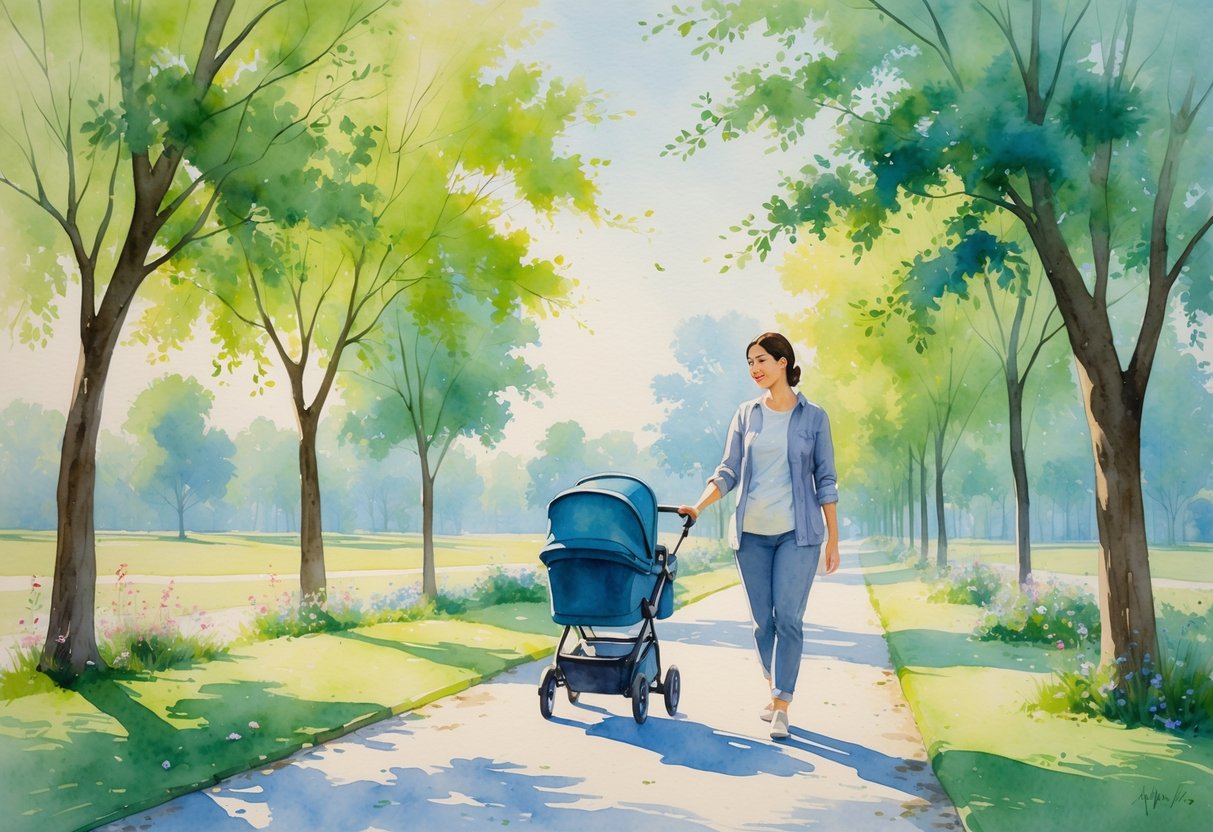
Walking outside with your baby in a stroller gives you exercise and fresh air while your little one enjoys new sights and sounds. You can take a quick 15-minute walk around the block or plan a longer route through your neighborhood or local park.
This hobby fits easily into your daily routine. You don’t need special skills or expensive equipment beyond a good stroller.
Even a short walk helps you clear your mind and stretch your legs after being inside with your baby. Your baby benefits from the outdoor experience too.
They get to see trees, hear birds, and feel the breeze. These simple sensory experiences support their development while you get a much-needed break from being indoors.
Pick routes with sidewalks or paved paths to make pushing the stroller easier. Parks, quiet neighborhoods, and shopping areas with wide walkways work well.
You can vary your route to keep things interesting for both of you. Make sure your baby is buckled securely in the stroller before you start walking.
Dress them in layers so you can adjust if the weather changes. Bring essentials like diapers, wipes, and water for longer walks.
You’ll learn which times of day work best for your baby’s schedule and which routes you enjoy most. This simple hobby gives you physical activity and time outside without requiring much planning or preparation.
7) Simple knitting projects
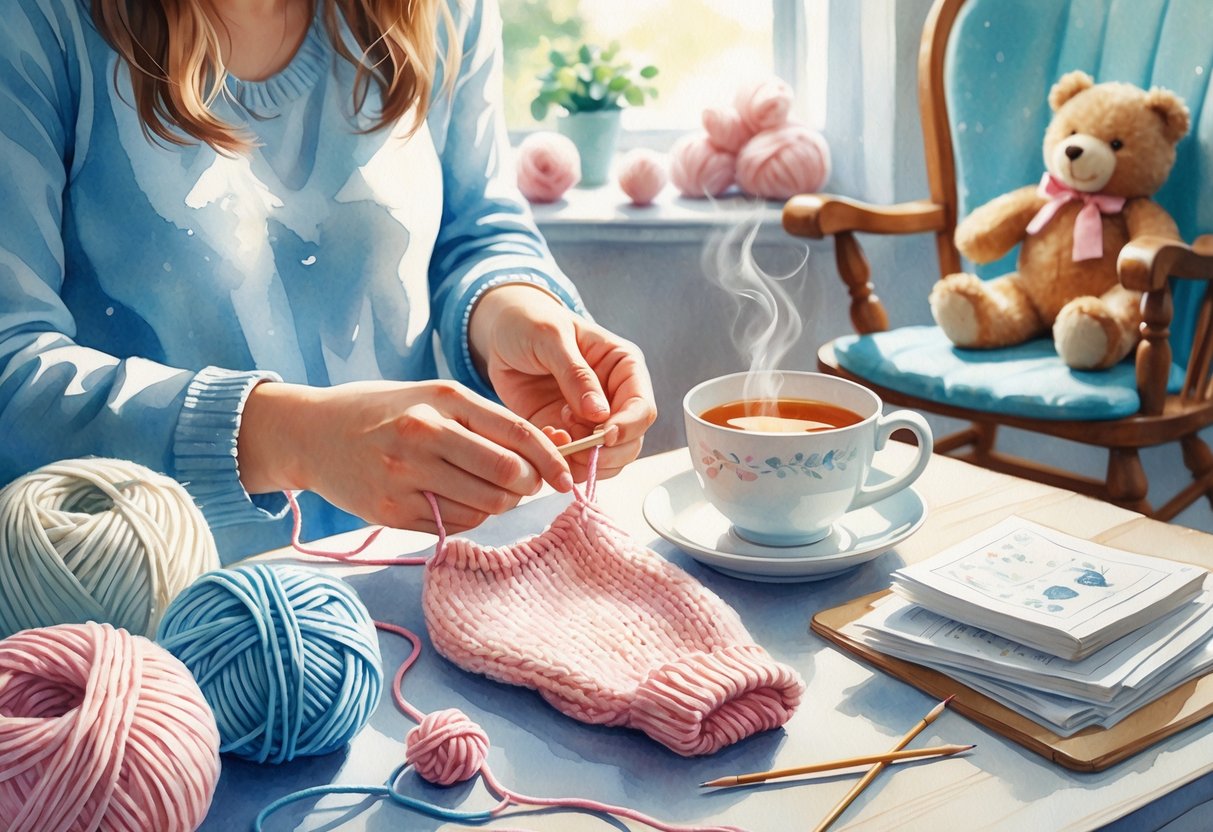
Knitting offers new parents a perfect way to relax during short breaks. You can pick up your needles for just 10 or 15 minutes and still make progress on a project.
Start with basic patterns that use only knit and purl stitches. Dishcloths make excellent first projects because they’re small and practical.
You can finish one in a few hours spread across several days. Scarves work well for beginners too.
They’re straightforward and don’t require shaping or complex techniques. You simply knit in rows until you reach your desired length.
Small items like headbands or coasters let you complete something quickly. This gives you a sense of accomplishment without needing to commit large chunks of time.
You can easily set these projects down when your baby needs attention. The repetitive motion of knitting helps calm your mind after a hectic day.
Your hands stay busy while you sit during feeding times or while watching your little one play. Keep your supplies in a small bag that’s easy to grab.
Choose projects with simple patterns you can memorize so you don’t need to constantly check instructions. Stick with medium-weight yarn and larger needles at first since they’re easier to work with and show results faster.
You don’t need special skills to start. Basic knitting uses just two main stitches that you can learn from free online videos in under an hour.
6) Adult coloring books
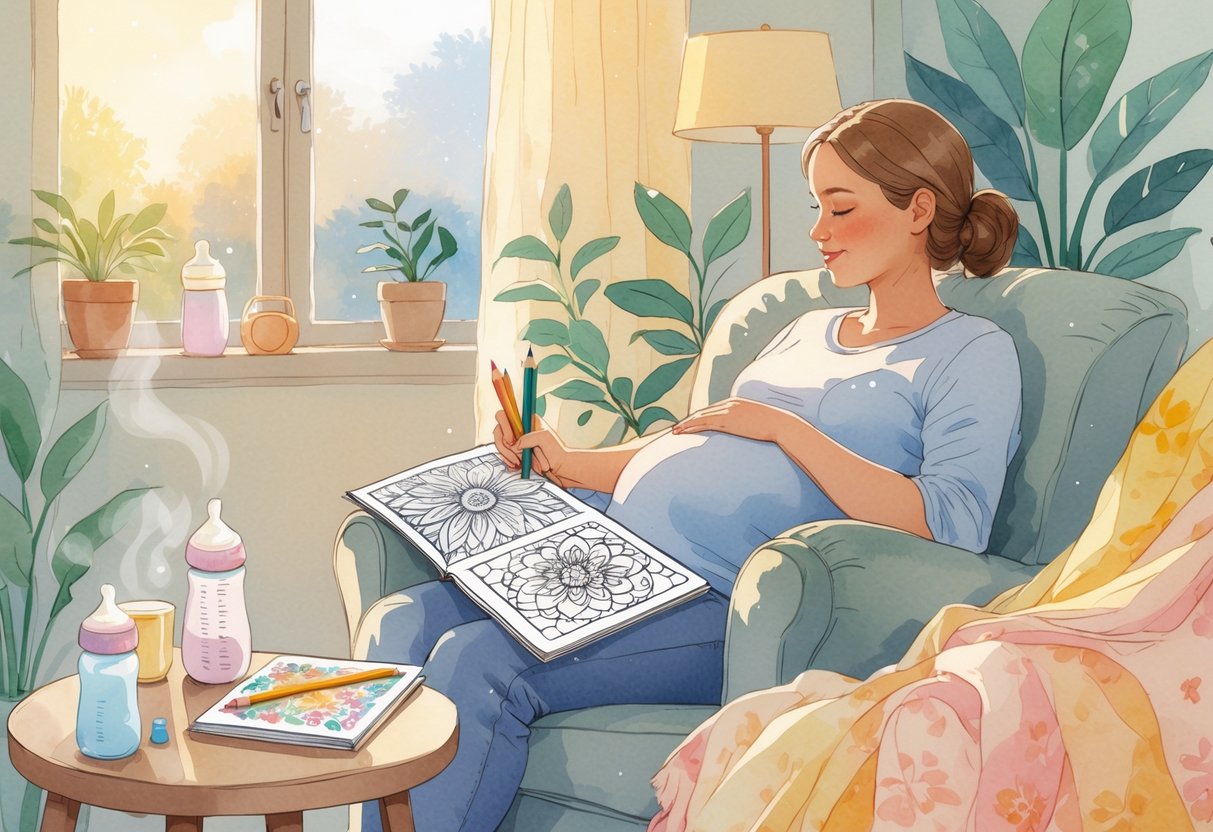
Adult coloring books offer new parents a quick and accessible way to relax during those rare moments of free time. You can pick up a coloring book for just a few minutes and put it down whenever your baby needs attention.
Coloring helps reduce stress and anxiety, which matters when you’re dealing with sleep deprivation and constant care demands. The simple act of filling in designs with color calms your mind and provides a break from parenting responsibilities.
You don’t need any special skills to start. Adult coloring books come in many themes and difficulty levels, from simple patterns to detailed designs.
This makes them suitable whether you’re new to creative activities or have artistic experience. The supplies are basic and affordable.
You only need a coloring book and colored pencils, markers, or crayons. Everything fits in a drawer or bag, so you can color at home, during doctor’s appointments, or while waiting at activities for older children.
Coloring gives you a creative outlet without requiring deep concentration. Your brain gets a rest from problem-solving and planning while your hands stay busy with something enjoyable.
Many parents find this mindful activity helps them feel more centered and patient. You can complete small sections in short time spans.
Unlike hobbies that need longer sessions, you can color for five minutes or an hour. This flexibility works well with the unpredictable schedule that comes with caring for a newborn or young child.
5) 5-minute meditation sessions

Meditation doesn’t require hours of practice or perfect silence. A quick 5-minute session can help you reset during your busiest parenting days.
Research shows that brief mindfulness practices can lower stress hormones and improve your focus. You don’t need special equipment or training to start.
Just find a quiet spot where you can sit comfortably for a few minutes. Start with simple breathing exercises.
Close your eyes and pay attention to each breath going in and out. When your mind wanders to your to-do list or the laundry, gently bring your focus back to your breathing.
You can practice during your child’s nap time or while they play independently. Some parents meditate in their car before heading into the house.
Others wake up five minutes earlier to fit it in before the day starts. Apps like Calm offer guided sessions specifically designed for short breaks.
These provide structure if you’re new to meditation. However, you can also practice on your own without any technology.
The key is consistency rather than length. Five minutes each day builds the habit better than waiting for a perfect 30-minute window that never comes.
Your meditation practice can happen in the carpool line, during your lunch break, or right before bed. Even this small amount of time helps you respond more calmly to parenting challenges throughout your day.
4) Listening to a favorite podcast
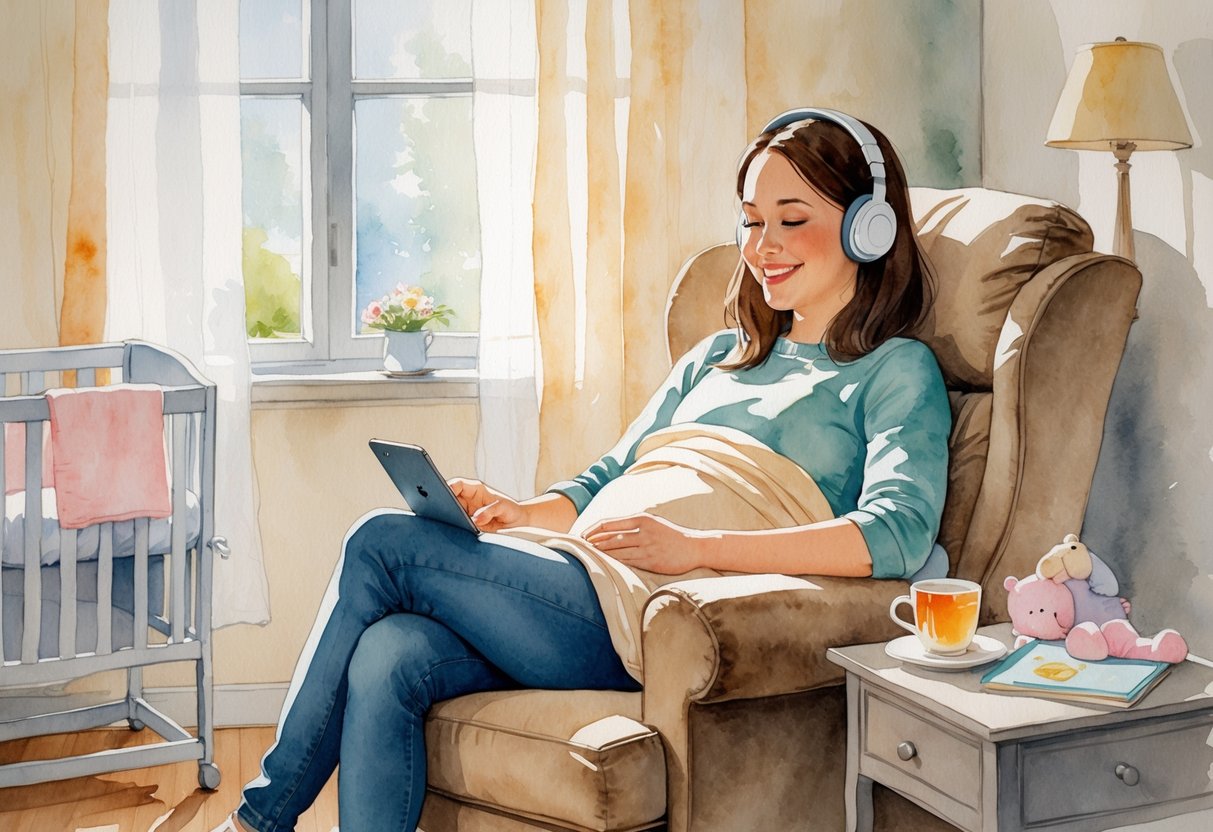
Podcasts fit perfectly into a new parent’s busy schedule. You can listen while feeding your baby, folding laundry, or taking a quick walk around the block.
Parenting podcasts offer practical advice and support when you need it most. They cover topics like sleep training, feeding challenges, and managing stress.
You get expert guidance without having to read lengthy articles or books. The beauty of podcasts is their flexibility.
Episodes range from 10 minutes to an hour, so you can choose what fits your available time. Many parents listen during late-night feeds or while rocking their baby to sleep.
You don’t have to stick with parenting content either. News podcasts keep you updated on current events in just minutes per day.
Comedy shows provide much-needed laughs during difficult moments. True crime, sports, or hobby-focused podcasts give your mind a break from baby-related thoughts.
Listening through headphones creates a small bubble of personal space. This helps you feel less isolated, even when you’re home alone with your newborn.
You can pause and resume episodes as needed when your baby needs attention. Most podcast apps let you download episodes ahead of time.
This means you can listen without using data or worrying about poor internet connection. You build a library of content ready whenever you have a few free minutes.
3) Quick doodling or sketching
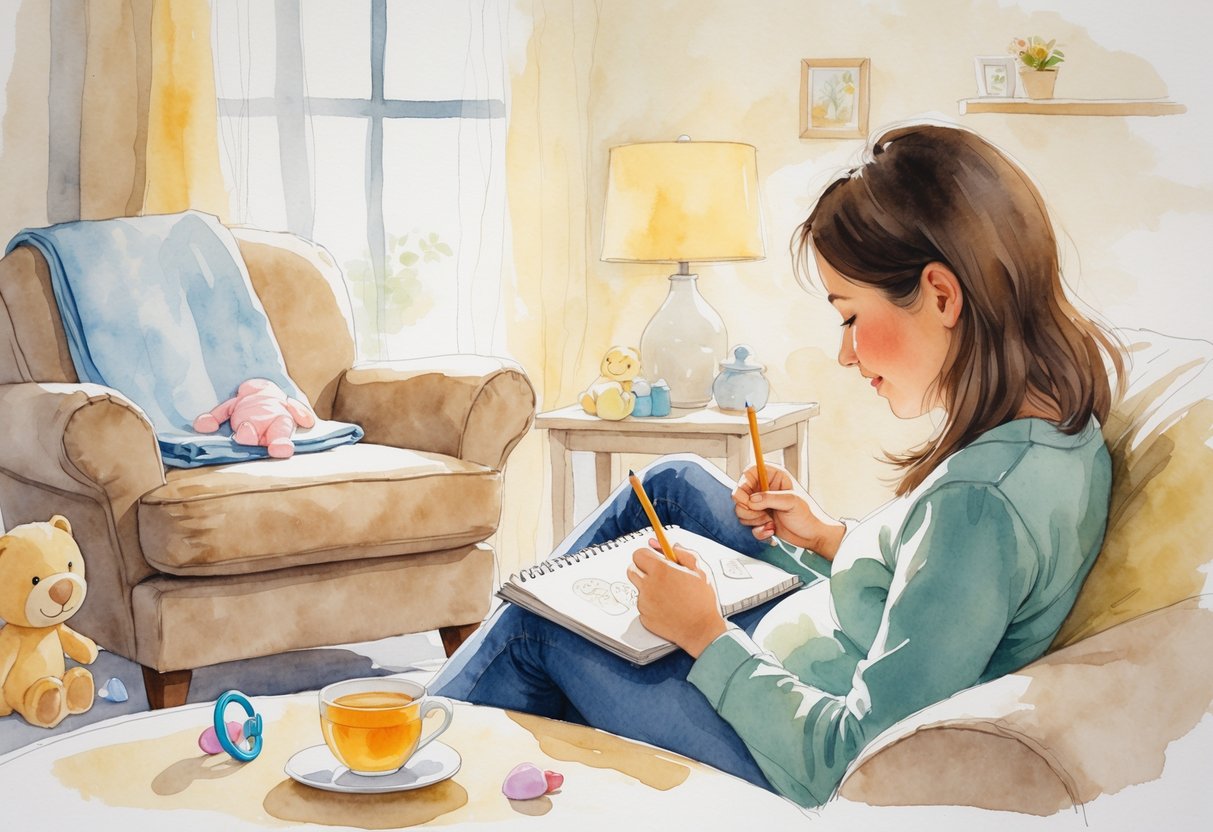
Doodling requires nothing more than a pen and paper, making it perfect for tired parents. You can keep a small notebook in your diaper bag or by the couch for those rare quiet moments.
You don’t need artistic skills to benefit from doodling. Simple shapes, patterns, or objects take less than a minute to draw.
Try basic items like stars, clouds, flowers, or everyday objects around your home. The beauty of doodling is that it fits into tiny time windows.
While your baby naps or plays independently for a few minutes, you can sketch quick designs. These brief creative moments help clear your mind and reduce stress.
Start with easy subjects that don’t require much thought. Draw simple faces, hearts, swirls, or basic animals.
Repeating patterns like zigzags, dots, or waves work well when you’re too tired for complex ideas. Doodling improves focus and gives your brain a break from parenting tasks.
It’s a low-pressure activity with no rules or expectations. You’re not creating art for display—you’re simply giving yourself a creative outlet.
Keep your supplies accessible and simple. A single pen and small sketchbook are enough.
You might doodle while pumping, during feeding times, or while supervising tummy time. This hobby grows with you as your schedule allows.
What starts as one-minute sketches can expand into longer drawing sessions later.
2) Journaling for gratitude
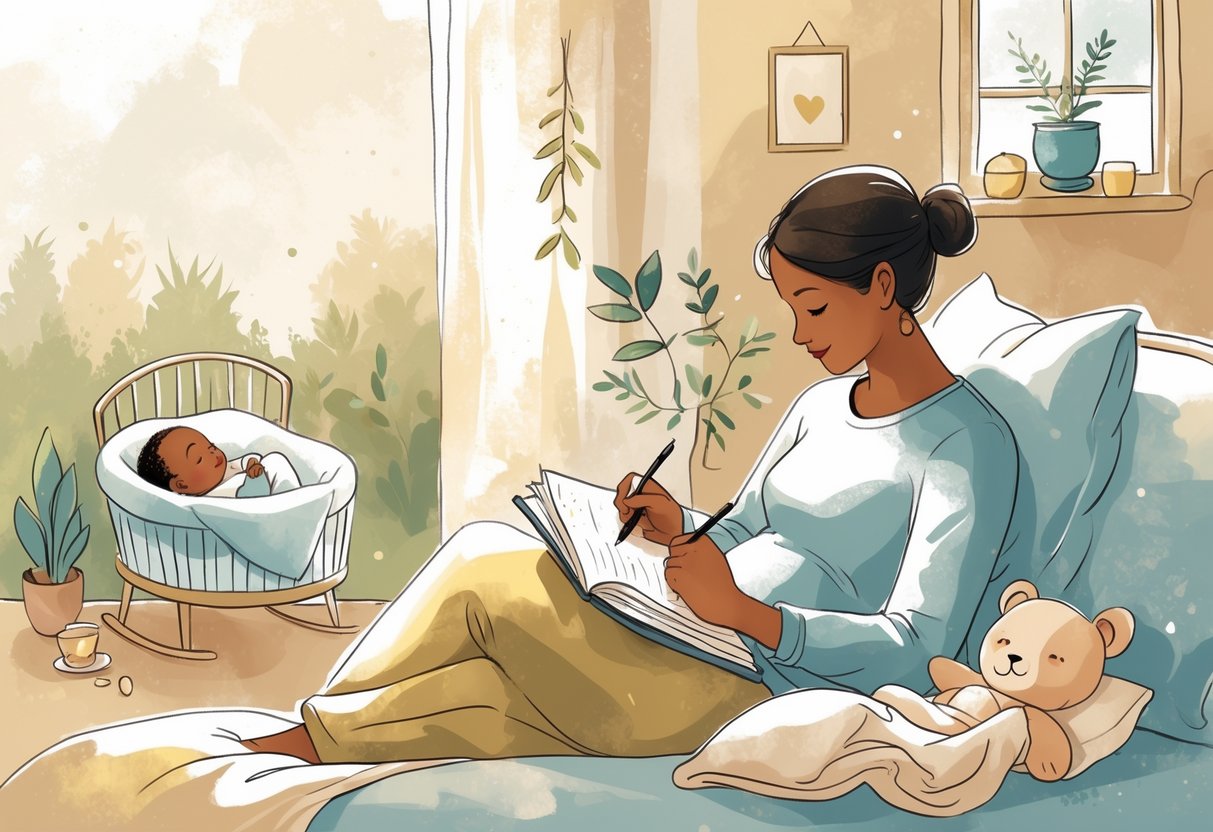
Gratitude journaling takes just five to ten minutes and fits easily into naptime or those quiet moments after your baby falls asleep. You write down a few things you’re thankful for each day.
This simple practice helps you focus on positive moments instead of dwelling on how tired you feel. New parents often struggle with stress and lack of sleep.
Writing about what you appreciate can shift your mindset and boost your mood. You might note your baby’s first smile, a helpful text from a friend, or even just a warm cup of coffee you actually finished.
You don’t need fancy supplies to start. A basic notebook and pen work perfectly fine.
You can write three things you’re grateful for or answer simple prompts like “What made me smile today?” or “Who helped me this week?” The practice works because it trains your brain to notice good things throughout your day.
When you know you’ll write later, you pay more attention to small positive moments. This awareness makes hard days feel more manageable.
You can journal in the morning to start your day positively or at night to reflect before bed. Some parents keep their journal on the nightstand and write while feeding their baby.
The timing matters less than making it a regular habit. Studies show gratitude journaling reduces stress and increases happiness.
1) Mindful breathing exercises

Mindful breathing exercises offer new parents a simple way to reduce stress without needing special equipment or much time. You can practice these techniques anywhere, from your car to the bathroom to the kitchen while waiting for bottles to warm.
The basic approach involves taking slow, deep breaths through your nose. Focus on how the air feels as it enters and leaves your body.
This activates your body’s natural relaxation response and helps calm your mind during hectic moments. You can start with just five deep breaths.
Set a simple intention like “I will stay patient with my baby” or “I can handle this moment.” This takes less than a minute but can shift your entire mood.
Try adding breathing exercises to activities you already do each day. Practice while standing in line at the store, after putting your child down for a nap, or before meals.
These small moments add up and create regular stress relief throughout your day. Transition breaths work well during busy periods when household tensions run high.
Take three slow breaths before switching between tasks or when you feel overwhelmed. You don’t need to sit in silence or close your eyes if that doesn’t fit your situation.
The main benefit is that these exercises are free and always available. You can do them while holding your baby, waiting at appointments, or during those rare quiet moments.
They give you a mental reset when you need it most.
Benefits Of Engaging In Quick Hobbies
Quick hobbies give new parents a chance to reset their minds and recharge their energy during short breaks. These activities support mental health, help you get more done each day, and create opportunities to connect with your child in meaningful ways.
Mental Health Support For New Parents
Taking even five to ten minutes for a hobby can reduce stress and lower anxiety levels. Your brain gets a break from the constant demands of childcare.
This mental reset helps you feel calmer and more patient. Hobbies give you something to look forward to during tough days.
They remind you that you exist as a person beyond your role as a parent. This sense of identity matters for your emotional well-being.
Key mental health benefits include:
- Reduced feelings of being overwhelmed
- Better mood throughout the day
- Lower risk of burnout
- Improved ability to handle challenges
Quick creative activities like drawing or writing can help you process emotions. Physical hobbies like stretching or dancing release tension from your body.
Both types give your mind a healthy outlet during stressful moments.
Boosting Daily Productivity
Short hobby breaks actually make you more efficient at parenting tasks. Your brain works better after brief periods of enjoyable activity.
You return to feeding, changing, and soothing with renewed focus. These mini-breaks prevent the mental fog that comes from doing too much without rest.
You make fewer mistakes and handle problems more effectively. A five-minute hobby can improve your focus for the next hour.
Time spent on hobbies teaches you to use small pockets of free time wisely. You become better at spotting opportunities for quick breaks.
This skill helps you balance childcare with household tasks and self-care. Your energy levels stay more stable throughout the day.
Instead of pushing through exhaustion, you give yourself regular resets.
Strengthening Parent-Child Bond
Many quick hobbies can include your baby or toddler as they grow. Singing becomes a shared activity.
Simple crafts turn into playtime. These moments build connection without requiring elaborate plans.
Hobbies make you a happier parent, which directly benefits your child. Babies and toddlers sense when you feel calm and content.
Your improved mood creates a more positive environment for them.
Ways hobbies enhance bonding:
- You model the importance of personal interests
- Your child sees you engaged and enjoying life
- Shared activities create happy memories
- You bring more energy to interactive play
When you take care of your own needs through hobbies, you have more patience for your child. You can be fully present during feeding, playing, and bedtime routines.
This quality of attention matters more than the quantity of time spent together.
Tips For Incorporating Hobbies Into A Busy Parenting Schedule

New parents can make hobbies work by using small pockets of time throughout the day, keeping expectations practical, and working together with their partner to create space for personal activities.
Maximizing Short Breaks
You don’t need hours of free time to enjoy a hobby. Most new parents only have 10 to 20 minutes at a time, and that’s enough to make progress on activities you care about.
Break your hobbies into smaller tasks that fit these brief windows. If you like reading, keep a book nearby and read a few pages while the baby naps.
For creative hobbies like drawing or knitting, set up your supplies in an easy-to-reach spot so you can start right away. Quick hobby activities for short breaks:
- Read one chapter or 10 pages
- Complete one puzzle section
- Do a 15-minute workout video
- Write in a journal
- Practice an instrument for 10 minutes
- Work on a small craft project step
The time right after your baby falls asleep or during their morning nap often provides the most reliable breaks. You can also use feeding times for hands-free hobbies like listening to podcasts or audiobooks.
Setting Realistic Expectations
Your hobby time will look different now than it did before becoming a parent. You might only get to your hobby twice a week instead of daily, and that’s normal.
Start with goals that match your current schedule. If you used to run 5 miles, try 1 mile now.
If you painted for two hours at a time, aim for 20 minutes. Small amounts of hobby time still give you mental breaks and personal fulfillment.
Some days you won’t get to your hobby at all. Kids get sick, routines change, and unexpected needs come up.
Accept these interruptions without guilt and return to your hobby when you can. Track what actually works in your schedule rather than what you wish would work.
You might find that early morning works better than evenings, or weekends give you more flexibility than weekdays.
Finding Support From Your Partner
Divide hobby time fairly so both parents get personal breaks. You might each take one evening per week while the other handles baby care, or trade off weekend mornings.
Talk with your partner about specific times and days for hobbies. Write these times on a shared calendar so you both know when each person has their dedicated break.
This planning prevents conflicts and makes sure both of you get time for activities you enjoy. Your partner can help by taking the baby for walks, handling bath time, or managing evening routines while you focus on your hobby.
These regular breaks work best when you commit to the schedule and respect each other’s hobby time. If you don’t have a partner, ask family members or trusted friends to watch your baby for short periods.
Many new parents also join parent groups where they can trade childcare hours with other families.
Frequently Asked Questions
New parents have common questions about finding time for hobbies and choosing activities that fit their lifestyle. These answers cover practical options for stress relief, income potential, and family bonding.
What are quick and easy hobbies new parents can enjoy during short breaks?
You can start with activities that take 10 to 15 minutes and require minimal setup. Adult coloring books work well because you can stop and start without losing progress.
Simple knitting projects let you create something useful while sitting in one spot. Listening to calming music requires no preparation and can happen during feeding time or while your baby naps.
Practicing yoga stretches helps release tension in your body and only needs a small space. Walking outdoors with a stroller combines exercise with fresh air and works around your baby’s schedule.
Which hobbies can help new moms specifically combat postpartum blues?
Physical movement helps improve mood by releasing endorphins in your brain. Walking outdoors with a stroller gives you sunlight exposure, which can boost serotonin levels.
Practicing yoga stretches reduces stress hormones and helps you reconnect with your body after childbirth. Creative activities provide a sense of accomplishment during a challenging time.
Adult coloring books and simple knitting projects give you tangible results you can see and touch. These activities also require focus, which can give your mind a break from anxious thoughts.
Listening to calming music creates a peaceful environment that can ease feelings of overwhelm. You can do this while holding your baby or during feeding sessions.
How can stay-at-home parents incorporate hobbies that could potentially generate income?
Knitting skills can turn into a small business selling baby items, blankets, or accessories online. You can work on projects during nap times and list finished items on craft marketplaces.
The startup costs are low since you only need yarn and needles. Creating digital content around parenting experiences can generate income through blogs or social media.
You can write during short breaks and share your knowledge with other parents. This option works well because it fits into small time slots throughout the day.
Teaching skills you already have through online classes or tutorials provides flexible income. You can record lessons when your baby sleeps and sell them repeatedly without additional work.
What are some enjoyable activities for parents to relieve stress while staying indoors?
Adult coloring books provide a calm, focused activity that reduces anxiety. The repetitive motion of coloring helps quiet your mind and creates a meditative state.
You can keep supplies in different rooms so they’re always within reach. Practicing yoga stretches releases physical tension that builds up from holding and carrying your baby.
You only need a small clear space on the floor and no special equipment. Simple stretches for your neck, shoulders, and back provide immediate relief.
Simple knitting projects give your hands something productive to do while watching TV or listening to podcasts. The rhythmic motion has a calming effect similar to meditation.
You can work on projects in short sessions without losing your place.
Can you suggest hobbies that parents can do together to strengthen their relationship?
Walking outdoors with a stroller lets both parents exercise and talk without distractions. You can explore new neighborhoods or visit local parks while your baby enjoys the movement.
This activity costs nothing and fits into most schedules. Listening to calming music together creates a peaceful atmosphere in your home.
You can share favorite songs or discover new artists while taking turns holding the baby. This simple activity helps you both relax at the end of the day.
Learning a new skill together like knitting or yoga gives you shared goals and experiences. You can practice side by side and encourage each other’s progress.
Having a common hobby provides conversation topics beyond baby care.
What are creative and engaging hobbies suitable for moms with toddlers?
Adult coloring books work well because toddlers can color alongside you with their own supplies. You stay engaged in a creative activity while supervising your child.
This parallel play teaches your toddler to focus independently.
Simple knitting projects can happen while your toddler plays nearby. You can work on a few rows at a time and put it down when they need attention.
Your toddler may enjoy playing with soft yarn scraps while you knit.
Walking outdoors with a stroller transitions easily as your baby becomes a toddler. Your child can walk part of the way or ride when tired.