How to Find a Hobby You Actually Enjoy: A Practical Guide to Discovering Your Perfect Pastime
Finding a hobby you actually enjoy starts with understanding yourself and being willing to explore different activities until something clicks. Many people struggle to find hobbies because they don’t know where to begin or feel pressured to stick with something that doesn’t bring them joy. The key to discovering a hobby you’ll love is to follow your natural interests, try activities without pressure, and give yourself permission to move on from things that don’t work for you.

You don’t need to commit to the first activity you try or force yourself to enjoy something just because others do. Finding the right hobby takes time and experimentation. Your perfect hobby should fit your lifestyle, budget, and energy level while bringing you satisfaction.
This guide will walk you through understanding why hobbies matter, identifying what truly interests you, and building activities into your routine. You’ll learn practical ways to discover new interests and make them stick without feeling overwhelmed or giving up too soon.
Understanding the Importance of Hobbies
Hobbies do more than fill your free time. They strengthen your mental health, create opportunities to meet new people, and add real value to your daily life.
Benefits of Having a Hobby
Having a hobby gives your life more meaning beyond work and daily tasks. When you engage in activities you enjoy, you experience greater life satisfaction and a sense of purpose.
A 2023 study of 93,000 people ages 65 or older found that those with hobbies reported better health and more happiness compared to those without hobbies. The same group showed fewer depression symptoms and higher life satisfaction.
Hobbies teach you to balance work and leisure. This balance helps you manage stress and prevents burnout. Whether you complete a craft project or learn a new skill, you build confidence through small achievements.
For families, shared hobbies create deeper connections and improve communication. Children learn important lessons about self-care when they see adults making time for enjoyable activities.
How Hobbies Improve Mental Well-Being
Your mental health gets a real boost when you spend time on hobbies. These activities reduce stress by giving your mind a break from daily worries.
Engaging in hobbies leads to improved mental well-being through several ways. You focus on something you enjoy instead of problems at work or home. This shift in attention lowers anxiety levels.
Hobbies also fight depression by creating positive experiences. When you paint, garden, or play music, your brain releases chemicals that improve your mood. You build new skills that make you feel capable and accomplished.
Regular hobby time creates structure in your schedule. This routine gives you something to look forward to each week. You develop better coping skills as you learn to work through challenges in your hobby activities.
Building Social Connections Through Activities
Hobbies help you meet people who share your interests. Group activities and classes create natural opportunities to form friendships.
Engaging in hobbies fosters a sense of community and helps develop social skills. You connect with others over shared passions rather than forced small talk. These connections often feel more genuine than casual workplace friendships.
Joining a book club, sports team, or craft group puts you in regular contact with the same people. You build trust over time as you work on projects together. Many people find their closest friends through hobby-related activities.
Online communities also count. You can join forums, video calls, or social media groups centered on your hobby. These connections matter during times when you feel isolated or lonely.
Self-Discovery: Identifying Your Interests
Finding the right hobby starts with understanding what truly interests you. Looking back at activities you’ve enjoyed, recognizing your natural talents, and learning about your personality type can point you toward hobbies that will hold your attention.
Reflecting on Past Enjoyments
Think about activities you loved as a child or teenager. These early interests often reveal genuine passions that got buried under adult responsibilities. Maybe you spent hours drawing, building things with blocks, or playing sports outside.
Look at how you currently spend your free time. When you have an hour to yourself, what do you naturally gravitate toward? Pay attention to activities that make you lose track of time.
Consider moments when you felt most engaged or excited. These could be from work projects, volunteer experiences, or casual activities with friends. The journey of self-discovery involves examining whether your current interests truly represent who you are.
Write down specific activities that brought you joy, not just broad categories. Instead of “being creative,” note “painting landscapes” or “writing short stories.”
Assessing Your Strengths and Passions
Your natural abilities can guide you toward satisfying hobbies. If you’re good with your hands, you might enjoy woodworking or pottery. Strong communication skills could lead to joining a debate club or starting a podcast.
Think about skills people often compliment you on. Your friends might notice you’re great at organizing events, solving problems, or making people laugh. These strengths can translate into enjoyable hobbies.
Guided exercises to uncover what excites you help identify the experiences that energize you. Ask yourself what topics you research without being prompted or what you’d do if money wasn’t a concern.
Consider what makes you feel accomplished. Some people love seeing tangible results like a finished painting, while others prefer ongoing activities like learning a language.
Using Personality Tests for Insight
Personality assessments can reveal hobby matches you haven’t considered. The Myers-Briggs Type Indicator shows whether you prefer solitary or group activities. Introverts might enjoy reading or gardening, while extroverts could prefer team sports or community theater.
The Enneagram test identifies nine personality types with different motivations. Type Seven personalities often enjoy adventurous hobbies like hiking or travel, while Type Five individuals might prefer research-based activities.
Free online tests like the Big Five personality assessment measure traits including openness to experience. High scores in openness suggest you’ll enjoy creative or experimental hobbies. Low scores might mean you prefer structured activities with clear rules.
Your results aren’t strict rules but starting points for exploration. They help narrow down options that fit your lifestyle and natural preferences.
Exploring Different Types of Hobbies
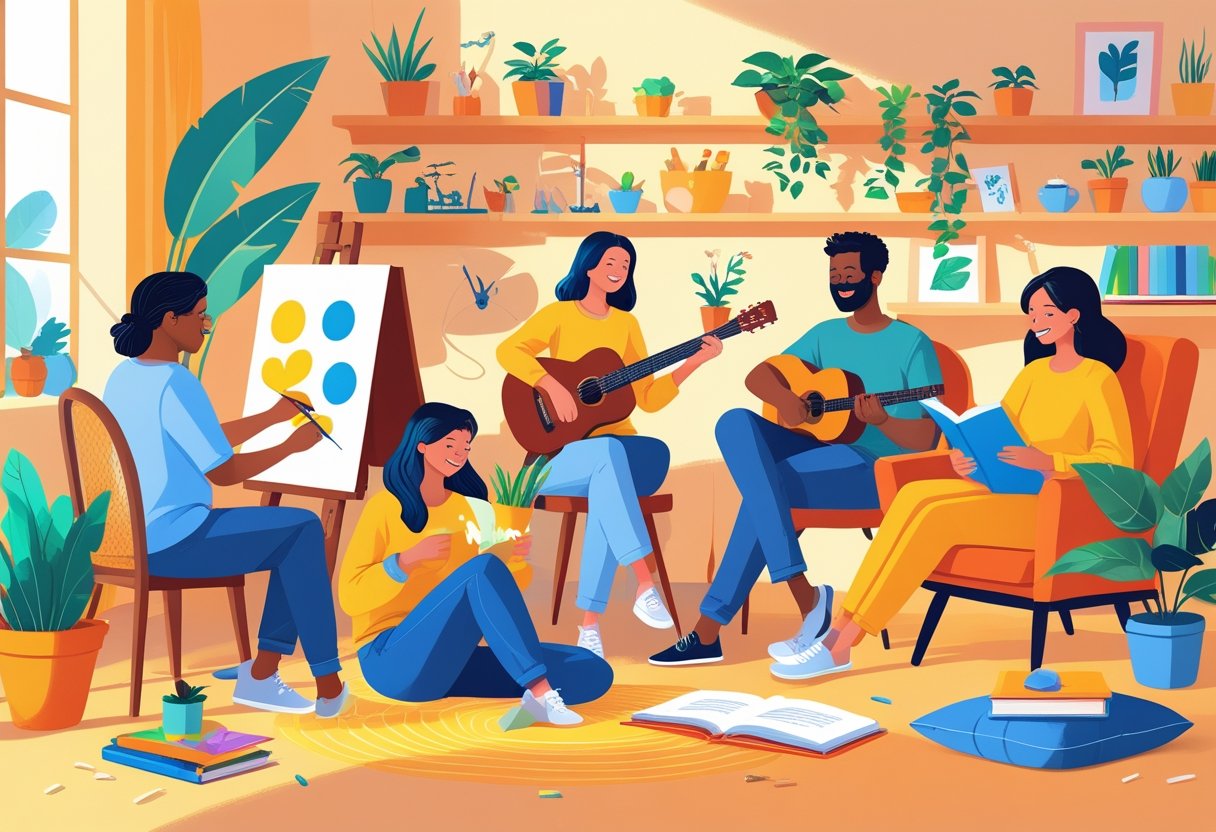
Hobbies fall into four main categories that appeal to different parts of your personality and lifestyle. Understanding these categories helps you identify which activities match your natural interests and daily needs.
Creative Hobbies
Creative hobbies let you make something with your hands or mind. These activities include painting, drawing, writing, photography, crafts, cooking, baking, music, and design work.
You don’t need special talent to start a creative hobby. Most creative skills improve with practice over time. Many people find these hobbies relaxing because they focus your attention on one task.
Creative hobbies give you physical results you can see or share. A finished painting, a homemade meal, or a handwritten story provides a sense of accomplishment. You can explore 40 fun activities that include many creative options to get started.
Some creative hobbies cost very little. Writing only needs paper and a pen. Others like photography or woodworking require more equipment as you advance.
Physical Activities
Physical hobbies get your body moving and improve your health. These include sports, hiking, dancing, yoga, swimming, cycling, rock climbing, and martial arts.
Regular physical activity reduces stress and boosts your mood. You also build strength, flexibility, and endurance over time. Physical hobbies work well if you spend most of your day sitting at a desk or screen.
You can choose solo activities like running or group options like team sports. Solo activities give you flexibility in your schedule. Group activities help you meet new people while staying active.
Start physical hobbies slowly to avoid injury. Pick activities that match your current fitness level. You can always increase intensity as you get stronger.
Intellectual Pursuits
Intellectual hobbies exercise your mind and expand your knowledge. These activities include reading, learning languages, puzzle solving, chess, coding, history research, and educational courses.
Mental challenges keep your brain sharp at any age. You learn new information and develop problem-solving skills. These hobbies often cost less than other types since many resources are free or low-cost.
Popular intellectual hobbies:
- Reading books or articles
- Learning a new language
- Playing strategy games
- Taking online courses
- Studying astronomy or science
- Researching family history
You can pursue intellectual hobbies anywhere with minimal equipment. A library card, internet access, or a few books give you everything you need to start.
Social Engagements
Social hobbies connect you with other people who share your interests. These include book clubs, volunteer work, board game groups, community theater, team sports, and discussion groups.
Finding a hobby that involves other people helps you build friendships and feel less isolated. You create a regular schedule of social interaction outside of work or family obligations.
Social hobbies hold you accountable because others expect you to show up. This commitment helps you stick with the activity longer than you might alone. You also learn from more experienced members in your group.
Look for social hobbies in your local community center, library, or online meetup groups. Many groups welcome beginners and provide a friendly environment for learning together.
Researching and Trying New Activities
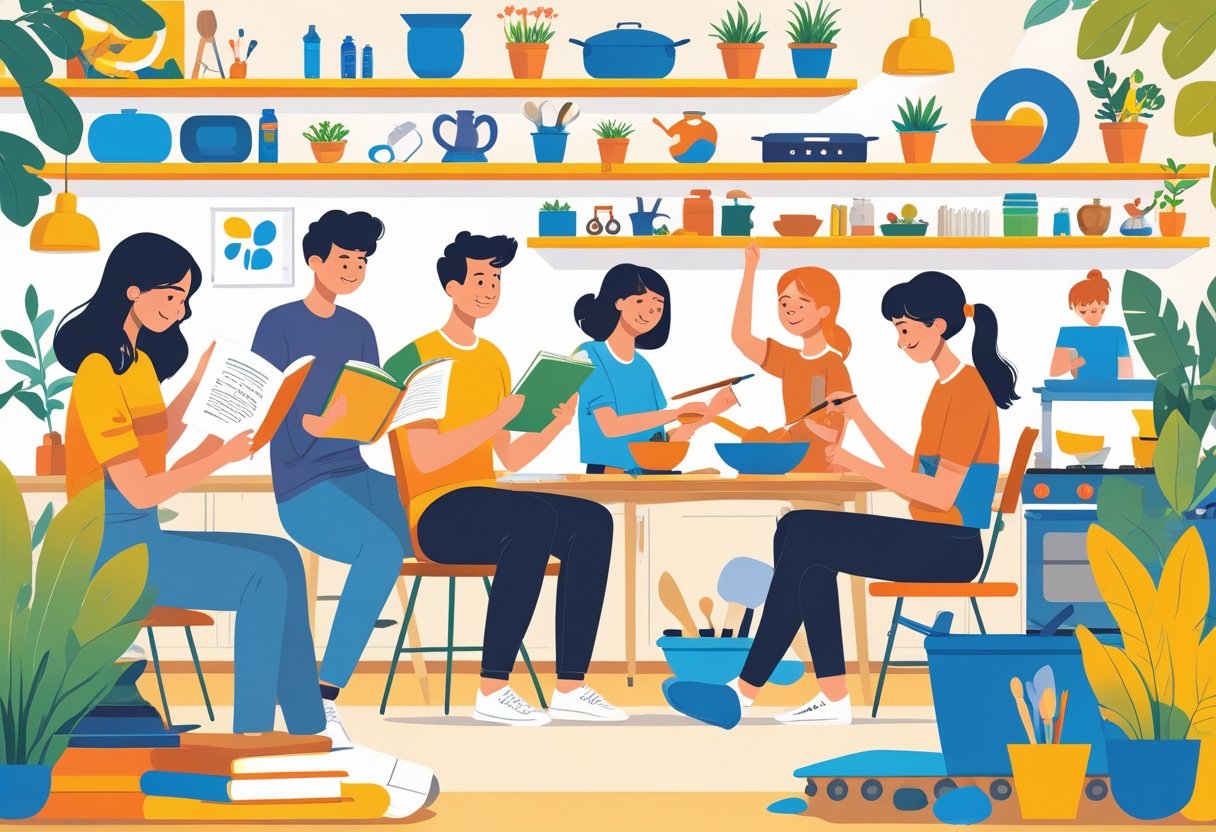
The best way to find a hobby you enjoy is to test different activities before making a big commitment. Start by looking into local options, checking online resources, and choosing activities that let you try before you invest too much time or money.
Finding Local Classes or Groups
Your community offers many ways to explore new hobbies through in-person classes and groups. Check your local community center, library, or parks and recreation department for low-cost classes in activities like pottery, painting, cooking, or dance.
Many cities have meetup groups where people gather to practice hobbies together. You can find groups for hiking, board games, book clubs, photography walks, and more. These groups let you meet others who share your interests while learning something new.
Look for beginner workshops at local businesses. Craft stores often host free or cheap classes in knitting, scrapbooking, or jewelry making. Gyms and yoga studios usually offer trial classes so you can test different fitness activities.
Community colleges provide evening and weekend classes for adults at reasonable prices. You can take classes in subjects like woodworking, gardening, foreign languages, or music without enrolling as a full-time student.
Utilizing Online Resources
The internet gives you access to countless hobby ideas and learning materials from home. YouTube has free tutorials for almost any hobby you can think of, from guitar playing to bread baking to digital art.
Online learning platforms offer structured courses in thousands of subjects. Sites like Skillshare, Coursera, and Udemy let you learn at your own pace with video lessons and practice exercises. Many platforms offer free trials so you can explore different topics.
Social media groups and forums connect you with people who practice specific hobbies. You can ask questions, see what others are creating, and get advice from experienced hobbyists. Reddit has active communities for nearly every hobby imaginable.
Virtual classes through Zoom or similar platforms became popular in recent years. You can join live classes for activities like cooking, art, or fitness from instructors around the world. This option works well if local classes don’t fit your schedule.
Experimenting With Low-Commitment Options
Start with activities that don’t require expensive equipment or long-term commitments. Borrow items from friends or rent equipment before buying your own. Many libraries let you check out tools, musical instruments, and craft supplies.
Try fun activities you can start right now with materials you already have at home. Drawing only needs paper and a pencil. Writing requires just a notebook or computer. Bodyweight exercises need no equipment at all.
Give each new activity at least three tries before deciding if you like it. The first attempt often feels awkward or difficult, but you might enjoy it more as you improve. Set a small goal for each hobby, like practicing for 30 minutes three times.
Low-commitment ways to test hobbies:
- Attend free trial classes or open houses
- Buy used equipment instead of new
- Start with beginner-level projects
- Join temporary workshops or short courses
- Use free apps before paying for subscriptions
If an activity doesn’t feel right after a few attempts, move on without guilt. Not every hobby will match your interests, and that’s normal. Keep trying different options until something clicks.
Evaluating What You Truly Enjoy
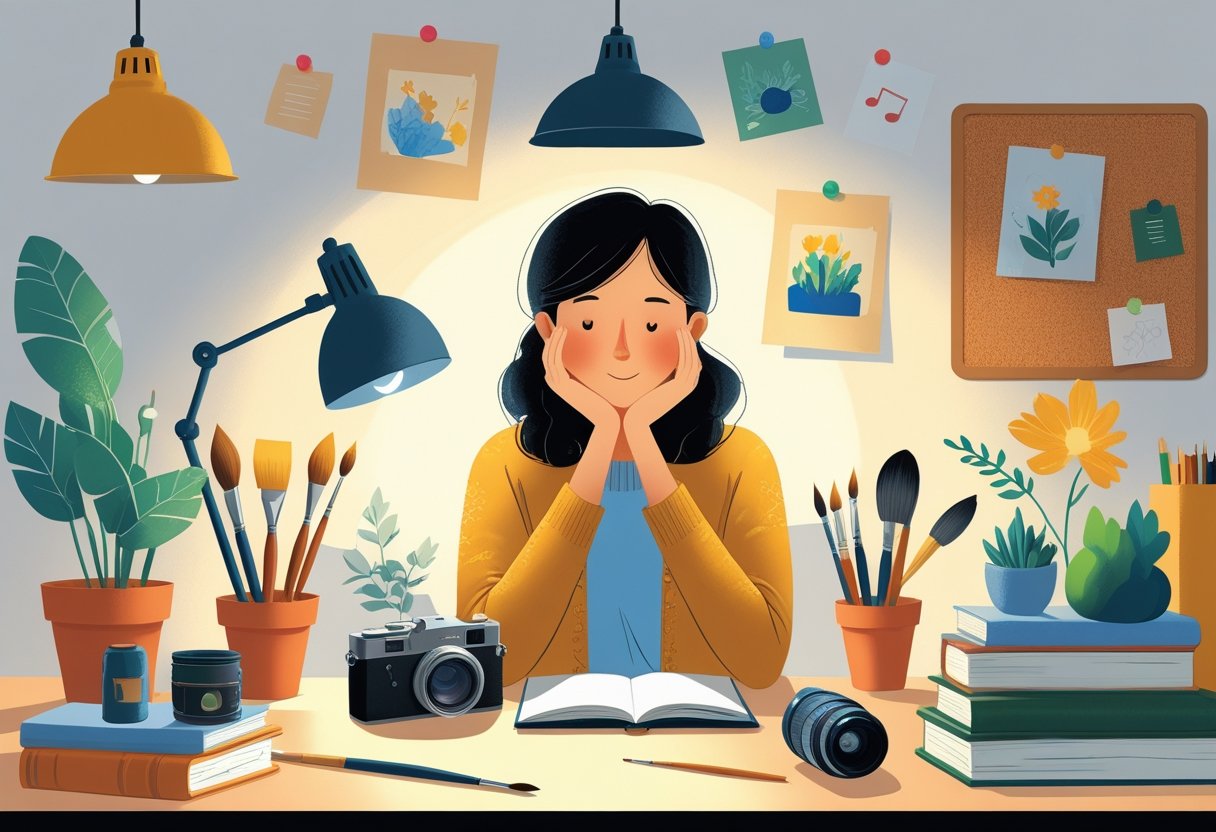
Finding activities that bring genuine satisfaction requires honest self-reflection and attention to your emotional responses. The key is paying close attention to how different activities make you feel and what keeps you coming back for more.
Tracking Your Experiences
Keep a simple log of activities you try and rate them on a scale of 1-10 for enjoyment. Note specific details like what part of the activity you liked most, how much time passed without you noticing, and whether you felt energized or drained afterward.
Write down your thoughts within 24 hours of trying something new. Your immediate reaction matters more than what you think you should enjoy. If you tried painting and spent most of the time frustrated with the mess, that’s valuable information.
Create a basic chart with columns for the activity name, date, enjoyment rating, energy level, and notes. After trying 5-10 different activities, patterns will emerge. You might notice you prefer physical activities over mental ones, or that you enjoy creating things more than consuming media.
Pay attention to activities where you lose track of time. This state often indicates genuine interest rather than forced participation.
Recognizing What Motivates You
Some people enjoy hobbies that challenge them mentally, while others prefer activities that help them relax. Questions about your energy and preferences can reveal what drives your interest.
Ask yourself if you prefer working alone or with others. Do you like seeing immediate results, or are you patient with long-term projects? Your answers point toward suitable hobby categories.
Consider what you naturally do during free time. If you browse cooking videos, you might enjoy actually cooking. If you read about hiking trails, you probably want to be outdoors more.
Notice which activities you talk about enthusiastically with friends. The hobbies you mention without prompting often reflect genuine interest. Your natural excitement is a strong indicator of what you truly enjoy.
Avoiding Common Pitfalls
Don’t choose a hobby just because it seems impressive or productive. Focusing on job titles and external success instead of genuine enjoyment leads to abandoned hobbies within months.
Stop comparing your beginner skills to experts on social media. Everyone starts without experience, and comparing yourself to people who’ve practiced for years creates unnecessary discouragement.
Give each activity at least three tries before deciding it’s not for you. First attempts often feel awkward, but the second or third session reveals whether you actually dislike it or just needed practice.
Avoid expensive commitments before testing your interest. Rent equipment, take single classes, or borrow supplies before investing hundreds of dollars. Many people waste money on equipment for hobbies they never pursue.
Making Your Hobby a Regular Part of Your Life
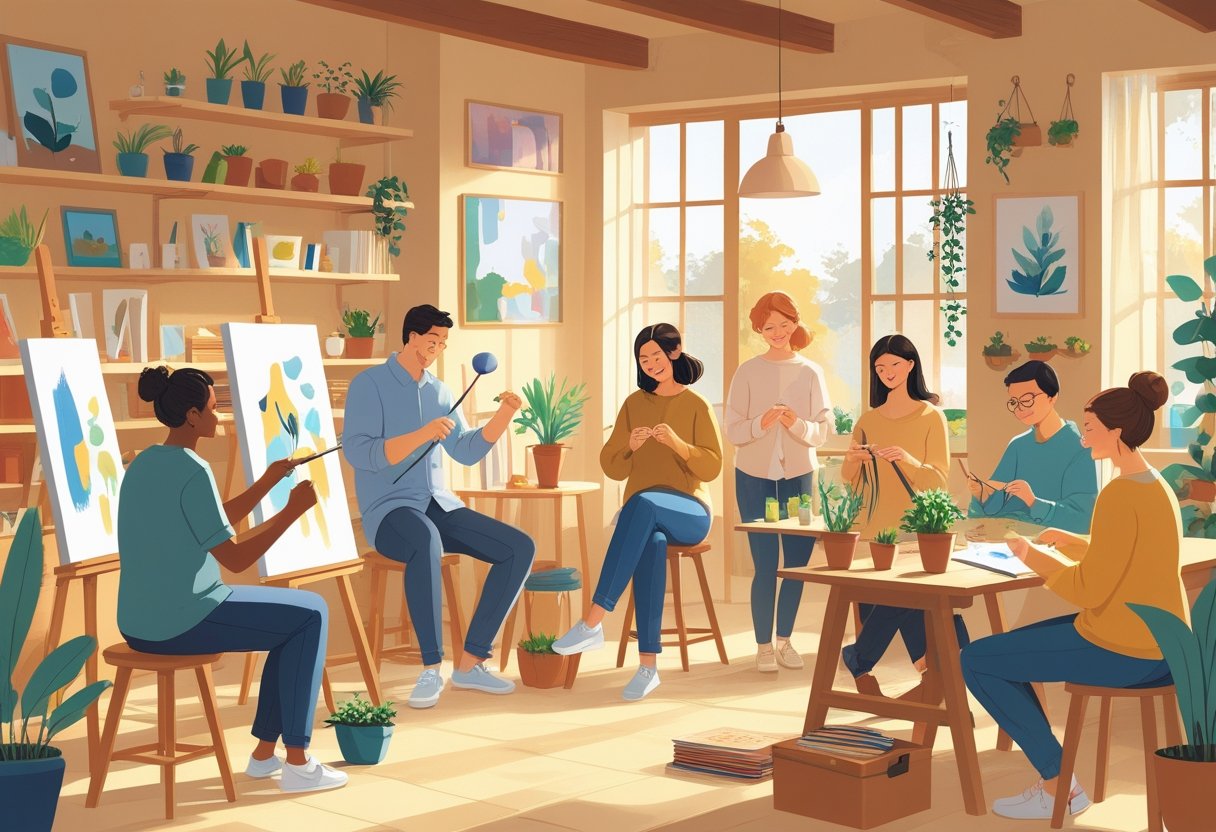
Building a consistent routine and pushing through early difficulties will help you stick with your new hobby long enough to see real benefits. You need both dedicated time and strategies to handle the awkward beginner phase.
Setting Aside Time for Your Hobby
Pick specific days and times each week for your hobby. Putting it on your calendar makes it real, just like any other appointment. Start with 15 to 30 minutes if you’re busy, then increase the time as the hobby becomes part of your routine.
Schedule your hobby during times when you have the most energy. Morning people should try hobbies before work. Night owls can use evening hours. Match your hobby time to when you naturally feel most focused.
Protect your hobby time from other commitments. Tell family members or roommates about your schedule so they can support you. Turn off phone notifications during this time. Treat these moments as non-negotiable unless there’s a real emergency.
Link your hobby to existing habits to make it stick. Practice guitar right after dinner. Draw during your lunch break. Read about photography while drinking morning coffee. These connections make it easier to remember and follow through.
Overcoming Initial Challenges
You will feel clumsy and frustrated when starting any new hobby. This awkward phase is normal and temporary. Every skilled person went through it, so expect mistakes as part of learning.
Set small, achievable goals for your first month. Learn three basic chords instead of a full song. Complete one simple craft project rather than a complicated design. Small wins build confidence and keep you motivated.
Find a beginner community or partner who’s also learning. They understand your struggles and can offer encouragement. Online forums, local classes, and social media groups connect you with others at your level. Starting a hobby and sticking with it becomes easier with support from others.
Track your progress in a journal or with photos. Looking back at where you started shows how much you’ve improved, even when current challenges feel overwhelming. This evidence helps you push through difficult moments when you want to quit.
Adapting and Evolving Your Hobbies
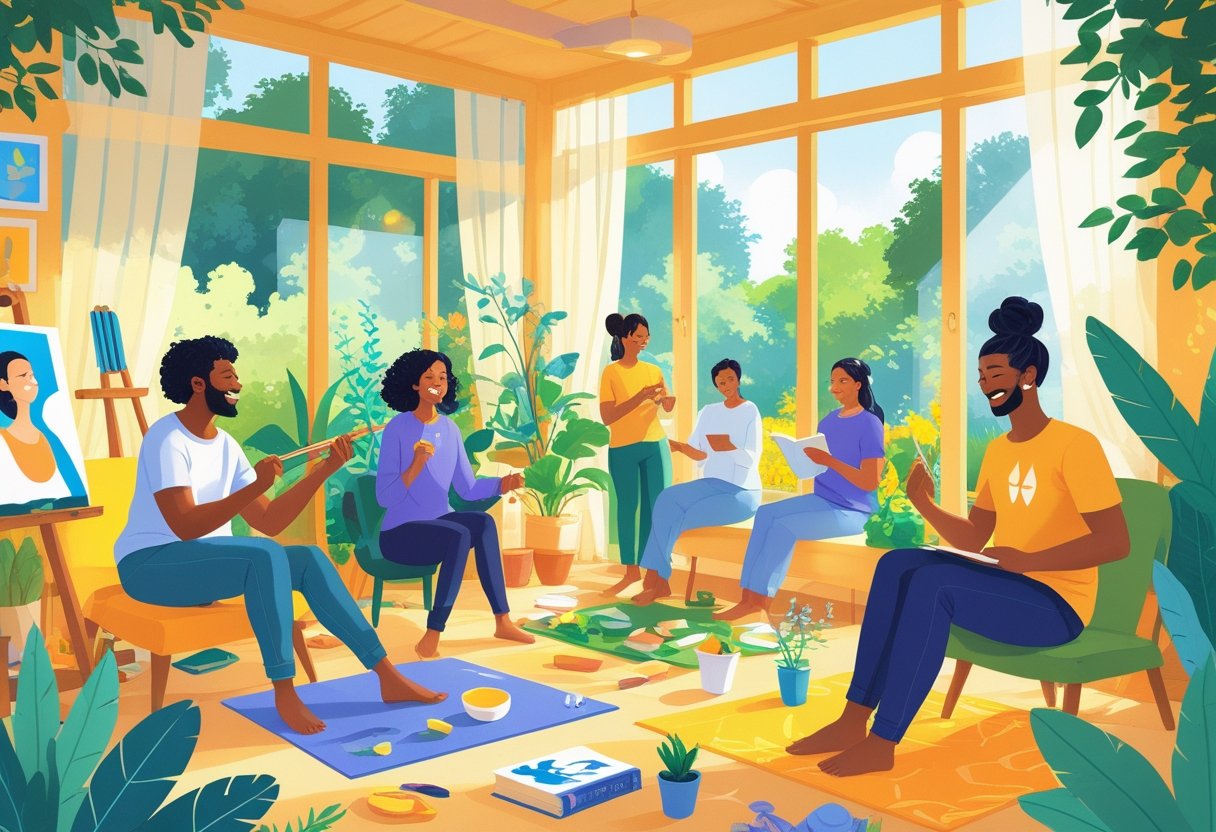
Your interests will change as you grow, and your hobbies should change with you. You can adjust activities to match your current life, blend different interests together, and find ways to keep enjoying what you do for years to come.
Adjusting as Your Interests Change
Your hobbies don’t have to stay the same forever. What excited you last year might not interest you now, and that’s normal.
Think about what interested you as a child or teenager. You can often find clues about your current preferences by looking at your past activities. If you loved drawing as a kid but stopped, you might enjoy digital art or graphic design now.
When a hobby starts feeling boring or like a chore, it’s time to change something. You can try a different angle on the same activity. If running feels dull, you could join a running group or try trail running instead of road running.
Common signs you need to adjust:
- You avoid doing the hobby
- It feels more like work than fun
- You’re doing it only out of habit
- Your skills or interests have outgrown the activity
Combining Multiple Hobbies
You can merge elements from different hobbies to create fresh experiences. This approach lets you use multiple interests at once and often leads to something more enjoyable than either hobby alone.
If you like photography and hiking, you can focus on nature photography. Someone who enjoys cooking and writing might start a food blog. You can combine reading and exercise by listening to audiobooks during walks.
Look at your current hobbies and find connections between them. Write down what you like about each one. Then think about ways to do both at the same time or alternate between them in a single session.
This method also helps when you feel torn between different activities. Instead of choosing one over the other, you create something new that satisfies both interests.
Staying Inspired Over Time
Keeping your hobbies fresh requires active effort. You need to add new challenges and experiences to avoid getting stuck in a routine.
Set small goals within your hobby. If you knit, try a more complex pattern. If you play guitar, learn a new music style. These goals give you something to work toward without adding pressure.
Connect with other people who share your interest. Join local groups, online communities, or classes. Research shows that having a hobby is linked to better health and more happiness among older adults across 16 countries.
Ways to maintain enthusiasm:
- Learn from experts through videos or workshops
- Track your progress with photos or a journal
- Try related activities within the same hobby
- Take breaks when needed instead of forcing it
- Share your work or experiences with others
Change your environment occasionally. Paint in a park instead of your home. Cook recipes from different cultures. Small shifts in how and where you practice your hobby can renew your interest.