How to Use Artificial Intelligence to Get Better at Your Hobbies: Practical Tips for Everyday Learners
Artificial intelligence is changing how you learn and enjoy your favorite hobbies. You can now get advice, feedback, and support at home just by using apps and online tools.
Whether you are into music, fitness, writing, or cooking, AI offers new ways to help you grow your skills. This article will show you how AI can fit into your routine and make your hobbies more enjoyable.
1) Use AI-powered fitness apps like Freeletics to track progress and customize workouts
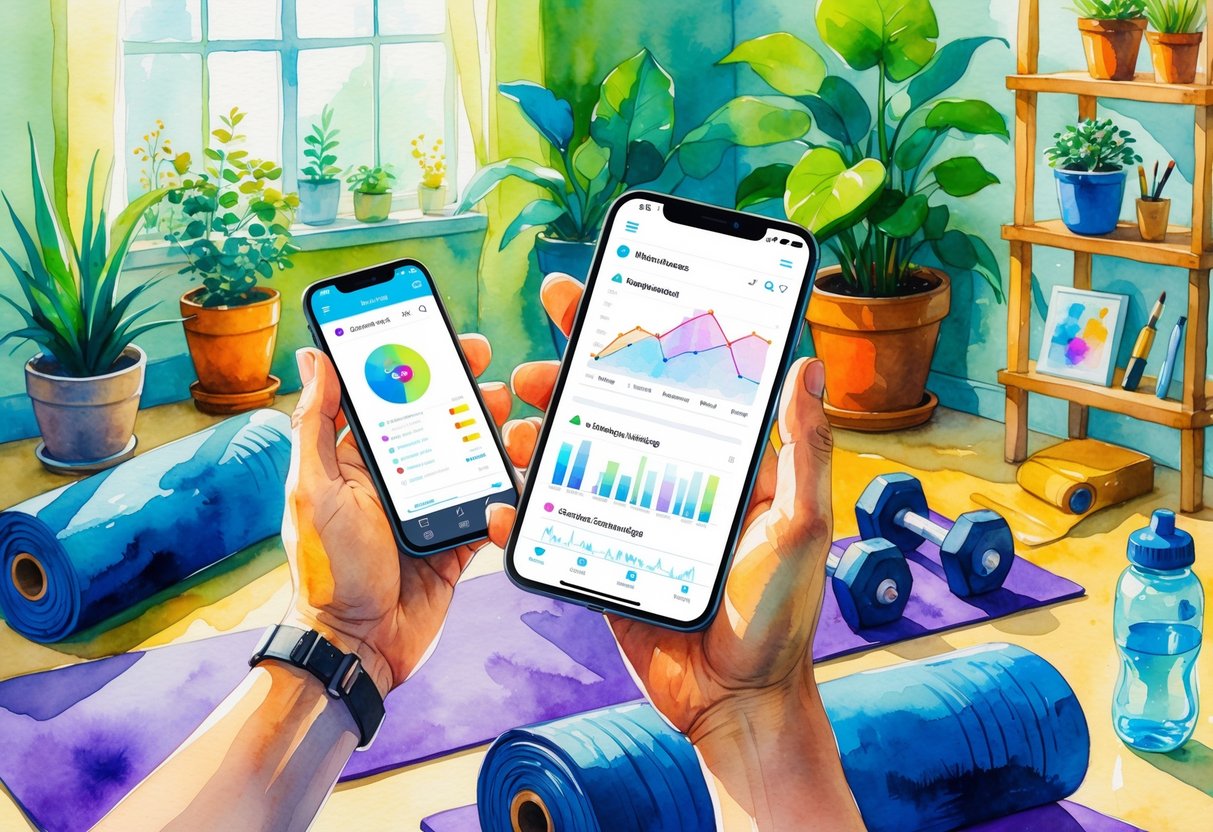
AI-powered fitness apps are changing the way you exercise. These apps help track your workout performance and make it easy to see your progress over time.
Freeletics and similar apps take information about your fitness level, equipment, and goals to build a personalized workout plan. As you keep using the app, your feedback and results are used to adjust your program.
This means your workouts change as you get stronger or if your goals shift. For example, if you find certain exercises too easy or want to focus more on endurance, the app will update your routine to match.
These types of apps use artificial intelligence to gather your input after each session. They learn your strengths and weaknesses to offer better recommendations.
Tracking your progress is simple with tools like progress charts and performance summaries. Some apps even track your pace, repetitions, or weight, making it easier to notice improvements and stay motivated.
Many of these platforms also offer reminders and tips to help keep you accountable. If you skip a session or meet a milestone, the app responds accordingly.
You can use AI-powered fitness apps to fit your schedule and adapt to your changing needs. Whether you exercise at home or in the gym, these apps offer flexibility and convenience.
Apps such as Freeletics have seen major growth in popularity in recent years, supporting millions of users worldwide. To learn more about how these apps work and the features they offer, you can review a detailed guide on AI-based fitness apps or read about user numbers and market trends.
2) Leverage AI writing tools such as ChatGPT to improve creative writing skills

AI writing tools like ChatGPT can help you practice creative writing. You can ask ChatGPT for story ideas, get help with character development, or try writing dialogue.
If you feel stuck, the AI can suggest plot twists or ways to move your story forward. ChatGPT can suggest corrections for grammar and spelling.
If you want to write more clearly, you can paste your text and ask the AI for editing tips. This can help you spot errors quickly and learn how to fix them on your own.
You can use ChatGPT to draft poems, short stories, or even scripts. If you want to try a new style or genre, the tool can guide you with examples.
By practicing with AI, you may discover new ways to express your thoughts. If you are struggling with ideas, ChatGPT is helpful for brainstorming and outlining.
You can ask for help to expand a basic idea into a bigger story or poem. This makes starting a writing project feel less overwhelming.
Many writers use AI to help overcome writer’s block. You can ask for sentence starters, writing prompts, or ways to continue a stuck scene.
For more suggestions, some guides share tips on how to use ChatGPT for creative writing. If you want to improve specific skills, try asking the AI for feedback.
For example, you can request help with dialogue, pacing, or tone. Practicing with instant feedback can help you learn faster.
By combining your ideas with AI suggestions, you can make your creative work stronger and more interesting.
3) Employ AI-driven music composition software like Amper Music to enhance songwriting

You can use AI-driven music tools to help create new songs or improve your songwriting process. One popular option is Amper Music.
This software helps you compose music quickly, even if you have little or no background in music theory. Amper Music lets you set your preferences before creating a track.
You choose things like mood, tempo, and instruments. After that, the software generates a unique song based on your choices.
If the first draft doesn’t match what you want, you can make changes and tweak the music as much as you need. This approach saves time compared to composing from scratch.
You can experiment with different styles or arrangements easily. For beginners, Amper Music is simple to use thanks to its clear design and intuitive interface.
Even experienced creators might find it helpful when facing writer’s block. Many content creators use AI music generators to add background tracks to videos or podcasts.
Amper Music also lets you preview your track before downloading it. As you make edits, you learn what works and what doesn’t.
If you want to know more about how Amper Music works and how easy it is to get started, visit this guide on Amper Music. You’ll see how AI can help you create and customize your own songs.
AI music composition software gives you more time to focus on lyrics or melodies. By handling the technical parts of composing, these tools can support your creativity in practical ways.
4) Utilize AI art generators like DALL·E 2 for digital art inspiration and creation

You can use AI art generators such as DALL·E 2 to boost your creativity and get new ideas for your digital art projects. These tools work by taking your text prompts and turning them into unique images.
If you describe your concept clearly, DALL·E 2 can create art that matches your vision. Experiment by entering different styles, colors, or themes in your prompts.
For example, you might ask for a “surreal landscape with blue mountains” or a “cartoon dog playing piano.” DALL·E 2 will generate several images based on your input, and you can pick your favorites.
If you are stuck or want to try a new direction, these AI tools can create samples that inspire you. You can use the images as a reference for your own drawings or as backgrounds and details in your work.
Many creators use DALL·E 2 for idea generation and fun experimentation. Even if you are new to digital art, it’s simple to start.
Just type in what you want to see, and let the AI suggest visuals you may not have thought of yourself. Customizing your prompts helps you get better results.
Try different word choices or add more detail to guide the AI. You can learn more about using DALL·E 2 effectively from tutorials and guides that explain how to get the most out of these tools.
Using AI art generators is a practical way to explore new ideas and practice your hobby in a fresh way.
5) Adopt AI language learning apps such as Duolingo’s AI features for personalized lessons
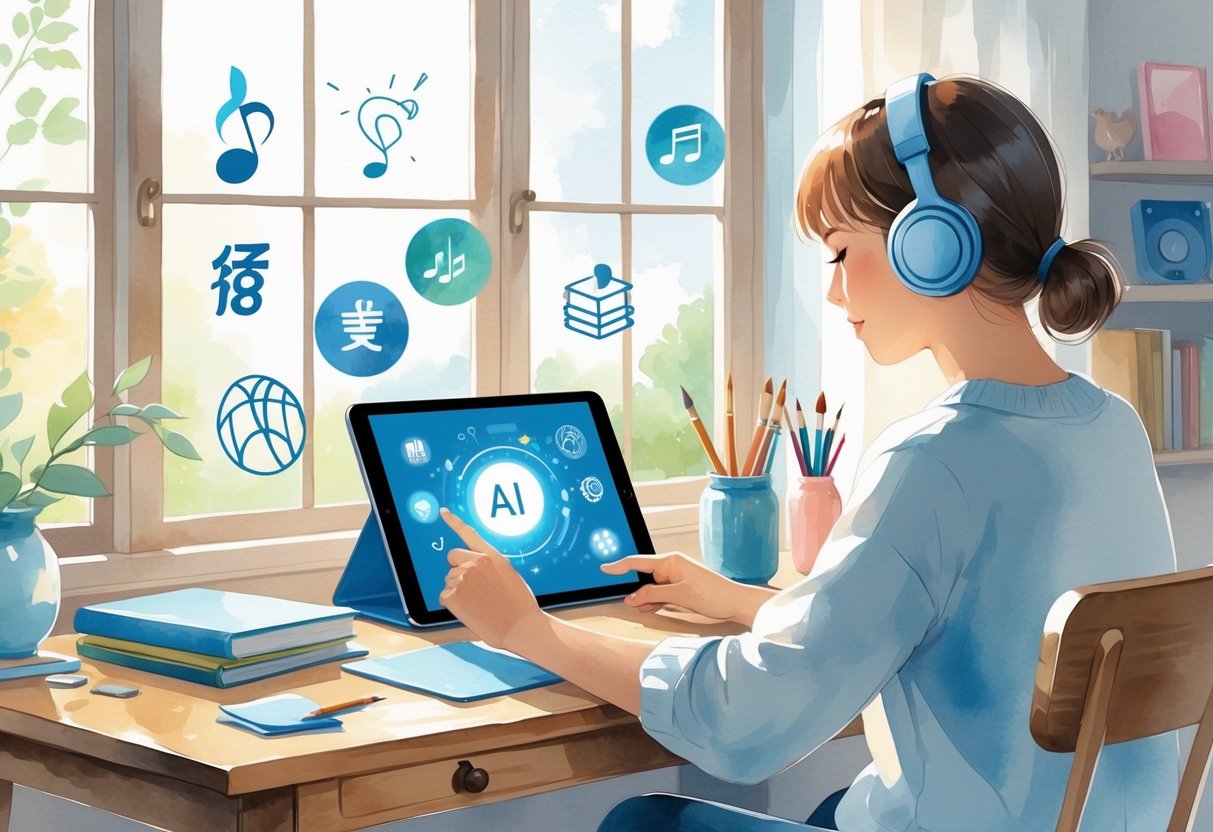
You can use artificial intelligence to make language learning easier and more effective. Apps like Duolingo now use AI to create lessons that match your skill level and learning speed.
This makes each lesson fit your needs, instead of giving everyone the same experience. With Duolingo’s AI features, you get smart feedback and help when you make mistakes.
The app uses advanced tools, like GPT-4, to have real conversations with you. These tools let you practice speaking and writing, not just choosing the right answer.
The AI-powered lessons from Duolingo can help you focus on what you need to learn most. If you’re struggling with a type of grammar or vocabulary, Duolingo gives you more practice in that area.
This helps you improve faster and saves time. AI in language apps can also give you tips after you answer questions.
The feedback is often detailed and tells you why an answer is right or wrong. This kind of help can guide you through tricky parts of a language.
Using these AI-driven tools is simple. You just use the app as you normally would, and the AI features work in the background.
You do not need to set anything up or change how you learn. Some new features in Duolingo even allow you to practice English conversation and take part in AI-generated stories.
These stories help you learn naturally and stay interested. This use of AI makes language learning more personalized for you.
6) Use AI-assisted gaming coaches like Mobalytics to analyze gameplay and improve strategies
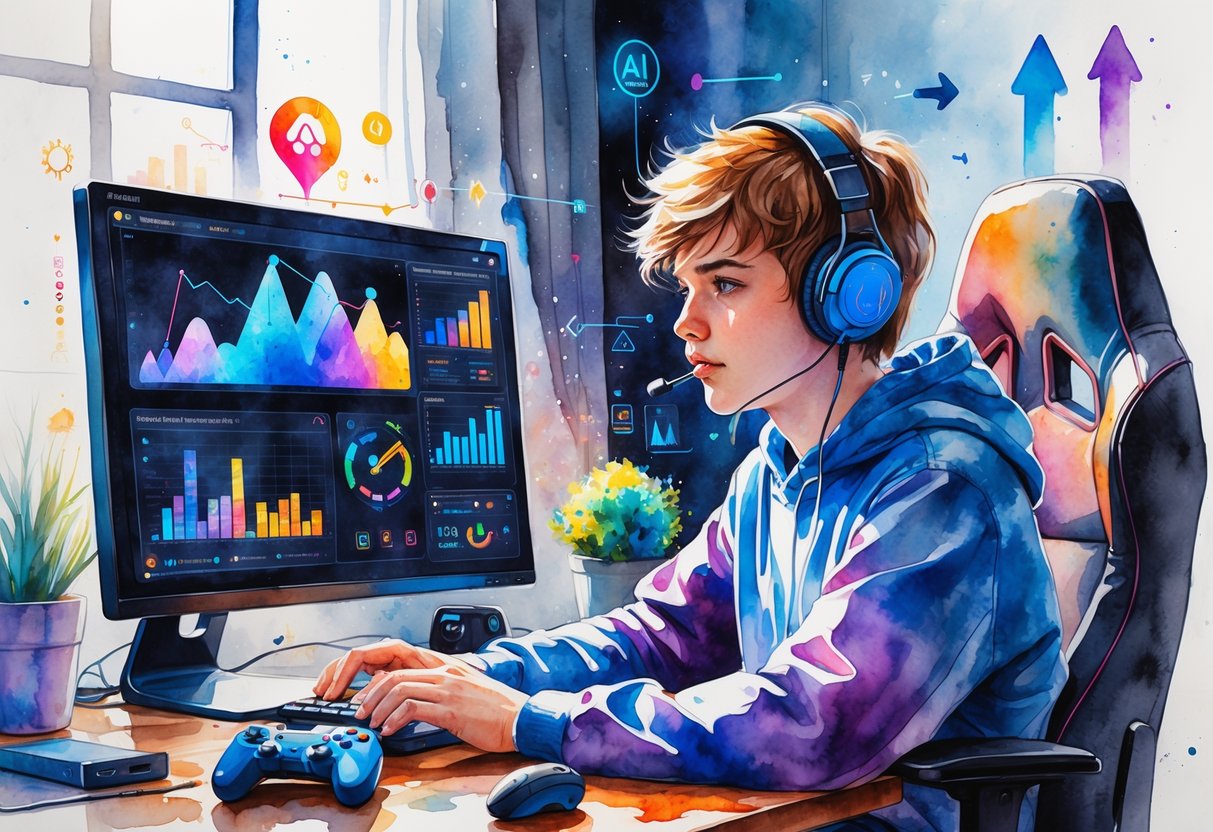
AI-assisted gaming coaches make it easier to see where you are strongest and where you need to improve. Tools like Mobalytics let you upload your match history or connect your accounts.
The system then looks at your in-game actions and offers feedback and tips. You get detailed breakdowns of your stats compared to other players at your level.
This can include information on accuracy, decision-making, reaction time, and teamwork. These reports help you focus on the parts of your game that need the most work.
Many platforms, such as Mobalytics, use visual dashboards to show patterns and habits you may not notice on your own. Charts and graphs make it clear which choices are helping you win and which ones might be holding you back.
Some AI gaming coaches give real-time advice as you play, while others analyze your games after they are over. Either way, you receive explanations and suggestions you can use right away to practice or adjust your strategies.
The rise of AI in gaming means your training can be more personal and efficient. For example, AI-powered gaming coaches can help you set goals, track your progress, and adapt your play based on your learning style.
You can use several AI tools along with human advice if you want even more support. Using a mix of feedback lets you see your strengths and weaknesses from different points of view.
If you want to improve quickly and build good habits, AI-assisted gaming coaches are a practical choice for many different games.
7) Apply AI photo editors like Luminar AI for professional-quality photo enhancements

AI photo editors can help you improve your photos easily, even if you are not a professional photographer. Programs like Luminar AI, Adobe Photoshop, and Topaz Photo AI use smart tools to enhance images in just a few clicks.
You can start by uploading your photo and choosing an AI model. The program will suggest or automatically apply edits such as color correction, sharpening, and noise reduction.
This saves you time and helps your photos look polished. Many AI photo editors let you preview the difference before and after the changes.
This way, you can see how each tweak improves your image and decide what looks best. Some tools give tips for improvements, so you always know what adjustments are possible.
If you want to edit RAW files or need more advanced options, tools like ON1 Photo RAW and Lightroom offer extra features along with AI-powered suggestions. These programs can run offline on your desktop, so you do not always need an internet connection to use them.
You can accept, adjust, or undo each edit. This approach lets you learn by seeing what works best for your style and skill level.
To explore different options, check out lists of the best AI photo editors and AI image enhancement tools. Trying a few can help you find the right fit for your needs and your personal workflow.
These tools keep tasks simple and user-friendly, making it easy to turn regular photos into professional-looking images. AI photo editors are now a helpful part of many people’s creative hobbies.
8) Integrate AI cooking assistants like SideChef to explore new recipes and techniques
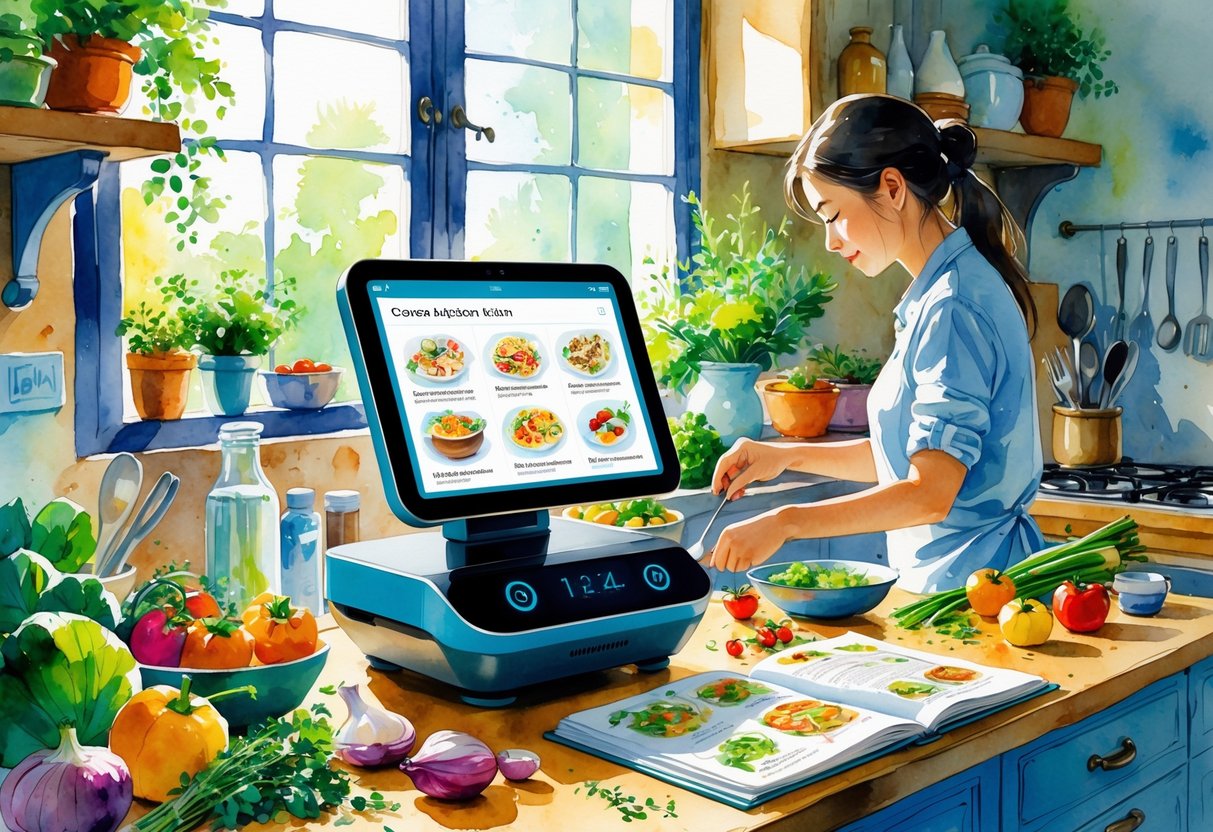
You can use AI cooking assistants like SideChef to help you try new dishes and learn cooking methods at your own pace. These platforms guide you through recipes with clear, simple directions and visual aids.
You may find it easier to follow along and gain confidence in the kitchen with step-by-step support. AI assistants are also useful for recipe discovery.
Some platforms let you enter what ingredients you have, then suggest meals you can make, cutting down on waste and saving time. This can help you get creative with what’s already in your fridge or pantry.
With SideChef’s RecipeGen AI, you can even upload a picture of a dish you like. The tool generates a recipe with detailed, shoppable steps, making it easier to try meals you’ve seen at restaurants or online.
Personalization is another benefit of using AI cooking tools. Many apps adjust recipes for food allergies, diet needs, or skill levels.
They also offer tips to improve your cooking technique as you go, so you can learn new skills with every recipe. For creators, some tools provide high-quality visuals for each step, helping you present recipes more clearly to friends or on social media.
By using digital cooking assistants, you increase your chances of discovering unique flavors and techniques from around the world. This can help make each cooking session more fun, educational, and rewarding.
9) Monitor skill improvements with AI-based trail recommendations for outdoor sports

If you like hiking, biking, or trail running, you can use AI-powered apps to track your progress. These tools help you see where you’ve been, how you performed, and what types of trails push your limits.
Apps like AllTrails now use AI to give personalized trail recommendations. These suggestions match your skill level, fitness, and outdoor interests.
They can show you trails that will challenge you as you improve or help you find easier routes when you need to recover. For example, AllTrails developed TrailGPT, an AI tool that helps proofread and correct trail reviews from users.
This makes the data more accurate and reliable for everyone. You can make better decisions on which trails to try next based on feedback that the AI keeps up-to-date.
You can learn more about how AI powers the trail selection process at AllTrails’ TrailGPT announcement. Some AI-powered apps can also analyze your trail history.
They look at the distance you cover, your speed, and even how much you climb on trails. This lets the app recommend new trails that suit your current skill and help you grow in your sport.
Smart route planning is another advantage. AI can factor in recent weather, trail conditions, and popularity.
With this information, you can focus on challenges that match your comfort level and avoid overcrowded or risky areas. More about these smart features is described in how AI is changing outdoor adventure planning.
Using these AI-based tools, you get a clear idea of your progress, and your choices for new trails stay relevant as you become more skilled.
10) Try AI-based treadmill trainers that auto-adjust speed and incline during workouts

With AI-based treadmill trainers, your treadmill can learn from your past workouts and make real-time changes. These smart treadmills use technology that adjusts speed and incline automatically based on your fitness level.
Features like iFIT’s SmartAdjust respond to your personal preferences as you exercise. If you decide to change speed or incline during a workout, the system will remember your choices and use that information next time.
Over time, the treadmill learns your patterns and adapts to give you a session that suits you best. You can enjoy a workout that feels customized without having to manually adjust settings yourself.
For example, as you walk or run, the treadmill can increase the incline for a challenge or slow down to help you recover, based on your performance and progress. If you want to know more about this, read about SmartAdjust for iFIT treadmills.
Many modern treadmills come with interactive screens and guided workouts. This makes using AI-based features easy and user-friendly.
You don’t need to be an expert with technology to benefit from these tools. If you want your treadmill workouts to be more interactive and tailored, consider trying trainers that offer these auto-adjust features.
AI systems can help keep you motivated, guide your progress, and ensure your workout matches your needs each day.
Understanding AI’s Role in Skill Improvement

Artificial intelligence changes the way you develop your hobbies by offering new ways to practice and grow. With the right AI tools, you can learn faster and keep track of your progress in ways that were not possible before.
How Artificial Intelligence Accelerates Hobby Mastery
AI helps you master hobbies quickly by creating custom exercises and lessons. Music learners can use AI tools to generate practice tracks or get instant feedback on their playing.
If you enjoy photography, AI can suggest edits for your photos or recommend subjects based on trends. Language learners benefit from AI chatbots that practice conversations with you at any time.
These chatbots can adjust the difficulty of their conversation based on your skill level. Artists might use AI to experiment with styles and learn new techniques using step-by-step guides.
AI-powered learning platforms also adapt as you progress, increasing the challenge when you are ready. This keeps your learning experience from becoming too easy or too hard, helping you avoid boredom or frustration.
You get more out of every session.
Personalized Feedback and Progress Tracking
AI makes it easy for you to receive feedback that is matched to your unique skill level. For example, writing apps that use AI can spot grammar mistakes, suggest improvements, and even provide writing prompts based on your past work.
This helps you focus on exactly what you need to get better. When you use apps with AI progress tracking, you can view charts and reports that show your improvement over time.
Some AI tools even set daily or weekly goals and send reminders to keep you motivated. Many platforms let you compare your progress with others or with your own past milestones.
This makes it simple to see where you have improved and where you need to focus more. More details about these features can be found in guides like this one from The Knowledge Academy on how to use artificial intelligence to improve your skill set.
Integrating Artificial Intelligence Tools Into Your Routine

Using AI tools each day can make your hobbies easier to manage and help you track progress. These tools also solve common problems, like staying motivated or keeping your goals realistic.
Setting Realistic Goals with AI Assistance
AI apps can suggest step-by-step goals based on your skill level. For example, if you are learning guitar, certain apps will analyze your practice sessions and recommend shorter, specific drills to build a new song.
If you enjoy running, fitness trackers use AI to adjust your weekly targets based on your recent activity, rest, and improvements. Many hobby-related AI tools—like language learning programs or drawing assistants—offer personalized feedback.
You can check your daily or weekly progress using clear graphs and reminders. AI-powered planners can break big goals into smaller tasks and send you timely notifications, so you keep moving forward.
Compare your achievements with built-in reports, making it easy to see how much you have improved. Try to use tools that fit with your favorite devices and adjust to your changing needs, as recommended in guides such as this one about integrating AI into your daily routine.
Overcoming Common Challenges with AI Support
It’s common to lose motivation or face setbacks in a new hobby. AI can support you with gentle reminders, routine suggestions, and skill-building exercises.
Calendar tools and apps use AI to recommend time slots for practice, helping you find the right balance between hobbies and your other tasks. When you get stuck, AI chatbots or virtual tutors offer quick answers and advice.
For creative hobbies, like writing or drawing, AI can give feedback or auto-complete unfinished work, so you don’t feel blocked. If you miss a day or fall behind, AI tools update your schedule without making you start over.
Using these features, you can manage stress and increase the fun in your hobbies. Many of these practical solutions—like automatic reminders, rescheduling, and real-time assistance—are suggested as ways to integrate AI into your everyday routine.
Frequently Asked Questions
Many hobbies now have useful AI tools that can help you create, practice, and stay organized. These questions address some of the most common ways AI makes it easier to develop your talents, track your progress, and connect with others who share the same interests.
What are effective AI tools for improving creative skills such as painting or music composition?
You can try AI art generators like DALL·E 2 to spark ideas and create digital artwork from your descriptions. For music, apps like Amper Music help you compose songs using simple controls, even if you aren’t an expert.
Writers often use tools like ChatGPT to brainstorm, edit, and polish their work.
How can I implement machine learning algorithms to analyze and enhance my athletic performance?
Apps like Freeletics use AI to track your workouts and tailor fitness plans to your goals. Some fitness trackers rely on machine learning to study your running, cycling, or other activities, then give feedback for improvement.
If you want to analyze your own sports data, platforms like Google’s Teachable Machine let you build and test simple models using your training videos.
In which ways can AI-powered personal assistants help me manage and progress in my hobbies?
AI assistants can schedule practice sessions, remind you to work on your hobbies, and suggest new activities based on your interests. Some tools analyze your progress and recommend next steps or learning resources.
Many hobby-related apps also include virtual coaches to keep you on track.
What are the best practices for utilizing AI in developing and tracking skill-based hobbies?
Stay consistent in using AI-powered tools to monitor your efforts. Use detailed data or regular feedback from these tools to spot your strengths and where you can grow.
Try to set small, clear goals and check your progress with charts or suggestions from your apps.
Can you recommend any AI applications that assist in language learning and fluency?
Duolingo’s AI features let you get personalized lessons and real-time feedback in the language you’re studying. Other popular options are Babbel and Memrise, both of which use AI to adjust lessons and quizzes based on your performance.
Speaking practice with tools powered by AI speech recognition can also help your fluency.
What role does AI play in hobby-related community building and knowledge sharing?
AI helps connect you with people who share your hobbies by matching interests and recommending online groups.
It also ranks and suggests helpful forum posts or tutorials.
Some apps use AI to recommend events, live lessons, or competitions so you can learn and grow with others.