
10 Best Hobbies for Child-Free Women Over 40: Enriching Activities to Enjoy Your Freedom
Turning 40 can open new doors and give you the freedom to explore hobbies that fit your interests and lifestyle. If you are a woman over 40 without children, you may have extra time and space to focus on yourself in ways that feel meaningful and fun.
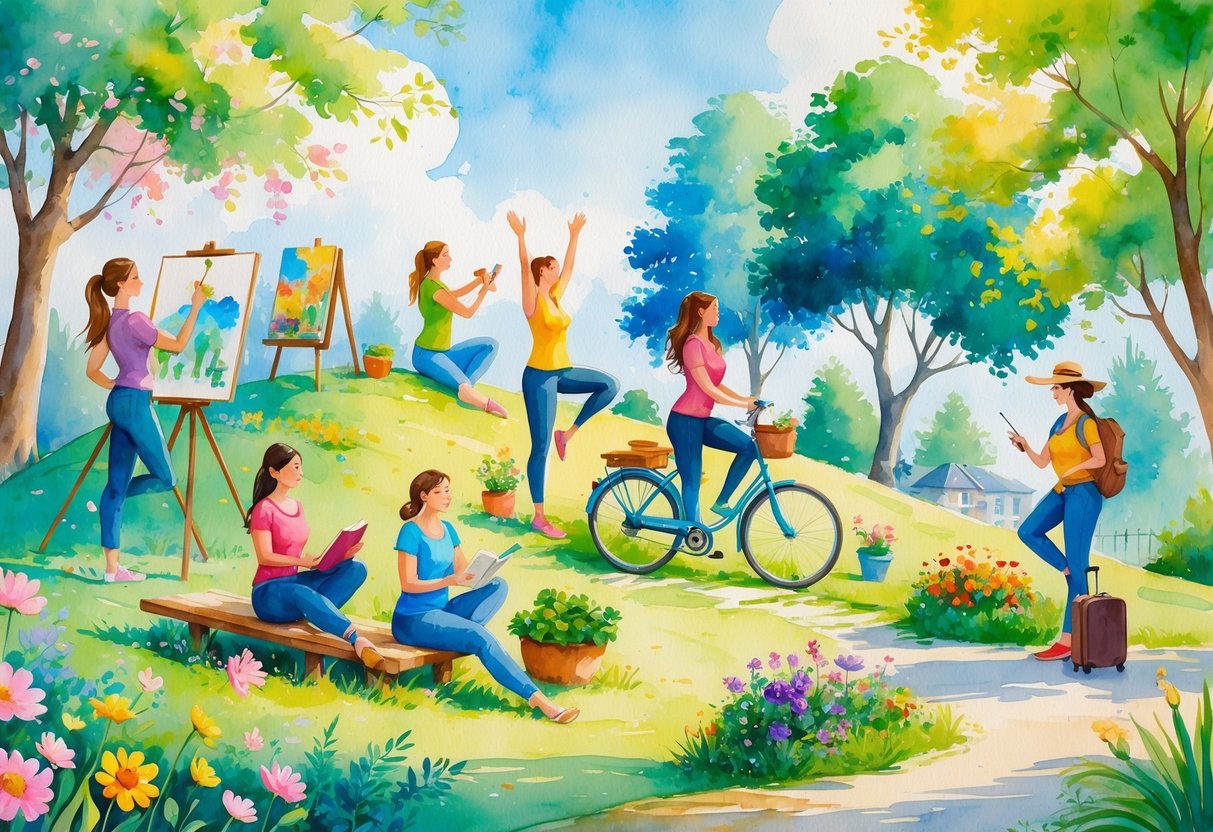
Finding the right hobbies can help you feel inspired, active, and connected throughout this stage of life. Whether you want to learn new skills, stay healthy, or simply relax, there are activities that can add value and joy to your days.
1) Creative Writing and Journaling

Creative writing gives you a special way to share your thoughts and feelings. You can start small by writing short stories, poems, or personal essays.
These can help you organize your ideas and process your emotions in a quiet, personal space. Journaling lets you keep track of daily life, goals, or dreams.
Some women use journals to set intentions or reflect on changes as they get older. This habit can bring more focus and meaning to your everyday routine.
You do not need to be a professional writer to enjoy creative writing or journaling. The main goal is to express yourself honestly and let your thoughts flow.
Many women over 40 enjoy writing as a way to look back on past experiences and capture important memories. Journaling is also a way to practice gratitude or mindfulness.
You can write about each day, list things you are grateful for, or simply jot down whatever comes to mind. There are many formats to try, such as gratitude journals, travel diaries, or even bullet journals for organizing tasks and plans.
If you need ideas, you can find plenty of journaling prompts for women over 40 online. Sharing your creative writing with others can also be rewarding.
You may choose to join a writing group or attend workshops. These groups can give you feedback and new ideas while also helping you meet people who share your interests.
With journaling and creative writing, you get to decide what, when, and how you write. This makes the hobby easy to start and adapt to your schedule.
2) Gardening Exotic Plants
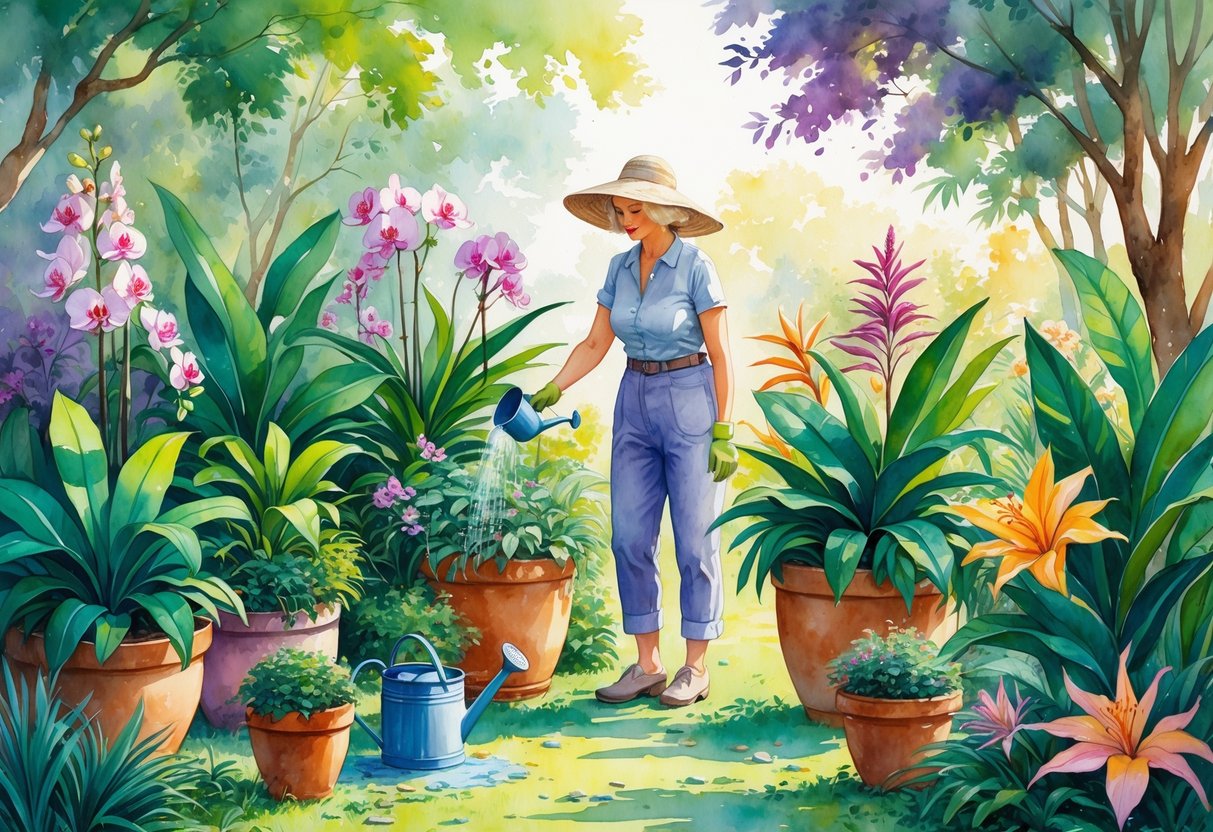
Gardening exotic plants can add beauty to your home and give you a sense of calm. You do not need a huge yard to get started.
Many unique species thrive in containers on patios or sunny windowsills. Exotic plants often bring bright flowers or unusual shapes to your space.
Some good choices include orchids, bromeliads, and carnivorous plants. These are all different from common houseplants and can make your collection stand out.
To start, research what each plant needs. Most exotic plants have specific requirements for sunlight, water, and soil.
Try to choose plants that fit the climate of your region or set up a space indoors where you can control light and humidity. Gardening lets you learn about plants from many parts of the world.
You will soon notice habits about growth, blooming times, and ways to help them thrive. With time, you can even swap tips with fellow gardeners or join local groups focused on rare plants.
Some people find growing and caring for exotic plants relaxing. You spend time checking leaves for bugs or cleaning the dust from petals, which helps you slow down.
Simple tasks like watering or repotting become part of your daily routine. You can start with just a few plants and add more as your confidence grows.
Many exotic plants, such as air plants and succulents, are both budget-friendly and interesting to grow. If you are interested in exploring a wider range of gardening ideas, you can find more inspiration for gardening as a hobby or check out new ways to grow plants using different methods.
3) Restoring Classic Cars
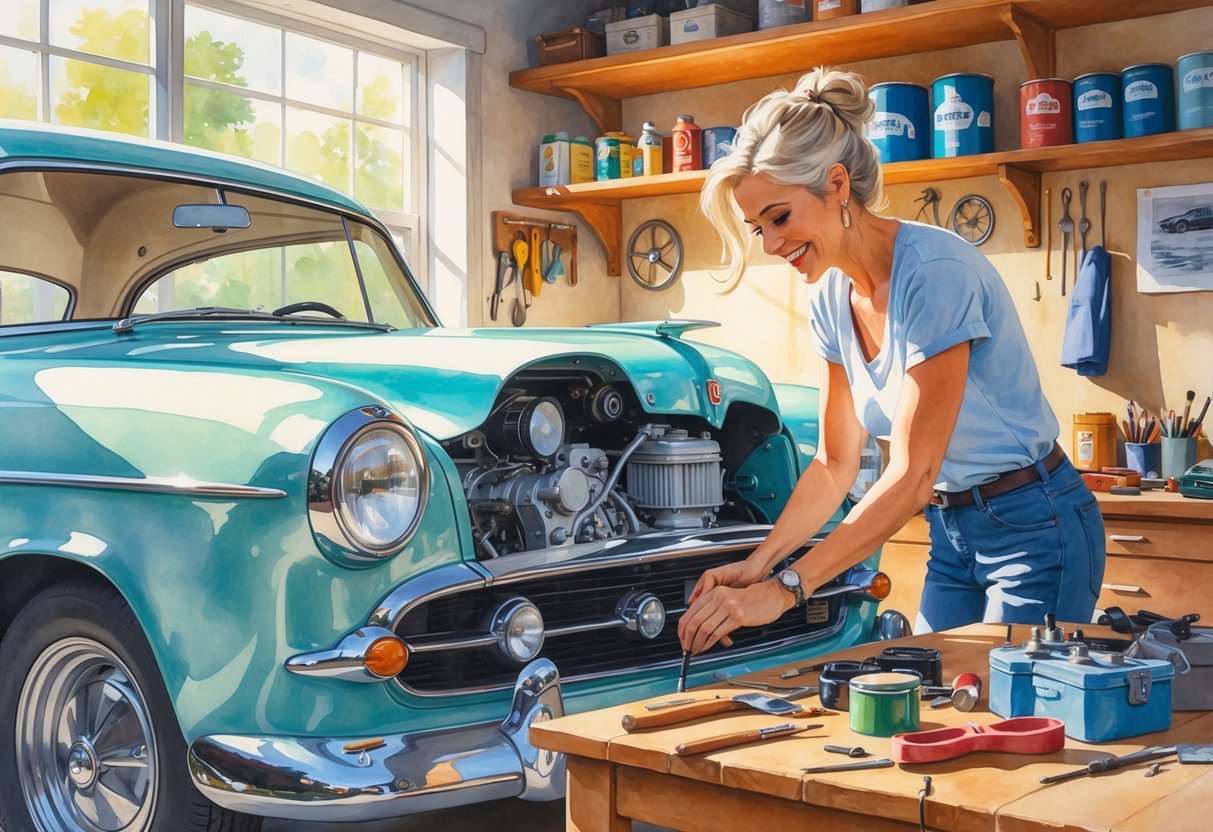
Restoring classic cars is a hobby that lets you bring old vehicles back to life. You do not need to be a professional mechanic to start.
Many people learn as they go, taking on small repairs first and building their skills over time. You will need patience and attention to detail.
Every classic car is different, so research is important before you start. This includes learning about the car’s history, its original parts, and common repair issues.
Finding a classic car to restore can be an exciting part of the process. You might discover cars through online listings, auctions, or local clubs.
The condition of the car will affect how much work it needs. Restoring a car can include cleaning, repairing the engine, fixing the body, or replacing old parts.
You can choose to do all the work yourself or hire professionals for certain tasks. If you enjoy hands-on projects, this hobby is very rewarding.
Many women in their 40s and older take part in classic car restoration, often joining clubs and attending events. You might enjoy sharing your progress and learning from other enthusiasts.
You do not need a large garage or lots of expensive tools to start. Many restoration steps use basic equipment, though a safe workspace is important.
Some small projects, like detailing or minor repairs, can even be done in your driveway. Classic car restoration can also be a way to learn new skills, from painting to electrical work.
If you want more advice on getting started, you can check out beginner guides to classic car restoration, which break down the steps in simple terms.
4) Painting with Watercolors

Painting with watercolors is a creative hobby that lets you express yourself in new ways. You do not need to be a skilled artist to start.
With basic supplies and some simple techniques, you can enjoy the process and watch your progress over time. Watercolors are easy to set up and do not require a lot of space.
You can paint at your kitchen table or even in a small corner. Clean-up is simple, and the supplies are affordable for beginners.
This hobby is relaxing and can help you relieve stress. Painting with watercolors encourages you to focus on the colors, shapes, and flow of the paint, which helps calm your mind.
You have endless choices about what to paint. Try flowers, landscapes, or abstract shapes.
You can follow step-by-step tutorials online, take local classes, or just explore on your own. Watercolor painting can also connect you with others.
Many communities offer painting groups or art nights where you can create and share your work with others. Some cities even host painting and wine events for a fun social activity.
If you want to try painting as a creative outlet, watercolors are a great starting point. The supplies are lightweight and portable, so you can paint at home or outdoors.
With practice, your confidence and skills will grow at your own pace. You do not need to achieve perfection.
Enjoy experimenting and watching your own unique style develop over time.
5) Learning a New Language

Learning a new language is a rewarding hobby that can open doors to new experiences. You build skills that help when you travel or meet people from different cultures.
Language learning apps like Duolingo and Babbel make it easy to get started at your own pace. These apps offer short lessons, so you can practice even if you have a busy schedule.
You also have the option to join in-person or online classes. Group lessons give you a chance to connect with others who share your interest in learning.
Reading books and watching movies in your target language are helpful tools. These activities let you practice listening and reading while enjoying content you like.
Working on another language can strengthen your memory and improve your focus. It keeps your mind active and engaged, which is important as you get older.
Meeting a language partner is another simple way to practice. You help someone else learn your native language while they help you practice theirs.
There are also language clubs and conversation groups available in many communities. These groups often welcome new members and encourage regular practice.
If you enjoy learning on your own, there are many free videos and podcasts online. You can pause and repeat as many times as you need until you are comfortable.
Learning a language does not require perfection. Mistakes are normal and part of the process.
Trying out a new language can help you explore new music, films, or even travel more confidently. For more ideas on hobbies for women in their 40s, visit this list of fun activities to try.
6) Yoga and Mindfulness Meditation

Yoga and mindfulness meditation can help you feel calmer in your daily life. These practices are gentle on your body and support your mental well-being.
You don’t need to be super flexible or have experience to begin. Yoga is more than just exercise.
It helps your body become stronger and more balanced. Regular practice also increases flexibility and reduces stiffness.
As you move and breathe, you may notice tension fading away. Mindfulness meditation is about paying attention to the present moment.
It is simple to start, even with only a few minutes each day. Sitting quietly and focusing on your breath can calm your mind and reduce feelings of stress.
Both yoga and meditation can be adjusted to fit your needs. You can join a class, watch online videos, or practice alone at home.
There are many options, from calming yoga flows to breathing exercises meant for relaxation. You only need a quiet space and a few minutes of your time.
You can learn more about the benefits of yoga and meditation for women over 40 and explore suggestions for getting started. Many find these practices to be a useful way to recharge and foster a sense of inner peace.
7) Volunteering for Environmental Causes
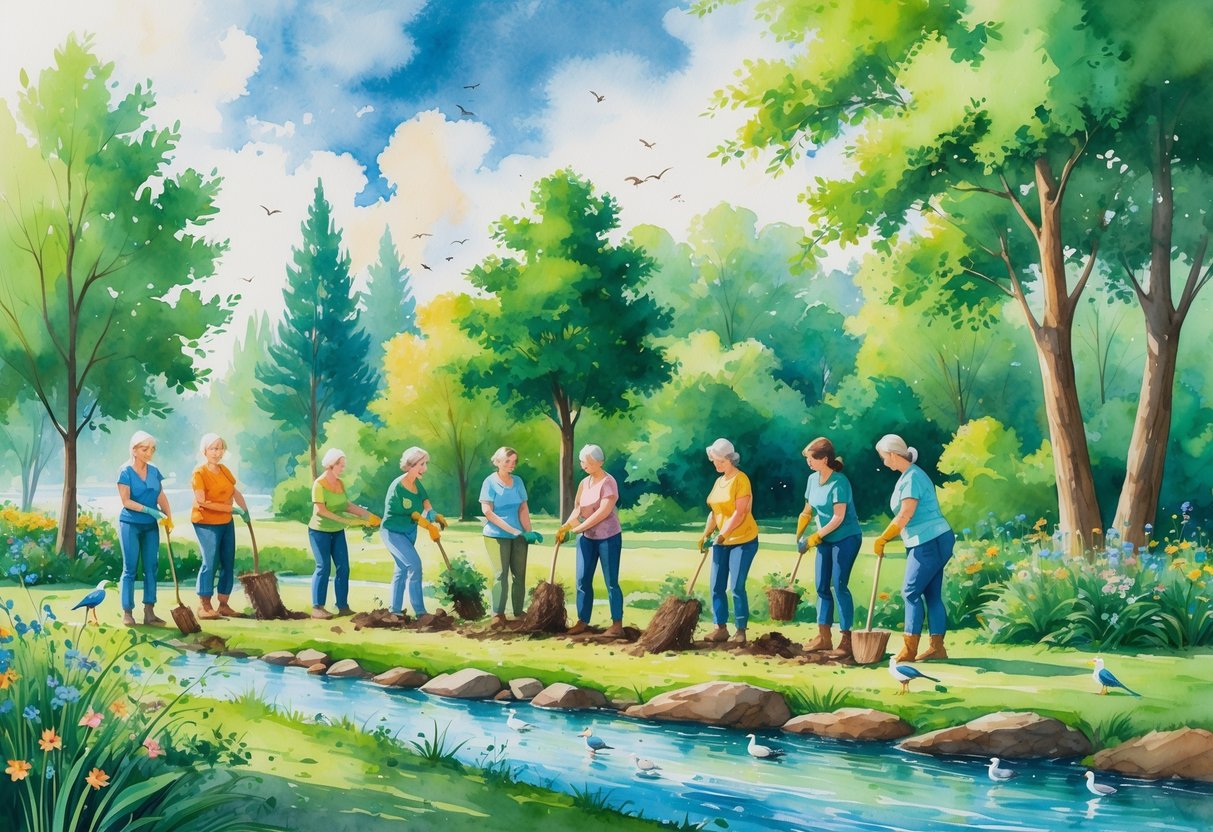
If you want to make a positive impact, volunteering for environmental causes can be a rewarding choice. Your efforts help improve your community and also support a healthier planet.
There are many ways you can get involved, from joining local cleanup events to planting trees or working with wildlife organizations. You may enjoy helping at a community garden, which provides fresh food and supports the local ecosystem.
Some women like to volunteer by leading educational programs that teach others about recycling and conservation. These activities give you a chance to meet others with similar interests and learn new skills.
You can also find volunteering opportunities with groups that protect endangered species or restore natural habitats. These tasks can take place outdoors or indoors, depending on your comfort and the organization’s needs.
Even a few hours a month can make a difference. Volunteering is a flexible hobby.
You can choose short-term projects, or commit regularly depending on your schedule and energy levels. This hobby helps you stay active while connecting you to your community.
If you want to know more about how volunteering supports the planet, you can read about the benefits of environmental volunteering. This can help you decide which opportunities are right for you.
Getting started is simple. Look for local environmental groups or check community boards for events and projects that need help.
You may find that this hobby brings purpose and satisfaction, letting you see the results of your work over time. It’s a hobby that welcomes people from all walks of life who care about the world around them.
8) DIY Natural Dyeing and Fabric Painting
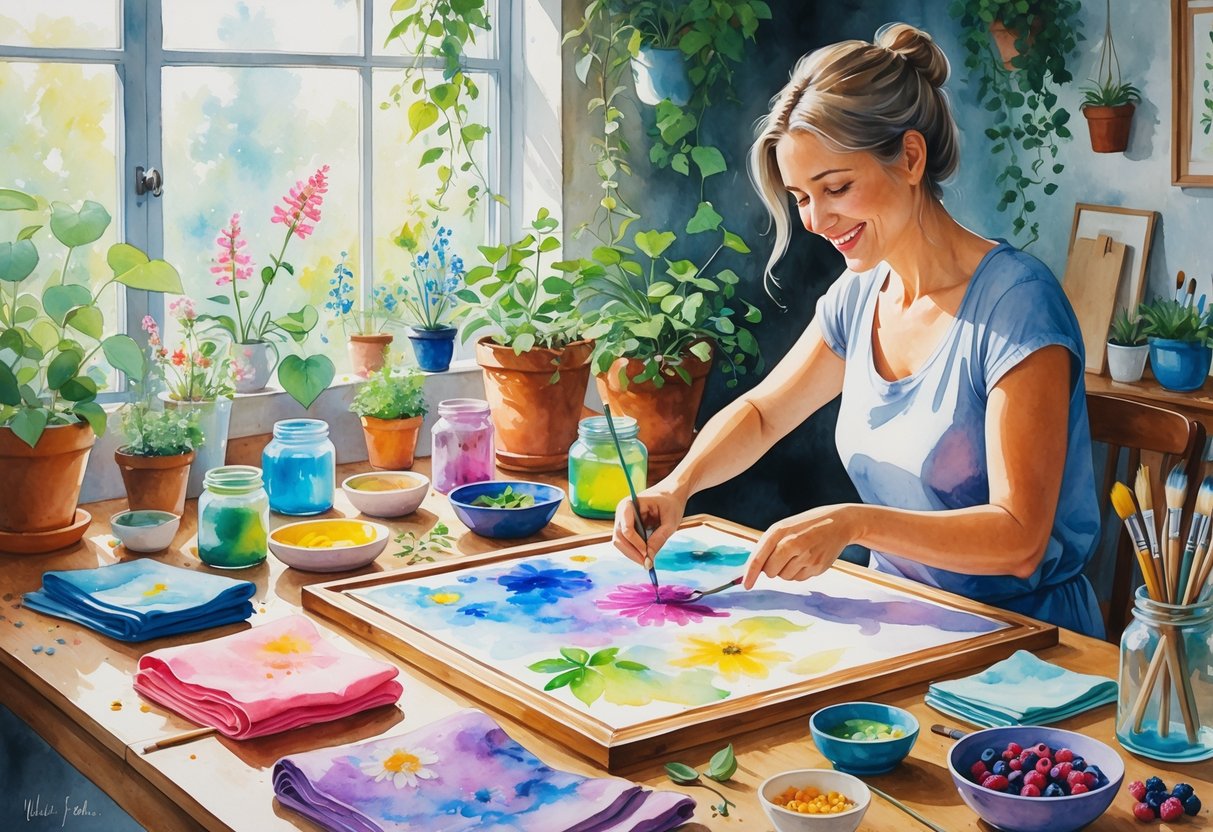
DIY natural dyeing and fabric painting is a creative way to make something truly unique. You can use plants, fruits, and vegetables to create your own dyes at home.
This hobby lets you play with colors and patterns using safe, eco-friendly materials. Natural dyeing works on cotton, linen, wool, and even silk.
Prepare your fabric by scouring and mordanting so the colors last longer. Painting or stamping with natural dyes is a simple process that doesn’t need fancy tools.
Many find joy in seeing how different plants make a range of colors. Red cabbage, onion skins, and even coffee can create interesting shades.
If you like experimenting, try new combinations to discover surprising results. You can apply the dye with a brush, sponge, or even leaves and flowers as stamps.
For painted designs, make sure your fabric is dry before you start. Once your design is complete, let the fabric cure in a warm, dry place for a few weeks for the best results.
Learn more about techniques and curing tips on DIY fabric paints from natural materials and painting with natural dye on fabric. This hobby does not require a lot of space or expensive supplies.
Most materials can be found in your kitchen or garden. You can use plain old t-shirts, old linens, or fabric scraps for practice.
This makes it easy to start and see fast results.
9) Cooking International Cuisines

Exploring international cuisines in your kitchen can be both rewarding and educational. Cooking dishes from around the world lets you discover new flavors and expand your palate without leaving home.
You can start with recipes that use common ingredients. Many countries have simple signature foods, like Italian pasta or Japanese miso soup, that don’t need special equipment.
Trying different techniques and spices can help you build practical kitchen skills and boost your confidence. Tasting meals from other cultures is a way to learn about traditions and history.
It can also deepen your appreciation for global food customs, as highlighted in resources like this list of cooking hobbies. Even basic recipes from other regions can teach you something new every time you cook.
International cooking can turn mealtime into an adventure. Choose one country or cuisine each month, and plan a menu around it.
This makes each week exciting and helps keep cooking from feeling repetitive. You can invite friends or family to join and share the experience.
Cooking together often creates memorable moments and brings people closer. There are countless free online tutorials and cookbooks available.
With practice, you’ll gain new abilities and create dishes you might not have thought possible. The experience is both practical and enjoyable, perfect for anyone looking for a creative outlet.
Trying foods from different cultures doesn’t have to be expensive. Many recipes rely on budget-friendly ingredients and simple steps.
Whether you love spicy Asian stir-fries or creamy French sauces, international cooking has something for every taste.
10) Joining a Book Club

Joining a book club is a great way to meet new people and share your love of reading. Book clubs bring together people with different ideas and backgrounds, which makes each discussion interesting.
You can learn something new from every meeting. You do not need to be an expert reader to join.
Most book clubs welcome all kinds of readers, even if you only read a few books each year. This friendly community helps you stay motivated to read more and try new genres.
A book club gives you a routine time to relax and focus on yourself. Dedicating a few hours each month to talk about books lets you step away from your busy daily life.
It can be a good way to lower stress and build a regular social activity into your calendar. You may find local book clubs through libraries, bookstores, or community centers.
If you prefer staying home, many groups also meet online using video calls or chat. This means you can connect with other readers from anywhere in the world.
Club members often recommend books you might not pick up on your own. This exposes you to new authors and expands your reading interests.
If you like making new friends or simply want to talk about stories you love, a book club can be a perfect hobby. You can find more tips about joining a book club as a hobby for women over 40 at web-hobbies.com and Purely Calm.
How Hobbies Enhance Well-Being for Women Over 40
Pursuing hobbies offers more than just a way to pass time. You gain real benefits, including a healthier mind, a sense of achievement, and stronger connections with others.
Mental Health Improvements
Starting new hobbies can help lower stress and give your mind a break from daily worries. Activities like painting, journaling, or yoga have been shown to reduce anxiety and boost mental clarity.
These hobbies help shift your focus away from negative thoughts and bring a sense of peace. If you keep your hands and mind busy, you may also find it easier to manage emotions.
Gratitude journaling, meditation, or even gardening can help you feel grounded and calm. Women over 40 often face big life changes, so these activities can help you cope.
You can use hobbies as productive outlets for stress. Taking even 10 to 20 minutes a day for a favorite activity, such as knitting or walking, can make a noticeable difference in how you feel.
Fostering Personal Growth
Trying new hobbies can give you a fresh sense of purpose. When you learn something new, like photography or cooking, you challenge yourself and discover skills you might not know you had.
This helps you build confidence and feel more independent. Exploring creative or hands-on activities, like DIY crafts or gardening, lets you explore interests outside of work and family.
These hobbies can help you set new goals and keep your mind active. Personal growth also means finding joy in experimenting.
You can make mistakes, learn from them, and celebrate new successes. Over time, you may notice an increase in self-esteem and satisfaction with your life, as described in advice for women in their 40s pursuing hobbies for self-discovery.
Strengthening Social Connections
Many hobbies offer a way to meet new people who share your interests. Joining local clubs, classes, or even online groups can help you expand your social network.
You might bond with others over book clubs, art classes, or volunteering. These activities can help improve your feelings of purpose and connectedness.
Social hobbies can also make it easier to manage feelings of loneliness. With regular group meetings or workshops, you have a reason to get out and interact with others in a low-pressure setting.
For women over 40, especially those without children, these friendships can become an important source of support. If you choose hobbies like dancing, fitness classes, or community gardening, you benefit from both physical activity and a sense of community.
These shared experiences often lead to new friendships and a greater sense of belonging.
Finding Personally Fulfilling Hobbies

Exploring new hobbies can help you grow, connect with others, and feel more satisfied with your free time. By reflecting on your preferences and facing new challenges, you can discover activities that fit your lifestyle and bring real enjoyment.
Assessing Your Interests
Start by looking at what you already enjoy or have always wanted to try. Think about past activities that made you happy or skills you wish you had learned.
This can include anything from painting, hiking, and gardening to learning a musical instrument or joining a book club. Make a simple list of your likes and dislikes.
For example:
| Things I Enjoy | Things I Dislike |
|---|---|
| Creating art | Loud group settings |
| Being outdoors | Early morning events |
| Making crafts | Competitive sports |
Pay attention to your energy level and how much time you want to spend. If you like quiet time, try solo hobbies such as journaling or knitting.
If being social excites you, consider group classes or volunteer work. Learning more about different hobbies can lead you to the right choice.
You can find ideas in guides like this comprehensive hobby list or online communities.
Overcoming Barriers to Starting New Activities
It’s common to feel nervous about trying something new, but taking small steps can help. If time is an issue, pick hobbies that fit into your schedule, even if it’s just once a week for 30 minutes.
Consider activities that don’t need a big investment, like drawing, walking, or reading. Sometimes, fear of not being good at something holds you back.
Remember that hobbies are for fun, not for perfection. Many local centers and adult programs let you try new skills in a supportive environment.
If you are not sure where to begin, join a beginner’s group or take a free class. Online hobby lists or articles with hobby ideas for women over 40 can help you get started.
Keep an open mind, and let yourself enjoy the process of learning without pressure.
Frequently Asked Questions
Many women over 40 without children look for hobbies that let them learn, express creativity, and connect with others. These choices often encourage personal growth, lower stress, and offer satisfaction outside of family routines.
What are some enriching hobbies for women over 40 without children?
You can try creative writing, gardening plants that are new to you, or restoring classic cars. Hobbies like painting with watercolors or learning a new language also help you grow your skills and confidence.
How can a woman in her 40s discover a new pastime?
Start by thinking about what excites you or what goals you have. Take a class, join a club, or try out a few activities with local groups or online communities.
Reading lists of ideas can also help, such as this guide to hobbies for women in their 40s.
Which activities are popular among successful middle-aged women?
Many successful women in their 40s focus on creative arts, advanced cooking, gardening, and self-improvement hobbies. Activities like photography or learning new languages are also common, as highlighted by hobby lists for women in their 40s.
What are creative hobby options for women in their mid-40s?
Consider creative writing, painting, making crafts, or learning an instrument. Working with your hands or using your imagination can provide a strong sense of achievement.
Can you suggest social hobbies suitable for child-free women over 40?
Group classes, book clubs, and car restoration clubs help you meet new people. Volunteering and group gardening projects are also social ways to enjoy your free time and build friendships.
For more ideas, see this list of hobbies for middle-aged women.
What are some stress-relieving hobbies for women aged 45 and above?
Gardening, painting, meditation, yoga, and journaling can help lower stress.
Nature walks and creative hobbies are proven ways to help you relax and improve your mood.
Yoga and related activities are also frequently noted for reducing stress and increasing focus, as explained in this article about stress-relief hobbies.