

10 Best Hobbies for Developing Leadership Skills and Building Personal Growth
Many people think of leadership as something you learn at work or in school. But what you do in your free time can shape your leadership skills, too.
Hobbies are more than just a way to relax; they can teach qualities like patience, creativity, and decision-making.

Choosing the right hobbies gives you valuable skills that help you become a better leader in any part of life. Whether you want to guide a team or simply improve yourself, picking up new activities can make a real difference.
1) Yoga for self-awareness and mindful leadership

Yoga is a great hobby for building self-awareness, which is an important part of good leadership. When you practice yoga, you pay attention to your body, your breathing, and your thoughts.
This helps you notice how you feel and react in different situations. As you learn to watch your emotions and thoughts, you start understanding your own strengths and weaknesses better.
This awareness can help you make better choices at work and when working with others. Leaders who know themselves can handle stress and conflicts more calmly.
Yoga also encourages mindfulness. Being mindful means staying focused on the present moment instead of worrying about the past or future.
Mindfulness can make you a more patient and thoughtful leader. You can respond instead of react, even during stressful times.
Practicing yoga regularly helps with focus and self-discipline. These are key skills for anyone who wants to lead a team.
Even a short daily yoga routine can be helpful for your mental and physical health, making it easier to handle pressure. Some companies now use yoga as a team-building activity.
Group yoga sessions can bring people together and create a calmer workplace. Doing yoga with your team may give everyone a chance to practice active listening and respect.
Yoga’s mix of physical movement, breathing, and reflection helps you develop a greater sense of presence and understanding. Over time, this can improve how you communicate, solve problems, and guide others.
Many leadership experts suggest that yoga is useful for personal and professional growth. It can play a big part in developing essential leadership skills and enhancing self-awareness for leaders at any level.
2) Team sports like basketball to enhance teamwork and pressure handling

When you join a team sport like basketball, you become part of a group that works toward a common goal. You learn to share responsibilities, rely on your teammates, and communicate during fast-paced games.
Team sports make you practice solving problems as a group. When challenges happen on the court, you must think together and react quickly.
This helps you get better at making decisions under pressure. Playing basketball teaches you how to handle stress and stay calm.
Games often put you in situations where the outcome depends on your response. This is important for leadership because leaders must guide people even when things get tough.
You also develop trust and respect for your teammates. By supporting others and accepting feedback, you build stronger relationships.
These skills are key when you need to motivate or guide a group off the court as well. Being involved in team-oriented sports like basketball helps you improve communication skills.
You need to talk, listen, and encourage others. Clear communication is a big part of working well with any team.
As you practice and compete, you start to see how your actions affect others. You gain experience leading by example.
Even if you are not the official team captain, you can practice leadership in how you support and inspire your group. Sports like basketball offer you the chance to practice teamwork in real situations.
You experience both winning and losing together, which helps you grow as a future leader. If you want to build your leadership skills and learn to handle pressure, joining a team sport is a good place to start.
3) Volunteering to develop community leadership and networking skills

Volunteering offers many chances to build your leadership abilities in real life settings. When you volunteer, you often help plan events, manage teams, or guide projects within community organizations.
Each activity can strengthen your decision-making and organizational skills. As a volunteer, you meet people from many backgrounds.
This helps you expand your network and learn to communicate with individuals who may think differently than you. Good leaders are able to listen, understand, and work with diverse groups, and volunteering helps you practice these skills.
Many volunteer roles let you take the lead on small projects. You might organize a food drive, lead a clean-up group, or mentor younger volunteers.
These tasks teach you how to share responsibilities, solve problems, and motivate others toward a common goal. You learn what it takes to direct and support a group.
Community volunteering also lets you see how groups make decisions and solve issues in real time. You learn to handle new and unexpected situations, which helps build confidence for future leadership roles.
These experiences can reveal your own strengths and areas where you can improve. If you are interested in making a positive contribution while gaining valuable experience, volunteering is a helpful way to start.
You can read more about this topic at How to Develop Your Leadership Skills Through Volunteering or Developing Leadership Skills Through Volunteer Work.
4) Reading leadership books to improve communication and cognitive abilities

Reading leadership books is one of the most effective ways to build your communication and thinking skills. These books give you real examples, strategies, and advice from experienced leaders.
You can learn at your own pace and revisit information as needed. When you read, you get exposed to different styles of communication.
This helps you learn how to explain ideas clearly and persuade others. Understanding how great leaders handle challenges can inspire you to improve your own style.
Many leadership books highlight skills like active listening and giving clear feedback. These are key parts of being a good communicator.
You can study how leaders in books solve problems, motivate teams, and handle conflicts. Books also give you a safe space to explore new ideas.
You can think deeply about your reactions and beliefs. Over time, this reflection sharpens your understanding and strengthens your decision-making.
There are many recommended titles for developing leadership abilities. Lists such as the 10 Must-Read Books To Develop Your Leadership Skills offer a variety of options.
These books cover different topics, from personal growth to guiding teams. Choosing a mix of classic and modern leadership books will give you a balanced view.
By reading about leaders from different backgrounds, you learn many ways to communicate with different groups. This experience is useful in almost any leadership role.
Even reading just a few chapters a week can help you make progress. The important part is to reflect on what you read and practice those skills in your daily life.
5) Dancing to build discipline and commitment
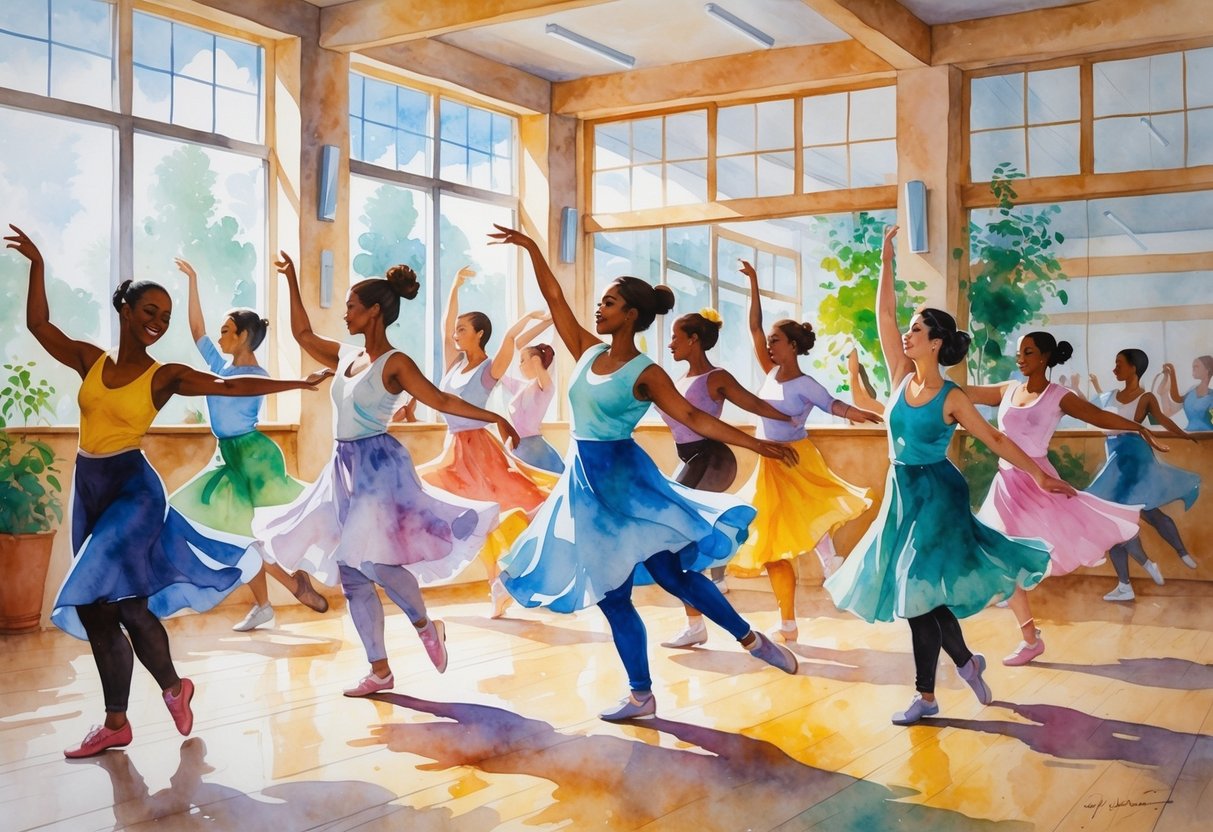
Dancing is more than just a fun activity. It teaches you to focus on your movements and follow routines.
This focus helps you build discipline over time. When you show up for dance practice, you are making a commitment.
Sticking to a practice schedule shows reliability—an important trait for leaders. Dance often includes regular practice and learning from feedback.
These habits encourage personal growth and a willingness to improve. Even if you make mistakes, dance gives you a chance to learn how to recover and keep moving.
This skill helps you stay calm and steady under pressure. If you participate in group dance, you also learn to work closely with others.
Group routines help develop trust and respect between team members, which are essential leadership skills. Dance also helps you communicate non-verbally.
You learn to watch and respond to signals from others. This can improve your ability to read people and situations—helpful for anyone in a leadership role.
Practicing dance over time teaches patience and persistence. Progress can be slow, but sticking with it builds your determination.
Dance can be a creative way to handle stress. The focus needed for dance routines can help clear your mind and let you manage tough situations better.
Programs that use dance to build leadership skills highlight benefits like discipline, technical skill, and effective communication. You can read more about how dance helps grow these skills at Dance Dynamics and see how using dance can improve leadership.
6) Sailing to practice strategic thinking and decision-making

Sailing is a hands-on activity that puts your leadership skills to the test in real time. It requires you to plan ahead, respond to changing conditions, and make quick decisions.
You must always think several steps ahead while keeping your team or crew in mind. When you are out on the water, you have to analyze the weather, watch the wind, and adjust your sails.
This helps you strengthen both your observation and problem-solving abilities. Good sailors plan routes and set goals based on the current situation.
Working with a crew on a boat builds your communication and teamwork. Steering a boat well means everyone has to know their job and trust your directions.
You learn how to give clear instructions and listen to feedback. Sailing is also a strategic hobby that challenges you to balance risk and reward.
Every choice—like changing direction or speed—affects your outcome. This constant decision-making helps you become more comfortable handling uncertainty.
These skills transfer to many real-world situations outside of sailing. Many people find that practicing sailing boosts their ability to manage groups, set priorities, and develop plans.
If you enjoy activities that force you to think ahead and adjust on the fly, sailing is a strong choice. It builds strategic thinking in the same way that other hobbies focused on planning and decision-making do.
Each trip provides new problems to solve and encourages you to keep improving. With its mix of challenge, teamwork, and quick thinking, sailing is a useful hobby for anyone interested in becoming a better leader.
7) Joining a leadership book club for discussion and insight

Joining a leadership book club gives you a space to learn from others and share your own views. When you read books on leadership with a group, you get to hear how different people interpret ideas and apply them in their work or life.
Book clubs focused on leadership encourage open discussion. This helps develop your communication and listening skills.
When you discuss key topics from the books, you practice sharing your thoughts clearly and respectfully. Leading or moderating the club also builds confidence.
It gives you a chance to guide conversations and make sure everyone gets a turn to speak. Managing group discussions in book clubs can make you better at guiding teams in other settings too.
You get exposed to many real-world examples and strategies by exploring books together. Group discussions add extra layers of understanding and can bring out new questions.
These discussions help you see leadership challenges from different points of view. Finding the right book club can take a bit of effort.
Look for a club that focuses on leadership development and encourages meaningful conversations. Great questions are important for keeping the discussion useful and interesting, as many experts suggest in guides about leading productive book club discussions.
You also get a chance to network with others who want to improve their leadership skills. These connections can be helpful for future teamwork, problem solving, or even career growth.
Participating in a leadership book club can be a helpful, low-pressure way to practice leadership in a supportive setting.
8) Participating in problem-solving challenges

Taking part in problem-solving challenges is a great way to build leadership skills. When you join these activities, you are often given puzzles or problems to solve within a set time.
This helps you practice thinking quickly and staying calm under pressure. Many of these challenges are done in teams.
You need to work together, listen to others, and communicate your ideas clearly. These skills are important for any leader because they help you guide a group toward a common goal.
Escape room games are a popular form of problem-solving challenge. You and your teammates must solve clues to “escape” a locked room.
This type of activity helps you practice both teamwork and creative thinking. More information about these activities can be found on team building problem-solving activities and leadership games.
Other options include online puzzle competitions, strategy games, or joining a puzzle club. These activities let you interact with others who are also trying to solve problems.
You learn to share ideas and adapt your thinking when new problems come up, which is valuable for leaders. By regularly practicing problem-solving, you may become more confident when facing unexpected issues.
You also get better at making decisions and managing resources wisely.
9) Engaging in group hiking for team coordination
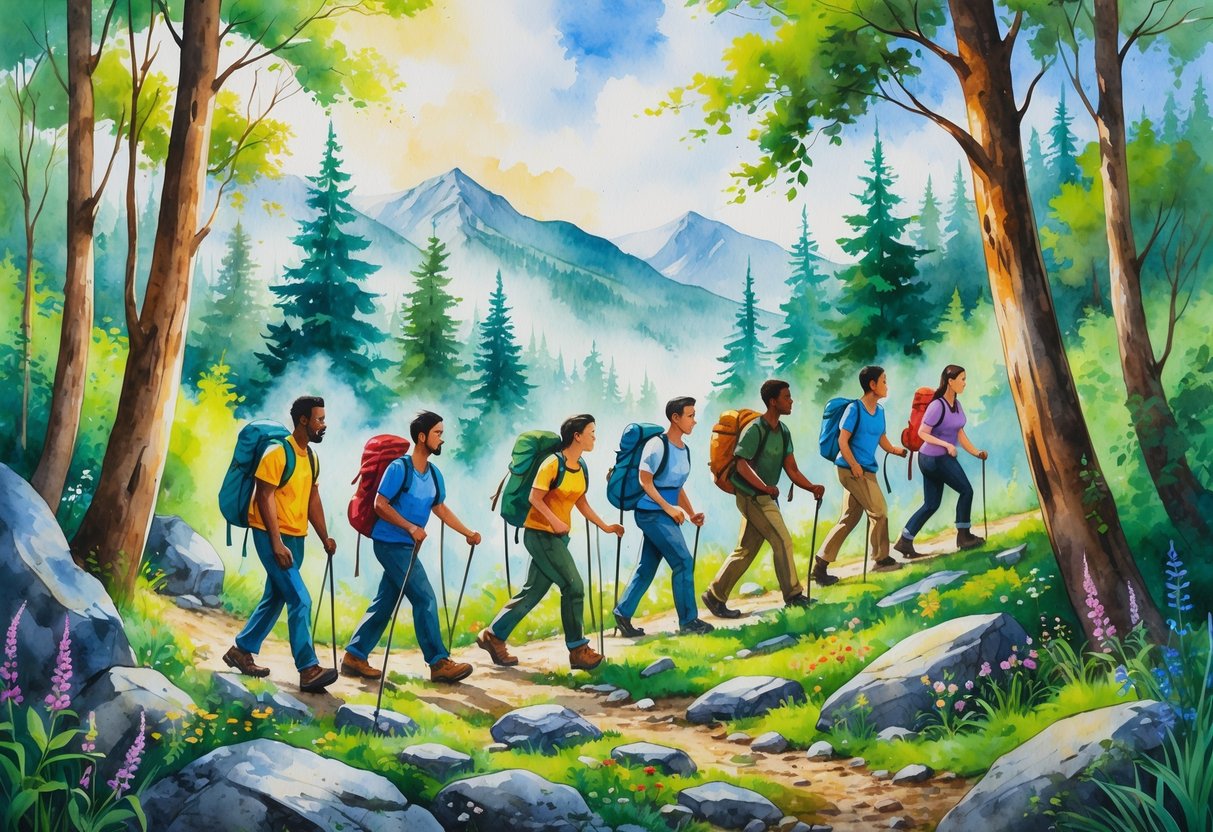
Group hiking is a practical hobby to improve your leadership and teamwork skills. When you hike with others, you learn how to communicate clearly and support group decisions.
This helps you practice listening and speaking up in group settings. You often need to plan and organize before a hike.
This includes choosing a trail, deciding what to bring, and making sure everyone is prepared. Taking on planning tasks can help you practice being responsible for others.
During the hike, you may face challenges like difficult paths or changing weather. Working together to solve problems, like finding the safest route or encouraging a tired teammate, teaches you how to handle real-life situations calmly.
These moments help build problem-solving skills and trust. As you walk together, you notice group dynamics and see how people react to different situations.
This can teach you how to motivate and support others in a group. Hiking with a group also encourages self-reflection and adaptability.
You learn to adjust when plans change or when someone needs help. These qualities are valuable for any leader.
Outdoors activities like group hikes are often used to foster team coordination and boost communication skills. By engaging in group hiking, you can develop skills that will help you lead, communicate, and work better with others.
10) Practicing mindfulness meditation for emotional intelligence

Practicing mindfulness meditation helps you develop better control over your thoughts and emotions. This hobby involves paying attention to your feelings in the present moment.
By doing this, you can learn to recognize and understand your own reactions better. Mindfulness can improve your ability to work with others and lead a team.
It teaches you to pause before reacting, making it easier to listen to others and respond calmly. This can help you become more patient and supportive when solving problems with your team.
Emotional intelligence is an important skill for good leaders. With regular mindfulness practice, you train your mind to notice when emotions are taking over.
This can make it easier to handle stress or disagreements in a healthy way. Leaders with high emotional intelligence are often better at making decisions and understanding the needs of their team.
Mindfulness meditation is a simple tool you can use to build these abilities. Even a few minutes each day can help you notice your emotions and respond thoughtfully.
Research suggests that mindfulness can increase emotional intelligence. You may find yourself becoming more self-aware and more in control of your actions over time.
To start, try sitting quietly and focusing on your breath for five minutes each day. Let your thoughts come and go without judging them.
Practices like this can build your attention and emotional control, which are key skills for leading others.
How Hobbies Enhance Leadership Skills

Practicing new hobbies helps you build self-awareness and group skills in real life. Each activity can give you chances to manage emotions, make quick choices, and work better with others.
Building Emotional Intelligence
Hobbies encourage you to pay attention to your thoughts and feelings. For example, activities like journaling or painting help you better understand your own emotions.
This self-reflection can lead to better self-control and patience. Group or team hobbies, such as volunteer work or team sports, teach you how to notice and respond to other people’s feelings.
This helps you develop empathy and active listening skills. Practicing empathy can make it easier to resolve conflicts and motivate others.
You may also learn how to accept feedback and adapt your behavior in social settings. These skills are vital for building trust and respect with your team.
Strengthening Decision-Making Abilities
Many hobbies require you to quickly weigh options and pick the best course of action. Strategy games, hiking, and sports are good examples.
These activities force you to analyze situations, anticipate problems, and take responsibility for the outcomes. You practice staying calm under pressure and learn to adapt when things do not go as planned.
If you enjoy strategic board games or chess, you improve your ability to plan ahead and think several steps in advance. Trying new hobbies also gives you a chance to learn from your mistakes without high risk.
This builds your confidence to make smarter choices at work and in life. For more information, you can check out how hobbies develop decision-making and leadership abilities.
Fostering Team Collaboration
Many hobbies involve working with others toward a shared goal. Team sports, group art projects, and even music bands teach you how to divide tasks and communicate clearly.
You learn to balance your ideas with those of other people. Hobbies like community service or collaborative games require coordination and trust.
You have to discover how to listen to teammates, handle disagreements, and celebrate wins together. Practicing these skills can improve your ability to lead diverse groups and solve problems as a team.
Good leaders use teamwork to get better results. Involving yourself in group hobbies will give you hands-on practice with motivating others, sharing praise, and working toward a common purpose.
For more examples of these practices in action, see 10 hobbies for better leadership.
Selecting the Right Hobby for Leadership Growth
Choosing a hobby for leadership growth means choosing activities that match your personal goals and needs. The right fit can help you develop skills like communication, decision-making, and resilience.
Aligning Personal Interests with Leadership Goals
To select a hobby that builds leadership skills, start by making a list of activities you enjoy and match those with the skills you want to improve. For example, if you want sharper communication skills, joining a debate club or taking drama classes might help.
If you need to get better at problem solving, puzzles or strategy board games can be effective.
Here’s a quick guide:
| Interest | Leadership Skill Targeted | Example Hobby |
|---|---|---|
| Communication | Public Speaking | Toastmasters |
| Teamwork | Collaboration | Team Sports |
| Creativity | Innovation | Painting |
Pick a hobby that excites you, but also aligns with the leadership traits you’d like to master. Staying interested makes it easier to stick with the activity and see real improvement over time.
Evaluating Long-Term Benefits
Think about what you want for your future roles as a leader. Some hobbies, like mentoring others, can help you grow your confidence and empathy for years to come.
Others, like regular exercise, support both your health and your ability to handle stress. You should also consider if the hobby can expand your professional network or bring you into contact with new challenges.
Activities that keep building skills and offer new learning will give you more value. For more ideas, you can look at lists of hobbies that can improve decision-making, creativity, and confidence through leadership activities outside work at Branding Superheroes.
Frequently Asked Questions
Hobbies like yoga, team sports, and volunteering can shape your leadership skills in practical ways. Activities such as reading and dancing also help you build discipline, communication, and self-awareness.
How can one cultivate leadership skills through hobbies?
You can grow your leadership skills by choosing hobbies that push you to take initiative and work with others. For example, leading a volunteer group or a sports team gives you practice in managing people and solving problems.
Yoga can help you become more self-aware, which is an important leadership trait.
What leadership qualities can be developed by engaging in extracurricular activities?
Taking part in extracurricular activities helps you learn teamwork and effective communication. These activities also foster responsibility.
Team sports encourage trust and handling pressure. Volunteering increases your ability to work with people from different backgrounds and builds empathy.
Which hobbies are best for enhancing leadership abilities in a work environment?
Playing team sports like basketball can make you better at teamwork and decision-making under pressure. Volunteering often teaches community leadership and social skills.
Reading leadership books can improve how you handle workplace challenges. They can also help you develop your communication skills, as shown in suggestions at Top 10 Hobbies of Successful Leaders That Boost Productivity and Success.
What types of hobbies can help students improve their leadership competencies?
Students can take up activities such as volunteering or joining clubs. Leading school projects is another way to build leadership skills.
Participating in sports teaches discipline and respect for rules. These hobbies give real experience with planning and motivating teams.
How do leadership games and activities contribute to skill development?
Leadership games let you practice making quick decisions and working as part of a team. Activities like group challenges help you learn how to coordinate plans.
They also help you communicate ideas clearly. These hobbies offer a safe setting to try new roles and strategies.
Are there specific hobbies that prepare individuals for adult leadership roles?
Certain hobbies can give you a strong base for leadership in adult life.
Volunteering builds community leadership and networking skills.
Practicing yoga helps you understand yourself and stay calm under stress.
Consistent reading improves communication and critical thinking, both needed for adult leadership responsibilities, as also highlighted by Branding Superheroes.