
10 Best Hobbies for Long-Winters in the Midwest: Enjoyable Ways to Stay Engaged in Leisure
Winter in the Midwest can feel long and cold, with fewer hours of sunlight and plenty of snow. Finding ways to stay busy indoors and outdoors helps you make the most of these months.
Choosing the right hobbies can keep you active, boost your mood, and help pass the time during Midwest winters. By exploring new activities, you can fight off boredom and enjoy the season more.
1) Cross-country skiing in Minnesota
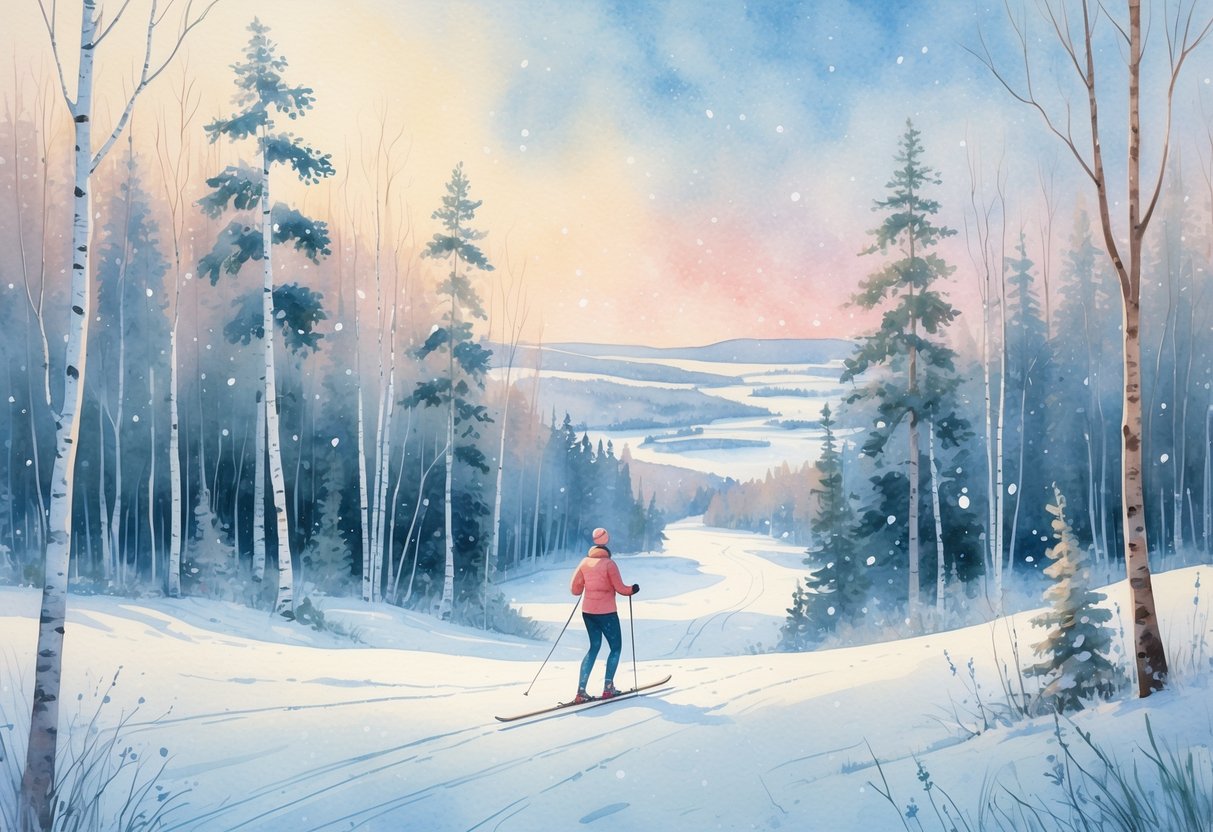
If you want to stay active during the cold months, cross-country skiing in Minnesota is a great choice. The state has hundreds of miles of groomed trails.
Many parks and forests offer routes for both new and experienced skiers. In Minnesota, you will find trails that wind through quiet forests, rolling hills, and even city parks.
Some popular trails are located in the Twin Cities, Duluth, and Lanesboro. State parks and regional parks often provide well-maintained paths for classic and skate skiing.
You need a Great Minnesota Ski Pass if you are 16 or older and plan to ski on groomed trails in state parks or forests. This pass helps keep the trails in good condition.
Many trails also have signs and maps to help you find your way. Some locations, like Lebanon Hills Regional Park in the Twin Cities, offer ski rentals and over 16 miles of trails.
This makes it easy to try out the sport even if you do not own gear. You just need to check for rental options before you go.
Cross-country skiing is good exercise and a peaceful way to enjoy the winter scenery. Skiers often spot wildlife and take in quiet, snow-covered landscapes.
All you need is warm clothing, basic equipment, and a sense of adventure. To learn more about local trails, check out guides for cross country skiing in the Twin Cities or see how to go cross-country skiing in Minnesota for more details about passes and state parks.
2) Snowshoeing at Indiana Dunes National Lakeshore
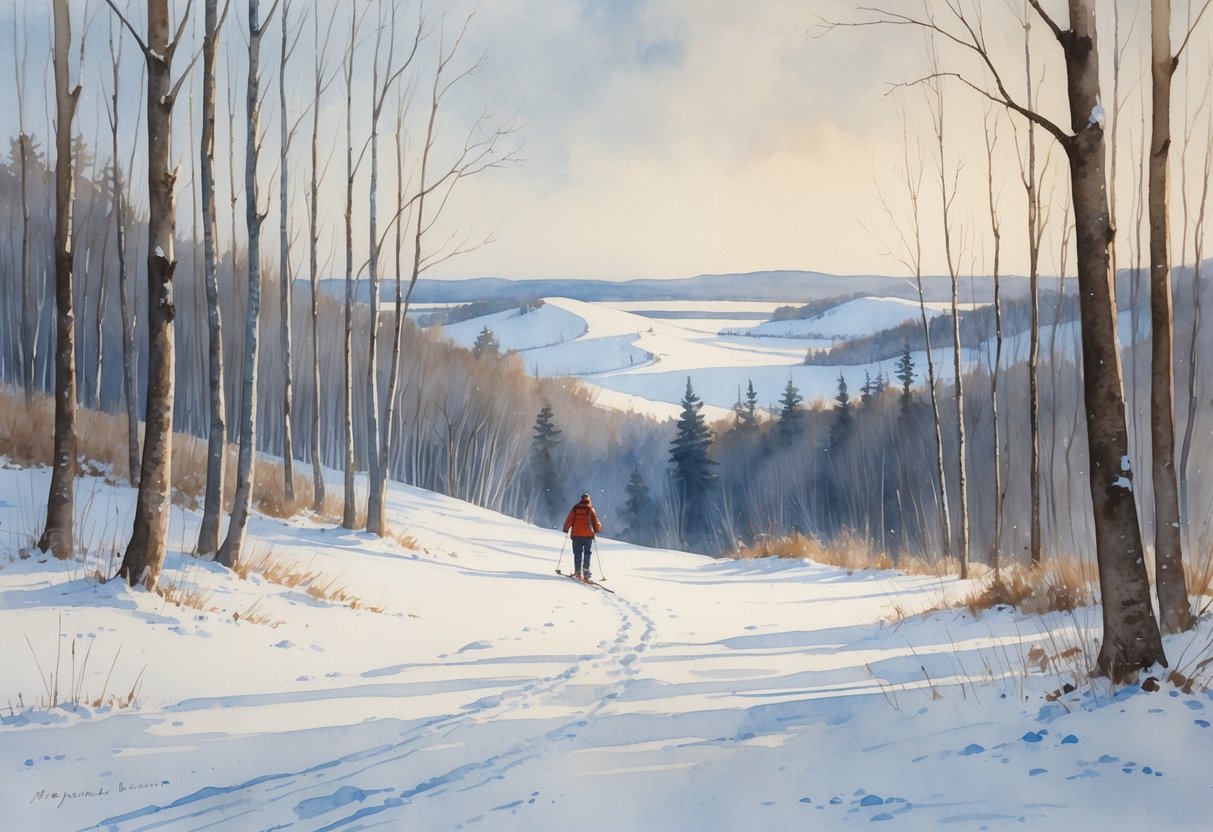
Snowshoeing at Indiana Dunes National Lakeshore is a practical way to enjoy the outdoors during Midwest winters. The unique landscape, with its rolling dunes and wooded areas, gives you a quiet place to get some fresh air and light exercise.
You do not need any experience to get started, making it a good fit for most people. You can bring your own gear or take advantage of free snowshoe rentals at the Paul H. Douglas Center.
Rentals are usually available every day from 9:00 am to 3:30 pm, as long as there is at least a two-inch base of snow. Be sure to call ahead, since conditions can change with the weather.
Several trails offer options for different skill levels. If you want a challenge or a longer trek, the Glenwood Dunes Trails provide several loops adding up to almost 15 miles of paths for snowshoeing and cross-country skiing.
These trails move through the woods and dunes, giving you a peaceful setting even on cold days. If you prefer shorter walks, there are also smaller loops available.
The area is open to visitors of all ages, and you can choose how much or how little activity you want. Check Indiana Dunes National Park’s winter activities page for updates or tips about the current conditions.
Indiana Dunes is a good choice if you want to try a winter hobby without traveling far from home. With easy access to gear and a wide mix of trails, you can make snowshoeing a regular part of your winter routine.
If you are new to the hobby, staff at the park are often able to give you quick advice or recommendations about where to start.
3) Ice fishing in North Dakota
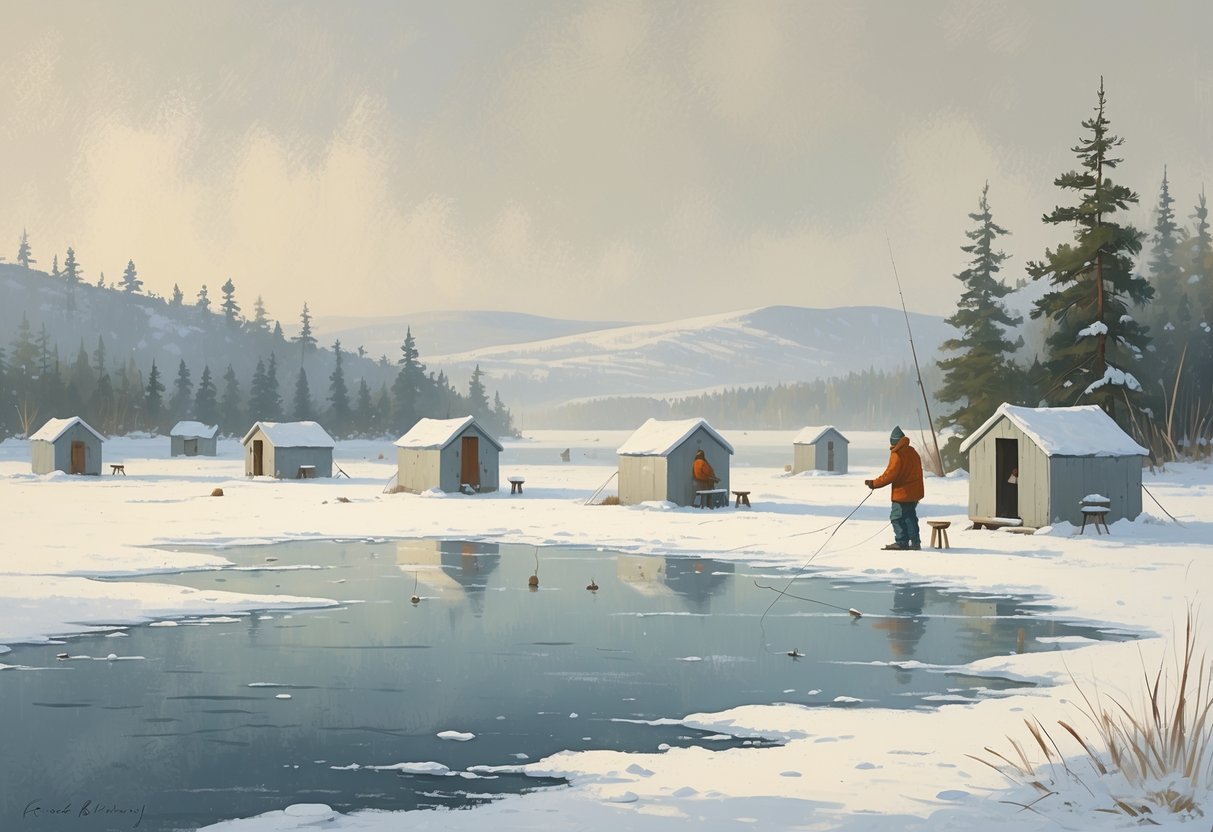
If you are looking for a classic winter hobby, ice fishing in North Dakota is a great choice. The long, cold winters make the state perfect for this popular activity.
You can expect thick ice, wide lakes, and plenty of fish under the surface. Devils Lake is the most famous ice fishing spot in North Dakota.
The lake is known for large perch, abundant walleye, and trophy pike. Each winter, anglers travel here hoping to catch impressive fish through the frozen surface.
You can find more about the top ice fishing lakes in North Dakota. Near Bismarck, you have several good options as well.
Popular lakes around the city give you easy access, whether you are new or experienced in ice fishing. Local anglers often target walleye, perch, and northern pike.
Check out the top places to go ice fishing near Bismarck. You will need an ice auger to drill a hole and a sturdy shelter to block the wind.
Dress very warmly since temperatures can be extremely cold. Always check ice conditions before heading out to make sure the ice is safe.
Many people in North Dakota look forward to ice fishing every year. It is a chance to get outdoors, enjoy the quiet, and try for a big catch.
If you want to spend time outside during winter, this hobby is worth a try.
4) Winter hiking in the Upper Peninsula of Michigan
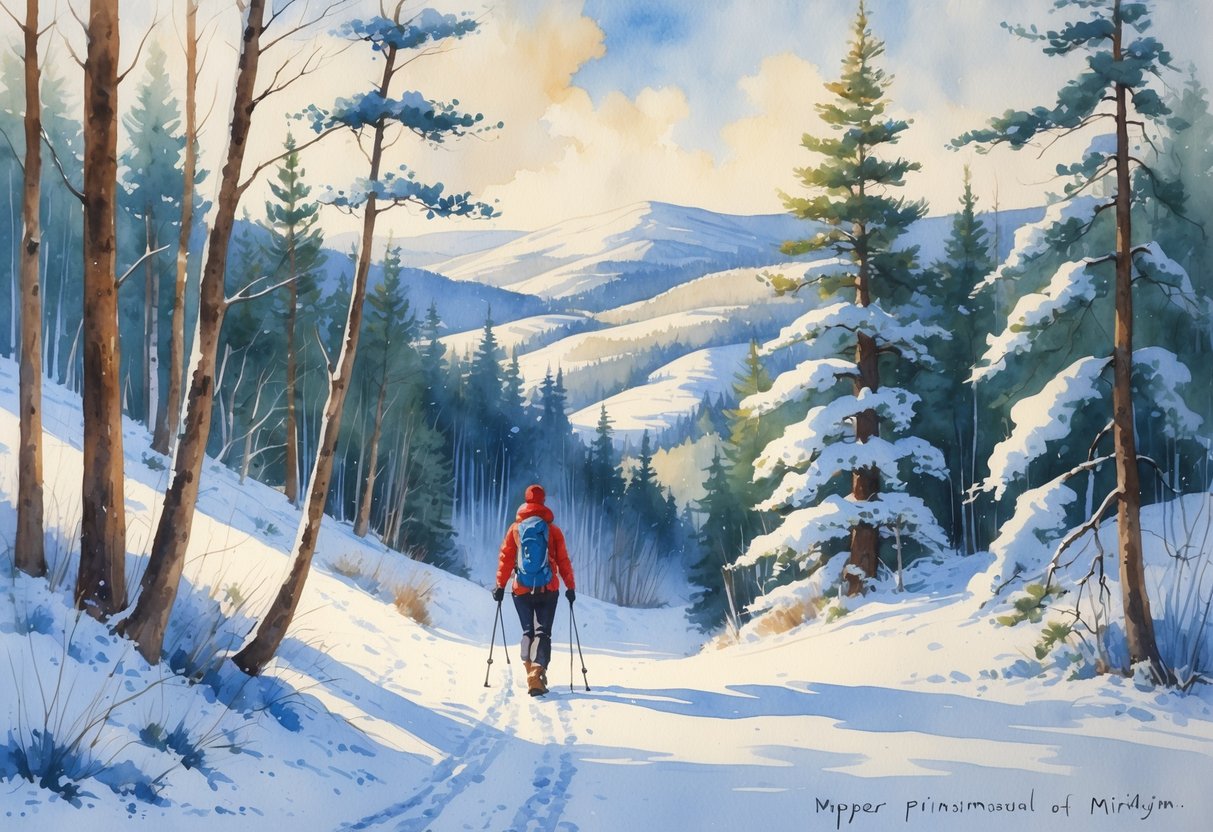
Winter hiking in Michigan’s Upper Peninsula gives you a quiet and unique way to enjoy the snowy season. The natural beauty in this region stands out even more when fresh snow covers the trails, trees, and rocky cliffs.
You can explore places like the Eben Ice Caves, where you’ll find clear blue ice walls and sparkling icicles. These ice formations create a different landscape every year.
Hiking to the caves takes you through peaceful forests and open fields, adding to the adventure. Munising Falls and several other spots along the shore of Lake Superior also look stunning in winter.
Frozen waterfalls and thick snow along the trails make the experience memorable. Trails like the Sugarloaf Mountain Trail offer shorter hikes with rewarding views, so you can pick an option that matches your comfort and experience level.
For more details about top winter hikes and famous trails, you can visit this guide to Upper Peninsula winter hikes. Winter hiking in this area does require preparation.
Be sure to dress in layers, wear sturdy boots, and bring safety gear. It’s also a good idea to check the weather and trail conditions before you set out.
If you enjoy cold-weather hikes, you’ll find beautiful views and peaceful surroundings at many local parks and natural areas. No matter your experience, winter hiking in this part of Michigan can add a special hobby to your winter routine.
If you want to explore more, check out these winter hiking tips and places to help plan your trip.
5) Baking artisan bread at home
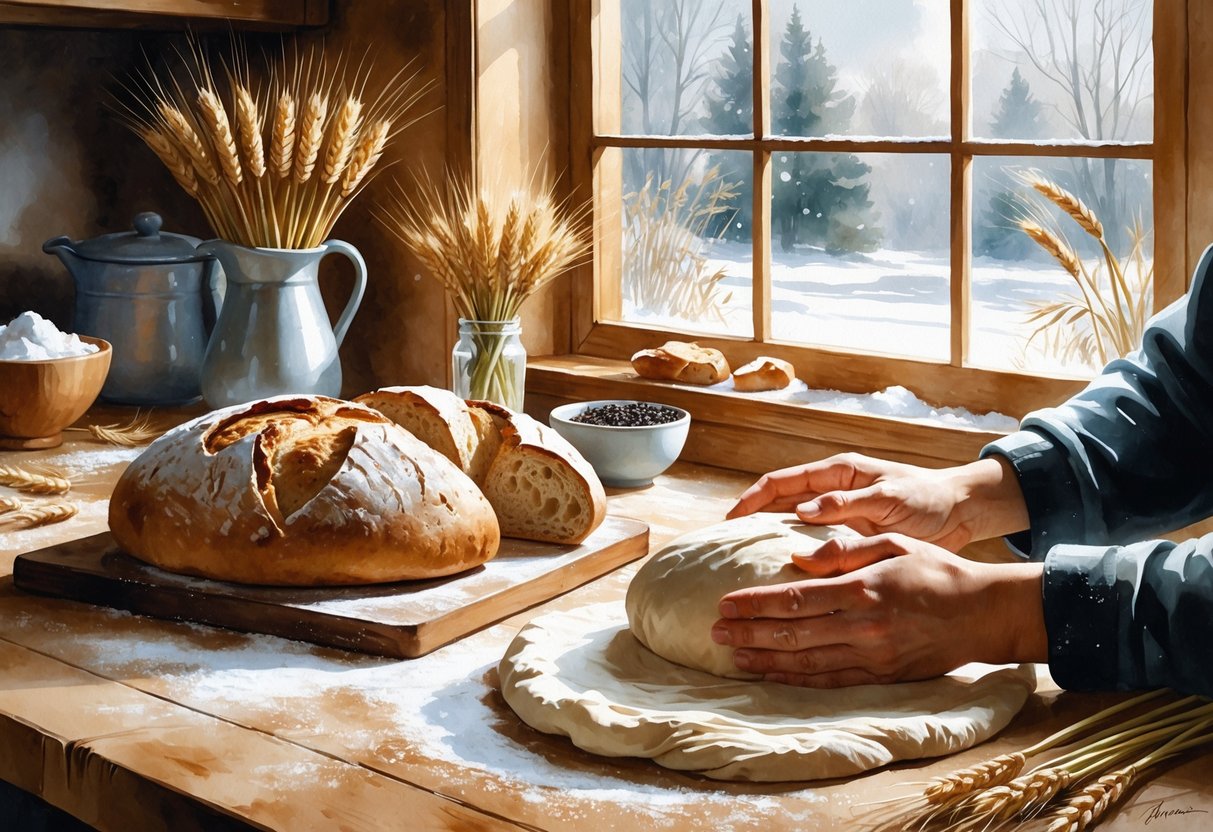
Baking artisan bread at home is a great way to spend time during long winter months. It only takes a few basic ingredients, like flour, yeast, water, and salt.
You can use tools you already have, such as a basic baking sheet or a Dutch oven. You don’t need special equipment to start.
Even if you don’t have a bread machine or stand mixer, you can still make tasty bread by hand. A simple no-knead method is easy to learn and doesn’t take much effort.
Mixing and shaping the dough by hand is straightforward. Handling the dough gently during shaping helps create a soft and airy inside.
For a crispy crust, try placing a tray of hot water in your oven or spritzing the loaf with water before baking. Letting your dough rise long enough is important for good texture.
If your loaf turns out dense or flat, it might need more time to proof, or a bit more water. Watching the dough instead of relying only on the timer helps you know when it’s ready for the oven.
Baking bread can smell comforting on a cold day. It’s easy to experiment with different recipes or flours, like whole wheat or rye.
You can also try making sourdough by using a simple starter made from just flour and water. Fresh bread is nice to share with family or friends.
It’s a simple way to bring a little extra warmth to your kitchen during winter. For steps and tips, check out this simple bread recipe and more advice on artisan bread baking.
6) Taking online courses on platforms like Masterclass

When winter days feel long and dark, learning something new can help you feel engaged and motivated. Online courses make it easy to build new skills or dive into topics you care about, all from the comfort of your home.
Platforms like MasterClass offer classes taught by well-known experts in many fields, such as cooking, writing, acting, and science. The lessons are professional and organized, so you can work through them at your own pace.
If you want even more options, other websites like Udemy and CreativeLive also provide a wide range of online learning opportunities. Some focus on creative skills, while others are great for business or personal growth.
Many classes don’t need special supplies, just a computer or tablet and internet access. You can watch videos, complete activities, and sometimes join online communities to discuss what you’ve learned.
Online learning can help you build confidence and meet people who share your interests. Some courses even offer certificates you can use in your education or career.
Online courses are a practical choice for anyone looking to stay curious and active indoors during a Midwest winter. You have the freedom to try something new or improve a skill you already enjoy.
7) Visiting cozy small towns like Galena, Illinois
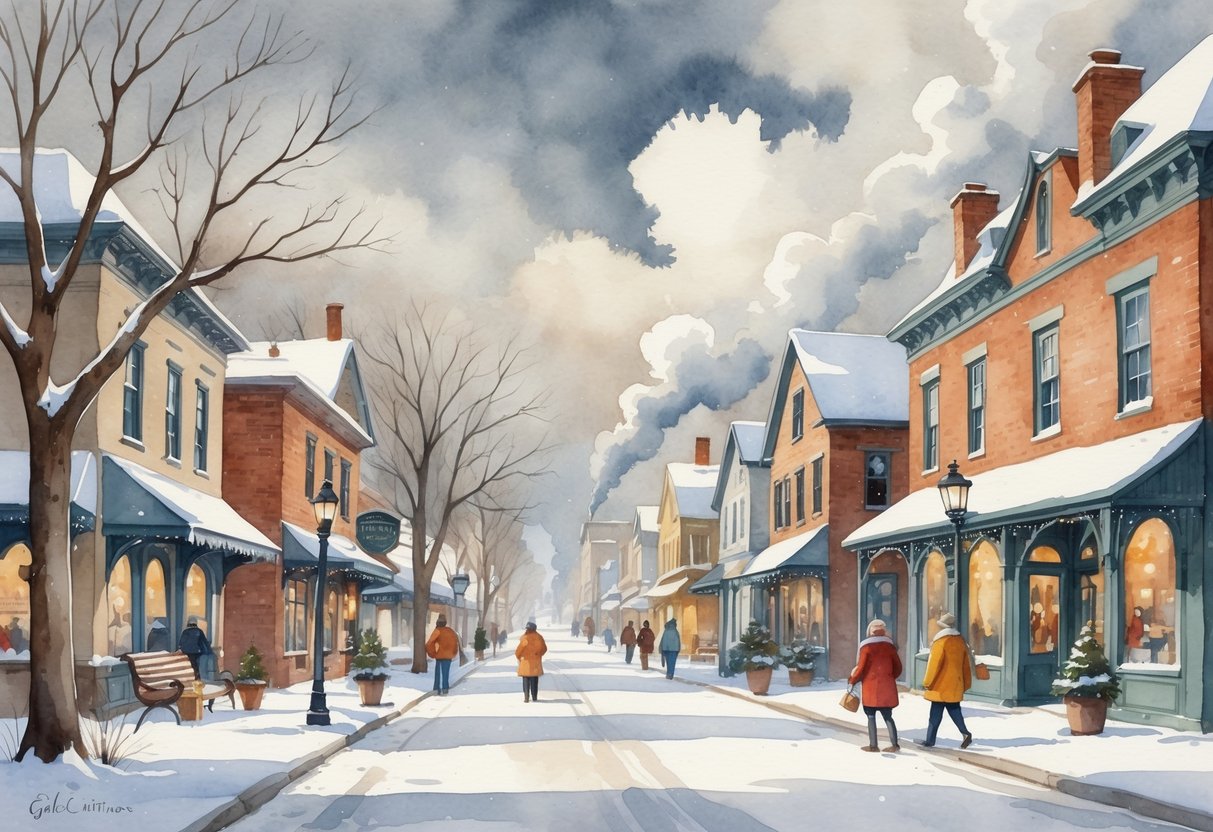
During long Midwest winters, exploring small towns is a relaxing way to spend your free time. Towns like Galena, Illinois, are known for their historic charm and peaceful atmosphere.
Galena has a beautifully preserved 19th-century downtown. Brick buildings, boutique shops, and cafes line the main street.
You can spend hours browsing unique stores or enjoying homemade treats. The small-town scenery adds to the peaceful experience.
In winter, Galena is especially cozy. Snow covers the rolling hills and historic houses, making the town look picture-perfect.
Many local inns have fireplaces and offer hot cocoa to warm you up after a walk outdoors. If you enjoy history, Galena has plenty to offer.
The town is famous for its architecture and well-kept landmarks. You can visit museums or walk past homes that have stood since the Civil War era.
Meeting local shop owners and residents can add to your experience. People here are welcoming and proud to share their town’s traditions.
Special winter events, like holiday markets or local festivals, give you a chance to see the community come together. Galena is not the only small town worth visiting.
The Midwest has many others with similar charm, such as Geneva and Freeport in Illinois. You can find recommendations for more small towns near Galena if you want to plan a whole weekend of exploring.
8) Exploring frozen Lake Michigan shelf ice
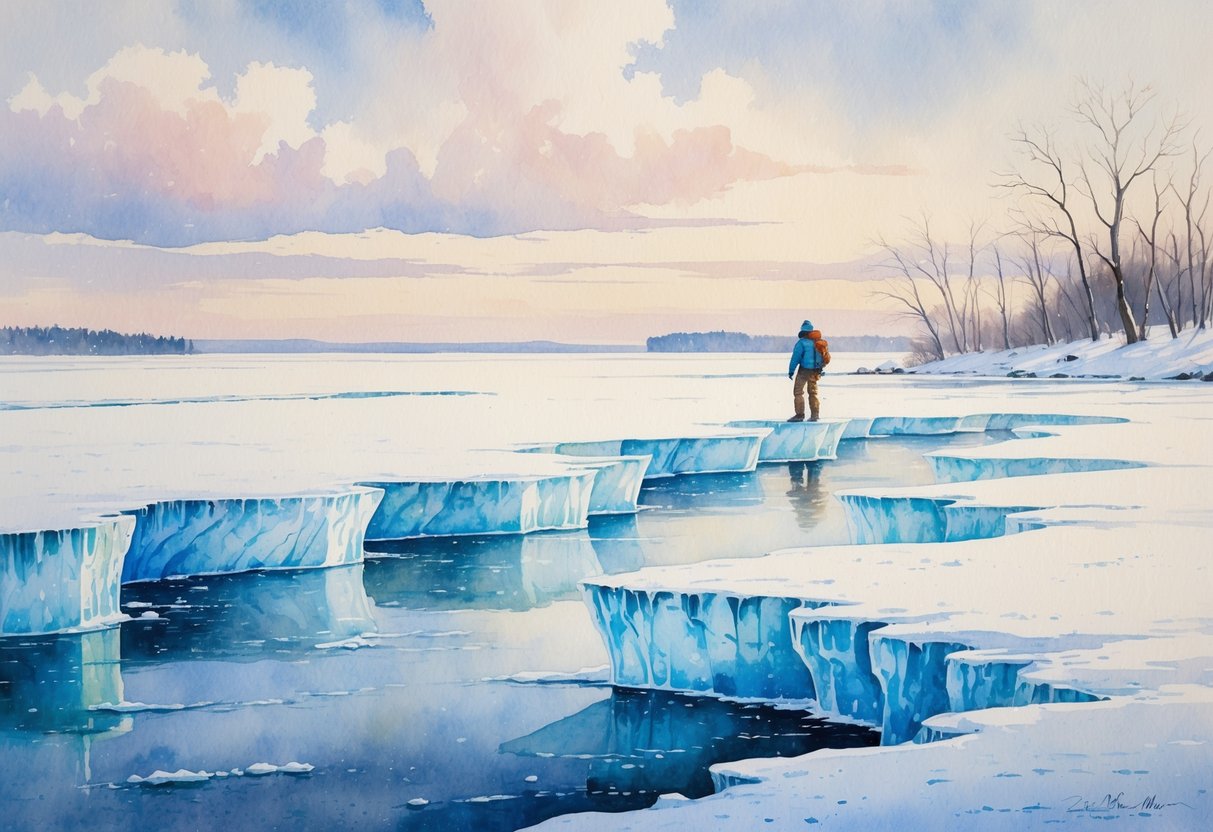
If you live near Lake Michigan, winter brings the unique chance to see shelf ice along the shore. Shelf ice forms when waves push floating pieces of ice together, creating thick, bumpy piles that stretch out over the lake.
The frozen landscape looks very different from the lake in summer. Shelf ice can rise several feet above the water, with cracks and uneven surfaces.
Sometimes you see shapes that look like little volcanoes or cones, formed by freezing spray and waves. It’s tempting to walk on this ice, but you need to be extremely careful.
Shelf ice may look solid, but it is often unstable and can have hidden holes or thin spots. The ice is not actually attached to the lake bottom and may break suddenly under your weight.
Water is still moving under the ice, and falling in can be very dangerous. Fire departments and park rangers often warn people to stay off shelf ice for safety.
If you want to see it up close, choose areas with designated viewing points or stick to safe, dry land. You can take photos and watch the waves shape the ice without risking a fall.
Indiana Dunes National Park is a good place to view shelf ice in winter. You can call ahead to check conditions before you visit.
Remember, even though shelf ice is beautiful, safety comes first. Read more about how shelf ice forms and its risks at the Indiana Dunes National Park and in safety warnings from local departments in Michigan.
9) Indoor pottery classes
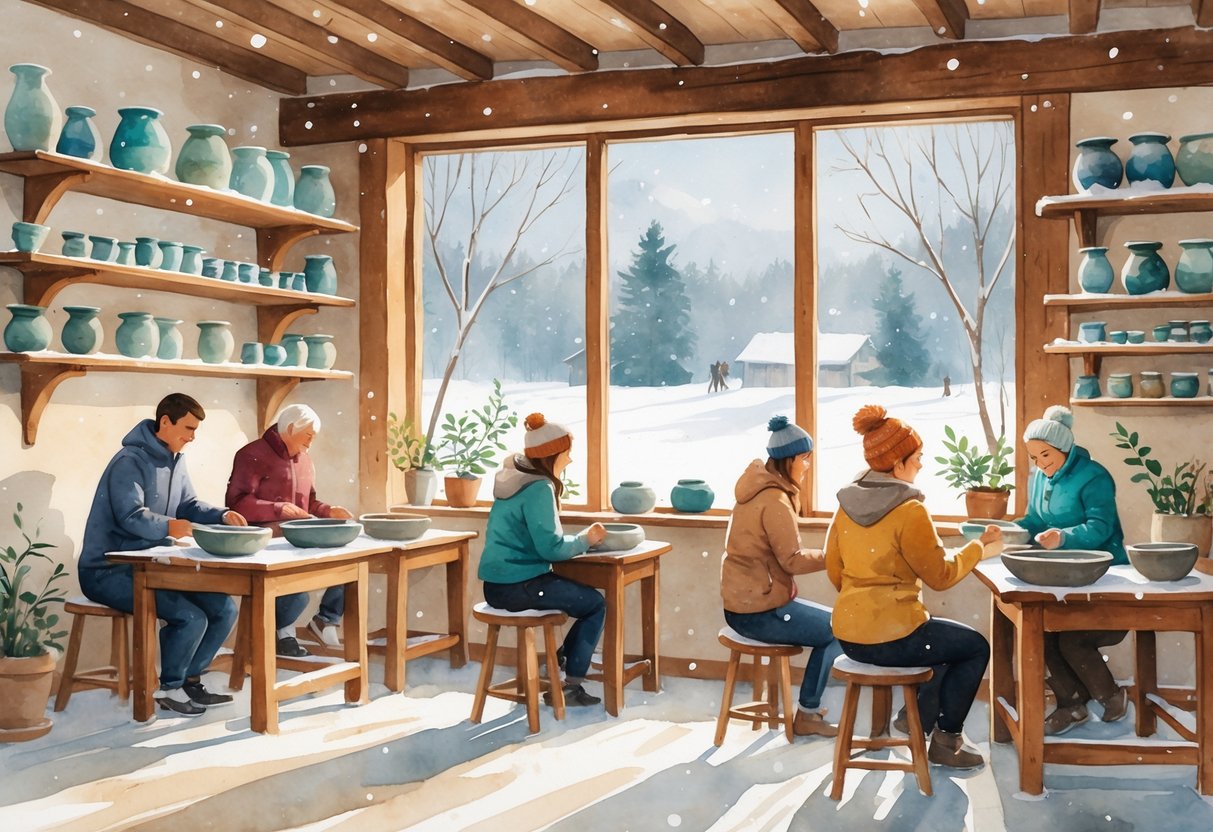
Indoor pottery classes are a warm and creative way to spend long winter months. You get to use your hands, shape clay, and see your progress with each new project.
The process is relaxing and lets you shape something useful or colorful for your home. No special experience is needed to start.
Most studios offer beginner classes and provide everything you need. You just need to show up and try your best.
Pottery is good for working on focus and patience. Each step, from shaping the clay to glazing, teaches you something new.
You may also find it rewarding to see a finished bowl, mug, or small sculpture that you made yourself. Joining a class is a chance to meet people with similar interests.
Sharing tips and seeing others’ work can help you learn and get new ideas. The group atmosphere often makes the classes more lively and fun.
Many cities in the Midwest, even smaller towns, offer pottery classes at local art centers or community colleges. If you want more options, check out pottery classes near you, which are available in many locations.
Indoor pottery is mostly done in a warm studio, away from the cold weather. This makes it an appealing choice when you want to stay active but avoid the winter chill.
You might even end up making handmade gifts for friends or family. Pottery projects add a personal touch that store-bought items often lack.
10) Playing strategy board games
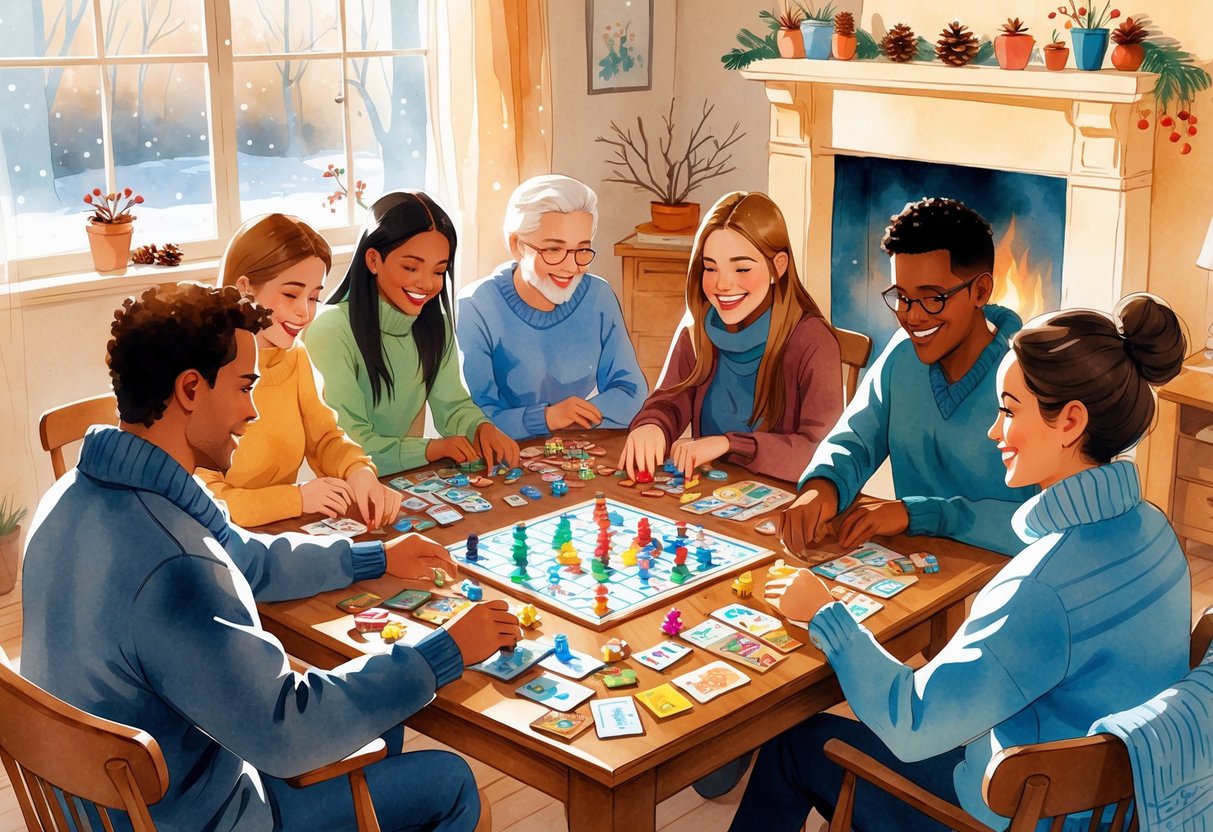
Playing strategy board games is a great way to pass the time during long Midwest winters. You can gather with friends or family and challenge each other with different games that require careful planning and smart moves.
Games like Risk, Settlers of Catan, and Codenames are well-suited for winter days. These games offer a mix of competition and teamwork that keep players engaged for hours.
Risk involves controlling territories on a world map, while Codenames focuses more on creative thinking and word association. Many strategy board games work well for small or large groups.
If you want a classic experience, Risk is a good choice for ages 10 and up and lets you play for two to six hours, depending on your group. Modern options like The Castles of Burgundy can be enjoyable and usually take less time to finish.
Strategy board games can help you improve your problem-solving and communication skills. You need to think a few steps ahead, pay attention to what others do, and adjust your own plans.
These challenges make each game feel different every time. You do not need to be an expert to have fun.
Many popular strategy games have simple rules, but they still offer plenty of depth and excitement. Some games, such as Ticket to Ride or Tsuro, take only about an hour and are easy to learn.
New releases and classic favorites are available at local stores and online. Lists like the top 50 strategy board games of 2025 or overviews of best strategy board games can help you pick something new to try.
Factors to Consider When Choosing Winter Hobbies
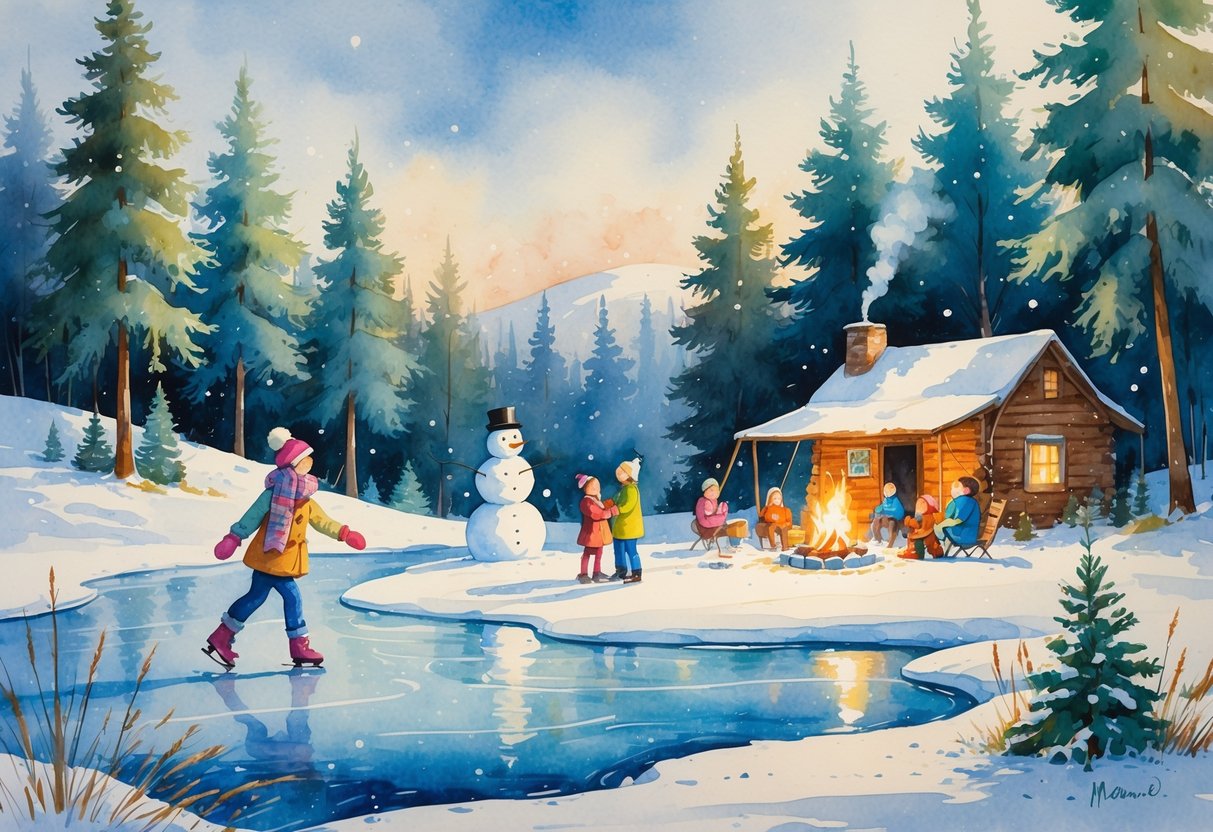
Picking the right winter hobby depends on your living situation, your interests, and your daily schedule. Your budget and access to equipment or materials can also play a big role in what you decide to try.
Indoor Versus Outdoor Options
Indoor hobbies are especially popular in the Midwest, where winter weather can include snow, ice, and freezing temperatures. These hobbies—like reading, painting, or indoor gardening—offer comfort and shelter from harsh conditions.
You can try baking, puzzles, or learning a new musical instrument from the warmth of your home. Outdoor hobbies, on the other hand, let you make the most of snowy days.
Think about skiing, snowshoeing, or birdwatching. Bundle up in layers to stay warm and safe.
Outdoor activities can boost your mood by giving you fresh air and sunlight, but you’ll need proper gear to protect yourself from the cold. Here’s a quick comparison:
| Indoor Hobbies | Outdoor Hobbies |
|---|---|
| Board games | Cross-country skiing |
| Knitting | Ice skating |
| Puzzle-solving | Winter hiking |
You may enjoy a mix of both, depending on the weather and how you feel each day.
Budget and Accessibility
Your budget is important when picking new hobbies. Some winter pastimes, such as reading or writing, require very little money.
You can borrow books from your local library or use free online resources. Other hobbies need special equipment or fees.
Winter sports like skiing might need you to buy or rent gear and pay for access to trails or parks. Consider what is realistic, and look for discounts or community events that make these hobbies more affordable.
Accessibility is also key. If you have limited mobility or do not drive in winter weather, indoor hobbies are often the easiest to access.
Community centers and online hobby groups can help you stay engaged without high costs or travel. For more ideas, these winter hobbies for all ages are good examples that cover various budgets and needs.
Benefits of Staying Active During Long Midwest Winters
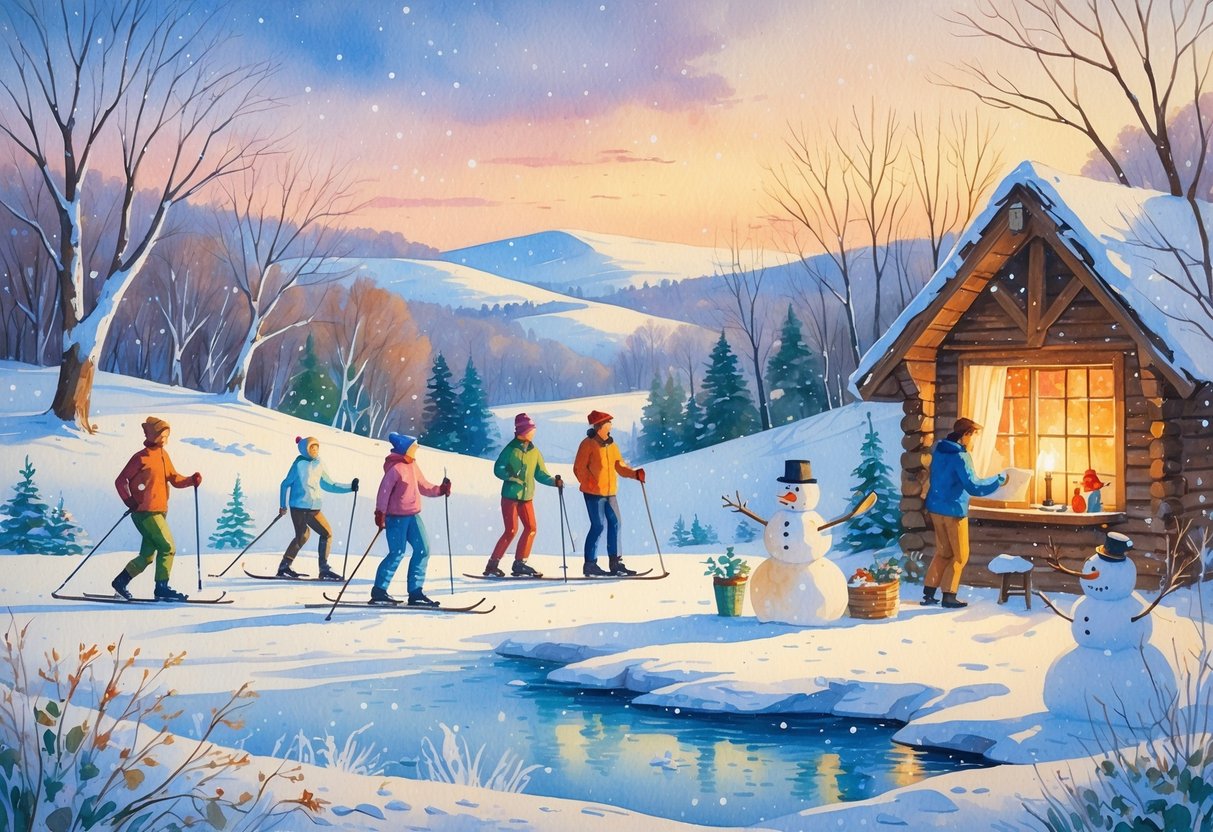
Staying physically and mentally engaged in the winter months supports your health and mood. Even short, simple activities can make a noticeable difference in daily life.
Physical Health Advantages
When you stay active during winter, your body maintains strength and energy. Movement helps your heart and lungs work better, which is important for keeping your immune system strong.
Activities like walking, ice skating, and indoor group classes can help lower your risk for cold-weather weight gain and heart disease. Winter hobbies often make you move more than you realize.
Snowshoeing, sledding, and even shoveling snow count toward the recommended 150 minutes of physical activity each week. These activities help control blood pressure, improve circulation, and keep joints flexible.
Some specific benefits of staying active include:
- Better balance
- More energy throughout the day
- Reduced risk of illness
- Higher calorie burn
Even low-impact hobbies such as yoga or bowling keep different muscle groups strong and reduce stiffness over time.
Positive Impact on Mental Wellbeing
Staying active when it’s cold can make you feel less stressed and more awake. Exercise helps your brain release chemicals like endorphins, which improve your mood.
Activities like hiking, skating, or group fitness classes are proven to lower anxiety and help you sleep better at night. Spending time outdoors in winter, even just for a walk, can help you avoid the “winter blues.”
Social activities with family or friends—like bowling, mall walking, or community events—help fight loneliness and keep your mind sharp.
Trying new winter hobbies gives you something to look forward to, keeps your days structured, and makes winter feel shorter. Staying mentally engaged is just as important as keeping your body moving.
For more ideas, see these fun winter hobbies to keep you active.
Frequently Asked Questions
Long Midwest winters can be a great time to explore new hobbies, get creative, and enjoy time with others. Indoor and outdoor activities both offer different ways to stay engaged, active, and social.
What are some engaging indoor hobbies suitable for long winters?
You might enjoy learning to bake artisan bread or trying out new recipes. Reading, puzzle solving, and crafting are also rewarding choices for colder months.
If you like music or art, winter is a good season to start learning an instrument or painting.
How can couples enjoy their time together with winter hobbies in the Midwest?
Couples can bake at home, join book clubs together, or take online classes in cooking or art. Staying active outdoors, like snowshoeing or winter hiking, lets you spend quality time with each other while exploring nature.
What winter activities can adults take up at home in the Midwest?
Baking bread, working on crafts, or writing can help you pass the winter productively. Many adults also enjoy setting up small indoor gardens or joining virtual meetups to stay social while at home.
Which hobbies are particularly popular in the Midwest during the winter season?
Cross-country skiing is a favorite in Minnesota. Ice fishing is popular in North Dakota.
Winter hiking in Michigan’s Upper Peninsula gives you fresh air and great views. Baking artisan bread at home is gaining more fans each year.
What indoor pastimes are recommended for men to stay active in winter?
Strength training, home workouts, and yoga can keep you moving when it’s too cold outside. Many men also enjoy woodworking, reading, or taking up model building projects indoors during winter.
Can you suggest creative winter hobbies for individuals over 40?
You might try journaling or knitting.
Starting a collection like stamps or coins can be enjoyable.
Painting or photography are creative options.
Taking online classes for new skills is a rewarding way to use your winter free time.