10 Best Hobbies for Park Rangers During Downtime: Fulfilling Activities to Enhance Your Off-Duty Hours
Park rangers spend their workdays protecting natural spaces and helping visitors connect with the outdoors. But when the trails quiet down and the day’s duties end, rangers need ways to relax and recharge.
The right hobbies can help you unwind while also building skills that support your career.
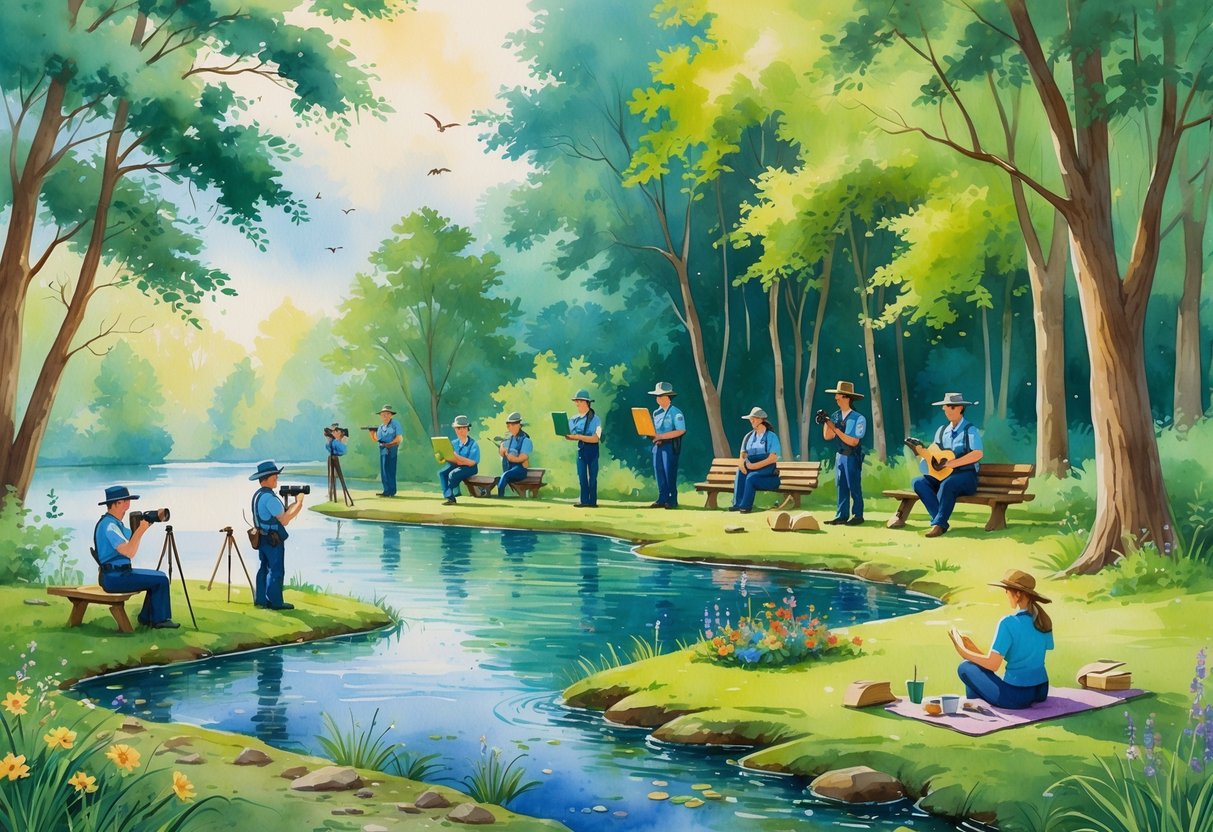
Finding hobbies that match your interests and schedule can improve both your personal life and your effectiveness as a park ranger. Some activities let you explore creative outlets like sketching or photography.
Others help you deepen your knowledge of wildlife, plants, and conservation. Many rangers choose hobbies that keep them connected to nature even during their time off.
This guide covers ten hobbies that work well for park rangers during downtime. You’ll find options for learning new technical skills, staying active outdoors, and contributing to conservation efforts.
Whether you want to build job-related abilities or simply enjoy your free time, these activities offer practical ways to make the most of your off-duty hours.
10) Learning Local History and Culture
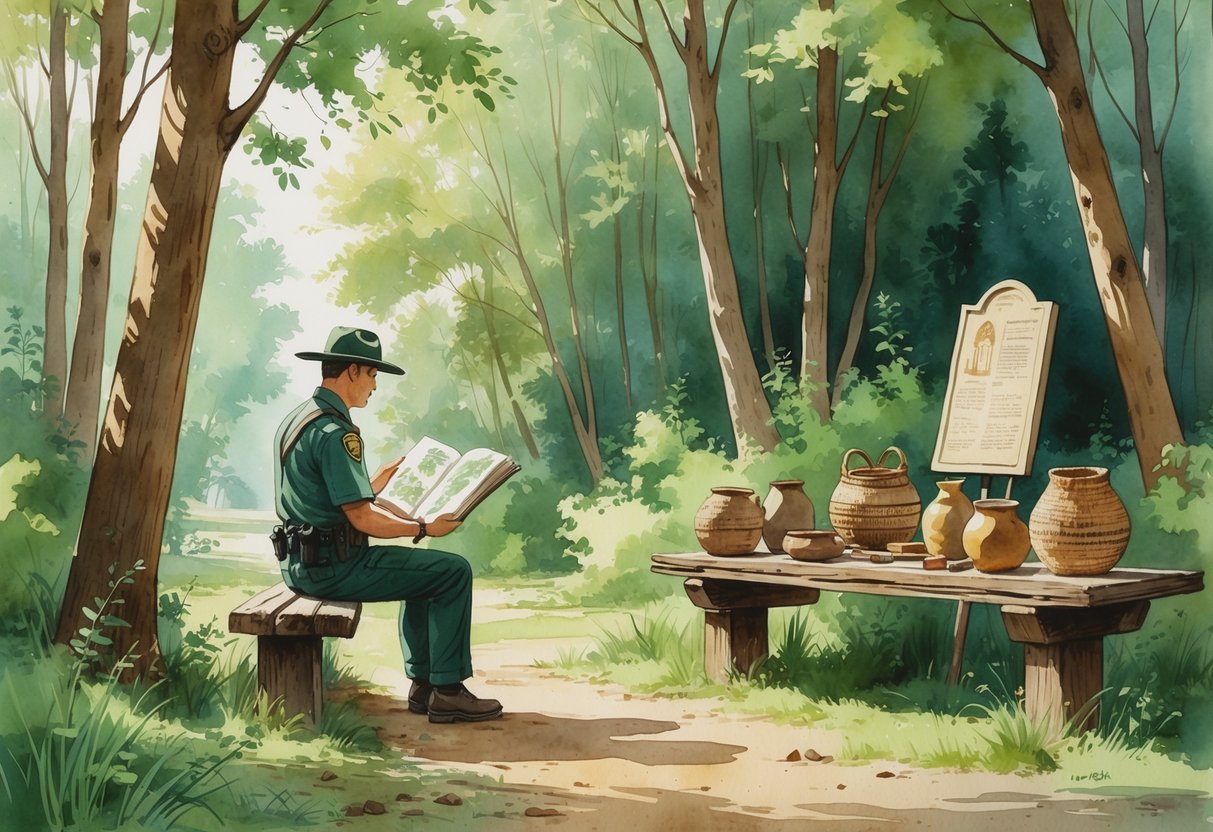
Park rangers spend their days surrounded by places rich with stories from the past. During downtime, you can dive deeper into the history and culture of your park and its surrounding areas.
This hobby turns your workplace into a personal classroom. You can start by reading books and documents about your park’s history.
Many parks have archives with old photographs, journals, and records that show how the area looked and functioned years ago. These materials help you understand the changes that happened over time.
Talking with longtime residents near the park gives you insights you won’t find in books. They often share personal stories and memories that add depth to the official history.
These conversations help you connect past events to present-day features of the park. You can also explore nearby historical sites and museums on your days off.
This expands your knowledge beyond your park’s boundaries. Understanding the broader regional history helps you see how your park fits into the larger story of the area.
Learning local culture includes studying the traditions and practices of communities connected to the land. Many parks sit on land that holds significance for Indigenous peoples or early settlers.
Respecting and understanding these connections makes you a better ranger. When you understand the history deeply, you can answer questions with confidence and share meaningful stories during programs.
9) Practicing Outdoor Sketching
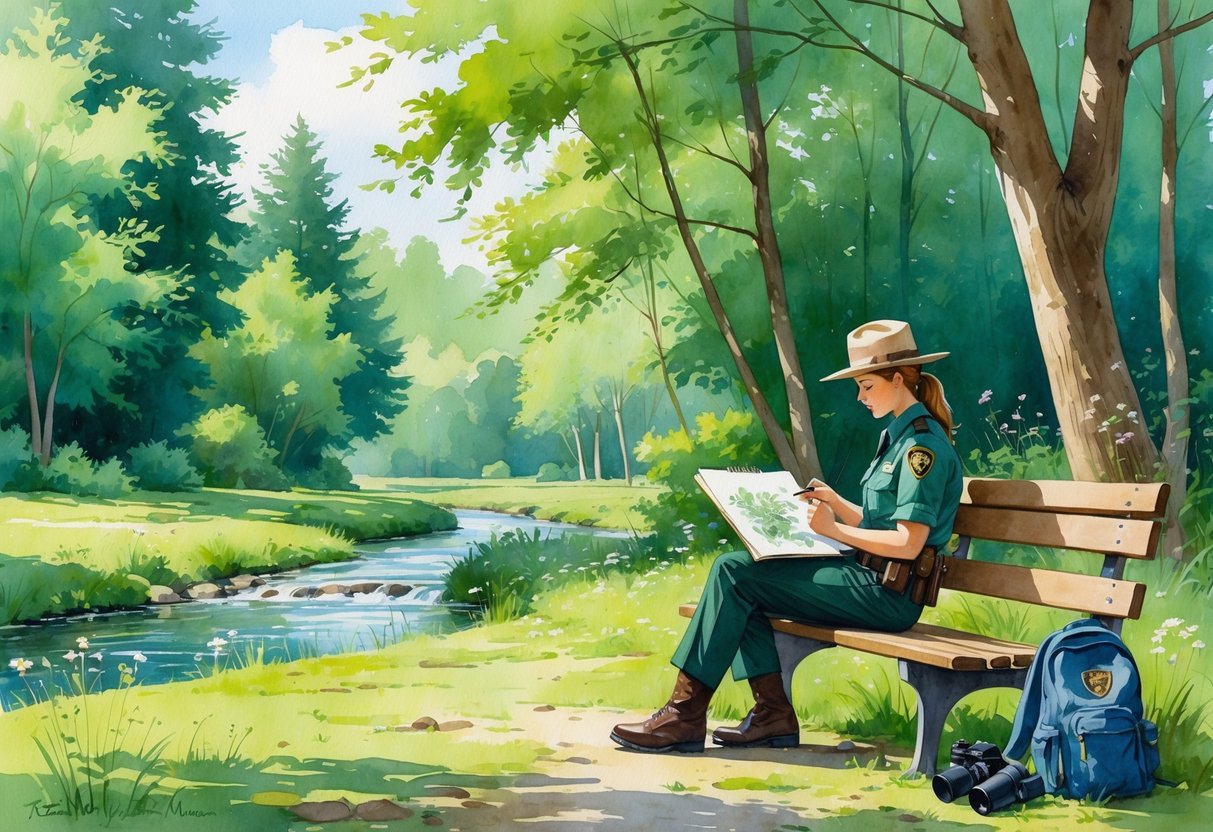
Park rangers spend their days surrounded by natural beauty. During downtime, outdoor sketching lets you capture that beauty while developing a valuable skill.
Sketching outdoors connects you directly with your surroundings in a new way. You’ll notice details about plants, animals, and landscapes that you might otherwise miss.
This practice sharpens your observation skills, which can help you in your ranger duties. You don’t need expensive supplies to start.
A simple sketchbook and pencil are enough to begin. As you get more comfortable, you can add pens, colored pencils, or watercolors to your kit.
The key to building this hobby is consistency. Set aside specific times during your breaks or days off to sketch.
Even 15 minutes of practice helps you improve over time. Start with simple subjects like a single tree, rock formation, or plant species.
You can sketch the same subject in different lighting or weather conditions. This helps you understand how natural elements change throughout the day.
Your sketches can serve practical purposes too. You might document rare plant species, record trail conditions, or create visual references for educational programs.
Some rangers use their sketches in interpretive displays or social media posts about the park. Working outdoors adds natural challenges like wind, changing light, and weather.
These conditions actually improve your skills faster than drawing in a controlled environment. You learn to work quickly and capture essential details.
8) Writing Educational Blog Posts
Writing educational blog posts lets you share your knowledge with a wider audience beyond park visitors. You can write about topics you know well, like wildlife behavior, trail safety, or conservation efforts.
This hobby builds on your ranger skills while helping people learn about nature from home. Park ranger blogs are popular resources that readers follow for reliable information.
You bring a unique perspective because you work directly with the parks and their ecosystems. Your firsthand experiences make your content more authentic than generic nature articles.
Starting a blog requires minimal equipment. You just need a computer and internet connection.
You can write during quiet shifts or on your days off. Many rangers find writing relaxing after spending time outdoors.
This hobby also helps you develop new professional skills. Writing regularly improves your communication abilities.
You learn to explain complex topics in simple terms that anyone can understand. These skills transfer back to your interpretive programs and visitor interactions.
You can focus your blog on specific topics that interest you most. Some rangers write about hiking tips while others cover wildlife photography or environmental issues.
Pick subjects you feel passionate about and knowledgeable in. Your blog posts create a lasting educational resource.
Unlike spoken programs that end when visitors leave, your articles stay online for years. People around the world can benefit from your expertise.
You might even inspire future rangers or park supporters through your writing.
7) Volunteering for Conservation Projects
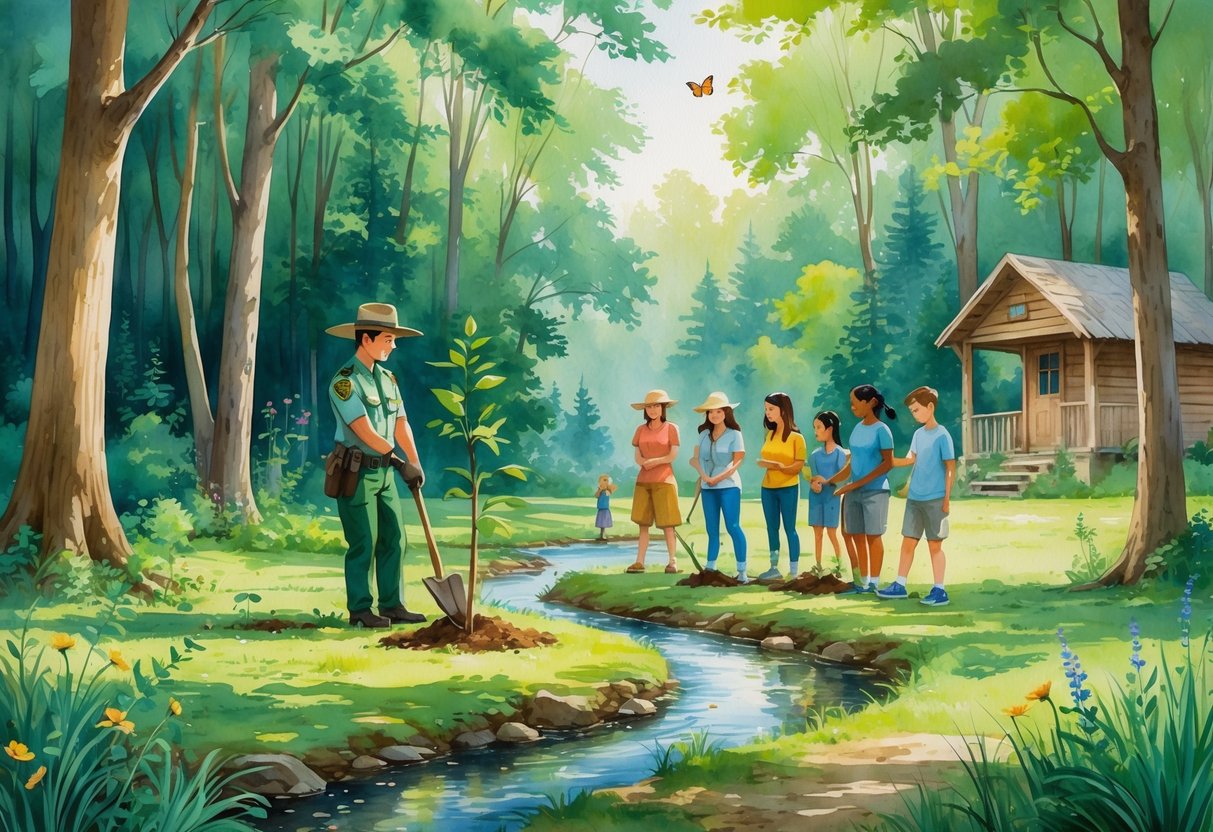
Park rangers can use their downtime to volunteer for conservation projects that align with their professional skills and passion for nature. These opportunities allow you to contribute to environmental protection efforts while expanding your knowledge and network within the field.
You can find volunteer positions through multiple channels. The National Park Service runs a Volunteers-In-Parks program that offers options ranging from single-day projects to long-term commitments.
State parks and environmental organizations also recruit volunteers for various conservation tasks. Conservation volunteer work covers diverse activities.
You might assist with wildlife monitoring, habitat restoration, or trail maintenance. Educational programs often need volunteers to help teach visitors about environmental topics.
Some positions involve administrative work that supports park operations behind the scenes. Your existing ranger skills make you a valuable volunteer.
Your understanding of park management, visitor safety, and natural resource protection gives you an advantage in conservation work. You can apply this expertise to projects at different locations or in parks you’ve always wanted to explore.
Volunteering during your off-time builds professional connections and adds experience to your resume. You’ll work alongside other conservation professionals and learn new techniques.
These projects also provide a change of scenery while keeping you engaged with the work you care about. Many volunteer programs accommodate flexible schedules, making it easy to participate during your days off or between work assignments.
6) Creating Interpretive Nature Guides
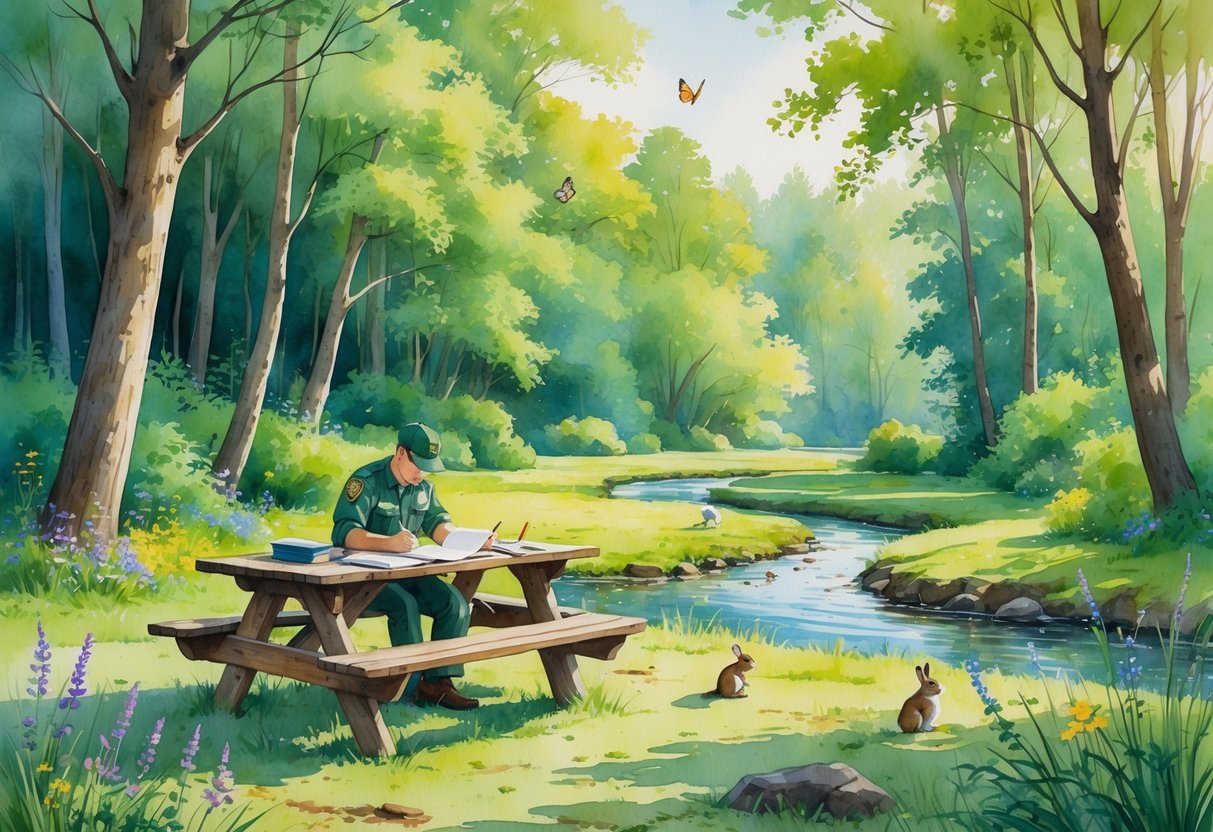
Park rangers often develop their own interpretive materials during quiet periods. You can use your field knowledge to create guides that help visitors connect with the natural world around them.
Start by identifying interesting features in your park that visitors might overlook. This could include native plants, animal tracks, geological formations, or seasonal changes.
Your daily observations give you unique insights that make excellent educational content. You can create traditional printed field guides or develop digital resources.
Printed guides work well for areas with limited cell service, while apps and digital stories reach tech-savvy visitors. Both formats let you share your expertise in ways that enhance visitor experiences.
The process involves research, photography, and clear writing. You’ll document species, verify scientific information, and organize content logically.
Many rangers find this work rewarding because it combines outdoor skills with creative expression. Your interpretive guides serve multiple purposes beyond visitor education.
They create lasting resources for your park and help train new staff members. You’re building tools that continue teaching long after you’ve moved to your next assignment.
Consider focusing on specific themes like bird identification, tree species, or local history. Specialized guides often prove more useful than broad overviews.
You can also contribute to citizen science projects by creating materials that help visitors report wildlife sightings or track environmental changes. This hobby sharpens your own naturalist skills while improving how visitors experience your park.
5) First Aid and Survival Training
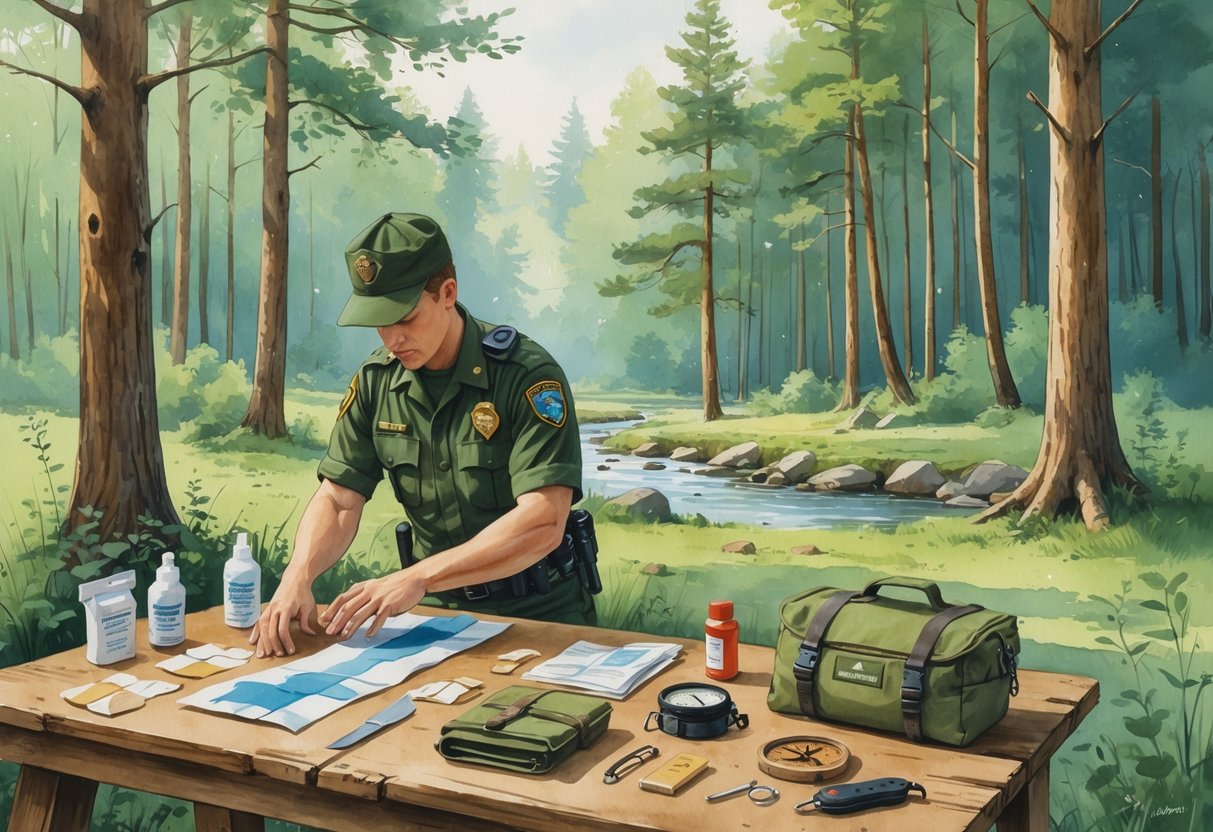
Park rangers face emergencies regularly, from injured hikers to lost visitors. Using your downtime to sharpen first aid and survival skills keeps you ready for any situation.
This hobby directly supports your job while building confidence in high-pressure moments. You can start by taking CPR and basic life-saving courses through certified organizations.
These classes teach you how to handle cardiac events, choking, and serious injuries. Regular practice ensures your skills stay current when someone needs help.
Wound care training is another key area to focus on. You’ll learn proper cleaning techniques, bandaging methods, and how to assess injury severity.
These skills matter when you’re miles from the nearest hospital. Survival training takes your preparation further.
You can practice building shelters, starting fires without matches, and finding safe water sources. These techniques help you assist lost visitors and handle unexpected situations in remote areas.
Many rangers join wilderness first responder courses that combine medical training with outdoor scenarios. You’ll work through realistic emergencies in field conditions.
The hands-on experience builds muscle memory that kicks in during actual crises. Consider organizing practice sessions with fellow rangers during quiet periods.
You can run through different emergency scenarios and critique each other’s responses. This team approach strengthens your unit’s overall readiness.
The skills you develop through this hobby extend beyond work. Your family and friends benefit from having someone trained in emergency response.
4) Bird Watching and Logging Species
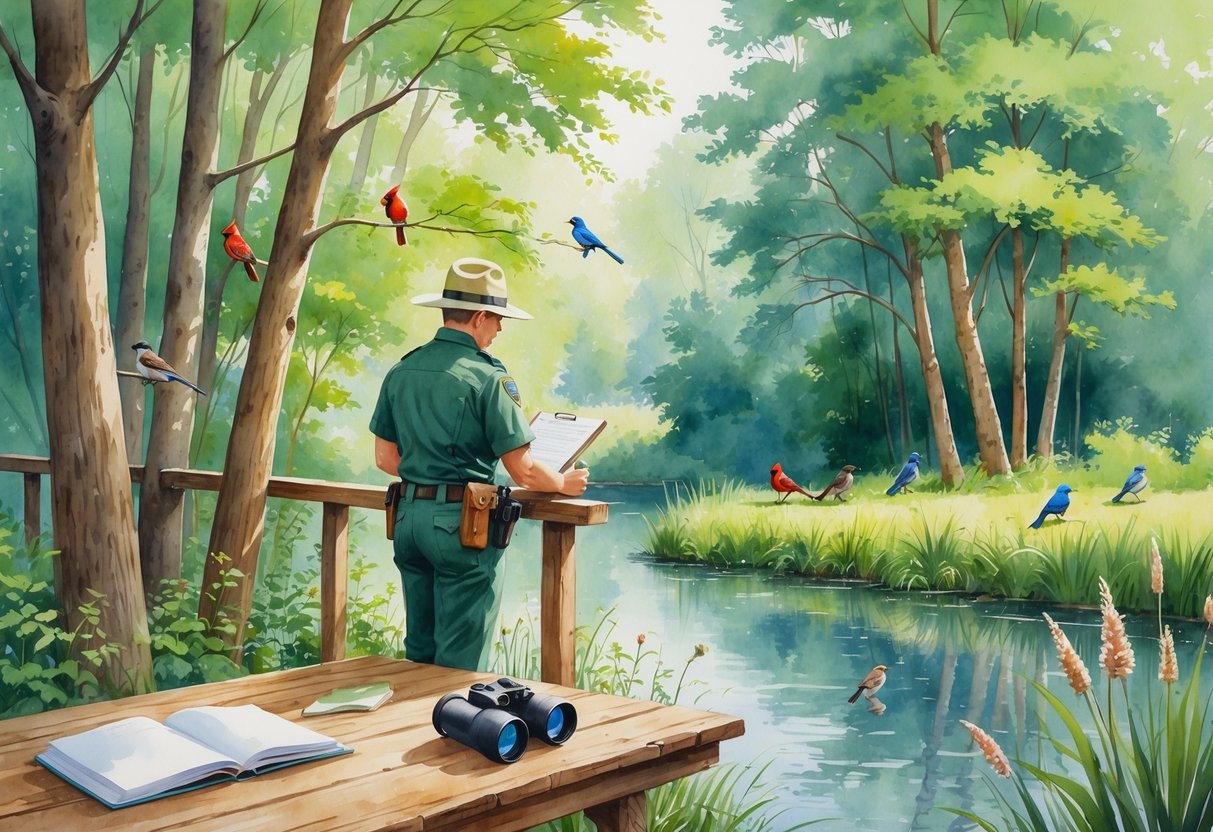
Bird watching offers park rangers a perfect way to spend quiet moments while staying connected to their work environment. You can observe different species throughout the day and track their behaviors across seasons.
This hobby requires minimal equipment to start. You need basic binoculars and a field guide to identify birds in your area.
Many rangers carry a small notebook to record sightings and behaviors. This documentation helps track bird populations and migration patterns over time.
Logging species creates valuable data for conservation efforts. You can note the date, time, location, and number of birds you spot.
These records contribute to citizen science projects and park management decisions. The activity sharpens your observation skills and deepens your knowledge of local ecosystems.
You learn to recognize birds by their calls, flight patterns, and habitat preferences. This expertise enhances your ability to educate park visitors about wildlife.
Bird watching works well during patrol breaks or slow visitor hours. You can practice it alone or join other rangers who share the interest.
Some parks have organized bird counts where staff members pool their observations. The hobby costs little beyond initial equipment purchases.
You build expertise gradually through consistent practice and attention to detail. Each season brings different species to observe, keeping the activity fresh and engaging throughout the year.
3) Botany Study and Plant Identification
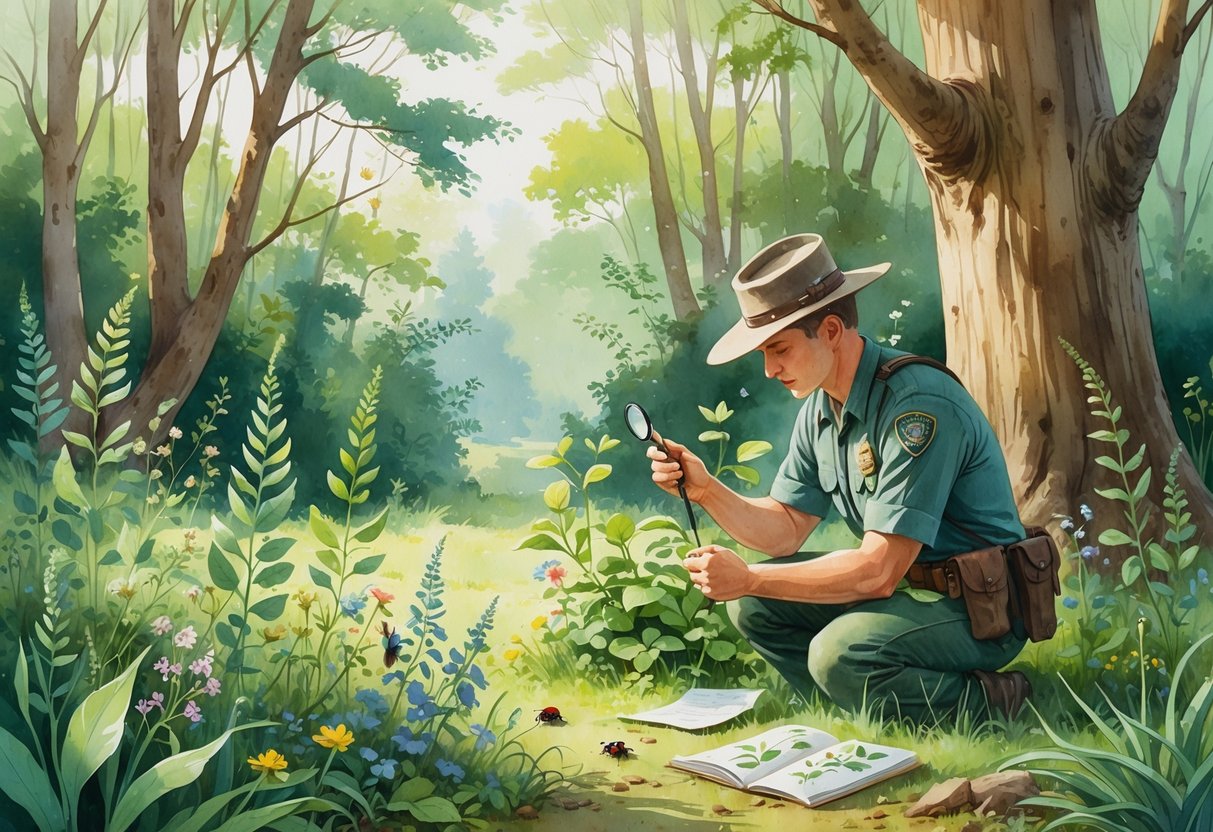
Park rangers already work surrounded by plants every day. Learning to identify and study them turns downtime into valuable skill-building.
You can start by focusing on the most common species in your park. Carry a field guide specific to your region and practice identifying plants during quiet patrol moments.
This builds your knowledge gradually without requiring dedicated study time. Plant identification helps you answer visitor questions with confidence.
You’ll recognize native species, spot invasive plants early, and understand seasonal changes better. These skills make you more effective at your job while giving you a rewarding mental challenge.
The process of studying botany doesn’t require expensive equipment. You need basic tools like a hand lens, notebook, and camera for documentation.
Many rangers create personal plant journals to track what they’ve learned and where different species grow in their park. You can deepen your knowledge through online botanical resources and plant identification apps.
These tools let you verify your field observations and learn scientific names. Some rangers join online botany communities to share findings and get help with difficult identifications.
Understanding plant life cycles and ecological roles helps you make better management decisions. You’ll notice problems like disease or drought stress earlier when you know what healthy plants should look like.
Plant communities change with seasons and years. Each walk through your park becomes an opportunity to discover something new.
2) Trail Mapping and GPS Skills
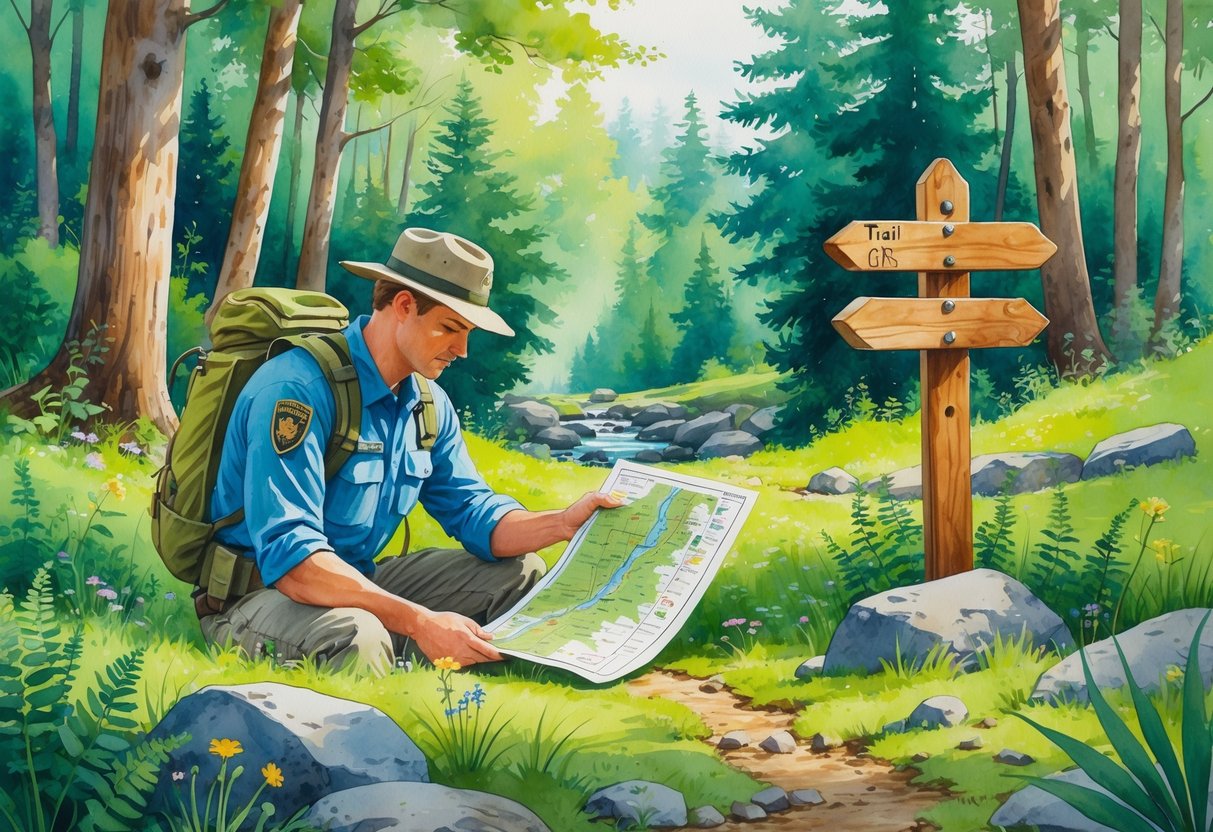
Your downtime offers the perfect chance to sharpen your navigation abilities. Trail mapping and GPS skills are practical hobbies that directly benefit your work as a park ranger.
You can start by learning to read topographic maps more effectively. These maps show elevation changes, water sources, and terrain features that matter in the backcountry.
The more time you spend studying maps of your park, the better you’ll understand the landscape. GPS technology adds another layer to your navigation toolkit.
You can practice using handheld GPS devices to mark waypoints, track routes, and record trail conditions. Many rangers use GPS units to document trail damage, locate hazards, or map new paths.
Combining traditional map reading with modern GPS creates a complete navigation system. You’ll build confidence by practicing both methods during your free time.
Try navigating familiar trails using only a map and compass, then verify your position with GPS. This hobby also helps you collect valuable data for park management.
You can update trail maps, mark points of interest, or document changes in trail conditions. Your accurate field data supports better decision-making about trail maintenance and visitor safety.
The skills you develop through this hobby transfer directly to emergency situations. When visitors get lost or injured in remote areas, your strong navigation abilities become critical.
You’ll respond faster and more effectively when you know the terrain and can use multiple navigation methods.
1) Wildlife Photography
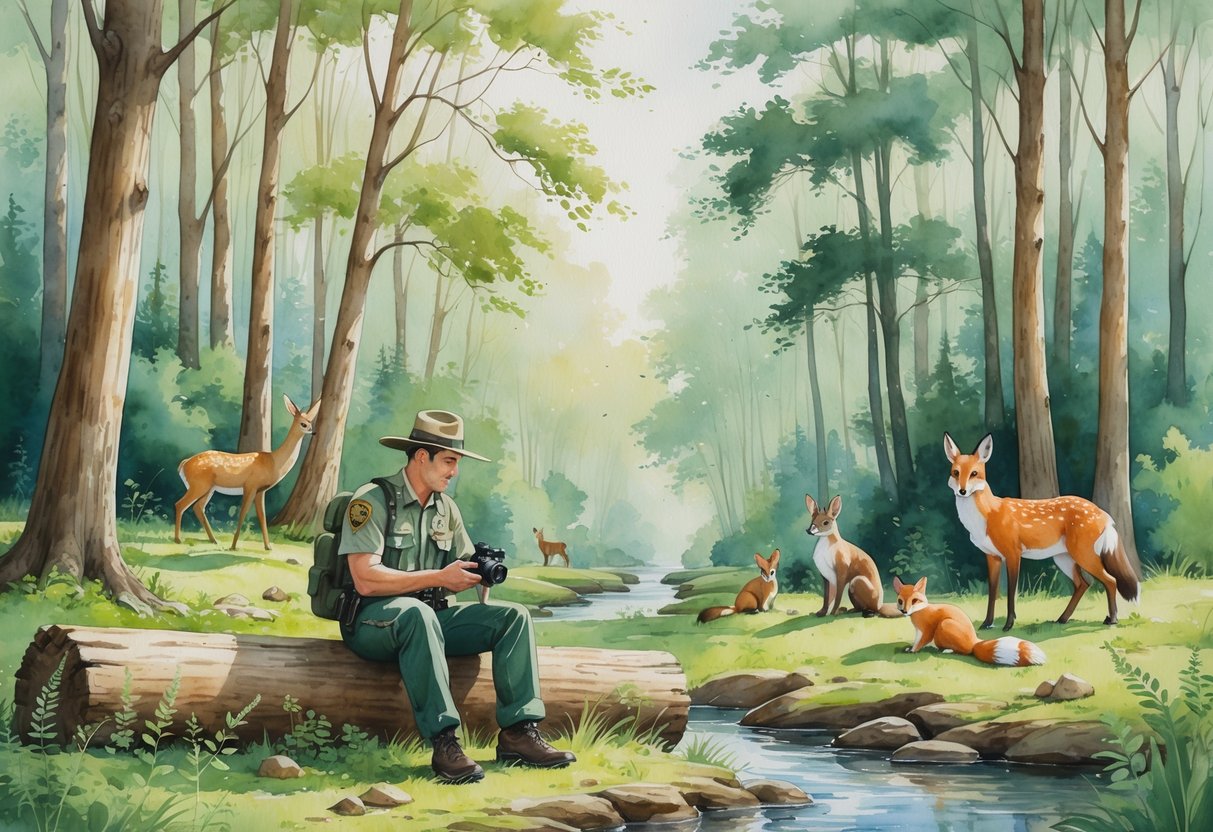
Wildlife photography offers park rangers a perfect way to use their downtime productively. You already spend your days surrounded by nature, which gives you a major advantage over typical wildlife photographers who have to travel to find good subjects.
Your access to restricted or less-visited areas of the park means you can capture images that regular visitors rarely see. You know the animal behavior patterns and the best times to spot specific species.
This knowledge helps you anticipate moments worth photographing. The technical skills you develop through wildlife photography carry over into your ranger duties.
You’ll become better at identifying species and understanding animal habits. These observations can help with conservation efforts and visitor education programs.
You don’t need expensive equipment to start. A basic camera with a decent zoom lens works fine for learning.
As you improve, you can upgrade your gear based on what you actually need for the wildlife in your park. Wildlife photography requires patience and respect for the animals you’re photographing.
You should maintain safe distances and never disturb wildlife for a better shot. Your training as a ranger already taught you these principles.
The photos you take can serve multiple purposes. You might use them for park educational materials, social media posts, or personal projects.
Some rangers even sell their best shots or enter photography competitions. It’s a hobby that blends your professional knowledge with creative expression.
Benefits of Hobbies for Park Rangers
Park rangers face unique challenges in their work, from long hours during peak seasons to the physical demands of outdoor labor. Hobbies provide essential outlets for stress relief while building skills that translate directly to your professional role.
Promoting Mental Well-Being
Your job as a park ranger involves managing high-stress situations, from emergency responses to dealing with difficult visitors. Hobbies give your mind a break from work-related concerns and help prevent burnout.
Engaging in activities you enjoy triggers the release of dopamine and endorphins in your brain. These chemicals reduce anxiety and improve your mood naturally.
When you focus on a hobby, you create mental distance from job pressures. The seasonal nature of park ranger work can disrupt your routine.
During busy summer months, you might work weekends and holidays with extended shifts. Off-season periods may bring reduced hours or temporary layoffs.
Hobbies provide stability and purpose regardless of your work schedule.
Key mental health benefits include:
- Reduced stress and anxiety levels
- Better emotional regulation
- Improved focus and concentration
- Greater sense of personal identity beyond work
Enhancing Physical Health
Park ranger duties already keep you active, but targeted hobbies can address specific physical needs. Your body experiences repetitive strain from hiking trails, maintaining facilities, and performing outdoor labor.
Cross-training through different activities prevents overuse injuries. If your job involves constant walking, swimming or cycling works different muscle groups while giving your joints a rest.
Strength-based hobbies like rock climbing or weightlifting build the endurance you need for physically demanding tasks. Recovery-focused activities matter just as much as active ones.
Yoga and stretching improve flexibility and reduce muscle tension from long days outdoors. These practices also enhance your balance and coordination, which directly benefits your safety on the job.
Strengthening Professional Skills
Many hobbies develop abilities that make you more effective in your ranger role. Photography teaches you to observe wildlife behavior and landscape details you might otherwise miss.
This skill enhances your ability to educate visitors about park features. Creative hobbies like writing or drawing improve how you communicate complex environmental concepts.
You can use these skills when creating educational programs or leading interpretive tours. Bird watching and plant identification hobbies expand your natural history knowledge beyond formal training.
Technical hobbies build practical capabilities. Amateur radio operation prepares you for emergency communications in remote areas.
Woodworking and equipment repair reduce your dependence on outside maintenance services. Navigation-focused activities like orienteering sharpen the map-reading skills essential for backcountry work.
How To Choose the Right Downtime Activity
Finding the right hobby depends on what naturally draws your attention, what fits your schedule, and how you want to feel after spending your free time.
Assessing Personal Interests
Start by thinking about what you already enjoy during your ranger duties. If you love the identification aspect of your job, bird watching or plant photography might feel natural.
Rangers who prefer the physical side of their work often gravitate toward hiking, rock climbing, or trail running. Consider what you want to feel different from your work hours.
Some rangers seek activities that use completely different skills. If your job involves lots of people interaction, solitary hobbies like reading or painting give you space to recharge.
If you spend most shifts alone on patrol, group activities like team sports or book clubs provide social connection. Write down three things you’ve always wanted to try.
Don’t filter based on skill level yet. The list might include learning guitar, studying astronomy, or trying woodworking.
Rate each option based on genuine interest, not what seems practical. Your strongest hobbies align with your core interests.
Pay attention to what you research in your spare moments or what topics make you lose track of time.
Considering Time and Resources
Look at your actual schedule, not your ideal one. Rangers working rotating shifts need flexible hobbies that work around changing schedules.
Activities like drawing, journaling, or online courses let you participate in short bursts without strict time commitments. Calculate the real cost before committing.
Some hobbies require significant upfront investment:
- Low cost: Walking, writing, sketching, meditation
- Moderate cost: Photography (starter camera), fishing, camping gear
- Higher cost: Mountain biking, kayaking, advanced photography equipment
Check what’s already available at your station or nearby. Many ranger stations have gym equipment, books, or craft supplies.
Your location matters too. Rangers at coastal parks have easy access to surfing or tide pooling.
Mountain station rangers can try different trail systems without travel time. Start small with borrowed or basic equipment.
Try a hobby three times before buying expensive gear.
Balancing Relaxation and Productivity
Match your activity to your energy level. After physically demanding shifts, choose hobbies that rest your body but engage your mind.
Reading, learning languages, or puzzles work well. Following mentally draining days with lots of visitor questions, physical activities like swimming or gardening help you decompress.
Mix productive hobbies with pure relaxation. Some rangers alternate between skill-building activities and stress-relief hobbies throughout the week.
You might spend Monday evenings learning wildlife photography techniques and Wednesday evenings simply watching movies. Not every hobby needs a goal or outcome.
Pressure to improve or produce something can create stress instead of reducing it. Activities like cloud watching, casual nature walks, or listening to music serve an important purpose even without measurable results.
Track how you feel after each activity for two weeks. Notice which hobbies leave you refreshed versus drained.
The right balance differs for each person based on job demands and personality type.
Frequently Asked Questions
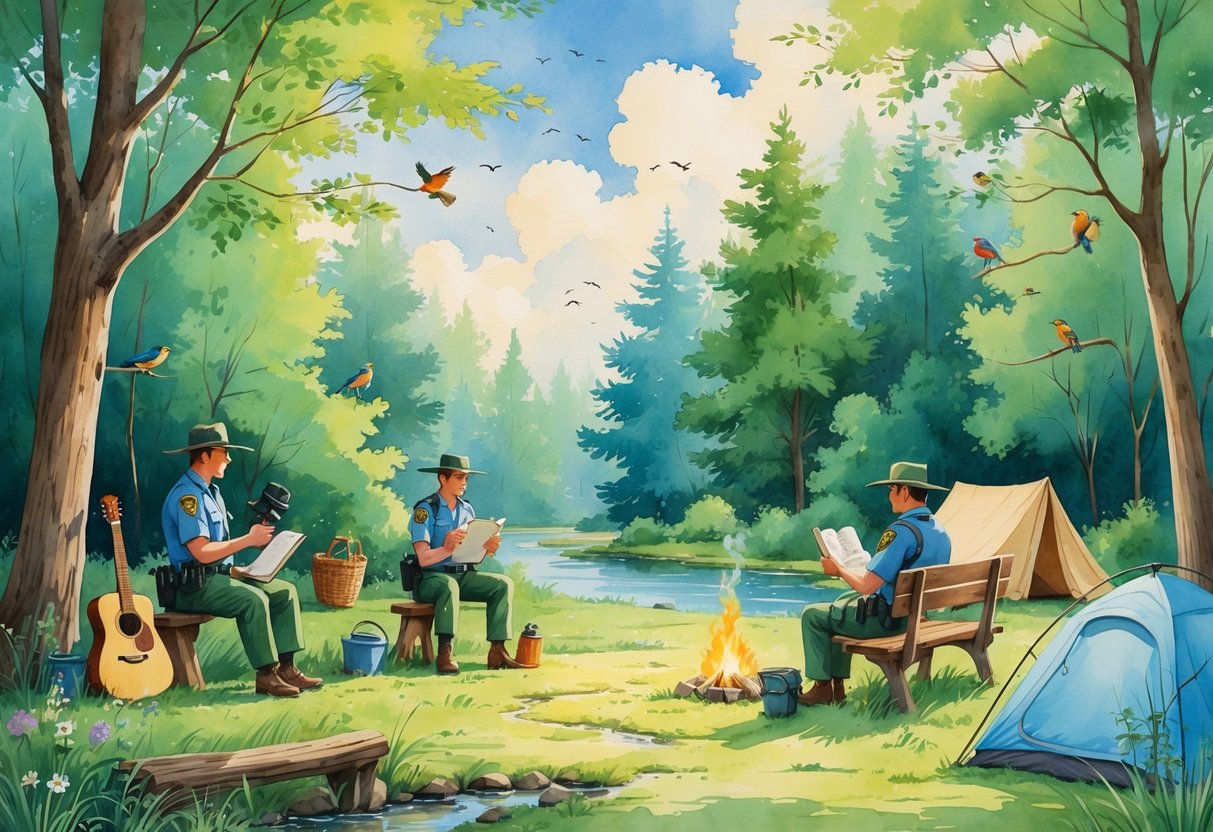
Park rangers often wonder how to make the most of their free time while staying connected to their work and the outdoors. These questions address practical ways to build skills, stay fit, and connect with others through meaningful hobbies.
What hobbies can enhance a park ranger’s survival skills in the wilderness?
You can improve your wilderness survival skills through hands-on outdoor activities during your downtime. Learning to identify edible and medicinal plants helps you understand local ecosystems while building practical knowledge.
Practicing fire-starting techniques with different methods like friction-based tools or flint and steel keeps your skills sharp. Map reading and compass navigation make excellent hobbies that directly support your ranger duties.
You can explore new trails in your park while practicing these skills. Knot-tying is another useful skill you can practice anywhere, and it applies to rescue situations and campsite setup.
Foraging for wild edibles teaches you about seasonal plant cycles and local food sources. You’ll gain confidence in identifying safe plants while learning sustainable harvesting practices.
Which outdoor hobbies provide the best relaxation for park rangers during off-duty hours?
Outdoor sketching gives you a peaceful way to observe nature while creating something personal. You can sit quietly and draw plants, animals, or landscapes without any pressure.
This hobby slows you down and helps you notice small details you might miss during regular patrols.
Fishing offers a calm activity that lets your mind rest while staying outdoors. The repetitive motions and quiet waiting time reduce stress naturally.
You don’t need to catch anything to benefit from the peaceful experience.
Birdwatching combines gentle physical activity with mental focus on a specific task. You can do it alone or with others, and it doesn’t require intense physical effort.
Photography walks let you explore familiar areas with fresh eyes while capturing moments that matter to you.
How can a park ranger utilize downtime to prepare for emergency situations?
You can use your free time to practice first aid skills and review emergency protocols. Taking advanced wilderness first aid courses during your days off keeps your medical knowledge current.
You might also practice emergency communication procedures or test your radio equipment in different park locations.
Physical conditioning through hiking, running, or strength training prepares your body for demanding rescue situations. You can simulate emergency scenarios with fellow rangers during slower periods.
This hands-on practice builds muscle memory for stressful situations.
Learning local weather patterns through observation and study helps you predict dangerous conditions. You can keep a weather journal and track seasonal changes.
This knowledge supports better decision-making during emergencies.
What are some hobby suggestions for park rangers looking to engage with nature solo?
Writing educational blog posts lets you share your park experiences while reflecting on what you’ve learned. You can write during quiet evenings or on rest days.
This hobby helps you process your observations and connect with people beyond your park.
Creating interpretive nature guides gives you a focused project that combines research and creativity. You choose a specific topic like local wildflowers or bird species and develop detailed information.
This work enhances your own knowledge while producing something useful for visitors.
Solo hiking on unfamiliar trails within your park area lets you explore new places independently. You can move at your own pace and stop whenever something catches your attention.
Plant identification becomes more engaging when you challenge yourself to learn new species each season.
Which hobbies are recommended for park rangers to maintain physical fitness and mental well-being?
Trail running keeps you cardiovascular fit while letting you cover more ground in your park. You build leg strength and endurance that help during long patrol days.
The mental clarity from running helps you process work stress and clear your mind.
Rock climbing or bouldering builds upper body strength and problem-solving skills. You can practice at nearby climbing areas or indoor gyms on days off.
This hobby requires full mental focus, which gives your mind a break from work concerns.
Yoga or stretching routines help prevent injuries from the physical demands of ranger work. You can practice anywhere with minimal equipment.
These activities reduce muscle tension and improve your flexibility for climbing, hiking, and rescue work.
How can park rangers expand their social circles through communal or team-based hobbies?
Volunteering for conservation projects connects you with people who share your values about protecting nature. You can join habitat restoration groups or participate in citizen science programs.
These activities introduce you to environmental professionals and passionate community members. Learning local history and culture through museum visits or historical society events helps you meet community members.
You gain knowledge that enriches your interpretive programs while building relationships outside the park service. Local history groups often welcome rangers who want to learn more about their area.
Team sports or outdoor group activities like kayaking clubs provide social time away from work. You can join community recreation leagues or outdoor adventure groups.
These hobbies let you interact with people in completely different professions and perspectives.