10 Best Hobbies for Pharmacists Looking to Unwind After Work: Stress Relief Activities to Restore Work-Life Balance
Working as a pharmacist can be demanding. Long hours on your feet, high attention to detail, and constant interaction with patients and healthcare teams can drain your energy.
Finding ways to relax and recharge after work is important for your health and job performance.
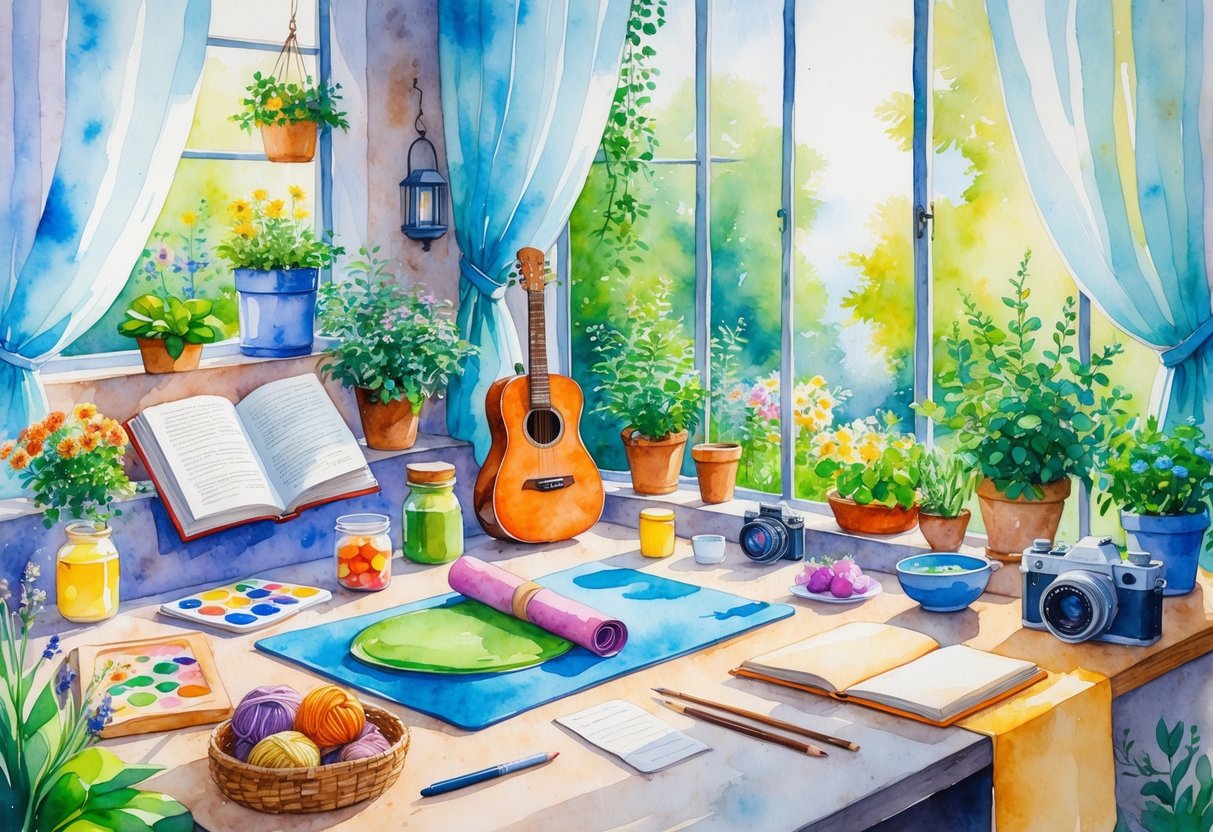
Hobbies give you a chance to step away from work stress, clear your mind, and focus on activities you enjoy. The right hobby can help you balance the repetitive nature of pharmacy work with something that feels fresh and rewarding.
Whether you prefer active pursuits or quiet activities, there are many options that fit different schedules and interests.
This article explores hobbies that work well for pharmacists looking to unwind. You’ll find ideas for both physical and creative activities, along with practical tips for fitting hobbies into a busy schedule.
10) Volunteering in Community Health

Volunteering in community health offers pharmacists a meaningful way to use their skills while stepping away from their regular work routine. You can participate in free health clinics, organize medication education events, or help at local health fairs.
These activities let you connect with people in different settings than your usual workplace. Many pharmacists find that volunteer work provides a sense of purpose beyond their daily job responsibilities.
You might assist at medical missions, work with underserved populations, or offer medication counseling at community centers. This type of hobby allows you to make a direct impact on people who need healthcare support.
The experience of volunteering can be rewarding without the same pressures you face at work. You set your own schedule and choose projects that interest you.
Some pharmacists volunteer once a month while others commit to weekly activities. Community health volunteering also helps you develop different professional skills.
You practice patient communication in relaxed environments and learn about healthcare challenges in your local area. Working with diverse populations and other healthcare volunteers can expand your perspective.
9) Playing a Musical Instrument

Playing a musical instrument offers pharmacists a practical way to shift their focus after a demanding workday. Learning piano, guitar, or another instrument engages your brain differently than your regular work tasks.
This mental shift helps you relax and recharge. Musical hobbies take as little as 10 to 15 minutes per day to practice.
You can start with simple songs and build your skills gradually over time. Many apps and online platforms make it easy to learn at your own pace from home.
Playing an instrument uses both sides of your brain at once. This improves your focus and reduces stress naturally.
Instruments like piano and guitar provide extra cognitive benefits because both hands work independently. You don’t need expensive equipment to get started.
Digital options and mobile apps let you explore music anywhere. Many beginners start with keyboard apps or affordable instruments before investing in professional gear.
Creating melodies and learning new pieces adds variety to your routine. You get to build a skill that has nothing to do with work while giving your mind something creative to focus on.
Music practice becomes a reliable outlet for stress after long shifts. The concentration required pushes work thoughts aside.
Your progress in music provides a sense of achievement separate from your professional life.
8) Journaling
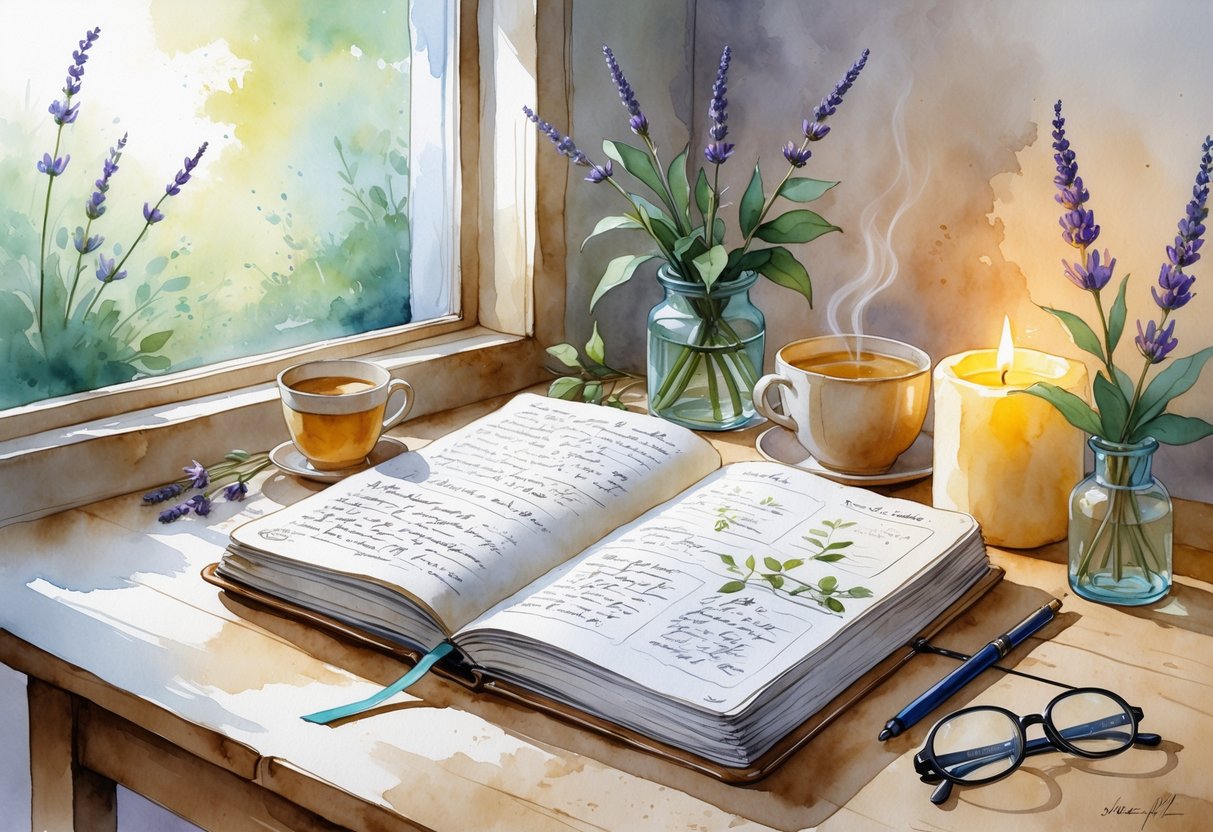
Journaling offers pharmacists a simple way to process the stress and emotions that come with your demanding job. You can write down your thoughts at the end of each shift without needing special equipment or training.
A notebook and pen are all you need to start. This practice helps you reflect on your workday and release any tension you’ve been holding.
You might write about challenging patient interactions, medication errors you prevented, or moments when you made a real difference. Getting these experiences out of your head and onto paper creates mental space.
You don’t need to write perfectly or follow any rules. Your journal is private, so you can be completely honest about your feelings and experiences.
Some pharmacists prefer to write for just five minutes, while others spend longer working through their thoughts. Regular journaling can help you identify patterns in your stress levels and work challenges.
You might notice certain situations that consistently bother you or recognize positive trends in your professional growth. This awareness can guide you toward better stress management strategies.
The quiet time spent journaling also gives your mind a break from the constant decision-making required in pharmacy work. You can write first thing in the morning, during your commute, or right before bed.
The flexibility makes it easy to fit into your schedule, no matter how busy your shifts become.
7) Cycling
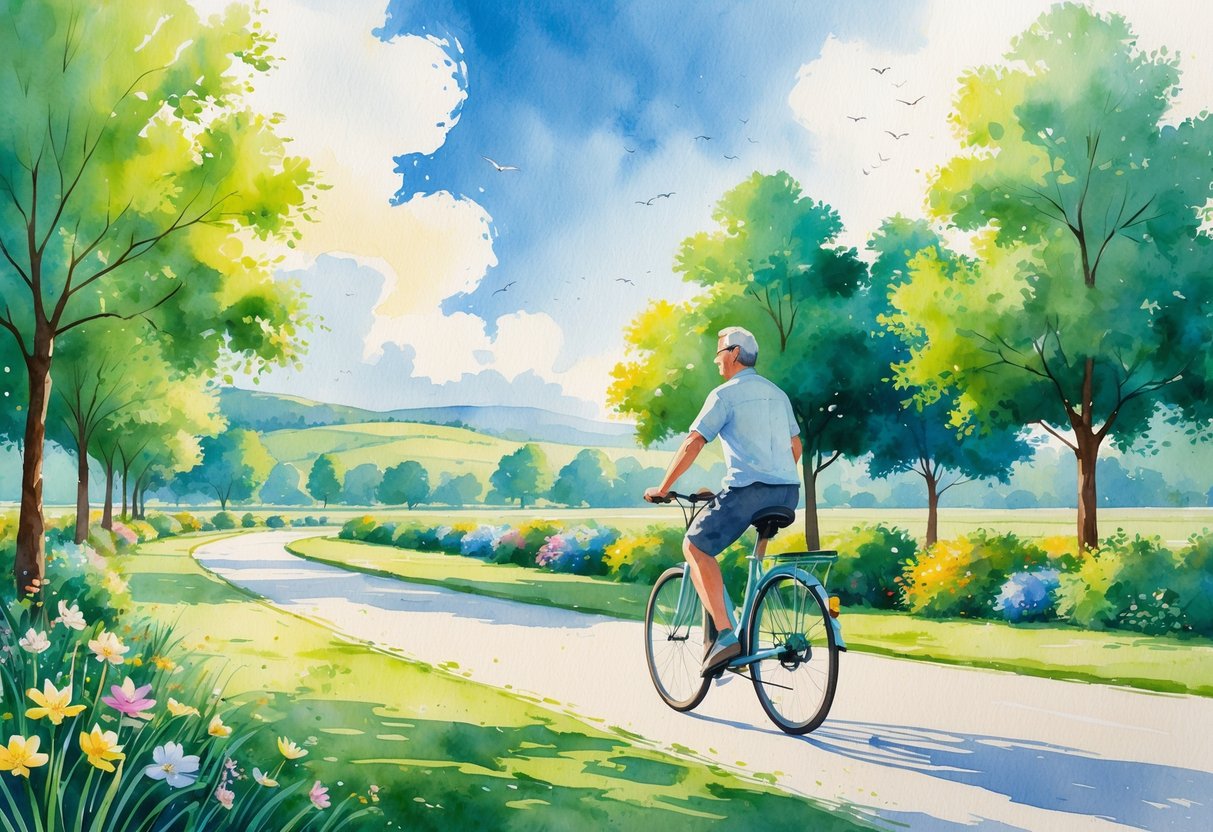
Cycling offers pharmacists a simple way to clear their minds after standing on their feet all day. You can hop on a bike and leave work stress behind while getting fresh air and exercise at the same time.
This hobby works well for busy schedules because you control how long you ride. You might pedal around your neighborhood for 20 minutes or take longer weekend rides on bike trails.
Both options help your body recover from the physical demands of pharmacy work. Regular cycling strengthens your legs and improves heart health without putting strain on your joints.
You’ll build stamina that makes those long retail shifts easier to handle. The rhythmic motion of pedaling also helps your mind relax and process the day’s events.
You can start cycling with a basic bike from a local shop or online retailer. Many pharmacists prefer riding in the early morning before work or during evening hours when traffic is lighter.
You choose routes that match your fitness level and gradually increase distance as you build confidence. Cycling gives you time alone to think or you can join local riding groups to meet people outside the pharmacy world.
Either way, this hobby provides a healthy break from counting pills and counseling patients. Your body and mind both benefit from the movement and change of scenery.
6) Painting
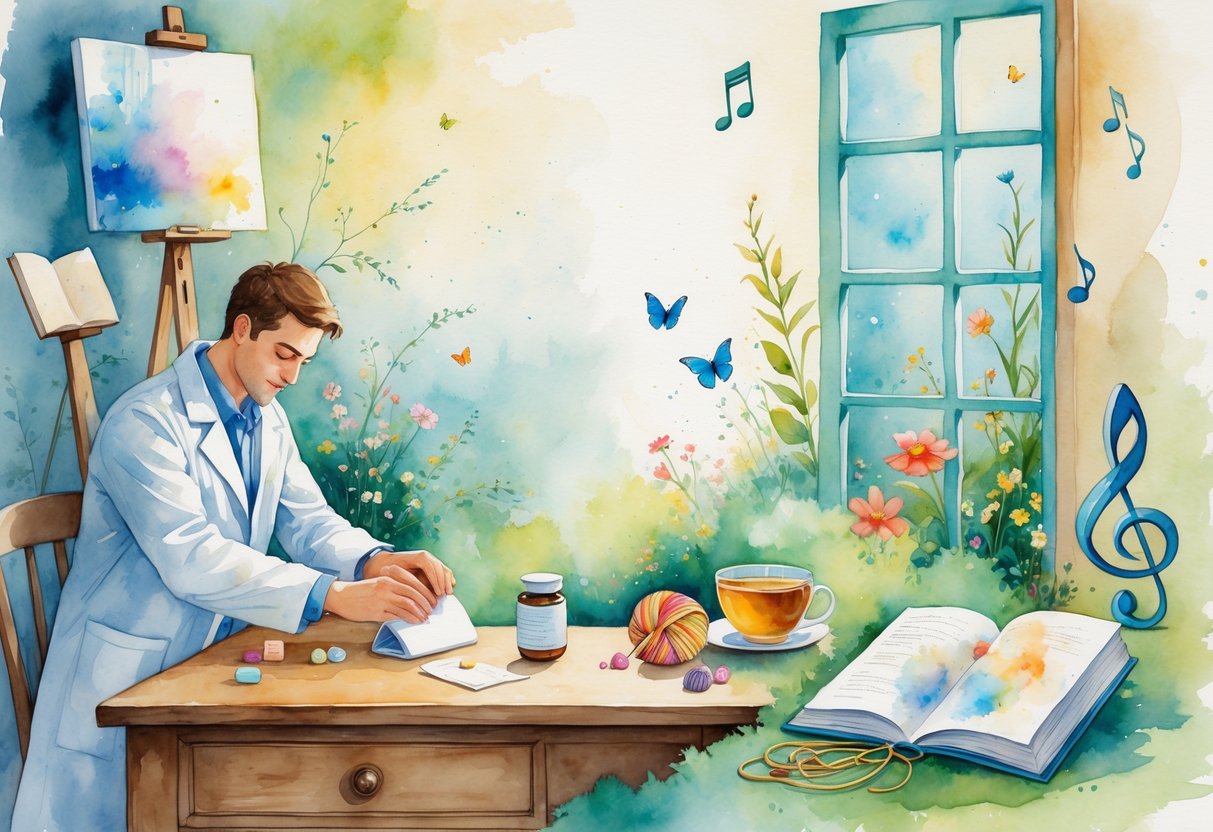
Painting offers pharmacists a creative outlet that requires focus and attention. When you pick up a brush, your mind shifts away from work stress and toward colors, shapes, and techniques.
This mental shift helps you relax after a long day of filling prescriptions and consulting with patients. You don’t need expensive supplies or formal training to start painting.
Watercolors, acrylics, and oils each provide different experiences. Watercolors are great for beginners because they’re affordable and easy to clean up.
Acrylics dry quickly and work well for various styles. The repetitive motions of brush strokes can be calming.
As you mix colors and apply them to canvas or paper, you enter a focused state that pushes aside worries about work. Many people find this meditative quality helps them unwind naturally.
Painting also gives you something tangible to show for your time. You can hang your finished pieces at home or give them as gifts.
The sense of accomplishment from completing a painting boosts your mood and confidence. You can paint alone in a quiet space or join a local art class to meet new people.
Online tutorials and videos make learning techniques simple. Start with basic subjects like landscapes or still life arrangements.
As your skills grow, you can try more complex projects that challenge you in new ways.
5) Reading Medical Journals
Reading medical journals offers pharmacists a unique way to relax while staying connected to their field. You can unwind with a cup of coffee and catch up on the latest research without the pressure of work deadlines.
This hobby lets you explore topics at your own pace. Medical journals provide insights into new drug therapies, treatment guidelines, and clinical studies.
You might discover information that sparks your curiosity or relates to patient questions you’ve encountered. The reading feels different when you’re doing it for personal interest rather than work requirements.
You can choose journals that match your specific interests within pharmacy. Whether you prefer clinical pharmacy, drug development, or patient care studies, there’s content available for every specialty.
Many journals offer free online access to certain articles. This hobby supports your professional development while giving your mind a break from retail or hospital pharmacy routines.
You’re learning without the stress of exams or mandatory continuing education deadlines. The knowledge you gain naturally carries over into your work.
Reading medical journals works well as a quiet evening activity or weekend hobby. You can read for 20 minutes or several hours, depending on your schedule.
Some pharmacists enjoy taking notes or discussing interesting findings with colleagues later. This hobby requires minimal investment since most journals are available digitally.
You just need a comfortable reading spot and your preferred device or printed copies.
4) Cooking New Recipes

Cooking offers pharmacists a perfect way to relax after a demanding shift. You can experiment with different flavors and techniques without the pressure of work deadlines.
The kitchen becomes your creative space where you control the pace. Unlike your job where you follow strict protocols, cooking lets you adjust recipes and try new ingredients.
You can start simple with basic dishes and gradually work up to more complex meals. Many pharmacists find cooking rewarding because it engages different parts of their brain.
You use your hands, make quick decisions, and see immediate results from your efforts. The process of measuring ingredients and following steps feels familiar but more relaxed than filling prescriptions.
Cooking also gives you practical benefits beyond stress relief. You learn to prepare healthier meals for yourself and your family.
This knowledge helps you understand nutrition better, which connects to your professional expertise. You can pick any cuisine that interests you.
Try Italian pasta dishes one week and Asian stir-fries the next. Baking bread or making desserts works just as well if you prefer sweeter projects.
The best part is that cooking fits into your schedule easily. You can spend 20 minutes making a quick dinner or dedicate a few hours on weekends to more involved recipes.
You don’t need expensive equipment to start. Basic pots, pans, and knives are enough for most recipes.
3) Yoga
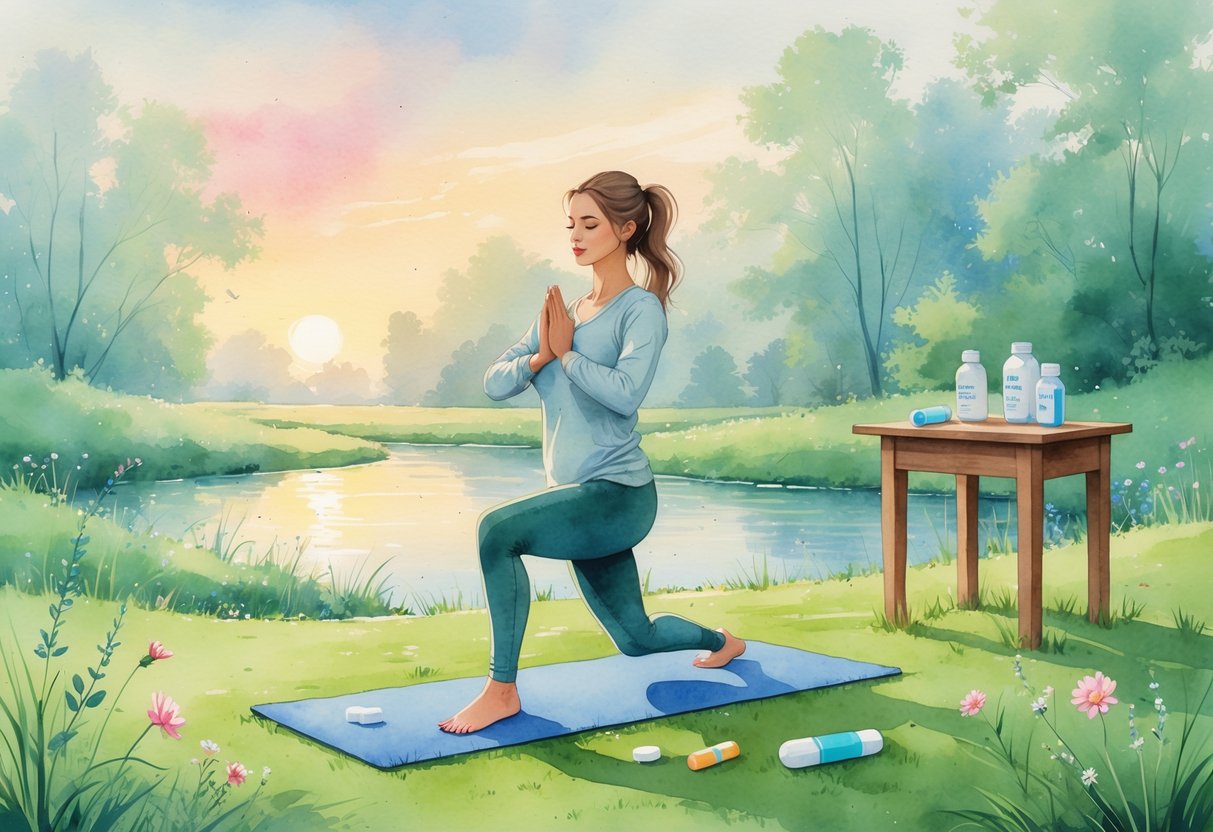
Yoga offers pharmacists a practical way to relax both body and mind after long shifts on their feet. This ancient practice combines physical poses with breathing exercises to help reduce stress and tension.
You don’t need any special equipment to get started, just a yoga mat and comfortable clothes. The physical benefits of yoga are especially helpful for pharmacists.
Standing behind a counter all day can cause back pain, tight shoulders, and sore legs. Regular yoga practice stretches these problem areas and improves your flexibility over time.
Yoga also teaches you how to control your breathing. This skill helps you stay calm during busy work days when stress levels rise.
Many pharmacists find that even 15 to 20 minutes of yoga after work makes a noticeable difference in how they feel. You can practice yoga at home using free online videos or apps.
If you prefer learning in person, most communities offer beginner classes at local studios or gyms. Some people enjoy the social aspect of group classes, while others prefer practicing alone at home.
The best part about yoga is that you can adapt it to your fitness level. Gentle styles like Hatha or Yin yoga focus on relaxation and slow movements.
More active styles like Vinyasa provide a better workout while still helping you unwind. You can choose what works best for your body and schedule.
2) Gardening
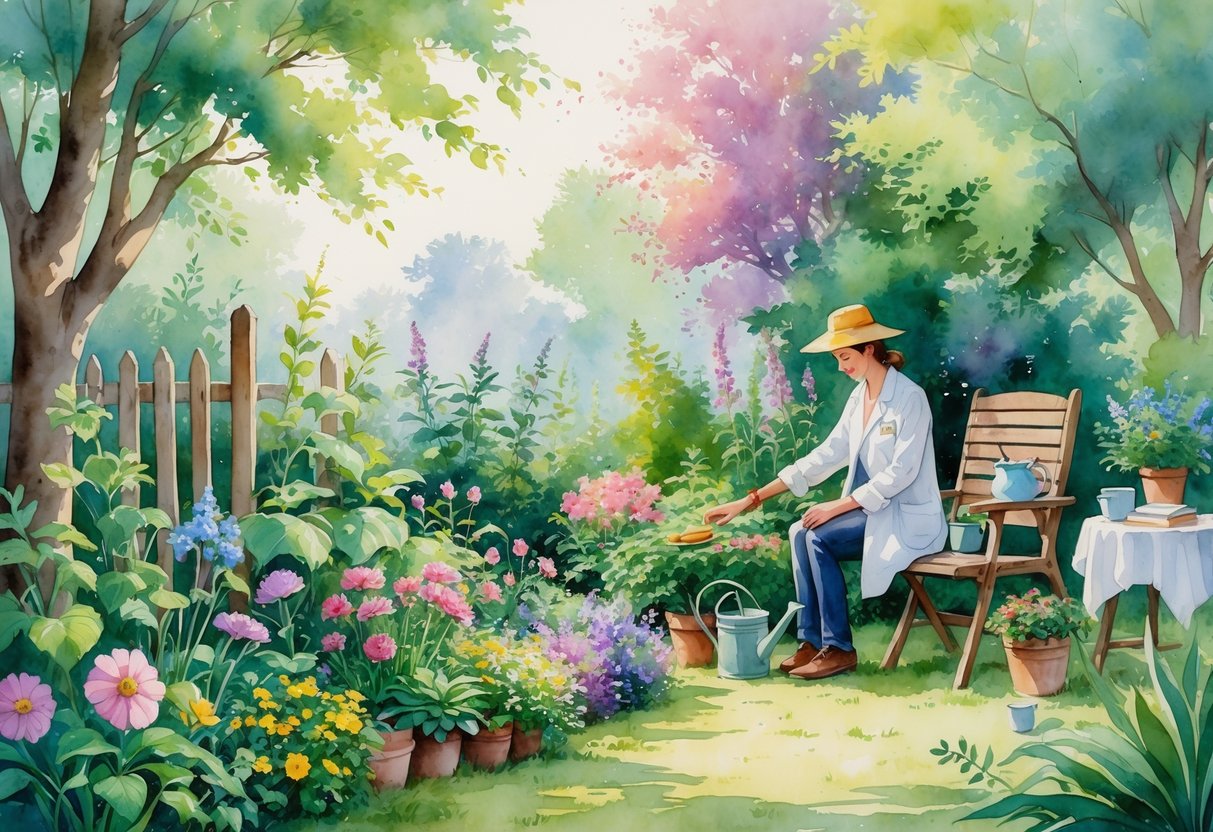
Gardening offers pharmacists a hands-on way to disconnect from the clinical environment. You work with living plants instead of prescriptions, which creates a different kind of focus.
The physical activity involved helps release tension that builds up during long shifts. You can start small with a few potted herbs on your windowsill or balcony.
Basil, mint, and rosemary are easy to grow and require minimal space. These plants need basic care like watering and sunlight, making them perfect for busy schedules.
Outdoor gardening provides additional benefits if you have yard space. You get fresh air and natural vitamin D from sunshine.
The repetitive tasks of weeding, planting, and watering can be meditative. Your mind shifts away from work stress as you focus on soil and seedlings.
Growing your own vegetables and herbs can be practical too. You know exactly what goes into your food since you control the growing process.
Tomatoes, lettuce, and peppers are beginner-friendly options that produce results within a few months. Gardening works around your schedule since plants grow on their own timeline.
You can spend 15 minutes or two hours working in your garden based on what your day allows. The hobby adapts to your availability rather than demanding specific time commitments.
You see clear progress as plants grow and produce flowers or food. This visible success provides satisfaction that can feel different from your daily pharmacy work.
1) Mindfulness Meditation
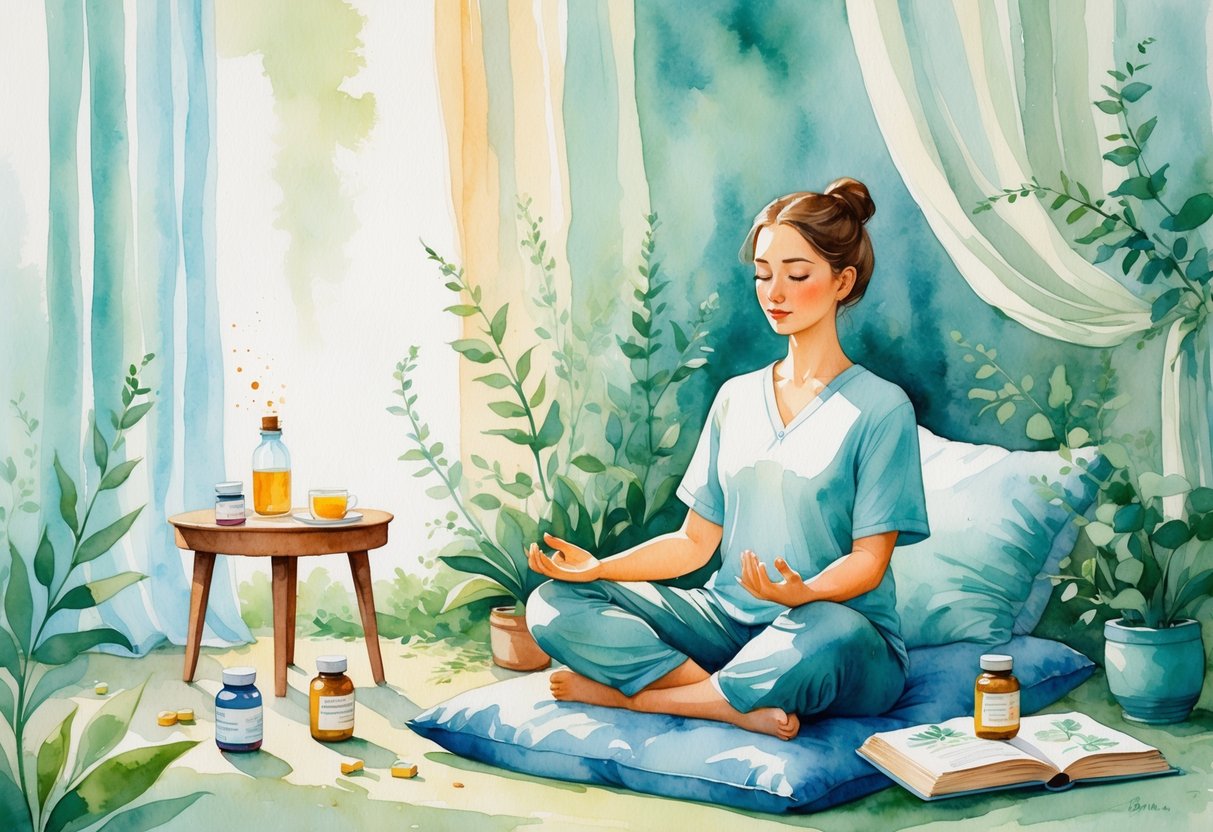
Mindfulness meditation is one of the most effective ways to reduce stress after a long shift at the pharmacy. This practice involves focusing on the present moment without judgment.
You simply pay attention to your breathing, thoughts, and feelings as they happen. You don’t need any special equipment to get started.
Find a quiet spot where you can sit comfortably for just 5 to 10 minutes. Close your eyes and focus on your breath moving in and out.
The benefits of regular meditation are backed by research. It can help reduce symptoms of anxiety and improve your ability to handle workplace stress.
When you practice mindfulness, you train your brain to stay calm under pressure. This skill carries over into your work life.
You may notice you feel less overwhelmed during busy periods at the pharmacy. Starting is easier than you think.
You can use free apps that guide you through basic meditation exercises. Even a few minutes each day can make a difference in how you feel.
The key is consistency rather than length. Short daily sessions work better than occasional long ones.
You can meditate right when you get home from work or before bed. This helps create a clear break between your work stress and personal time.
Why Hobbies Matter for Pharmacists

Pharmacists face unique workplace pressures that make hobbies more than just pastimes. Regular activities outside of work help manage stress levels, create clear boundaries between professional and personal time, and support both mental and physical health.
Reducing Work-Related Stress
Pharmacists deal with high-pressure situations daily. You verify prescriptions, counsel patients, and catch potentially dangerous drug interactions.
These responsibilities create mental strain that builds up over time. Hobbies give your mind a break from work demands.
When you focus on an activity you enjoy, your brain shifts away from pharmacy-related concerns. Physical hobbies like hiking or swimming release tension stored in your body.
Creative activities like painting or playing music engage different parts of your brain than the analytical thinking you use at work.
Common stress triggers for pharmacists include:
- High prescription volumes with tight deadlines
- Difficult patient interactions
- Insurance authorization problems
- Standing for long periods
- Constant alertness to prevent medication errors
Regular hobby time helps you process these daily stresses. You return to work with better focus and patience for challenging situations.
Improving Work-Life Balance
Setting clear boundaries between work and personal time protects your mental health. Many pharmacists struggle to disconnect after their shifts end.
You might replay patient interactions or worry about potential medication errors. Hobbies create a distinct separation between your professional and personal life.
When you commit to a hobby schedule, you give yourself permission to stop thinking about work. Joining a sports league or book club adds accountability because other people expect you to show up.
This balance makes you more effective at your job. You avoid burnout that comes from constant work focus.
Your relationships with family and friends improve when you have interests to share beyond pharmacy topics.
Boosting Overall Well-Being
Hobbies support your physical and mental health in measurable ways. Active hobbies improve your cardiovascular health and help counter the effects of standing all day.
Social hobbies reduce feelings of isolation that can develop in demanding healthcare roles. You also develop skills that benefit your pharmacy practice.
Team sports improve your collaboration abilities. Creative hobbies enhance problem-solving skills.
Learning new activities keeps your brain flexible and open to new approaches at work. Your self-esteem grows when you master a new skill or achieve a personal goal outside of pharmacy.
This confidence carries over into your professional interactions with patients and colleagues.
Tips for Making Time for Hobbies as a Busy Pharmacist
Finding time for hobbies requires planning your schedule differently and choosing activities that fit your energy levels. You need to be honest about what you can commit to and find ways to add small moments of enjoyment throughout your week.
Setting Realistic Expectations
Start by picking one or two hobbies instead of trying to do everything at once. Your work schedule is demanding, so choosing activities that need 15-30 minutes works better than those requiring hours of commitment.
Look at your current schedule and identify pockets of free time. These might be mornings before work, lunch breaks, or evenings when you have more energy.
Not every day will have room for hobbies, and that’s normal. Consider your work rotation when planning hobby time.
If you work 12-hour shifts, you’ll have different availability than someone working 8-hour days. Pick hobbies that match your schedule type.
Factors to consider when choosing hobbies:
- Time required per session
- Energy level needed
- Equipment or setup time
- Flexibility to pause and resume
- Location requirements
Incorporating Hobbies into Daily Routines
Add hobbies to existing habits instead of creating entirely new time blocks. You can listen to audiobooks during your commute or do stretching exercises while watching TV.
Use your break times at work for quick hobby activities. Reading a chapter, sketching for ten minutes, or working on language learning apps fits into standard breaks.
These small sessions add up over the week. Keep hobby supplies easily accessible.
Store art supplies in your living room, keep your running shoes by the door, or download hobby-related apps on your phone. When materials are ready to use, you’re more likely to start.
Quick ways to fit hobbies into your day:
- Morning: 15 minutes of reading or meditation
- Lunch break: Short walks or mobile games
- Evening: Cooking new recipes or creative projects
- Weekend: Longer sessions for more involved activities
Ensuring Consistency and Enjoyment
Schedule hobby time like you schedule work shifts or appointments. Put it in your calendar and treat it as a commitment to yourself.
This prevents other tasks from taking over your free time. Track which hobbies actually relax you versus which ones feel like another obligation.
Some activities might sound appealing but create stress when you try them. Drop these without guilt.
Join groups or find accountability partners for your hobbies. Other people expecting you makes it easier to show up consistently.
Online communities work well if you can’t meet people in person. Be flexible with how you practice your hobbies.
Missing a few days doesn’t mean you failed. Return to activities when you can without putting pressure on yourself to maintain a perfect streak.
Frequently Asked Questions
Pharmacists face unique challenges in their demanding careers, from long hours on their feet to the mental strain of ensuring medication safety. Finding the right hobbies can provide stress relief, improve mental health, and create a better balance between work and personal life.
What activities can pharmacists engage in to relax and de-stress after their shifts?
You can choose activities that shift your focus away from work while helping your mind and body relax. Journaling offers a simple way to process your thoughts and emotions after a stressful day.
Writing down your experiences helps you release tension and gain perspective on challenging situations. Physical activities like cycling provide an excellent outlet for stress.
The rhythmic motion and fresh air help clear your mind while giving you exercise. Creative pursuits such as painting allow you to express yourself without the pressure of work-related decisions.
You don’t need to be skilled to benefit from the calming effects of putting brush to canvas.
Which hobbies are most beneficial for pharmacists seeking work-life balance?
Hobbies that have clear boundaries between starting and stopping help you maintain separation from work. Playing a musical instrument requires dedicated practice time, which creates structure in your personal life.
You can set aside specific hours for music, making it easier to disconnect from work responsibilities. Volunteering in community health lets you use your professional knowledge in a different setting.
This type of activity gives you purpose outside your regular job while connecting you with your community. You control when and how often you volunteer, which helps you maintain balance.
Activities with regular schedules, like joining a cycling group or attending art classes, create routine in your personal time. These commitments help you prioritize your well-being.
What are some popular leisure pursuits pharmacists can take up to encourage relaxation?
Many pharmacists turn to creative hobbies that engage different parts of their brain than their analytical work requires. Painting and other visual arts provide a meditative experience as you focus on colors and shapes.
These activities don’t demand the precision your pharmacy work requires, which makes them genuinely relaxing. Music offers another popular choice.
Whether you learn a new instrument or return to one from your past, playing music absorbs your attention fully. The practice sessions give you measurable progress to enjoy.
Outdoor activities like cycling combine exercise with exploration. You can ride solo for quiet reflection or join groups for social connection.
How can pharmacists incorporate hobbies into their routine for better mental health?
Start by scheduling hobby time just as you would any important appointment. Block out specific times in your week dedicated to activities like journaling or painting.
Begin with short sessions if your schedule feels tight. Even 15 minutes of journaling or 30 minutes of cycling provides mental health benefits.
You can gradually increase the time as the hobby becomes part of your routine. Choose hobbies that match your energy levels after work.
On days when you feel exhausted, quieter activities like journaling or playing an instrument might work better. Save more active hobbies like cycling for days when you have more energy.
What creative outlets are suitable for pharmacists needing downtime from their professional responsibilities?
Painting requires no previous experience and provides immediate stress relief. You can start with simple supplies and work at your own pace.
The process of mixing colors and applying them to canvas engages your senses in ways your pharmacy work doesn’t. Playing a musical instrument challenges you to learn new skills outside your professional expertise.
This hobby builds different neural pathways and gives you a sense of accomplishment unrelated to work. You can practice alone at home or eventually join community music groups.
Journaling offers the simplest creative outlet to begin. You need only a notebook and pen to start processing your daily experiences through writing.
This practice helps you explore thoughts and feelings that you might suppress during busy work shifts.
Which physical hobbies are recommended for pharmacists to maintain wellness outside of the workplace?
Cycling stands out as an ideal physical hobby for pharmacists who spend long hours standing. This low-impact activity strengthens your cardiovascular system while being gentle on joints.
You can cycle outdoors for scenery changes. Alternatively, use a stationary bike at home.
Volunteering in community health programs often involves physical activity like health fairs or walk-a-thons. These events get you moving while letting you contribute your expertise in relaxed settings.
If you’re indoors all day, outdoor cycling provides fresh air and natural light. Activities that use different muscle groups than standing and reaching help prevent repetitive strain.