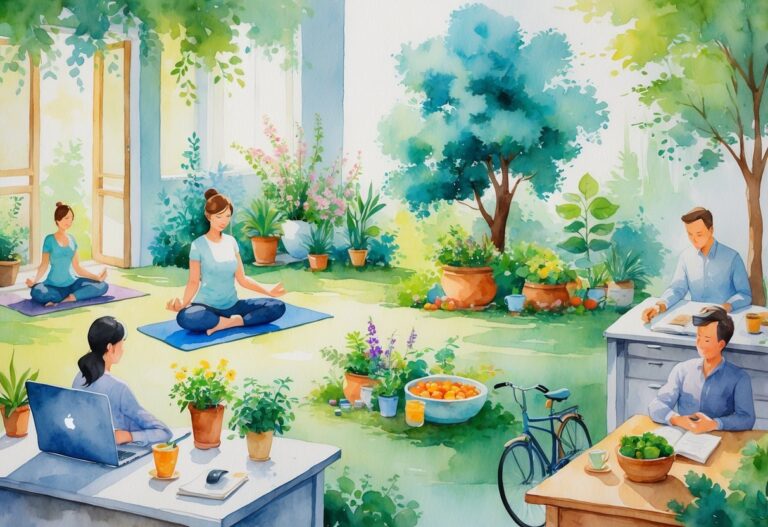
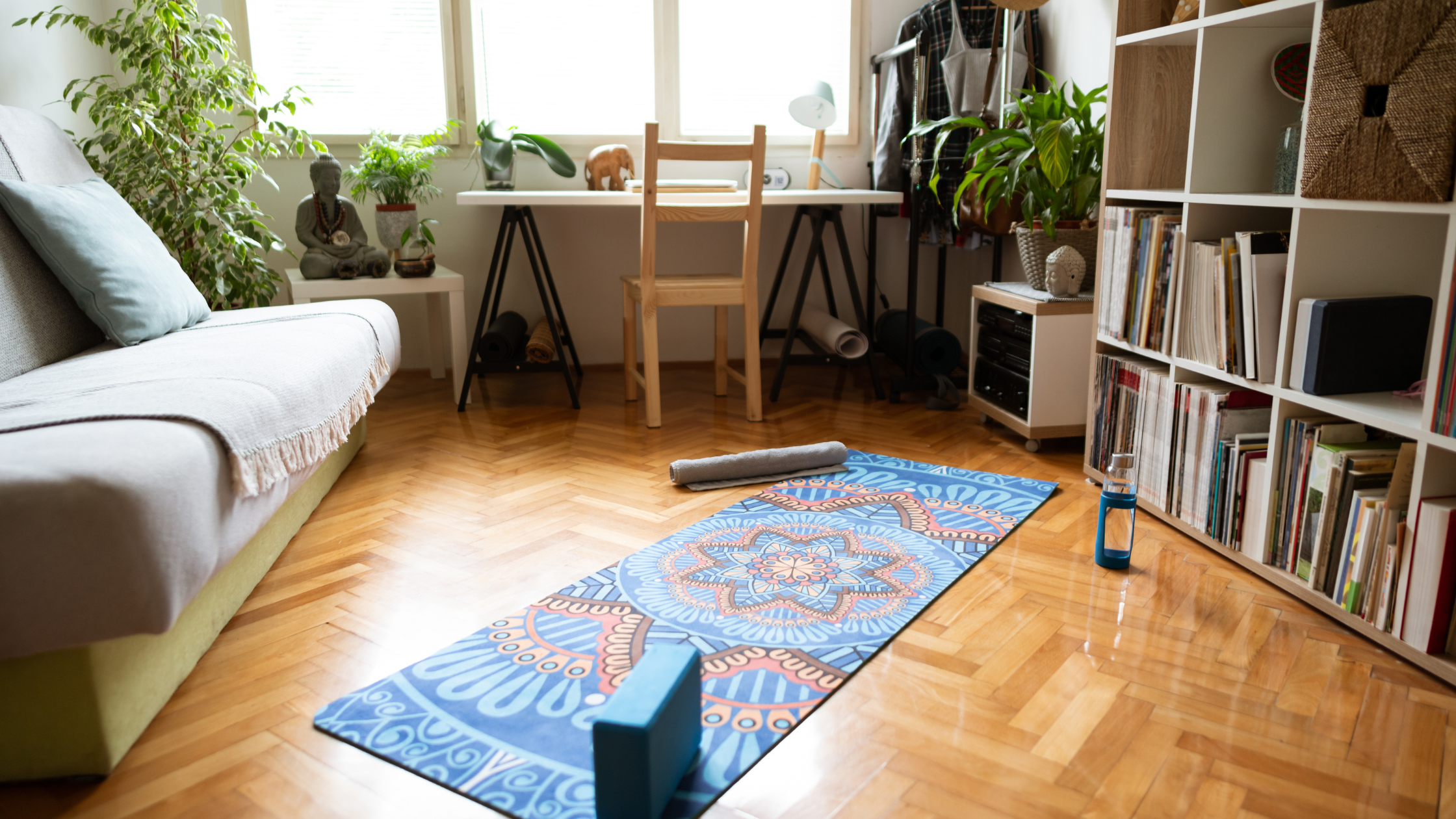
10 Great Hobbies for Minimalists: Simple Ways to Enrich Your Free Time
If you want to enjoy your free time without adding clutter or stress to your life, choosing hobbies that fit a minimalist lifestyle can help you feel more balanced.
Hobbies designed for minimalists focus on simplicity, mindfulness, and using fewer resources, making them easier to start and maintain in small spaces.
You can find joy and fulfillment in activities that require very little stuff, helping you make the most of your time and energy. Minimalist hobbies give you a chance to focus on what really matters, bringing you calm and satisfaction without the need for constant buying or collecting.
1) Meditation
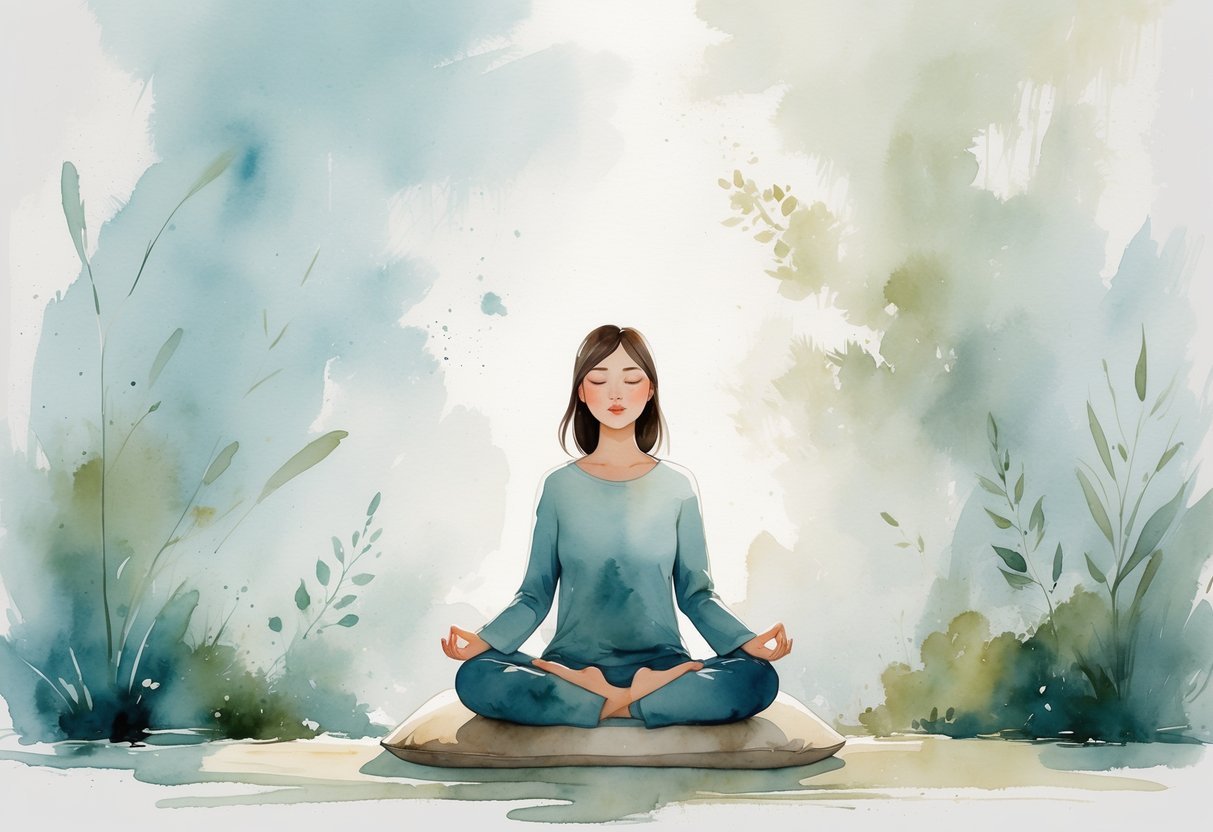
Meditation is a simple practice you can do almost anywhere. You don’t need special equipment or a large space.
All you need is a few minutes and a quiet spot. This hobby helps you slow down and clear your mind.
It’s about focusing on your breath or a calming thought. Daily meditation can make you more aware of your thoughts and feelings.
Many people choose meditation because it fits into a minimalist lifestyle. There are no extra tools or clutter involved.
You can practice it in your bedroom, living room, or even in a park. You can start with just five minutes a day.
Some people use guided meditation apps, but it’s not required. It’s perfectly okay to sit quietly and focus on your breathing.
Meditation is flexible. You decide how often and when to practice.
Over time, many notice they feel calmer or more focused. If you want to learn more about calming, meditative hobbies, you can find ideas on Live Chill Life’s list of relaxing activities.
With meditation, you won’t collect extra stuff or fill your home. It’s an easy way to care for your mind without adding clutter.
2) Gardening in small containers
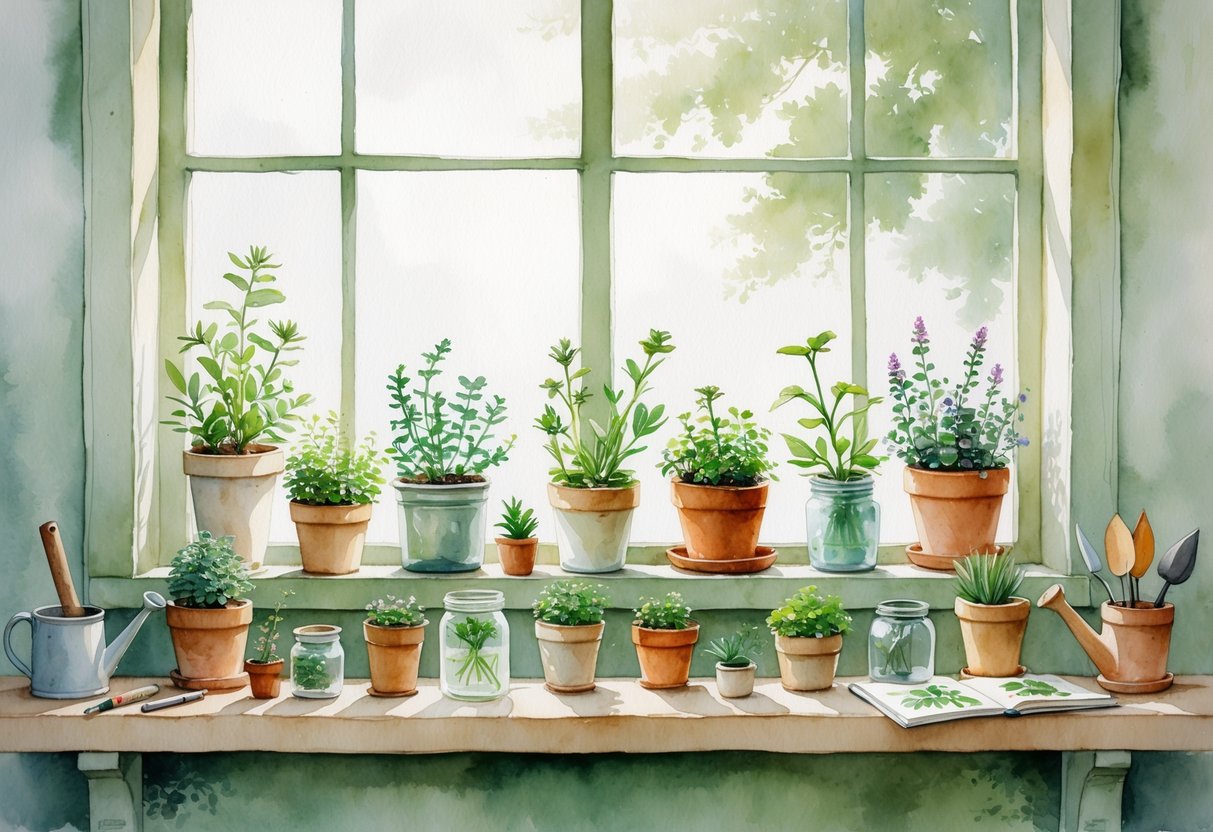
You do not need a big yard to enjoy gardening. Small containers are perfect for growing plants, even if you live in an apartment or have limited space.
You can use pots, old buckets, or window boxes to grow flowers, herbs, or small vegetables. Place them on your balcony, windowsill, or in any spot with enough sunlight.
Gardening in small containers lets you choose how much you want to grow. A few herb pots might be enough for your cooking needs.
If you enjoy more variety, try adding lettuce, tomatoes, or peppers. You can also pick plants that are easy to care for.
Many herbs, like basil and mint, do well in small spaces and are very low-maintenance. Small succulents or cacti are good for people who want plants but don’t have much time.
Arranging your containers in creative ways, like stacking them or hanging them, helps save space. Vertical gardens let you grow many plants without taking up much floor area.
Brightly colored pots or minimalist planters can make your living space feel fresh and lively. Bucket gardens or compact herb gardens are simple projects to start with.
Even a single large houseplant in a stylish pot can add life to a room. Container gardening gives you flexibility.
You can move plants if they need more sun or relocate them during bad weather. It is a flexible and satisfying hobby for anyone who wants green space in a small home.
3) Drawing and sketching
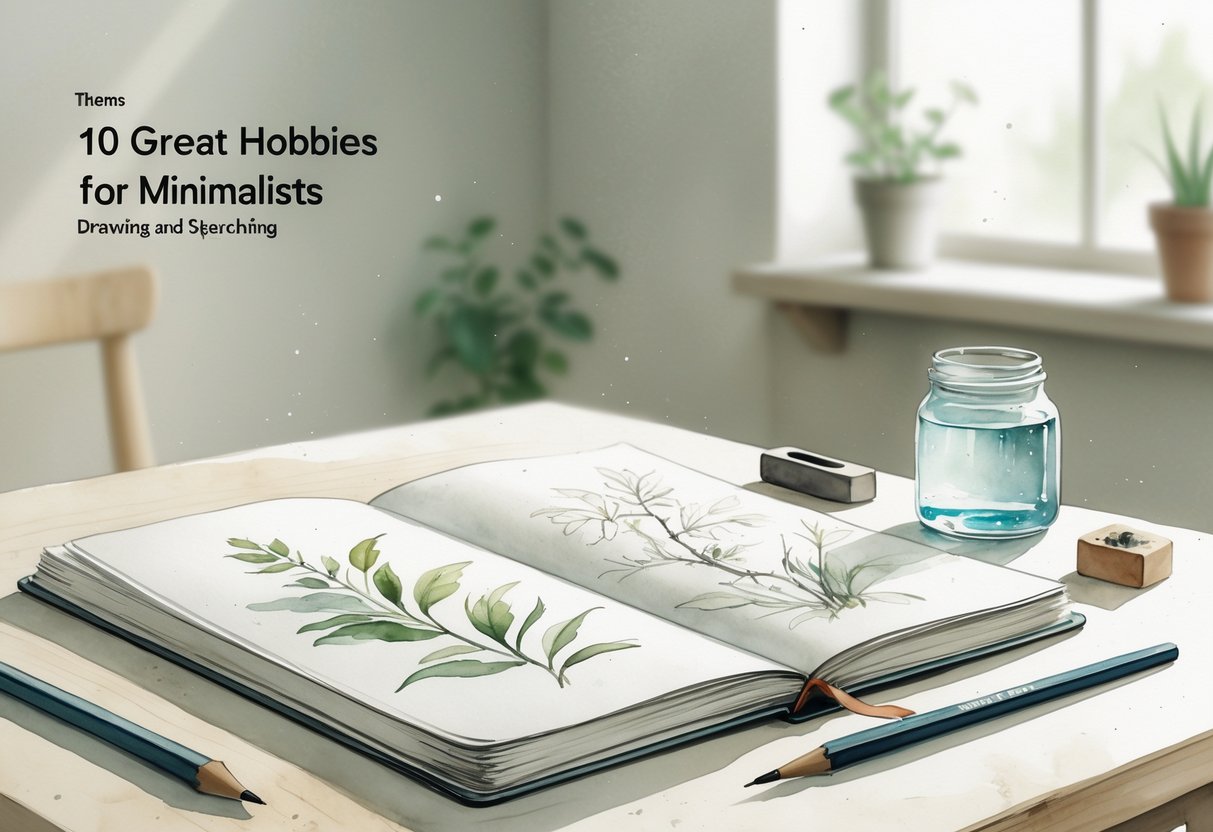
Drawing and sketching are easy hobbies to enjoy if you like minimalism. You do not need much to start.
All you need is a pencil and some paper. This hobby is flexible.
It does not take up much space in your home or bag. You can draw at your desk, outside, or while you travel.
You do not need to have expensive tools. A notebook and a pen or pencil are enough to practice and improve your skills.
Over time, you can experiment with different styles or try new materials if you want. Drawing and sketching can be a good way to relax.
It lets you focus your mind and helps you stay in the moment. Many people enjoy making art as a way to unwind after a long day.
You can follow free online tutorials if you want to learn new techniques. If you have a tablet, digital sketching is also an option.
This means you do not need any physical supplies at all. A benefit of this hobby is the low impact on clutter.
Unlike some creative hobbies, you do not need shelves full of supplies or finished projects. You keep what you want and let go of the rest.
If you are curious about this hobby, several minimalist guides recommend drawing and sketching for small spaces and simple living. It is also listed as a great minimalist hobby to try.
You do not need to be an expert to enjoy drawing. Just start with what you have and see where your creativity takes you.
4) Writing and journaling
Writing and journaling are simple hobbies that fit well with a minimalist lifestyle. You do not need much to get started—just a notebook or a laptop.
This makes it easy to keep your space free from clutter. Journaling lets you reflect on your thoughts and feelings.
By writing things down, you may find clarity and reduce stress. It is a private activity that you can do almost anywhere.
Some people like to keep their journals organized, while others prefer expressing themselves freely. The style is up to you.
Creative writing is another option if you want to explore stories or poems. Both journaling and writing require very little equipment or materials.
If you want, you can even write on your phone or use free apps online. You may enjoy the process of revisiting old entries and seeing how your ideas have changed over time.
Many find that regular writing helps build healthy habits and improves self-awareness. Journaling is also a hobby that travels well.
You can bring a small notebook on trips or save entries digitally without taking up extra space in your bag. Many minimalists find that keeping a journal or writing regularly helps them focus on what truly matters.
It’s a low-cost, low-clutter activity that can lead to greater mindfulness. For more ideas on fitting writing and journaling into daily life, you can look at hobby lists made for minimalists.
This simple hobby can be a meaningful part of your routine.
5) Content creation
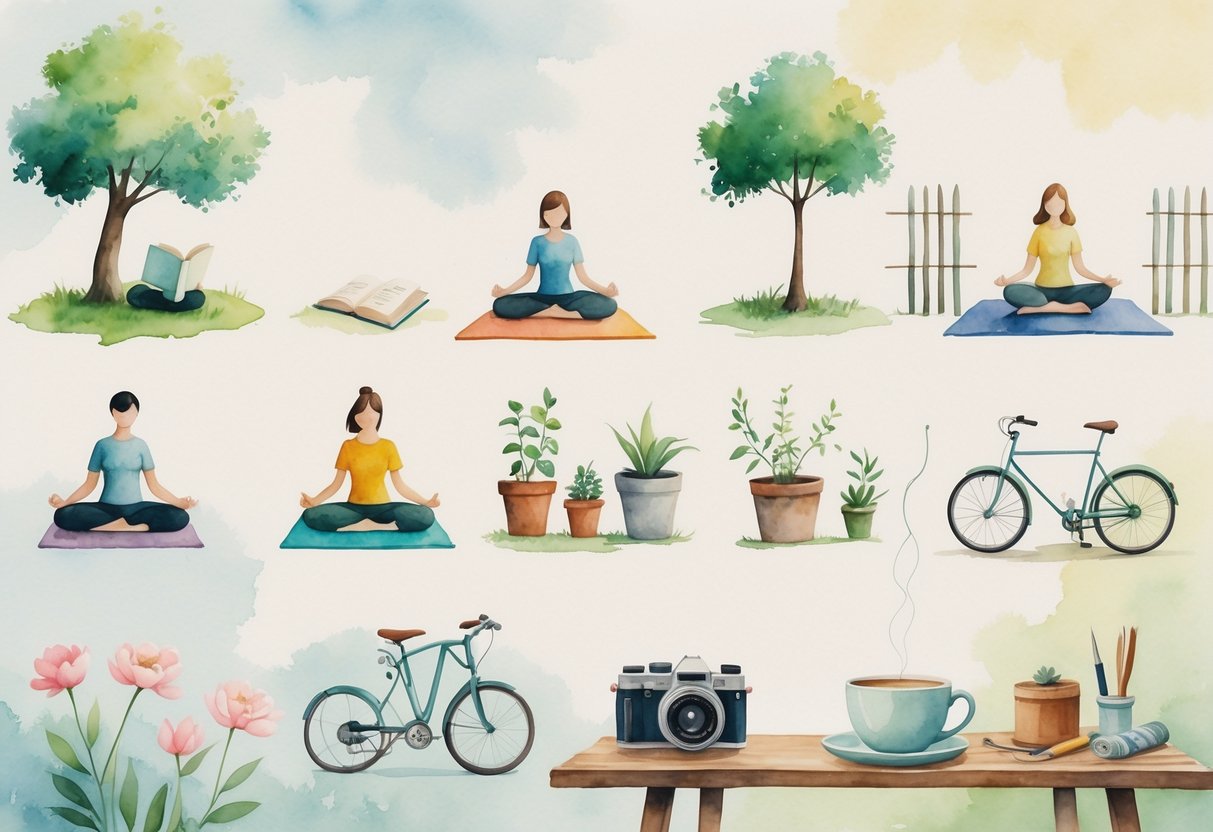
Content creation is a hobby you can start with just your smartphone or computer. You don’t need fancy equipment or a lot of space.
This makes it a great choice for a minimalist lifestyle. You can focus on writing blog posts, taking simple photos, or making short videos about topics you enjoy.
These activities let you express yourself and connect with others online using tools you probably already have at home. Many people create content as a way to share helpful tips, personal stories, or creative ideas.
You get to pick your own themes and style. It is easy to start small, and you can adjust your process if you want to keep things simple.
You can also try digital journaling, starting a podcast, or designing graphics. These options don’t require a lot of supplies and still allow you to be creative.
If you ever lose interest, you can stop without any physical clutter. Some people later build a following or even earn money by sharing their content online.
This can turn a simple hobby into a part-time job or side hustle if you decide to grow it further. Content creation is popular among minimalists because it gives you flexibility and control.
You decide how much time and energy you want to invest. For more ideas about this hobby, see minimalist content creation.
You never need to buy a lot of tools or use up physical space. Content creation fits easily into a simple, minimalist lifestyle while keeping your living area uncluttered.
6) Reading with a Kindle
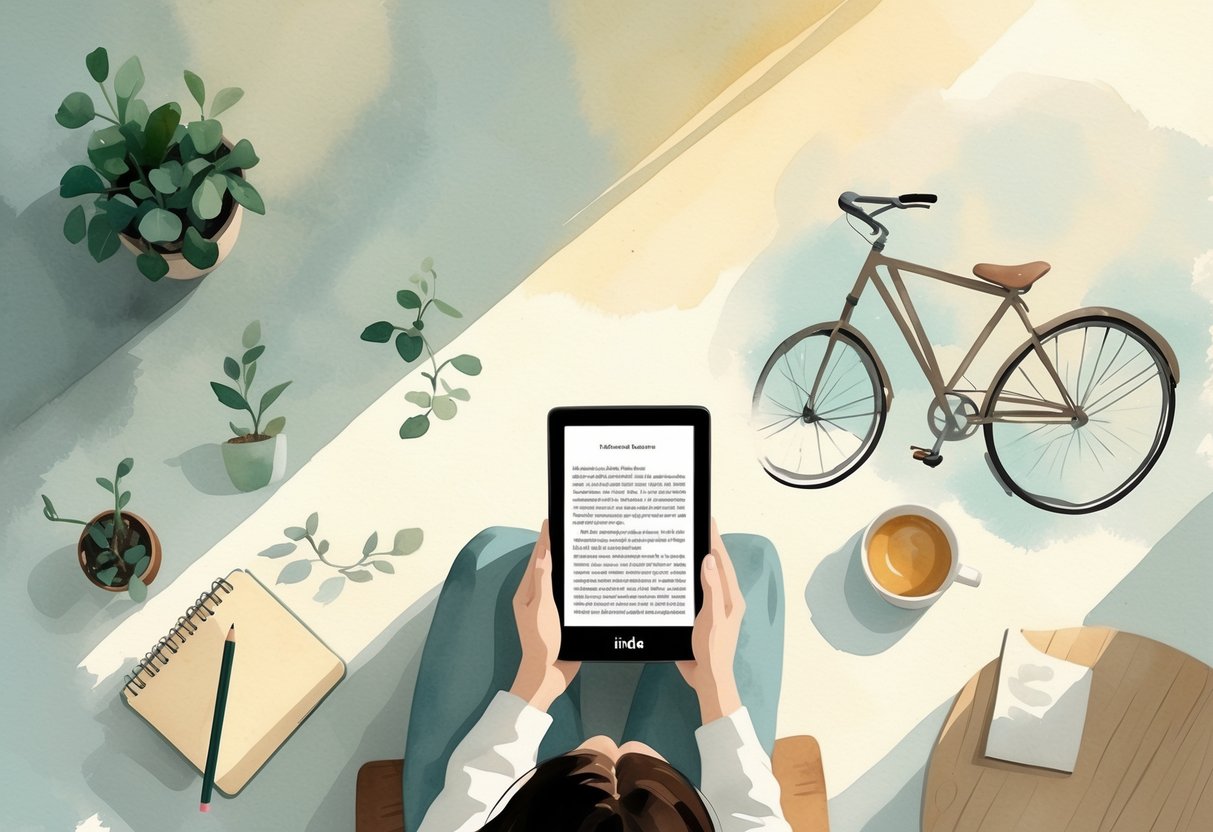
Reading can be one of the simplest hobbies you pick up as a minimalist. With a Kindle, you are able to keep hundreds or even thousands of books in one small device.
This saves space and keeps your home free from stacks of books. You do not have to worry about clutter, dust, or finding storage for new books.
Instead, your Kindle lets you explore new genres, authors, and topics with just a few taps. If you want to try a book, you can get it within minutes.
A Kindle is light and easy to carry. You can read at home, on a trip, or even while waiting for an appointment.
Many public libraries also let you borrow e-books, so you do not need to buy every book you want to read. Another benefit is the simplicity and freedom that comes with digital reading.
You do not need bookshelves, bookmarks, or extra lighting. Most Kindle screens work well in different lighting, and you can adjust the text size for comfort.
If you need to save money, look for free classics or check out e-books from the library. This way, you still enjoy reading without a large cost.
Using digital highlights and notes keeps your thoughts organized without extra paper or tools. Kindle reading supports a love of books while keeping your space neat.
This hobby aligns well with the minimalist goal of doing more with less stuff. For many, it quickly becomes a daily habit and an easy way to enjoy quiet time.
7) Minimalist cooking
Minimalist cooking focuses on making simple, healthy meals with fewer ingredients and tools. You do not need a fancy kitchen or specialty gadgets to enjoy this hobby.
Just the basics like a pan, a pot, a knife, and a cutting board are usually enough. This type of cooking helps you reduce clutter in your kitchen.
You learn how to prepare meals using what you already have, which limits buying unnecessary stuff. Many people find minimalist cooking to be less stressful because you only use what you need and avoid extra steps.
You can start by learning a few basic recipes that use fresh, whole foods. Think about soups, stir-fries, or roasted vegetables.
These meals are easy to make and often only require a few simple ingredients. Making your own meals gives you more control over what goes into your food.
It can also save you money since you can avoid buying processed foods or eating out often. Some people also find that cooking at home helps them eat healthier.
You don’t have to follow strict rules. Minimalist cooking is about finding what works for you.
You can try new ingredients, but you don’t need to fill your pantry with things you rarely use. Cooking can be creative even with fewer options.
You can mix and match flavors with basic spices and herbs. Many minimalists enjoy making their food from scratch because they know exactly what is in it.
If you like the idea of a simpler lifestyle, this hobby fits well. You’ll spend less time cooking and cleaning, and more time enjoying your meals.
To get inspired, check out ideas for minimalist cooking at Sustainable Wave and Minimalists Managed.
8) Hiking and nature walks

Hiking and nature walks are simple hobbies that fit a minimalist lifestyle. You only need comfortable shoes and maybe a small backpack.
There’s no need for fancy gear or expensive memberships. You can enjoy these activities almost anywhere, from city parks to forest trails.
Being outside helps you get fresh air and exercise without a lot of equipment. Even a short walk in a local park can be relaxing and refreshing.
Hiking lets you slow down and notice the world around you. You might see birds, plants, or animals that you usually miss in daily life.
Walking at your own pace is good for both your body and mind. If you like to keep track of your adventures, you can write down the trails you visit or take photos with your phone.
Some people find it rewarding to look back at where they have been. Both hiking and walking in nature give you a break from screens and busy routines.
Many minimalists enjoy this hobby because it is flexible and cost-effective. There are usually no rules, costs, or schedules to worry about.
All you need is a safe place to walk and some time. Whether you go alone or with friends, hiking is an easy way to stay active.
You only need to dress for the weather and bring some water. The rest is about enjoying the moment and making the most of a simple activity.
For more about minimalist hobbies like hiking and walking, visit this list of minimalist hobbies to try or see how other minimalists enjoy hiking and nature walks.
9) Yoga
Yoga is a popular hobby among minimalists because it requires very few items. Most people only need a mat and some comfortable clothes.
You can do it almost anywhere, whether that’s your living room, a park, or even while you’re traveling. This activity is not just about stretching.
Yoga helps you become more aware of your body and breathing. It can also help you feel calm and focused after a busy day.
Many minimalists enjoy yoga because there is no pressure to buy a lot of equipment. Some people follow online videos, while others prefer simple routines they’ve learned over time.
As you practice, you might notice that your strength and flexibility improve slowly, without needing to invest in new gear. Yoga works well if you want a mindful hobby that does not create clutter.
It doesn’t require much space, so you can roll out your mat even in a small room. If you want, you can even take part in group classes, but practicing alone at home is common too.
This hobby also fits many schedules and lifestyles. You can spend just ten minutes stretching in the morning, or take a full hour in the evening.
You choose what works best for you. For more on how yoga suits a minimalist approach, consider reading about minimalist hobbies and why yoga is so highly regarded.
10) Bird watching
Bird watching is a hobby that fits well with a minimalist lifestyle. You only need a pair of binoculars and maybe a bird guide to get started.
Many people enjoy this activity because it connects them with nature without collecting more things. You can watch birds almost anywhere, including your own backyard or local parks.
Birds are active all year, so you can enjoy this hobby in any season. You do not need special skills or lessons to start; simple observation is enough.
Bird watching helps you slow down and notice the details in your surroundings. It can reduce stress and help you feel calm.
Spending quiet time outdoors is good for your mind and body. Some bird watchers enjoy keeping a list of the birds they see.
You can use a paper notebook or a simple app on your phone. There is no need for fancy equipment or large collections, which keeps the hobby simple.
Bird watching is also a great way to enjoy time alone or with others. You can go for a walk with friends or family and look for different birds together.
It encourages you to spend time outside and appreciate what is around you. One nice thing about bird watching is that it’s accessible for almost everyone.
If you want to start, just step outside and pay attention to the birds nearby. You can read more about why it’s a top choice for minimalists on this list of minimalist hobbies.
Why Minimalism Enhances Your Hobbies
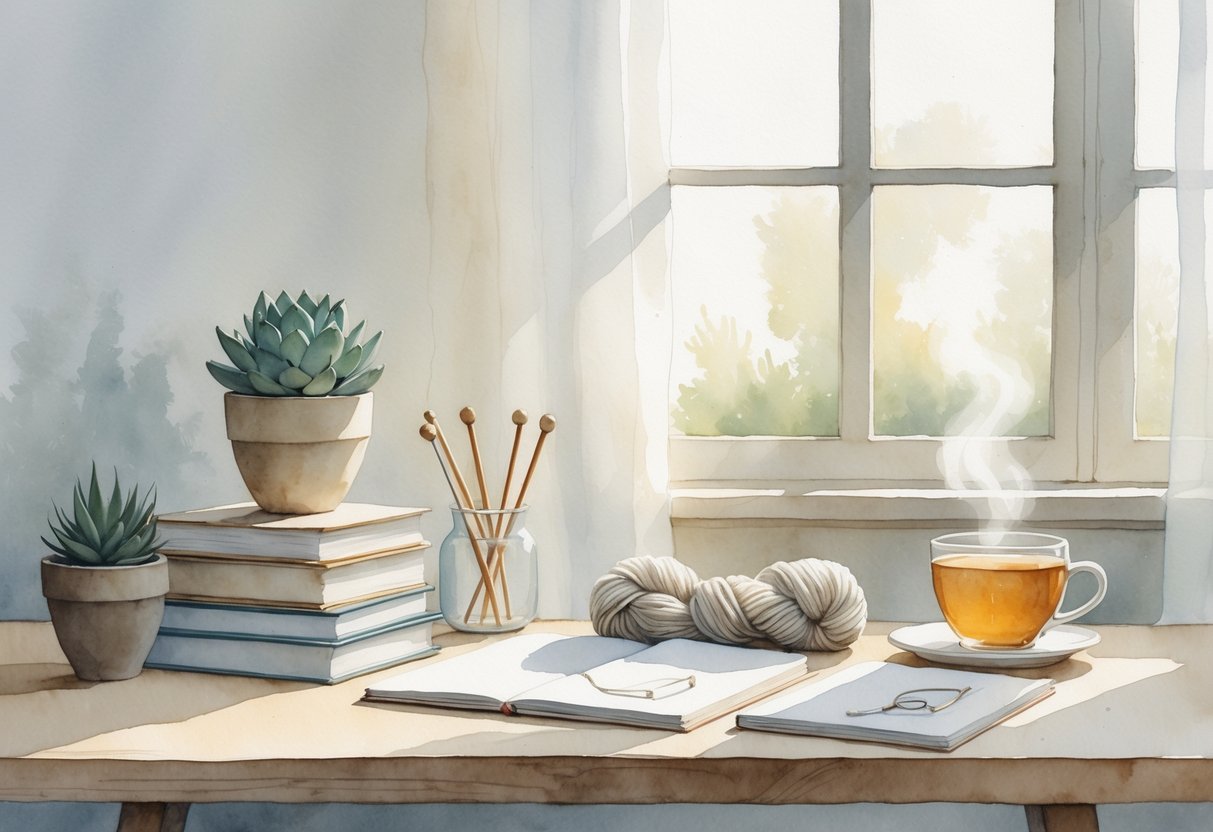
Choosing minimalist hobbies helps you enjoy activities without needing lots of supplies or space. This approach often lets you get more meaning and satisfaction from your time.
Benefits of Simple Pursuits
Minimalist hobbies encourage you to focus on what truly matters most. You avoid filling your space and time with things that distract or overwhelm you.
Many common minimalist hobbies—like walking, writing, sketching, or meditation—use few materials and little space. This makes it easy to keep up your hobby, even if your schedule changes or you live in a small home.
These pursuits often cost less money and are easier to start. You might find your creativity grows when you use fewer tools.
Instead of getting stuck on what to buy, you’ll focus on what you can make or learn with what you already have.
Reducing Stress Through Focused Activities
Minimalist hobbies make it easier to clear your mind. When you do one thing at a time, you’re less likely to feel rushed or distracted.
This helps you relax and lower your stress. With simpler hobbies, you don’t worry about keeping track of lots of supplies or cleaning up big messes.
You get to spend more time enjoying your hobby and less time getting ready or packing up. For example, practices like journaling, running, or reading need very few items or setup to begin.
Choosing hobbies that support mindful attention can help your mental health and improve your mood. You also avoid the pressure to impress others with what you own, so you focus on what gives you real joy.
For more ideas, you can look at lists of minimalist hobbies that fit your interests and space, like those at Sustainable Wave and The Tiny Life.
Building Mindful Hobby Habits
Developing mindful habits allows you to enjoy your hobbies while staying focused on your values and creating a positive routine.
Careful planning and balance help you find satisfaction without stress or clutter.
Setting Intentional Goals
Start by asking yourself why you are interested in a hobby. Define what you want to gain, such as relaxation, creativity, or physical health.
Write down your main reasons and keep them visible to remind you of your purpose. Break your hobby goals into small, clear steps.
For example, if you want to practice drawing, set a goal to sketch ten minutes a day. Use a simple checklist or note in your phone to track progress.
Review your goals regularly to see if the hobby is still meaningful to you. If something no longer fits your lifestyle or values, do not feel bad about moving on.
Minimalism is about quality, not quantity.
Maintaining a Balanced Routine
Keeping hobbies simple means you have more time for what you love. Create a weekly schedule where you set aside certain times for your hobbies.
This helps you avoid feeling rushed or overwhelmed. Rotate your activities if you have multiple interests.
Doing a different hobby each day or week keeps things fresh and prevents boredom. For instance, you can jog on Mondays and paint on Fridays.
If you feel too busy, use a table to organize your time:
| Day | Hobby | Time Spent |
|---|---|---|
| Monday | Jogging | 30 minutes |
| Wednesday | Drawing | 20 minutes |
| Friday | Reading | 25 minutes |
Be honest with yourself about your limits. Try not to fill every free moment.
Space between activities is just as valuable as the hobbies themselves.
Frequently Asked Questions
You can enjoy meaningful hobbies that require little space and few possessions. Many activities—like meditation or drawing—also support simple, mindful living while offering personal satisfaction.
What are some creative hobbies that align with minimalist principles?
Creative hobbies that fit a minimalist lifestyle include drawing, sketching, and writing. These activities need only basic tools, such as a notebook and pen or simple art supplies.
You can also try digital content creation using just a smartphone or computer for a clutter-free workspace. Learn more about minimalist-friendly creative hobbies.
Which hobbies are ideal for minimalists living in small spaces?
Great hobbies for tight spaces are gardening with small containers, digital art, knitting, or journaling. Indoor plants can thrive in small pots, and sketching needs just a small table.
Meditation is easy to practice almost anywhere, even in a tiny apartment. For more examples, see this list of hobbies for small spaces.
How can minimalists cultivate hobbies without accumulating possessions?
Focus on hobbies that require few supplies, or that use digital tools. Use objects you already have, like paper and pencils for sketching or a phone for photos.
Libraries and apps provide access to books and learning materials. This allows you to try new hobbies without buying extra items.
What are some low energy hobbies suitable for a minimalist lifestyle?
Low energy hobbies include meditation, reading, light journaling, or listening to music. You can also try puzzle games, gentle knitting, or writing poetry.
These activities are restful but still enriching and avoid clutter.
Can minimalists engage in fulfilling hobbies that are also anti-consumerist?
Yes. Meditation and journaling are deeply fulfilling and do not require new products.
Drawing and DIY gardening use simple or reused materials. Content creation, such as blogging, allows you to share ideas without purchasing more things.
Find more anti-consumerist ideas from popular minimalist hobbies.
What hobbies can provide enjoyment without incurring any costs?
Meditation, reading free books from the library, sketching with basic materials, and writing are no-cost hobbies.
You can also explore gardening with seeds from kitchen scraps or create digital content with free apps.
For further ideas, check out this guide to free and simple hobbies.