
10 Best Hobbies for Improving Your Emotional Intelligence
Building emotional intelligence can help you understand yourself and others better. When your emotional intelligence improves, it’s easier to handle stress, build strong relationships, and make thoughtful decisions.
Choosing hobbies that support your emotional growth can give you important life skills that help in daily situations.

You do not need special training or expensive equipment to get started with most of these hobbies. Simple and enjoyable activities can make a real difference in how you cope with emotions and connect with the people around you.
1) Journaling to Reflect on Emotions

Journaling is a simple way to pay attention to how you feel every day. Taking time to write about your emotions helps you notice patterns, triggers, and how you react in different situations.
When you put your thoughts on paper, you see your feelings more clearly. This practice gives you space to think before you react.
It can guide you to better choices with your words and actions. Writing about your experiences helps you understand why you felt a certain way.
You can explore if your feelings come from stress, sadness, excitement, or something else. Journaling makes it easier to name your emotions.
By looking back at past entries, you see how your emotions change over time. Tracking your feelings lets you see where you’ve grown or what still challenges you.
Journaling also gives you a safe place to be honest about tough emotions. You don’t have to worry about others reading or judging your thoughts.
This safety helps you accept your feelings instead of hiding from them. If you aren’t sure how to start, you can use journal prompts for emotional regulation or focus on writing about one situation each day.
Sometimes just writing a few sentences is enough to help you feel better. By making journaling a habit, you can set small emotional goals for yourself.
For example, you might want to practice gratitude, express empathy, or respond to stress more calmly. Using your journal to track progress helps you stay focused and notice positive changes over time.
2) Mindfulness Meditation Practices
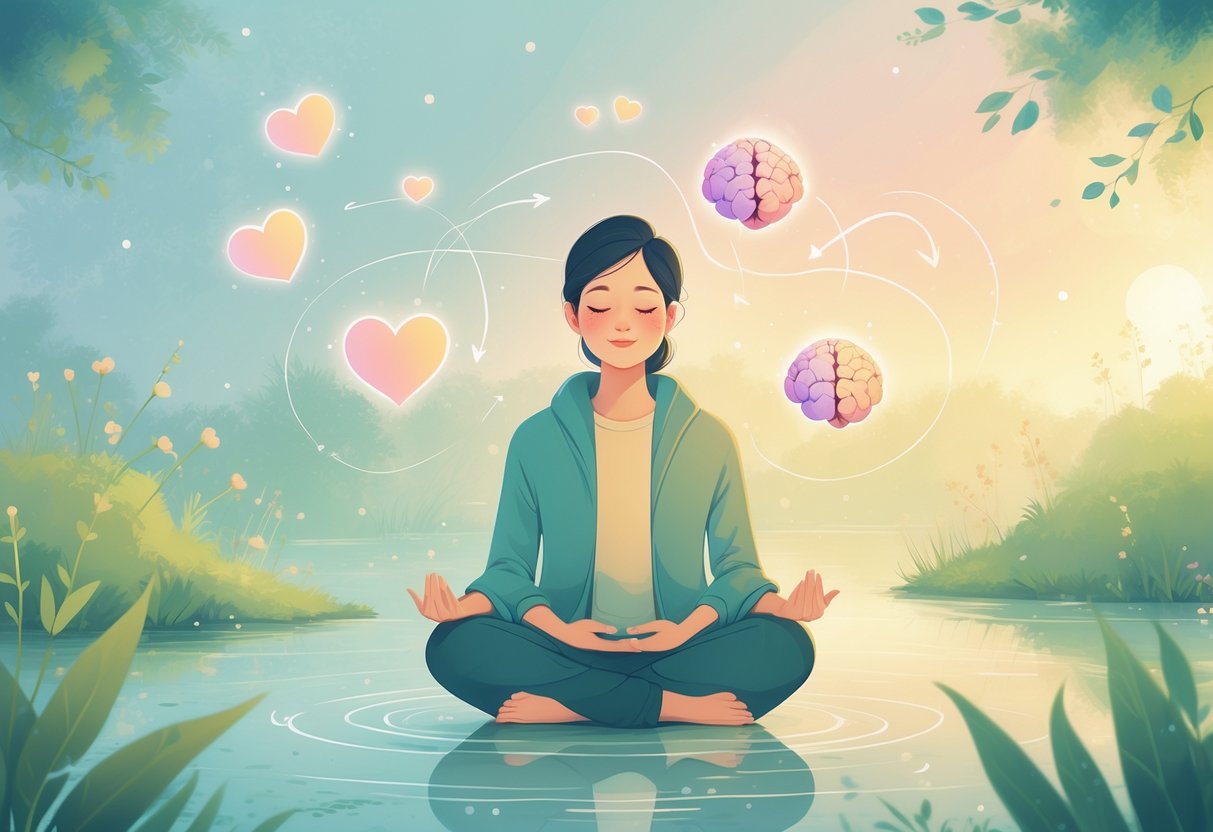
Mindfulness meditation is a simple activity that helps you pay attention to your thoughts and feelings. It teaches you to notice what is happening in your mind without judging yourself.
You can practice mindfulness by sitting quietly and focusing on your breathing for a few minutes each day. This habit helps you become aware of your emotions as they arise.
Over time, you may find it easier to recognize your feelings before reacting. This gives you the chance to choose how you want to respond, instead of acting on impulse.
Mindfulness meditation is known to help people manage stress better. When you focus on the present moment, you can let go of worries about the past or future.
One easy way to practice is to start with mindful breathing. Sit in a quiet place, close your eyes, and notice the air moving in and out of your nose.
If your mind wanders, gently return your attention to your breath. Even a few minutes each day can make a difference.
You might also try guided meditations. These are audio recordings or apps that talk you through each step.
They help keep your mind from wandering and make it easier to get started if you are new to meditation. Along with breathing, you can also do body scan meditations.
This means you slowly focus on each part of your body and notice any feelings or tension. This approach is helpful for connecting your mind and your body awareness.
3) Active Listening Exercises

Practicing active listening is a direct and simple way to build your emotional intelligence. When you focus closely on what someone else is saying, you learn to understand their feelings and needs.
This helps you respond more thoughtfully in future conversations. To start, give your full attention to the person talking.
Put away your phone, turn off notifications, and choose a spot with few distractions. Concentrating on the speaker shows that you value their words and emotions.
You can also try repeating what you heard in your own words. For example, after someone shares their thoughts, say, “So you’re feeling excited about your new job?”
This confirms you understood and gives them a chance to explain more if needed. Another helpful exercise is the “no interruption” rule.
In a conversation, wait until the other person finishes before you reply. This prevents you from jumping in or planning your answer while the other person is still talking.
Using open body language, like making eye contact and nodding, also supports active listening. These small actions show you are present and paying attention.
Practicing these skills, even for a few minutes each day, can help you notice emotions—both your own and others’. If you’d like more detailed activities, you can find helpful active listening exercises for teams or self-guided methods online.
4) Joining a Group Therapy Session

Taking part in a group therapy session is a practical way to improve your emotional intelligence. When you join a group, you get the chance to listen to others and share your own thoughts in a safe space.
This helps you practice empathy and understand different viewpoints. During these sessions, you learn how to communicate more clearly.
You hear stories from people with different backgrounds and experiences. This variety encourages you to see problems and solutions in new ways.
Group therapy also helps you recognize your own feelings and behavior patterns. As you talk about your challenges, you become more aware of your emotions.
You get helpful feedback from both the group and the therapist. You build trust by opening up about your feelings and listening to others.
This can make you feel supported and less alone. There are many activities used in group therapy, such as icebreaker games and sharing stories.
Some sessions focus on building trust or improving communication skills. Others help you cope with stress or deepen self-reflection.
If you want structured ideas, many therapists use proven methods and exercises. You might explore activities that fit your goals for growth and self-awareness.
Some group therapy activities are designed to help you develop strong emotional skills.
5) Practicing Empathy through Volunteering
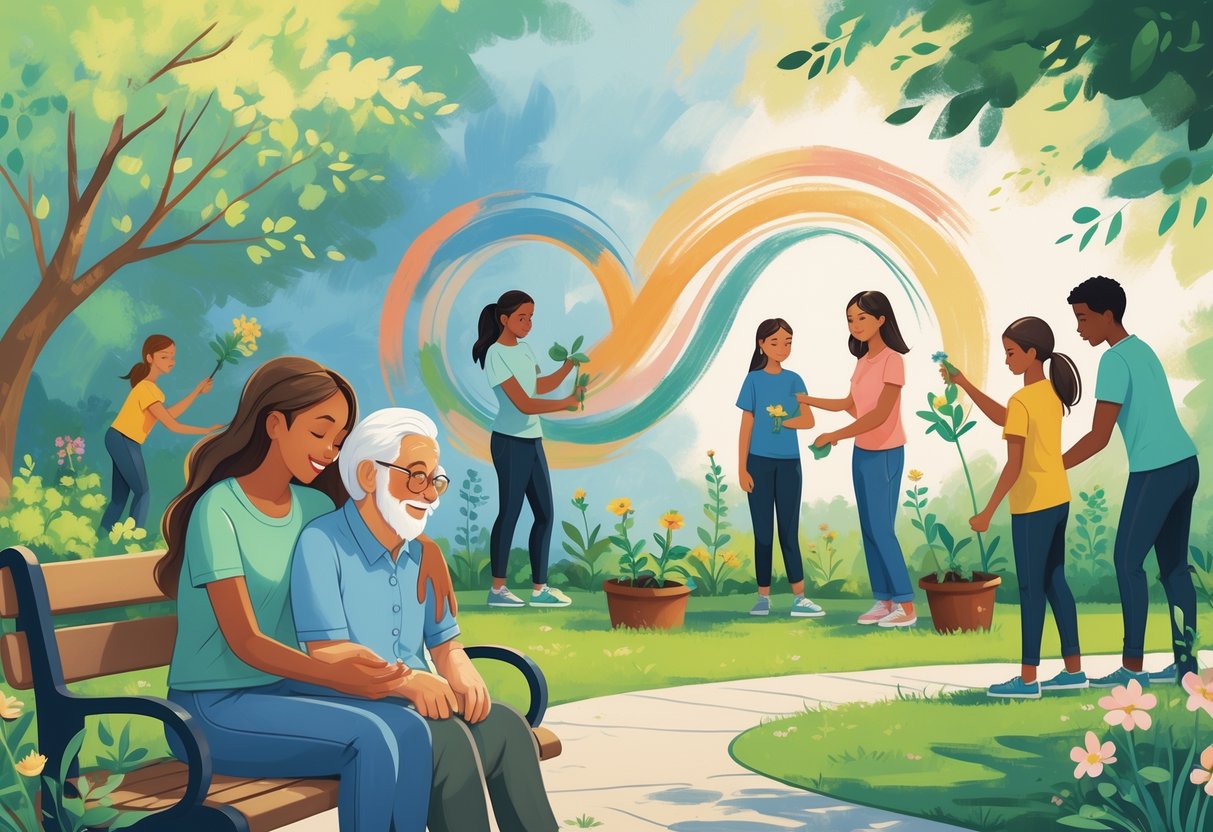
Volunteering gives you real chances to step into someone else’s shoes. When you work with people from different backgrounds, you start to see life from their point of view.
This can help you understand feelings that are different from your own. Choosing a cause that matters to you makes the experience more meaningful.
You might volunteer at an animal shelter, a food bank, or a community garden. Picking something you care about will help you connect more with the people or animals you are trying to help.
For example, when you volunteer to help the homeless or support at-risk youth, you may become more aware of the challenges others face, which builds empathy. As you spend time volunteering, you also practice your listening skills.
You learn to pay attention not just to words, but also to feelings and behaviors. These skills are important for improving your emotional intelligence.
Being around different people can show you many new ideas. Sometimes, you might not fully agree or understand at first.
This is normal. Volunteering can open your mind and help you become more understanding and patient.
Helping others through volunteering also makes you feel more connected to your community. It can be rewarding to see the positive effects of your actions on someone’s life.
These moments can make you more sensitive toward the feelings and needs of others. Some hobbies, like volunteering, are known to support empathy, compassion, and a sense of social connection.
By taking part in these activities, you work on seeing things from other people’s perspective. This is a key part of growing your emotional intelligence.
6) Role-Playing Social Scenarios

Role-playing social scenarios is a practical way to boost your emotional intelligence. You act out real-life situations to gain insight into different points of view.
This activity helps you notice emotions, both in yourself and in others. When you step into someone else’s shoes, you start to see how those feelings shape their actions.
Practicing this regularly builds your empathy and understanding. You learn how to respond to emotions in a calm and thoughtful way.
These scenarios often focus on common situations, like handling disagreements or offering support. You can do these role-plays with friends, family, or even in group workshops.
By working together, you get helpful feedback about your communication skills. Role-playing also helps with conflict resolution.
You practice what to say in tough moments and learn to listen without interrupting. This gives you tools for dealing with stress and emotional challenges in everyday life.
Many therapists and coaches use role-playing to help people develop social skills. Activities like these let you experiment with different responses and learn what works best.
You do not have to be perfect—what matters is that you are willing to try and learn. Some emotional intelligence exercises encourage group participation through role-play and discussion games, allowing you to practice empathy and active listening.
This hands-on approach can make your emotional skills stronger and more natural over time. Whether you act out a simple greeting or a complex disagreement, role-playing gives you a safe place to practice.
Over time, you may find it easier to manage your emotions and relate to others.
7) Reading Emotional Intelligence Books

Reading books about emotional intelligence is a practical way to expand your understanding of emotions. Well-chosen books help you learn new strategies to handle stress, build better relationships, and respond wisely in difficult situations.
Many popular books break down emotional skills into simple steps. For example, you might explore how to identify your feelings, understand why you react certain ways, and manage your emotions without feeling overwhelmed.
These skills are useful at work, at school, and at home. Some of the best emotional intelligence books offer activities and real-life examples.
This makes it easier for you to use what you learn right away. For instance, Emotional Intelligence 2.0 by Travis Bradberry and Jean Greaves is often praised for its clear tips and practical exercises.
Other books dive into important topics like communication, empathy, and self-motivation. Daring Greatly by Brené Brown focuses on vulnerability, which is a key part of building strong connections with others.
Reading also gives you the chance to reflect on your own feelings and actions. As you read, you can compare the stories or advice in the book to your own experiences.
This makes it easier to notice patterns in your emotional responses and practice new habits. You don’t have to read only one type of book.
Many people find it helpful to try both for beginners and more advanced readers. If you’re not sure where to start, lists of recommended emotional intelligence books can guide you to titles matched to your needs.
8) Engaging in Collaborative Team Sports

Joining a team sport gives you regular chances to work with others towards a shared goal. You learn to listen, share feedback, and support your teammates.
These experiences build important social skills as you practice understanding group dynamics. Communication is key in team sports.
You need to express your ideas and hear what others are saying. This helps you recognize your emotions and see how your actions affect the team.
Being part of a team also encourages empathy. You may need to help a struggling teammate or accept help when you face a challenge.
Supporting each other in both wins and losses teaches sensitivity to others’ feelings. Team sports often require problem-solving on the spot.
You might need to adjust your approach during a game depending on changing situations. This improves your ability to manage stress and stay calm under pressure.
Trust and cooperation usually grow in a sports setting. You learn to rely on your teammates and build mutual respect, which is valuable in any group setting.
Sports like basketball, soccer, or volleyball are known for promoting teamwork and collaboration. These activities combine physical movement with group interaction, helping you build both self-awareness and strong relationships.
Many workplaces and schools use team sports as a method to build connection and collaboration. Regular participation can support your personal growth by making you more aware of both your feelings and attitudes.
By joining a team, you put emotional intelligence into practice every time you play. These habits develop gradually, helping you understand yourself and others better with each game.
9) Learning Conflict Resolution Skills
Learning how to handle conflict is a key part of building emotional intelligence. When you practice conflict resolution, you learn to manage your feelings, listen to others, and find solutions that work for everyone.
These skills help you remain calm and think clearly, even during disagreements. You can start by focusing on active listening.
This means paying full attention to what the other person is saying without interrupting. Showing that you understand their point of view can help build trust and reduce tension.
Using “I” statements is another helpful tool. Instead of blaming others, explain how you feel and what you need.
For example, you might say, “I feel upset when meetings run late because it affects my schedule.” This approach reduces defensiveness and leads to better conversations.
Practicing empathy is also important for resolving conflicts. Try to see the situation from the other person’s perspective.
When you show genuine understanding, people are more likely to cooperate and find a solution with you. You can learn more about emotional intelligence and how it connects to conflict resolution.
Some people use group activities and exercises to practice these skills. If you want ideas, emotional intelligence exercises can help you and your team get better at solving disagreements peacefully.
Journaling about your experiences or role-playing certain situations can help you learn from mistakes and improve over time. Making conflict resolution a regular hobby can boost your confidence and help you manage tough situations more effectively.
It is a practical skill that benefits your relationships and your emotional health.
10) Attending Emotional Intelligence Workshops

Attending emotional intelligence workshops gives you a hands-on way to learn about your own emotions and how to respond to those of others. These workshops are designed to help people recognize feelings, manage stress, and build stronger relationships.
You will often work in groups where you can share your experiences and learn from others. This kind of setting encourages open communication and honest feedback.
Through group discussions and activities, you can practice skills such as active listening and empathy in a supportive environment. Many workshops include role-playing exercises.
These exercises help you handle real-life situations by letting you practice how to react calmly and thoughtfully. You might also learn techniques for handling conflict or expressing difficult emotions in a respectful way.
Emotional intelligence workshops often use structured activities, like self-reflection exercises and group problem-solving tasks. These activities help you identify your strengths and areas for improvement.
Practicing these skills in a group setting makes it easier to apply them outside the workshop. Some workshops focus on emotional intelligence at work, while others are open to the general public.
Attending a workshop at your workplace can improve teamwork and communication with colleagues. Many companies now offer these sessions as part of their training programs.
You can find a range of activities and ideas for emotional intelligence workshops for employees. There are also workshops that use fun and creative exercises to make learning about emotions easier and more enjoyable.
For more practical ideas, see these emotional intelligence team building activities. Taking part in a workshop is one of the most direct ways to practice emotional intelligence skills.
You gain practical tools that you can use in daily life.
How Hobbies Enhance Emotional Intelligence

Practicing hobbies can give you more than just fun or relaxation. Many activities actually strengthen how you understand yourself and connect with others, helping you use emotions in better ways.
The Science Behind Emotional Growth
Emotional intelligence is not just about feeling emotions; it’s about recognizing, understanding, and using emotions in healthy ways. When you take up hobbies, your brain gets regular practice at these skills.
For example, creative hobbies like painting or journaling let you express feelings that might otherwise be hard to share. This helps your brain process and manage stress.
Certain hobbies also engage the part of your brain that handles decision-making and problem-solving. Activities like playing music, gardening, or even strategy games help your brain build new connections.
Research suggests this can improve your mood and reduce anxiety by giving you a sense of control and purpose. Some hobbies involve learning new routines or steps, which can boost focus and mindfulness.
By getting deeply involved in activities, you practice living in the moment and paying attention to your emotions as they change. This helps you understand yourself better, a key part of emotional growth.
If you want more ideas, check out these science-backed hobbies that benefit mental health.
Building Self-Awareness and Empathy
Hobbies give you a regular way to check in with yourself. Journaling, for example, encourages you to write down your feelings and look for patterns in your thoughts and actions.
This helps you notice what triggers stress or happiness, making you more aware of your emotional habits. You can learn how to start this with guidance from journaling tips for self-awareness.
Group activities, such as team sports or volunteering, also boost your ability to see things from other people’s perspectives. When you work with others, you practice listening and responding with care, not just reacting quickly.
This can make you more patient and understanding in daily life. Creative hobbies like acting or reading fiction allow you to step into someone else’s shoes.
By imagining different lives and feelings, you grow your capacity for empathy and compassion. These activities help you relate better to friends, family, and coworkers by widening your understanding of how others think and feel.
Maximizing the Impact of Hobbies on Emotional Development

Choosing the right hobby can help you manage emotions and better understand yourself. You can take simple steps to get more from your favorite activities and see real growth in your emotional intelligence.
Practical Tips for Deepening Engagement
Pick a hobby that excites you and fits your everyday life. It could be painting, writing, dancing, or even volunteering.
Committing to your hobby every week is key. Block out time and treat it like an important appointment.
Stay mindful while you practice your hobby. Try to focus on your feelings in the moment and observe how the activity affects your mood.
For example, if you are learning an instrument, pay attention to how you react to progress and mistakes. This encourages self-reflection and patience.
Seek feedback or connect with others who enjoy the same activity. Sharing your journey helps you learn new ways to manage emotions.
You build stronger social skills by talking, listening, and working together—which benefits emotional intelligence. You can find more ideas for engaging hobbies that meet your emotional needs at 10 Hobbies That Can Help To Meet Your Emotional Needs.
Tracking Your Emotional Progress
Keep a simple journal or log for your hobby sessions. Record your feelings before, during, and after each activity.
Use basic notes like “felt less stressed” or “enjoyed talking with others.” This practice helps you see patterns over time.
Look for specific changes. Are you more patient or less frustrated?
Do you handle setbacks better? Review your journal every few weeks.
This helps you understand how the hobby is shaping your emotional skills. If you prefer digital tools, try mood tracking apps or spreadsheets.
This structure makes it easier to spot progress and set new goals. Regular tracking gives you a clear picture of growth and keeps you motivated to stick with your hobby The 10 Best Hobbies to Cultivate Personal Growth.
Frequently Asked Questions
You can improve your emotional intelligence by practicing mindfulness, reflection, communication, and empathy in daily life. Simple hobbies and group activities can make a big difference in how you understand and manage emotions.
What activities can enhance emotional intelligence in adults?
Mindfulness meditation and journaling help adults become more aware of their feelings and reactions. Volunteering teaches empathy by putting you in others’ shoes.
Group therapy sessions allow you to practice understanding and sharing emotions with others.
Which hobbies are most beneficial for students seeking to boost their emotional intelligence?
Joining clubs that focus on group discussions and team projects helps students interact and share thoughts. Activities like active listening exercises and mindfulness practices also help students recognize and manage their emotions in school settings.
How can engaging in specific hobbies lead to an improvement in emotional intelligence?
Hobbies such as journaling, meditation, and group therapy let you reflect on emotions, learn empathy, and practice handling social situations. Volunteering connects you with people from different backgrounds.
Active listening builds stronger relationships and better emotional skills.
What exercises can be incorporated into daily life to develop better emotional understanding?
Writing about your feelings, even for a few minutes each day, is a simple way to reflect on emotions. Mindful breathing and meditation can help you stay calm and pay attention to how you feel in different situations.
Practicing active listening during a conversation is also effective.
Can participating in games be effective for increasing one’s emotional intelligence, and how?
Role-playing games and improv activities encourage you to step into another person’s perspective and think on your feet. Board games that require teamwork and communication help you practice empathy by understanding group dynamics and responding thoughtfully.
These types of games build important social and emotional skills, as seen in emotional intelligence activities for groups.
What are some workplace activities that can contribute to the growth of emotional intelligence among employees?
Feedback circles and team role-play help employees express their thoughts and listen to others. These activities also encourage understanding of different opinions.
Group mindfulness or guided meditation helps everyone reduce stress. It allows employees to reflect on their feelings at work.
Participating in workshops focused on empathy and communication can build emotional intelligence between coworkers.