

10 Best Hobbies to Encourage Self-Reflection for Personal Growth
Taking time for self-reflection can help you understand yourself better and support your personal growth.One of the easiest ways to encourage this is by exploring hobbies that give you space to think and learn about yourself.
Trying new hobbies can give you a chance to slow down, reflect on your life, and find new meaning in your daily routine. These activities can lead to better mental health and a stronger sense of who you are.
1) Journaling for daily self-reflection

Journaling gives you a simple way to pause and look back on your thoughts, actions, and feelings.
By writing about your day or an event, you can spot patterns in your mood or behavior.This helps you understand what influences your choices and how you react to challenges.
You do not need any special skills to start journaling. Grab a notebook or open a digital app and start writing. Focus on your experiences, questions, or feelings that stood out during the day.Using prompts can help if you do not know what to write.
For example, you might answer questions such as what you learned today or how you handled a difficult moment.You can find daily journal prompts that encourage self-reflection and creativity.Journaling can be a space to safely express worries or hopes.
You might find it easier to notice your strengths and things you want to improve.Y ou can journal at any time, but many people prefer to write either in the morning or at night.This regular habit gives you a calm moment to check in with yourself. You do not need to write a lot.
Even a few sentences can help you process your thoughts and calm your mind.
If you want, try exploring some helpful daily reflection prompts to guide your practice.Journaling is flexible, private, and easy to fit into your day.It is one of the most accessible ways to encourage self-reflection and personal growth.
2) Meditative yoga practice
Meditative yoga practice blends gentle movement with slow, mindful breathing.
This approach can help you tune into your body and notice your thoughts without judgment. As you move through yoga poses, you focus on how each motion feels. This keeps your attention in the present moment rather than letting your mind wander.
Holding a pose gives you time to reflect and become more aware of your feelings. Breathwork is an important part of meditative yoga. Focusing on your breath makes it easier to relax and manage stress.
It also makes it harder for distractions to take over. You can practice meditative yoga at home or in a class. Some beginners use videos or mobile apps with guided instructions to get started. Even short sessions a few times a week can help you feel calmer and more centered.
Adding meditation to your yoga routine can increase your sense of inner peace. Many classes start or end with a short meditation, which can set a positive tone for your day. This quiet time encourages self-reflection and helps you better understand your emotions.
Yoga is more than just exercise; it supports mental and emotional health. Becoming more mindful during your practice can help you notice patterns in your thoughts and reactions. Over time, this may lead to more balanced and thoughtful choices.
If you want ideas or structure for your routines, there are guided yoga and meditation classes available online. These resources often combine gentle poses, breathing exercises, and meditation for a complete experience.
You do not need special skills or flexibility to start. A regular meditative yoga routine simply gives you a quiet space to look inward and learn more about yourself.
3) Reading philosophical literature

Reading philosophical books gives you a chance to see the world from new perspectives.
When you read about big ideas from thinkers like Plato or Confucius, you can question what you believe and why you hold certain values. Philosophy often asks deep questions about life, reality, and how you should act.
Taking time with these books helps you think more clearly about your own choices. It can help you see what really matters to you and what you might want to change.
Some famous philosophical works, like Plato’s dialogues, give examples of how people have discussed right and wrong for thousands of years.
These old texts are still important because they show how people have searched for meaning throughout history.
You don’t have to agree with every idea to learn something; the goal is to keep your mind open. You can find lists of thought-provoking philosophy books and philosophical classics that cover different ways of thinking about life.
Even if you read just a little at a time, these books can make you pause and reflect. When you read philosophy, it’s not about finding a single answer. It’s about asking your own questions and learning from the ideas you find. This can make your self-reflection deeper and help you grow as a person.
4) Writing personal essays

Writing personal essays helps you think deeply about your own experiences.
It gives you space to explore your ideas, memories, and feelings in detail. Through this process, you can discover new things about yourself. When you write a personal essay, you often look at your past and see how it shaped who you are today.
You may find patterns in your choices or reflect on lessons that changed your point of view. This kind of writing encourages honesty with yourself. Personal essays are flexible.
You can write about big life events, but small everyday moments can be just as meaningful. You might focus on a challenge you faced or a happy memory that made a difference in your life.
Journaling and essay writing are powerful for self-expression and reflection. Studies have found that writing can help you clarify your thoughts and understand your emotions better.
By putting your experience into words, you can see your life from a new angle, as writing is a powerful tool for self-expression, reflection, and creativity. You do not need special skills to start.
Even if you are new to writing, the process can help you organize your thoughts and give structure to your self-reflection. You can choose to keep your essays private or share them if you want feedback or connection with others.
Using prompts can be helpful if you do not know where to begin. Prompts can guide you to topics you had not considered before. You can find many useful writing prompts for self-reflection and self-discovery to get started. Writing personal essays can be a simple and effective way to grow and better understand yourself.
5) Stamp carving for focus
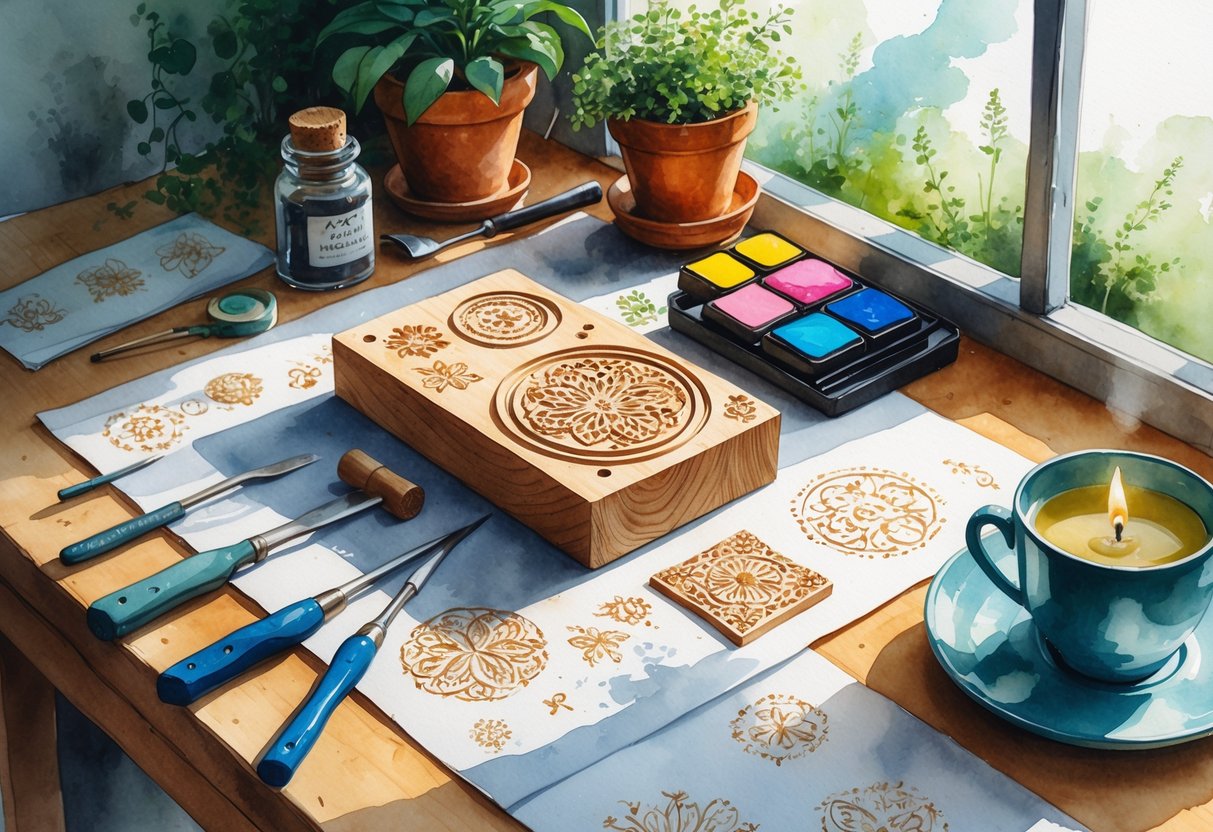
Stamp carving is a hands-on hobby where you use carving tools to create designs in rubber or similar materials.
This activity helps you build fine motor skills as you pay close attention to each detail. Working with your hands on something small quickly boosts your ability to concentrate. This hobby requires patience as you outline, carve, and finish your design step by step.
It’s not about rushing but taking your time to get the shapes right. You have to slow down and focus on the present moment. Stamp carving helps you step away from screens and daily distractions.
The quiet, steady nature of the process allows you to reflect on your thoughts while you work. Many people find the repetitive motions calming, which can help ease stress.
You don’t need to spend a lot of money to get started. Most beginner stamp carving kits are affordable and come with everything you need to try out the craft. Over time, you can develop more complex ideas and improve your artistic skills.
Choosing shapes, symbols, or words for your design can also make the hobby feel personal. Each stamp you create becomes a one-of-a-kind piece of art.
Creating and seeing your finished work can give you a sense of achievement. If you are looking for a hobby that strengthens focus and concentration, stamp carving is a good choice. It’s a quiet and rewarding way to practice mindfulness in your routine. You might find that you become more present and attentive, even outside of your carving sessions.
6) Nature sketching outdoors

Nature sketching outdoors gives you a simple way to slow down and really observe your surroundings.
When you bring a notebook and pencil outside, you notice details you might have missed before. This could be shapes of leaves, textures of bark, or the way light changes as clouds pass by. Sitting quietly while you sketch can help quiet your mind.
You start to focus on lines and shades rather than other worries. It’s a practice that encourages both creativity and mindfulness. You do not need to be an expert artist to benefit from nature sketching. It is more about looking closely and being present. Paying attention to small changes in the environment makes you more aware of the present moment.
Many people find that nature sketching leads to deeper self-reflection. While you draw, you may discover new thoughts or feelings.
Nature journaling, which often includes drawing, also improves your connection with yourself and the world around you. You can read about this benefit in guides on nature journaling and self-reflection. Nature sketching can be done almost anywhere, from a park bench to a hiking trail.
Try listening to the sounds around you or noticing the air’s smell as you sketch. Adding notes about your feelings or the weather can make your sketches even more personal. This hobby does not require much equipment. All you need is a notebook, some pencils, and a comfortable spot outdoors.
Over time, your collection of sketches can become a visual diary, helping you track changes in the way you think and see the world.
7) Guided mindfulness meditation
Guided mindfulness meditation is an easy way to start practicing mindfulness, especially if you are new to it. During these sessions, you listen to a guide who leads you through calming techniques and helps you focus on your breath or simple thoughts.
This hobby can help you learn how to notice your feelings and thoughts without trying to change them. By doing this, you become more aware of your own mind and emotions.
Over time, this can make it easier to understand what you need or how you truly feel. You do not need any special equipment for guided mindfulness meditation.
Many people use free videos or audio tracks online. For example, you can find guided meditations on YouTube channels like The Mindful Movement and Yoga With Adriene, or listen to podcasts offering mindfulness content during your free time.
Some people enjoy guided meditation in small groups, while others prefer practicing alone. You can choose what works best for you.
Most guided sessions last only 10 to 30 minutes, making it easy to fit into your daily routine. Practicing guided meditation regularly may support emotional balance and help you respond to stress in a calmer way.
If you pay attention and practice often, you may find it easier to reflect on your thoughts and actions.
8) Keeping a gratitude diary
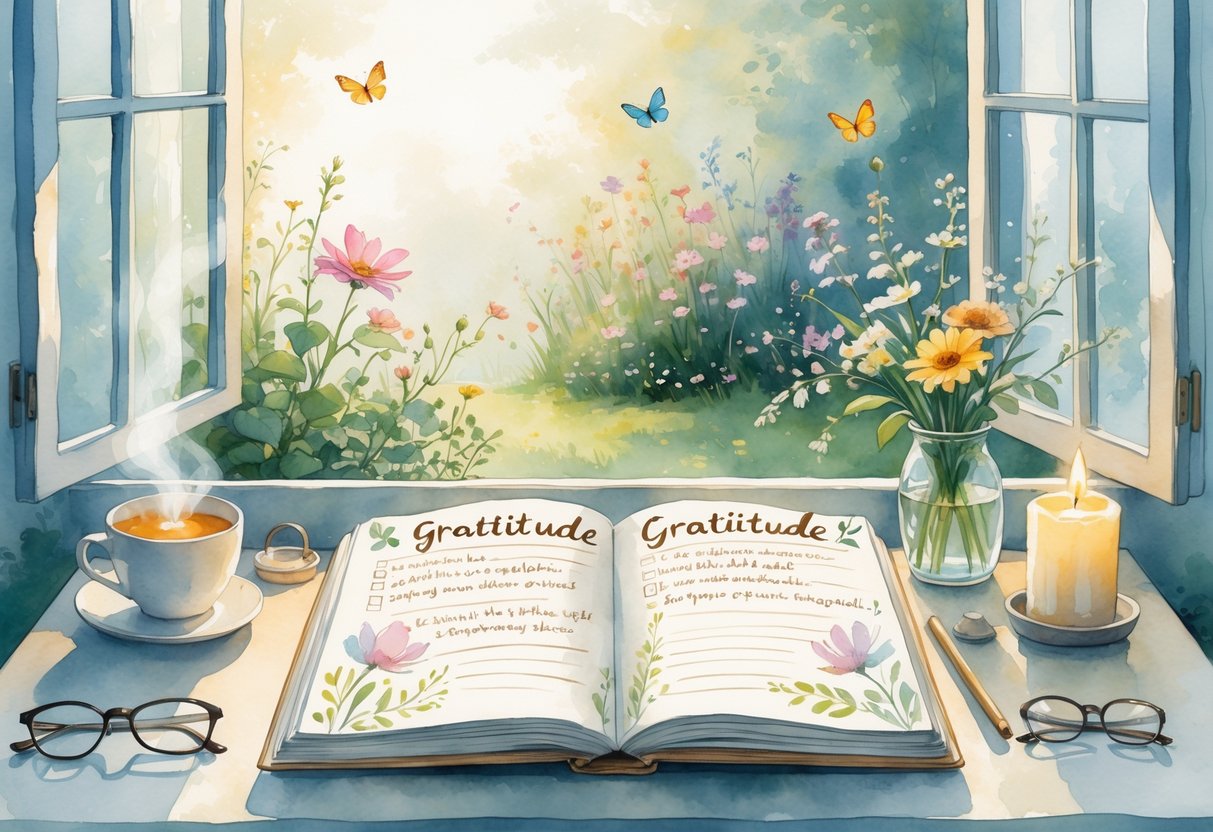
Keeping a gratitude diary is an easy way to train your mind to notice positive moments in daily life. You can start by writing down a few things you are thankful for every day.
These can be small things like a good meal or a kind word from someone. Writing in a gratitude journal helps you pause and think about what really matters to you.
It can shift your focus from what is missing to what is already present. Over time, this may help you develop a more balanced mindset.
Most people find it useful to write at the same time each day. Some like to write in the morning to begin on a positive note, while others prefer to reflect at night before bed.
You decide what fits best for your routine and needs. Prompts can help if you are unsure what to write.
Simple questions like “What made me smile today?” or “Who am I grateful for?” give your writing some direction. For more inspiration, you can check out a list of daily journal prompts for gratitude.
Your entries do not have to be long or detailed. Even simple lists or phrases can help you reflect.
There are many kinds of gratitude journals available. Some offer prompts, space for free writing, or even quotes to inspire you.
You can find options with different layouts by looking at gratitude journals with prompts. Starting a gratitude diary takes only a few minutes each day and requires little effort or supplies.
All you need is a journal and a pen, or even a digital note app. The key is to be consistent and honest in your reflections.
9) Solo long-distance hiking

When you go on a solo long-distance hike, you have time alone to think and observe the world around you. Walking for hours lets your mind wander and reflect on goals, worries, and plans.
The steady pace of your steps makes it easier to focus on your thoughts. Hiking alone means setting your own schedule.
You decide when to start, rest, or stop for the day. Without anyone else to consider, you have space to listen to your needs and reflect on your feelings.
The silence of the trail is calming. You can breathe fresh air, hear natural sounds, and feel the changes in weather.
These quiet moments help you notice details in nature and your own mood. Solo hiking can feel challenging, especially over long distances.
Navigating trails, handling surprises, and making choices alone can reveal your strengths. You might find new confidence as you solve problems and overcome obstacles.
Some people also use solo hiking for personal growth and self-reflection. With no pressure to talk or keep up with others, your mind is free to wander and your thoughts can go deeper.
You can keep a journal to write about your hike and what you notice along the way. Recording your thoughts adds another layer of self-reflection and can make memories more vivid.
If you meet other hikers on the trail, you can choose to chat or enjoy your solitude. Either way, solo hiking teaches you to be comfortable with your own company and trust your choices.
10) Learning a new language
Learning a new language is a hobby that can offer you a lot more than just new words. It helps you look at your own thoughts and ideas in different ways.
When you practice new vocabulary or grammar, you pay close attention to how you speak and think. As you study another language, you start to notice the habits and patterns in your first language.
You begin to understand yourself better because you see how you use words every day. This can lead to more self-reflection as you ask yourself why you say things a certain way.
Learning a language takes patience and time. It teaches you to set goals, stick to routines, and notice your own progress.
By tracking your growth, you become more aware of your strengths and the areas where you want to keep improving. Learning another language also allows you to see how different cultures think and communicate.
This experience can make you reflect on your own beliefs and customs. It can help you become more open-minded and respectful towards other people.
Researchers have found that picking up another language can improve your memory and problem-solving skills. It gives your mind a workout and encourages you to see the world through a different lens.
If you decide to try this hobby, there are many ways to get started. You can use apps, watch shows in other languages, or join a language group.
You might also enjoy language exchange programs and speaking with native speakers. Learning languages is also linked to better problem-solving and memory retention.
Each step in your language journey gives you chances to reflect and to grow.
The Role of Self-Reflection in Personal Growth

Self-reflection helps you look closely at your thoughts and actions, giving you a better understanding of yourself. It can guide you in making decisions, building new skills, and improving your overall well-being.
Science-Backed Benefits of Self-Reflection
Self-reflection can increase your sense of self-awareness. When you regularly review your thoughts and choices, you can notice strengths and spot areas where you can improve.
Research shows that self-reflection is linked to better mental health. It has been found to lower stress, boost emotional control, and strengthen problem-solving skills.
People who practice self-reflection often feel more satisfied and confident with their lives. Self-reflection can also help you set and reach goals.
By looking back at your progress and habits, you can make changes and plan your next steps. For more details about how reflection supports growth, learn about the role of self-reflection in personal development.
Common Barriers to Practicing Self-Reflection
Self-reflection is not always easy. Lack of time is a common problem since busy schedules can make it hard to pause and think deeply.
Fear of facing uncomfortable truths can cause some people to avoid it. Sometimes, you may feel uncertain about how to start or worry about making mistakes as you reflect.
Distractions from phones, social media, or noisy settings can interrupt your focus. The pressure to always be productive can also lead you to skip self-reflection, even though it is valuable.
If you want to improve your skills, it’s important to notice these barriers. Finding a quiet place, setting aside even ten minutes, and being patient with yourself can make self-reflection more manageable.
How to Choose Hobbies That Foster Mindfulness

Choosing the right hobby is important when you want to feel calm and focused. It helps to start with what matters most to you and then find ways to fit that activity into your life on a regular basis.
Aligning Activities With Personal Values
Selecting a mindful hobby should begin with knowing what is important to you. Think about the activities that match your beliefs or your interests.
For example, if you value creativity, you might try drawing or painting. If caring for nature is meaningful, gardening could be a good fit.
It helps to ask yourself questions like:
- What activities make me feel calm and centered?
- Which hobbies help me feel connected to myself or others?
- Does this hobby encourage patience, focus, or gratitude?
Consider hobbies that are known for supporting mindfulness, such as yoga, journaling, or mindful walking. You can find more ideas on how activities like painting or gardening can help you unwind.
When your hobby matches your personal values, you’re more likely to stick with it and feel its benefits. It becomes more than just an activity—it turns into a way of supporting your own well-being.
Strategies for Building a Consistent Hobby Routine
Once you find a hobby that fits your values, making it a habit is key. Start by setting aside a specific time each week or even each day to focus on your hobby.
Consistency helps you make progress and see the positive effects on your mood and focus. Use a calendar or planner to block out time for your hobby.
Treat it like any important appointment. You can also pair your hobby with another habit—like practicing mindful breathing before you start drawing or writing.
Keep your routine simple at first. Even 10-15 minutes can make a difference.
The goal is not to feel stressed about the new activity, but to enjoy it and let it become part of your routine naturally. If you’re looking for inspiration, setting aside regular time for yourself can help you develop new mindful habits and make these hobbies a steady part of your life.
Frequently Asked Questions
Many hobbies offer benefits for your mind and self-awareness. Some encourage deep thinking, while others build useful skills and help you connect with others.
What are some creative hobbies that promote introspective thinking?
Journaling allows you to explore your thoughts in writing and helps you notice patterns in your daily life.
Writing personal essays lets you reflect on experiences in a meaningful way.
Creative arts like painting or stamp carving also invite focus and moments of self-reflection.
Which hobbies can help adults enhance their personal development?
Reading philosophical literature can challenge your viewpoints and encourage growth.
Meditative yoga teaches mindfulness and helps you become more aware of your thoughts and feelings.
Productive hobbies such as writing or painting help develop planning and problem-solving skills.
What are effective at-home hobbies for cultivating self-awareness?
Personal journaling is easy to start at home and is a straightforward way to check in with your emotions.
Home yoga routines let you focus on your breath and body.
Creative projects like stamp carving give you time to reflect while working with your hands.
How can engaging in certain hobbies lead to skill development?
Hobbies like essay writing improve your clarity and communication.
Stamp carving builds patience, attention to detail, and concentration.
Yoga can increase balance and discipline, while also encouraging you to stay present in the moment.
What activities offer social opportunities while also fostering self-reflection?
Book clubs allow you to discuss ideas from literature with others and reflect on your own beliefs.
Group yoga classes combine movement with community support.
Creative workshops offer chances to share your work and learn from feedback.
Can you provide examples of hobby-based goals that encourage personal growth?
You might aim to journal every day for a month to improve self-awareness.
Setting a goal to finish reading one philosophical book per month can help you learn new perspectives.
Practicing yoga three times a week can support your mental and physical well-being.
Trying a new art form like photography or carving helps you develop creativity and patience.